Is Starbucks Pumpkin Spice Latte Gluten Free – Ingredients And Allergy Information
You’ll find Starbucks’ Pumpkin Spice Latte contains no gluten ingredients in its core recipe, but cross-contamination risks exist due to shared equipment. The pumpkin spice syrup, whipped cream, and spices are gluten-free, yet it’s wise to alert baristas about your gluten sensitivity so they can take precautions.
Some autumn drinks do contain gluten, so knowing your options helps. Keep exploring to see how you can enjoy your PSL safely or choose safer alternatives.
Is the Starbucks Pumpkin Spice Latte Gluten-Free?
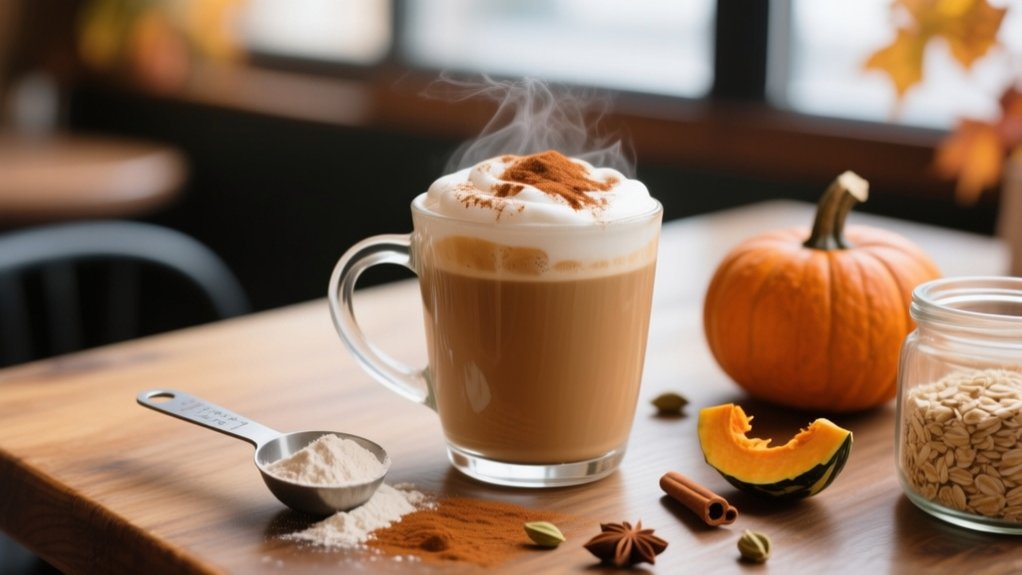
Is the Starbucks Pumpkin Spice Latte gluten-free? According to its ingredient list, the PSL contains no gluten ingredients, making it gluten free in theory.
However, you should know that cross-contamination is a significant concern. Starbucks uses shared equipment, like steam wands, that may come into contact with gluten-containing products. Because of this, Starbucks can’t guarantee the drink is completely allergen-free.
If you’re gluten-sensitive, it’s wise to talk to your barista about their preparation practices before ordering. Some people have safely enjoyed the PSL after informing staff, while others prefer to avoid it due to potential gluten exposure.
What Ingredients in the Pumpkin Spice Latte Contain Gluten?
Although the Pumpkin Spice Latte’s core ingredients don’t contain gluten, you should know that some toppings or flavorings used in Starbucks drinks might have gluten traces. While the PSL itself is gluten-free, certain toppings like the Blue Grey Sugar Topping found in some frappuccinos may contain gluten.
Starbucks also warns about possible cross-contact due to shared equipment, which could introduce gluten traces.
| Ingredient/Topping | Gluten Content | Notes |
|---|---|---|
| Pumpkin Spice Syrup | Gluten-Free | Core PSL ingredient |
| Whipped Cream | Gluten-Free | Standard topping |
| Blue Grey Sugar Topping | Contains Gluten | Used in some frappuccinos |
| Spice Mix | Gluten-Free | PSL spice blend |
| Equipment/Preparation Area | Possible Gluten | Cross-contact risk |
Always ask baristas if you have gluten concerns.
How Does Starbucks Manage Cross-Contamination Risks?
You probably want to know how Starbucks deals with cross-contamination risks, right?
Well, they’ve some solid equipment cleaning protocols in place. For example, baristas are trained to be really aware of allergies and they often clean tools like steam wands regularly.
That said, it’s super important that you let them know about your gluten sensitivity.
That way, they can take extra care to help reduce any chance of exposure.
Equipment Cleaning Protocols
Because Starbucks uses shared equipment for many beverages, managing cross-contamination risks requires strict cleaning protocols.
You should know that equipment like blenders and steam wands are cleaned frequently to reduce gluten exposure. Specifically, blenders get cleaned every four hours, and steam wands are sanitized daily.
However, shared equipment still poses a risk, especially during busy times.
To help manage cross-contamination, Starbucks focuses on regularly cleaning high-traffic equipment such as espresso machines and blenders. They also follow strict cleaning schedules for all equipment used in drink preparation.
Plus, customers are encouraged to inform baristas about gluten sensitivities to guarantee extra care.
Staff Allergy Awareness
Starbucks trains its staff to be aware of allergy risks, including gluten cross-contamination, so they can assist you better.
This staff allergy awareness means baristas understand that shared equipment like blenders and steam wands can pose cross-contamination risks.
While Starbucks cleans these tools regularly, cleaning standards may vary by location. Because of this, it’s important you inform your barista about any gluten sensitivities.
Doing so allows staff to take extra precautions during preparation and discuss specific methods to minimize risk.
Starbucks encourages open communication so you can feel confident about your drink’s safety.
Starbucks Autumn Drinks That Contain Gluten
Although autumn brings many tempting seasonal drinks, some popular Starbucks beverages contain gluten that could affect your sensitive stomach.
Autumn’s tempting Starbucks drinks may hide gluten that could upset sensitive stomachs.
While the Starbucks Pumpkin Spice Latte is generally gluten-free, several other fall favorites aren’t safe if you have gluten sensitivity.
You need to watch out for certain ingredients and toppings that introduce gluten into your drink.
Here are some autumn drinks and components to avoid:
- Frappuccinos with Blue Grey Sugar Topping, which contains barley
- Drinks made with oat milk, due to cross-contamination risks
- Double Chocolaty Chip Crème and Mocha Cookie Crumble Frappuccinos, which include wheat flour toppings
Being aware of these details helps you enjoy Starbucks’ seasonal offerings without compromising your gluten-free needs.
Gluten-Free Autumn Drinks to Try at Starbucks
If you’re managing gluten sensitivities but still want to enjoy fall flavors, there are several safe and delicious drinks to try this season.
Starbucks offers gluten-free options like the Pumpkin Cream Cold Brew and Iced Pumpkin Spice Latte, perfect for autumn.
You can also enjoy the White Mocha Caramel Macchiato and Vampire Frappuccino, which are gluten-free favorites.
To keep your drink safe, always ask for gluten-free milk alternatives such as almond or coconut milk, reducing cross-contamination risks.
Be mindful of toppings. Some, like the blue-grey sugar on certain frappuccinos, contain barley and aren’t gluten-free.
Don’t hesitate to discuss your gluten sensitivity with baristas to guarantee your order is prepared safely and to discover any new seasonal gluten-free drinks.
Are Oat Milk and Other Milk Alternatives Gluten-Free?
How can you be sure that the milk alternatives you choose are truly gluten-free? When it comes to oat milk at Starbucks, its gluten-free status depends on the brand and location.
Since some oat milk brands may have cross-contamination risks, it’s essential to ask the barista about the specific oat milk they use.
Meanwhile, almond, coconut, and soy milks are generally safer gluten-free options.
Keep these tips in mind:
- Confirm with staff about the oat milk brand and preparation methods.
- Choose almond, coconut, or soy milk for lower gluten risk.
- Always ask about cross-contamination risks with shared equipment.
How to Customize Your Pumpkin Spice Latte for Gluten Sensitivity
When ordering your Pumpkin Spice Latte at Starbucks, you can customize it to fit your gluten sensitivity by choosing milk alternatives like almond, coconut, or soy instead of oat milk.
Be sure to inform your barista about your gluten sensitivity to reduce the risk of cross contamination during preparation.
Avoid whipped cream and any toppings or syrups that might contain gluten.
If you prefer, ask for a simpler version with fewer flavorings, as plain espresso or coffee lowers the chance of gluten exposure.
Don’t hesitate to inquire about the sanitation practices of the equipment used, since cross contamination can happen if tools aren’t properly cleaned.
Taking these steps helps you enjoy your PSL safely without compromising your dietary needs.
What Baristas Say About Gluten and Allergies at Starbucks
When you ask baristas about gluten and allergies, they’ll definitely do their best to help you out.
But, just so you know, they mightn’t have every detail about cross-contamination down perfectly. It’s really important that you clearly tell them about your allergies—that way, they can take extra care with your order.
Also, keep in mind that Starbucks can’t guarantee drinks that are completely free of allergens.
Barista Awareness Of Allergies
Because baristas at Starbucks receive training on allergens, they can confidently answer your questions about gluten and drink preparation.
Their barista awareness of allergies helps them prepare and serve your order with care, reducing risks linked to gluten exposure.
When you inform them about your gluten sensitivity, they often take extra steps to guarantee safety.
Here’s what you can expect:
- Thorough cleaning of shared equipment like blenders and steam wands
- Clear communication about ingredients and cross-contamination risks
- Willingness to accommodate special requests for allergen safety
While experiences may vary, many customers find that speaking up leads to safer service.
Don’t hesitate to share your concerns. Baristas are trained and ready to help you enjoy your Starbucks treat confidently.
Allergy Communication Importance
Talking openly with Starbucks baristas about your gluten sensitivity can make a big difference in how your drink is prepared. Baristas emphasize the allergy communication importance since sharing your dietary concerns helps them take extra care when handling ingredients.
Because Starbucks uses shared equipment, cross-contamination risks exist, so it’s essential you clearly express your allergy to the staff. While training on allergens may vary by location, letting baristas know upfront often results in safer preparation methods tailored to your needs.
Many customers have shared positive experiences after communicating their gluten sensitivity.
Handling Cross-Contamination Risks
Although Starbucks baristas regularly clean shared equipment like steam wands and blenders, cross-contamination risks with gluten still exist.
If you have gluten sensitivity or celiac disease, it’s important to communicate your allergy clearly to the staff.
Baristas do their best to minimize cross-contamination, but it can happen unpredictably, especially with equipment used for gluten-containing products.
To handle cross-contamination risks effectively:
- Always inform your barista about your gluten allergy before ordering.
- Request that equipment be cleaned thoroughly or use fresh utensils when possible.
- Understand that Starbucks can’t guarantee allergen-free drinks, so assess your personal risk carefully.
Are Homemade Pumpkin Spice Lattes a Safer Gluten-Free Option?
How can you guarantee your Pumpkin Spice Latte is truly gluten-free? By making homemade pumpkin spice lattes, you take full control over every ingredient.
Using certified gluten-free pumpkin puree, spices, and milk alternatives like almond, coconut, or soy milk eliminates the risk of gluten contamination common in commercial options.
Choose certified gluten-free pumpkin puree, spices, and milk alternatives to avoid gluten contamination in your latte.
When you prepare your own latte, you reduce allergen exposure and can customize sweetness and flavor to suit your taste.
Homemade recipes also allow for healthier choices, ensuring you avoid hidden gluten found in some store-bought mixes or syrups.
If gluten sensitivity concerns you, making your Pumpkin Spice Latte at home is a safer, more reliable way to enjoy this seasonal favorite without worry.
How to Decide If the Pumpkin Spice Latte Is Right for Your Gluten Sensitivity
When deciding if the Pumpkin Spice Latte fits your gluten sensitivity, consider both the ingredients and how it’s prepared.
While the PSL contains no gluten ingredients, cross-contamination is a real risk due to shared equipment at Starbucks.
To decide if it’s right for you, take these steps: Ask baristas about their preparation methods to understand cross-contamination risks.
Also, inform staff about your gluten sensitivity so they can take extra precautions.
You might want to explore alternatives like the Pumpkin Cream Cold Brew, which may have lower cross-contamination risk.
Frequently Asked Questions
Can the Pumpkin Spice Latte Cause Allergic Reactions Besides Gluten Sensitivity?
Yes, the Pumpkin Spice Latte can cause allergic reactions beyond gluten sensitivity.
You need to practice Allergy Awareness because it contains dairy and soy, common allergens that might trigger reactions.
Whipped cream adds more dairy risk, and cross-contact with nuts or wheat is possible.
Always inform your barista about your allergies to reduce risks.
Being proactive helps you enjoy your drink safely without unexpected allergic reactions.
How Long Is the Pumpkin Spice Latte Available Each Year at Starbucks?
The Pumpkin Spice Latte’s seasonal availability at Starbucks usually stretches from late August or early September until the end of November, like a warm autumn hug before winter sets in.
You’ll find it just in time for fall’s crisp air and Thanksgiving celebrations.
Keep an eye on local stores and social media, since availability can vary by location.
But you can generally count on about three months of cozy, spiced delight each year.
Does Starbucks Offer Gluten-Free Pumpkin Spice Latte Syrup for Home Use?
Starbucks doesn’t offer gluten-free pumpkin spice latte syrup for home use, so syrup availability for that specific option is limited.
If you want to enjoy the flavor at home, you’ll need to look for alternative brands that guarantee gluten-free syrup.
This way, you can control what goes into your latte and avoid gluten risks.
Always check labels carefully since syrup availability and ingredients can change over time.
Are There Any Gluten-Free Toppings That Pair Well With the Pumpkin Spice Latte?
You might expect all toppings to be off-limits, but luckily, some topping alternatives pair perfectly with your Pumpkin Spice Latte.
You can enjoy whipped cream if it’s made in a gluten-free environment, or sprinkle cinnamon and nutmeg for that warm spice kick.
Gluten-free chocolate shavings also add richness without gluten risks.
Just ask Starbucks about their preparation methods or bring your own safe toppings to personalize your latte confidently.
What Are the Calorie and Nutritional Facts for the Pumpkin Spice Latte?
You’ll find the Pumpkin Spice Latte’s nutritional breakdown includes about 380 calories and 14 grams of fat in a grande size.
It packs roughly 52 grams of carbohydrates, with 50 grams coming from sugar, so it’s pretty sweet.
You’ll also get around 14 grams of protein from the milk.
Keep in mind, these numbers can change if you swap milk or alter toppings, so customize wisely!
Conclusion
Choosing whether to sip a Starbucks Pumpkin Spice Latte with gluten sensitivity is like walking through a crisp autumn forest—beautiful but needing careful steps. While the latte’s core ingredients are gluten-free, cross-contamination risks exist.
You can customize your drink and explore other gluten-free autumn options to stay safe. Trust your gut, ask your barista, and if unsure, consider making your own. That way, you enjoy the season’s flavors without worry.