Why Does My Coffee Taste Sour?: Causes, Fixes, and Brewing Tips
Many coffee drinkers experience a tangy or sharp flavor in their cup and wonder what causes it. Sour coffee can be surprising and unpleasant, especially when you expect a smooth, balanced brew. Understanding the factors that contribute to this taste helps you adjust your brewing process and enjoy a better cup every time.
Why Does My Coffee Taste Sour? is a question that often comes up among beginners and even seasoned coffee enthusiasts. Sourness is usually linked to under-extraction, where the water doesn’t pull enough soluble compounds from the coffee grounds. This leaves behind acidic flavors that dominate the taste.
Other variables such as grind size, water temperature, roast level, and brewing time can also affect the flavor. Light roasts, for example, naturally have higher acidity, which can intensify a sour taste if the extraction isn’t balanced.
Learning the reasons behind sour coffee empowers you to troubleshoot your brewing method and make adjustments. By exploring the causes, you can improve flavor balance, reduce unwanted acidity, and consistently enjoy a satisfying cup.
Incorrect Coffee-to-Water Ratio
The coffee-to-water ratio is a crucial factor in achieving a balanced, flavorful cup. Using too much or too little coffee relative to the water can drastically affect taste, leading to sour, weak, or bitter flavors. Understanding how to measure and adjust this ratio ensures consistent results and prevents under- or over-extraction that can ruin your brewing experience.
Effects of Too Little Coffee
When you use too little coffee for the amount of water, under-extraction occurs. Under-extraction happens because the water passes through the grounds too quickly, pulling only a limited amount of soluble compounds. The result is a thin, weak cup that tastes sour or acidic rather than smooth and balanced.
This issue is common when eyeballing measurements or skipping precise tools like a kitchen scale or tablespoon. The natural acids in coffee are extracted first, so using too little coffee emphasizes these sharp notes, leading to sourness. Adjusting the coffee-to-water ratio to match standard guidelines, such as 1 to 2 tablespoons per 6 ounces of water, helps ensure proper extraction and a fuller, well-rounded flavor.
Effects of Too Much Coffee
Conversely, using too much coffee relative to water leads to over-extraction. Over-extraction occurs when water remains in contact with an excessive amount of coffee, pulling out bitter compounds along with the desirable flavors. The cup can taste harsh, overly strong, and sometimes burnt or astringent.
A high coffee-to-water ratio can also cause clogging in certain brewing devices, such as espresso machines or pour-over cones, which further affects extraction consistency. Balancing the amount of coffee and water allows for proper saturation, even brewing, and consistent flavor. Measuring coffee accurately is key to preventing bitterness while maintaining strength and aroma.
Adjusting for Personal Preference
While standard ratios provide a starting point, individual taste preference plays a role. Some people prefer a stronger cup and may slightly increase the coffee amount, while others enjoy a lighter brew and may reduce it. Tracking ratios and experimenting gradually ensures that adjustments do not result in under- or over-extraction.
For precise brewing, use tools like a scale or measuring spoon, and adjust based on cup size, grind consistency, and brew method. This approach helps maintain a consistent flavor profile while allowing customization for personal taste.
Grind Size Issues
Grind size is one of the most critical factors affecting coffee flavor, extraction, and overall quality. Using the wrong grind can lead to sour, bitter, or weak coffee, even if you measure coffee and water perfectly. Understanding how grind size interacts with brewing methods allows you to troubleshoot flavor problems and achieve a balanced, enjoyable cup every time.
Too Coarse a Grind
When your coffee grounds are too coarse, under-extraction is likely. Water flows through coarse grounds too quickly, preventing proper extraction of soluble compounds, especially the natural sugars and oils that balance acidity. The result is a cup that often tastes sour, thin, and weak.
Coarse grinds are suitable for immersion methods like French press or cold brew but can cause problems in drip or espresso machines, where contact time is shorter. In these cases, adjusting the grind to medium or fine ensures enough extraction for balanced flavor. Understanding the appropriate grind for your brewing method prevents sourness and brings out the full range of aromatic and taste notes in your coffee beans.
Too Fine a Grind
Using overly fine coffee grounds can result in over-extraction. Fine grounds increase resistance to water flow, causing prolonged contact and extracting excessive bitter compounds. This leads to a strong, harsh, and sometimes astringent cup. Espresso is an exception, as its high-pressure extraction requires fine grounds, but even slight deviations can affect flavor intensity and crema quality.
Overly fine grinds can also clog filters or create sludgy coffee, particularly in drip or pour-over methods. Adjusting grind size for consistency allows water to flow evenly, achieving a balanced extraction and reducing bitterness. Using a burr grinder rather than a blade grinder helps maintain uniform particle size, which is critical for even extraction.
Matching Grind Size to Brew Method
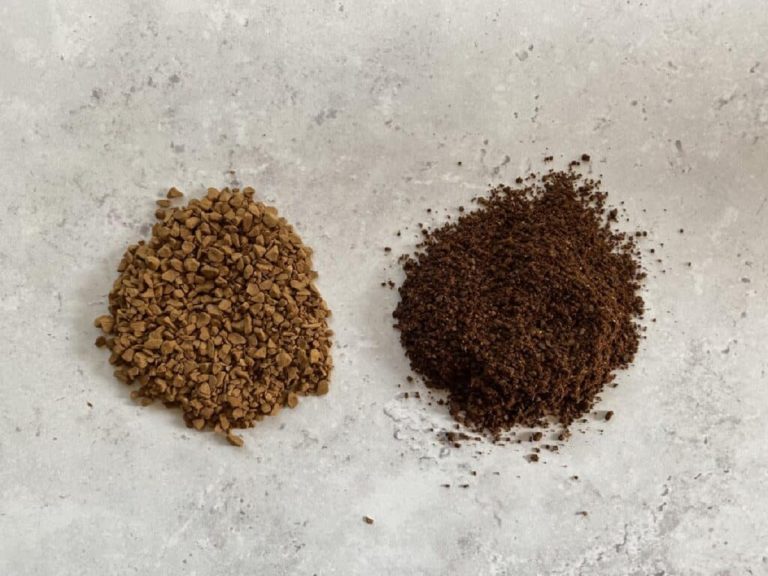
Each brewing method requires a specific grind range. Coarse grinds suit French press and cold brew, medium grinds work well for drip or pour-over, and fine grinds are best for espresso or Turkish coffee. Choosing the correct grind ensures proper water flow, optimal extraction, and flavor balance.
Using the wrong grind can undermine even the best-quality beans. Measuring and adjusting grind size based on method, brew time, and personal taste prevents both under- and over-extraction. Consistent grind size also helps maintain repeatable results, so every cup meets your desired flavor profile and strength.
Practical Tips for Grind Control
Investing in a quality burr grinder ensures uniform particle size, reducing the risk of inconsistent extraction. Keep track of grind settings for each brewing method, and adjust based on taste. Coarse grinds produce more body and milder flavor, while finer grinds enhance strength and intensity.
Understanding how grind size affects extraction helps you troubleshoot common flavor issues like sourness, bitterness, or weak coffee. By aligning grind size with your brewing method and measuring accurately, you can consistently achieve a flavorful, balanced cup that highlights your coffee beans’ best characteristics.
Brewing Temperature Problems
Brewing temperature plays a critical role in coffee extraction and flavor. Using water that is too hot or too cold can significantly affect taste, strength, and balance. Understanding the ideal temperature range and how variations impact your brew allows you to troubleshoot sourness, bitterness, or weak coffee, ensuring a consistently enjoyable cup every time.
Water That’s Too Cold
Using water that is below the optimal brewing range, typically below 195°F (90°C), can result in under-extraction. Under-extracted coffee often tastes sour, weak, or thin because the water fails to pull enough soluble compounds from the coffee grounds.
Cold water does not efficiently dissolve the sugars, oils, and aromatic compounds, leaving behind a cup dominated by acidic notes. This problem is particularly noticeable in drip, pour-over, and espresso methods. Adjusting water temperature to the recommended range allows for balanced extraction, highlighting sweetness, body, and aroma while reducing unwanted sourness. Cold water may be useful in cold brew coffee, but for hot brewing methods, temperature control is essential for flavor consistency.
Water That’s Too Hot
Conversely, water that exceeds 205°F (96°C) can over-extract coffee, pulling excessive bitter compounds and creating a harsh, burnt taste. Boiling water poured directly onto coffee grounds can scorch the beans, resulting in a strong, astringent flavor that masks delicate notes.
High temperatures accelerate the extraction of undesirable compounds while breaking down subtle aromatic oils, reducing complexity and balance. This issue is common when using kettles without temperature control or relying on water straight from a boiling pot. Using precise temperature control ensures that coffee grounds extract evenly, producing a full-bodied, flavorful cup without bitterness or off-flavors.
Optimal Temperature Ranges for Brewing
For most hot brewing methods, maintaining a water temperature between 195°F and 205°F (90°C to 96°C) is ideal. This range ensures proper extraction of soluble compounds while preserving the natural sweetness and aroma of the coffee beans.
Espresso machines often control temperature automatically, while manual methods like pour-over, French press, or drip require careful monitoring. Using a thermometer or temperature-controlled kettle allows consistent brewing, producing a balanced cup. Staying within this range prevents sourness from under-extraction and bitterness from over-extraction, optimizing both flavor and strength.
Coffee Bean Quality and Roast Level
The quality of coffee beans and their roast level are fundamental factors that shape the flavor, aroma, and overall experience of your coffee. High-quality beans paired with the appropriate roast level ensure a balanced and enjoyable cup, while poor-quality beans or an unsuitable roast can lead to sour, bitter, or flat flavors. Understanding these elements allows you to make informed choices for both espresso and brewed coffee.
Importance of Bean Quality
Coffee bean quality directly affects the taste and aroma of your brew. High-quality beans, typically Arabica or specialty-grade coffee, have well-developed flavors, balanced acidity, and complex aromatic compounds. Lower-quality beans or defective beans often lack nuance, resulting in dull or harsh flavors.
Freshness is also crucial. Beans that are stale or improperly stored lose oils and aromatics, leading to weak, sour, or flat coffee. Selecting beans from reputable roasters and consuming them soon after roasting ensures that you capture the full spectrum of flavors. High-quality beans provide the foundation for brewing methods to shine, whether you’re making a concentrated espresso or a lighter pour-over cup.
Light Roast Effects
Light roast beans are roasted for a shorter duration, preserving most of the original flavors and acidity of the coffee. They are typically brighter, fruitier, and more aromatic, emphasizing subtle notes that can be masked in darker roasts. These roasts have a lighter body and slightly higher caffeine content due to minimal roasting degradation.
Light roasts are ideal for pour-over, drip, and other manual brewing methods where the extraction process can highlight their complexity. However, they can taste sour if under-extracted or brewed incorrectly. Pairing light roasts with high-quality beans ensures that the natural sweetness and nuanced flavors come through, producing a lively and vibrant cup.
Medium Roast Effects
Medium roast coffee strikes a balance between flavor, acidity, and body. These beans are roasted longer than light roasts, resulting in caramelized sugars, reduced acidity, and a fuller body. Medium roasts maintain the distinctive characteristics of the beans while offering a smoother, more approachable flavor.
Medium roast beans are versatile and work well with a variety of brewing methods, including drip, French press, and espresso. They provide a well-rounded cup with balanced sweetness, mild acidity, and moderate strength. Choosing high-quality beans at a medium roast ensures consistent flavor, making this roast level a favorite for daily consumption and social brewing settings.
Dark Roast Effects
Dark roast beans are roasted for the longest duration, creating bold, smoky, and chocolatey flavors. The roasting process develops deep color, oils on the surface, and reduced acidity. While caffeine levels may slightly decrease during roasting, the intense flavor can create the perception of higher strength.
Dark roasts are ideal for espresso, as their boldness withstands concentrated extraction and produces a rich crema. They are also suitable for drip or French press brewing when a strong, full-bodied cup is desired. High-quality beans are essential for dark roasts, as poor beans can result in an overly bitter, burnt, or flat flavor rather than the desired richness and depth.
Practical Implications for Coffee Drinkers
Selecting high-quality beans and matching them with the appropriate roast level ensures a balanced and enjoyable coffee experience. Light roasts highlight nuance and acidity, medium roasts provide smoothness and versatility, and dark roasts deliver boldness and intensity.
Understanding how bean quality and roast level interact with brewing methods allows you to optimize flavor, aroma, and strength. Investing in quality beans and choosing the right roast not only enhances your coffee’s taste but also elevates your overall brewing experience, whether you prefer espresso, drip, pour-over, or French press.
Water Quality and Its Effect on Taste
Water is the main component of any coffee beverage, making its quality crucial to the final taste. Minerals, pH levels, and purity all influence extraction, flavor balance, and aroma. Using subpar water can result in sour, bitter, or flat coffee, while clean, well-balanced water enhances the richness and complexity of your brew. Understanding water’s role helps you make better coffee consistently.
Mineral Content and Flavor Extraction
Minerals in water, such as calcium and magnesium, affect how coffee compounds are extracted. Hard water, which is high in minerals, can lead to over-extraction, producing bitterness and harshness. Conversely, very soft water may under-extract coffee, leaving it weak and sour.
Balanced mineral content promotes proper extraction of oils, acids, and sugars from coffee grounds, creating a smooth and well-rounded cup. Specialty coffee guidelines often recommend water with 150 ppm of total dissolved solids and a neutral to slightly alkaline pH. Using filtered or bottled water that maintains these parameters can significantly enhance flavor clarity and overall enjoyment.
pH Levels and Acidity
The pH level of water impacts the perceived acidity of coffee. Water that is too acidic or too alkaline can distort flavor, amplifying sourness or dulling sweetness. Neutral or slightly alkaline water allows the coffee’s natural acidity to shine without overwhelming the palate.
Acidity in coffee contributes to brightness and complexity, but improper water pH can exaggerate sharp notes, making the brew taste sour or unbalanced. Testing your water or using commercially available filtered water designed for coffee brewing ensures consistent pH levels, enhancing both aroma and taste while preserving the intended flavor profile of your beans.
Impurities and Off-Flavors
Water containing chlorine, metals, or other impurities can introduce off-flavors that mask the coffee’s natural character. Tap water often contains traces of these contaminants, which may result in a chemical or metallic taste.
Using a quality water filter or bottled water can remove unwanted elements, allowing the coffee’s natural flavors to emerge. Clean water ensures that delicate notes from light or medium roasts are not overshadowed and that dark roasts retain their intended richness without additional bitterness or unwanted flavors.
FAQs
What Causes Coffee To Taste Sour?
Coffee often tastes sour due to under-extraction, where water does not pull enough soluble compounds from the coffee grounds. This leaves the acidic elements dominant, creating a tangy or sharp flavor.
Other factors like grind size, water temperature, or coffee freshness can also contribute. Coarse grounds, low brewing temperature, or stale beans prevent balanced extraction. Ensuring proper grind, optimal water temperature, and fresh, quality beans allows you to minimize sourness and achieve a smoother, well-rounded cup that highlights the coffee’s natural sweetness and balanced flavors.
Can Grind Size Make Coffee Sour?
Yes, grind size significantly affects coffee taste. Using coffee grounds that are too coarse can cause under-extraction, which allows the acidic compounds to dominate. This results in a cup that tastes thin, sharp, and sour rather than balanced and smooth.
Matching grind size to your brewing method is crucial. For espresso, use a fine grind; for drip coffee, medium; and for French press, coarse. Adjusting the grind ensures proper water contact with the coffee, maximizing extraction of natural sugars and oils while reducing unwanted acidity and sour notes.
Does Water Temperature Affect Sourness?
Absolutely, brewing temperature is a key factor in coffee acidity. Water that is too cool, usually below 195°F (90°C), fails to extract enough soluble compounds from the coffee grounds, leading to sour, underdeveloped flavors.
Hot water in the optimal range of 195–205°F (90–96°C) ensures balanced extraction, pulling both acids and sugars properly. Monitoring water temperature during brewing allows the coffee to develop its intended flavor profile. Using a thermometer or temperature-controlled kettle helps you maintain consistency and prevent sourness caused by low-temperature brewing.
Can Coffee Roast Level Influence Sour Taste?
Yes, roast level directly impacts acidity in coffee. Light roasts preserve more of the bean’s natural acids, which can taste bright and tangy. Without proper brewing, these acids can dominate, making the coffee taste sour.
Medium and dark roasts typically have reduced acidity due to longer roasting, providing a smoother, fuller flavor. Choosing the right roast for your preferred brewing method and taste helps balance acidity. Pairing light roasts with precise water temperature, grind size, and extraction time prevents sourness while maintaining the vibrant flavors unique to lighter beans.
Does Coffee Freshness Affect Sourness?
Yes, coffee freshness plays a major role in flavor balance. Beans that are stale or improperly stored lose aromatic oils and natural sugars, leading to a flat or overly acidic taste that can be perceived as sour.
Using freshly roasted beans and grinding them just before brewing ensures maximum flavor extraction and balance. Proper storage in airtight containers away from light, heat, and moisture also preserves freshness. Fresh beans allow you to enjoy the intended sweetness, aroma, and acidity without the unwanted tanginess associated with old or degraded coffee.
Can Brewing Time Make Coffee Sour?
Brewing time affects how much flavor and acidity is extracted. Short brewing times often lead to under-extraction, where acidic compounds dominate, resulting in a sour taste.
Adjusting the brewing duration based on your method ensures that water fully interacts with coffee grounds, extracting the right balance of acids, sugars, and oils. For espresso, proper extraction takes 25–30 seconds; for pour-over, 3–5 minutes; and for French press, 4–6 minutes. Controlling brewing time helps you achieve a balanced cup without unwanted sourness.
Conclusion
A sour taste in your coffee usually signals that something in the brewing process is off, whether it’s the grind size, water temperature, or coffee-to-water ratio. Paying attention to these factors can help you achieve a smoother, more balanced cup that highlights the coffee’s natural flavors without unwanted sharpness.
When exploring Why Does My Coffee Taste Sour?, consider the roast level and freshness of your beans. Light roasts tend to have more acidity, while stale or low-quality beans can intensify sour notes. Adjusting your brewing method, timing, and water quality can also make a significant difference in reducing sourness.
Ultimately, trial and adjustment are key to finding the right combination for your taste. Understanding Why Does My Coffee Taste Sour? empowers you to tweak variables like grind, temperature, and ratios, ensuring each cup is rich, flavorful, and enjoyable rather than unpleasantly sour.