Instant Coffee vs Brewed: Which One Is Right For You?
Coffee has become a daily essential for millions around the world, offering comfort, energy, and a rich sensory experience. With so many options available, consumers often find themselves weighing convenience against flavor. The choice between different coffee types can impact taste, preparation time, and overall satisfaction.
Among the most common comparisons is the difference between instant coffee and traditionally brewed coffee. Instant coffee offers speed and ease, allowing a quick cup with minimal effort, while brewed coffee emphasizes flavor extraction and aroma, often requiring more time and equipment. Understanding the differences between these two can help coffee lovers select the option that best suits their lifestyle and palate.
The brewing method, bean quality, and preparation process all play a role in shaping the final cup. Exploring the nuances of each approach highlights not only convenience versus quality but also factors like caffeine content, taste profile, and versatility.
Examining Instant Coffee vs Brewed coffee provides clarity for those seeking a daily coffee ritual that fits their schedule and taste preferences. This comparison delves into key differences and what they mean for coffee enthusiasts everywhere.
Comparing Caffeine Content
Caffeine is one of the main reasons people turn to coffee daily, providing energy, alertness, and focus. Understanding how caffeine levels differ between instant coffee and traditionally brewed coffee helps drinkers manage intake and achieve the desired effects. The amount of caffeine in a cup can vary depending on preparation methods, serving size, and the type of coffee used.
Caffeine in Instant Coffee
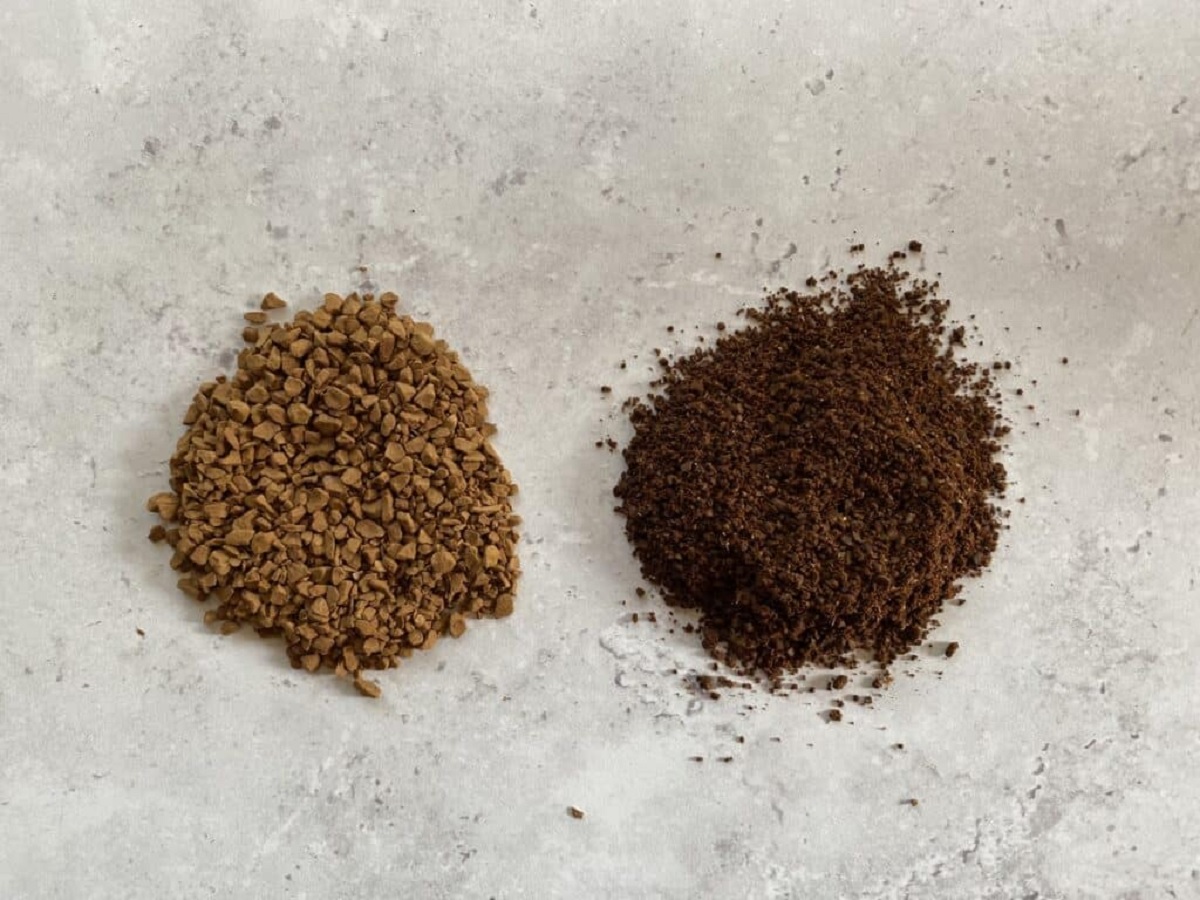
Instant coffee is made by brewing coffee and then dehydrating it into soluble granules. A typical 8-ounce cup of instant coffee contains approximately 60 to 80 milligrams of caffeine, though this can vary based on the brand and serving size. Compared to brewed coffee, instant coffee generally contains slightly less caffeine per cup, making it a convenient option for those who prefer a lighter boost or want to control their intake.
The caffeine content can also fluctuate depending on how concentrated the preparation is. Using more granules per cup or smaller water volume increases caffeine concentration, while using fewer granules produces a milder cup. Instant coffee allows for flexible customization of caffeine strength without specialized brewing equipment.
For individuals sensitive to caffeine, instant coffee may provide a gentler option while still offering alertness. It is also quick and portable, making it suitable for busy mornings or travel without significantly compromising the energy-boosting properties of coffee.
Caffeine in Brewed Coffee
Brewed coffee, prepared using methods such as drip, French press, or pour-over, typically contains higher caffeine levels than instant coffee. An 8-ounce cup of brewed coffee usually contains between 80 and 120 milligrams of caffeine, depending on factors such as bean type, grind size, water temperature, and steeping time. Stronger brews, such as those made with finely ground beans or longer extraction times, naturally have higher caffeine concentrations.
The brewing process allows for greater control over caffeine content. Adjusting the ratio of coffee grounds to water or using darker roasts with different beans can influence the final caffeine level. Brewed coffee also tends to retain more natural oils and compounds, enhancing both flavor and caffeine extraction.
For coffee enthusiasts seeking a more robust caffeine effect, brewed coffee offers a consistent and potent energy boost. Its flexibility in preparation methods allows individuals to tailor strength, flavor, and caffeine content to personal preferences, making it ideal for dedicated coffee drinkers.
Comparing Effects and Considerations
When comparing Instant Coffee vs Brewed, caffeine content is one of the primary differentiators. Brewed coffee generally provides a higher dose per serving, resulting in stronger stimulation and alertness. Instant coffee, with slightly lower caffeine levels, can be a practical choice for those who want a moderate boost without overstimulation.
Other considerations include convenience and preparation time. Instant coffee is quick and requires minimal equipment, while brewed coffee often demands more time and attention but delivers richer flavor and aroma. Individuals managing caffeine intake for sleep, heart health, or sensitivity may prefer instant coffee for its milder content and flexibility in controlling portion sizes.
Ultimately, the choice between instant and brewed coffee depends on caffeine needs, taste preferences, and lifestyle. Being aware of how much caffeine each type contains allows coffee drinkers to make informed decisions, balancing energy, flavor, and convenience in their daily routine.
Flavor and Aroma Differences
Taste and aroma are central to the coffee experience, often influencing choice as much as caffeine content. While both instant and brewed coffee offer the energizing effects coffee lovers seek, they differ significantly in flavor complexity, body, and aromatic profile. Understanding these differences helps individuals select the right coffee type for their palate, occasion, and preparation style.
Flavor Profile of Instant Coffee
Instant coffee is designed for convenience, and its production process can impact flavor depth. The coffee is brewed, concentrated, and then dehydrated into granules, which can reduce some of the natural oils and nuanced compounds found in freshly brewed coffee. As a result, instant coffee often has a milder, more uniform taste, with fewer complex flavor notes.
While some premium instant varieties strive to preserve aroma and richness, most instant coffee tends to exhibit a straightforward, slightly flat flavor. It often lacks the layered acidity, chocolatey undertones, or fruity hints that can be detected in carefully brewed coffee. However, this simplicity can appeal to those who prefer a lighter, more consistent cup without unexpected variations.
Flavor intensity in instant coffee can also be adjusted by varying the amount of granules per cup. Increasing the concentration can enhance bitterness and body, while adding milk, sugar, or flavorings helps balance the taste. Despite its limitations, instant coffee remains a practical option for quick mornings or travel, providing predictable flavor with minimal effort.
The convenience factor often outweighs subtle flavor compromises for many drinkers. Instant coffee delivers a reliable, easy-to-make cup, suitable for daily routines or situations where brewed coffee is not accessible. Its predictable taste is one of its strengths, allowing for fast preparation without sacrificing the comfort of a warm cup.
Flavor Profile of Brewed Coffee
Brewed coffee emphasizes flavor and aroma extraction, producing a richer, more complex sensory experience. Methods such as drip, pour-over, French press, or espresso allow the natural oils, acids, and sugars in the coffee bean to interact with water, enhancing both taste and fragrance. Each method yields subtle differences in flavor, body, and clarity, giving drinkers more control over their final cup.
The flavor of brewed coffee is often described as fuller, more layered, and aromatic compared to instant coffee. Notes can range from fruity and floral to nutty, chocolatey, or smoky, depending on the bean origin, roast, and brewing technique. The aroma is also significantly stronger, providing a sensory experience that instant coffee typically cannot match.
Brewed coffee allows customization in strength, extraction, and flavor balance. Adjusting grind size, water temperature, and brewing time can produce lighter, milder cups or bold, robust flavors. For many enthusiasts, the ritual of brewing contributes to the overall enjoyment, as aroma and taste are closely tied to the coffee-making experience itself.
Overall, brewed coffee offers superior complexity, aroma, and depth, appealing to those who prioritize taste and sensory richness. While instant coffee emphasizes convenience and consistency, brewed coffee delivers a premium experience for the true coffee aficionado.
Comparing Aroma Between Instant and Brewed Coffee
Aroma plays a crucial role in the perception of flavor, and instant and brewed coffee differ significantly in this aspect. Instant coffee often has a subdued scent, as the dehydration process removes many volatile aromatic compounds that contribute to the full coffee experience. Its smell tends to be uniform and less intense, which can make it feel less “fresh” compared to brewed coffee.
Brewed coffee, on the other hand, releases a wide spectrum of aromatic compounds during brewing. The combination of heat, water, and coffee oils produces a rich, inviting fragrance that enhances flavor perception. The aroma can include hints of caramel, cocoa, nuts, fruit, or floral notes, depending on the beans and roast. This olfactory complexity adds to the enjoyment, making the brewing process an engaging multi-sensory ritual.
The difference in aroma also impacts perception of taste. Strong, fresh aromas can make brewed coffee feel more flavorful, even when caffeine levels are similar to instant coffee. For those seeking a robust sensory experience, aroma is a key factor in favoring brewed coffee over instant options.
Convenience and Preparation Time
Convenience and preparation time are major factors for many coffee drinkers when choosing between instant coffee and brewed coffee. While flavor, aroma, and caffeine content are important, the ease of making a cup often dictates daily coffee habits. Understanding the differences in preparation, equipment, and time commitment can help individuals select the option that best fits their lifestyle and schedule.
Convenience of Instant Coffee
Instant coffee is the ultimate option for speed and simplicity. Its preparation requires minimal equipment—just hot water, a mug, and the coffee granules. This makes it ideal for busy mornings, office settings, or travel, where access to a coffee maker or grinder may be limited. A cup of instant coffee can be ready in under two minutes, making it a practical solution for time-sensitive situations.
The portion control in instant coffee is straightforward. Simply scoop the desired amount of granules and dissolve in hot water, adjusting strength to taste. There is no need to measure coffee grounds, monitor brewing time, or clean complex equipment afterward. This convenience appeals to people who want a quick caffeine boost without fuss.
Instant coffee’s portability is another advantage. It can be stored in single-serve packets or small containers, making it easy to carry for trips, camping, or office use. Despite minor compromises in flavor and aroma compared to brewed coffee, instant coffee excels in situations where speed and simplicity are priorities.
Additionally, instant coffee is highly consistent. Each cup tastes similar, reducing the guesswork involved in brewing. For those who value predictability over subtle flavor nuances, this reliability makes instant coffee a dependable option for daily routines.
Convenience and Time for Brewed Coffee
Brewed coffee requires more time and effort, which can be seen as a drawback for some, but it offers rewards in flavor and sensory experience. Methods such as drip brewing, French press, pour-over, or espresso involve measuring coffee grounds, heating water, and timing the extraction process carefully. Even automated coffee machines require some setup and cleaning afterward.
Preparation time varies depending on the method. A drip coffee maker might take five to ten minutes from start to finish, including machine heating, brewing, and pouring. Pour-over or French press methods require additional attention to water temperature, grind size, and steeping time, often taking seven to fifteen minutes per cup. Espresso preparation is faster in volume but requires precise tamping, grinding, and machine operation.
Despite the longer preparation, brewed coffee offers more control over strength, flavor, and caffeine content. Users can customize the cup to their preferences, adjusting grind size, water ratio, and brewing time to achieve a desired flavor profile and intensity. The brewing ritual also adds a sensory and enjoyable component to the coffee experience, enhancing aroma and taste.
Cleaning and maintenance are part of the time commitment. Filters, carafes, and equipment must be washed regularly to maintain performance and flavor quality. While this adds to preparation time, it also ensures a consistently fresh and flavorful cup. For enthusiasts, the extra effort is often worth the richer taste and aromatic experience.
Balancing Convenience and Quality
When weighing Instant Coffee vs Brewed, convenience is a key differentiator. Instant coffee excels in speed, portability, and minimal cleanup, making it perfect for quick caffeine boosts or situations where brewing is impractical. Brewed coffee requires more time and attention but rewards with superior flavor, aroma, and customization options.
Lifestyle and priorities often guide the choice. Those with demanding schedules, frequent travel, or limited access to brewing equipment may prefer instant coffee. Conversely, individuals who value taste, aroma, and ritual in their coffee experience often opt for brewed coffee despite the extra time commitment.
Ultimately, understanding these trade-offs allows coffee drinkers to select the method that best fits their needs. Both instant and brewed coffee have unique advantages, and flexibility in preparation choice can accommodate different routines, schedules, and preferences without sacrificing enjoyment or energy.
Health and Nutritional Considerations
Coffee provides more than just caffeine; it also contains antioxidants, minerals, and other compounds that can impact health. When comparing instant coffee and brewed coffee, understanding the nutritional differences and potential health effects can help individuals make choices that support overall well-being. These factors include caffeine levels, antioxidant content, additives, and impacts on digestion or metabolism.
Antioxidant Content and Nutrients
Both instant and brewed coffee contain antioxidants, which help combat oxidative stress in the body and may reduce the risk of certain chronic diseases. Brewed coffee tends to retain slightly more antioxidants due to the full extraction of coffee oils and compounds during the brewing process. Methods such as drip, pour-over, or French press enhance these benefits, producing a cup rich in polyphenols and other bioactive compounds.
Instant coffee also contains antioxidants, although the drying and processing steps can reduce some of the naturally occurring compounds. Despite this, instant coffee still provides a meaningful source of antioxidants and can contribute to daily intake. Minerals like magnesium and potassium are present in both forms, supporting metabolic functions and overall health.
Regular coffee consumption, whether instant or brewed, is associated with potential health benefits, including improved alertness, reduced risk of type 2 diabetes, and mild protective effects on liver and heart health. Choosing coffee over sugary or high-calorie beverages further enhances its nutritional value.
Caffeine Impact on Health
Caffeine is a key factor in both instant and brewed coffee, affecting alertness, mood, and metabolism. Brewed coffee usually has higher caffeine content per cup, which can boost energy but may also cause jitters or sleep disturbances in sensitive individuals. Instant coffee provides a moderate caffeine dose, making it a gentler option for those who want controlled intake.
Consuming caffeine in moderation—typically up to 400 milligrams per day for most healthy adults—is generally considered safe. Spacing cups throughout the day can help maintain energy while avoiding overstimulation or increased heart rate. Individuals with cardiovascular concerns, anxiety, or sleep issues may benefit from choosing instant coffee or decaf options.
Awareness of caffeine content allows drinkers to balance benefits and potential side effects. Both coffee types can be integrated into a healthy lifestyle, provided intake is tailored to individual tolerance levels and overall dietary patterns.
Additives and Caloric Considerations
Coffee’s health impact is influenced not just by caffeine but also by what is added to the cup. Sugar, flavored syrups, creamers, and milk alternatives contribute calories and can affect blood sugar or weight management. Instant coffee is often consumed with pre-mixed additives, making it easier to overconsume sugar or flavorings. Brewed coffee allows more control over what goes into the cup, giving drinkers the option to minimize added calories.
Choosing low-calorie sweeteners, plant-based milk, or small amounts of sugar can make both instant and brewed coffee more health-friendly. Black coffee, whether instant or brewed, provides minimal calories while delivering antioxidants and caffeine, making it an excellent option for those monitoring caloric intake.
Digestive and Other Considerations
Coffee can affect digestion and metabolism differently depending on type and preparation. Brewed coffee’s natural oils and compounds may increase stomach acidity, which could cause discomfort in sensitive individuals. Instant coffee, having undergone processing and often lower in oils, may be gentler on the stomach.
Both coffee types can support mental alertness, enhance mood, and promote mild thermogenic effects. For individuals with gastrointestinal sensitivity, choosing instant coffee or moderating intake can reduce potential discomfort while still allowing enjoyment of the beverage.
Frequently Asked Questions
What Is The Main Difference Between Instant Coffee And Brewed Coffee?
The main difference lies in preparation and concentration. Instant coffee is pre-brewed, dehydrated, and can be dissolved directly in hot water, making it quick and convenient. Brewed coffee, on the other hand, is made by extracting flavors from ground coffee beans using hot water, which allows for more control over taste, aroma, and strength.
If you value speed and minimal cleanup, instant coffee is practical. If you prioritize richer flavor and full-bodied aroma, brewed coffee will give you a more satisfying coffee experience. Your choice depends on lifestyle and taste preferences.
Which Type Of Coffee Has More Caffeine, Instant Or Brewed?
Generally, brewed coffee contains more caffeine per cup than instant coffee, but it depends on preparation. An 8 oz cup of brewed coffee can have 80–120 mg of caffeine, while instant coffee usually has 60–90 mg. Brewing methods, water-to-coffee ratio, and serving size all influence caffeine content.
If you want a stronger caffeine kick in the morning, brewed coffee may be the better choice. For a lighter boost or quick energy, instant coffee can satisfy your needs without overloading caffeine.
Does Instant Coffee Taste Worse Than Brewed Coffee?
Instant coffee often has a simpler flavor profile compared to brewed coffee, which tends to be richer, more aromatic, and complex. Some people find instant coffee slightly bitter or flat because the dehydration process can reduce certain flavor compounds.
You can improve the taste of instant coffee by choosing high-quality brands or mixing with milk, cream, or flavorings. Brewed coffee allows full control over grind, brewing time, and temperature, so it’s easier to achieve a stronger, more flavorful cup. Taste preference often determines which you enjoy more.
Is Instant Coffee Healthier Than Brewed Coffee?
Both instant and brewed coffee offer health benefits, including antioxidants and potential metabolic boosts. Instant coffee may contain slightly fewer antioxidants due to processing, but it generally has fewer calories if consumed plain. Brewed coffee can offer more antioxidants and flavor compounds, especially from fresh beans.
Health effects also depend on what you add to coffee. Sugar, cream, or flavored syrups can reduce benefits. Both types can be part of a healthy diet if consumed in moderation, and your choice should focus on convenience, taste, and caffeine needs.
Which Coffee Is More Convenient For Daily Use?
Instant coffee is extremely convenient for daily use, requiring only hot water and minimal cleanup. It’s ideal for busy mornings, travel, or situations where brewing equipment isn’t available. Brewed coffee requires more time, equipment, and cleanup but rewards you with superior flavor and aroma.
You can choose instant coffee when you need speed and simplicity. Brewed coffee works best when you want a deliberate, flavorful coffee experience. Matching your choice to your daily routine helps you enjoy coffee without compromising taste or convenience.
How Does Brewing Method Affect Brewed Coffee Versus Instant Coffee?
Brewed coffee flavor and caffeine content vary depending on brewing methods like drip, French press, pour-over, or espresso. Grind size, water temperature, and brewing time all affect taste and strength. Instant coffee, in contrast, dissolves quickly, and brewing method has minimal effect because it is pre-extracted.
If you like experimenting with coffee flavor, brewed coffee offers flexibility. Instant coffee is consistent and predictable, which is ideal when you want a quick, standardized cup. Your brewing choices largely affect your experience with brewed coffee rather than instant.
Which Coffee Is Better For Controlling Caffeine Intake?
If you want precise control over caffeine, brewed coffee is easier to adjust. You can vary the amount of coffee, grind size, and brewing time to increase or reduce caffeine. Instant coffee has less flexibility, though you can modify the amount of powder per cup to manage intake.
People sensitive to caffeine often prefer instant coffee because it’s generally milder. Brewed coffee allows you to customize your caffeine dose more accurately, making it ideal if you want a stronger or weaker cup depending on the time of day.
Final Words
Choosing between different types of coffee involves more than just flavor preference—it also includes considerations of caffeine content, convenience, and health benefits. Instant coffee offers speed, portability, and consistent taste, making it ideal for busy mornings or situations where brewing equipment is limited. Brewed coffee, on the other hand, provides a richer aroma, more complex flavor, and customizable strength, appealing to those who prioritize the sensory experience.
Understanding Instant Coffee vs Brewed helps individuals make informed choices based on lifestyle, taste, and health needs. While brewed coffee generally delivers higher caffeine and antioxidants, instant coffee provides moderate stimulation with less preparation. Both options contain beneficial compounds and can fit into a balanced diet when consumed in moderation.
Ultimately, the choice comes down to personal priorities. Convenience, flavor, caffeine needs, and nutritional considerations all play a role in selecting the right coffee type. Awareness of these factors allows coffee lovers to enjoy their preferred beverage while balancing energy, taste, and lifestyle preferences.