What Are The Grades Of Matcha: Choosing The Right Powder For Your Drink
Matcha has become a daily ritual for many people, yet not all green powders are the same. Taste, color, texture, and even how it makes you feel can vary widely. These differences often come down to how the matcha is grown, processed, and intended to be used.
When people first explore matcha, confusion usually starts with labeling. Terms like ceremonial or culinary appear everywhere, but they rarely explain the full picture. Understanding what separates one type from another helps you choose matcha that truly fits your needs.
This is where the question what are the grades of matcha becomes important. Grades are not just marketing words. They reflect leaf quality, harvest timing, and processing methods that directly affect flavor and performance in drinks or recipes.
Knowing the grades of matcha makes your choice more intentional. Whether you enjoy matcha for calm focus, traditional tea moments, or cooking, clarity around grading helps you spend wisely and enjoy a better experience from every cup.
Ceremonial Grade Matcha
Ceremonial grade matcha is considered the highest quality available, specifically crafted for traditional tea ceremonies and premium drinking experiences. It is made from the youngest, tender leaves, which deliver vibrant green color, smooth texture, and a naturally sweet, umami-rich flavor. Understanding its unique characteristics helps you appreciate why it is prized above other matcha grades and how to enjoy it at its best.
What Makes Ceremonial Grade Matcha Special
Ceremonial grade matcha stands out due to the meticulous cultivation and harvesting process. The leaves used are typically grown in shaded conditions for several weeks before harvest, enhancing chlorophyll levels and creating the bright green color that defines high-quality matcha. Only the top leaves are selected, avoiding stems or veins that can make lower-grade matcha bitter.
This attention to detail results in a smooth, silky powder that blends effortlessly with water. The flavor profile is delicate yet complex, offering natural sweetness and subtle umami, unlike culinary matcha, which can be more robust or slightly bitter. Ceremonial matcha is designed for drinking on its own, without additives, so the natural taste is fully appreciated.
The grinding process also plays a crucial role. Traditional stone grinding preserves flavor and aroma while maintaining a fine, velvety texture. This careful production ensures the highest level of purity and quality, making ceremonial matcha ideal for mindful tea preparation and ritual enjoyment.
Ceremonial grade matcha is often associated with calm, focused energy, thanks to its balanced combination of caffeine and L-theanine. These compounds promote alertness while supporting relaxation, providing an experience that is both energizing and soothing.
How To Prepare Ceremonial Grade Matcha
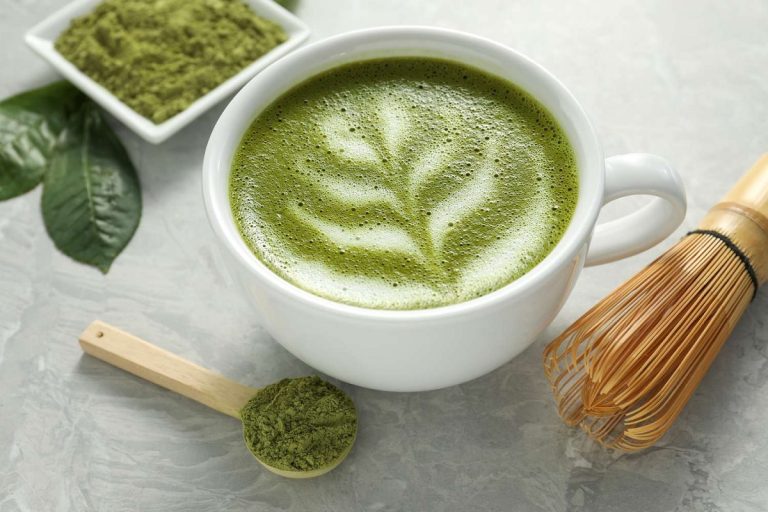
Proper preparation is essential to enjoy ceremonial grade matcha. The traditional method involves sifting the powder into a bowl, adding hot water at the right temperature, and whisking until a smooth, frothy consistency is achieved. This technique enhances the natural flavor and texture.
Water temperature is important. Too hot, and the matcha can become bitter; too cool, and it may not dissolve fully. Ideally, the water should be around 160–175°F (70–80°C). The whisking motion should be brisk and controlled, forming a light foam on the surface, which indicates a properly emulsified drink.
Serving ceremonial matcha is about mindfulness. It’s meant to be sipped slowly, allowing the natural umami and sweetness to be fully appreciated. Unlike culinary matcha, it is not intended for mixing into lattes or desserts, as additives can mask its delicate flavors.
Regularly using ceremonial grade matcha in your routine can enhance both physical and mental well-being. The combination of smooth caffeine release and calming compounds encourages sustained focus without the jitteriness sometimes experienced with coffee.
The quality and ritual of ceremonial matcha make it more than just a beverage. Each cup is a carefully crafted experience, reflecting centuries of tradition and precise production methods that celebrate the art of tea.
Benefits Of Choosing Ceremonial Grade Matcha
Choosing ceremonial grade matcha offers benefits beyond flavor. The high concentration of antioxidants, particularly catechins, supports overall health, including metabolism and immune function. The carefully cultivated leaves also contain higher levels of L-theanine, which helps promote calm focus.
Unlike lower-grade matcha, ceremonial matcha contains minimal stems or fibrous material, making it easier to digest and smoother in texture. This purity enhances both taste and nutritional absorption. The vibrant green color is a sign of quality and higher chlorophyll content, which contributes to detoxifying properties and overall wellness.
Mentally, ceremonial matcha encourages mindfulness. The preparation and drinking process itself is a calming ritual, offering a moment to pause and focus. Many find that the balanced energy it provides supports productivity without the crash associated with other caffeinated drinks.
Culinary versatility is limited, but this is intentional. By reserving ceremonial matcha for drinking, you fully enjoy its premium qualities. This also ensures that every sip reflects the care and precision invested in its cultivation and production.
Premium Grade Matcha
Premium grade matcha sits just below ceremonial grade in quality, offering a balance of flavor, color, and versatility. It is often used for daily drinking, providing a satisfying umami taste without the price tag of ceremonial matcha. Understanding its unique characteristics helps you enjoy matcha for both taste and health benefits while using it in a variety of drinks and recipes.
What Defines Premium Grade Matcha
Premium grade matcha is made from carefully selected leaves that are slightly older than those used for ceremonial grade. These leaves still deliver a vibrant green color and smooth texture, but the flavor is more versatile, making it suitable for both drinking and light culinary uses. The taste is naturally sweet with subtle earthy undertones, though it may not reach the refined umami of ceremonial matcha.
Cultivation practices for premium grade matcha often include shading the tea plants to boost chlorophyll and L-theanine levels, promoting balanced energy and calm alertness. Leaves are hand-picked and de-stemmed, though some minor veins may remain, contributing to a slightly more robust flavor. This careful selection ensures that the powder maintains high quality while being more practical for everyday consumption.
Grinding methods also influence premium grade matcha’s texture. Traditional stone grinding produces a fine powder, though it may be slightly less delicate than ceremonial grade. The result is a versatile matcha that mixes well with water, milk, or smoothies, retaining vibrant color and smooth consistency.
Premium grade matcha is ideal for anyone seeking high-quality tea without the ceremonial ritual. Its balanced flavor allows for daily enjoyment, offering energy, focus, and antioxidants with minimal bitterness.
How To Prepare Premium Grade Matcha
Preparing premium grade matcha is flexible, making it suitable for a variety of beverages. For a traditional experience, start by sifting the powder into a bowl to remove clumps. Add hot water around 160–175°F (70–80°C) and whisk until frothy. The flavor will be smooth, slightly earthy, and naturally sweet, suitable for mindful sipping.
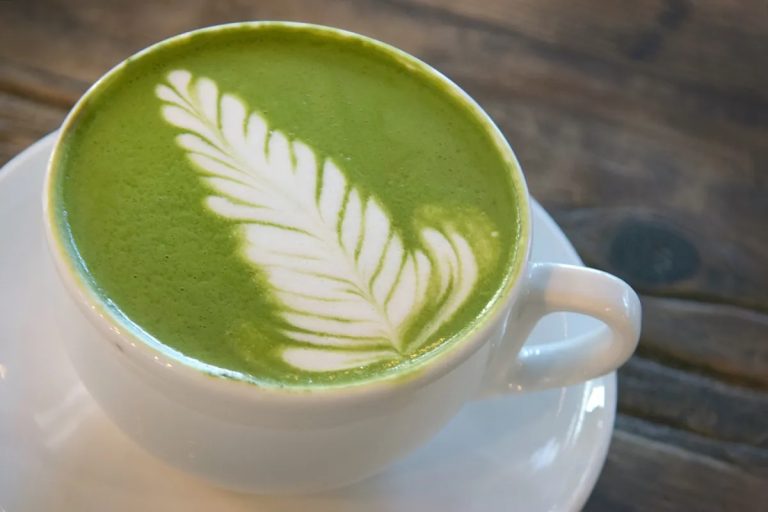
Unlike ceremonial grade, premium matcha works well in lattes, smoothies, and even desserts. The slight robustness in flavor can hold up against milk, plant-based alternatives, or sweeteners, making it ideal for creative recipes. Its versatility allows you to enjoy matcha in multiple ways without sacrificing quality.
Water temperature and whisking technique remain important for the best taste. Too hot water may make the drink slightly bitter, while insufficient whisking can leave clumps. A proper froth improves both texture and flavor.
Regularly drinking premium grade matcha supports mental clarity and gentle energy. The combination of caffeine and L-theanine encourages alertness without sharp spikes, making it a practical choice for work or study.
The ease of preparation and flexibility in use make premium grade matcha an excellent option for daily routines, providing high-quality tea that fits both traditional and modern lifestyles.
Benefits Of Choosing Premium Grade Matcha
Premium grade matcha offers numerous benefits beyond taste. Rich in antioxidants, particularly catechins, it supports metabolism, immune function, and overall wellness. L-theanine promotes calm focus, making it an excellent alternative to coffee for sustained energy.
Its slightly more robust texture compared to ceremonial grade makes it easier to blend with milk or smoothies. Nutrients remain intact, offering a convenient and versatile way to enjoy matcha’s health properties. The vibrant green color also indicates high chlorophyll content, contributing to detoxification and overall vitality.
Mentally, premium grade matcha supports focus and alertness without overstimulation. The balanced caffeine content provides gentle energy, while the preparation process offers a small ritual for mindfulness and relaxation.
Cost-wise, premium grade matcha is more accessible than ceremonial grade, making it a practical choice for regular consumption. Its combination of quality, taste, and versatility ensures that every cup delivers both satisfaction and wellness benefits.
Premium grade matcha is ideal for anyone seeking high-quality tea that works well for daily drinking, recipes, and gentle mental stimulation. Its balance of flavor, nutrition, and flexibility makes it a staple for matcha enthusiasts.
Culinary Grade Matcha
Culinary grade matcha is designed primarily for cooking and beverage recipes, offering robust flavor that can stand up to milk, sweeteners, and other ingredients. It is more affordable than premium or ceremonial grades, making it a popular choice for lattes, smoothies, baked goods, and desserts. Understanding its unique qualities helps you use it effectively while enjoying its bold green tea taste and nutritional benefits.
What Sets Culinary Grade Matcha Apart
Culinary grade matcha is made from mature leaves that are harvested later in the season. These leaves have a stronger, more pronounced flavor, often slightly bitter or earthy, which allows them to complement other ingredients in recipes. Unlike ceremonial or premium grades, culinary matcha is not intended to be consumed plain, as its bold taste may overwhelm delicate palates.
The processing of culinary matcha is less meticulous than higher grades. While the leaves are still de-stemmed and finely ground, minor veins and stems may remain, contributing to its more robust flavor profile. This design ensures that the matcha maintains its intensity when mixed with milk, sugar, or flour.
Culinary grade matcha is also more cost-effective. Because it uses mature leaves and less stringent production methods, it is accessible for regular cooking, baking, and beverage experimentation. Its strong flavor and versatility make it a staple for matcha enthusiasts who want both nutrition and flavor in creative recipes.
Using culinary grade matcha allows you to enjoy green tea’s benefits—antioxidants, catechins, and L-theanine—without worrying about wasting premium or ceremonial matcha on recipes where the delicate flavors would be masked.
How To Use Culinary Grade Matcha
Culinary grade matcha shines in recipes where it can blend with other ingredients. It works exceptionally well in lattes, smoothies, milkshakes, pancakes, cakes, and even ice creams. Its robust flavor ensures it is not lost in the mix, delivering vibrant green color and a characteristic earthy taste.
When preparing beverages, use slightly higher temperatures than for ceremonial matcha, as the bitter notes can be balanced by milk or sweeteners. Whisking thoroughly helps dissolve the powder completely, avoiding clumps and creating a smooth, even texture.
In baking or cooking, culinary matcha can be mixed directly with dry ingredients or blended with liquids. Its strong flavor allows it to shine even when combined with chocolate, vanilla, or citrus, giving recipes both a visual and flavorful matcha boost.
Culinary grade matcha is ideal for experimentation. You can try various milk alternatives, sweeteners, and recipes to discover what suits your taste. Its affordability allows for generous use, making it perfect for both home and professional kitchens.
Regular use of culinary grade matcha in drinks and recipes also delivers health benefits. Even when mixed with other ingredients, the antioxidants and L-theanine remain active, supporting metabolism, focus, and overall well-being.
Benefits Of Choosing Culinary Grade Matcha
Culinary grade matcha offers versatility, affordability, and nutrition. Its bold flavor is perfect for recipes, making it easy to incorporate green tea into everyday meals and beverages. This makes it a practical choice for people who want matcha regularly without spending on high-end grades.
The nutritional profile remains strong despite being a more robust grade. Rich in antioxidants, catechins, and chlorophyll, culinary matcha contributes to detoxification, immune support, and sustained energy. L-theanine provides gentle focus even when consumed in mixed recipes.
Its strong flavor also encourages creativity. From lattes and smoothies to cakes and cookies, culinary matcha can be used in countless ways, making it a staple for cooking enthusiasts. The powder’s vibrant green hue adds visual appeal while maintaining nutritional benefits.
Culinary grade matcha is perfect for anyone looking to enjoy the health benefits of green tea in everyday drinks and dishes. Its bold flavor, cost-effectiveness, and versatility make it an essential ingredient in both kitchens and cafes.
Choosing culinary grade matcha allows you to combine flavor, nutrition, and creativity in a way that is practical for daily use, making it an ideal option for recipes and beverages where premium grades might be unnecessary.
Ingredient Quality And Color Differences
The quality of matcha ingredients and the resulting color are critical indicators of its grade and overall experience. From ceremonial to culinary matcha, variations in leaf selection, harvesting methods, and processing directly affect flavor, texture, and nutritional value. Understanding ingredient quality and color differences helps you choose the right matcha for drinking, cooking, or daily wellness.
How Ingredient Quality Impacts Flavor
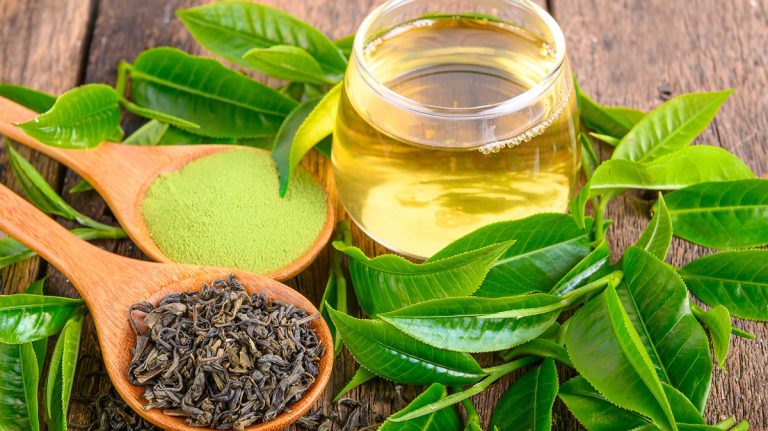
Ingredient quality in matcha begins with the tea leaves themselves. Higher-grade matcha, such as ceremonial, is made from the youngest, tender leaves harvested from the top of the tea plant. These leaves contain fewer stems and veins, resulting in a smoother, sweeter flavor profile that is rich in umami.
Lower grades, like culinary matcha, use more mature leaves, which have a stronger, more robust flavor. These leaves often retain minor stems or fibers, giving the powder a slightly bitter or earthy taste. While this is less desirable for drinking plain, it works well in recipes where the flavor can be balanced with milk, sweeteners, or other ingredients.
The care taken during leaf selection, shading, and harvesting significantly affects taste. High-quality leaves are carefully shaded to enhance chlorophyll and L-theanine, which contribute to both the vibrant green color and calming energy matcha is known for.
Ingredient quality also affects aroma. Premium matcha delivers a fresh, grassy scent, while lower-grade powders may smell more vegetal or slightly bitter. The differences in flavor and aroma make ingredient quality a key factor in matcha enjoyment.
High-quality ingredients ensure that each sip or recipe showcases matcha’s intended balance of flavor, texture, and benefits, making your selection process more intentional.
The Significance Of Color In Matcha
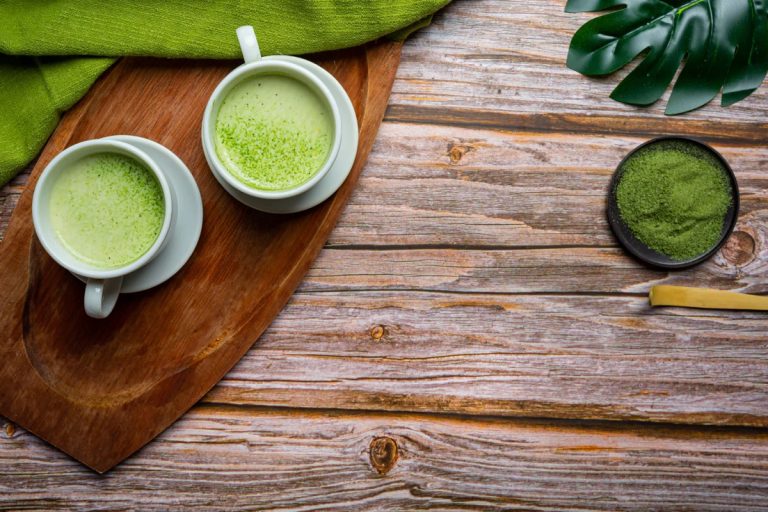
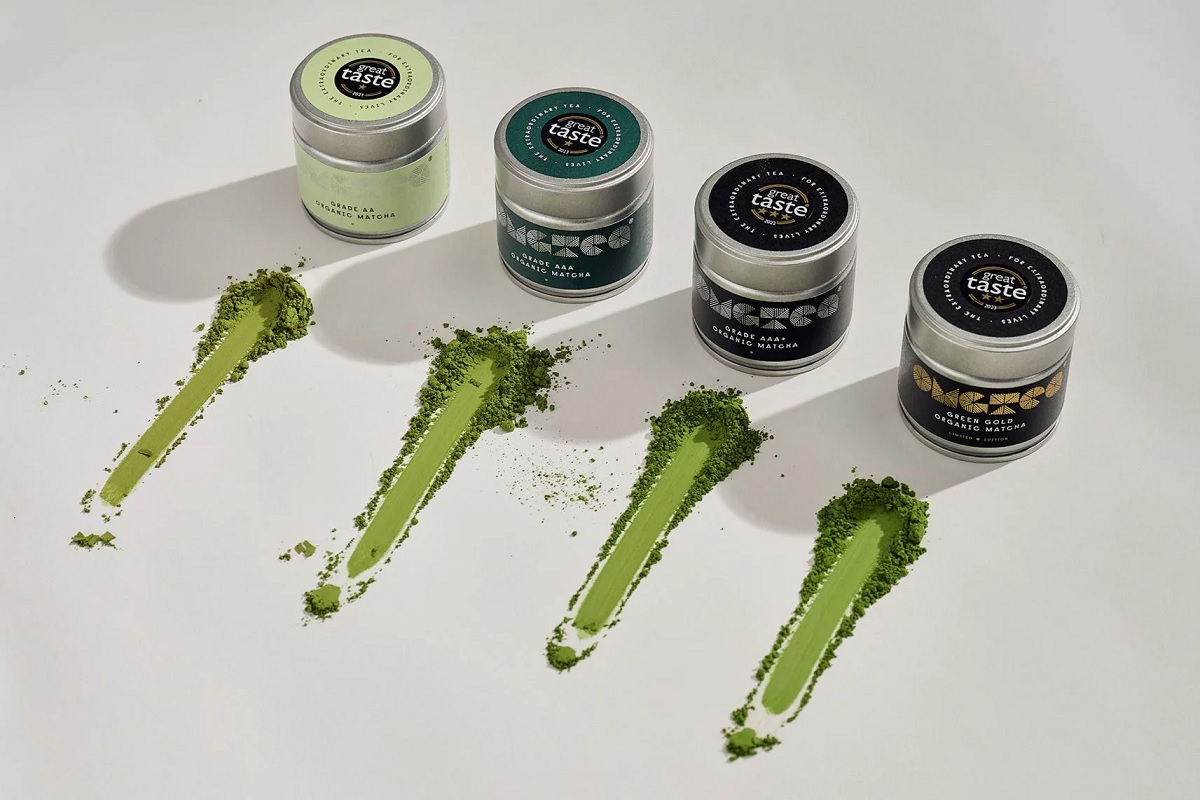
Color is a visual cue that reflects matcha’s quality and the cultivation methods used. Vibrant, bright green indicates younger leaves, higher chlorophyll content, and careful shading practices, typical of ceremonial and premium grades. This brightness often correlates with a sweeter, more balanced flavor.
Darker or dull green matcha usually comes from older leaves or lower-quality batches. These powders may contain more fibrous material or have undergone longer storage, which can affect both taste and nutritional content. While still usable for recipes, the boldness of flavor may be more pronounced, and delicate drinking experiences may be compromised.
The color differences also reflect nutrient content. Higher-grade, vibrant green matcha contains more chlorophyll, antioxidants, and L-theanine, contributing to both detoxification and mental clarity. Duller powders tend to have lower concentrations, although they still provide caffeine and general green tea benefits.
Color can also be affected by processing techniques. Stone grinding preserves the natural hue, while less careful methods may result in a muted appearance. Proper storage in airtight containers away from light helps maintain bright green color over time.
When selecting matcha, visually assessing color provides insight into quality and flavor expectations, helping you make informed choices for your intended use.
How Quality And Color Influence Usage
Understanding ingredient quality and color differences helps determine the best use for each matcha grade. Ceremonial-grade matcha, with bright green color and tender leaves, is ideal for drinking straight, allowing you to enjoy delicate umami and smoothness. Premium matcha is versatile, suitable for both drinking and light culinary applications.
Culinary matcha, with slightly darker green and robust leaves, is best reserved for cooking, baking, or making lattes. Its stronger flavor stands out when combined with other ingredients, while its vibrant green hue adds visual appeal. Choosing the right grade ensures that the flavor is balanced and nutrients are maximized.
Ingredient quality also affects preparation. Higher-quality matcha dissolves easily in water, producing a frothy, silky texture. Lower-quality matcha may require extra whisking or sifting to eliminate clumps, especially when used in recipes.
The combination of quality and color influences the overall sensory experience. Smooth taste, appealing aroma, and vibrant green appearance all reflect careful cultivation and processing, which can transform a simple drink or recipe into a premium experience.
Choosing The Right Grade For Your Needs
Selecting the right grade of matcha ensures you get the best experience for your taste, budget, and intended use. Each grade, from ceremonial to culinary, offers unique qualities in flavor, texture, and versatility. Understanding the differences helps you make informed choices, whether you want a traditional tea experience, a daily wellness boost, or an ingredient for recipes.
Matching Grade With Drinking Preferences
Your drinking habits play a significant role in choosing the right matcha grade. Ceremonial grade is ideal for those who enjoy drinking matcha straight, appreciating its smooth texture, natural sweetness, and subtle umami flavor. It’s perfect for mindful tea rituals, morning routines, or moments when you want a premium experience.
Premium grade matcha offers a balance between quality and affordability. It works well for drinking while also being versatile enough for lattes, smoothies, and lighter culinary applications. Its slightly more robust flavor allows it to blend with other ingredients without losing its natural green tea essence.
If you prefer matcha in beverages mixed with milk, sweeteners, or flavorings, premium grade provides flexibility without sacrificing quality. By aligning the grade with your drinking style, you ensure a satisfying flavor and the appropriate caffeine and L-theanine balance.
Choosing the right grade for drinking also helps you avoid bitterness or overpaying for a ceremonial-grade product that might be masked by additives. Understanding your preferences ensures every cup is enjoyable and effective.
Using Matcha For Culinary Applications
Culinary grade matcha is specifically designed for cooking, baking, and beverage recipes. Its more robust, slightly bitter flavor allows it to stand up to milk, sugar, chocolate, and other ingredients. This makes it ideal for lattes, smoothies, cakes, pancakes, and desserts.
While ceremonial and premium grades can be used in recipes, their delicate flavor may be lost when combined with strong ingredients. Culinary grade is more forgiving, maintaining its green color and bold taste in a variety of applications. This ensures both flavor and visual appeal in recipes.
Culinary grade is also cost-effective, allowing you to use generous amounts without worrying about waste or expense. Its texture and quality still provide antioxidants and L-theanine, supporting wellness even when incorporated into foods or drinks.
If your main goal is culinary creativity rather than traditional tea enjoyment, culinary grade is the most practical choice. Its robust flavor and affordability make it a staple for kitchens and cafes alike.
Considering Budget And Frequency
Budget is an important factor when choosing matcha. Ceremonial grade is the most expensive due to its careful cultivation and handpicked leaves. It’s best suited for occasional indulgence or mindful rituals rather than daily consumption if budget is a concern.
Premium grade offers a compromise, delivering high-quality flavor and health benefits at a more accessible price. It’s ideal for regular drinking and can be used flexibly in recipes without feeling like a luxury item.
Culinary grade is the most affordable, making it practical for frequent use in beverages, smoothies, and baking. Its lower cost allows experimentation and larger quantities, which is perfect for everyday culinary applications or larger households.
Understanding your frequency of use and budget helps you select a grade that fits both lifestyle and goals. It ensures you enjoy matcha without overspending or underutilizing premium options.
Personal Tolerance And Health Considerations
Your sensitivity to caffeine and personal health goals also influence the right matcha grade. Ceremonial grade has a balanced caffeine and L-theanine profile that promotes calm alertness, making it suitable for people sensitive to stronger stimulants.
Premium grade delivers slightly more robust stimulation, supporting sustained focus and energy while still being gentle enough for daily consumption for most people. Culinary grade contains the same active compounds but in a stronger, more concentrated form when used in larger quantities, which may affect caffeine-sensitive individuals if consumed excessively.
Considering your health, energy needs, and how your body reacts to caffeine ensures a positive experience. Aligning the grade with tolerance levels helps avoid anxiety, jitters, or sleep disturbances.
FAQs
What Are The Different Grades Of Matcha?
The main grades of matcha are ceremonial, premium, and culinary. Ceremonial grade is the highest quality, made from young, tender leaves with a smooth, sweet flavor and vibrant green color. Premium grade is slightly more robust and versatile, suitable for drinking or light culinary use. Culinary grade is stronger and slightly bitter, designed for cooking, baking, and lattes where its flavor can stand up to other ingredients.
Knowing the differences helps you choose the right matcha for drinking, recipes, or daily use, ensuring both taste and nutritional benefits are maximized.
How Is Ceremonial Grade Matcha Different From Other Grades?
Ceremonial grade matcha is made from the youngest leaves and is carefully hand-picked to ensure a smooth texture and delicate flavor. It has a bright green color and natural sweetness, making it ideal for drinking straight without additives.
Unlike premium or culinary grades, ceremonial matcha is not intended for cooking or blending with milk. Its purpose is to provide a refined tea experience with balanced caffeine and L-theanine levels that promote calm focus and mindfulness. This makes it the most premium and specialized grade.
What Makes Premium Grade Matcha Unique?
Premium grade matcha balances quality and versatility. It is made from slightly older leaves than ceremonial grade, offering a slightly more robust flavor while still maintaining a vibrant green color.
This grade is suitable for drinking plain or using in lattes, smoothies, or light culinary recipes. It provides the benefits of antioxidants, L-theanine, and caffeine while being more affordable and flexible than ceremonial matcha. Premium matcha is ideal for daily consumption when you want both quality and practicality.
Why Is Culinary Grade Matcha Used For Recipes?
Culinary grade matcha is designed for cooking, baking, and beverages where strong flavors are needed. It uses mature leaves, which give it a bold, slightly bitter taste that holds up well when combined with milk, sugar, or chocolate.
Its color remains vibrant even after heating or mixing with other ingredients. Culinary matcha is cost-effective, making it suitable for daily recipes, lattes, smoothies, pancakes, and desserts. This grade ensures flavor and visual appeal in food while still providing antioxidants and L-theanine.
How Can You Identify Matcha Grades By Color?
Color is a good indicator of matcha quality. Ceremonial and premium grades are bright, vibrant green, reflecting high chlorophyll levels and careful cultivation. This also indicates a smoother, sweeter flavor and higher nutritional value.
Culinary grade matcha is usually a darker, duller green due to mature leaves and less strict processing. While it still provides antioxidants and L-theanine, the taste is more robust and slightly bitter, which is suitable for recipes rather than drinking straight. Color helps you choose the appropriate grade for your intended use.
Does Price Indicate The Grade Of Matcha?
Price often reflects the grade and quality of matcha. Ceremonial grade is the most expensive due to hand-picked, tender leaves and meticulous processing. Premium grade is moderately priced, offering high quality with more versatility for drinking and light culinary use.
Culinary grade is the most affordable, using mature leaves that deliver bold flavor for recipes. While price is a helpful guide, it is also important to assess color, texture, and intended use to ensure you select the right grade for your needs.
Can You Use Lower-Grade Matcha For Drinking?
Yes, you can use lower-grade matcha for drinking, but the experience may differ. Culinary matcha has a stronger, more bitter taste, which may be less enjoyable when consumed plain. Some people mix it with milk, sweeteners, or smoothies to balance the flavor.
Premium grade is more suitable for drinking, offering smooth flavor and vibrant color without needing additives. Choosing the right grade for drinking ensures a pleasant taste, smooth texture, and optimal benefits from antioxidants and L-theanine. Understanding the differences helps you avoid bitterness or overpaying for higher-grade matcha.
Final Thoughts
Matcha comes in several distinct grades, each suited to different purposes, from traditional tea drinking to cooking and baking. Understanding the differences between ceremonial, premium, and culinary grades helps you choose the right matcha for your needs. Ceremonial grade offers a delicate, smooth flavor ideal for drinking straight, while premium grade balances taste and versatility for lattes or smoothies. Culinary grade, on the other hand, is stronger and holds up well in recipes without losing its flavor.
For anyone curious about what are the grades of matcha, the key factors to consider include color, texture, flavor intensity, and intended use. High-quality matcha is bright green, finely ground, and has a naturally sweet, umami-rich taste, whereas lower grades may be more bitter and coarser. Knowing these distinctions ensures you get the best experience from your matcha, whether sipping, blending, or baking.
By choosing the appropriate grade and storing it properly, you can maintain freshness, flavor, and aroma, maximizing the enjoyment of each cup or recipe. Understanding the grades allows you to confidently select matcha for any purpose, ensuring quality results and a satisfying green tea experience every time.