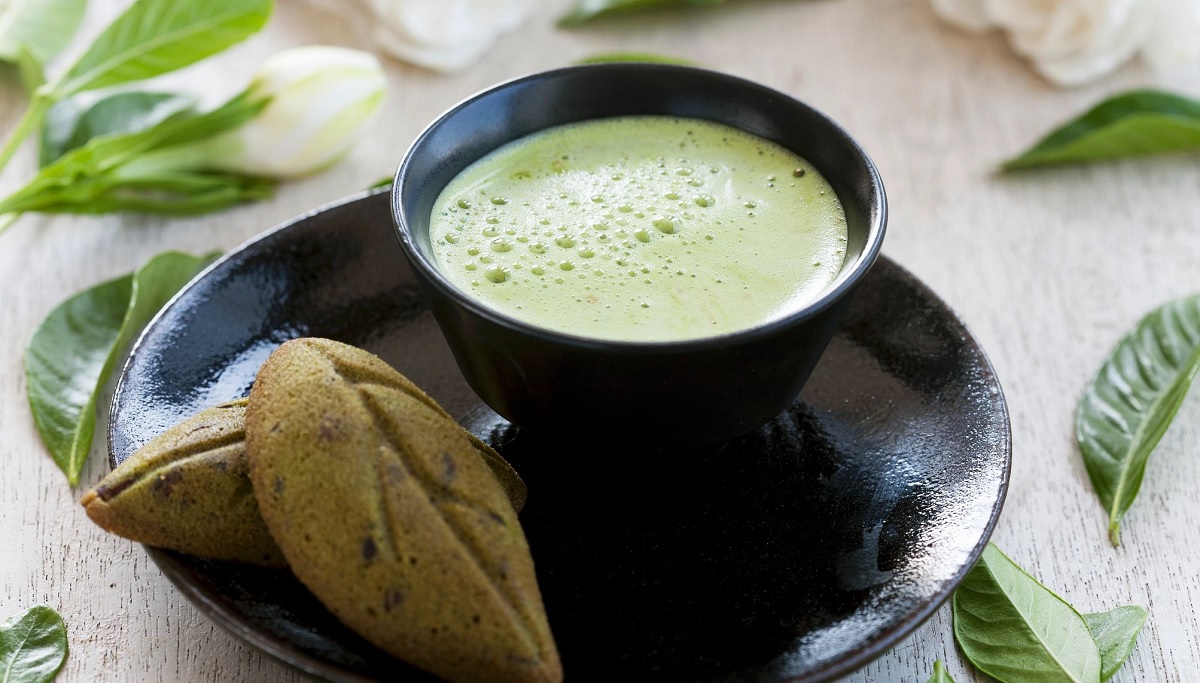
Is Matcha Good For Health: Benefits, Risks, and Expert Insights
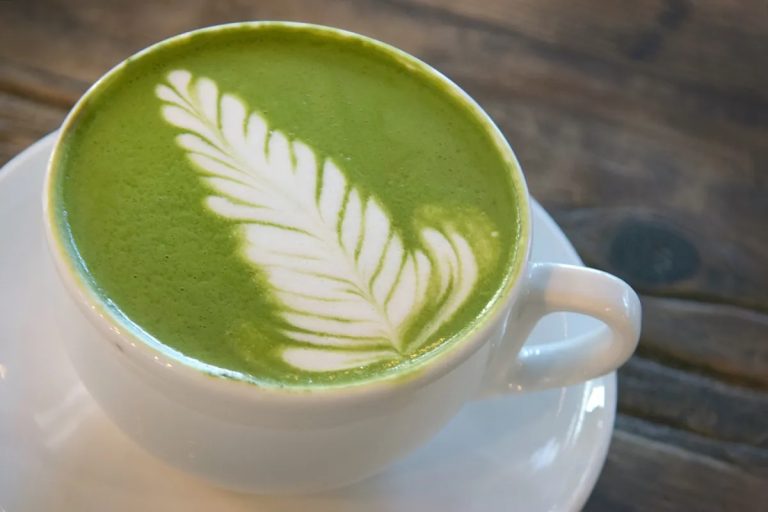
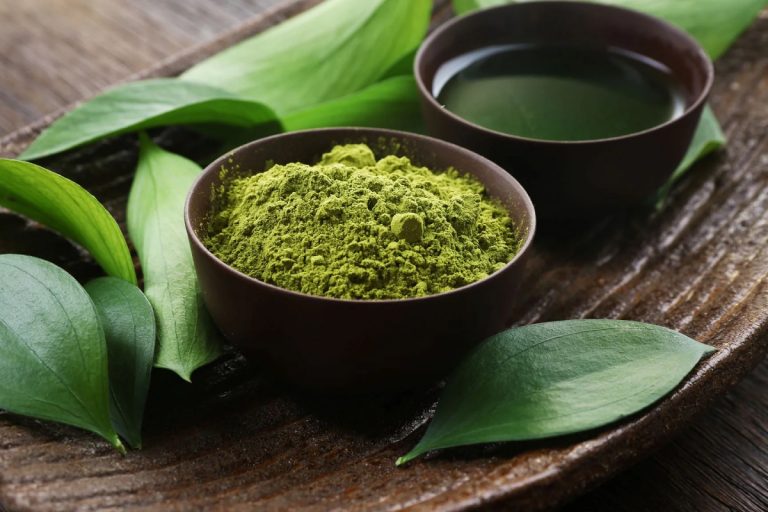
Matcha has gained significant popularity in recent years, praised not only for its vibrant green color but also for its potential health benefits. This finely ground green tea powder is consumed in various forms, from traditional tea ceremonies to lattes, smoothies, and even desserts. Its unique preparation and nutrient content make it a beverage that stands out among other teas.
Understanding its impact on wellness requires examining its rich composition. Matcha contains high levels of antioxidants, catechins, and amino acids, which may contribute to improved heart health, enhanced metabolism, and mental clarity. The combination of caffeine and L-theanine in matcha provides a calm yet alert state, making it appealing for both relaxation and productivity.
Evaluating whether matcha aligns with your health goals involves looking at its benefits, potential side effects, and nutritional profile. For many, it offers a natural, nutrient-dense option to support overall wellness.
Exploring the question of is matcha good for health provides insight into how this ancient beverage can fit into modern lifestyles, enhancing both physical and mental well-being.
Key Health Benefits of Matcha
Matcha is more than just a vibrant green beverage; it is packed with nutrients that support overall health and wellness. Its unique composition, including antioxidants, amino acids, and vitamins, provides benefits ranging from improved metabolism to mental clarity. Understanding the key advantages of incorporating matcha into your routine can help you optimize its potential for both physical and mental well-being.
Rich Source of Antioxidants
One of the most notable health benefits of matcha is its high antioxidant content. Matcha is particularly rich in catechins, including epigallocatechin gallate (EGCG), a compound known for its disease-fighting properties. These antioxidants help neutralize free radicals in the body, reducing oxidative stress that can contribute to chronic diseases such as heart disease and cancer.
Because matcha uses the whole green tea leaf in powdered form, it provides a more concentrated dose of antioxidants compared to regular brewed green tea. This makes it highly effective in supporting cellular health and maintaining overall vitality. Regular consumption may also slow aging processes and enhance skin health by combating inflammation and oxidative damage.
Supports Heart Health
Matcha may contribute to cardiovascular wellness by promoting healthy blood flow and maintaining cholesterol balance. The catechins and polyphenols in matcha help reduce LDL cholesterol and triglyceride levels, while supporting arterial flexibility and overall heart function.
Research suggests that regular consumption of green tea compounds, especially EGCG, can lower the risk of heart disease and stroke. By improving blood vessel health and reducing inflammation, matcha provides protective benefits that support long-term cardiovascular function. Incorporating matcha into a balanced diet, alongside exercise and healthy eating habits, can be an effective strategy for maintaining heart health naturally.
Boosts Metabolism and Weight Management
Matcha is well-known for its ability to support metabolism and aid in weight management. The combination of caffeine and catechins enhances thermogenesis, which is the body’s process of burning calories to generate heat. This effect helps increase fat oxidation and energy expenditure.
Consuming matcha before physical activity may also improve endurance and performance due to its mild stimulant effect. Unlike coffee, matcha provides steady energy without spikes or crashes, making it a sustainable option for boosting activity levels. Regular incorporation into a balanced diet can complement other healthy lifestyle practices to support weight management goals effectively.
Enhances Mental Focus and Calmness
Another significant benefit of matcha is its ability to improve mental clarity and focus. Matcha contains L-theanine, an amino acid that promotes relaxation and reduces stress while enhancing attention and cognitive performance.
The combination of L-theanine and caffeine provides a calm, alert state often referred to as “relaxed focus.” This unique property makes matcha ideal for studying, working, or meditation, offering mental sharpness without the jitters or energy crashes sometimes associated with coffee. For individuals seeking both productivity and relaxation, matcha delivers a balanced mental boost.
Detoxification and Immune Support
Matcha’s chlorophyll content also supports natural detoxification by helping remove heavy metals and toxins from the body. Additionally, the antioxidants and vitamins in matcha can strengthen the immune system, enhancing the body’s ability to fight infections and maintain overall wellness.
Regular consumption of matcha may promote liver health, reduce inflammation, and provide essential nutrients such as vitamin C, selenium, and zinc. Its concentrated nutrient profile makes it a practical and natural way to support the body’s detoxification processes while boosting immunity and resilience against everyday health challenges.
Mental and Cognitive Advantages
Matcha is renowned not only for its physical health benefits but also for its positive effects on mental clarity and cognitive function. Its unique combination of compounds, including caffeine and L-theanine, provides a balanced boost to focus, attention, and mood. Understanding these mental and cognitive advantages highlights why matcha is a preferred beverage for productivity and mental well-being.
Enhanced Focus and Concentration
One of the primary cognitive benefits of matcha is its ability to improve focus and concentration. The caffeine in matcha stimulates the central nervous system, increasing alertness and reaction time. Unlike the rapid spike from coffee, matcha’s caffeine is moderated by L-theanine, which promotes calmness and reduces overstimulation.
This combination creates a state often described as “relaxed alertness,” allowing you to maintain attention for extended periods without experiencing jitters or crashes. Students, professionals, and creatives can benefit from matcha as it supports sustained mental performance, sharp thinking, and improved productivity throughout the day.
Stress Reduction and Mood Enhancement
Matcha also contributes to mental well-being by promoting relaxation and reducing stress. L-theanine increases alpha brain wave activity, which is associated with a calm yet focused state of mind. This can enhance mood, lower anxiety levels, and improve overall cognitive performance.
Regular consumption of matcha may help manage mental fatigue during long work or study sessions. By combining gentle stimulation with relaxation, matcha provides a unique advantage over other caffeinated beverages, creating a mental state that supports clarity, composure, and emotional balance.
Memory and Learning Support
Emerging research suggests that matcha may aid memory and learning due to its antioxidant content and neuroprotective properties. Catechins in matcha, particularly EGCG, have been shown to support brain health by reducing oxidative stress and inflammation in neural tissue.
This protective effect can improve cognitive function over time, enhancing memory retention and learning capacity. The synergy between caffeine and L-theanine further supports working memory and mental alertness. Incorporating matcha into your daily routine may benefit both short-term mental performance and long-term cognitive health.
Overall Mental Clarity and Productivity
Beyond focus and memory, matcha promotes overall mental clarity and productivity. Its combination of steady caffeine release and calming amino acids helps you stay attentive without experiencing energy crashes or mental fog.
This makes matcha an ideal beverage for tasks requiring sustained concentration, creative problem-solving, or mindful practice. By enhancing cognitive function while supporting emotional balance, matcha offers a comprehensive mental and cognitive advantage that complements a healthy lifestyle and daily productivity goals.
Potential Risks and Considerations
While matcha offers numerous health and cognitive benefits, it is important to be aware of potential risks and considerations associated with its consumption. Factors such as caffeine content, quality of the powder, and individual sensitivity can impact how your body responds. Being mindful of these risks ensures you can enjoy matcha safely and maximize its benefits without negative effects.
Caffeine-Related Side Effects
Matcha contains moderate levels of caffeine, typically ranging from 25 to 70 milligrams per serving. While this is lower than coffee, excessive intake can still cause side effects such as jitteriness, rapid heartbeat, insomnia, or headaches. Individuals sensitive to caffeine may notice these symptoms even at lower amounts.
Timing of consumption plays a crucial role. Drinking matcha late in the day can interfere with sleep patterns, leading to fatigue and reduced focus the following day. It is recommended to monitor your body’s response, adjust serving sizes accordingly, and avoid excessive intake. Combining matcha with other caffeinated beverages may also increase the risk of overstimulation.
Potential for Contaminants
Matcha quality varies significantly depending on its source and processing. Some lower-quality matcha powders may contain heavy metals, pesticides, or contaminants absorbed from the soil during cultivation. Over time, consuming contaminated products can pose health risks, especially for regular consumers.
To minimize this risk, choose high-quality, organic matcha from reputable suppliers. Ceremonial-grade matcha is typically grown under strict conditions, ensuring minimal exposure to harmful chemicals. Paying attention to origin, certifications, and purity of the powder is essential for maintaining safety while enjoying the benefits of matcha.
Digestive Sensitivity and Stomach Issues
While generally gentle, matcha may cause digestive discomfort in some individuals. Drinking matcha on an empty stomach can lead to nausea, mild cramping, or stomach irritation due to its concentrated compounds and caffeine content. Large servings may exacerbate these symptoms.
Pairing matcha with food or starting with smaller portions can help reduce digestive sensitivity. Additionally, preparation methods such as whisking thoroughly and avoiding overly hot water help minimize bitterness and potential gastrointestinal irritation. Monitoring portion sizes ensures a pleasant experience without upsetting the digestive system.
Interactions With Medications
Matcha contains bioactive compounds such as caffeine and vitamin K, which may interact with certain medications. For example, vitamin K can influence the effectiveness of blood-thinning drugs, while caffeine may interfere with stimulant medications or specific antidepressants.
Consulting a healthcare professional is advisable if you take medications regularly or have pre-existing conditions. Adjusting consumption frequency and portion sizes can help mitigate potential interactions, allowing you to enjoy matcha safely while maintaining overall health.
Individual Tolerance and Moderation
Every individual responds differently to matcha, and sensitivity varies based on age, body weight, and overall health. While some may enjoy multiple servings per day without issues, others may experience jitteriness, headaches, or sleep disruption with even moderate consumption.
Starting with small servings and gradually increasing intake helps you understand your body’s tolerance. Moderation is key to balancing the benefits of antioxidants, mental clarity, and metabolism support with the risks associated with caffeine and other bioactive compounds. Listening to your body ensures that matcha remains a positive addition to your wellness routine.
Daily Consumption Tips
Incorporating matcha into your daily routine can maximize its health benefits while minimizing potential risks. Thoughtful planning, portion control, and preparation methods are essential to enjoy its antioxidant, cognitive, and metabolic advantages safely. Understanding how to consume matcha daily helps you establish a sustainable habit that supports energy, focus, and overall wellness without overstimulation.
Optimal Serving Size
Determining the right serving size is crucial for daily consumption. A typical cup of matcha contains 1–2 teaspoons of powder, providing roughly 25–70 milligrams of caffeine depending on quality and preparation. Consuming more than this may lead to caffeine-related side effects such as jitters, headaches, or sleep disruption.
For beginners, starting with half a teaspoon and gradually increasing the amount allows your body to adjust to the caffeine and L-theanine content. Adjusting portion sizes based on your energy needs, tolerance, and daily schedule ensures you enjoy sustained focus without adverse effects. Maintaining consistent servings each day helps establish a routine while preserving matcha’s health benefits.
Best Time To Drink Matcha
Timing your matcha consumption can enhance its effects on energy and focus. Morning or early afternoon is ideal to take advantage of its moderate caffeine content without interfering with sleep. Drinking matcha on an empty stomach may increase absorption, but it can also cause mild digestive discomfort for some individuals.
Pairing matcha with a small snack or incorporating it into breakfast can reduce the risk of nausea or stomach irritation. Avoid consuming matcha late in the day to prevent potential sleep disturbances. Proper timing ensures that you gain mental clarity and sustained alertness throughout the day while maintaining healthy sleep patterns.
Preparation Tips For Daily Use
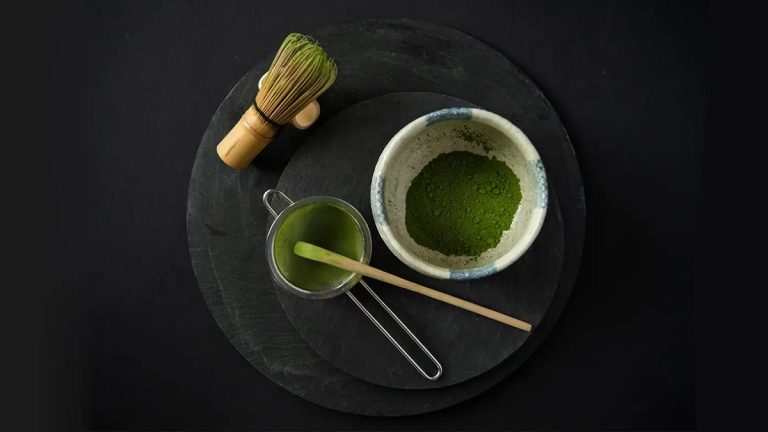
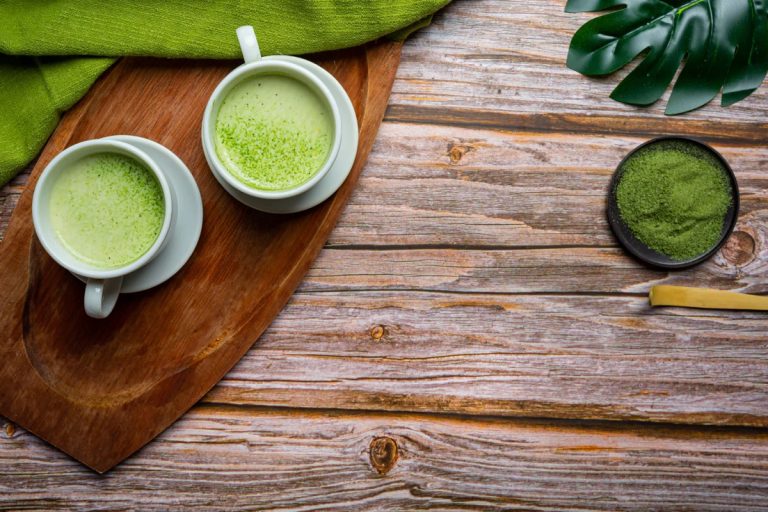
Proper preparation enhances flavor, absorption, and health benefits. Using water around 160–175°F prevents bitterness and preserves delicate catechins. Whisking matcha thoroughly helps create a smooth, frothy texture while avoiding clumps. For variety, you can prepare matcha as a latte using milk or plant-based alternatives, or enjoy it iced during warmer days.
Storing matcha in a cool, dark, airtight container prevents oxidation and preserves freshness. Preparing matcha fresh daily ensures maximum nutrient content and flavor. Consistently following proper preparation methods makes daily consumption more enjoyable and sustainable.
Combining With Other Healthy Habits
Matcha works best when integrated with other wellness practices. Drinking matcha alongside a balanced diet, regular exercise, and adequate hydration can amplify its metabolic and cognitive benefits. Additionally, mindful consumption—savoring the taste and ritual of preparation—enhances mental relaxation and focus.
Pairing matcha with protein-rich snacks, whole grains, or fruits helps maintain steady blood sugar levels and supports sustained energy. Using it as a complement rather than a sole source of stimulation ensures that you benefit from its properties without relying on it excessively for alertness or productivity.
Monitoring Your Body’s Response
Regularly assessing how your body reacts to matcha is essential for safe daily consumption. Watch for signs of caffeine sensitivity such as insomnia, headaches, or anxiety. Adjust serving sizes, timing, or frequency to align with your tolerance.
Listening to your body and making incremental adjustments allows you to enjoy matcha’s health benefits while preventing overconsumption. By observing how matcha affects your energy, focus, and digestion, you can establish a personalized routine that supports both physical and mental well-being.
FAQs
What Makes Matcha a Healthy Beverage?
Matcha is considered healthy because it is packed with antioxidants, particularly catechins like EGCG, which combat free radicals and support overall wellness. These compounds help reduce inflammation, protect cells from oxidative stress, and promote heart health.
Additionally, matcha contains amino acids such as L-theanine, which provide calm alertness and mental clarity. Vitamins, minerals, and chlorophyll further enhance its nutritional profile. By consuming matcha regularly, you can support metabolism, immune function, and cognitive performance, making it a nutrient-dense beverage that contributes to both physical and mental health.
How Does Matcha Support Heart Health?
Matcha supports cardiovascular wellness by helping maintain healthy cholesterol levels and promoting proper blood flow. The catechins and antioxidants in matcha reduce LDL cholesterol and triglycerides while improving arterial flexibility, contributing to overall heart function.
Regular matcha consumption may also reduce inflammation and oxidative stress, which are key risk factors for heart disease. Incorporating matcha into a balanced diet, alongside exercise and healthy lifestyle choices, can enhance cardiovascular protection. Its gentle caffeine content provides an energy boost without the overstimulation sometimes associated with other caffeinated beverages, making it heart-friendly.
Can Matcha Improve Mental Focus and Clarity?
Yes, matcha enhances mental focus and clarity through a combination of caffeine and L-theanine. The caffeine provides a moderate energy boost, while L-theanine promotes relaxation, reducing stress and preventing jitteriness.
This combination creates a state often referred to as “relaxed alertness,” which helps you stay attentive and productive. Matcha supports sustained concentration, memory, and mental performance without the sharp energy spikes or crashes that can occur with coffee. Regular consumption can improve cognitive function over time, making it ideal for work, studying, or creative activities.
Does Matcha Aid in Weight Management?
Matcha can support weight management by enhancing metabolism and promoting fat oxidation. The catechins in matcha, especially EGCG, help increase thermogenesis, which is the body’s calorie-burning process, and may improve energy expenditure.
Consuming matcha before exercise may enhance endurance and performance due to its moderate caffeine content. While matcha alone won’t cause weight loss, when combined with a healthy diet and active lifestyle, it can complement your efforts by boosting metabolism, supporting fat oxidation, and providing sustained energy for physical activity.
Are There Any Risks Associated With Drinking Matcha?
While matcha is generally safe, overconsumption may cause side effects due to its caffeine content, such as jitteriness, headaches, or insomnia. Individuals sensitive to caffeine should start with smaller servings and monitor their response.
Low-quality matcha may contain contaminants like heavy metals or pesticides, so choosing organic, high-quality powder is important. Additionally, drinking matcha on an empty stomach may cause mild digestive discomfort. By consuming it in moderation and following proper preparation methods, you can safely enjoy the health benefits of matcha.
How Often Should I Drink Matcha for Health Benefits?
For most people, 1–2 cups of matcha per day is sufficient to reap its health benefits. This amount provides antioxidants, L-theanine, and moderate caffeine without risking overstimulation or side effects.
Starting with a smaller serving allows your body to adjust and helps prevent digestive discomfort or sleep disruption. Daily consumption, combined with a balanced diet, hydration, and exercise, maximizes matcha’s effects on metabolism, mental clarity, and cardiovascular health. Regular, moderate intake ensures you enjoy the benefits safely while maintaining a sustainable routine.
Final Words
Regularly incorporating matcha into your diet can offer numerous health benefits. Its high concentration of antioxidants, particularly catechins, supports heart health, metabolism, and overall wellness. Beyond physical benefits, matcha provides a calm, sustained energy boost and improves mental clarity thanks to its unique combination of caffeine and L-theanine.
While matcha is generally beneficial, it’s important to consume it mindfully. Excessive intake may lead to caffeine-related issues, and low-quality powders can contain contaminants. Choosing high-quality matcha and following recommended serving sizes ensures you gain its full health potential without unwanted side effects.
After reviewing research and expert insights, is matcha good for health is clearly affirmative for most people when consumed in moderation. By integrating matcha into a balanced lifestyle, you can enjoy its antioxidant support, mental benefits, and natural energy boost, making it a valuable addition to daily routines.