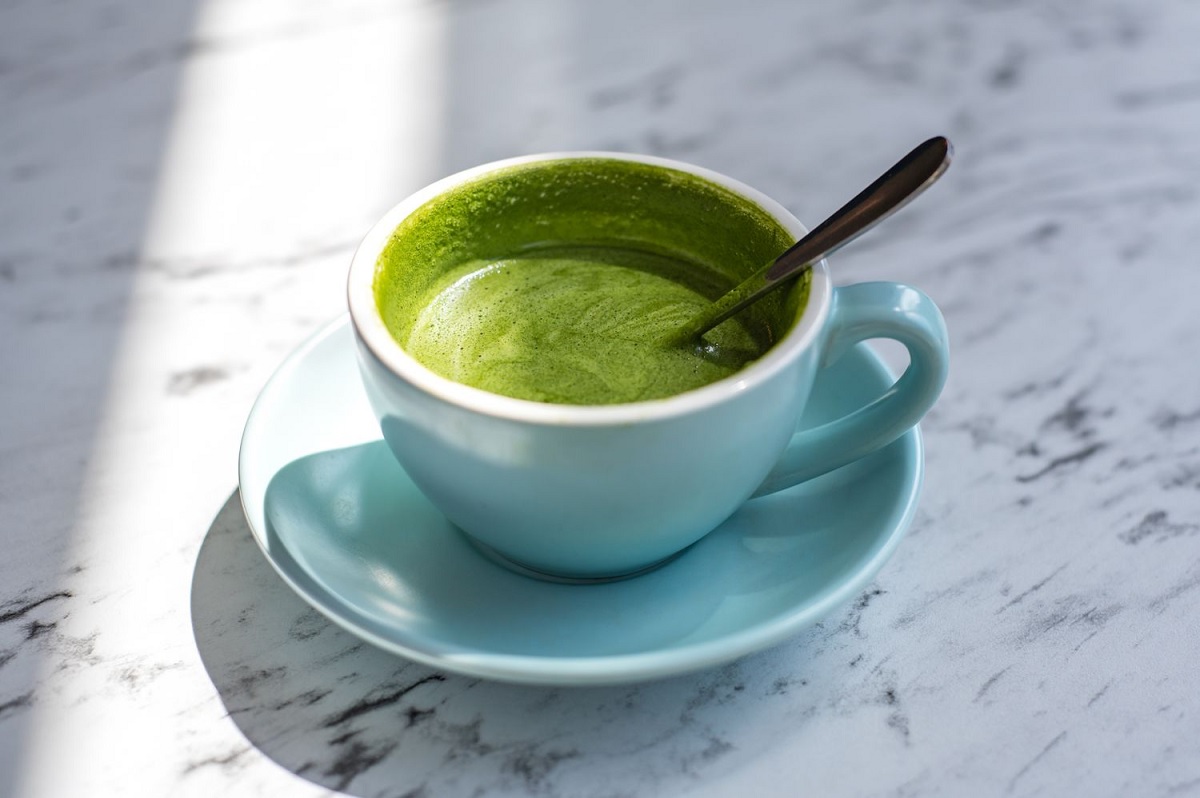
Does Matcha Lower Blood Pressure? What You Should Know
Matcha has gained widespread attention for its potential health benefits, from boosting energy to supporting mental focus. Among these benefits, its effects on heart health and blood pressure are of particular interest. Understanding how matcha interacts with the cardiovascular system can help he or she make informed choices about incorporating it into a daily routine.
Matcha contains bioactive compounds, including catechins and antioxidants, that may influence blood vessel function and circulation. He or she may notice that these compounds support a healthy heart by promoting flexibility in arteries and reducing oxidative stress. This has led to questions about whether regular consumption can help manage blood pressure levels.
Caffeine in matcha adds another layer of complexity, as it can temporarily raise blood pressure in some individuals. However, the presence of L-theanine, an amino acid unique to green tea, can promote relaxation and counteract potential spikes.
Exploring the question does matcha lower blood pressure allows he or she to understand its potential benefits and limitations. This insight supports a balanced approach to enjoying matcha while considering cardiovascular health.
How Matcha May Influence Blood Pressure
Matcha contains several bioactive compounds that can influence cardiovascular health, including blood pressure. Understanding how these compounds interact with the body helps he or she assess matcha’s potential role in supporting healthy blood pressure levels. From antioxidants to amino acids and moderate caffeine content, multiple factors contribute to its overall effect.
The Role of Catechins in Blood Pressure Regulation
Catechins are powerful antioxidants found abundantly in matcha, and they may influence blood pressure by improving blood vessel function. He or she benefits from catechins’ ability to reduce oxidative stress, which can damage arteries and contribute to hypertension over time. By protecting the vascular system, catechins help maintain flexibility and proper dilation of blood vessels.
Regular intake of catechins can promote nitric oxide production in the endothelium, the lining of blood vessels. Nitric oxide relaxes the blood vessels, supporting smoother blood flow and potentially lowering blood pressure. He or she may notice improved circulation and a calmer cardiovascular response after consistent consumption of catechin-rich beverages like matcha.
Catechins also have anti-inflammatory properties, which further support vascular health. Reducing inflammation helps maintain healthy blood vessel walls and prevent stiffness, a common factor in elevated blood pressure. This dual effect makes catechins a key component of matcha’s potential cardiovascular benefits.
L-Theanine and Its Relaxing Effects
Matcha is unique among caffeinated beverages because it contains L-theanine, an amino acid that promotes relaxation and mental calmness. He or she can experience a balanced effect where L-theanine moderates the stimulating impact of caffeine, helping to prevent temporary spikes in blood pressure.
L-theanine works by enhancing alpha brainwave activity, which promotes a relaxed yet alert state. This calming effect can reduce stress-related increases in blood pressure, particularly for those who are sensitive to caffeine. He or she may notice a smoother, more stable cardiovascular response compared to consuming other caffeinated drinks.
Additionally, L-theanine may improve overall vascular function by reducing stress-induced constriction of blood vessels. Pairing L-theanine’s calming effect with catechins’ antioxidant properties creates a complementary mechanism that supports healthy blood pressure levels over time.
Caffeine and Its Temporary Impact
Caffeine in matcha adds another layer of complexity in blood pressure regulation. He or she should know that moderate caffeine levels, typically 30–70 mg per serving, may cause a short-term increase in blood pressure, particularly in individuals sensitive to stimulants. However, this effect is usually mild and temporary.
The presence of L-theanine and other antioxidants in matcha helps mitigate the potential impact of caffeine on blood pressure. He or she can enjoy the alertness and energy boost without experiencing the pronounced spikes often seen with coffee or energy drinks. Regular, moderate consumption tends to allow the body to adapt, reducing long-term blood pressure effects.
Balancing caffeine intake and preparation methods is key. Using slightly less matcha powder or combining it with milk or plant-based alternatives can moderate caffeine content and promote a smoother cardiovascular response.
Long-Term Benefits and Research Insights
Emerging research suggests that consistent consumption of green tea, particularly matcha, may support cardiovascular health and contribute to maintaining normal blood pressure. He or she may notice subtle improvements in overall vascular function with regular intake.
Long-term effects are likely due to the combined actions of catechins, L-theanine, and other bioactive compounds. He or she may experience enhanced nitric oxide production, reduced oxidative stress, and better stress management, all of which contribute to healthy blood pressure levels. While matcha is not a substitute for medical treatment, incorporating it into a balanced diet may provide supportive benefits over time.
He or she should also consider lifestyle factors like diet, exercise, and sleep, which work synergistically with matcha to support heart health. By understanding how matcha influences blood pressure, he or she can make informed choices about consumption frequency and preparation methods for optimal cardiovascular support.
Scientific Evidence and Studies
Matcha has gained attention not only for its flavor but also for its potential health benefits, including cardiovascular support and blood pressure management. Scientific research offers insight into how bioactive compounds in matcha may influence these areas. Understanding the studies behind matcha helps he or she separate anecdotal claims from evidence-based benefits.
Research on Catechins and Blood Pressure
Several studies have investigated the effects of green tea catechins, which are abundant in matcha, on blood pressure. He or she should know that catechins, particularly EGCG (epigallocatechin gallate), support cardiovascular health by improving endothelial function and promoting blood vessel relaxation. These effects help reduce arterial stiffness, a key factor in hypertension.
Clinical trials have shown that regular consumption of green tea or matcha can lead to modest reductions in systolic and diastolic blood pressure. He or she may notice improved vascular flexibility and overall circulation with consistent intake over several weeks. The antioxidant and anti-inflammatory properties of catechins contribute to these benefits by reducing oxidative stress that can damage blood vessels.
The research suggests that catechins act synergistically with other bioactive compounds in matcha, such as L-theanine, to support healthy blood pressure regulation, making regular consumption a potentially beneficial practice for cardiovascular maintenance.
L-Theanine and Stress Reduction Studies
L-theanine, an amino acid unique to green tea, has been studied for its calming effects on the nervous system, which indirectly impacts blood pressure. He or she may experience a reduction in stress-induced increases in blood pressure due to L-theanine’s ability to enhance alpha brainwave activity, promoting relaxation without drowsiness.
Research indicates that L-theanine can lower cortisol levels and reduce sympathetic nervous system activity, which helps maintain stable blood pressure during stressful situations. He or she may notice smoother cardiovascular responses compared to consuming caffeine-only beverages, highlighting matcha’s unique combination of compounds.
Studies also show that combining L-theanine with moderate caffeine intake, as naturally occurs in matcha, can improve attention and alertness while minimizing temporary blood pressure spikes, demonstrating a balanced effect that supports both mental focus and cardiovascular stability.
Observational Studies and Long-Term Benefits
Observational studies suggest that populations consuming green tea regularly, including matcha, often show lower rates of hypertension and improved cardiovascular markers. He or she should understand that while these studies do not prove causation, they provide supportive evidence for matcha’s potential benefits.
Long-term consumption appears to contribute to healthier arterial function, reduced inflammation, and better overall vascular health. He or she may notice subtle improvements in blood pressure over months of consistent intake. These findings highlight the importance of pairing matcha with a balanced lifestyle, including diet, exercise, and stress management, for optimal cardiovascular benefits.
Research continues to explore dosage, preparation, and frequency, but the current evidence supports matcha as a heart-healthy beverage with compounds that may help maintain normal blood pressure when consumed as part of a healthy routine.
Limitations and Considerations in Research
While research is promising, it is important to recognize limitations. He or she should be aware that many studies use green tea extracts or concentrated catechins rather than standard matcha servings, which may result in higher bioactive doses than typical consumption.
Individual responses vary based on genetics, overall diet, caffeine sensitivity, and existing health conditions. He or she may notice different effects depending on preparation methods and quantity consumed. Consulting a healthcare provider is recommended for individuals with hypertension or cardiovascular concerns before relying on matcha as a primary intervention.
Despite these limitations, current evidence provides a reasonable basis to include matcha as a supportive beverage for cardiovascular health, with potential benefits for blood pressure regulation when consumed consistently and mindfully.
Practical Tips for Incorporating Matcha
Incorporating matcha into your daily routine can offer both enjoyable flavor and potential health benefits. From blood pressure support to antioxidant intake, matcha can be a versatile addition to meals and beverages. Understanding practical ways to include it ensures he or she maximizes its benefits while keeping consumption balanced and enjoyable.
Start With Moderate Portions
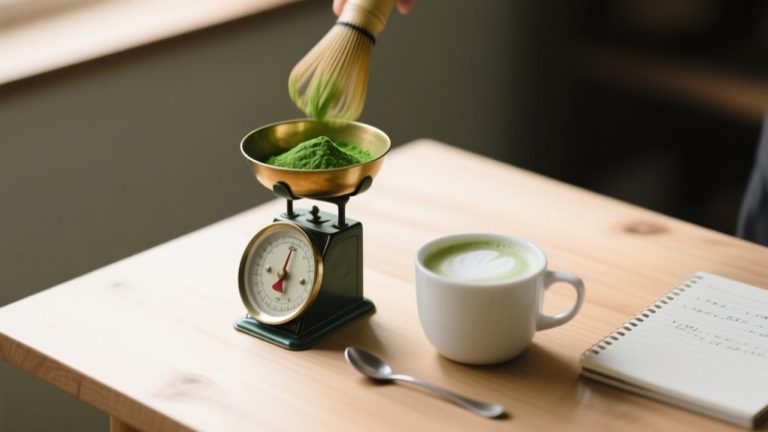
He or she should begin with moderate portions when introducing matcha into the daily routine. Using 1–2 teaspoons per serving provides enough bioactive compounds to experience benefits without overwhelming the palate or consuming excessive caffeine. Starting small also allows the body to adapt to the effects of caffeine and L-theanine, reducing the likelihood of jitters or temporary spikes in blood pressure.
Gradual introduction helps he or she gauge tolerance and flavor preference. Some may prefer traditional whisked tea, while others might enjoy matcha in lattes, smoothies, or baked goods. By starting with manageable portions, he or she can experiment with preparation methods and find the most enjoyable way to consume matcha regularly.
Additionally, moderate intake supports consistency, allowing the body to benefit from long-term consumption of catechins, antioxidants, and amino acids without overwhelming the system.
Pair Matcha With Hydrating Liquids
Matcha can be prepared with a variety of liquids to enhance hydration and flavor. He or she may combine it with water, milk, or plant-based alternatives like oat, almond, or soy milk. These liquids contribute additional hydration and nutrients, making matcha a more functional beverage.
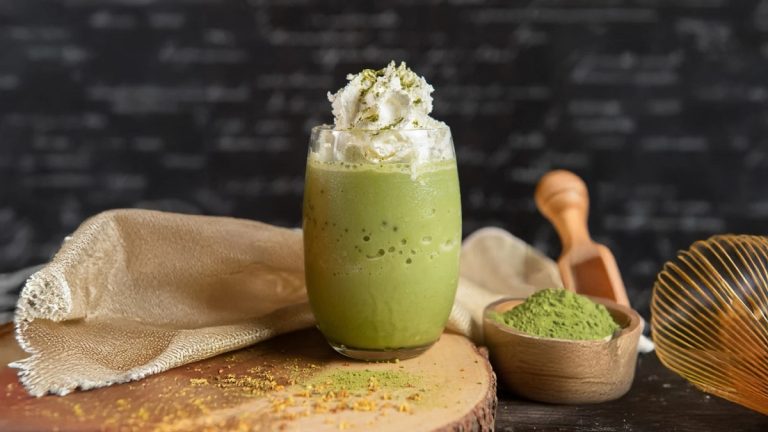
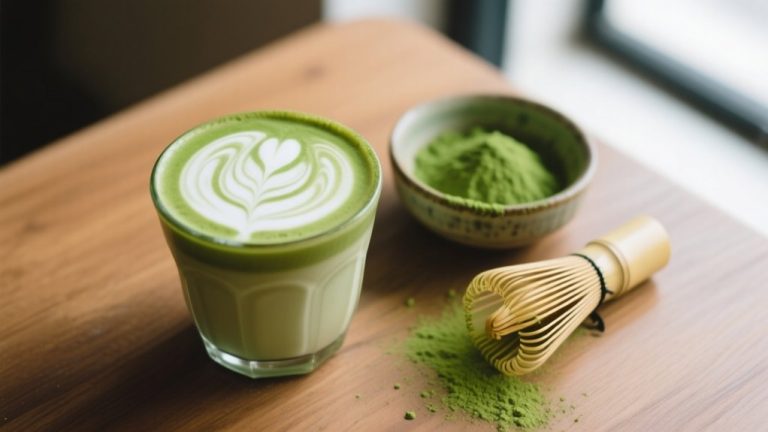
Using milk or milk alternatives also smooths the natural grassy flavor, making it more approachable for new matcha drinkers. He or she can create lattes, iced drinks, or smoothies that maintain the antioxidant benefits while offering a balanced taste profile. Hydrating pairings help offset caffeine’s mild diuretic effect and support fluid balance, especially during active or warm days.
Experimenting with different liquids allows he or she to enjoy matcha in versatile ways while maximizing both hydration and flavor enjoyment. This approach ensures that matcha remains a practical and enjoyable addition to a daily routine.
Incorporate Matcha Into Meals and Snacks
Matcha is not limited to beverages—it can be used in meals and snacks for added nutritional value. He or she can incorporate it into oatmeal, yogurt, energy balls, or baked goods to enjoy its antioxidants and unique flavor. Culinary uses allow for moderate intake without consuming large amounts of caffeine at once.
Pairing matcha with fruits, nuts, or whole grains further enhances nutrition and supports blood pressure and cardiovascular health. He or she can enjoy matcha in smoothies combined with water-rich fruits to improve hydration while taking advantage of its bioactive compounds. Culinary applications also make matcha accessible for those who find traditional tea preparation challenging.
Regularly including matcha in meals or snacks ensures consistent intake of beneficial compounds, promoting long-term cardiovascular and metabolic support while diversifying how he or she enjoys this versatile ingredient.
Mindful Timing and Frequency
The timing of matcha consumption affects both its energizing effects and its impact on blood pressure. He or she may benefit from drinking matcha in the morning or early afternoon to enjoy caffeine’s alertness boost without interfering with sleep. Spacing servings throughout the day ensures that caffeine and bioactive compounds are absorbed steadily.
Mindful consumption also helps regulate potential temporary spikes in blood pressure, particularly for sensitive individuals. He or she can pair matcha with meals to reduce the risk of overstimulation while promoting smooth energy and nutrient absorption. Consistency and timing together create a routine that maximizes benefits without compromising overall well-being.
Experiment With Recipes and Flavors
Exploring recipes and flavor combinations makes incorporating matcha more enjoyable. He or she can try iced matcha, lattes with cinnamon or vanilla, or smoothies with tropical fruits. Using natural sweeteners like honey or agave balances the grassy taste without overwhelming its unique flavor.
Creative experimentation allows he or she to tailor matcha consumption to personal taste preferences while maintaining health benefits. Combining flavors and textures enhances enjoyment and encourages regular inclusion in meals and beverages, supporting both cardiovascular health and antioxidant intake. This flexibility ensures matcha remains a versatile and sustainable part of a healthy lifestyle.
People Also Asked
Can Matcha Help Lower Blood Pressure Naturally?
Matcha may help support healthy blood pressure through its high content of catechins, powerful antioxidants that improve blood vessel function. He or she can benefit from catechins’ ability to reduce oxidative stress and enhance nitric oxide production, which relaxes blood vessels and improves circulation.
While matcha is not a replacement for medication, regular consumption as part of a balanced diet may contribute to maintaining normal blood pressure. Pairing matcha with a heart-healthy lifestyle, including exercise and proper nutrition, can enhance these potential benefits over time.
How Does L-Theanine Affect Blood Pressure in Matcha?
L-theanine, an amino acid in matcha, promotes relaxation and mental calmness, indirectly supporting blood pressure regulation. He or she may notice reduced stress-related spikes because L-theanine helps balance the stimulating effects of caffeine and encourages a steady cardiovascular response.
This calming effect can improve vascular function by preventing stress-induced constriction of blood vessels. Regular consumption of matcha containing L-theanine allows he or she to enjoy alertness and focus while minimizing temporary increases in blood pressure.
Does Caffeine in Matcha Raise Blood Pressure?
Caffeine in matcha can cause a slight, temporary increase in blood pressure, particularly in individuals sensitive to stimulants. He or she should know that matcha contains moderate caffeine, usually lower than coffee, which makes its impact milder and short-lived.
The presence of L-theanine and antioxidants helps offset this effect by promoting relaxation and supporting vascular health. He or she can enjoy matcha without significant blood pressure concerns when consumed in moderation and as part of a balanced routine.
How Much Matcha Should I Drink for Blood Pressure Support?
Moderation is key when consuming matcha for blood pressure support. He or she can start with 1–2 teaspoons per day, providing sufficient catechins and L-theanine without excessive caffeine intake. Regular, moderate consumption allows the body to adapt and benefits from matcha’s bioactive compounds over time.
Pairing matcha with meals or hydrating beverages enhances nutrient absorption and supports overall cardiovascular function. He or she can adjust servings based on tolerance, flavor preference, and lifestyle while maintaining consistent exposure to matcha’s potential blood pressure-supporting compounds.
Are There Long-Term Studies on Matcha and Blood Pressure?
Long-term studies on green tea, including matcha, indicate modest reductions in blood pressure and improved vascular function. He or she may notice that consistent consumption over weeks or months contributes to arterial flexibility and reduced oxidative stress.
Although matcha alone cannot replace medical treatments, evidence suggests that incorporating it into a heart-healthy lifestyle may provide supportive benefits. He or she should combine matcha with balanced nutrition, exercise, and stress management for optimal cardiovascular health.
Can Matcha Be Consumed Safely With Hypertension Medication?
He or she can generally enjoy matcha while taking hypertension medication, but caution is advised. Moderate matcha consumption is typically safe, but caffeine may interact with certain medications or affect blood pressure temporarily. Monitoring blood pressure after consumption is recommended to ensure no unexpected spikes occur.
Consulting a healthcare provider is important for personalized guidance. He or she can enjoy matcha as part of a healthy routine while following medical advice, using it as a complementary beverage rather than a replacement for prescribed treatments.
Final Words
Incorporating matcha into your daily routine may offer subtle support for maintaining healthy blood pressure levels. Its rich content of antioxidants, particularly catechins and polyphenols, can help promote vascular health and improve circulation. Additionally, L-Theanine, a unique amino acid in matcha, may reduce stress and tension, which are common contributors to temporary blood pressure spikes.
For those mindful of heart health, consistent but moderate consumption of matcha, alongside a balanced diet and lifestyle, can maximize its potential benefits. Proper preparation, avoiding excess sugar or additives, ensures that the nutrients and compounds responsible for cardiovascular support remain effective.
Understanding [How Matcha May Influence Blood Pressure] emphasizes that while matcha can be a helpful complement, it is not a substitute for medical care. Individuals with high blood pressure should consult healthcare professionals and view matcha as part of a holistic approach to maintaining healthy blood pressure.