
Can You Drink Coffee After Tooth Extraction – Recovery Advice
You shouldn’t drink coffee immediately after a tooth extraction because its heat, acidity, and caffeine can irritate tissues, disrupt blood clot formation, and delay healing. Caffeine also increases bleeding and causes dehydration, raising the risk of painful dry socket.
It’s best to wait at least 48 hours before having coffee again. Start with lukewarm or room-temperature coffee, and be sure to avoid straws and hot beverages.
Following these guidelines supports a smoother recovery and reduces complications. Here’s what else you need to know for safe coffee enjoyment post-extraction.
How Blood Clot Formation Protects the Tooth Extraction Site
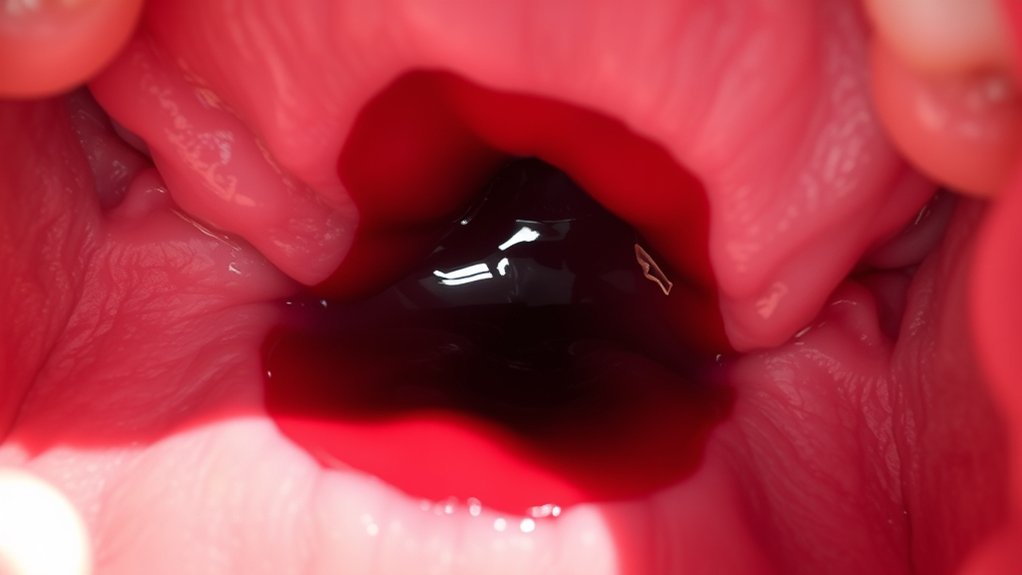
Although it may seem minor, the formation of a blood clot in the extraction socket plays an essential role in protecting the underlying bone and nerves after your tooth is removed. Blood clot formation creates a natural barrier that prevents bacteria from entering the wound, markedly reducing infection risk.
The blood clot in your extraction socket is key to protecting bone, nerves, and preventing infection.
This clot also initiates the immune response needed to defend against pathogens and supports tissue regeneration. When the clot remains intact, it promotes faster healing by stabilizing the site and encouraging new tissue growth.
If the clot becomes dislodged or dissolves prematurely, you risk developing dry socket, a painful condition that delays recovery.
Understanding how blood clot formation safeguards your extraction site highlights why careful post-extraction care is vital to guarantee a smooth healing process. So, it’s really important to follow your dentist’s instructions and take it easy after the procedure.
Risks of Drinking Coffee Immediately After Extraction

You shouldn’t drink coffee right after a tooth extraction because it can mess with the blood clot that’s protecting the wound. This increases your chances of getting a painful condition called dry socket.
Plus, the caffeine in coffee can affect how you heal by widening your blood vessels, which might cause more bleeding.
On top of that, hot coffee can irritate the extraction site, slowing down your recovery and making inflammation worse.
Blood Clot Disruption
When you drink hot coffee immediately after a tooth extraction, the heat and suction can dislodge the blood clot protecting the socket. This clot is crucial for healing, so disrupting it can lead to complications.
Here’s why you should be cautious about coffee temperature and caffeine consumption:
High coffee temperature can soften or dissolve the clot, delaying recovery. Also, suction from sipping or using a straw creates pressure that can pull the clot loose.
And caffeine causes blood vessels to dilate, increasing bleeding and reducing clot stability.
Avoiding hot coffee and minimizing caffeine intake during the first 24-48 hours helps maintain clot integrity. This promotes proper healing and reduces risks.
Increased Dry Socket Risk
Since drinking coffee immediately after a tooth extraction can dislodge the protective blood clot, it substantially raises your risk of developing dry socket.
Hot coffee, because of its temperature, causes blood vessels to dilate, which increases bleeding and disrupts clot stability.
Also, the suction created when drinking coffee, especially through a straw, can pull the clot from the socket.
Caffeine consumption plays a role too. While caffeine initially constricts blood flow, it may lead to dehydration, which can impair proper clot formation and healing.
Drinking coffee too soon after an extraction really boosts the chances of dry socket, a painful complication that delays your recovery.
To lower this risk, you should avoid hot coffee and caffeine altogether right after the procedure until your blood clot is firmly established.
Caffeine Effects On Healing
Although many people rely on coffee for a morning boost, drinking it immediately after a tooth extraction can hinder the healing process. The caffeine metabolism and coffee acidity together pose several risks to recovery. Here’s why you should avoid coffee right after extraction:
First, coffee’s acidity and heat irritate sensitive tissues, which can promote inflammation and slow down healing.
Also, caffeine causes blood vessels to dilate, increasing the risk of bleeding and possibly dislodging the protective blood clot.
On top of that, caffeine’s diuretic effect leads to dehydration, which impairs tissue repair and can raise blood pressure, making recovery more complicated.
So, to support the best healing, it’s a good idea to wait at least 24 to 48 hours before having coffee again.
Make sure to stay hydrated and follow your dentist’s advice closely to avoid any complications.
When Can You Safely Start Drinking Coffee Again?

How soon can you safely enjoy your coffee after a tooth extraction? It’s best to wait at least 48 hours before reintroducing coffee. Avoid all hot beverages initially to protect the blood clot.
Wait at least 48 hours after tooth extraction before drinking coffee to protect the healing blood clot.
After this period, you can cautiously sip lukewarm or room-temperature coffee. Just pay attention to any discomfort you might feel. Most people resume regular coffee around one week post-extraction, assuming healing is going well.
When you start again, consider trying different brewing methods and flavor pairings to enhance your experience without risking irritation. For example, cold brew or gentler roasting profiles might be easier on your sensitive mouth.
Always follow your dentist’s advice because healing times can vary based on the complexity of the extraction. This way, you can enjoy coffee safely and comfortably.
What Are the Risks of Hot vs. Iced Coffee?
When you choose between hot and iced coffee after a tooth extraction, it’s important to understand how each affects your healing. Coffee temperature and caffeine impact play key roles in your recovery.
Hot coffee increases blood flow at the extraction site, which can risk blood clot dislodgement and dry socket. It also raises inflammation and might delay healing.
Iced coffee’s lower temperature is less likely to disturb the clot and may actually soothe the area. But its acidity can irritate healing tissue. Plus, too much cold might cause sensitivity or discomfort.
Both hot and iced coffee contain caffeine, which can constrict blood vessels and cause dehydration. This can slow down the healing process.
Why Avoid Using Straws When Drinking Coffee Post-Extraction?
You should avoid using straws when drinking coffee after a tooth extraction because the suction can dislodge the blood clot protecting the wound. That clot is really important for proper healing.
If the blood clot gets dislodged, it can increase your risk of dry socket, which can be quite painful.
Straw Suction Risks
Although it might seem convenient, using a straw to drink coffee after tooth extraction poses significant risks. The suction created by straws can disrupt the healing process because of the suction force and the way you drink.
Here’s why you should avoid them: Suction force from straws generates negative pressure, which can damage the extraction site. This pressure might dislodge vital healing tissue and delay your recovery.
Dentists usually recommend avoiding straws for 7 to 10 days after the extraction to keep the clot stable and help things heal properly.
Clot Dislodgement Danger
Since the suction created by straws can easily dislodge the blood clot at your extraction site, using one to drink coffee considerably raises the risk of developing a dry socket. This risk is especially high within the first 24-48 hours after removing wisdom teeth or placing dental implants.
When the clot is pulled out, it exposes bone and nerves, causing severe pain and delaying healing.
Even gentle sipping through a straw generates enough suction to interfere with clot stability. To protect your recovery, dentists strongly advise avoiding straws for at least 7-10 days post-extraction.
Instead, sip coffee directly from a cup to minimize suction and promote proper healing.
Prioritizing clot preservation guarantees a smoother, less painful recovery after your dental procedure. So, it’s really worth skipping the straw for a bit to help your mouth heal well.
How Coffee’s Acidity and Caffeine Can Slow Healing
While coffee may offer a comforting boost, its acidity and caffeine content can considerably slow your healing after a tooth extraction. The coffee pH, typically around 4.85, is acidic enough to irritate the extraction site, delaying tissue repair.
Additionally, caffeine causes vasoconstriction, which initially narrows blood vessels. But later, vasodilation can increase bleeding and swelling. Here’s how coffee impacts your recovery:
- The acidity promotes bacterial growth, raising infection risk in the vulnerable extraction area.
- Caffeine’s dehydrating effect reduces saliva, impairing natural oral cleansing and slowing healing.
- Acidic, caffeinated drinks disrupt blood clot formation and stability, which is essential for proper wound closure.
Hydration Tips to Support Healing Without Coffee
To support healing after a tooth extraction, you need to prioritize staying well-hydrated without relying on coffee. Effective hydration strategies focus on drinking at least 8-10 glasses of plain water daily to promote blood flow and tissue repair.
Choose beverage choices carefully. Avoid sugary or caffeinated drinks because they can hinder healing by encouraging bacterial growth or destabilizing blood clots. Instead, try incorporating electrolyte-rich drinks to replenish minerals and maintain hydration without irritating the surgical site.
Proper hydration also helps prevent dry mouth, which reduces infection risks and supports recovery.
What Coffee Alternatives Are Safe During Recovery?
Maintaining proper hydration after a tooth extraction means cutting back on coffee, but you don’t have to give up comforting warm drinks altogether. Choosing safe caffeine alternatives can support your healing without risking irritation or dehydration.
Here are three effective coffee alternatives to explore:
- Herbal remedies like chamomile or peppermint tea provide gentle, non-acidic warmth that soothes your mouth during recovery.
- Decaffeinated coffee at room temperature offers a familiar taste without caffeine’s dehydrating effects or risking the blood clot.
- Warm broths or soups hydrate and nourish without acidity or excessive heat, promoting comfort and healing.
These options help maintain hydration and comfort while minimizing risks associated with traditional coffee after tooth extraction.
Give them a try—you might find a new favorite warm drink during your recovery.
How to Spot Complications From Early Coffee Consumption
If you start drinking coffee too soon after a tooth extraction, you might notice warning signs that indicate complications. Pay close attention to persistent pain that worsens after initial relief, as it may signal a dry socket caused by the dislodging of the blood clot.
A foul taste or odor days later could indicate infection. This is often made worse by the hot temperature of the coffee or a high caffeine dosage irritating the site.
Visible bone or exposed tissue suggests delayed healing. This is commonly triggered by early consumption of hot beverages.
Keep an eye out for a fever above 101°F or swelling, as these can mean infection from caffeine-related irritation. Continuous bleeding or difficulty stopping bleeding after drinking coffee also warns of compromised clot stability.
Try to adjust your coffee temperature and caffeine intake carefully to minimize these risks while you recover. It really helps keep things on track.
When Should You See Your Dentist About Coffee and Healing?
If you notice severe pain, swelling, or bleeding after drinking coffee while you’re healing, make sure to contact your dentist right away.
Also, if you experience a persistent bad taste, fever, or have trouble opening your mouth, don’t wait—get it checked out as soon as possible.
Keeping up with regular check-ups will help ensure your recovery is going smoothly and let you know when it’s safe to enjoy your coffee again.
Signs Of Complications
Although drinking coffee after tooth extraction is common, you should watch for signs that suggest complications requiring prompt dental evaluation. Whether you enjoy different caffeine varieties or prefer a specific coffee brewing method, your healing process can be affected by complications.
Be vigilant for these signs: Persistent or worsening pain beyond a few days, which may indicate dry socket or infection. Foul taste or odor from the extraction site, signaling possible infection or tissue necrosis. Noticeable swelling, exposed bone, fever above 101°F, or excessive bleeding that won’t stop despite pressure.
If you experience any of these symptoms, contact your dentist immediately. Prompt attention helps avoid serious issues and supports smooth recovery after tooth extraction.
Don’t wait it out—getting checked sooner rather than later is always the safer bet.
When To Seek Care
When you notice severe or worsening pain, persistent bleeding, or a foul taste after drinking coffee following your tooth extraction, you should see your dentist promptly. These symptoms may indicate complications such as gum inflammation or issues with dental implants.
Also, if you observe visible bone, swelling, numbness, or fever above 101°F, don’t delay seeking care. Persistent discomfort when drinking coffee often signals delayed healing, requiring professional evaluation.
| Symptom | Possible Cause | Action Required |
|---|---|---|
| Severe pain | Dry socket | See dentist immediately |
| Persistent bleeding | Gum inflammation | Contact dental office |
| Foul taste | Infection | Seek prompt care |
| Swelling | Complication | Urgent dental visit |
| Numbness | Nerve involvement | Immediate consultation |
Importance Of Professional Evaluation
Because your oral health directly impacts your overall healing, you should consult your dentist promptly if you experience persistent pain, swelling, or bleeding beyond the normal recovery period after a tooth extraction.
This is especially important if you’re thinking about getting dental implants or tooth whitening treatments soon after.
You should seek professional evaluation when:
- You notice signs of dry socket, such as severe pain, foul odor, or exposed bone.
- You have concerns about your healing progress or when it’s safe to reintroduce coffee or other hot beverages.
- You have underlying health conditions that might affect healing, like bleeding disorders or immune deficiencies.
Your dentist will assess clot stability and guide you on safely consuming caffeinated drinks, making sure your recovery goes smoothly.
Tips to Enjoy Coffee Safely After Tooth Extraction
To enjoy coffee safely after a tooth extraction, you should wait at least 48 hours before sipping lukewarm or room-temperature coffee to protect the healing blood clot. Avoid hot coffee, as high coffee temperature can irritate sensitive tissues.
When you resume drinking coffee, sip slowly and in small amounts to minimize pressure on the extraction site.
Practice caffeine moderation to prevent increased blood flow that might disrupt healing. Also, avoid using a straw for 7 to 10 days, since suction could cause dry socket.
After drinking coffee, gently rinse your mouth with warm salt water to maintain cleanliness and reduce irritation.
Choosing low-acid coffee options further supports comfort and healing during this recovery period.
These precautions help guarantee your extraction site heals properly while enjoying coffee safely.
How to Maintain Oral Hygiene While Resuming Coffee
Although resuming coffee after tooth extraction requires caution, maintaining proper oral hygiene is essential to support healing and prevent infection.
To minimize coffee staining and protect the extraction site, follow these key steps:
Follow these essential steps to prevent coffee stains and safeguard your tooth extraction site.
Wait at least 48 hours before drinking lukewarm coffee. Avoid hot temperatures because they can irritate the wound.
Use a soft-bristled toothbrush to clean your mouth gently. Be careful to steer clear of the extraction area to preserve the blood clot.
Rinse with warm salt water after coffee. This helps reduce bacteria, promotes healing, and flushes away leftover coffee particles that can cause plaque buildup.
Try to avoid sugary or acidic additives since they increase the risk of infection.
Also, staying well-hydrated supports oral hygiene and helps reduce coffee staining while you recover.
Frequently Asked Questions
Can Coffee Stain the Extraction Site or Teeth During Healing?
Yes, coffee stains can affect the extraction site and surrounding teeth during healing. You should avoid coffee initially to prevent discoloration and protect the delicate tissue. This helps ensure a cleaner, faster recovery with minimal staining risk.
It’s a good idea to be cautious with what you drink right after the procedure. Staining can make the area look worse and might slow down how well it heals. So, sticking to water or clear liquids is your best bet at first.
Does Decaf Coffee Affect Blood Pressure After Tooth Extraction?
Decaf coffee causes minimal caffeine absorption, so you’ll experience little blood pressure fluctuation after tooth extraction.
Still, if you’re sensitive, keep an eye on how you feel. It’s a good idea to consume decaf in moderation to avoid any unexpected effects.
Can Adding Milk or Cream to Coffee Impact Healing?
Don’t jump the gun. Adding milk or cream won’t harm healing if your coffee’s lukewarm.
Dairy interaction and milk effects can promote bacteria only if the drink is too hot or too cold. So, stick to moderate temperatures for safe recovery.
Are Herbal Coffee Substitutes Beneficial for Oral Recovery?
Yes, herbal coffee substitutes offer herbal benefits that support oral healing by reducing acidity and irritation. You’ll find they promote tissue repair and hydration without disrupting blood clots, making them a smart choice after tooth extraction.
They’re gentle on your mouth and help keep the area calm, which is exactly what you want when recovering. Plus, they provide a warm, comforting drink without the harsh effects of regular coffee. So, switching to herbal options can really make a difference in your oral recovery process.
How Does Smoking Combined With Coffee Affect Tooth Extraction Healing?
You might not realize it, but smoking risks combined with coffee effects considerably disrupt healing after tooth extraction by constricting blood vessels and dislodging clots. This increases the chances of dry socket and delays recovery.
Conclusion
You should avoid coffee immediately after tooth extraction to protect the blood clot, prevent dry socket, and reduce irritation. Wait until healing is well underway before sipping hot or iced coffee. Also, avoid using straws and keep an eye out for any complications.
When you do start drinking coffee again, enjoy it safely by maintaining good oral hygiene. Be mindful of the temperature of your coffee, and always follow your dentist’s advice.
The key is to prioritize healing and protect your mouth. That way, you can savor your coffee thoughtfully and have a smooth recovery.