Can You Use Coffee Grounds Twice – Reuse Tips And Brewing Results
You can reuse coffee grounds once, but expect a weaker, more bitter brew because most flavor compounds dissolve in the first brew. To improve results, dry grounds thoroughly, rinse away excess oils, and adjust your grind size and brewing time.
Using methods like French press or cold brew helps extract more flavor from spent grounds. While reuse reduces waste, it compromises coffee quality.
Exploring careful preparation and brewing tweaks will show you how to make the most of reused grounds. Give it a try and see what works best for your taste!
Can You Really Use Coffee Grounds Twice?
Although many coffee enthusiasts wonder if they can extract a second brew from used grounds, the reality is a bit more nuanced. When you reuse coffee grounds, you’re dealing with less fresh grounds and fewer soluble compounds, which directly affect the flavor you get.
Studies show that most of the flavor compounds dissolve during the first brew, leaving limited potential for a satisfying second cup. While reusing grounds can reduce coffee waste, it usually compromises the coffee’s aroma and strength. This often results in a weaker, more bitter taste.
If you’re thinking about a second brew, keep in mind the grounds no longer have the ideal balance of oils and acids. So, while it’s technically possible to reuse coffee grounds, the quality and freshness take a noticeable hit.
Basically, reusing grounds is more about cutting down on waste than enjoying a great second cup.
How to Prepare Coffee Grounds for a Second Brew
To prepare your coffee grounds for a second brew, start by drying them thoroughly. This step helps prevent mold growth and keeps any off-flavors at bay.
Once they’re dry, you’ll want to remove excess oils. These oils can make your coffee taste bitter, so try rinsing or blotting the grounds to get rid of them.
After that, adjust the grind size a bit. Since the grounds have already been used once, tweaking the consistency will help you get the best flavor in your second cup.
Give it a try, and you might be surprised at how good your second brew can taste!
Drying Coffee Grounds
When you want to reuse coffee grounds for a second brew, drying them properly is essential to preserve flavor and prevent mold growth. Moisture retention depends on the grounds’ particle size and brewing temperature. These factors can vary across different coffee bean varieties.
Rapid drying at moderate heat (below 50°C) minimizes flavor degradation. Air-drying or using a low-temp oven works best for this.
| Drying Method | Time Required | Flavor Impact |
|---|---|---|
| Air-drying | 12-24 hours | Minimal |
| Low-temp oven | 1-2 hours | Slightly reduced |
| Dehydrator | 3-5 hours | Moderate |
| Sun-drying | 6-12 hours | Potential off-flavors |
| Microwave (low) | 5-10 minutes | Risk of bitterness |
Proper drying optimizes the grounds’ reuse potential without compromising your brew’s complexity. So, taking a bit of extra time to dry them right really pays off.
Removing Excess Oils
How do you effectively remove excess oils from used coffee grounds to prepare them for a second brew? Start by understanding that coffee bean varieties differ in oil content. Oily beans like Arabica release more surface oils, which can cause bitterness in a second extraction.
To reduce these oils, rinse the used grounds briefly with hot water just below your usual brewing temperature, around 85°C (185°F). This helps avoid prematurely extracting undesirable compounds.
This process washes away residual oils without leaching too many soluble solids, so you keep a good flavor balance.
After rinsing, dry the grounds thoroughly to prevent rancidity.
Grinding Consistency Adjustment
Although used coffee grounds have already undergone extraction, adjusting their grind consistency is crucial for a successful second brew. You need to focus on restoring grinding uniformity and refining particle size to guarantee even extraction. Regrinding slightly coarser than the original grind can compensate for the reduced strength and altered structure of the grounds.
Uneven particle size leads to over-extraction of fines and under-extraction of coarse fragments, resulting in bitterness or weak flavors.
| Grind Adjustment | Particle Size (mm) | Effect on Extraction |
|---|---|---|
| Original Fine | 0.3 – 0.5 | Ideal for first brew |
| Reground Medium | 0.5 – 0.7 | Balances extraction |
| Coarse | 0.7 – 1.0 | Prevents over-extraction |
| Uneven Mix | Variable | Causes inconsistent brew |
| Uniform Medium | 0.5 – 0.7 | Perfect for second brew |
Adjust grinding uniformity carefully to maximize flavor retention.
Best Brewing Methods for Reused Coffee Grounds
You’ll want to tweak your brewing technique a bit to get the most out of reused coffee grounds since they’ve fewer soluble compounds left. Methods that let the water stay in contact with the grounds longer—like using a French press or making a cold brew—can really help pull more flavor.
Also, keeping an eye on your water temperature and grind size will make a noticeable difference in squeezing the best taste from your second brew.
Optimal Brewing Techniques
Since reused coffee grounds have already undergone extraction, they need adjusted brewing methods to get the best flavor without pulling out bitterness. To optimize brewing, start with these simple techniques:
First, shorten the brew time. Cutting down the contact between water and grounds helps avoid harsh compounds since there’s less good stuff left to extract.
Next, use lower water temperatures. Brewing around 85–90°C (185–194°F) keeps those subtle flavors intact and stops the bitterness that hotter water can cause with reused grounds.
Finally, tweak your coffee-to-water ratio. Adding a bit more grounds can make up for the weaker strength, but make sure to store your coffee properly. Freshness is key to avoiding any stale or off flavors.
Extraction Efficiency Tips
Adjusting brewing techniques sets the stage for improving extraction efficiency when working with reused coffee grounds. Since ground freshness declines rapidly, ideal coffee storage before reuse is critical to minimize flavor degradation.
You’ll want to compensate for lower soluble content by modifying parameters like grind size, water temperature, and contact time.
| Brewing Parameter | Adjustment for Reused Grounds |
|---|---|
| Grind Size | Slightly finer to increase surface area |
| Water Temperature | Use water near 96°C to enhance extraction |
| Contact Time | Extend brewing time by 20-30% for fuller extraction |
Implementing these evidence-based adjustments ensures you extract maximum flavor despite diminished ground freshness. This makes the second brew more palatable.
Proper coffee storage limits oxidation, which helps preserve the grounds’ extraction potential.
What Happens to Flavor When You Reuse Coffee Grounds?
How does reusing coffee grounds affect your brew’s flavor? When you reuse grounds, the flavor and aroma drop a lot. Scientific analysis shows that during the first brew, most of the soluble compounds that give taste are extracted.
Reusing grounds means the key flavor compounds are mostly gone, which leads to weak, watery coffee. Plus, the volatile oils that give coffee its rich aroma disappear after the first use.
Also, the taste can get out of balance. Bitterness might go up because harsher compounds stick around and cover up the subtle notes.
Basically, reusing grounds messes with the complexity and strength of your coffee. Some flavors are still there, but not enough for a satisfying cup.
Knowing this helps you set realistic expectations when brewing with reused coffee grounds.
Tips to Improve Flavor and Strength When Reusing Grounds
If you want to get better flavor and strength when reusing coffee grounds, try tweaking your extraction techniques a bit. Adjusting the grind size or water temperature can make a noticeable difference.
You might also want to experiment with longer brew times. This helps pull out more of those tasty compounds without making your coffee bitter.
And hey, don’t forget about adding natural flavor boosters like cinnamon or vanilla. They’re great for giving your coffee a little extra kick when the grounds aren’t as fresh.
Enhancing Extraction Techniques
Although reusing coffee grounds can reduce flavor intensity, you can still enhance extraction by optimizing brewing parameters. Careful adjustment allows you to extract remaining solubles efficiently, balancing taste and strength.
Consider these evidence-based tips:
- Select coffee bean varieties with robust profiles. Dark roasts or blends retain more soluble compounds after initial use, improving second-brew potential.
- Slightly increase brewing temperature within 92–96°C to promote greater extraction without over-extracting bitter compounds. Hotter water dissolves residual flavors more effectively.
- Use a coarser grind when reusing grounds to increase water flow and prevent channeling. This helps facilitate uniform extraction from already spent material.
Adjusting Brew Time
Fine-tuning your brew time plays a significant role in extracting the best flavors from reused coffee grounds. Since the grounds have already released some compounds, you’ll need to extend the brew time slightly to compensate for reduced solubles. However, be cautious. Over-extraction can lead to bitterness, especially if your brewing temperature remains high.
Research shows that maintaining an ideal brewing temperature around 195–205°F helps preserve coffee aroma while allowing gradual extraction.
By carefully adjusting your brew time, you can balance strength and flavor without sacrificing clarity. Start by increasing brew time in small increments, tasting after each adjustment.
This methodical approach lets you identify the exact timing that maximizes flavor extraction from reused grounds without overpowering bitterness or muted aroma. It might take a little trial and error, but it’s worth it for a better cup.
Just take it slow and listen to what your palate tells you.
Adding Flavor Boosters
When you reuse coffee grounds, their flavor compounds have diminished, but you can enhance the brew by incorporating flavor boosters that complement and intensify the taste. Adding these elements improves coffee aroma and provides notable flavor enhancement, compensating for the weaker extraction.
- Spices: Adding ground cinnamon or cardamom can elevate the coffee aroma and introduce warm, complex notes. It’s scientifically proven to enhance perceived flavor intensity.
- Vanilla Extract: A few drops infuse subtle sweetness and richness. This helps balance the muted bitterness typical of reused grounds.
- Cocoa Powder: Incorporating unsweetened cocoa adds depth and a chocolate undertone. It improves the overall sensory profile.
These boosters interact synergistically with residual coffee oils. They make your second brew more satisfying without compromising clarity or strength.
When Should You Avoid Reusing Coffee Grounds?
Since coffee grounds lose much of their flavor and beneficial compounds after the initial brew, you should avoid reusing them for drinking purposes. Reusing coffee grounds for brewing results in weak, bitter coffee with diminished antioxidant content. This makes it less enjoyable and nutritionally inferior.
Also, avoid reusing grounds that have been sitting out for extended periods. They can harbor mold or bacteria, which poses health risks.
Instead, you can repurpose spent grounds for composting, where their nitrogen content enriches soil. Or try incorporating them into skincare routines to take advantage of their exfoliating properties. These alternative uses maximize the grounds’ value without compromising safety or quality.
How Many Times Can You Reuse Coffee Grounds?
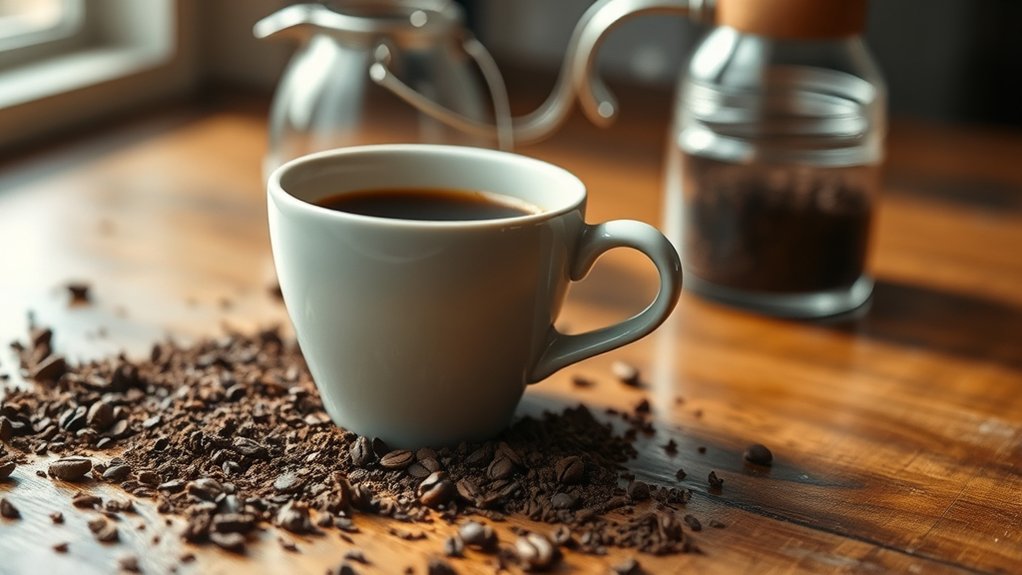
A key factor in deciding how many times you can reuse coffee grounds depends on the desired flavor and intended use. The coffee plant’s compounds degrade quickly after brewing, which affects taste and extraction quality. In the coffee industry, grounds are typically used once to maximize flavor.
For home reuse, consider these points:
- First reuse: You get a milder brew, which is great if you want less intense coffee or want to use it in recipes like iced coffee.
- Second reuse: Most of the flavor compounds are gone by now, so the brew tends to be weak and bitter.
- Beyond second reuse: The grounds lose most of their aromatic oils and nutrients, making them pretty much useless for brewing.
How to Store Coffee Grounds Safely for Reuse
Although coffee grounds start losing their quality soon after brewing, you can preserve their usability by storing them properly. Effective coffee storage hinges on minimizing exposure to air, moisture, and heat, which accelerate the degradation of ground freshness.
Use an airtight container to limit oxygen contact, and keep the grounds in a cool, dry place away from direct sunlight.
Store coffee grounds in airtight containers, kept cool and dry, away from sunlight for optimal freshness.
Avoid the refrigerator, as condensation can introduce moisture, further compromising quality. For short-term storage, airtight glass or BPA-free plastic containers work best. Label your container with the date to track freshness accurately.
By controlling environmental factors, you slow oxidation and microbial growth, maintaining the grounds’ flavor profile longer. This precise approach guarantees your coffee grounds remain suitable for reuse, supporting better brewing results.
Eco-Friendly Benefits of Reusing Coffee Grounds
Properly storing coffee grounds not only preserves their quality for reuse but also opens up opportunities to reduce environmental impact. When you reuse grounds, you contribute to sustainability in measurable ways.
First, there’s waste reduction. Coffee shops generate tons of spent grounds daily. Reusing yours helps minimize what ends up in landfills and cuts down on methane emissions from organic waste.
Next is resource efficiency. By extending the use of coffee grounds, you lower demand for fresh beans. This means less water and energy are needed for growing and processing new coffee.
Finally, think about caffeine content optimization. While caffeine does decrease with each reuse, you’re making sure to get the most out of your grounds. This way, fewer grounds get tossed out before their time.
Creative Ways to Use Coffee Grounds Beyond Brewing
When you think beyond brewing, coffee grounds reveal a surprising range of practical uses supported by scientific studies and everyday experiments. You can enhance coffee shop sustainability by diverting used grounds from waste streams.
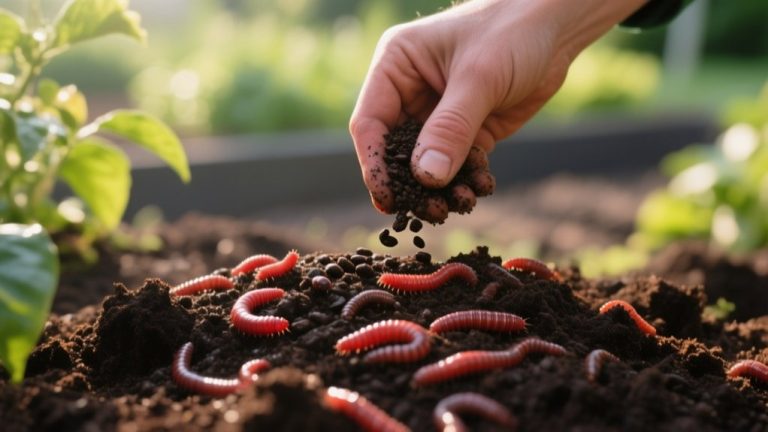
Composting coffee grounds enriches soil with nitrogen and organic matter, accelerating microbial activity, which improves plant growth.
Studies confirm that grounds reduce odors and deter pests when applied in gardens. Furthermore, you can use grounds as natural exfoliants in skincare or as absorbents for cleaning spills due to their coarse texture.
These applications reduce landfill deposits, supporting circular waste management in coffee shops and households alike.
By integrating these creative uses, you not only extend the lifecycle of coffee grounds but also contribute measurable environmental benefits, affirming that reuse goes well beyond a second brew.
It’s pretty cool how something as simple as coffee grounds can make such a difference!
Frequently Asked Questions
Can Reused Coffee Grounds Affect My Coffee Maker’s Performance?
Yes, reused coffee grounds can affect your coffee maker’s performance. They often lead to residue buildup, which means you’ll need to maintain your coffee machine more often.
This buildup can clog filters and reduce water flow, making your brewing less efficient.
On top of that, using stale grounds messes with how fresh your coffee tastes. It results in weaker flavor extraction, so your coffee mightn’t be as rich or satisfying.
To keep your machine running smoothly and your coffee tasting great, always use fresh grounds.
And don’t forget to clean your machine regularly.
This way, you’ll enjoy consistent coffee quality and help your equipment last longer.
Are There Health Risks Associated With Reusing Coffee Grounds?
Yes, you should be cautious when reusing coffee grounds due to potential health concerns. Used grounds retain moisture, creating an environment where microbial growth can occur, especially if stored improperly.
This can introduce bacteria or mold into your next brew, posing risks to your health.
To minimize these risks, make certain grounds dry thoroughly between uses and store them in a clean, airtight container.
However, frequent reuse isn’t recommended for safe consumption. It’s better to use fresh grounds whenever possible to keep things safe and tasty.
How Do Reused Coffee Grounds Compare Nutritionally to Fresh Grounds?
If you think reused coffee grounds pack the same nutritional punch as fresh ones, think again. They’re practically nutritional shadows. The nutritional value drops markedly after the first brew, losing much of the antioxidants and caffeine.
Flavor retention is also minimal. Reused grounds yield a weak, bitter brew. Scientifically, the first extraction pulls most beneficial compounds, leaving little behind.
Can I Reuse Coffee Grounds for Cold Brew Coffee?
You can reuse coffee grounds for cold brew, but expect the flavor and aroma to be less intense. The first brew pulls out most of the soluble compounds that give coffee its rich taste and smell.
So, when you reuse the grounds, the cold brew ends up weaker and less fragrant because the oils and acids are mostly gone.
That said, you could try steeping the grounds longer to get a bit more flavor. Just keep in mind that even with extra steeping, reused grounds won’t taste as good or smell as fresh as new ones.
Fresh grounds are always the best bet if you want that full, bold cold brew experience.
Do Different Coffee Bean Types Affect Reuse Quality?
Just like a skilled painter chooses their palette, you’ll find that different coffee bean types do affect flavor retention and aroma preservation when reusing grounds.
Dark roasts tend to lose more aroma after the first brew, while lighter roasts hold subtle flavors longer.
Arabica beans generally preserve nuanced notes better than robusta.
Conclusion
So, you’re thinking of brewing coffee twice with the same grounds? Sure, you can, but don’t expect a flavor encore. It’s more like a fading whisper of your first cup.
Science shows the second brew loses much of its strength and aroma. It ends up being a shadow of its former self. But hey, if saving waste and money is your goal, reusing grounds makes perfect sense.
Just don’t blame the coffee when it tastes tired.