Can You Grow Coffee In The Us – Growing Guide Explained
Yes, you can grow coffee in the U.S., especially in warm regions like southern Florida and USDA zones 10b and above, where tropical conditions prevail. Choose Arabica for cooler, high-altitude spots or Robusta for warmer areas. Use well-drained, slightly acidic soil and maintain consistent moisture and humidity.
Protect plants from frost with insulation or indoor moves. Container gardening and microclimate management boost success. Keep going to discover detailed strategies for thriving coffee cultivation and processing at home.
Understanding Coffee Growth and Climate Challenges in the U.S
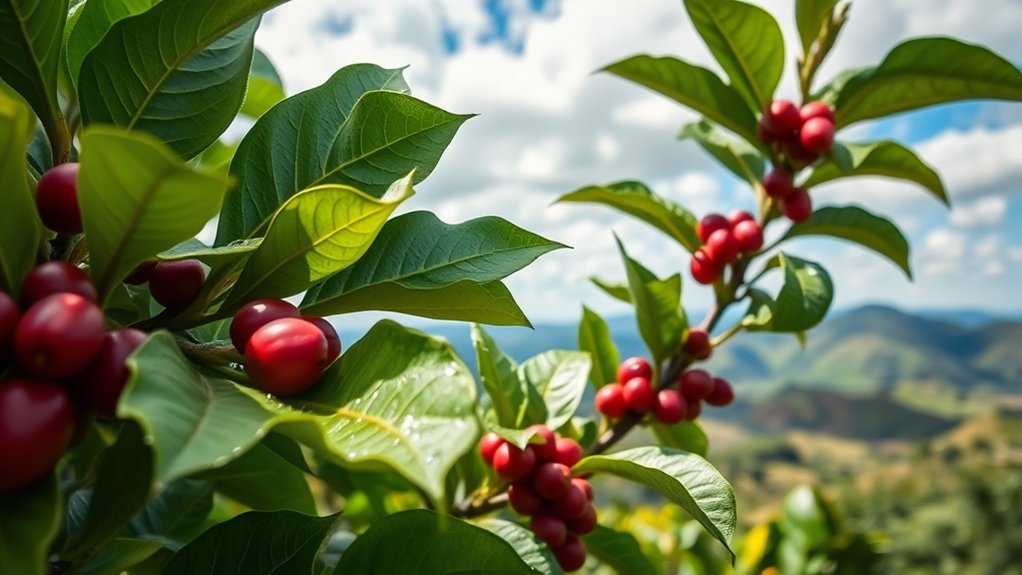
Although coffee plants naturally thrive in tropical climates with stable temperatures between 59-75°F, growing coffee outdoors in the U.S. presents significant challenges due to regional climate variations.
Coffee plants prefer stable tropical temperatures, making outdoor cultivation in the U.S. challenging due to climate variability.
You’ll find that Florida’s USDA zones 10a and 10b can support coffee growth, but temperatures dropping below 41°F risk plant survival.
The state’s hot, sandy soils and dry winters contrast with the rich volcanic soils and consistent humidity that optimize coffee flavor and support diverse bean varieties.
Frost and temperature swings require you to adopt protective measures, like wrapping plants or situating them in microclimates.
For example, placing plants against south-facing walls or using containers helps regulate temperature.
Managing these factors is essential to cultivating coffee with desirable flavor profiles and ensuring the health of selected bean varieties in the U.S. environment.
Which U.S. Regions Are Best for Growing Coffee
You’ll find that USDA Zone 10b in southern Florida offers the best outdoor conditions for growing coffee.
Zones 9a and 9b, on the other hand, require a bit more attention and careful microclimate management. Using south-facing walls, shade trees, or containers can really help protect the plants from temperature swings and those occasional freezes.
Places like Tampa and areas near the Everglades show how, with some smart placement and insulation techniques, you can still grow coffee successfully even when the climate throws a few challenges your way.
Climate Zones Suitable
Where exactly can you grow coffee outdoors in the U.S.? The USDA hardiness zones 10b and above offer the most suitable conditions, with temperatures rarely dipping below 35°F. This is essential for preserving coffee flavor and optimizing harvesting methods.
Southern Florida’s Miami and Tampa fall within zones 10b and 11, supporting outdoor cultivation with minimal protection. Zones 10b+ provide stable warmth, ensuring consistent coffee flavor development.
Zones 9a and 9b require south-facing walls or frost covers to prevent cold damage. Areas like Ocala face freezing risks, demanding significant winter protection for viable harvests.
Choosing the right climate zone is necessary to maintain bean quality and efficient harvesting methods. This directly impacts the coffee flavor in your homegrown crop.
Microclimate Advantages
Understanding USDA hardiness zones gives you a broad idea of where coffee can grow, but microclimates within these zones can really open up more possibilities.
In the U.S., coastal and southern spots like Tampa and Gainesville have great microclimate advantages. They offer consistent temperatures and high humidity, which coffee plants love.
Using south-facing walls and sheltered garden beds helps retain heat, making it easier for coffee plants to survive, even in Zone 10a.
Managing shade well in these microclimates not only reduces heat stress but also encourages beneficial insects that help control pests.
While Zone 10b usually lets you grow coffee outdoors without much protection, placing plants strategically and using containers can help you handle short cold spells and frost risks in cooler areas.
Regional Protection Strategies
Which U.S. regions offer the best conditions for growing coffee depends largely on USDA hardiness zones and local microclimates. Zone 10b supports outdoor cultivation without protection, while zone 10a requires occasional measures like frost wraps. Zones 9a and 9b need more intensive regional protection strategies, including insulation and strategic placement near south-facing walls.
Urban microclimates in Tampa and Gainesville have shown success through microclimate management and container gardening. This approach allows mobility and better control over temperature and pests.
To optimize your coffee growth, apply coffee pruning techniques to maintain airflow and reduce pest habitats. Also, use coffee pest management tailored to local conditions.
Container gardening helps mitigate cold snaps and microclimate variability too.
These targeted strategies really help extend your growing season and protect your plants effectively.
Choosing the Right Coffee Variety for U.S. Gardens
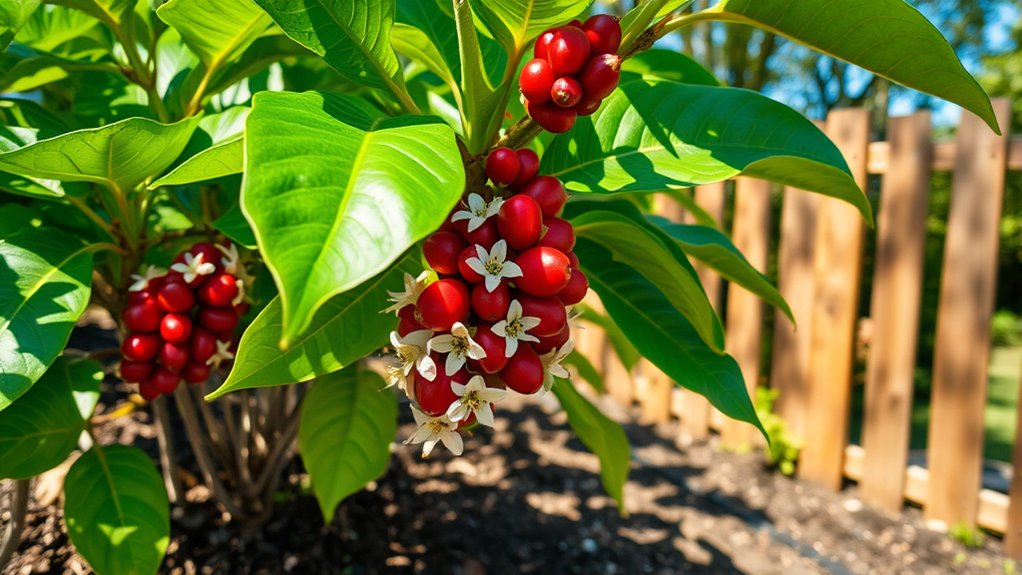
Although selecting the ideal coffee variety depends on your local climate and growing conditions, Arabica and Robusta remain the primary options for U.S. gardeners.
Arabica is favored for its superior coffee flavor and is best suited to high-altitude, cooler environments with temperatures between 59-75°F. Using high-quality Arabica seeds is critical, as seed quality directly influences flavor development and plant health.
Conversely, Robusta is more tolerant of warmer, sunnier conditions and offers greater pest resistance and higher yields. This makes it suitable for beginners or less controlled environments.
When choosing, consider whether you prioritize gourmet coffee flavor and are equipped to manage specific climatic needs. Or if ease of cultivation and robustness better match your garden’s conditions and your experience level.
Soil and Light Requirements for Healthy Coffee Growth
After selecting the appropriate coffee variety for your garden, focusing on soil and light conditions will help guarantee healthy growth. Coffee plants thrive in well-drained, fertile soil with volcanic or sandy loam soil composition that balances moisture retention and drainage.
Aim for a soil pH between 6.0 and 6.5, rich in organic matter to optimize nutrient absorption.
Light filtering is essential; provide bright, indirect sunlight to avoid leaf scorch from direct sun exposure. Maintaining consistent soil moisture without waterlogging is vital for root health.
Key requirements include:
Well-aerated soil with organic mulch to regulate temperature and humidity.
Soil composition that ensures moisture retention yet prevents stagnation.
Light filtering through shade or canopy to protect leaves while maximizing photosynthesis.
Starting Coffee Plants: Choosing Seeds or Seedlings
Two primary options exist when starting coffee plants: using fresh seeds or acquiring healthy seedlings.
For seed selection, prioritize fresh coffee seeds extracted from fully ripe, red cherries, as they exhibit the highest germination rates. Clean seeds thoroughly to remove pulp, then use seed soaking by immersing them in water for 24 hours before planting to enhance germination success.
Alternatively, you can choose disease-free, high-quality seedlings from reputable nurseries to improve initial plant health and productivity.
Whether planting seeds or seedlings, use well-draining, nutrient-rich soil that mimics volcanic or organic matter-rich conditions. This soil environment supports ideal root development and nutrient uptake, which are vital for early-stage growth.
Selecting the appropriate starting material is fundamental to establishing vigorous coffee plants capable of thriving in your cultivation setting. Taking the time to pick the right seeds or seedlings really pays off in the long run. So, make sure you give this step the attention it deserves!
Watering and Humidity Tips for Growing Coffee Indoors and Outdoors
When growing coffee plants indoors or outdoors, you need to water them deeply and consistently once the topsoil feels dry. Be sure to avoid waterlogging for more than 15 minutes to prevent root damage. It’s all about giving the roots enough moisture without drowning them.
Maintaining ideal humidity is key because it mimics their native environment. This helps reduce stress and prevents leaf drop, which can be a real problem. Indoors, you can use misting, humidity trays, or humidifiers, especially if you’re in a dry climate. Just be careful not to mist when it’s cold or drafty as that can cause other issues.
Proper watering and humidity also support effective coffee plant pruning and pest management. When your plant has robust foliage, it’s much more resilient and less vulnerable to pests. So, keeping these conditions right really pays off for healthy growth.
Water deeply when the topsoil is dry; avoid standing water over 15 minutes. Increase humidity with misting or humidifiers to prevent stress and leaf drop. Monitor moisture to aid coffee plant pruning and reduce pest vulnerability.
Protecting Coffee Plants From Cold and Frost
Although coffee plants thrive in warm climates, they become highly vulnerable once temperatures drop below 41°F. This can lead to leaf damage and potential plant stress.
To protect your coffee plants, use insulation materials like Tyvek home wrap or frost-proof teepees. These prevent frost damage but still allow moisture exchange, which is essential for keeping your plants healthy.
Position plants against south-facing walls or under shade trees to help buffer temperature extremes. Covering them with burlap or frost cloth during cold nights adds insulation without overheating during the day.
If you have container-grown coffee, moving the plants indoors during cold spells can really help ensure their survival. These protective steps help preserve the integrity of the coffee flavor, which can be influenced by plant stress.
Keeping your coffee plants healthy supports consistent bean quality. And that’s super important for coffee brewing techniques that rely on flavor precision and balance.
Creating and Managing Coffee Microclimates
Since coffee plants require stable temperature and humidity levels to thrive, creating and managing microclimates becomes essential in non-tropical regions. You can optimize conditions for different coffee bean varieties by carefully manipulating local environments. This directly influences coffee flavor profiles.
Position your plants against south-facing walls or under shade trees like mangoes or bananas to balance sunlight exposure and humidity. Use insulation materials such as Tyvek wraps to protect against frost while maintaining moisture exchange.
Key strategies include establishing windbreaks and strategic planting locations to reduce temperature fluctuations. Incorporating shade trees helps sustain humidity and moderate heat.
Also, using containers gives you mobility, so you can quickly adjust to microclimate stressors.
These tactics help you replicate the stable environments coffee plants need. That way, you improve your chances of cultivating quality coffee here in the US.
Growing Coffee in Containers: Care and Tips
Managing microclimates effectively often involves using containers to grow coffee plants, as this method offers enhanced control over environmental factors like temperature, humidity, and light. Choose pots with excellent drainage. Volcanic soil or crushed lava rock works best to prevent root rot.
Position your containers in bright, filtered sunlight, ideally against south-facing walls to maintain warmth and support coffee flowering stages. Regularly check soil moisture to avoid waterlogging, which is essential for healthy roots.
Protect plants from cold by insulating pots or moving them indoors. Also, keep an eye out for coffee plant pests because container plants can be vulnerable.
| Care Aspect | Recommendation |
|---|---|
| Pot Type | Well-draining, volcanic soil mix |
| Light Exposure | Bright, filtered sunlight, south wall |
| Watering | Keep moist, avoid waterlogging |
| Cold Protection | Insulate pots, move indoors if cold |
Using Organic Fertilizers and Mulch to Keep Your Coffee Healthy
You’ll give your coffee plant a real boost by using organic fertilizers like compost or manure. These not only provide the essential nutrients your plant needs but also improve the activity of beneficial microbes in the soil.
Adding mulch made from dried coffee leaves is another great step. It helps return organic matter back to the soil, keeps moisture locked in, and even helps regulate the temperature around your plants.
If you keep topping up these natural inputs regularly, you’ll make sure your coffee plants always have the nutrients they need. Plus, it reduces stress on the plants, leading to healthier growth and better coffee overall.
Benefits Of Organic Fertilizers
Although synthetic fertilizers can provide quick nutrient boosts, organic fertilizers offer a more sustainable way to nourish your coffee plants by enriching the soil with natural nutrients like those found in compost and manure. These organic inputs improve soil structure and stimulate microbial activity, which is critical for meeting the coffee plant’s high nutrient demands.
Better soil health directly influences coffee flavor profiles, promoting richer, more complex flavors. Plus, organic fertilizers support plant resilience, helping reduce susceptibility to coffee pests without the need for harmful chemicals.
By using organic fertilizers, you’re fostering sustainable cultivation with a lower environmental impact.
Key benefits include:
- Sustained nutrient release enhancing coffee bean quality and flavor profiles
- Improved soil microbial diversity supporting plant health and pest resistance
- Reduced chemical runoff protecting surrounding ecosystems
Mulching With Dried Leaves
When you apply dried coffee leaves as mulch, you create a nutrient-rich layer that helps the soil hold moisture and keeps the temperature steady around the roots. This mulch is great for your coffee plants because it stabilizes soil conditions, which is super important for healthy roots and good nutrient uptake.
Plus, dried leaves help keep weeds at bay, so your plants don’t have to compete for water and nutrients.
Using dried leaves with organic fertilizers can really boost microbial activity in the soil. That means a stronger, healthier soil ecosystem that supports your coffee plants as they grow. It’s a win-win situation for your garden!
Also, mulching with dried leaves fits right in with sustainable gardening. It’s chemical-free and helps improve soil structure naturally.
Troubleshooting Common Problems When Growing Coffee
If coffee plants exhibit yellowing or browning leaves, you should first evaluate watering practices and nutrient levels. These symptoms often indicate overwatering, underwatering, or deficiencies.
Dried, falling leaves suggest low humidity or temperature stress. Poor flowering often results from insufficient light or improper fertilization.
To manage these issues effectively, implement sound pest management and pruning techniques to improve airflow and reduce fungal risks like leaf rust. Additionally, protect plants from cold damage by avoiding exposure below 41°F.
Adjust watering frequency and ensure balanced fertilization based on soil tests. Increase humidity and maintain stable temperatures to prevent leaf drop.
Regularly prune to enhance air circulation and inspect for pests early. These steps help maintain robust coffee plants in US growing conditions.
Harvesting and Processing Coffee Beans at Home
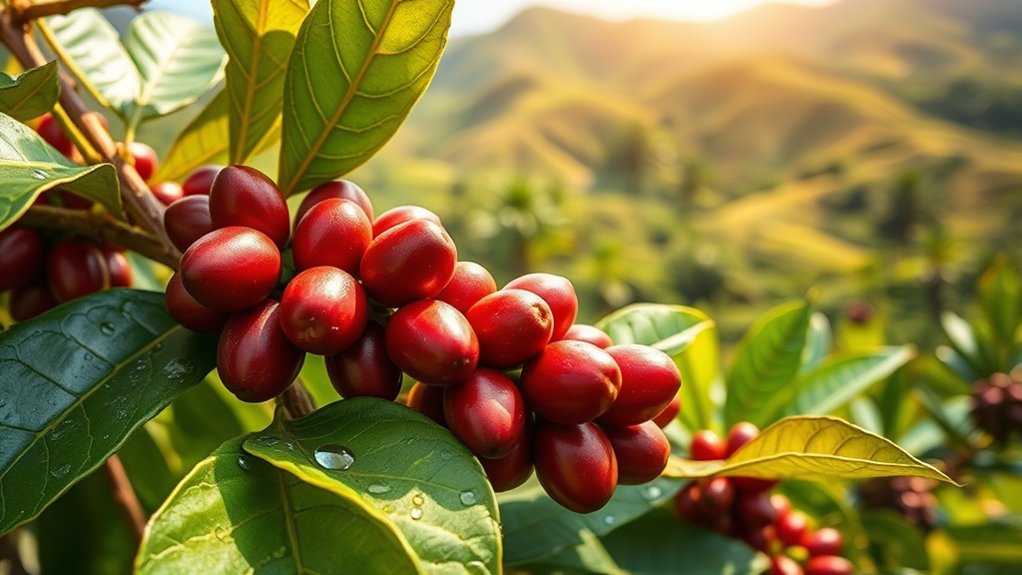
Maintaining healthy coffee plants sets the stage for a successful harvest. You should handpick fully ripened cherries when they turn bright red, typically 7-11 months post-flowering, to guarantee excellent quality.
Healthy coffee plants and handpicking bright red cherries ensure a high-quality, successful harvest.
After harvesting, remove the outer flesh through dry, wet, or honey milling methods.
If you choose wet processing, initiate cherry fermentation to break down the mucilage layer efficiently. Next, extract the coffee seeds and thoroughly clean them to prevent microbial contamination.
Proper coffee bean curing involves drying the beans to around 10-12% moisture content, which is vital to avoid mold during storage.
Once cured, roast the beans to develop the characteristic flavors before grinding. This methodical approach ensures you maximize flavor and quality in your home-grown coffee beans.
Taking these steps really makes a difference in your cup!
Frequently Asked Questions
Can Coffee Plants Repel Pests in My Garden Naturally?
Yes, you can use pest resistant varieties of coffee plants as natural pest deterrents. Their caffeine content and aromatic compounds actively repel ants, beetles, and aphids. This helps enhance your garden’s pest management with proven chemical defenses.
It’s a great way to keep pests at bay without relying on harsh chemicals. Plus, coffee plants add a nice touch to your garden’s look. So, why not give them a try?
How Long Does It Take for a Coffee Plant to Start Producing Beans?
You’ll see coffee flowering and first beans within 3 to 5 years. After flowering, bean harvesting takes about 7 to 11 months.
Full production typically starts around year four or five with proper care and climate. It really depends on how well you look after the plant and the conditions it’s in. But generally, by the fifth year, you can expect a good yield.
Can I Grow Coffee Plants Indoors Year-Round Without Artificial Lights?
You can grow coffee plants indoors year-round without artificial lights if you meet lighting requirements. Provide 4-6 hours of bright, filtered sunlight to keep them happy.
It’s also important to maintain ideal indoor humidity and temperatures between 60-75°F. This helps support healthy growth and prevents stress on your plants.
With the right care, your coffee plants can thrive indoors just fine!
Are Coffee Plants Toxic to Pets if Ingested?
Imagine your pet’s quick sniff turning into a dangerous episode. Coffee plants pose serious toxicity concerns. You must prioritize pet safety by keeping all coffee plant parts away.
Even small ingestions can cause severe, rapid symptoms that need urgent care. So, it’s best to be extra cautious around these plants. Your furry friend’s health depends on it.
What Are the Best Companion Plants to Grow Alongside Coffee?
You should grow shade trees like mango or banana to protect coffee plants and regulate the microclimate. These trees create a nice environment that helps coffee thrive.
Also, try adding pest repellents such as basil or marigolds. They reduce pest pressure and boost the health of your coffee plants effectively. It’s a simple way to keep your coffee garden happy and productive.
Conclusion
You can cultivate coffee in select U.S. regions by carefully matching climate, soil, and light conditions. Visualize nurturing rich green leaves under filtered sunlight, while organic mulch preserves moisture and nutrients. Whether starting from seeds or seedlings, precise care and troubleshooting guarantee healthy growth.
Harvesting ripe cherry-red beans at home becomes a rewarding culmination of your efforts. It’s all about blending science and patience into a thriving, aromatic crop right in your garden or container. With the right approach, growing coffee can be a truly enjoyable experience.