Can Coffee Expire – Shelf Life And Storage Guide
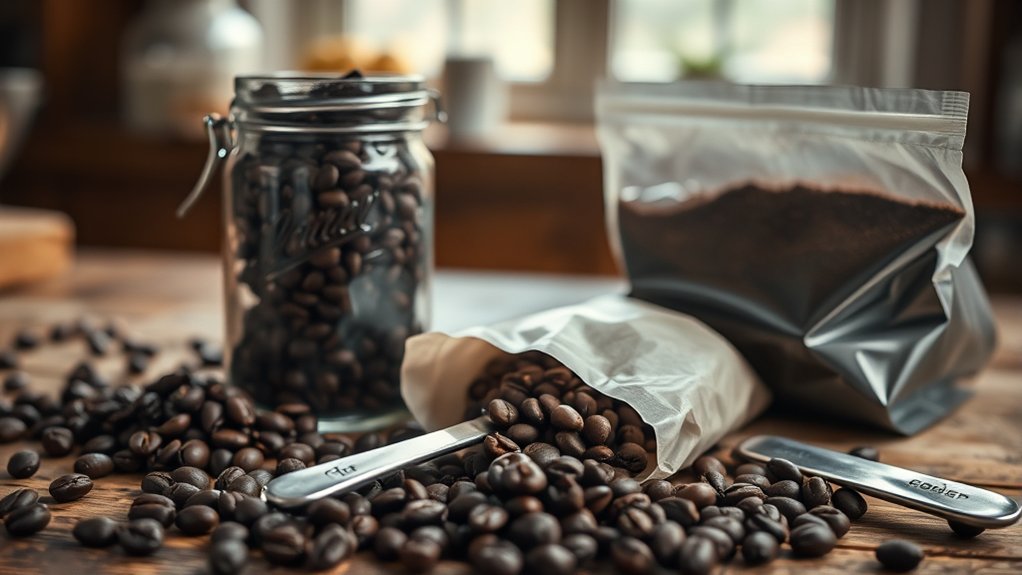
Yes, coffee can expire or lose freshness quickly because of oxidation, moisture, and light exposure. Whole beans usually stay fresh for about 2 to 4 weeks after roasting. Ground coffee, on the other hand, only lasts about 1 to 2 weeks.
To keep that great flavor, store your coffee in airtight, opaque containers. Make sure to keep them in cool, dark places and try to avoid temperature changes. Freezing beans can help extend their freshness, but it’s best not to freeze ground coffee.
Brewed coffee is generally safe to drink for about 24 hours at room temperature. Knowing these tips can really help you enjoy coffee that tastes its best for longer.
Does Coffee Expire or Lose Freshness?
How long does coffee stay fresh before it starts to lose its flavor? Coffee doesn’t have a strict expiration date but gradually loses freshness over time. You’ll notice a decline in coffee aroma and taste as exposure to oxygen, light, heat, and moisture speeds up the process.
Coffee slowly loses flavor over time, especially when exposed to oxygen, light, heat, and moisture.
Proper storage in airtight, cool, and dark conditions plays a big role in keeping that flavor locked in. Whole beans usually keep their quality for about 2-4 weeks.
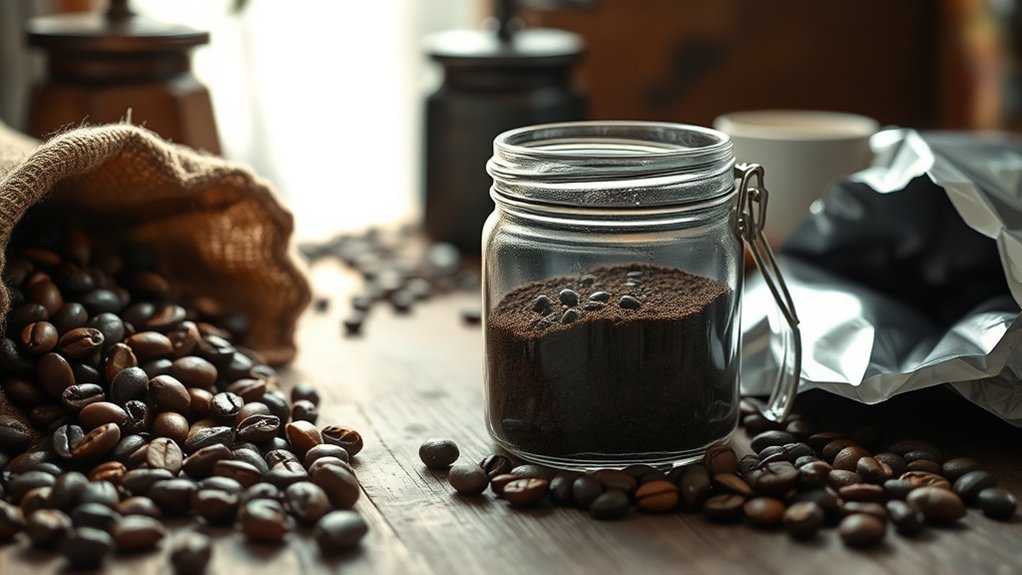
Ground coffee tends to stale faster, usually within 1-2 weeks, because more surface area is exposed.
Even though stale coffee isn’t harmful, it does make for a dull, flat brew with some off-flavors. Knowing these things helps you get the most out of your coffee and enjoy its best aroma and taste for as long as possible.
How Long Is Coffee Fresh After Roasting?
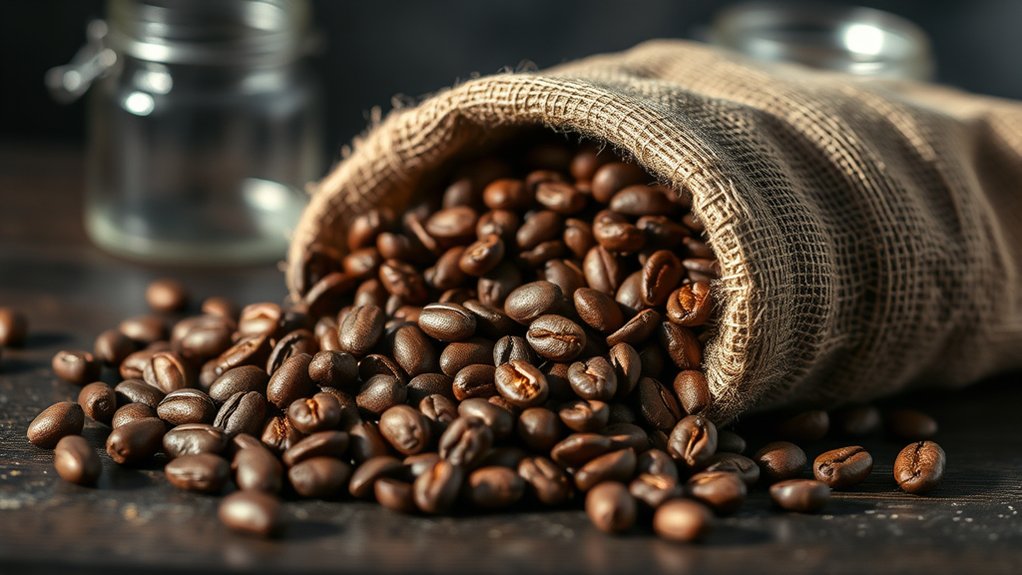
You’ll find that coffee hits its peak freshness within 2 to 4 weeks after roasting—assuming you store it properly.
Now, a few things can really change how long those flavors and aromas stick around. For example, how you store the beans and whether the bag is opened or not play a big role.
Peak Freshness Period
Though coffee beans remain edible beyond their peak, their ideal flavor and aroma sharply decline within 2 to 4 weeks after roasting. This peak freshness period is when you experience maximum flavor enhancement, making your brewing techniques most effective.
After about 2 to 3 weeks, coffee’s aromatic compounds degrade, and its taste becomes noticeably dull.
Ground coffee loses freshness even faster, typically within 1 to 2 weeks post-roast, so grinding just before brewing is key.
Proper storage in airtight, opaque containers can extend freshness up to 6 weeks, but beyond that, flavor deterioration is inevitable.
To get the most out of your coffee, try to consume it within this peak window. That way, your brewing techniques can really bring out the richest flavors possible.
Factors Affecting Freshness
Understanding the factors that influence coffee’s freshness after roasting helps you maximize its flavor potential. Coffee aroma and taste peak within 2-4 weeks post-roast but decline as time passes.
Whole coffee beans retain their flavor up to 4-6 weeks if stored properly. A finer bean grind speeds up freshness loss. Ground coffee begins losing aroma within 1-2 weeks.
The degassing process, marked by CO₂ release, peaks in the first two weeks. This impacts perceived freshness and flavor.
To prolong freshness, store coffee in airtight, dark, and cool conditions. This slows oxidation and preserves volatile compounds.
Managing these factors ensures your coffee maintains ideal aroma and taste. That way, you get the best sensory experience long after roasting.
What Causes Coffee to Go Stale?
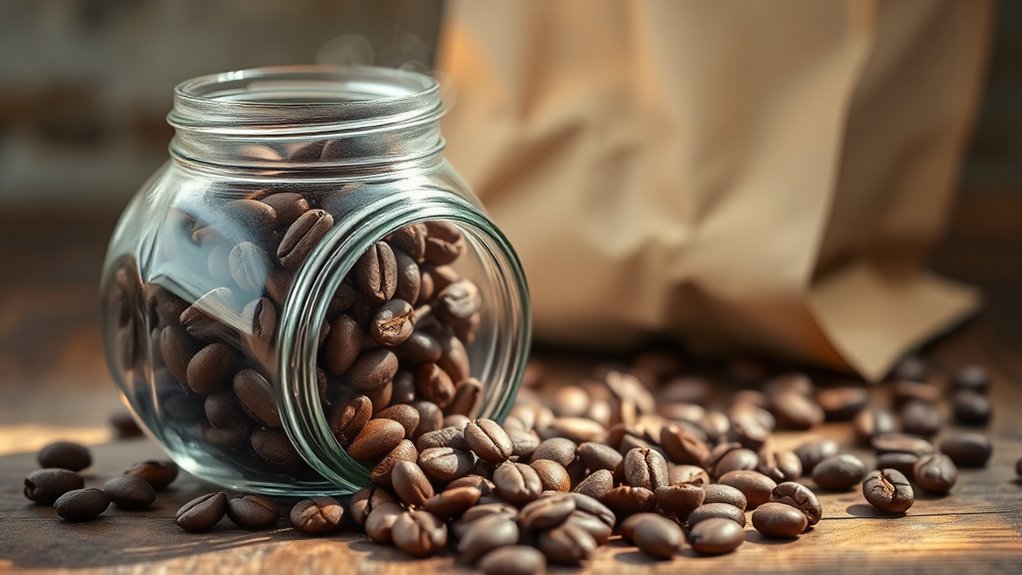
You’ll notice coffee goes stale mainly because oxidation breaks down its flavor and aroma when it’s exposed to oxygen. Basically, the fresh taste starts fading as the coffee reacts with the air.
Moisture and light don’t help either—they speed up this process by breaking down the oils and those volatile compounds that give coffee its signature flavor.
So, keeping your coffee away from air, moisture, and light can really help preserve its quality for longer.
Understanding these factors makes it easier to enjoy a fresh cup every time.
Oxidation And Flavor Loss
When coffee comes into contact with oxygen, oxidation kicks in, breaking down the flavor compounds that give your brew its distinct taste. This oxidation process leads to flavor degradation, causing your coffee to develop a dull, flat profile.
After roasting, coffee releases carbon dioxide in a process called degassing, which accelerates oxidation and can make your coffee stale within 7 to 14 days if not stored correctly.
Ground coffee oxidizes faster than whole beans because its larger surface area exposes more compounds to oxygen.
During oxidation, volatile aromatic compounds dissipate, reducing aroma and vibrancy.
While storing coffee in an airtight container in a cool, dark place slows the oxidation process, it can’t stop flavor degradation entirely.
Understanding oxidation helps you manage freshness and enjoy better-tasting coffee.
Impact Of Moisture
Beyond oxidation, moisture plays a big role in making coffee go stale. When coffee soaks up moisture, it encourages mold growth and breaks down the essential oils that give coffee its flavor and aroma. This moisture also causes the grounds or beans to clump together, which hurts freshness and the quality of your brew.
On top of that, moisture speeds up oxidation, breaking down the volatile compounds that give coffee its lively profile. If you keep coffee in a humid place without controlling the humidity, it’s more likely to spoil and develop musty or rancid tastes.
To keep your coffee fresh, use packaging that seals airtight and blocks moisture from getting in. Store your coffee in a cool, dry spot to reduce moisture exposure and extend its shelf life. That way, your coffee stays flavorful and enjoyable for longer.
Effects Of Light Exposure
Although moisture considerably impacts coffee freshness, light exposure plays an equally critical role in accelerating staling. Light degradation, especially from UV rays, speeds up the breakdown of coffee oils and volatile compounds. This triggers oxidation effects that diminish the coffee’s flavor and aroma, causing it to taste dull or flat over time.
When you store coffee in transparent containers or expose it to direct sunlight, you increase the risk of premature staling. The complex flavor compounds in roasted coffee degrade under light, compromising quality.
To preserve freshness, you should keep coffee in opaque, airtight containers and away from light sources.
Minimizing light exposure is essential to maintain the vibrant taste and aroma you expect from your coffee. Doing this ultimately extends its shelf life and keeps your coffee tasting fresh longer.
How Long Do Coffee Beans Stay Fresh?
Because coffee beans start losing their flavor and aroma soon after exposure to air, moisture, heat, and light, you should aim to use unopened beans by their printed expiration date. This is usually up to one year from the roast date.
Once you open the package, the coffee aroma begins to degrade rapidly due to increased exposure. For peak freshness, try to use your coffee beans within 1 to 3 weeks after opening.
Proper storage is key. Keep the beans in an airtight, opaque container stored in a cool, dark place to slow down oxidation and moisture absorption.
Also, avoid grinding beans in advance. Grinding increases the surface area exposed to air, which speeds up freshness loss.
How Long Does Ground Coffee Stay Fresh?
When you open ground coffee, its flavor and aroma start to degrade quickly because of increased exposure to air. For the best flavor when brewing, try to use ground coffee within 1 to 2 weeks of opening. After that, the coffee is still safe to drink but often tastes stale or flat.
To keep your coffee fresh a little longer, store your grounds in an airtight container and keep it in a cool, dark place. You can refrigerate the coffee to maintain quality for about a week, but be careful—moisture can cause the flavor to suffer.
Freezing is another option that can preserve freshness for up to three months, but you need to seal it well to avoid condensation and off-flavors.
The key is to use proper storage methods so your coffee tastes great and smells amazing before it starts to lose its charm.
Instant Coffee Shelf Life and Storage
Ground coffee demands careful storage to maintain freshness, but instant coffee offers a different set of expectations. Unopened instant coffee can last from 2 to 20 years, largely depending on the packaging materials used. Vacuum-sealed or nitrogen-flushed packaging considerably slows flavor degradation by preventing moisture and oxygen exposure.
Once opened, you should store instant coffee in an airtight container away from heat and light to preserve quality. Under these conditions, you can expect freshness to last 12 to 18 months.
While expired instant coffee may lose flavor, it usually remains safe if no moisture or spoilage is present.
To maximize shelf life and minimize flavor degradation, prioritize packaging that offers a strong barrier. Also, store your instant coffee in a cool, dry, and dark environment. This way, you’ll keep it tasting great for as long as possible.
Coffee Pods: Shelf Life and Storage Tips
You can expect coffee pods to stay fresh for up to a year if you keep them in dry, airtight conditions.
It really makes a difference to store them in a cool, dark place because that helps maintain their flavor and aroma over time.
And once you’ve opened the package, try to use the pods within a few months to enjoy the best taste.
Coffee Pods Longevity
How long can coffee pods maintain their freshness? Typically, unopened coffee pods last 8-12 months past their best-by date if kept sealed. Once opened, use them within weeks for ideal coffee brewing and to preserve the coffee aroma.
The airtight packaging helps retain freshness longer than ground coffee or beans in open containers. So, it’s pretty handy for keeping your coffee tasting great.
| Condition | Shelf Life |
|---|---|
| Unopened pods | Up to 1 year |
| Unopened, past date | 8-12 months |
| Opened pods | A few weeks |
| Storage impact | Extends freshness |
Rely on this timeline to guarantee your coffee pods deliver a rich, aromatic brew every time. Enjoy your coffee just the way you like it!
Proper Storage Conditions
Proper storage conditions play a crucial role in extending the shelf life and preserving the quality of coffee pods. To maintain the coffee aroma and flavor, you should keep pods in sealed, airtight storage containers. These containers shield pods from moisture, heat, and direct sunlight. These are factors that accelerate degradation.
Store them in a cool, dry, and dark pantry or cupboard to prevent exposure to humidity and temperature fluctuations. Such changes can compromise the packaging’s integrity and reduce shelf life. Avoid placing pods near strong odors or humid areas like above the stove or near windows. These conditions can impact the coffee’s aroma.
Maintaining Freshness Tips
Since coffee pods naturally lose freshness over time, maintaining their quality requires specific storage practices. Store your pods in a sealed, opaque container, away from moisture, heat, and direct sunlight to preserve their coffee aroma. Keep them in a dry, temperature-controlled environment to prevent moisture absorption, which can degrade flavor and aroma.
Although airtight packaging extends shelf life up to a year, opened pods should be used within a few months to avoid staling caused by air exposure. Regularly check expiration dates to guarantee maximum freshness.
Also, when brewing, use the correct brewing temperature to extract the best flavor without compromising the pod’s integrity. Following these steps helps you consistently enjoy coffee with its intended aroma and taste.
How to Store Coffee Beans for Maximum Freshness
Although many coffee lovers focus on brewing techniques, storing your coffee beans correctly plays an equally crucial role in preserving their freshness. Understanding coffee bean aging helps you minimize flavor loss by limiting exposure to oxygen, light, and moisture.
Use airtight, opaque containers to block these elements and maintain peak quality. Store beans in a cool, dark place away from heat sources. Avoid refrigeration because of moisture risks; freezing is better for long-term storage.
Buying small quantities ensures you consume beans within 2-4 weeks post-roast, maximizing freshness. This way, you get the best flavor every time you brew.
| Factor | Recommendation | Reason |
|---|---|---|
| Storage Container | Airtight, opaque | Prevents oxygen & light damage |
| Location | Cool, dark, away from heat | Preserves aroma and flavor |
| Quantity & Timing | Small batches, use in 2-4 weeks | Limits coffee bean aging |
Best Ways to Store Ground Coffee at Home
When you store ground coffee at home, sealing it in an airtight container with a one-way valve helps prevent oxygen from spoiling its freshness. Oxygen exposure accelerates staling, so using proper storage containers is crucial to maintain coffee freshness.
Place the container in a cool, dark spot, away from heat, sunlight, and moisture. These elements degrade flavor compounds.
Store coffee in a cool, dark place, avoiding heat, sunlight, and moisture to preserve flavor.
For best results, consume ground coffee within two weeks of opening to enjoy maximum taste. Avoid refrigeration for daily storage, as condensation can harm the grounds. Instead, rely on airtight storage containers designed to limit air exposure.
Although grinding coffee just before brewing preserves aroma and flavor best, proper storage can slow freshness loss if you buy pre-ground coffee. Following these steps ensures you get the most from your ground coffee at home.
Can You Freeze Coffee Beans or Grounds?
Freezing coffee beans can extend their freshness for up to 3-4 months if you store them in airtight, vacuum-sealed containers. Freezing beans slows down the oxidation process, preserving flavor and aroma effectively.
However, when it comes to ground preservation, freezing is less ideal. Ground coffee is more susceptible to moisture and odor absorption due to increased surface area, which can degrade flavor if not sealed properly. To maximize freshness, grind your coffee just before brewing rather than freezing pre-ground coffee.
When freezing beans or grounds, only remove what you’ll use within a week and reseal the container tightly to prevent condensation and contamination. Avoid repeated freezing and thawing, and keep coffee in a consistent, cold, dark environment to maintain best quality.
Brewed Coffee: How Long Is It Safe and Fresh?
Once you’ve prepared your coffee, understanding how long it stays safe and fresh is super important. When it comes to brewing, keeping that flavor just right is key. So, try to drink your coffee within 24 hours for the best taste and safety.
If you pop it into an airtight container and stick it in the fridge, it can last up to two weeks. But heads up—its flavor will gradually fade over time.
Leaving brewed coffee out at room temperature for more than a few hours isn’t a great idea. It can lead to bacterial or mold growth, especially if you’ve added dairy or sugar.
Also, reheating your coffee again and again can mess with the flavor and might create some harmful compounds. To enjoy the best taste, it’s best to drink your coffee soon after brewing or keep it chilled in a sealed container if you want to save it for later.
Coffee Storage Mistakes to Avoid
Although storing coffee might seem straightforward, common mistakes can quickly degrade its flavor and freshness. Avoid placing coffee near heat, sunlight, or humid areas to prevent oxidation.
Don’t refrigerate or freeze coffee in unsealed containers, as moisture and odors harm freshness. Never store ground coffee in transparent containers exposed to light, which accelerates volatile compound loss.
Use proper airtight storage containers with one-way valves to limit oxygen exposure. Also, avoid keeping coffee in large bulk quantities without resealing to prevent staling.
| Mistake | Effect | Solution |
|---|---|---|
| Heat & sunlight exposure | Accelerates oxidation & flavor loss | Store in cool, dark place |
| Unsealed fridge/freezer | Moisture and odor absorption | Use sealed, airtight containers |
| Transparent containers | Light exposure degrades coffee | Use opaque storage containers |
Frequently Asked Questions
Does Coffee Lose Caffeine Content Over Time?
You won’t experience significant caffeine degradation over time because caffeine’s chemical stability keeps its levels steady. While flavor may fade, caffeine content remains consistent if you store coffee properly, sealed, and away from moisture and air.
Can Expired Coffee Cause Any Health Issues?
Yes, expired coffee can cause health issues if coffee mold develops. You might experience coffee allergy symptoms like respiratory problems or gastrointestinal discomfort.
How Does Altitude Affect Coffee Bean Freshness?
Altitude effects boost bean preservation by slowing aging through cooler temperatures and denser beans, unlike lower elevations where warmth speeds degradation.
You’ll notice beans from high altitudes maintain freshness and flavor much longer during storage. It’s pretty interesting how just a change in elevation can make such a difference in how the beans hold up. So, if you’re looking for coffee that stays fresh, high-altitude beans are definitely worth considering.
Are Flavored Coffees More Prone to Staling?
Yes, you’ll find flavored coffees more prone to staling due to flavor degradation and aromatic loss caused by oils and volatile compounds.
Proper airtight, opaque storage helps slow this process, preserving their original taste longer.
It’s all about keeping that fresh flavor locked in as much as possible.
Can Coffee Grounds Be Composted Safely?
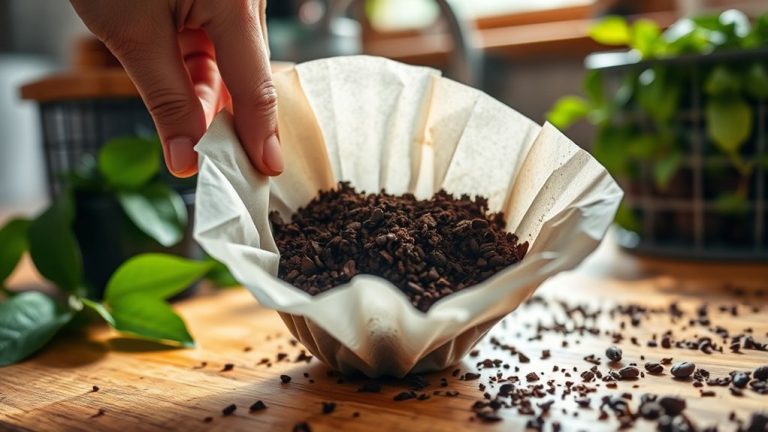
Yes, you can safely compost coffee grounds. Just follow composting guidelines by balancing their acidity with alkaline materials. This helps keep your compost healthy and effective.
Make sure the grounds are free from additives or contaminants. That way, you optimize coffee grounds recycling and enrich your compost effectively. It’s an easy way to reduce waste and boost your garden’s soil!
Conclusion
Think of coffee as a delicate clock, where every tick represents freshness slipping away. To savor its full flavor, you need to store it right and consume it promptly. Whether beans or grounds, improper storage speeds up time’s toll, turning rich aromas into stale shadows.
By understanding coffee’s shelf life and avoiding common mistakes, you keep your brew’s essence alive. This way, each cup is a timely moment of bold perfection.