How Much Caffeine Is In Vietnamese Coffee – Complete Guide
You’ll find between 100 and 250 milligrams of caffeine in a cup of Vietnamese coffee, mainly because it uses high-caffeine Robusta beans and a slow phin filter brewing method.
Things like the bean blend, roast level, and steeping time can change how much caffeine ends up in your cup and affect the flavor too. Robust brewing methods really pull out the caffeine, giving you a bold, concentrated coffee.
If you want to get a better handle on how blending, brewing, and when you drink it impact your caffeine intake and overall coffee experience, there’s definitely more to explore.
What Is the Typical Caffeine Content in Vietnamese Coffee?
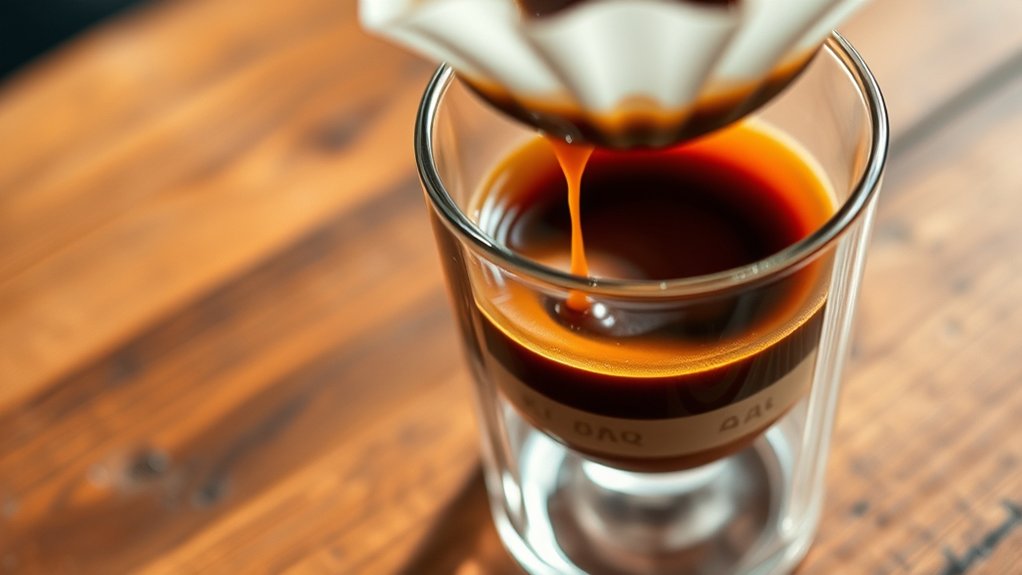
Although the caffeine content in Vietnamese coffee varies, you can generally expect between 100 to 250 mg per cup. This range comes from Vietnam’s coffee history, which favors robusta beans known for higher caffeine levels, around 260 mg per 250 ml, compared to arabica’s 120 to 140 mg.
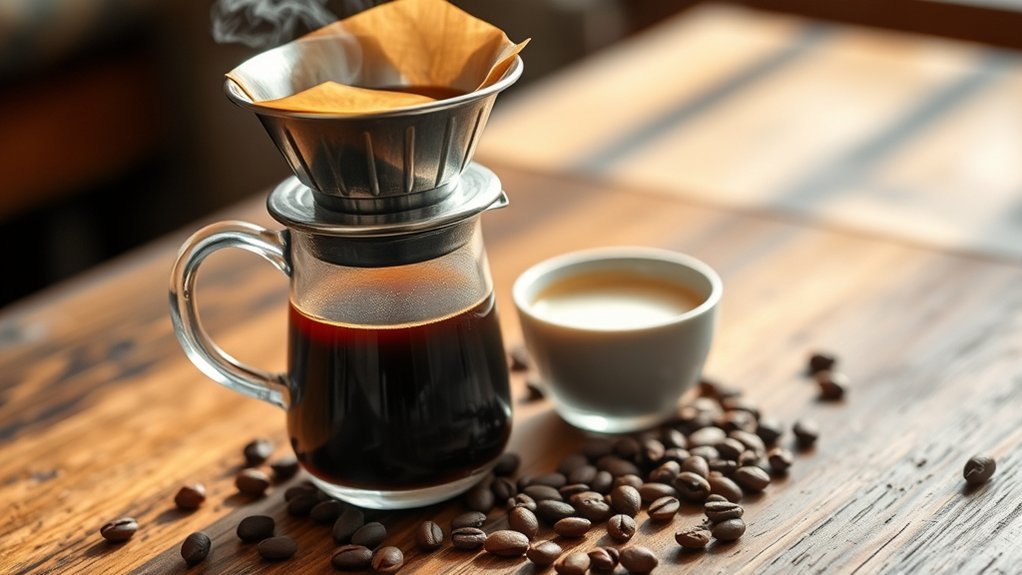
The traditional brewing equipment, specifically the phin filter, extracts a concentrated brew that intensifies caffeine presence. Factors such as bean ratio, roast degree, and brewing duration influence caffeine extraction.
But the phin’s slow drip method really enhances the solubility of caffeine compounds.
Understanding the interplay between Vietnam’s coffee history, bean selection, and brewing equipment helps you predict caffeine strength. Overall, Vietnamese coffee is significantly caffeinated, with the phin filter playing an essential role in maximizing caffeine content per serving.
How Do Robusta and Arabica Beans Affect Caffeine Levels?
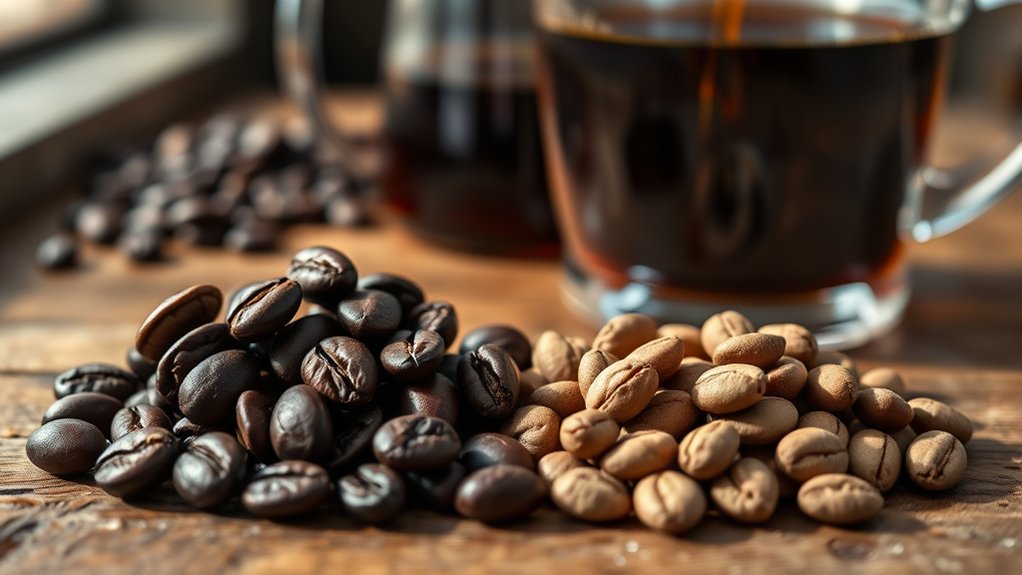
You’ll notice that Robusta beans have almost twice the caffeine compared to Arabica. This really changes how much caffeine ends up in your Vietnamese coffee.
Because of that, the flavor also shifts—Robusta gives you a stronger, more bitter taste, while Arabica tends to be milder and smoother.
Plus, the way each type of bean grows affects their chemical makeup and caffeine content, which in turn impacts both how strong and how flavorful your coffee will be.
Caffeine Content Comparison
Because Robusta beans contain nearly twice the caffeine of Arabica beans, the choice between them markedly affects the caffeine content in Vietnamese coffee.
During bean processing and coffee brewing, the higher caffeine concentration in Robusta, approximately 2.7% per bean versus Arabica’s 1.5%, translates to a significant difference in caffeine per serving.
A 250 ml cup brewed from Robusta beans typically delivers around 260 mg of caffeine, nearly double the 120-140 mg found in an Arabica equivalent.
So, when you select blends with a higher proportion of Robusta, you increase the caffeine level and the beverage’s stimulating effect accordingly.
Understanding this variation is essential for precisely controlling caffeine intake and tailoring your Vietnamese coffee to desired strength and alertness levels.
It’s pretty handy to know if you want a stronger kick or just a mild boost.
Flavor Impact Differences
When you choose between Robusta and Arabica beans, you directly influence both the caffeine content and the flavor profile of your Vietnamese coffee. Robusta beans contain nearly double the caffeine of Arabica, which makes the coffee more bitter and robust.
Arabica offers a milder, more aromatic experience with lower caffeine levels.
Here’s how the flavor impact breaks down:
- Robusta’s higher caffeine (2.7%) creates a stronger, more bitter flavor and boosts caffeine concentration in your cup.
- Arabica’s lower caffeine (1.5%) gives you a smoother, less intense taste with subtle aromatic notes.
- Blending both beans lets you customize caffeine content and flavor complexity, balancing boldness with a refined taste.
Knowing these differences helps you fine-tune your Vietnamese coffee’s flavor and caffeine strength just the way you like it.
Growth Conditions Influence
Understanding the flavor differences between Robusta and Arabica beans naturally leads to examining how their growth environments impact caffeine levels. Robusta beans contain about 2.7% caffeine, nearly double Arabica’s 1.5%. This difference is rooted in bean genetics that influence caffeine synthesis during coffee cultivation.
Arabica thrives in high-alt-altitude, temperate zones, where environmental factors limit caffeine production, resulting in lower caffeine content. On the other hand, Robusta’s resilience to harsh tropical climates triggers increased caffeine synthesis as a natural pest deterrent.
This adaptive trait, driven by its genetics and cultivation conditions, elevates caffeine levels markedly.
In Vietnamese coffee, the caffeine concentration directly correlates with the Robusta-to-Arabica ratio. So, growth conditions and bean genetics combine to shape caffeine content precisely. It’s pretty interesting how these factors work together to influence what ends up in your cup.
Why Does Robusta Dominate Vietnamese Coffee’s Caffeine Strength?
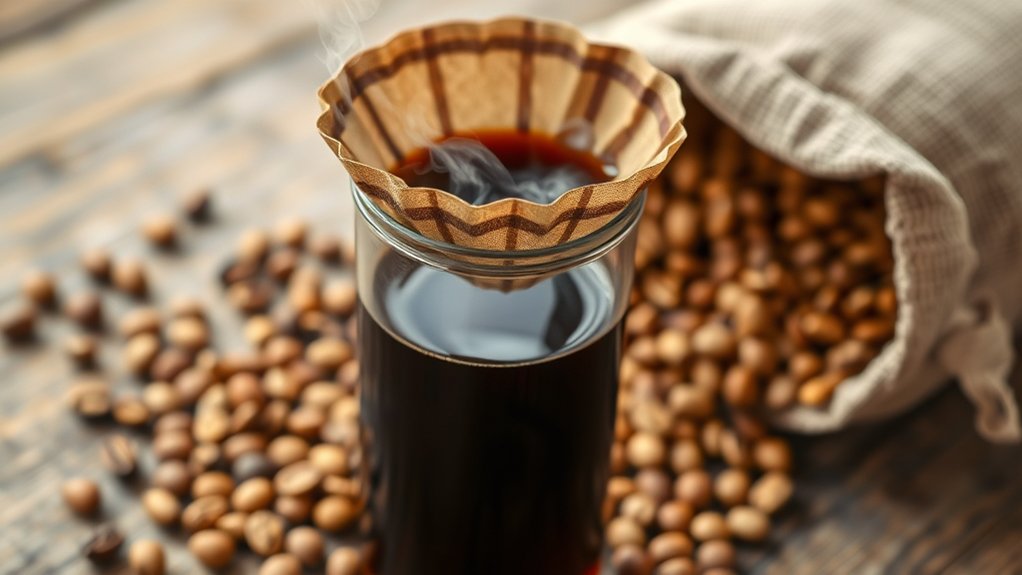
You’ll find that Robusta beans have nearly double the caffeine of Arabica beans—about 2.7% per bean. This naturally boosts the strength of Vietnamese coffee.
Plus, Vietnam’s climate and farming conditions really favor Robusta. It’s tough against pests and harsh weather, so farmers tend to grow more of it.
When you put these together—the high caffeine and the plant’s resilience—it’s clear why Robusta dominates the caffeine profile of Vietnamese coffee.
Robusta’s High Caffeine
Because Robusta beans contain about 2.7% caffeine, nearly double the 1.5% found in Arabica, they dominate Vietnamese coffee’s caffeine strength. This higher caffeine content, combined with Robusta resilience, plays a critical role in shaping the coffee’s intensity.
When you brew Vietnamese coffee using traditional methods like the phin filter, caffeine extraction is optimized, enhancing the bold flavor.
Key factors include:
- Robusta’s natural caffeine concentration drives a stronger caffeine yield per serving.
- The brewing technique facilitates efficient caffeine extraction from Robusta’s dense structure.
- Robusta resilience allows consistent cultivation, ensuring a steady supply of high-caffeine beans.
Together, these elements explain why Robusta gives Vietnamese coffee its signature potency and robust taste profile. It’s what makes that cup so bold and satisfying every time.
Cultivation And Resilience
While Vietnam’s diverse climate poses challenges for many crops, Robusta coffee plants thrive because they’re exceptionally resilient to harsh weather and pests. On a coffee farm in the Central Highlands, Robusta’s hardiness guarantees consistent yields even when conditions change.
Its natural resistance to diseases like coffee leaf rust means farmers don’t have to rely heavily on pest management. This reduces the need for chemical treatments and helps promote sustainable farming practices.
This kind of resilience allows Robusta to dominate Vietnamese coffee cultivation. It’s especially popular because its beans contain about 2.7% caffeine, which is nearly double that of Arabica.
The higher caffeine content matches Robusta’s strong, bitter flavor profile. That taste preference makes it a favorite among growers who focus on caffeine strength.
How Do Coffee Blends Affect Vietnamese Coffee’s Caffeine?
Though the base beans in Vietnamese coffee vary, the caffeine content hinges largely on the blend’s composition. Coffee bean genetics play a vital role: Robusta beans contain nearly twice the caffeine of Arabica, making blends richer in Robusta inherently stronger.
Roasting techniques also influence caffeine levels. Darker roasts can enhance caffeine extraction slightly, intensifying perceived strength.
Here’s how blends impact caffeine:
- Higher Robusta ratios increase total caffeine due to its genetic caffeine density.
- Arabica-Robusta combinations allow you to tailor caffeine levels by adjusting bean proportions.
- Dark roasting enhances caffeine solubility, making blends feel more potent without drastically changing caffeine content.
Understanding these factors helps you gauge how blend choices affect your Vietnamese coffee’s caffeine kick. It’s all about finding the right mix for your perfect cup!
How Does the Phin Filter Brewing Method Boost Caffeine Extraction?
You get more caffeine with the phin filter because it uses a slow steeping process that takes about 4-5 minutes. This gives the hot water plenty of time to fully soak into the coffee grounds.
Plus, the phin method uses a higher coffee-to-water ratio, which means the brew ends up more concentrated, packing more caffeine into each cup.
The longer the water and coffee grounds stay in contact, the better the extraction of soluble compounds like caffeine.
Slow Steeping Process
Because the phin filter employs a slow steeping process lasting 4-5 minutes, it considerably boosts caffeine extraction by allowing prolonged contact between hot water and coffee grounds. This brewing precision ensures maximum caffeine solubility and ideal flavor retention.
The metal filter design creates resistance, slowing water flow and enabling a gradual infusion of caffeine and other soluble compounds.
Here’s how it works:
- Extended steeping time increases caffeine extraction from Robusta beans, which inherently contain higher caffeine levels.
- Prolonged contact allows thorough dissolution of caffeine, enhancing the concentration per ounce.
- Slow water flow avoids quick over-extraction, preserving flavor complexity while maximizing caffeine yield.
High Coffee-To-Water Ratio
When the phin filter employs a high coffee-to-water ratio, it considerably intensifies the caffeine concentration in each serving. This ratio, combined with ideal brewing temperature, maximizes caffeine solubility and preserves coffee aroma. The concentrated amount of grounds relative to water ensures a robust extraction, producing a potent brew distinct from typical drip methods.
| Aspect | Impact on Caffeine Extraction | Notes |
|---|---|---|
| Coffee-to-Water Ratio | Increases caffeine density | Higher grounds per water volume |
| Brewing Temperature | Maximizes solubility | Maintains coffee aroma |
| Steeping Duration | Complements ratio | Prolonged contact time |
| Roast Degree | Enhances extraction | Dark roast aids caffeine release |
This synergy underpins the phin filter’s ability to deliver enhanced caffeine levels efficiently. It’s pretty impressive how these factors work together to boost your coffee’s kick.
Enhanced Soluble Compound Extraction
Building on the influence of the coffee-to-water ratio, the phin filter’s unique design further amplifies caffeine extraction by enabling a slow, controlled brewing process. This method optimizes soluble compound release, leveraging precise brewing techniques and proper coffee storage to maintain freshness.
The phin filter’s metal mesh and tight seal create slight pressure, enhancing extraction efficiency. Here’s how it works:
- The slow, 4-5 minute drip extends steeping, maximizing caffeine dissolved in the brew.
- The fine mesh prevents grounds from passing, ensuring thorough extraction of caffeine and flavor compounds.
- The gradual dripping increases concentration, producing a richer, more caffeine-dense coffee compared to faster methods.
This analytical approach really shows why the phin filter excels in boosting caffeine content through enhanced soluble compound extraction.
How Does Dark Roasting Affect Vietnamese Coffee’s Caffeine and Flavor?
Although dark roasting slightly reduces the caffeine content per bean, it breaks down cell walls, which allows for greater caffeine extraction during brewing. This process is a key part of coffee cultivation and bean processing. It really brings out Vietnamese coffee’s bold, smoky flavor and makes its natural bitterness more intense.
The phin filter brewing method works perfectly with these changes, producing a highly concentrated cup of coffee.
| Aspect | Effect of Dark Roasting | Impact on Vietnamese Coffee |
|---|---|---|
| Caffeine Content | Slight decrease per bean | Minimal difference in brewed cup |
| Flavor Profile | Amplifies bold, smoky notes | Rich, intense aroma and taste |
| Extraction Efficiency | Cell walls breakdown enhances extraction | Higher caffeine yield in brew |
How Vietnamese Coffee Compares to Other Coffee Types
Since Vietnamese coffee primarily uses Robusta beans, it delivers a caffeine content ranging from 100 to 250 mg per cup, which is considerably higher than most other coffee types. To really understand where it stands, you have to look at coffee history and how it’s brewed.
Here’s how it compares:
- Robusta beans, which are favored in Vietnamese coffee, contain nearly twice the caffeine of Arabica beans that are commonly used elsewhere. This difference affects the strength and stimulation you get from your cup.
- The phin filter brewing technique produces a concentrated extraction. This means you get more caffeine per volume compared to drip or pour-over methods that are popular in Western coffee cultures.
- Dark roasting and the higher Robusta blends further boost the caffeine levels. This really sets Vietnamese coffee apart from the lighter-roasted Arabica blends you might be used to.
Why Vietnamese Coffee Tastes Stronger Than Its Caffeine Content
Understanding the higher caffeine content of Vietnamese coffee only partially explains why it tastes stronger than many other brews. You’ll find that coffee culture and brewing techniques play critical roles.
Vietnamese coffee relies heavily on Robusta beans, known for their bitter, heavy mouthfeel, which amplifies perceived strength beyond caffeine levels.
The traditional phin filter brewing extracts a dense, concentrated liquid, intensifying flavor and body, further influencing your sensory experience.
Additionally, dark roasting deepens flavor complexity and promotes caffeine extraction, contributing to a potent taste profile.
Your brain associates the bitterness of Robusta with strength, enhancing this perception.
How Do Brewing Variables Affect Caffeine in Vietnamese Coffee?
When you adjust brewing variables in Vietnamese coffee, you directly influence its caffeine concentration. The traditional phin filter, a key piece of brewing equipment, allows longer steeping times, which increases caffeine extraction.
Plus, coffee cultivation choices, like using Robusta beans, naturally raise caffeine levels.
To optimize caffeine content, focus on these variables:
- Roast level: Dark roasts extract more caffeine than light roasts because of chemical changes during roasting.
- Coffee-to-water ratio: A higher ratio gives you a denser, more caffeinated brew.
- Brewing duration: Letting it steep longer means more caffeine and soluble compounds get into your coffee.
How Much Vietnamese Coffee Is Safe to Drink Daily?
Although individual caffeine tolerance varies, most healthy adults can safely consume up to 400 mg of caffeine daily, which corresponds to about four cups of Vietnamese Robusta coffee. Understanding coffee culture and brewing techniques is essential because caffeine content fluctuates between 66 to 130 mg per cup.
Drinking 1-2 cups daily typically stays within safe limits and provides an effective energy boost without adverse effects. But exceeding two cups may increase the risk of side effects, such as insomnia or increased heart rate. It’s a good idea to monitor your body’s response and consume Vietnamese coffee in moderation.
| Cups Consumed Daily | Estimated Caffeine Intake (mg) |
|---|---|
| 1 | 66 – 130 |
| 2 | 132 – 260 |
| 3 | 198 – 390 |
| 4 | 264 – 520 (exceeds recommended) |
| 5 | 330 – 650 (not advised) |
How to Choose Vietnamese Coffee Based on Your Caffeine Needs
Since caffeine levels vary a lot between Vietnamese coffee types and brewing methods, picking the right coffee really depends on how much caffeine you want. To get your caffeine intake just right, keep a few things in mind.
First, the bean type matters. Go for Robusta beans if you want a bigger caffeine kick (about 260 mg per 250 ml). If you prefer something milder, Arabica beans have less caffeine (around 120-140 mg). And blends with more Robusta will give you an even stronger caffeine punch.
Next, think about how you brew it. Using a traditional phin filter usually gives you a more concentrated, caffeinated cup. Letting it steep longer or choosing dark roast beans can also boost the caffeine levels.
Finally, your coffee art and presentation play a role too. The way you like your coffee not only affects caffeine but also the flavor and overall experience. You can tweak the steeping time or the bean ratio to find the perfect balance between caffeine strength and taste.
How to Enjoy Vietnamese Coffee Without Disrupting Your Sleep
To enjoy Vietnamese coffee without disrupting your sleep, you should consume it before 2 PM. Caffeine’s stimulating effects can last up to six hours, so timing is key.
You can adjust the coffee flavor by selecting decaffeinated beans or reducing the coffee-to-water ratio. This helps minimize caffeine intake while still preserving the taste.
Try opting for less sweetened variants, like black coffee or those with just a little condensed milk. Too much sugar and stimulants might mess with your sleep quality.
Consider alternative brewing techniques such as pour-over or cold brew. These usually have lower caffeine concentrations compared to traditional phin-filtered coffee, so they’re better for late-day sipping.
Also, don’t forget to stay hydrated and avoid other caffeinated drinks in the afternoon or evening. That way, you won’t get a cumulative caffeine effect that could keep you up at night.
Frequently Asked Questions
Can Vietnamese Coffee Cause Caffeine Addiction?
Yes, you can develop caffeine dependency from Vietnamese coffee. Its high caffeine content may trigger withdrawal symptoms like headaches and fatigue if you stop abruptly.
What Are the Health Benefits of Vietnamese Coffee Beyond Caffeine?
You’ll benefit from Vietnamese coffee’s antioxidants and phenolic compounds, which are enhanced by its unique roasting process. This process helps preserve important bioactive elements.
These compounds can improve cardiovascular health and boost your immune system. Plus, the distinct flavor profiles of the beans add to its unique therapeutic effects beyond just caffeine.
Does Adding Sweetened Condensed Milk Affect Caffeine Absorption?
Imagine you drink Vietnamese coffee with sweetened milk daily; your caffeine absorption won’t change. Studies show sweetened milk doesn’t affect caffeine absorption rates, as caffeine primarily absorbs through your stomach and intestines, independent of added condensed milk.
How Does Altitude Impact Caffeine Levels in Vietnamese Coffee Beans?
Altitude effects influence caffeine levels by slowing bean maturity, especially in Arabica beans grown in Vietnam’s highlands. This means you end up with denser beans that pack more caffeine. It’s pretty interesting how the environment shapes the coffee like that.
On the other hand, Robusta beans don’t show much change in caffeine content with altitude. So, if you’re looking at caffeine levels, the altitude really matters more for Arabica than for Robusta.
Are There Caffeine-Free Vietnamese Coffee Alternatives Available?
You won’t find many caffeine-free Vietnamese coffee options because decaffeination methods are pretty limited.
Instead, try herbal coffee alternatives. They mimic the flavors but don’t have that traditional robustness.
These offer a caffeine-free experience through herbal infusions rather than actual coffee. Give them a shot if you want to skip the caffeine!
Conclusion
You might worry that Vietnamese coffee’s high caffeine could disrupt your sleep. But by controlling your intake and brewing time, you can enjoy its rich, robust flavor without negative effects.
Understanding the caffeine content, from robusta beans to the phin filter method, helps you tailor your consumption precisely. With this knowledge, you can confidently savor Vietnamese coffee daily.
You’ll be able to balance its energizing benefits with your personal health needs and sleep quality. It’s all about finding what works best for you.