Can You Use Ground Coffee In An Espresso Machine – Brewing Guide
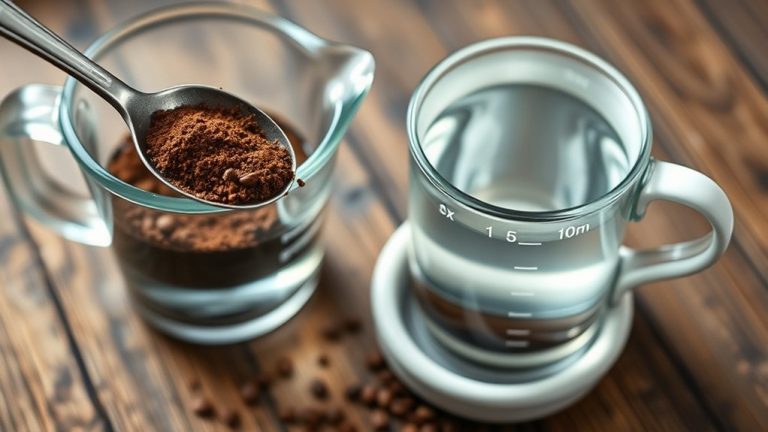
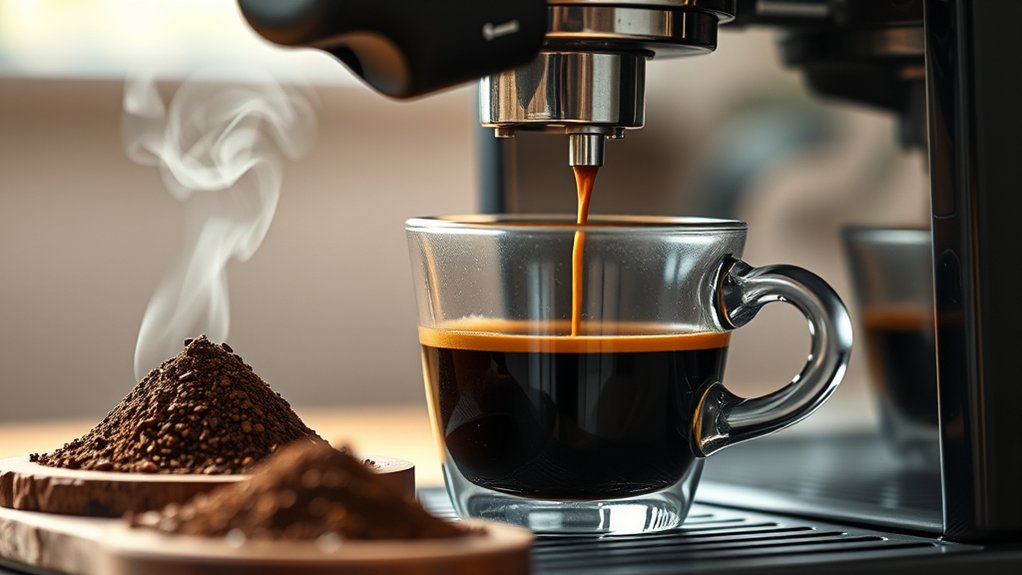
Yes, you can use ground coffee in an espresso machine, but you’ll need a very fine, consistent grind, similar to powdered sugar, to get the best extraction. Measure between 18-20 grams for a double shot using a digital scale, and tamp evenly with about 30 pounds of pressure.
Freshly ground coffee is key for rich flavor and crema, so grind just before brewing. Mastering these steps guarantees balanced, flavorful shots.
Keep exploring to refine your technique and equipment care. It’s all about practice and finding what works best for your taste!
How To Choose The Right Grind Size For Espresso Machines?
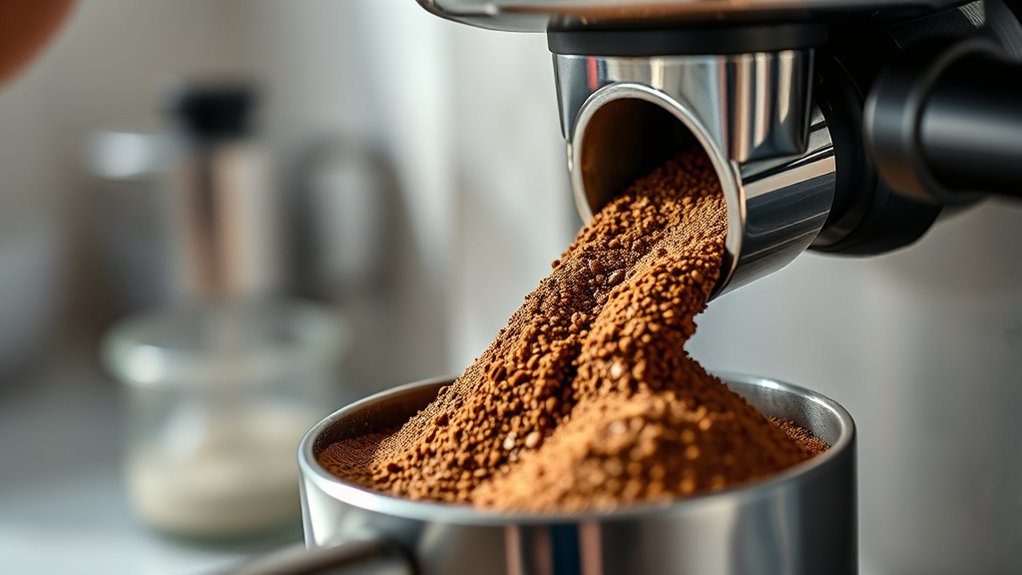
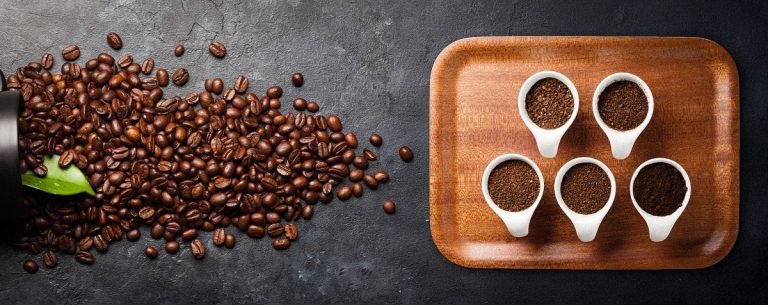
When you’re dialing in your espresso, choosing the right grind size is critical because it directly affects extraction and flavor. Aim for a very fine grind, similar to powdered sugar, to create the necessary water resistance for proper extraction.
Dial in your espresso with a fine, powdered sugar grind for optimal extraction and rich flavor.
Grind consistency plays a crucial role here; uneven particle sizes cause channeling, which leads to weak or sour coffee flavor.
Using a burr grinder will help you achieve this uniformity, ensuring ideal pressure and balanced extraction.
If your grind is too coarse, expect under-extracted, watery shots. Too fine, and you risk over-extraction with bitterness.
Pay close attention to shot flow and crema quality. Adjust grind size accordingly to perfect your espresso’s flavor profile every time.
It’s all about finding that sweet spot that makes your espresso sing.
How To Measure Ground Coffee For Consistent Espresso Shots
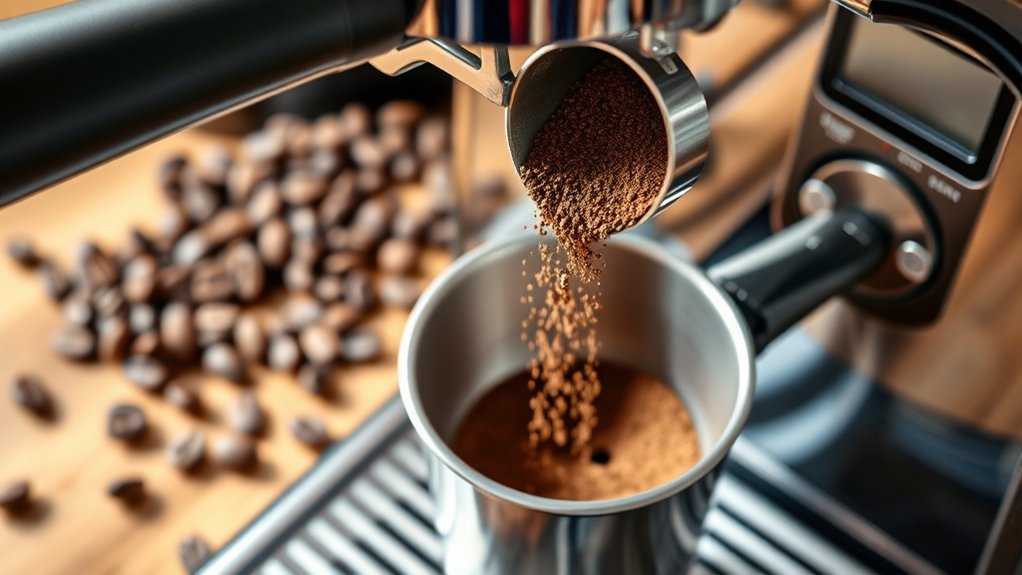
To pull consistent espresso shots, you’ll want to dose your ground coffee with precision—usually between 18 and 20 grams for a double shot. It’s best to use a digital scale and always tare it before weighing to avoid any errors.
Measuring right before brewing is key, and if you keep track of your exact doses, it helps you maintain a steady flavor profile every time.
That way, you know exactly what’s working and can replicate it shot after shot.
Precise Coffee Dosing
How much ground coffee you use can make or break your espresso shot. To achieve consistent results, always measure 18–20 grams of fresh, evenly ground coffee using a digital scale. Start by taring the scale with the portafilter to avoid inaccurate dosing.
Coffee freshness and grind consistency are vital. They ensure balanced flavor and proper extraction. Don’t eyeball your dose because even small variations affect pressure and taste.
After weighing, fill the portafilter evenly and level the grounds before tamping. This helps maintain uniform extraction.
Precise dosing within this range helps you control the shot’s intensity and avoid bitterness or sourness.
Mastering this step guarantees that every espresso you pull hits the mark with the rich, balanced flavor you expect.
Consistent Measurement Techniques
Although dialing in your espresso shot involves multiple factors, consistent measurement of ground coffee is a foundational step you can’t skip. Use a digital scale to precisely measure 18–20 grams of coffee per double shot. Make sure to tare the scale first to avoid errors from container weight.
Measure immediately before brewing to keep the coffee fresh. Improper storage can lead to stale grounds that compromise flavor. It really makes a difference in the taste.
Keep a detailed record of each shot’s weight so you can find your ideal dose and replicate it every time. Regular grinder calibration also plays a critical role.
Consistent grind size combined with precise dosing ensures uniform extraction.
How Freshly Ground Coffee Improves Espresso Flavor
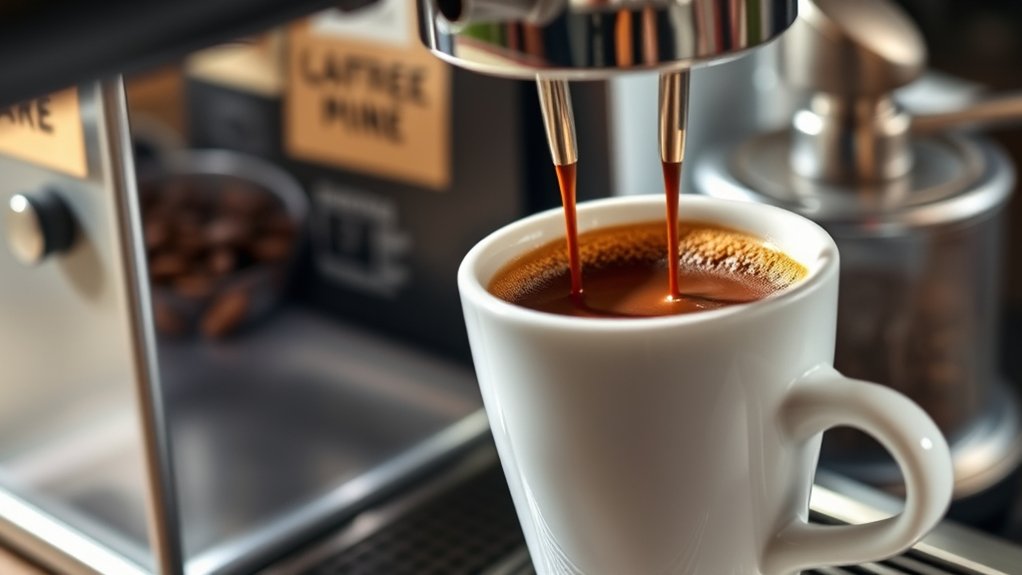
When you grind coffee just before brewing, you’re locking in all those volatile oils and aromatic compounds that give espresso its rich flavor and enticing aroma. It’s like capturing the coffee’s best qualities right at the moment you need them.
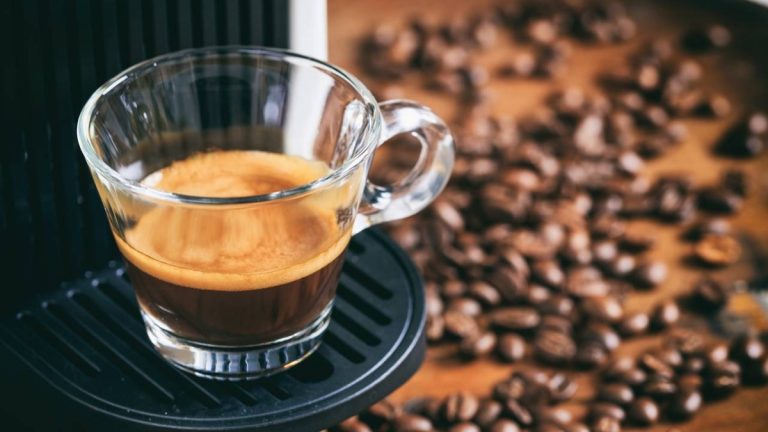
Plus, this freshness helps ensure a more consistent extraction. That means you get a vibrant crema and a balanced taste every time.
On the other hand, if you use pre-ground coffee, you miss out on these benefits. The result? A flatter, less enjoyable espresso experience.
Aroma Preservation Benefits
Because volatile aromatic compounds start to degrade within minutes of grinding, you’ll get a noticeably richer espresso flavor by using freshly ground coffee. Grinding your beans just before brewing maximizes flavor retention, preserving the essential oils and complex aroma compounds that define espresso’s character.
This freshness translates into heightened aroma intensity, delivering vibrant fruity, floral, or caramel notes that pre-ground coffee simply can’t match. When coffee sits ground, exposure to oxygen, light, and heat rapidly diminishes its aromatic freshness, resulting in a flatter, less dynamic cup.
By prioritizing freshly ground beans, you capture the full spectrum of scents and flavors, creating a more nuanced sensory experience.
Aroma preservation isn’t just about smell. It’s the foundation for the rich, complex espresso flavor you want in every shot.
Enhanced Extraction Consistency
If you want to achieve a consistently balanced espresso, grinding your coffee just before brewing is crucial. Freshly ground coffee retains more volatile oils and aromatic compounds, which directly enhance the flavor profile of your espresso.
By grinding immediately before brewing, you ensure a uniform grind size, promoting even extraction and preventing sour or bitter notes.
Since coffee begins to oxidize and stale within minutes of grinding, immediate use preserves peak freshness. This freshness works hand in-hand with a stable brewing temperature to extract maximum complexity and richness.
Studies show that freshly ground beans produce a richer crema and more balanced extraction compared to pre-ground coffee.
By consistently grinding fresh, you minimize flavor loss and maximize your espresso’s intensity and nuanced character.
Preparing Your Espresso Machine For Espresso Brewing
Before pulling your shot, you’ll want to preheat your espresso machine to the ideal brewing temperature of 195–205°F to guarantee ideal extraction. This step ensures your espresso accessories perform at their best and your coffee puck brews evenly.
Proper coffee storage also plays a role in maintaining freshness, so always use freshly ground beans.
To prepare your espresso machine effectively:
- Clean and dry the portafilter to avoid residue affecting flavor.
- Evenly distribute freshly ground coffee into the portafilter.
- Tamp firmly for a consistent puck.
- Lock the portafilter securely into the group head to prevent water bypass.
- Run a pre-brew shot or flush hot water through the group head to stabilize temperature.
Following these steps helps you achieve a balanced, rich espresso every time. It’s all about those little details coming together for that perfect cup.
Distributing And Tamping Coffee Like A Pro
To pull a perfect shot, you want to make sure your coffee grounds are evenly distributed. This helps prevent channeling and ensures a consistent extraction. You can use a distribution tool or simply take your time to level the grounds carefully.
Once that’s done, apply about 30 pounds of firm, level tamping pressure. This step is key because it creates a smooth, compact puck.
The result? Steady water flow and a balanced flavor in your cup.
Even Coffee Distribution
How can you guarantee every espresso shot extracts evenly and tastes consistently great? It all starts with even coffee distribution in the portafilter. Before tamping, use a distribution tool or your finger to level the coffee grounds. This helps prevent channeling and ensures uniform water flow.
This step is essential not just for flavor but also for maintaining machine performance and supporting your coffee art skills. Consistent technique leads to better shot quality. Plus, it helps with ongoing machine maintenance by avoiding clogs caused by uneven puck density.
To master even coffee distribution:
- Level grounds evenly before tamping
- Use a distribution tool or finger for consistency
- Avoid creating air pockets or uneven surfaces
- Aim for a flat, compact coffee bed
- Repeat your technique shot after shot
This precision sets the foundation for balanced extraction every time.
Proper Tamping Pressure
Why does tamping pressure matter so much when making espresso? Proper tamp pressure guarantees even coffee compression. This promotes uniform water flow and balanced extraction.
Applying about 30 pounds of pressure creates a dense, cohesive puck. That helps prevent weak or bitter shots. Use a flat-bottom tamper to achieve an even surface. This avoids uneven tamping pressure.
Here’s a quick guide:
| Tamp Pressure | Effect on Extraction | Resulting Flavor |
|---|---|---|
| Too Light (< 20 lbs) | Under-compresses | Weak, sour |
| Ideal (~30 lbs) | Even compression | Balanced, rich |
| Too Heavy (> 40 lbs) | Over-compresses | Bitter, over-extracted |
Master controlled, steady tamping for consistent espresso and a perfect shot every time. It really makes all the difference!
Avoiding Channeling Errors
Where does water flow when you pull a shot? It follows the path of least resistance, which can cause channeling if your coffee bed isn’t evenly prepared. Channeling prevention starts with mastering your tamping technique and distribution.
You want a uniform coffee bed that resists water flow evenly, avoiding over- or under-extraction. To avoid channeling errors, focus on:
- Evenly distributing coffee grounds before tamping
- Using a distribution tool or leveler for a flat surface
- Applying consistent tamping pressure, about 30 pounds
- Inspecting the puck for cracks or unevenness
- Adjusting technique regularly based on shot results
Consistent tamping technique and distribution ensure balanced extraction. This way, you get that rich, smooth espresso you aim for every time.
How Long Should You Extract Espresso Shots?
When you pull an espresso shot, timing plays a crucial role in balancing flavor and aroma. The ideal extraction timing typically ranges between 25 to 30 seconds.
Extracting for less than 25 seconds often leads to under-extraction, producing sour, weak flavors.
On the other hand, going beyond 30 seconds risks over-extraction with bitter, harsh notes.
Coffee temperature also affects extraction, so maintaining consistent heat is necessary.
To hit the perfect window, use a timer and adjust grind size, tamp pressure, and dose as needed.
Monitoring these variables ensures you achieve the rich crema and balanced taste that define a quality espresso shot.
By mastering extraction timing, you reveal the full potential of your ground coffee in the espresso machine.
It’s all about finding that sweet spot for the best cup possible.
What Happens If You Use Regular Coffee Grounds In Espresso?
Although it might seem convenient, using regular coffee grounds in your espresso machine considerably undermines the quality of your shot. The coarser grounds don’t provide the right resistance, causing the brewing temperature and pressure to extract unevenly.
This results in a weak, under-extracted coffee with a flat coffee flavor.
You’ll also notice a thin or absent crema, which is vital for authentic espresso. Plus, irregular grounds can clog your machine or disrupt water flow. This risks damage and means you’ll need to clean your machine more often.
Here’s what you can expect:
- Weak, sour taste from under-extraction
- Inconsistent brewing temperature impact
- Lack of proper crema formation
- Potential machine clogging and damage
- Overall compromised shot quality
How To Adjust Grind And Tamping For Better Espresso Flavor
Since grind size and tamping pressure directly influence extraction, mastering these adjustments is key to revealing richer, more balanced espresso flavors. Start with a consistent grind, ideally from a burr grinder, aiming for a fine texture like sea salt. This guarantees even water flow and proper extraction.
Next, tamp your coffee evenly with about 30 pounds of pressure to create a uniform puck, preventing channeling. Keep the coffee bed level for balanced extraction.
Adjust your grind size gradually. Go finer if your shot pulls too fast or tastes weak, and coarser if it’s slow or bitter.
Always consider coffee freshness because older grounds may need slight grind tweaks. Monitor shot timing and crema quality, then fine-tune tamping and grind consistency to reveal your espresso’s fullest flavor potential. It’s all about small changes that make a big difference.
Common Mistakes When Using Ground Coffee In Espresso Machines
Mastering grind size and tamping sets the stage for great espresso, but overlooking common mistakes with ground coffee can still sabotage your shot. Proper coffee storage and using the right espresso accessories play vital roles in maintaining quality.
Avoid these pitfalls to guarantee your espresso machine delivers its best:
Using pre-ground coffee meant for drip brewing causes over-extraction and sour flavors.
Inconsistent grind size leads to channeling and uneven extraction.
Uneven tamping creates water pathways, producing bitter shots.
Utilizing stale coffee reduces crema and flattens taste.
Overfilling the portafilter clogs the machine, impairing water flow.
Keep these in mind, and you’ll be pulling much better shots in no time!
Maximizing Flavor With Ground Coffee At Home
How can you reveal the richest flavors from your espresso machine at home? Start by using freshly ground coffee with a fine, consistent grind size, like table salt texture. This helps enhance extraction.
Measure precisely 18 to 20 grams per shot to balance strength and taste. Proper coffee storage is essential too. Keep your beans in airtight containers, away from heat and light to preserve flavor.
When preparing your shot, distribute the grounds evenly and apply about 30 pounds of tamping pressure. This avoids sour or watery espresso.
Finally, keep an eye on extraction time and aim for 25 to 30 seconds. This way, you’ll get a full-bodied flavor and rich crema every time.
Master these steps and enjoy café-quality espresso right at home.
Choosing The Best Beans For Espresso
Getting the most out of your espresso machine starts with the right ground coffee, but selecting the best beans sets the foundation for a great shot. Focus on beans that are dark roasted or specially crafted espresso blends to enhance flavor and crema. Coffee roasting impacts how well the beans handle high-pressure extraction, making espresso-specific roasts ideal.
Proper bean storage keeps freshness intact, preserving essential oils and aroma critical for espresso’s rich profile. While single-origin beans offer unique flavors, blends provide balance and consistency, perfect for espresso.
Choose dark roasted or espresso-specific blends. Prioritize freshly roasted beans. Store beans airtight, away from light and heat.
Opt for beans ground finer than drip coffee. Experiment with single-origin beans for unique notes.
Maintaining Your Grinder And Espresso Machine For Consistent Shots
Although selecting the right beans is essential, maintaining your grinder and espresso machine guarantees each shot delivers consistent quality. Proper grinder maintenance is key. Regularly clean your burrs and hopper to prevent oil buildup that disrupts grind size.
Calibrate your grinder often to ensure uniform particle size because that directly impacts extraction. Don’t forget to replace worn burrs promptly so you can maintain pressure consistency.
For your espresso machine, schedule monthly deep cleanings of the group head, filter basket, and portafilter. This helps avoid clogs and keeps your machine performing at its best.
Always use fresh, high-quality beans and grind just before brewing. Store your coffee properly to retain freshness and flavor.
Frequently Asked Questions
Can I Use Flavored Ground Coffee in My Espresso Machine?
You can use flavored ground coffee in your espresso machine, but be mindful of flavor compatibility and ground freshness. Flavored oils may affect taste and clog your machine, so clean it thoroughly to maintain ideal performance and flavor.
Just make sure you’re checking how the flavors mix with your espresso shots. And don’t forget, keeping your machine clean is key to avoiding any build-up or off-tastes. It’s all about balancing great flavor with proper care!
Does Espresso Machine Pressure Vary With Different Coffee Blends?
Pressure consistency dances with bean density, so yes, your espresso machine’s pressure can vary with different blends.
You’ll need to adjust grind size or tamping to tame those fluctuations and pull a perfect, balanced shot every time. It’s all about finding that sweet spot that works best for the beans you’re using.
Once you get the hang of it, dialing in your espresso becomes a smooth, satisfying routine.
How Does Water Temperature Affect Espresso Extraction?
Water temperature directly controls extraction optimization in espresso. If it’s too low, you’ll get sour flavors; too high, bitterness.
Keeping it between 195°F and 205°F guarantees balanced taste, crema preservation, and consistent espresso quality every time.
It’s really about finding that sweet spot to make your shot taste just right. Trust me, a little temperature tweak can make a big difference!
Can I Reuse Espresso Grounds for a Second Shot?
You shouldn’t reuse espresso grounds for a second shot because coffee freshness and grind consistency degrade quickly. This leads to weak flavor, poor crema, and uneven extraction.
What’s the Difference Between Espresso and Regular Coffee Machine Grounds?
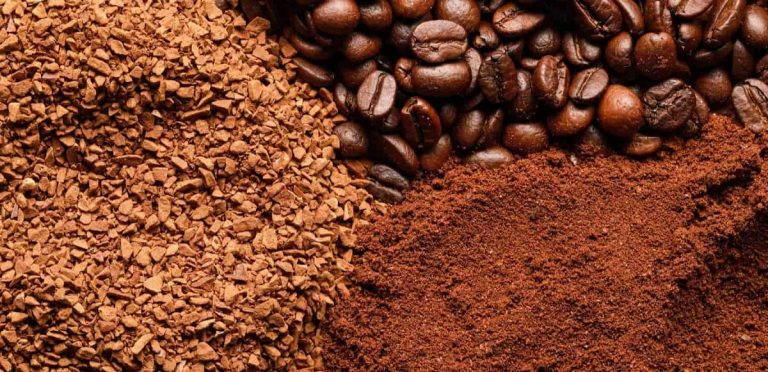
You might think coffee bean roasting defines the difference, but it’s the grind size adjustment that matters. Espresso grounds are finely ground for pressure extraction, while regular coffee grounds stay coarser for gravity-based brewing methods.
It’s really all about how the coffee is brewed. Espresso machines use pressure, so they need a fine grind to get the best flavor out quickly. Regular coffee makers rely on gravity, so a coarser grind works better to avoid over-extraction.
Conclusion
Using ground coffee in your espresso machine is like wielding a skilled brush on a canvas. Precision and freshness paint the perfect shot. Choose the right grind, measure carefully, and tamp with confidence to release rich, bold flavors.
Avoid common pitfalls, maintain your gear, and select quality beans to elevate every cup. With these expert tips, you’ll master the art of espresso brewing at home. You’ll be crafting café-quality shots that rival your ones from your favorite barista.