How Much Coffee for 8 Cups: Exact Measurements for Perfect Flavor Every Time
Making coffee for several people often sounds easier than it actually is. When you aim for eight cups, small differences in measurement can quickly change the taste, leaving the coffee too light or far too strong. A little clarity goes a long way toward a better brew.
Many home brewers rely on habits picked up over time, using random scoops or guessing amounts based on past experience. That approach works sometimes, yet consistency becomes hard to maintain. Knowing the right balance helps bring out the flavor you expect with every batch.
Understanding How Much Coffee for 8 Cups takes the stress out of the process and saves coffee beans from going to waste. Once the ratio makes sense, brewing feels more intentional and less like a daily experiment.
This topic focuses on practical guidance that fits real kitchens and busy mornings. With the right measurements and a simple mindset, preparing eight cups becomes a smooth routine rather than a source of doubt or disappointment.
Standard Cup Sizes in Coffee Makers
Coffee makers often promise a certain number of cups, yet those cups do not always match what people expect at home. A standard cup in coffee brewing is not the same as a regular kitchen cup, which leads to confusion and inconsistent results. Understanding how manufacturers define cup sizes helps you measure coffee accurately and brew with confidence.
Understanding the Coffee Maker “Cup” Measurement
Most coffee makers use a standard cup size of about 5 to 6 ounces rather than the typical 8-ounce cup used for drinking. This difference surprises many users and explains why a full pot may seem smaller than expected. Manufacturers adopted this measurement years ago to align with traditional coffee servings, not modern mug sizes.
Because of this smaller measurement, an eight-cup coffee maker usually produces around 40 to 48 ounces of brewed coffee. When someone fills a machine expecting eight full mugs, disappointment often follows. Recognizing this distinction helps you plan servings more realistically, especially when brewing for guests or family.
The coffee maker cup size also affects how much ground coffee you should use. Brewing based on an assumed 8-ounce cup can result in weaker coffee when the machine actually measures less. Matching your coffee dose to the brewer’s defined cup ensures better flavor balance.
Different brands may vary slightly, but most stay within the same range. Checking the user manual or water markings inside the reservoir gives you the clearest reference. Once you understand what a cup means for your specific machine, daily brewing becomes far more consistent.
Differences Between Drip Coffee Makers and Other Brewers
Drip coffee makers commonly follow the 5 to 6-ounce cup standard, but other brewing devices define cups differently. Single-serve machines often measure output by fluid ounces, giving users more control and clearer expectations. This contrast can cause confusion when switching between brewing methods.
French presses and pour-over brewers typically rely on actual fluid ounces rather than a preset cup definition. Recipes for these methods usually assume an 8-ounce cup, which feels more intuitive to most people. When moving from a drip machine to manual brewing, adjusting your measurements becomes essential.
Espresso-based machines take this difference even further. Cups in espresso terms refer to very small volumes, sometimes as little as 1 to 2 ounces. Comparing these “cups” to drip coffee cups without context can lead to major miscalculations.
Understanding how each brewer defines a cup helps prevent mistakes in strength and volume. It also explains why the same amount of coffee beans can taste perfect in one method and off in another. Paying attention to these differences allows you to adapt recipes correctly instead of relying on assumptions.
Why Cup Size Consistency Matters for Flavor
Cup size directly influences coffee strength, even when the brewing method stays the same. Using the wrong cup assumption often leads to under-extracted or over-extracted coffee. This happens because the coffee-to-water ratio shifts without you realizing it.
When you measure coffee for eight cups based on an 8-ounce standard but the machine uses 5-ounce cups, the brew ends up weaker. On the other hand, adjusting without knowing the real cup size can make coffee taste overly strong or bitter. Consistency starts with accurate volume understanding.
Flavor balance depends on stable ratios. Knowing the true cup size lets you repeat successful brews and avoid constant trial and error. This is especially helpful when dialing in a specific taste preference over time.
Cup size consistency also matters when scaling recipes up or down. Brewing four cups one day and eight the next should not change flavor quality. Once you align your measurements with your coffee maker’s definition, maintaining taste across different batch sizes becomes much easier.
Recommended Coffee-to-Water Ratio for 8 Cups
Brewing eight cups of coffee requires more than simply adding extra scoops of grounds. The balance between coffee and water becomes more noticeable at this volume, and small miscalculations can affect the entire pot. Understanding the right ratio helps maintain flavor clarity, aroma, and strength while keeping every cup consistent from the first pour to the last.
The Standard Ratio Used by Most Coffee Experts
Most coffee professionals recommend a general ratio of one to two tablespoons of ground coffee for every six ounces of water. For eight cups, this usually translates to about 8 to 16 tablespoons of coffee, depending on how strong you prefer the brew. This range offers flexibility while still keeping the flavor balanced.
Using this ratio helps avoid common problems like bitterness or thinness. Too much coffee leads to over-extraction, which can make the brew taste harsh. Too little coffee often results in flat or watery flavors that lack depth. The recommended ratio provides a dependable starting point.
Many drip coffee makers are designed around this standard, making it easier to follow without complex calculations. Measuring tools like coffee scoops or kitchen scales help improve accuracy, especially when brewing larger amounts.
Sticking to a proven ratio also makes it easier to adjust gradually. Once you find a strength you enjoy, you can fine-tune the amount slightly without losing overall consistency across multiple brews.
Adjusting the Ratio Based on Grind Size and Taste
Grind size plays a major role in how the coffee-to-water ratio performs. Coarser grinds extract more slowly, often requiring slightly more coffee to achieve the same strength. Finer grinds extract faster, which can intensify flavor even with less coffee.
When brewing eight cups, small grind changes can amplify flavor differences across the entire pot. A medium grind is usually ideal for drip coffee makers, as it balances extraction time and flavor clarity. Using the correct grind allows the recommended ratio to work as intended.
Taste preference also matters. Some people prefer a lighter, smoother brew, while others enjoy bold and robust coffee. Adjusting the ratio by a tablespoon or two can significantly change the outcome. Keeping notes on your adjustments helps you repeat successful results.
Rather than making large changes all at once, gradual tweaks work best. This approach prevents overcorrection and helps you understand how grind size and ratio interact. Over time, you gain better control over flavor without relying on guesswork.
Measuring Water Correctly for an Eight-Cup Brew
Accurate water measurement is just as important as measuring coffee grounds. Many people assume a cup equals eight ounces, but most coffee makers define a cup as five to six ounces. For eight cups, this usually means about 40 to 48 ounces of water.
Using the water markings on your coffee maker helps maintain consistency. These markings reflect how the machine defines a cup, ensuring the ratio stays balanced. Pouring water without measuring often leads to uneven results.
Filtered water also improves flavor, especially when brewing larger batches. Minerals and impurities in tap water can alter taste and affect extraction. Using clean, cold water gives the coffee a better chance to shine.
Consistency in water measurement supports predictable results. When both coffee and water are measured accurately, the recommended ratio becomes reliable. This makes brewing eight cups easier, smoother, and more satisfying on a daily basis.
How Much Ground Coffee for 8 Cups
Brewing eight cups of coffee often raises one simple but important question about measurement. Using the right amount of ground coffee helps keep the flavor balanced and prevents waste. When the quantity is off, the entire pot can taste weak or overly strong. Understanding proper measurements makes the process smoother and more consistent for everyday brewing.
Standard Ground Coffee Measurements for Eight Cups
Most coffee makers define a cup as five to six ounces, which means eight cups equal roughly 40 to 48 ounces of water. Based on standard brewing guidelines, one to two tablespoons of ground coffee per cup works well. For eight cups, this usually comes to about 8 to 16 tablespoons of coffee.
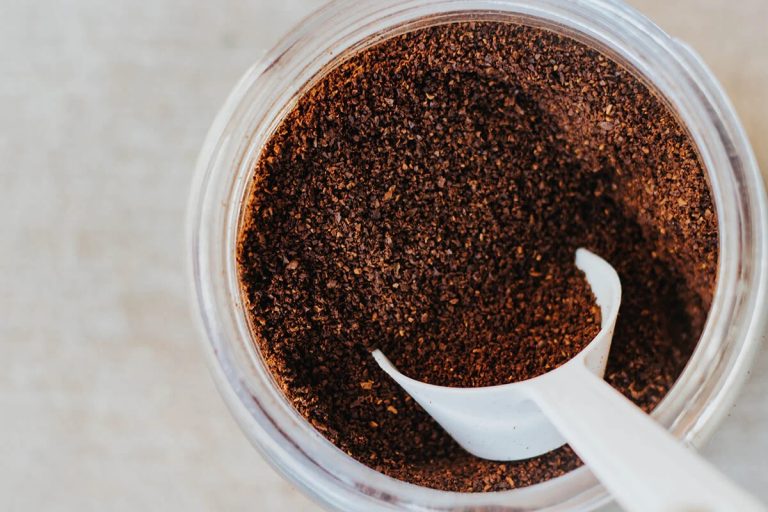
A common starting point is around 10 to 12 tablespoons, which produces a medium-strength brew suitable for most people. This amount allows the coffee to develop full flavor without becoming bitter. Using a kitchen scale can improve accuracy, with many brewers aiming for roughly 55 to 70 grams of ground coffee.
Consistency matters more than exact numbers. Measuring the same way each time helps you understand how your machine and coffee beans interact. Once you find a measurement that tastes right, repeating it becomes easy and dependable for daily use.
Adjusting Ground Coffee Based on Taste and Bean Type
Different coffee beans require slight adjustments in measurement. Dark roasts tend to extract more quickly and may taste strong with less coffee, while light roasts often need a bit more to bring out their flavors. Knowing your bean type helps you fine-tune the amount of ground coffee.
Taste preference also plays a big role. Some people enjoy a lighter brew, while others prefer bold and intense flavors. Adjusting by one tablespoon at a time allows you to control strength without overwhelming the coffee. Small changes can noticeably affect an eight-cup batch.
Grind size influences extraction as well. Medium grinds work best for drip coffee makers, keeping the brew balanced. Finer grinds may require slightly less coffee, while coarser grinds may need more to achieve the same strength.
How Much Whole Bean Coffee for 8 Cups
Using whole bean coffee adds freshness and stronger aroma to your daily brew, but it also raises questions about measurement. When preparing eight cups, understanding how many beans to use becomes essential for consistent flavor. Whole beans must be measured before grinding, which means knowing the right quantity helps avoid guesswork and wasted coffee.
Converting Whole Beans to the Right Measurement
Whole bean coffee is best measured by weight rather than volume because bean size and density vary. For eight cups of coffee, most brewers aim for about 55 to 70 grams of whole beans, depending on desired strength. This range matches common coffee-to-water ratios used in drip brewing.
If a scale is not available, volume can still offer a rough guide. Eight cups typically require around 10 to 14 tablespoons of whole beans before grinding. However, this method is less precise because different roasts occupy different amounts of space.
Weighing beans ensures consistency across batches. Once you know the ideal weight for your taste, you can repeat it every time. This approach is especially useful when switching between bean varieties or roast levels.
Measuring beans before grinding also helps preserve freshness. Grinding only what you need reduces oxidation and keeps flavor intact throughout the brewing process.
Adjusting Whole Bean Amounts Based on Grind and Roast
Grind size influences how much whole bean coffee you should use. A medium grind works best for drip coffee makers and aligns well with standard measurements. Coarser grinds may require slightly more beans to maintain strength, while finer grinds often need less.
Roast level also affects measurement. Dark roasts are lighter and less dense, so they may require a slightly higher volume but similar weight. Light roasts are denser and often deliver stronger flavors, sometimes needing fewer beans by volume.
Taste preference matters just as much as technical guidelines. Some people prefer smooth, mild coffee, while others enjoy bold intensity. Adjusting the whole bean amount by a few grams allows you to fine-tune strength without drastically changing the brew.
Brewing Method Impact on Coffee Quantity
The amount of coffee you use is closely tied to how it is brewed. Different brewing methods extract flavor at different rates, which directly affects how much coffee is needed. Understanding this relationship helps you adjust quantities properly and avoid weak or overly strong results, especially when preparing multiple cups at once.
Drip Coffee Makers and Automatic Brewers
Drip coffee makers are designed around a steady flow of hot water passing through ground coffee at a controlled pace. This method usually works best with a medium grind and a balanced coffee-to-water ratio. Because extraction is gradual, the quantity of coffee must be carefully measured to avoid dull or bitter flavors.
Most automatic brewers define a cup as five to six ounces, which influences how much coffee you should use. For larger batches, small miscalculations become more noticeable across the entire pot. Using too little coffee results in flat taste, while too much can overpower the brew.
Consistency is key with drip brewing. Measuring coffee accurately each time helps maintain flavor balance. Once the right amount is established for your machine, repeating the same measurement ensures dependable results without constant adjustments.
Manual Brewing Methods and Extraction Differences
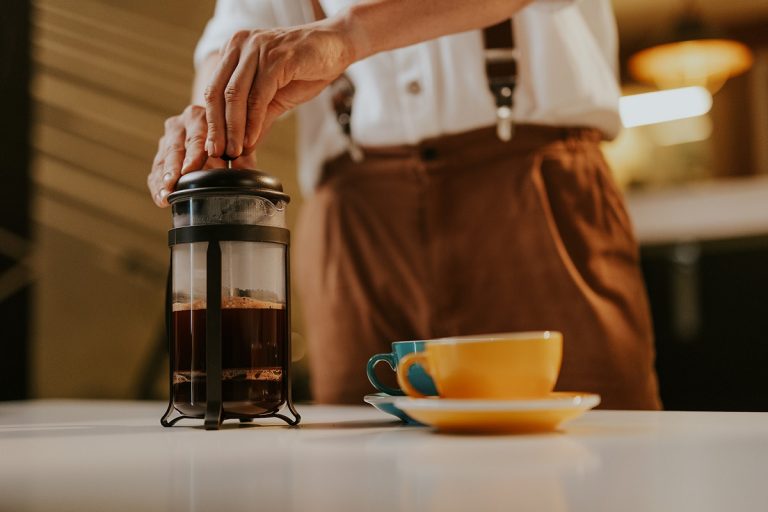
Manual brewing methods such as pour-over and French press rely heavily on user control. Water temperature, pouring speed, and brew time all influence extraction. Because of this, coffee quantity often needs adjustment compared to automatic machines.
Pour-over brewing typically requires slightly more coffee to achieve the same strength, as water flows through more quickly. French press uses a coarser grind and longer steep time, which can extract strong flavors even with a similar amount of coffee.
These methods also measure cups differently, often using true fluid ounces rather than machine-defined cups. This difference affects how much coffee is needed for multiple servings. Understanding how extraction works in manual brewing helps you adapt quantities without guesswork.
FAQs
How Much Coffee for 8 Cups Using Tablespoons?
You usually need around 12 to 16 tablespoons of ground coffee for 8 cups, depending on how strong you want the brew. A common guideline is 1 to 2 tablespoons of coffee per cup, which works well for most drip coffee makers.
If you prefer balanced flavor, you can start with 14 tablespoons and adjust slightly. Using consistent spoon sizes helps you get repeatable results. This approach makes it easier for you to control taste without guessing every time you brew coffee.
How Much Coffee for 8 Cups in Grams?
For 8 cups of coffee, you typically need about 70 to 90 grams of ground coffee. A popular ratio is 1 gram of coffee for every 15 to 17 grams of water, which creates a smooth and well-extracted brew.
If you like mild coffee, you can use closer to 70 grams. For stronger coffee, you can increase the amount toward 90 grams. Measuring in grams gives you more accuracy and helps you maintain consistent flavor in every batch you prepare.
How Much Coffee for 8 Cups With a Coffee Scoop?
When using a standard coffee scoop, you usually need about 6 to 8 scoops for 8 cups of coffee. Most coffee scoops hold roughly 2 tablespoons of ground coffee, which makes measuring simple and quick.
If you want medium-strength coffee, you can start with 7 scoops. Adjusting the number of scoops slightly allows you to customize the taste. This method is convenient for daily brewing when you want speed without sacrificing flavor quality.
How Much Coffee for 8 Cups in a Drip Coffee Maker?
In a drip coffee maker, you generally use around 12 to 16 tablespoons or 70 to 90 grams of coffee for 8 cups. Drip machines work best with medium grind coffee, which ensures even extraction and balanced taste.
If the coffee tastes weak, you can add a small amount more coffee. If it tastes bitter, you can slightly reduce the quantity. Matching the right grind size with the correct amount of coffee helps you achieve a consistent and enjoyable brew every time.
How Much Coffee for 8 Cups for Strong Coffee?
For strong coffee, you typically need about 16 to 20 tablespoons or 90 to 110 grams of coffee for 8 cups. Increasing the coffee amount rather than brewing longer helps you get richer flavor without excessive bitterness.
You can experiment by adding one tablespoon at a time until you reach your preferred strength. This method gives you control over intensity while keeping the coffee smooth and aromatic. Strong coffee works best when balanced with proper water measurement and grind size.
How Much Coffee for 8 Cups With Whole Beans?
If you use whole beans, you usually need about 75 to 95 grams of beans for 8 cups. Grinding the beans fresh before brewing enhances aroma and flavor, making the coffee taste more vibrant and fresh.
You should grind the beans to a medium consistency for drip brewing. Whole beans may vary in density, so weighing them gives you better accuracy. Using fresh beans and precise measurements helps you create a more flavorful and consistent cup of coffee every time.
How Much Coffee for 8 Cups Can You Adjust for Taste?
You can easily adjust how much coffee you use for 8 cups based on personal taste. If the coffee tastes too weak, you can increase the coffee amount slightly. If it tastes too strong or bitter, you can reduce the quantity or use a coarser grind.
Small adjustments make a noticeable difference in flavor. Keeping notes of your preferred measurements helps you repeat the same taste consistently. This flexible approach allows you to customize your coffee experience without complicated calculations or guesswork.
Conclusion
Finding the right balance when brewing a full pot makes a noticeable difference in taste and consistency. Measuring carefully and understanding your coffee maker’s cup size helps avoid weak or overly strong results. With a little attention to detail, each cup in the pot can deliver the flavor you expect.
Grind size, bean type, and brewing method all influence the final outcome. Adjusting these elements gradually allows you to refine your brew without wasting coffee. Once you understand How Much Coffee for 8 Cups, the process becomes more predictable and less stressful.
Consistency is the real key to great coffee. Using the same measurements each time builds confidence and saves time during busy mornings. With the right approach, brewing eight cups becomes a simple routine that delivers satisfying results for everyone.