Can Mormons Drink Matcha – What You Need To Know About Caffeine And Mormon Guidelines
Many people who follow the teachings of The Church of Jesus Christ of Latter-day Saints pay close attention to what they consume, especially regarding beverages. Tea and coffee have often been highlighted in discussions about adherence to the Word of Wisdom, the health code followed by Mormons. With the growing popularity of matcha as a vibrant green tea known for its antioxidants and energizing properties, questions naturally arise among members of the faith.
Understanding how matcha fits into this lifestyle can be helpful for those who want to enjoy it without compromising their beliefs. Matcha contains caffeine, similar to coffee and traditional teas, but it also offers a different set of benefits that appeal to health-conscious individuals.
Many people wonder whether drinking matcha aligns with the dietary guidelines encouraged by Mormon teachings. Examining the ingredients, preparation methods, and the role of caffeine provides clarity for anyone curious about this trend.
Exploring these aspects allows members to make informed choices while respecting their faith. The discussion surrounding matcha is not just about taste or trendiness but about balancing enjoyment with spiritual principles.
Caffeine Rules in Mormonism
Mormonism, or The Church of Jesus Christ of Latter-day Saints, emphasizes health and wellness through its code of conduct known as the Word of Wisdom. This guidance outlines which substances are considered healthy and which should be avoided. Caffeine, commonly found in coffee, tea, and energy drinks, often raises questions among members. Understanding the rules surrounding caffeine helps followers maintain both spiritual and physical well-being while making informed choices in their daily lives.
Coffee and Tea Restrictions
The Word of Wisdom specifically prohibits the consumption of “hot drinks,” which church leaders have interpreted to mean coffee and traditional black or green tea. This restriction is strictly observed by devout Mormons, and avoiding these beverages is considered a sign of faithfulness. The caffeine in these drinks is not the primary issue; rather, it is the specific types of drinks themselves. Many members wonder if this restriction extends to all caffeinated beverages or only to coffee and tea.
In practice, many Mormons avoid coffee and traditional teas entirely, while others debate the inclusion of caffeinated sodas or energy drinks. Church leaders have clarified that moderate caffeine intake from other sources is not prohibited, meaning that the focus is on the specific drinks rather than caffeine itself. This distinction helps members navigate daily choices, especially in social or work settings where caffeinated drinks are common.
The avoidance of coffee and tea also carries cultural significance within the Mormon community. Social gatherings, events, and even home routines often reflect this practice, shaping habits from a young age. Children and teens are taught about the Word of Wisdom, and understanding these restrictions becomes part of lifelong discipline and spiritual identity.
Caffeine in Modern Beverages
While coffee and traditional teas are prohibited, the modern beverage market includes many caffeinated options like sodas, energy drinks, and specialty drinks such as matcha or green tea lattes. The church has not banned caffeine itself, which leads to discussions among members about which drinks are acceptable. Many Mormons enjoy caffeinated sodas, chocolate, and certain energy drinks without concern, distinguishing between the harmful “hot drinks” and other caffeinated beverages.
This nuanced approach can cause some confusion for newer members or those exploring Mormonism. Understanding that the Word of Wisdom’s main focus is on the types of drinks rather than caffeine content allows for flexibility. Health-conscious members may also consider caffeine intake from a physical perspective, balancing energy boosts with overall wellness.
The rise of specialty beverages, such as matcha lattes, adds another layer to this discussion. Matcha contains caffeine but is not black or green tea in the traditional sense outlined in the Word of Wisdom, leaving room for personal interpretation. Individuals often consult church guidance, personal judgment, or community norms to determine whether such beverages align with their faith.
Cultural and Spiritual Implications
Following caffeine rules in Mormonism extends beyond health—it also reinforces spiritual discipline. Adhering to the Word of Wisdom demonstrates obedience, self-control, and commitment to church teachings. These practices shape identity and influence decisions in daily life, from social settings to personal habits.
The selective approach to caffeine emphasizes discernment rather than restriction. Members are encouraged to consider both spiritual guidance and practical health effects when consuming any stimulants. This distinction also reflects the broader philosophy of Mormon health codes, which prioritize wellness, moderation, and informed choice.
Socially, these practices foster a sense of community and shared values. For example, church gatherings often exclude coffee and tea, reinforcing a collective lifestyle that aligns with religious teachings. Even small choices, like avoiding certain drinks, become a visible expression of faith and belonging.
Matcha and Its Caffeine Content
Matcha, a finely ground powdered green tea, has become increasingly popular for its unique flavor, vibrant color, and potential health benefits. One aspect that often draws attention is its caffeine content, which can influence energy levels, focus, and alertness. Understanding how much caffeine matcha contains, how it compares to other drinks, and how it affects the body helps individuals make informed choices when adding it to their daily routine.
How Much Caffeine Is in Matcha
Matcha contains naturally occurring caffeine, but the exact amount depends on factors such as the quality of the leaves, preparation methods, and serving size. On average, one teaspoon (about 2 grams) of matcha powder contains roughly 60 to 70 milligrams of caffeine. This is higher than most brewed green teas, where caffeine content is typically lower due to the steeping process. However, it is still less than a standard cup of brewed coffee, which often contains 95 to 120 milligrams per cup.
The caffeine in matcha is absorbed more gradually than coffee, thanks to the presence of L-theanine, an amino acid that promotes calm alertness. This combination can result in sustained energy without the jittery or anxious feelings that some people experience with coffee. Many people find matcha a suitable option for both morning and afternoon energy boosts, making it a versatile beverage for daily consumption.
Preparation methods can also impact caffeine content. Whisking matcha with water versus milk, using more or less powder, or incorporating it into lattes and smoothies can change the final caffeine dose. Understanding these variables helps consumers control their intake based on personal preferences and tolerance levels.
Matcha vs Coffee and Traditional Teas
When comparing matcha to other caffeinated beverages, it occupies a unique middle ground. It provides more caffeine than most brewed teas but less than coffee. This makes it a popular alternative for those seeking a gentle but effective energy lift. Additionally, the combination of caffeine and L-theanine promotes alertness while supporting mental clarity and focus.
Unlike coffee, matcha does not usually lead to sudden spikes and crashes in energy. Its slower release of caffeine can benefit students, professionals, and anyone looking to maintain productivity over several hours. While traditional black or green teas may contain less caffeine, they lack the concentrated effects provided by consuming the entire powdered leaf in matcha form.
The comparison also highlights lifestyle considerations. For people who are sensitive to caffeine, matcha’s moderate levels can be preferable, while those accustomed to coffee may adjust their serving sizes to match their energy needs. Understanding these differences ensures individuals can enjoy matcha without overconsumption.
Factors Affecting Caffeine Absorption
Caffeine absorption from matcha is influenced by multiple factors, including L-theanine, individual metabolism, and the timing of consumption. L-theanine interacts with caffeine to provide a more balanced effect, often described as a calm focus. This makes matcha particularly popular among people seeking mental clarity without overstimulation.
Other factors such as body weight, tolerance to caffeine, and diet can also impact how quickly caffeine affects energy and alertness. Consuming matcha on an empty stomach versus with food may alter the absorption rate, and regular users may build tolerance, requiring slightly higher doses for the same effect.
Preparation style also plays a role. Higher-grade ceremonial matcha tends to have more concentrated caffeine, while culinary-grade matcha used in lattes or smoothies may provide lower doses depending on dilution. Understanding these variables allows consumers to tailor matcha consumption to their lifestyle, energy needs, and sensitivity.
Is Matcha Considered “Hot Drinks”?
In Mormonism, the term “hot drinks” has significant meaning within the Word of Wisdom, guiding members on which beverages to avoid. Traditionally, “hot drinks” have been interpreted to include coffee and tea, but with modern beverages like matcha gaining popularity, many wonder how these fit into church teachings. Understanding whether matcha falls under this category helps members make informed choices while respecting their faith.
Definition of “Hot Drinks” in Mormonism
The Word of Wisdom specifically prohibits the consumption of “hot drinks,” which early church leaders clarified to mean coffee and traditional teas. The restriction does not explicitly mention other caffeinated beverages or modern tea variations, leaving room for interpretation. The focus has traditionally been on the type of drink rather than the temperature or caffeine content alone.
Church leaders have emphasized that this guidance serves both spiritual and physical well-being. Coffee and traditional teas were historically associated with negative health effects and addictive qualities, which the Word of Wisdom aimed to discourage. Over time, the term “hot drinks” became a cultural marker within the Mormon community, influencing social behaviors and daily habits.
The interpretation does not extend automatically to drinks like herbal teas, iced teas, or matcha unless they mimic the prohibited beverages in preparation or ingredients. This distinction creates a nuanced approach, where members evaluate drinks based on type, caffeine content, and tradition rather than general assumptions.
Matcha and Church Guidelines
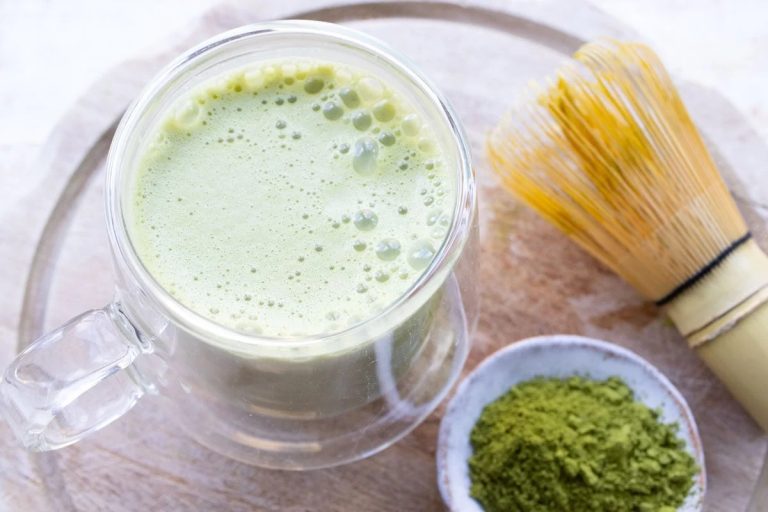
Matcha is made from powdered green tea leaves whisked into water or milk, creating a drink that is visually and nutritionally distinct from traditional brewed teas. While it contains caffeine, it does not fall under the exact definition of the “hot drinks” prohibited by the Word of Wisdom, according to most interpretations by church leaders.
Many Mormons approach matcha with caution, considering its connection to green tea while noting that the preparation differs from traditional steeped teas. Consuming matcha does not inherently violate church rules, especially when the beverage is taken in moderation and for health benefits rather than habit-forming stimulation.
The growing popularity of matcha lattes and other specialty drinks further complicates the discussion. Some church members enjoy matcha without concern, while others rely on personal judgment or local guidance to ensure alignment with spiritual principles. This careful consideration highlights the balance between tradition, modern trends, and personal conscience within Mormon practices.
Cultural and Personal Considerations
Even though matcha is generally not classified as a prohibited “hot drink,” individual interpretation and cultural norms influence consumption patterns. Some families or local congregations may choose to avoid all green teas as a precaution, while others embrace moderate use as compatible with their lifestyle and beliefs.
Personal beliefs, health considerations, and caffeine sensitivity also play roles. Many Mormons weigh spiritual guidelines alongside practical health advice, enjoying matcha as a nutrient-rich beverage without violating the core principles of the Word of Wisdom. This flexibility demonstrates how modern members navigate traditional rules in a changing world.
The discussion surrounding matcha also reflects broader themes of mindfulness, moderation, and informed choice. Members are encouraged to evaluate not just the type of drink but the context in which it is consumed, ensuring their habits support both spiritual and physical well-being.
FAQs
Can Mormons Drink Matcha?
Yes, Mormons can drink matcha as it is not classified as one of the prohibited “hot drinks” outlined in the Word of Wisdom. The restriction mainly applies to coffee and traditional black or green tea. Matcha, while derived from green tea leaves, is prepared differently and consumed in powdered form, which makes it generally acceptable for members.
Many Mormons choose to enjoy matcha for its health benefits and moderate caffeine content. You can incorporate it into your daily routine without conflicting with church teachings, as long as you maintain moderation and personal awareness of caffeine intake.
Does Matcha Contain Caffeine That Affects Mormon Guidelines?
Matcha does contain caffeine, typically around 60-70 mg per teaspoon, which is less than a standard cup of coffee. However, Mormon guidelines focus on the type of drink rather than caffeine content alone. Therefore, the caffeine in matcha does not violate the Word of Wisdom as long as the beverage itself is not traditional black or green tea prepared in a prohibited way.
You can enjoy matcha for energy or focus without concern for spiritual rules, but it’s wise to monitor your intake. Consuming excessive caffeine from any source may affect health, so moderation is key.
Are Matcha Lattes Allowed for Mormons?
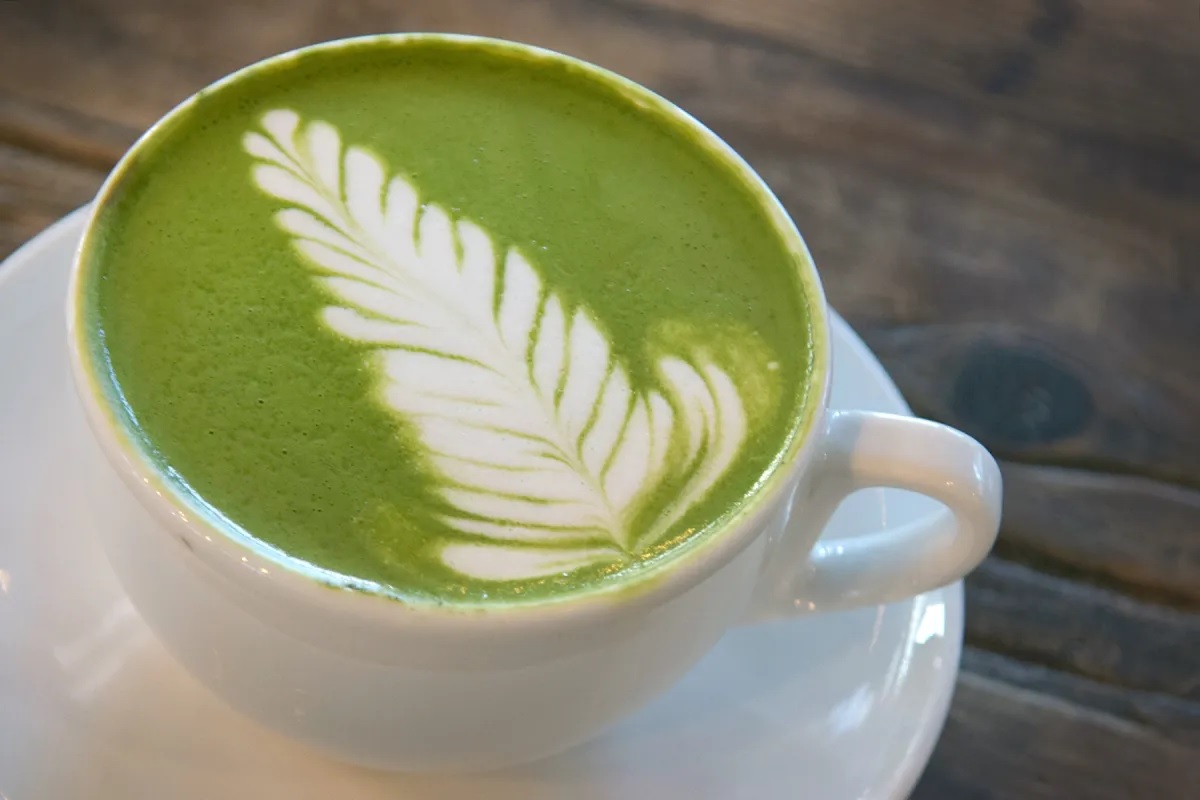
Yes, matcha lattes are generally allowed because they use matcha powder rather than brewed tea. The beverage is made by mixing matcha with milk or milk alternatives, creating a unique drink that does not fall under the “hot drinks” restriction. Mormons can enjoy matcha lattes for flavor, energy, and health benefits.
It’s important to remember that added sugar or excessive flavored syrups may affect health, so you can consider keeping your matcha lattes simple. Drinking them occasionally aligns with both physical wellness and spiritual adherence.
Can Mormons Drink Iced Matcha or Cold Matcha Drinks?
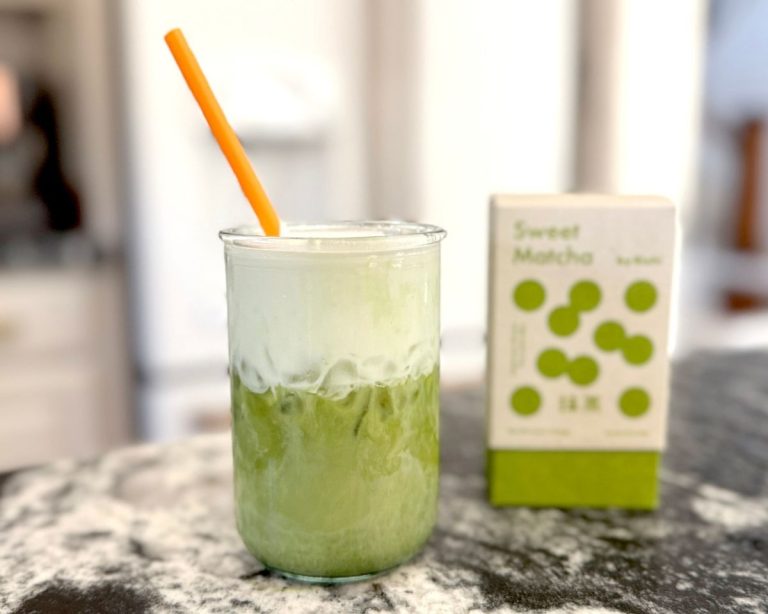
Absolutely, iced matcha or cold matcha beverages are acceptable for Mormons. Temperature does not change the classification of matcha under church guidelines. Since the Word of Wisdom focuses on coffee and traditional teas rather than caffeine or temperature, consuming matcha cold is not an issue.
Cold matcha drinks provide the same antioxidants, vitamins, and moderate caffeine as traditional preparations. You can enjoy them as part of a balanced lifestyle while staying mindful of sugar and calorie content in specialty drinks.
Should Mormons Limit Matcha Consumption?
Yes, moderation is recommended. While matcha is permitted, excessive caffeine intake from matcha or other sources may affect your health, causing insomnia, jitters, or increased heart rate. Monitoring portion sizes, such as one to two teaspoons per serving, ensures that you enjoy the benefits without overconsuming caffeine.
Moderation also aligns with the spiritual principle of self-control emphasized in Mormon teachings. You can enjoy matcha daily or occasionally, making it a safe and beneficial beverage choice for both energy and wellness.
Is Matcha Safer Than Coffee for Mormons?
Matcha is often considered a gentler alternative to coffee due to its lower caffeine content and the presence of L-theanine, which promotes calm alertness. Unlike coffee, matcha provides a more balanced energy boost without causing sharp spikes and crashes in focus or mood.
For Mormons, this makes matcha a favorable option, as it supports health and alertness without violating the Word of Wisdom. You can enjoy matcha to maintain energy and concentration while staying aligned with church guidelines and wellness principles.
Final Thoughts
While matcha is a popular beverage for its antioxidants and gentle energy boost, Mormons need to consider the caffeine content and church guidelines before consuming it. Matcha contains moderate levels of caffeine, which may fall into a gray area for some members following the Word of Wisdom. Understanding how this aligns with personal faith and health priorities is essential.
When asking whether can Mormons drink matcha, it often comes down to individual interpretation and moderation. Some members may choose to enjoy it occasionally, while others may avoid it entirely to stay consistent with traditional guidance on “hot drinks” and caffeinated beverages. Consulting local church leaders or personal reflection can help determine what feels appropriate.
Ultimately, can Mormons drink matcha safely depends on balancing enjoyment with adherence to spiritual and health principles. With mindful consumption and awareness of caffeine levels, matcha can be incorporated responsibly for those who choose to do so.