
Do Matcha Lattes Have Espresso: Separating Green Tea from Coffee
Matcha lattes have become a popular choice for those seeking a vibrant, creamy, and slightly sweet alternative to traditional coffee drinks. With their striking green color and smooth texture, they offer a comforting and energizing experience that appeals to a wide range of tastes. Many people enjoy the subtle earthiness of matcha paired with steamed milk, creating a rich and soothing beverage.
A common question among coffee and tea enthusiasts is whether these drinks contain espresso. Understanding the ingredients of a matcha latte is important for those tracking caffeine intake or comparing it to coffee-based drinks. Unlike traditional lattes, matcha lattes use powdered green tea leaves as the primary source of caffeine, rather than espresso shots.
Knowing the difference between matcha and espresso allows you to appreciate the unique flavor and energy boost that matcha provides. It also helps when choosing beverages that fit your personal taste and caffeine preferences.
Exploring the composition of a matcha latte provides clarity on how it delivers its mild stimulation, creamy texture, and naturally sweet taste without relying on espresso. This knowledge ensures you can enjoy the drink confidently and make informed choices in cafes or at home.
Do Matcha Lattes Have Espresso?
Matcha lattes have gained popularity as a vibrant and creamy alternative to coffee-based drinks, offering a unique flavor profile and a gentle energy boost. Many coffee lovers and new matcha drinkers often wonder whether these green beverages contain espresso or rely solely on green tea for their caffeine. Understanding the ingredients and preparation of a matcha latte helps clarify the difference between traditional lattes and matcha-based options. This knowledge also allows you to make informed decisions about your caffeine intake while enjoying your favorite drinks at cafes or at home.
Understanding Matcha And Its Caffeine Content
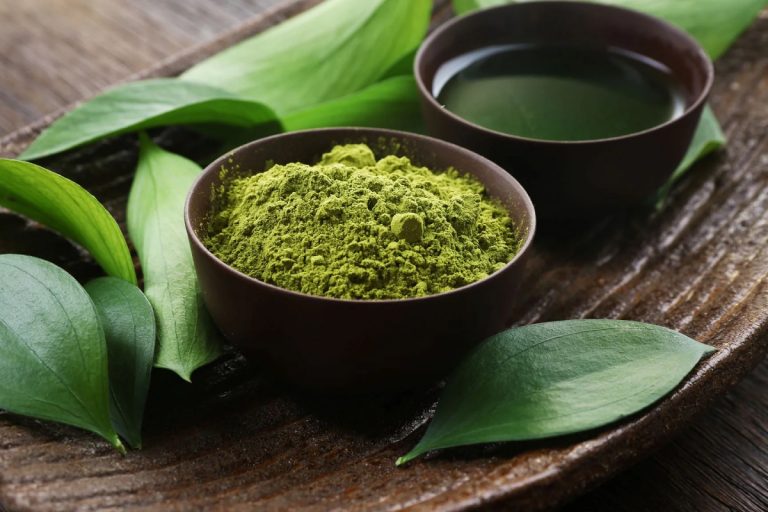
Matcha is a powdered form of finely ground green tea leaves that contains natural caffeine. Unlike espresso, which is made by forcing hot water through finely ground coffee beans, matcha delivers caffeine through direct consumption of the whole tea leaf in powdered form. This unique method allows matcha to provide a smoother, more sustained energy boost rather than the rapid spike typically associated with espresso.
The caffeine content in matcha varies depending on the quality and amount used. Ceremonial-grade matcha, often used for lattes, contains moderate caffeine levels, generally equivalent to half a cup of brewed coffee per serving. This provides a gentle alertness without the jitters that espresso sometimes causes. Additionally, matcha contains L-theanine, an amino acid that promotes relaxation, balancing the stimulating effects of caffeine for a calm but focused energy.
The Composition Of A Traditional Matcha Latte
A traditional matcha latte is composed primarily of matcha powder, hot water, and steamed milk. Some variations include sweeteners or flavorings such as vanilla, honey, or cinnamon, but espresso is generally not part of the standard preparation. The absence of espresso makes matcha lattes distinct from coffee lattes in both flavor and caffeine profile.
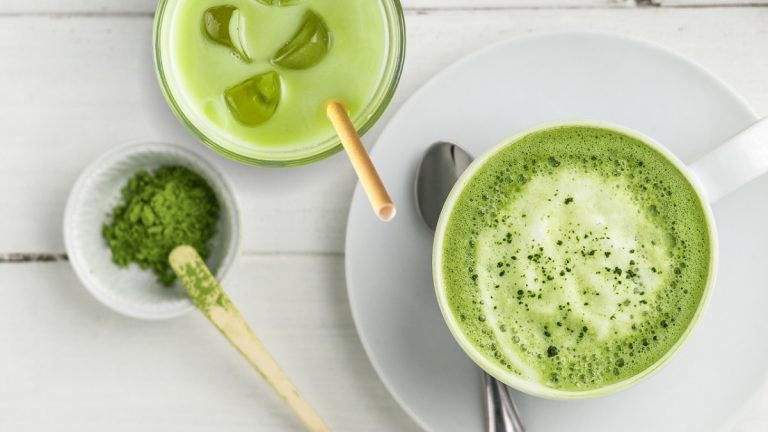
The preparation method is also different. In a matcha latte, the powder is whisked into hot water to form a smooth, frothy base, then combined with milk to create a creamy texture. This contrasts with a coffee latte, where espresso is poured over steamed milk. The result is a vibrant green, subtly sweet, and earthy beverage with a gentle caffeine kick that comes entirely from the matcha powder.
Differences Between Matcha Lattes And Espresso-Based Lattes
The primary distinction between matcha lattes and espresso-based lattes lies in the source of caffeine and flavor. Espresso-based drinks have a bold, roasted taste with a concentrated caffeine content, whereas matcha lattes offer a mild, vegetal flavor with a steadier energy release. Espresso delivers a rapid spike in alertness, while matcha’s combination of caffeine and L-theanine promotes a smoother, more sustained focus.
For those sensitive to espresso or strong coffee flavors, matcha lattes are a suitable alternative. The creamy milk and natural sweetness of matcha complement its subtle bitterness, creating a balanced beverage that is energizing without being overwhelming. Understanding these differences helps you choose between the two drinks based on taste preferences, dietary restrictions, or desired caffeine effects.
Customizing Your Matcha Latte Experience
Although traditional matcha lattes do not include espresso, some cafes and enthusiasts create hybrid beverages by adding a shot of espresso, often called a “matcha espresso fusion” or “dirty matcha latte.” This variation combines the smooth, earthy notes of matcha with the boldness of espresso, creating a unique drink with a higher caffeine content and complex flavor profile.
For at-home preparation, you can control the ratio of matcha to milk and decide whether to include espresso. Experimenting with milk types, sweeteners, or flavorings allows you to personalize your latte experience. However, the standard matcha latte remains caffeine-friendly and espresso-free, providing a creamy, energizing beverage that highlights the unique taste and benefits of matcha.
How Matcha Lattes Are Made
Matcha lattes have grown in popularity for their vibrant green color, creamy texture, and balanced flavor profile. Making a matcha latte involves combining finely ground green tea powder with water and milk to create a smooth, frothy beverage. Understanding the preparation process allows you to appreciate the care involved in each cup, whether in a café or at home. The process highlights the unique characteristics of matcha, including its natural sweetness, umami flavor, and caffeine content.
Selecting Quality Matcha Powder
The first step in making a matcha latte is selecting the right powder. Ceremonial-grade matcha is ideal for lattes because it comes from young tea leaves, offering a vibrant green color, smooth texture, and subtle natural sweetness. Culinary-grade matcha can also be used, but it tends to be slightly more bitter and is better suited for cooking or baking.
Freshness is critical when choosing matcha. Powder exposed to light, heat, or air loses flavor and color. Storing it in an airtight container in a cool, dark place ensures optimal taste. The amount of matcha used per latte typically ranges from one to two teaspoons, depending on the desired strength. Proper selection and handling of matcha powder form the foundation for a creamy, flavorful latte.
Preparing The Matcha Base
Preparing the matcha base involves whisking the powder with hot water to create a smooth, frothy mixture. Use water heated to around 160–175°F (70–80°C) to prevent bitterness while allowing the powder to dissolve fully. Sifting the powder beforehand removes clumps and ensures an even texture.
A bamboo whisk, or chasen, is commonly used to mix the powder with water in a zigzag or “M” motion. This technique aerates the tea and produces a creamy froth on top, enhancing both flavor and presentation. A well-prepared matcha base is essential, as it directly affects the latte’s smoothness, sweetness, and overall balance.
Steaming And Frothing Milk
The next step in making a matcha latte is steaming or frothing milk. Milk or milk alternatives such as oat, almond, or soy milk are heated gently until warm, then frothed to create a creamy texture. The froth complements the matcha base and balances the natural earthiness of the tea.
Pouring the milk slowly into the whisked matcha base ensures even blending and a smooth consistency. The milk also enhances natural sweetness and allows for latte art, which adds a visually appealing element. Steamed milk is key to creating the signature creamy texture that distinguishes a matcha latte from a standard tea.
Adding Flavor Enhancements
While a basic matcha latte requires only matcha, water, and milk, flavor enhancements can elevate the drink. Vanilla, cinnamon, honey, or maple syrup are popular additions. These ingredients enhance natural sweetness without overpowering matcha’s delicate umami notes.
Adjusting the amount and type of flavoring allows customization for personal preference. Sweeteners should be added gradually to maintain balance, ensuring the latte remains creamy, smooth, and enjoyable. Flavor enhancements are optional, but they provide a way to create a unique and indulgent beverage experience at home or in a café.
Matcha vs Espresso
Both matcha and espresso are popular beverages known for their energizing effects, but they differ significantly in preparation, flavor, and caffeine impact. Understanding these differences helps you choose the best drink based on taste preferences, lifestyle, and desired energy boost. While espresso delivers a quick, intense jolt, matcha provides a smoother, more sustained alertness due to its unique chemical composition. Comparing the two beverages reveals distinct benefits, flavors, and consumption experiences that cater to different palates and routines.
Caffeine Content And Energy Effects
One of the main differences between matcha and espresso lies in their caffeine content and how it affects your body. A standard shot of espresso contains approximately 63 milligrams of caffeine, which produces a rapid spike in energy and alertness. The effect is immediate but often short-lived, sometimes followed by a sudden crash.
Matcha, on the other hand, contains moderate caffeine levels, typically 30–70 milligrams per serving depending on the amount of powder used. Unlike espresso, matcha also contains L-theanine, an amino acid that promotes relaxation and reduces stress. The combination of caffeine and L-theanine provides a calm yet focused energy, often described as a smooth, sustained boost without jitters. This makes matcha ideal for extended focus, study sessions, or creative work.
Flavor Profiles And Taste Differences
The flavor profiles of matcha and espresso are distinctly different, catering to varying preferences. Espresso has a bold, roasted, and sometimes slightly bitter taste, often described as intense or sharp. It pairs well with milk, sugar, or flavored syrups to soften its bitterness. Espresso-based drinks like lattes or cappuccinos are popular for their creamy, layered taste.
Matcha offers a completely different flavor experience. It has a naturally sweet, grassy, and umami-rich taste, which is earthy but smooth. When combined with milk in a matcha latte, the tea’s subtle bitterness is balanced, creating a creamy and slightly sweet beverage. Unlike espresso, matcha’s flavor is delicate and mellow, appealing to those who prefer a lighter, more nuanced taste.
Preparation Methods And Ingredients
Preparation techniques also distinguish matcha from espresso. Espresso is made by forcing hot water through finely ground coffee beans under high pressure, creating a concentrated shot with crema on top. The process requires specialized equipment like an espresso machine, and precise timing is crucial for optimal flavor extraction.
Matcha is made by whisking finely ground green tea powder with hot water, then adding milk or milk alternatives for lattes. No pressurized machine is needed, and the process emphasizes smooth blending and frothing. The preparation highlights matcha’s vibrant green color, creamy texture, and natural sweetness, offering a visually and aromatically appealing beverage without the intensity of espresso.
Health Benefits And Nutritional Differences
Matcha and espresso also differ in terms of health benefits. Espresso contains antioxidants and can boost metabolism and mental alertness, but high consumption may contribute to anxiety, insomnia, or heart palpitations due to its concentrated caffeine.
Matcha offers additional benefits beyond caffeine, including high levels of antioxidants called catechins, which may support cardiovascular health, detoxification, and mental clarity. The presence of L-theanine promotes relaxation and improves focus. While both beverages provide energy, matcha delivers a gentler, nutrient-rich option, whereas espresso offers a more intense, fast-acting stimulation.
FAQs
Do Matcha Lattes Have Espresso?
No, a traditional matcha latte does not have espresso. It is made by whisking matcha powder with hot water and adding steamed milk or a milk alternative. The flavor is naturally earthy and slightly sweet, unlike the strong, bitter taste of espresso.
However, some coffee shops offer a “dirty matcha latte,” which combines matcha with a shot of espresso. If you want a pure matcha experience, make sure to ask your barista specifically for a standard matcha latte without espresso.
Can A Matcha Latte Be Made With Espresso?
Yes, a matcha latte can be made with espresso, but this is not the standard recipe. This variation is often called a “dirty matcha latte,” where a shot of espresso is added to the traditional matcha latte mix.
This combination gives you a stronger caffeine boost and blends the flavors of earthy matcha with the bold taste of coffee. If you’re sensitive to caffeine, it’s important to know this version is more stimulating than a regular matcha latte.
How Much Caffeine Is In A Matcha Latte Compared To Espresso?
A regular matcha latte typically contains 60-70 mg of caffeine per serving, depending on how much matcha powder is used. Espresso, on the other hand, has about 63 mg per single shot.
If your matcha latte has espresso added, you could be consuming 120-130 mg or more of caffeine. Knowing this difference helps you choose the right drink for energy without overdoing it. You can enjoy matcha for a gentle, sustained lift or espresso for a quick boost.
How Can You Tell If Your Matcha Latte Has Espresso?
If you order a matcha latte at a café, ask the barista about the ingredients. A traditional matcha latte is just matcha, water, and milk. If it includes espresso, it will usually be labeled as “dirty matcha” or “matcha with espresso.”
You can also notice the taste difference: espresso gives a stronger, more bitter flavor, while pure matcha is smooth and slightly grassy. Checking the menu or confirming with the barista ensures you get exactly the drink you want.
Is A Dirty Matcha Latte Healthier Than A Regular Matcha Latte?
A dirty matcha latte is not necessarily healthier than a regular matcha latte. While it still contains matcha, adding espresso increases caffeine content and acidity. A traditional matcha latte provides antioxidants from the tea and a gentle energy lift without the intensity of espresso.
If your goal is to maximize health benefits, stick with a pure matcha latte. The espresso version is better for flavor or caffeine boost rather than nutritional value. It’s a personal choice depending on your preference for energy and taste.
Can You Make A Matcha Latte At Home Without Espresso?
Yes, making a matcha latte at home without espresso is simple. You only need matcha powder, hot water, and your choice of milk. Whisk the matcha with hot water until smooth, then add steamed or frothed milk for a creamy texture.
If you want a stronger caffeine hit, you could add espresso, but for a traditional experience, stick to just matcha. Homemade matcha lattes let you control sweetness, milk type, and strength, giving you a fresh and customizable drink every time.
Final Thoughts
Matcha lattes have become a popular choice for people looking for a creamy, flavorful, and energizing beverage alternative to coffee. Understanding their composition is important for those monitoring caffeine intake or exploring new drinks. One of the most common questions is: Do Matcha Lattes Have Espresso? The answer is no, traditional matcha lattes rely entirely on powdered green tea leaves for their caffeine, rather than coffee-based espresso shots.
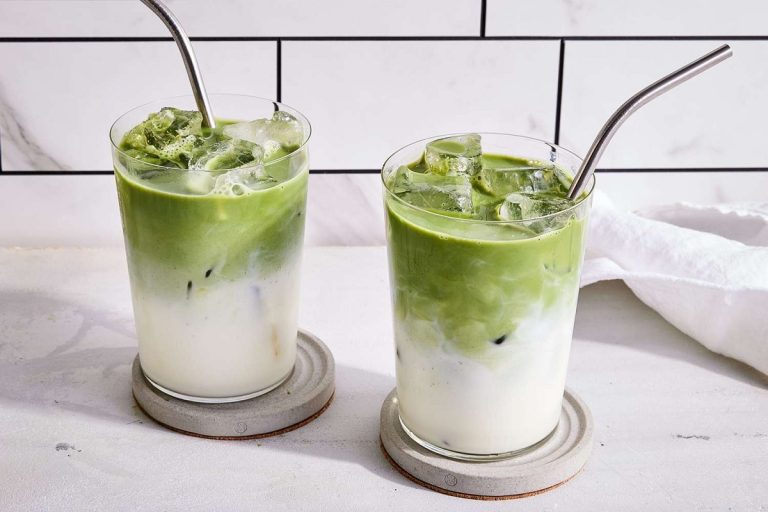
This distinction affects both flavor and the type of energy boost you experience. Matcha provides a smoother, more sustained alertness due to its combination of caffeine and L-theanine, unlike the rapid spike associated with espresso. Its earthy, subtly sweet flavor and creamy texture make it a unique beverage that can be enjoyed hot or cold, with or without milk alternatives.
Knowing whether matcha lattes contain espresso allows you to make informed choices at cafes or when preparing drinks at home. Do Matcha Lattes Have Espresso? Understanding this ensures you enjoy the benefits of matcha without the intense taste or caffeine spike of coffee, offering a gentler, more balanced experience.