Does Matcha Help Headaches – Natural Relief Or Just a Myth
Many people struggle with headaches and are constantly looking for natural ways to relieve them. Matcha, a finely ground powdered green tea, has gained attention not only for its vibrant color and flavor but also for its potential health benefits. Among these benefits, many wonder about its effects on headache relief and overall brain wellness.
Matcha contains caffeine, which is known to help narrow blood vessels and temporarily reduce headache symptoms in some cases. Additionally, the presence of L-theanine, an amino acid, can promote relaxation and reduce stress, which are common headache triggers. Together, these compounds may provide a gentle yet effective approach to easing discomfort.
Beyond caffeine, matcha is rich in antioxidants, which can support overall neurological health and help combat oxidative stress. Some individuals find that incorporating matcha into their routine helps improve focus and reduces tension that contributes to headaches.
Understanding how matcha interacts with the body and affects headache symptoms allows you to make informed choices. Enjoying matcha mindfully may provide relief while also supporting general wellness and calm alertness throughout the day.
Caffeine’s Role in Headache Relief
Caffeine is one of the most commonly discussed natural remedies for headaches. Found in coffee, tea, and matcha, it can have both preventative and therapeutic effects on headache symptoms. Understanding how caffeine interacts with the body and its role in headache relief helps individuals make informed choices about consumption and timing for optimal benefits.
How Caffeine Helps Reduce Headaches
Caffeine helps relieve headaches primarily by narrowing blood vessels in the brain. During certain types of headaches, such as migraines or tension headaches, blood vessels may dilate, contributing to pain and pressure. By constricting these vessels, caffeine can temporarily reduce the intensity of headache symptoms.
Additionally, caffeine increases the effectiveness of some over-the-counter pain relievers like ibuprofen or acetaminophen. This is why certain medications combine caffeine with pain-relieving compounds, as it enhances absorption and provides faster relief. For individuals experiencing mild headaches, a small serving of caffeine through matcha or coffee may help alleviate discomfort without relying on medication alone.
The timing and dosage of caffeine are important. A moderate amount consumed early in a headache episode can provide noticeable relief, while excessive consumption may lead to rebound headaches or dependency. Understanding your personal tolerance and the type of headache you’re experiencing is key to using caffeine effectively.
Caffeine and Tension Headaches
Tension headaches are often linked to stress, muscle tightness, and fatigue. Caffeine can help address some of these underlying causes by increasing alertness and reducing fatigue, which may indirectly ease tension-related pain. The calming effect of L-theanine in matcha further supports relaxation, making it a balanced option for headache management.
Consuming caffeine in moderation can help maintain focus and energy, reducing the mental strain that sometimes triggers tension headaches. People who incorporate matcha as part of a mindful routine may benefit from both the physical and mental aspects of headache relief. Paying attention to timing and serving size ensures that the caffeine works to support comfort rather than exacerbate symptoms.
Caffeine also has a preventative role for some individuals who experience regular tension headaches. By incorporating moderate amounts of caffeine earlier in the day, it may reduce the frequency or intensity of headaches, though excessive reliance should be avoided to prevent dependency or rebound effects.
Caffeine in Migraine Management
Migraines are more severe and complex than tension headaches, often accompanied by nausea, light sensitivity, or throbbing pain. Caffeine can provide temporary relief for migraine sufferers by constricting dilated blood vessels and increasing the absorption of pain relievers.
Matcha, with its moderate caffeine content, may serve as a gentle alternative to stronger caffeinated drinks for managing mild migraine symptoms. Its combination of caffeine and L-theanine can promote calm alertness without the jittery side effects often associated with coffee. Tracking personal response to caffeine during migraines is important, as tolerance levels vary and excessive caffeine can worsen symptoms.
In some cases, caffeine acts as a double-edged sword. While it can alleviate migraine pain, overuse or sudden withdrawal may trigger headaches. Understanding personal limits and using caffeine strategically ensures that it contributes to migraine management rather than exacerbating the condition.
Balancing Caffeine Intake for Headache Relief
For effective headache relief, balance is key. Consuming moderate amounts of caffeine, such as a serving of matcha or a cup of coffee, can help manage pain while minimizing negative effects. Timing, dosage, and individual sensitivity all play crucial roles in ensuring that caffeine provides relief without causing dependency or rebound headaches.
Integrating caffeine thoughtfully, especially through beverages like matcha that contain L-theanine and antioxidants, can offer a holistic approach to headache management. Mindful consumption not only addresses symptoms but also supports mental clarity, calm alertness, and overall well-being throughout the day.
L-Theanine and Relaxation Effects
L-Theanine is a naturally occurring amino acid found in matcha and other green teas. It is widely recognized for its ability to promote relaxation and mental clarity without causing drowsiness. Understanding how L-theanine interacts with the brain and body helps explain why matcha may support headache relief, stress reduction, and improved focus, making it a unique addition to your wellness routine.
How L-Theanine Promotes Relaxation
L-Theanine works by influencing neurotransmitters in the brain, including gamma-aminobutyric acid (GABA), serotonin, and dopamine. These chemicals help regulate mood, reduce stress, and create a sense of calm. By promoting the production of these neurotransmitters, L-theanine can counteract the overstimulation sometimes caused by caffeine, creating balanced alertness.
When consumed in matcha, L-theanine helps relax the mind and body while maintaining focus and clarity. This calming effect can be particularly beneficial for individuals who experience tension headaches or stress-related headaches. The combination of L-theanine and caffeine in matcha supports energy and mental clarity while reducing physical and emotional tension, which are common headache triggers.
Daily consumption of L-theanine through matcha has been linked to improved stress resilience. Individuals often notice reduced irritability, better concentration, and enhanced mood during periods of mental or physical strain. This creates a gentle, natural way to manage stress while promoting overall well-being.
L-Theanine and Headache Management
Stress and tension are major contributors to headaches. L-Theanine’s calming effects can help mitigate these factors, reducing the likelihood or severity of headaches. By promoting relaxation, L-theanine helps ease muscle tension, lower blood pressure, and reduce stress-induced hormonal fluctuations, all of which play a role in headache symptoms.
In combination with matcha’s moderate caffeine content, L-theanine provides a balanced approach to headache relief. The caffeine constricts blood vessels to alleviate pain, while L-theanine promotes calm alertness and reduces stress. This dual mechanism can be particularly effective for tension headaches, migraines triggered by stress, or daily discomfort caused by fatigue and mental strain.
L-theanine also supports improved sleep quality by calming the mind and reducing anxiety, which can indirectly help prevent headaches caused by poor rest. Maintaining a routine of matcha consumption with L-theanine may contribute to long-term headache management and overall neurological wellness.
Additional Benefits of L-Theanine
Beyond relaxation, L-theanine offers cognitive and mood-enhancing benefits. Studies have shown that it can improve attention, memory, and reaction time, supporting mental performance during stressful or demanding situations. This makes matcha a unique beverage that enhances both mental and physical well-being.
For individuals managing headaches, the combination of L-theanine’s calming effects, caffeine’s pain-reducing properties, and matcha’s antioxidant content creates a comprehensive natural approach. Regular consumption may help reduce headache frequency and intensity, while also promoting mental clarity, calm focus, and resilience to daily stressors.
L-Theanine’s presence in matcha underscores why this green tea variant is not only a flavorful beverage but also a functional tool for relaxation, stress management, and headache relief. Consuming matcha mindfully ensures you harness these benefits effectively, supporting both comfort and wellness throughout the day.
Anti-Inflammatory Properties of Matcha
Matcha is renowned not only for its vibrant green color and flavor but also for its health-promoting compounds, particularly its anti-inflammatory properties. Chronic inflammation can contribute to a variety of health issues, including headaches, joint discomfort, and cardiovascular problems. Consuming matcha regularly may help reduce inflammation, making it a natural option for supporting overall wellness and headache management.
How Matcha Reduces Inflammation
Matcha contains a high concentration of catechins, a type of antioxidant with potent anti-inflammatory effects. Among these, epigallocatechin gallate (EGCG) is particularly powerful, helping to neutralize free radicals that contribute to oxidative stress and inflammation in the body. By reducing oxidative damage, matcha helps protect cells and tissues from stress-induced injury.
Chronic inflammation is linked to tension headaches and migraines. The antioxidants in matcha may help reduce vascular inflammation, which contributes to headache pain. Drinking matcha regularly can create a protective effect, reducing the frequency and severity of headaches over time. Additionally, the combination of caffeine and L-theanine in matcha enhances alertness while calming the nervous system, which further supports headache prevention.
Regular matcha consumption has been associated with lower levels of inflammatory markers in the bloodstream. By moderating these markers, matcha can contribute to better cardiovascular health, improved immune response, and reduced systemic inflammation. This makes it a functional beverage for long-term health and headache management.
Anti-Inflammatory Effects on Headache Relief
Inflammation in the blood vessels and surrounding tissues can trigger or worsen headaches. By consuming matcha, individuals may experience relief due to the catechins’ ability to reduce inflammatory responses. EGCG and other polyphenols work to calm irritated tissues, improve blood flow regulation, and decrease oxidative stress, which are key factors in headache onset.
The anti-inflammatory properties of matcha complement its caffeine and L-theanine content. While caffeine helps constrict blood vessels to ease pain, L-theanine promotes calm focus, and antioxidants reduce inflammation at the cellular level. Together, these compounds offer a multifaceted approach to managing both acute headaches and chronic headache triggers.
For those prone to migraines or stress-related headaches, matcha can serve as a preventative measure. Consuming it consistently may help reduce the intensity and frequency of symptoms by targeting the underlying inflammatory processes, supporting both immediate and long-term relief.
Broader Health Benefits of Matcha’s Anti-Inflammatory Properties
Beyond headaches, matcha’s anti-inflammatory effects contribute to overall wellness. By reducing oxidative stress and inflammation, matcha supports cardiovascular health, boosts immune function, and may help protect against chronic diseases. The presence of EGCG and other catechins also aids in metabolic regulation, promoting healthy energy levels and weight management.
Incorporating matcha into daily routines creates a holistic approach to wellness. The beverage not only provides a gentle energy lift and mental clarity but also addresses underlying physiological stressors, including inflammation. For individuals seeking natural methods to support headache relief and long-term health, matcha offers a compelling, functional option.
Regular consumption encourages mindfulness and consistency, allowing you to enjoy both the sensory and functional benefits of matcha. Over time, its anti-inflammatory compounds may help reduce the frequency of headaches, promote cellular health, and contribute to a balanced, wellness-focused lifestyle.
Practical Tips for Using Matcha for Headache Relief
Matcha offers a natural approach to managing headaches, but using it effectively requires awareness of timing, preparation, and dosage. By understanding how to incorporate matcha into your routine, you can harness its caffeine, L-theanine, and antioxidant content to help reduce headache intensity, prevent future discomfort, and support overall wellness throughout the day.
Timing Your Matcha Intake
The timing of matcha consumption can impact its effectiveness for headache relief. Consuming matcha during the early stages of a headache may help reduce intensity by narrowing blood vessels with its caffeine content while calming the mind with L-theanine. For preventative use, drinking matcha in the morning or early afternoon provides sustained energy and reduces the likelihood of tension-related headaches.
Avoid consuming matcha too close to bedtime, as its caffeine content may interfere with sleep, which can exacerbate headaches. Many individuals find that pairing matcha with meals or light snacks enhances absorption and provides balanced energy without causing digestive discomfort or jitteriness. Experimenting with timing based on headache patterns and daily routine can help you identify the most effective window for consumption.
Optimal Dosage and Preparation
For headache relief, moderation is key. Typically, 1–2 teaspoons of matcha per serving provides enough caffeine and L-theanine to produce effects without overstimulation. Preparing matcha with water or a milk alternative allows for quick absorption and prevents stomach discomfort that may arise from consuming concentrated caffeine on an empty stomach.
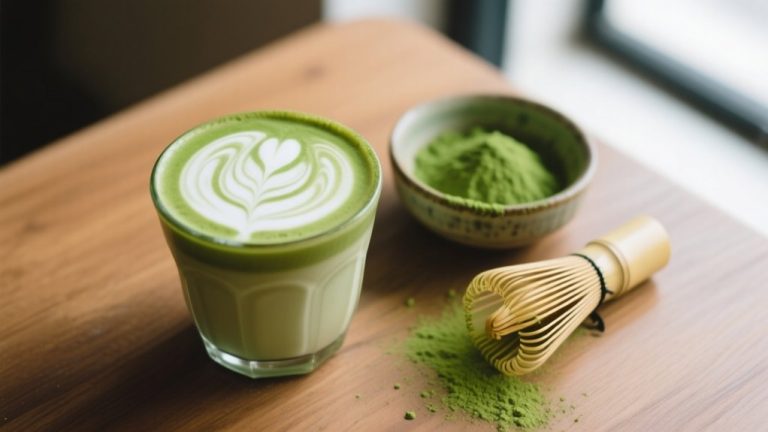
Whisking matcha properly ensures that the powder dissolves evenly, maximizing antioxidant and L-theanine benefits. Adding natural flavor enhancers such as a small amount of honey or lemon can improve taste without adding excess sugar, which may contribute to headaches or blood sugar fluctuations. Preparing matcha mindfully as part of a calming routine can amplify both its physical and mental benefits.
Combining Matcha With Other Headache Management Strategies
While matcha can help alleviate headaches, combining it with other natural strategies enhances results. Staying hydrated, taking breaks during screen time, practicing gentle stretches, and managing stress are all complementary approaches. Matcha works best as part of a holistic routine that addresses multiple headache triggers simultaneously.
For tension headaches or stress-related discomfort, incorporating mindfulness practices while sipping matcha can promote relaxation, ease muscle tension, and reduce stress-induced pain. Tracking the frequency and severity of headaches alongside matcha consumption helps identify patterns and ensures the beverage contributes effectively to your headache management plan.
Mindful Consumption Practices
Mindfulness enhances the effectiveness of matcha for headache relief. Taking a few moments to focus on breathing, calm the mind, and enjoy the ritual of preparation can enhance relaxation and reduce mental stress. This intentional approach works synergistically with matcha’s caffeine and L-theanine content to provide both physical and emotional relief.
Additionally, maintaining consistency in consumption allows you to benefit from matcha’s antioxidant and anti-inflammatory properties over time. Incorporating matcha into a daily wellness routine encourages long-term headache management, supports cellular health, and promotes a sense of calm alertness, making it a sustainable addition to a healthy lifestyle.
Frequently Asked Questions
Does Matcha Help Headaches Naturally?
Yes, matcha can help relieve headaches naturally due to its unique combination of caffeine, L-theanine, and antioxidants. The caffeine constricts blood vessels, which may reduce the intensity of headaches, while L-theanine promotes calm alertness and helps ease tension that often triggers pain.
Additionally, matcha’s antioxidants, particularly catechins like EGCG, help reduce inflammation, a key factor in many headache types. By supporting both physical and mental relaxation, matcha offers a holistic approach to headache relief without relying solely on medications. Incorporating it mindfully can improve overall comfort and wellness.
How Does Matcha’s Caffeine Affect Headache Relief?
The moderate caffeine content in matcha, usually around 60–70 mg per teaspoon, can help alleviate headache pain by narrowing dilated blood vessels in the brain. This mechanism is particularly helpful for migraines and tension headaches.
Unlike coffee, matcha’s caffeine works in combination with L-theanine, which smooths out potential jitters or overstimulation. This creates a balanced energy boost while reducing headache intensity. Timing your matcha intake early in a headache episode or during the day can maximize these benefits, helping you stay focused and comfortable.
Can L-Theanine in Matcha Reduce Headache Symptoms?
Yes, L-theanine in matcha contributes to headache relief by promoting relaxation and reducing stress, which are common triggers. It works by supporting neurotransmitters like GABA, serotonin, and dopamine, creating calm alertness without drowsiness.
This calming effect can ease tension in the neck, shoulders, and scalp, which often causes headaches. Drinking matcha mindfully while focusing on deep breathing or stress-reduction practices can enhance L-theanine’s benefits, helping you manage both the physical and mental factors that contribute to headache symptoms.
Does Matcha’s Anti-Inflammatory Property Help Headaches?
Absolutely, matcha’s anti-inflammatory properties play a significant role in reducing headache severity. Its catechins, especially EGCG, neutralize free radicals and reduce oxidative stress, which can cause or worsen headaches.
Inflammation in blood vessels and surrounding tissues is a common contributor to both tension headaches and migraines. By moderating inflammatory responses, matcha supports vascular health and reduces discomfort. Regular consumption may help decrease the frequency and intensity of headaches while providing additional benefits for overall wellness and brain health.
When Is The Best Time To Drink Matcha For Headache Relief?
The best time to drink matcha for headache relief is during the early stages of discomfort or as a preventative measure in the morning or early afternoon. Early consumption allows caffeine to constrict blood vessels and L-theanine to promote calm alertness without disrupting sleep.
For tension headaches, sipping matcha with a light meal can improve absorption and prevent stomach upset. Pre-workout or mid-afternoon matcha may also help reduce fatigue-related headaches. Avoiding late evening consumption ensures caffeine does not interfere with rest, which can exacerbate headache symptoms.
How Much Matcha Should You Drink For Headache Relief?
Most people benefit from 1–2 teaspoons of matcha per serving, which provides enough caffeine, L-theanine, and antioxidants to help relieve headaches. This amount is effective without causing overstimulation or potential side effects like jitteriness.
You can adjust based on personal caffeine tolerance, sensitivity, and headache severity. Combining matcha with hydration, light meals, or relaxation practices enhances its effectiveness. Mindful, moderate consumption supports headache management while promoting mental clarity, calm alertness, and overall wellness throughout the day.
Final Thoughts
Matcha offers a unique combination of caffeine and L-theanine, which can influence headache relief in some people. The moderate caffeine content may help reduce headache pain by narrowing blood vessels and improving blood flow, while L-theanine promotes relaxation and can reduce stress-related tension that often triggers headaches. Additionally, antioxidants in matcha may provide subtle anti-inflammatory benefits that support overall brain and vascular health.
When considering whether does matcha help headaches, it’s important to note that results can vary from person to person. Some may experience noticeable relief with a small cup, while others might find that caffeine sensitivity or overconsumption could worsen their discomfort. Hydration and timing also play a key role in maximizing potential benefits without triggering negative effects.
Ultimately, does matcha help headaches depends on moderation, individual sensitivity, and lifestyle factors. By paying attention to how your body responds and combining matcha with proper hydration, rest, and healthy habits, it can be a supportive option for headache management for some individuals.