How To Make A Matcha Cake: Step-By-Step Tips For A Perfect Green Tea Dessert
Baking with matcha has become increasingly popular because it adds a vibrant green color and a unique earthy flavor to desserts. Learning how to make a matcha cake opens up a world of creative possibilities, whether you’re preparing a simple loaf, a layered sponge, or a decadent matcha-infused dessert. The key lies in balancing the natural bitterness of matcha with sweetness and texture to create a harmonious treat.
Matcha powder can transform an ordinary cake into something visually stunning and flavorful. The vibrant green hue not only makes the dessert appealing but also highlights the delicate grassy, umami notes of the tea. By understanding proper measurement, mixing techniques, and pairing ingredients, you can elevate your baking skills and create a cake that impresses both in taste and appearance.
A matcha cake can be enjoyed on various occasions, from casual tea time to celebrations, offering a refreshing twist on traditional desserts. Mastering this process ensures consistent results with rich flavor, soft texture, and a perfect balance of sweetness and matcha intensity.
Baking a matcha cake also allows for customization, whether adding white chocolate, nuts, or cream fillings. Exploring these variations makes the experience fun and rewarding, and it ensures that every cake is uniquely suited to your taste preferences.
Ultimately, knowing how to make a matcha cake provides a satisfying opportunity to combine culinary skill with creativity, resulting in a beautiful, flavorful, and memorable dessert.
Ingredients Needed For Matcha Cake
Creating a delicious matcha cake begins with selecting the right ingredients. The combination of high-quality matcha powder, flour, sugar, eggs, and fats provides the foundation for flavor, texture, and structure. Understanding how each ingredient contributes allows you to create a soft, flavorful, and visually appealing cake while ensuring the distinctive taste of matcha shines through.
Matcha Powder
The most crucial ingredient in a matcha cake is, of course, matcha powder. High-quality ceremonial-grade matcha delivers a vibrant green color, smooth texture, and rich, earthy umami flavor. Lower-grade culinary matcha can also be used, but it may taste more bitter and less delicate.
The amount of matcha added affects both flavor and color intensity. Too little results in a mild taste and pale color, while too much can overpower the cake with bitterness. Sifting the matcha before mixing prevents clumping and ensures even distribution throughout the batter. Properly incorporating matcha allows the cake to retain its soft texture while showcasing the unique taste and aroma of the tea.
Pairing matcha with other ingredients, such as sugar or white chocolate, helps balance bitterness. Choosing high-quality matcha ensures a visually striking, flavorful cake that delivers the signature earthy notes without being overwhelming.
Flour and Leavening Agents
Flour provides structure to the matcha cake, creating a tender crumb while supporting other ingredients. All-purpose flour is commonly used, but cake flour can produce a lighter, softer texture. The choice of flour affects the final cake’s density and mouthfeel, making it important to measure accurately.
Leavening agents, such as baking powder or baking soda, are essential for lift and fluffiness. They react with other ingredients to create air pockets, preventing the cake from becoming dense. Proper measurement and folding techniques ensure the leavening works evenly throughout the batter, producing a soft, airy texture.
Combining the right flour with the correct amount of leavening allows the matcha flavor to shine while creating a moist and tender cake. Accuracy in measuring and mixing these ingredients is critical for achieving consistent results and avoiding flat or heavy cakes.
Eggs and Fats
Eggs contribute structure, moisture, and richness to matcha cakes. They help bind ingredients while incorporating air when whipped, which improves texture and lightness. Separating egg yolks and whites for certain recipes can enhance fluffiness, especially in sponge-style matcha cakes.
Fats, such as butter, oil, or margarine, add tenderness and flavor. Butter provides richness and subtle sweetness, while neutral oils help retain moisture, particularly in denser cakes. The balance between eggs and fat affects both taste and mouthfeel, ensuring the cake is soft, moist, and flavorful.
Properly creaming butter or combining oil with other ingredients allows even distribution, preventing uneven texture or greasiness. Understanding the role of eggs and fats ensures that your matcha cake achieves the ideal balance of lightness, moisture, and richness.
Sugar and Sweeteners
Sugar is vital for flavor, texture, and structure in a matcha cake. It balances the natural bitterness of matcha, enhances tenderness, and contributes to browning during baking. Granulated sugar is commonly used, but alternatives like brown sugar or powdered sugar can introduce subtle flavor variations and moisture differences.
The amount of sugar must be carefully calibrated to complement matcha without overwhelming it. Excess sugar can mask the delicate umami of matcha, while too little can leave the cake tasting sharp or bitter. Sugar also interacts with eggs and fats to create a soft, tender crumb.
In addition to sweetness, sugar helps with stability and volume. Proper mixing ensures even distribution, contributing to a consistent texture and flavor throughout the cake. Combining the right sugar type and amount is key to a balanced, visually appealing, and delicious matcha cake.
Milk and Liquid Ingredients
Milk or other liquid ingredients hydrate the batter and help dissolve powders like matcha and sugar evenly. Whole milk, plant-based alternatives, or a combination can add richness, creaminess, or subtle flavor variations depending on the recipe.
The right amount of liquid ensures the batter is smooth and pourable while preventing it from being too dense or dry. Liquids also help the cake rise evenly by activating leavening agents. Adjusting liquids for different types of flour or fats can fine-tune texture and moisture, creating a soft, tender crumb.
Incorporating milk or other liquids properly allows matcha to blend fully with the batter, producing a uniform color, smooth texture, and well-balanced flavor. It is a critical component for ensuring both taste and structural integrity of the cake.
Optional Flavor Enhancements and Toppings
Optional ingredients like vanilla extract, white chocolate, or nuts can enhance a matcha cake’s flavor and texture. Vanilla adds aroma and sweetness, complementing the earthy notes of matcha, while white chocolate creates a creamy, indulgent contrast. Nuts, seeds, or even citrus zest can add crunch, depth, and visual appeal.
Toppings like powdered sugar, glaze, or whipped cream provide finishing touches that elevate the cake’s presentation. Carefully chosen enhancements accentuate the matcha flavor without overpowering it. Understanding how to incorporate these optional ingredients ensures your cake is both flavorful and visually impressive.
By selecting quality matcha, balancing core ingredients, and adding thoughtful enhancements, you can create a matcha cake that is moist, flavorful, and visually striking. Each ingredient plays a role in flavor, texture, and appearance, making careful selection and preparation essential for a successful bake.
Ingredients Needed For Matcha Cake
Creating a matcha cake requires the right combination of ingredients to ensure it has the perfect balance of flavor, texture, and appearance. Every component plays a role, from the vibrant matcha powder to the binding agents and sweeteners. Understanding each ingredient and its function allows you to craft a cake that is moist, tender, and beautifully green.
Matcha Powder
Matcha powder is the star ingredient in a matcha cake. High-quality ceremonial-grade matcha provides a vibrant green color, delicate sweetness, and rich umami flavor. Culinary-grade matcha can also be used for baking, but it tends to be slightly more bitter, so balancing with sugar or other sweeteners is important.
The amount of matcha used affects both flavor intensity and color. Too little powder results in a pale, weakly flavored cake, while too much can make the cake overly bitter and dense. Sifting the matcha before incorporating it into the batter helps prevent clumping, ensuring an even distribution and smooth texture.
Pairing matcha with complementary ingredients, like white chocolate or vanilla, helps soften its natural earthiness while preserving its distinct flavor. Using high-quality matcha ensures the cake not only tastes great but also has a visually appealing, bright green hue.
Flour and Leavening Agents
Flour provides the structure and body for the cake, creating a tender crumb that supports other ingredients. All-purpose flour is commonly used, but cake flour produces a lighter, softer texture. Proper measurement is key to avoid a dry or dense cake, which can happen if flour is overpacked or unevenly incorporated.
Leavening agents, such as baking powder or baking soda, are essential to achieve a soft and fluffy texture. They react with the liquid and other ingredients in the batter to create air pockets, preventing the cake from collapsing or becoming too dense. Accurate measurement and even folding into the batter ensure consistent rise throughout.
The combination of flour and leavening agents allows the cake to hold its shape while remaining tender. This is particularly important for matcha cakes, as the vivid green color and delicate flavor need a soft, balanced base to shine. Proper technique and ingredient quality ensure a well-risen and flavorful cake.
Eggs and Fats
Eggs and fats are crucial for texture, moisture, and richness in a matcha cake. Eggs provide structure and stability, while incorporating air during mixing helps the cake rise. Some recipes call for separating eggs to whip the whites, which creates a lighter, sponge-like texture.
Fats, such as butter or oil, contribute tenderness and flavor. Butter adds richness and a subtle sweetness, while oils retain moisture and create a soft crumb. The ratio of eggs to fat affects the cake’s density and mouthfeel, ensuring it is moist without being greasy.
Properly mixing eggs and fats allows for even incorporation and prevents separation during baking. This combination ensures a cake that is light, moist, and flavorful, with a smooth texture that complements the earthiness of matcha.
Sugar and Sweeteners
Sugar balances the natural bitterness of matcha while providing structure and tenderness to the cake. Granulated sugar is most common, but alternatives like brown sugar or powdered sugar can add different flavors and moisture content.
The correct amount of sugar ensures the cake is sweet enough to offset matcha’s earthiness without overpowering it. Sugar also helps with browning during baking, giving the cake a pleasing golden hue around the edges while maintaining its bright green interior.
Proper mixing ensures sugar is evenly distributed, contributing to a uniform texture. Balancing sweetness with matcha intensity is essential for a harmonious flavor, making sugar an integral ingredient for both taste and texture.
Milk and Liquid Ingredients
Milk or other liquids hydrate the batter and help blend ingredients smoothly. Whole milk adds richness and tenderness, while plant-based alternatives like soy, almond, or oat milk provide subtle flavors and cater to dietary preferences.
The right amount of liquid ensures the batter is pourable but not too runny, which affects baking time and texture. Liquids also activate leavening agents, helping the cake rise evenly and maintain a soft crumb. Proper incorporation of milk or liquid ensures the matcha is fully dissolved, enhancing color and flavor throughout the cake.
By carefully selecting and balancing matcha, flour, eggs, fats, sugar, and liquids, you can create a matcha cake that is flavorful, moist, and visually stunning. Each ingredient plays a critical role in achieving the perfect texture and taste, making preparation and measurement essential for baking success.
Preparing The Matcha Mixture
Preparing the matcha mixture is a crucial step in making a matcha cake, as it ensures the vibrant green powder is evenly incorporated into the batter for consistent flavor and color. Proper preparation prevents clumping, balances bitterness, and allows the natural umami of matcha to shine. Understanding techniques, tools, and ingredient ratios makes this process smooth and effective.
Sifting the Matcha Powder
Sifting the matcha powder before combining it with other ingredients is an essential first step. This helps remove any clumps that could create uneven pockets of flavor in the cake and ensures a smooth, uniform texture. A fine-mesh sieve works best for this purpose.
Gently tapping or shaking the sieve allows the matcha to fall evenly into a bowl, creating a light, airy powder that mixes easily. Sifting also helps prevent the formation of lumps when combined with wet ingredients, which can negatively affect both texture and appearance.
This step is particularly important for high-quality matcha, which can be delicate and prone to clumping. Properly sifted matcha ensures the final cake has a consistent green color and balanced flavor in every bite, highlighting the tea’s signature umami notes.
Mixing Matcha With Dry Ingredients
After sifting, the matcha powder is typically combined with other dry ingredients like flour, baking powder, or sugar. This ensures that the matcha is evenly distributed throughout the batter, preventing uneven pockets of flavor or concentrated bitterness.
Gently whisking or folding the dry ingredients together allows for a uniform mixture. Avoid vigorous stirring, as this can create air pockets that affect the cake’s texture or cause uneven rise during baking. Even distribution is key to achieving consistent flavor and a smooth crumb.
Combining matcha with dry ingredients also makes it easier to incorporate into wet components later. By ensuring the powder is evenly blended, you avoid streaks of green and achieve a visually appealing, vibrant cake with uniform taste.
Creating the Wet Mixture
Preparing the wet mixture is the next step and involves combining eggs, fats, milk, and any liquid flavorings. This mixture provides structure, moisture, and richness to the cake while helping the matcha integrate smoothly.
Beating the eggs thoroughly incorporates air, which contributes to a light and tender texture. Creaming butter with sugar creates a smooth base, while gradually adding milk or other liquids ensures the mixture remains even and free of lumps. Proper wet mixing sets the stage for easy incorporation of the matcha-flour blend.
Attention to temperature is important as well. Room temperature ingredients mix more evenly, reducing the risk of curdling or separation. A well-prepared wet mixture allows the matcha to disperse uniformly, creating a smooth batter with balanced color and flavor.
Combining Wet and Dry Ingredients
Once the wet and dry mixtures are prepared, they are combined to form the cake batter. Gently folding the matcha-flour blend into the wet mixture preserves air pockets while ensuring even distribution. Overmixing can lead to a dense cake, so slow, deliberate folding is recommended.
Using a spatula, scrape the sides of the bowl frequently to incorporate all ingredients, ensuring no streaks of flour or matcha remain. This careful mixing maintains the batter’s light texture while achieving a uniform green color throughout.
Proper combination also ensures that the cake rises evenly and retains a soft crumb. The balance between wet and dry ingredients influences both texture and flavor, making careful folding essential for a professional-quality matcha cake.
Achieving the Right Consistency
The final matcha mixture should be smooth, slightly thick, and pourable. The batter must hold its shape while being flexible enough to spread evenly in the cake pan. Achieving the correct consistency ensures proper baking, resulting in a tender, moist cake with vibrant color.
If the batter is too thin, the cake may spread excessively and bake unevenly. If too thick, it can become dense or dry. Adjustments can be made by adding a small amount of milk or dry ingredients as needed, maintaining balance while keeping the flavor consistent.
Properly prepared matcha batter guarantees a visually striking cake with a soft, tender crumb. Attention to sifting, blending, and folding ensures that every slice delivers the earthy, umami-rich taste of matcha while maintaining a perfect texture throughout.
Making The Cake Batter
Making the cake batter is a critical step in creating a perfect matcha cake, as it determines the texture, rise, and even distribution of flavor. Proper mixing techniques, accurate ingredient ratios, and careful attention to consistency ensure that the batter is smooth, airy, and ready for baking. Mastering this step sets the foundation for a cake that is moist, tender, and full of matcha flavor.
Creaming Butter and Sugar
The first step in many matcha cake recipes is creaming the butter and sugar. This process incorporates air into the fat, creating a light and fluffy base that contributes to the cake’s tender texture. Use room-temperature butter for optimal mixing, ensuring it blends smoothly with the sugar.
Creaming requires beating the butter and sugar together until the mixture is pale and airy. This not only adds volume but also ensures that the sweetness is evenly distributed. Properly creamed butter and sugar create a smooth, uniform batter that helps the cake rise evenly and develop a soft crumb.
The creaming stage also impacts flavor. By thoroughly blending sugar with butter, the bitterness of matcha is balanced, and the overall taste becomes more harmonious. Skipping or rushing this step can lead to dense or unevenly textured cakes, so careful attention is important.
Incorporating Eggs
Eggs are added next to provide structure, moisture, and richness. Gradually incorporating eggs into the creamed butter and sugar ensures that the batter remains stable and smooth. Beating each egg thoroughly before adding the next helps maintain an even mixture and prevents curdling.
Eggs also play a role in leavening by trapping air when whipped, which contributes to a light and tender texture. For sponge-style matcha cakes, separating yolks and whites and folding whipped egg whites into the batter can create even more lift and fluffiness.
The combination of eggs with creamed butter and sugar sets the foundation for the cake’s structure, moisture, and flavor. Proper technique ensures the batter is smooth, well-blended, and ready for the incorporation of dry ingredients without compromising rise or texture.
Folding in Dry Ingredients
Once the wet mixture is prepared, it’s time to fold in the sifted dry ingredients, including matcha powder, flour, and leavening agents. Folding rather than stirring helps maintain air pockets, preventing the batter from becoming dense or heavy.
Gently fold the dry ingredients using a spatula, scraping the sides and bottom of the bowl to ensure even incorporation. Avoid overmixing, as this can break down the air bubbles created during creaming and result in a compact cake. The goal is a uniform green batter with no streaks of flour or matcha.
Proper folding ensures consistent texture and color, allowing the matcha flavor to be evenly distributed throughout the cake. It also sets the stage for an even rise and a light, tender crumb that is characteristic of well-made matcha cakes.
Achieving the Right Batter Consistency
The final batter should be smooth, slightly thick, and pourable. A batter that is too runny can spread too much in the pan, while one that is too stiff may produce a dense cake. Proper consistency ensures even baking and optimal texture.
Check the batter by lifting the spatula; it should fall in thick ribbons and blend back smoothly into the mixture. Adjustments can be made with small amounts of milk or flour if necessary, maintaining balance while preserving flavor and texture.
Creating the perfect matcha cake batter is about precision, technique, and attention to detail. A well-prepared batter guarantees a cake that rises evenly, has a tender crumb, and showcases the earthy, umami-rich flavor of matcha in every bite.
Step by Step Baking Instructions
Baking a matcha cake requires attention to detail, proper timing, and careful temperature control to achieve the perfect texture, flavor, and color. Following step-by-step instructions ensures your cake rises evenly, remains moist, and fully develops the rich, earthy taste of matcha. Each stage, from pan preparation to cooling, contributes to a successful, visually appealing dessert.
Preparing the Cake Pan
The first step in baking a matcha cake is properly preparing your cake pan. This ensures the cake doesn’t stick and bakes evenly. Start by lightly greasing the pan with butter or nonstick spray, making sure to cover the sides and corners. For extra security, line the bottom with parchment paper cut to fit precisely.
Proper preparation helps the cake release easily after baking without breaking or crumbling. It also allows heat to distribute evenly, which is critical for uniform baking. Choosing the right pan size is important; a pan that is too large will result in a thinner, overbaked cake, while one that is too small may cause undercooking in the center.
Greasing and lining the pan may seem simple, but this step is crucial for both texture and presentation. A well-prepared pan ensures your matcha cake maintains its shape and smooth surface, making it easier to decorate or serve.
Preheating the Oven
Preheating the oven is essential for proper cake rise and texture. Set your oven to the temperature specified in the recipe, typically between 325°F and 350°F for matcha cakes. Allow the oven to reach full temperature before placing the cake inside to ensure even baking.
Starting with a hot oven activates the leavening agents immediately, allowing the cake to rise properly. Placing batter in a cold or under-heated oven can result in uneven baking, dense texture, or a sunken center. Proper preheating contributes to consistent crumb structure and maintains the vibrant green color of matcha.
Position the cake in the center of the oven, away from direct heat sources. Avoid opening the oven door frequently during baking, as sudden temperature changes can cause the cake to collapse. Preheating and careful placement set the foundation for a well-baked, tender matcha cake.
Baking the Cake
Once the oven is preheated and the pan prepared, carefully pour the matcha batter into the pan, smoothing the top with a spatula. Ensure the batter is evenly distributed to promote uniform rise and consistent texture.
Place the pan in the center of the oven and bake according to the recipe’s timing. Most matcha cakes require 25–40 minutes, depending on size and thickness. Use a toothpick or cake tester inserted into the center to check doneness; it should come out clean or with a few crumbs, not wet batter.
During baking, avoid opening the oven door frequently, as temperature fluctuations can affect the rise and texture. Proper baking ensures the cake develops a soft, tender crumb while retaining moisture. The vibrant green color of matcha should remain visible, indicating the powder has not overcooked or browned excessively.
Cooling the Cake
Cooling the matcha cake is a crucial step to preserve texture and prevent breakage. Once removed from the oven, let the cake rest in the pan for 10–15 minutes. This allows it to firm up slightly, making removal safer.
After initial cooling, carefully run a knife around the edges and invert the cake onto a wire rack. Remove the parchment paper and allow the cake to cool completely. Cooling on a wire rack prevents condensation from forming, which can make the cake soggy.
Proper cooling also enhances flavor development. As the cake cools, the matcha flavor becomes more pronounced and evenly distributed throughout the crumb. Skipping this step can lead to a dense or uneven texture when slicing or serving.
Preparing for Decoration or Serving
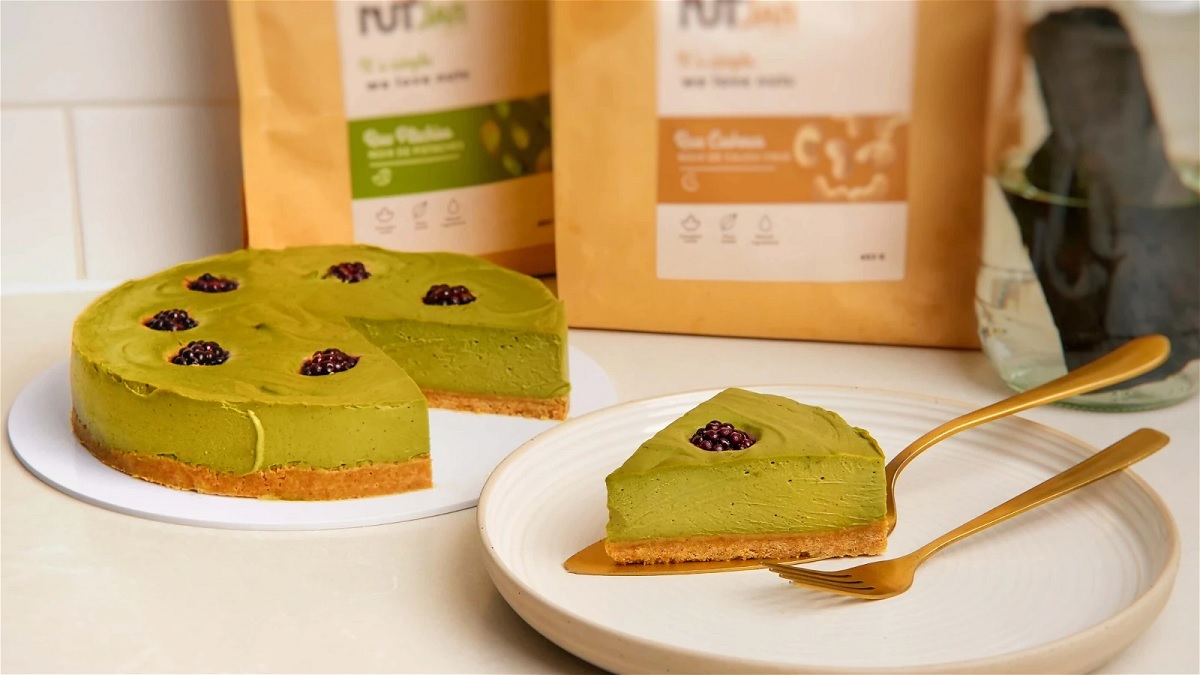
Once fully cooled, your matcha cake is ready for decoration, frosting, or serving. Lightly dust with powdered sugar, drizzle with glaze, or add a layer of whipped cream to complement the earthy flavor of matcha. Decorations can also include fresh berries, white chocolate, or nuts for added texture and visual appeal.
Before slicing, ensure the cake is completely cool to maintain clean, even cuts. Using a serrated knife and wiping it between slices prevents crumbs from scattering. Thoughtful presentation enhances both taste and visual appeal, turning a simple matcha cake into an elegant dessert.
By carefully following each step—from pan preparation and preheating to baking, cooling, and serving—you ensure a matcha cake that is moist, flavorful, and visually striking. Proper technique at every stage maximizes texture, color, and flavor, creating a dessert that is satisfying and impressive every time.
Frosting and Decoration Ideas
Frosting and decoration elevate a matcha cake, transforming it from a simple dessert into a visually stunning and flavorful treat. Choosing complementary frostings, toppings, and presentation techniques enhances the natural earthy taste of matcha while adding sweetness, texture, and elegance. Understanding frosting types and creative decoration methods ensures your cake is both delicious and aesthetically pleasing.
Matcha Buttercream Frosting
One of the most popular frostings for a matcha cake is matcha buttercream. Combining unsalted butter, powdered sugar, a touch of vanilla, and matcha powder creates a smooth, creamy topping that pairs perfectly with the cake’s earthy flavor. The frosting adds sweetness without overpowering the delicate taste of the tea.
Properly beating the butter before adding sugar ensures a light, fluffy texture that spreads easily. Gradually folding in sifted matcha powder prevents clumps and maintains the vibrant green color. Matcha buttercream can be piped into decorative patterns, spread smoothly for a classic look, or layered between cake tiers for added flavor.
This frosting complements a wide range of additional decorations, from white chocolate shavings to edible flowers, allowing you to create a visually stunning and flavorful matcha cake that highlights its signature earthy notes.
Cream Cheese and Whipped Cream Options
Cream cheese frosting offers a tangy contrast to the sweet, earthy flavor of matcha, creating a balanced taste profile. Mixing cream cheese with butter, powdered sugar, and a small amount of vanilla results in a smooth, spreadable frosting that pairs well with sponge or chiffon matcha cakes.
Whipped cream is another versatile option. Light and airy, it adds a subtle creaminess without masking the matcha flavor. Slightly sweetened whipped cream can be piped in decorative swirls or used as a filling between layers for a delicate touch. Both cream cheese and whipped cream allow for flexibility in decorating while keeping the cake soft and moist.
These frostings also serve as a base for additional enhancements like fruit, chocolate, or nuts, allowing you to balance texture, sweetness, and visual appeal. They are ideal for those who prefer a lighter, less sugary topping.
Decorative Toppings and Garnishes
Decorative toppings add texture, color, and visual interest to a matcha cake. Popular choices include white chocolate curls, toasted nuts, fresh berries, edible flowers, or a light dusting of powdered sugar. These elements create contrast and enhance both flavor and presentation.
When adding garnishes, consider balance. For example, tart berries complement the sweetness of frosting and earthy matcha, while white chocolate adds richness and visual contrast. Nuts like almonds or pistachios provide a crunchy texture that enhances mouthfeel and creates a sophisticated look.
Placement and proportion matter—scattered toppings can create a natural, casual look, while symmetrical arrangements provide elegance. Using complementary colors, like red berries or golden nuts, emphasizes the vibrant green hue of the matcha.
Drizzles, Glazes, and Layers
Adding drizzles or glazes introduces flavor depth and visual appeal. A white chocolate or vanilla glaze can be poured over the top, creating a glossy finish and subtle sweetness. Layered cakes can incorporate frosting between tiers or fillings like red bean paste or custard for added texture and flavor.
Drizzles and layers also allow for creativity. You can alternate colors, create patterns, or use a palette knife to achieve artistic effects. These techniques make the cake more visually striking while enhancing taste, creating a multi-dimensional dessert experience.
Presentation Tips
Finally, presentation plays a crucial role in highlighting your matcha cake’s beauty. Using a cake stand, carefully trimming edges, and evenly spreading frosting creates a professional finish. Adding small accents, like edible gold leaf or delicate flowers, can make the cake suitable for special occasions or gifting.
Proper slicing is essential for maintaining aesthetics. A serrated knife, lightly warmed, ensures clean cuts without crumbs. Combining thoughtful presentation with complementary frostings and decorations allows your matcha cake to impress both visually and in flavor.
By exploring frosting options, decorative toppings, drizzles, and presentation techniques, you can create a matcha cake that is both delicious and visually stunning. Attention to detail in decoration enhances flavor, texture, and overall appeal, making every slice an enjoyable experience.
Frequently Asked Questions
What Ingredients Are Essential For Making A Matcha Cake?
To make a matcha cake, you need several key ingredients that contribute to flavor, texture, and structure. High-quality matcha powder is essential for a vibrant green color and earthy, umami flavor. You’ll also need flour for structure, eggs for binding and moisture, sugar to balance bitterness, and fats like butter or oil for richness.
Additional ingredients like milk or plant-based alternatives help hydrate the batter, while leavening agents like baking powder ensure the cake rises properly. Understanding the role of each ingredient allows you to create a moist, flavorful cake that highlights matcha’s unique taste.
How Do You Prepare Matcha Powder For Baking?
Preparing matcha powder correctly is important for a smooth, evenly flavored cake. Begin by sifting the powder to remove clumps, which ensures even distribution throughout the batter. This step prevents pockets of concentrated matcha and helps achieve a uniform green color.
You can mix sifted matcha with other dry ingredients, like flour and sugar, before folding it into the wet mixture. This method avoids uneven mixing and enhances texture. Proper preparation of matcha powder ensures that the cake has consistent flavor, vibrant color, and a soft, tender crumb.
What Is The Best Method For Mixing The Cake Batter?
Mixing the cake batter requires careful attention to technique. Start by creaming butter and sugar to incorporate air, creating a light, fluffy base. Gradually add eggs, beating thoroughly to ensure stability and smoothness. Fold in the sifted dry ingredients, including matcha, gently to preserve air bubbles and prevent dense texture.
Avoid overmixing, as this can result in a heavy cake. Proper technique ensures the batter is smooth, evenly colored, and well-aerated, contributing to a tender crumb and consistent rise during baking. Attention to mixing is key to achieving a high-quality matcha cake.
How Long Should A Matcha Cake Be Baked?
The baking time for a matcha cake varies depending on size, type, and oven temperature. Typically, cakes require 25–40 minutes at 325–350°F. To check doneness, insert a toothpick into the center; it should come out clean or with a few crumbs, but not wet batter.
Baking too long can dry out the cake, while underbaking can leave the center dense and gummy. Proper timing ensures a tender, moist crumb and preserves the bright green color of matcha. Following the recipe closely and monitoring the cake is essential for optimal results.
What Are Some Popular Frosting Options For Matcha Cake?
Several frostings complement matcha’s earthy flavor. Matcha buttercream enhances the flavor while adding sweetness and a smooth texture. Cream cheese frosting provides tanginess that balances bitterness, while lightly sweetened whipped cream adds a delicate, airy touch.
These frostings can be spread, piped, or layered between cake tiers. You can also add decorative touches like white chocolate, berries, nuts, or edible flowers to enhance flavor and appearance. Choosing the right frosting helps balance taste and texture while creating a visually appealing dessert.
Can You Customize A Matcha Cake With Additional Flavors Or Toppings?
Yes, matcha cake is highly versatile and can be customized with complementary flavors and textures. White chocolate, citrus zest, nuts, or red bean paste enhance flavor and add variety. Toppings like berries, powdered sugar, or edible flowers improve visual appeal.
Layering or filling the cake with cream, custard, or fruit puree introduces additional moisture and flavor. Customization allows you to create a cake tailored to personal taste, making it perfect for celebrations or gifting. Thoughtful additions elevate both taste and presentation without overpowering matcha’s signature earthy flavor.
Final Thoughts
Creating a homemade matcha cake can be a fun and rewarding experience, especially when you pay attention to ingredient quality and preparation techniques. The vibrant green color and subtle earthy flavor of matcha make it a standout dessert, whether you are baking for a special occasion or simply treating yourself. Proper mixing, accurate measurements, and careful baking ensure your cake turns out moist, flavorful, and visually appealing.
Learning how to make a matcha cake allows you to experiment with different textures and flavors. From classic buttercream frosting to cream cheese or white chocolate toppings, you can customize the cake to suit your taste. Adding complementary ingredients like nuts, fruits, or red bean paste can enhance the overall flavor and create a unique dessert experience.
With practice and attention to detail, your matcha cake can rival café-quality desserts. Understanding the balance of matcha powder, sweetness, and baking time helps achieve a soft, fragrant, and delicious cake that impresses both visually and in taste.