Is A Mocha Coffee – Explained Simply
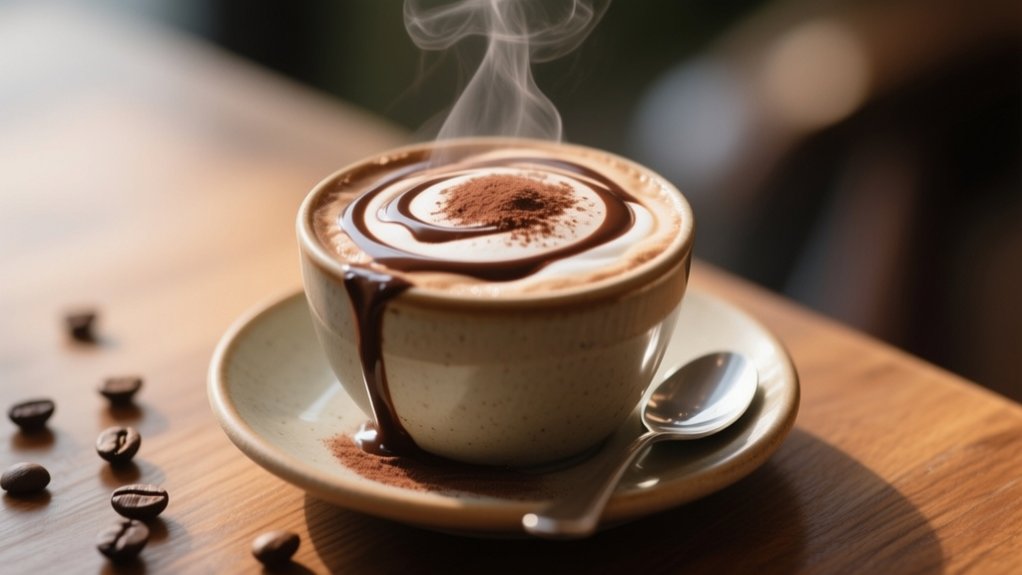
A mocha coffee blends rich espresso with velvety steamed milk and chocolate syrup or cocoa for a sweet, indulgent flavor you’ll love. Originating from Yemen’s historic coffee trade, mocha combines the bitterness of coffee with smooth, chocolatey notes, setting it apart from cappuccinos and lattes.
Often topped with whipped cream, it’s customizable and perfect for those craving a decadent twist. If you want to know how to make it or explore its variations, keep exploring.
The Essential Ingredients of a Mocha Coffee
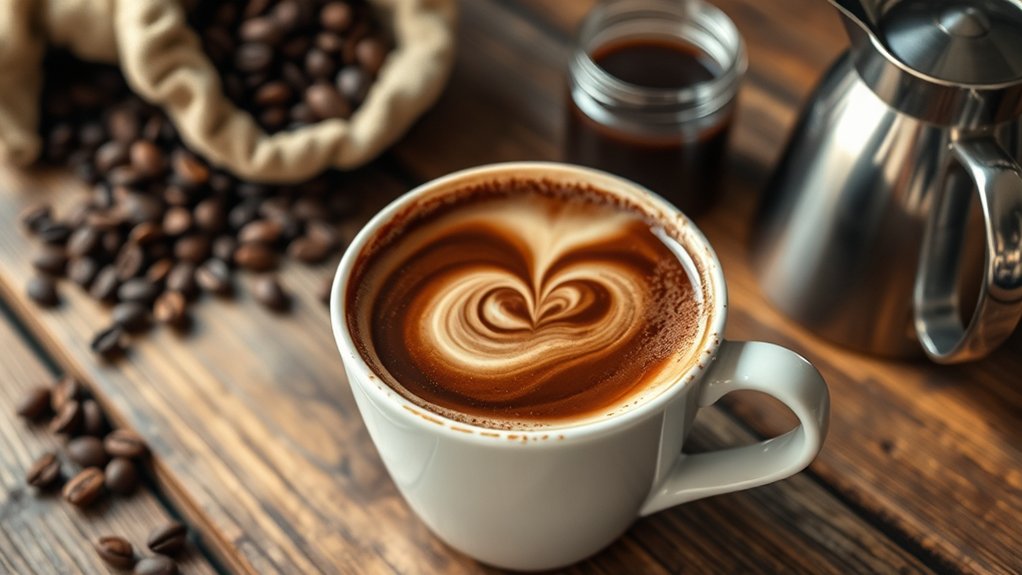
A mocha coffee blends the bold intensity of espresso with the creamy smoothness of steamed milk and the rich sweetness of chocolate.
To make a classic mocha, start with one-third of an espresso shot, which delivers a robust coffee flavor.
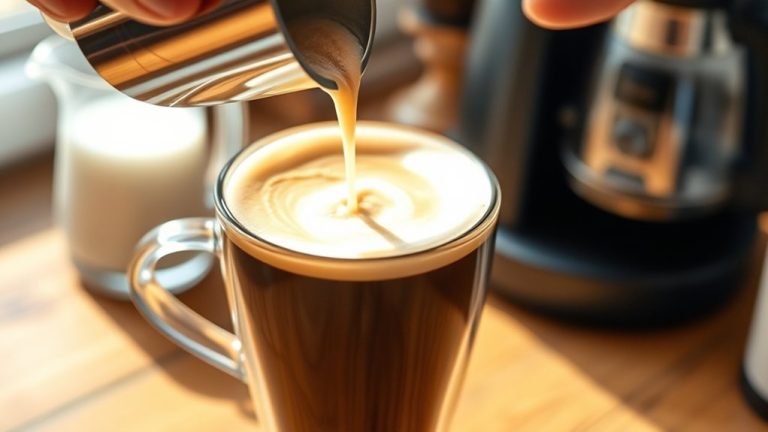
Then, add two-thirds steamed milk to create a velvety texture that softens the espresso’s bitterness.
The key to its signature taste is chocolate flavoring, either chocolate syrup or cocoa powder, mixed in to provide that comforting sweetness.
You can customize your mocha by choosing different types of chocolate, such as dark, milk, or white chocolate, tailoring the flavor to your preference.
Optional toppings like whipped cream or chocolate dust can enhance both taste and presentation, making your mocha coffee a perfectly balanced indulgence.
Where Mocha Coffee Got Its Name
You’ll find that the name “mocha” actually traces back to Al Mokka, a Yemeni port that was pretty important in the coffee trade from the 15th to the 18th centuries.
This port exported coffee beans known for their natural chocolate notes, which is where the term started being used in Europe.
Knowing this history makes it easier to appreciate how mocha coffee’s identity came together through global trade and unique flavors.
It’s pretty fascinating how a place so far away influenced something we enjoy every day!
Origin Of Mocha
The name “mocha” traces back to the Yemeni port of Al Mokka, a bustling hub that dominated the coffee trade from the 15th to 18th centuries.
Mocha beans from this region were prized for their distinctive natural sweetness and subtle chocolate flavouring, setting them apart from other coffee varieties.
When European traders imported Arabian coffee, they often called it “mocha,” even though genuine Yemeni beans were rare and sometimes blended with others.
The unique chocolate notes in these beans likely inspired the modern mocha beverage, which combines coffee and chocolate.
Over time, the meaning of “mocha” shifted from referring solely to these specific beans to describing drinks that blend coffee with chocolate.
This transformation took hold in the early 20th century.
Historical Coffee Trade
Understanding where mocha coffee got its name means looking closely at the historical coffee trade centered around the Yemeni port of Al Mokka. This port served as an essential hub from the 15th to 18th centuries, exporting the prized mocha bean known for its naturally sweet, chocolatey flavor.
When European traders imported coffee through Al Mokka, they began calling these Arabian coffee imports “mochas,” even though actual Yemeni coffee was rare in Europe. Over time, blends combining Yemeni beans with those from Abyssinia and Malabar emerged, enriching the mocha’s profile.
By the early 1900s, recipes mixing chocolate and coffee appeared, transforming “mocha” from simply a bean variety into a beloved coffee beverage.
The historical coffee trade at the Yemeni port truly shaped mocha’s legacy.
The Cultural Significance of Mocha Coffee
When you enjoy mocha coffee, you’re really tapping into a rich history. It all traces back to the bustling coffee trade in Yemen’s port of Al Mokka. Pretty interesting, right?
Then, in 17th century Italy, someone had the brilliant idea to blend coffee and chocolate. Two beloved flavors came together to create something truly unique.
This cultural mix didn’t just make a tasty drink—it shaped mocha’s identity.
Today, it stands as more than just a beverage; it’s a symbol of global exchange and innovation.
Historical Coffee Trade
Although many coffee lovers today associate mocha with a delicious blend of coffee and chocolate, the term originally referred to a specific type of coffee bean traded through the Yemeni port of Al Mokka between the 15th and 18th centuries.
This port was a crucial hub for the historical coffee trade, exporting beans known for their naturally sweet, chocolate-like flavor.
Europeans called these Arabian imports “mochas,” even though Yemeni coffee was rare and often mixed with other beans.
The historical significance of mocha coffee lies in its role in inspiring the cultural fusion of coffee and chocolate, which began as early as 17th-century Italy.
Mocha beans’ unique chocolate undertones shaped coffee culture.
Al Mokka served as a key trading center.
European demand popularized mocha-labeled coffee.
Early fusion of coffee and chocolate influenced modern recipes.
Chocolate And Coffee Fusion
Because mocha coffee originally featured beans with natural chocolate undertones, it naturally inspired a fusion of coffee and chocolate that resonates deeply in modern beverage culture.
When you savor mocha coffee, you experience a chocolatey profile rooted in the historic Yemeni beans exported through Al Mokka.
This blend reflects centuries-old trade routes linking Yemen and Europe, where coffee traditions merged with chocolate flavoring. The term “mocha” evolved to represent this unique coffee and chocolate combination, appealing to both coffee aficionados and chocolate lovers alike.
You’ll find variations like mochaccino and tuxedo mocha highlighting mocha coffee’s versatility, each presenting distinct flavor nuances.
This cultural fusion not only honors its rich heritage but also delivers a globally cherished, indulgent beverage experience.
How Mocha Coffee Tastes Compared to Other Drinks
How does a mocha coffee stand out in flavor compared to other popular espresso drinks? When you sip a mocha drink, you experience a rich blend of coffee with nutty, chocolatey notes that distinguishes it from simpler espresso variations.
A mocha coffee offers a rich, nutty chocolate flavor that sets it apart from simpler espresso drinks.
Its sweetness, enhanced by chocolate syrup or powder, sets it apart from the more bitter cappuccino or creamy latte.
The steamed milk adds a velvety texture, making each sip indulgent and smooth.
Consider these key differences when enjoying your mocha:
- Combines bitter espresso with sweet chocolate for a unique flavor
- Sweeter than cappuccinos due to higher sugar and whipped cream topping
- Velvety smooth texture contrasts with lighter, airier espresso drinks
- Offers a decadent, chocolate-forward experience unlike plain lattes
This makes mocha coffee a delicious choice if you crave a sweeter, richer coffee experience.
The Difference Between Mocha, Cappuccino, and Latte
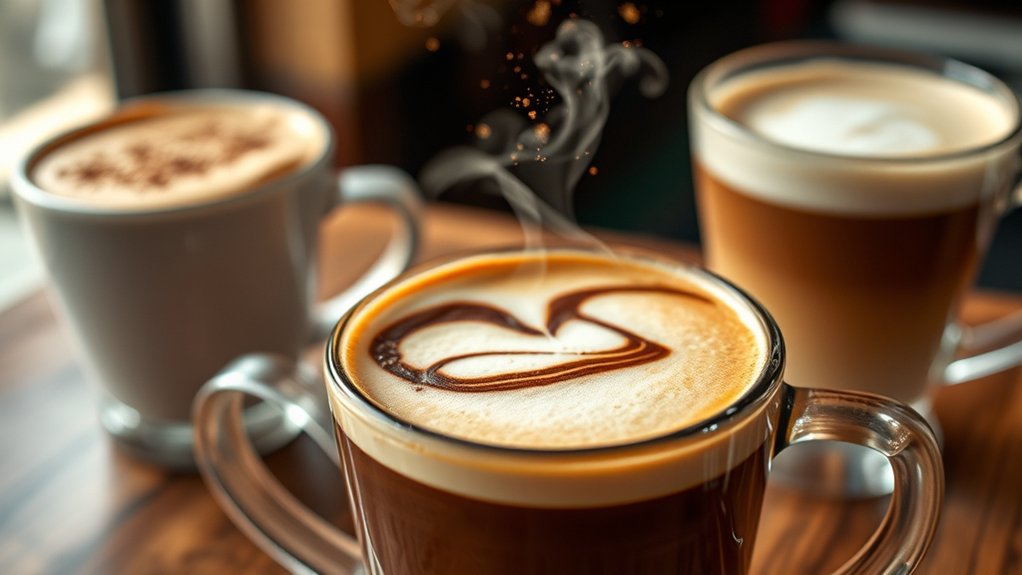
When you compare mocha, cappuccino, and latte, the key differences lie in their ingredients and proportions. A mocha blends espresso, steamed milk, and chocolate flavoring, typically in a 1:2 ratio, making it sweet and rich.
In contrast, a cappuccino features equal parts espresso, steamed milk, and milk foam (1:1:1), creating a frothy, coffee-forward drink.
A latte offers a creamier texture with a 1:3 ratio of espresso to steamed milk and minimal foam.
Mocha often tops off with whipped cream and chocolate dust, enhancing its dessert-like appeal.
Cappuccinos might be garnished with cocoa or cinnamon, highlighting their bold profile.
Lattes emphasize smoothness over frothiness, making each beverage distinct in flavor and texture, letting you choose based on your preference for chocolate sweetness or classic coffee balance.
Caffeine and Sugar Content in Mocha Coffee
Understanding the ingredients that set mocha apart from other coffee drinks helps explain its unique caffeine and sugar profile. When you sip a mocha, you get about 105 mg of caffeine, similar to a standard espresso shot, providing a solid energy boost.
However, mocha’s sugar content stands out, averaging 25.6 grams per serving, which gives it the signature sweet, indulgent flavor. The type of milk you choose can slightly influence calorie and fat content but usually doesn’t affect sugar levels much.
Here’s what to keep in mind:
- Typical caffeine in mocha equals a strong espresso shot
- Sugar content is relatively high, enhancing sweetness
- Calories vary with milk type and toppings
- Preparation and chocolate type affect caffeine intensity
This balance of caffeine, sugar, and milk defines mocha’s rich character.
Easy Ways to Make Mocha Coffee at Home
You’ll need just a few key ingredients: coffee concentrate, chocolate syrup or cocoa powder, and your preferred milk.
First, start by mixing these components carefully to create a smooth, rich mocha base.
Then, you can adjust the sweetness and add your favorite toppings to make it just right for you.
Essential Ingredients Needed
Crafting a delicious mocha coffee at home starts with gathering a few essential ingredients that balance rich espresso, creamy milk, and smooth chocolate flavor.
To create that perfect mocha blend, you’ll need quality components that complement each other without overpowering the delicate coffee notes.
Here’s what you should have on hand:
- Freshly brewed espresso or strong coffee concentrate for a bold, robust base
- Steamed milk, which you can customize with whole, skim, or plant-based options for creaminess
- Chocolate flavoring, such as cocoa powder or chocolate syrup, to add that signature sweet depth
- Optional toppings like whipped cream or chocolate shavings to enhance both taste and presentation
With these essentials, you’ll achieve a balanced mocha that’s rich, smooth, and satisfying every time.
Simple Preparation Steps
Now that you’ve gathered all the key ingredients, it’s time to bring them together into a smooth, flavorful mocha.
Start by brewing 1-2 shots of espresso or opt for a coffee concentrate like Javvy if you want a less acidic base.
Next, mix in 1-2 teaspoons of chocolate syrup or cocoa powder to infuse rich chocolate flavor.
Gradually pour in steamed or hot milk, about two-thirds of your drink’s volume, while stirring to blend everything seamlessly.
Finally, crown your mocha with a generous dollop of whipped cream for a creamy finish.
For an extra touch, sprinkle cocoa powder or chocolate shavings on top.
These simple steps guarantee you craft a delicious mocha right at home with ease and precision.
Customizing Your Mocha
Although the classic mocha recipe is delicious on its own, customizing it lets you tailor the flavor exactly to your liking. Start by mixing 1-2 teaspoons of coffee concentrate with your preferred amount of chocolate syrup to create a rich base.
Then add steamed milk, about two-thirds of your drink, for a smooth, creamy texture. When customizing your mocha, try different chocolate types like dark, milk, or white to adjust sweetness and richness.
You can also enhance the flavor with syrups such as peppermint or caramel. Finally, top your creation with whipped cream or a dusting of cocoa powder for an elegant finish.
- Adjust chocolate syrup quantity for desired sweetness
- Try various chocolates to customize richness
- Add flavored syrups for unique twists
- Finish with whipped cream or cocoa powder
Popular Mocha Coffee Variations
How can you elevate your mocha experience beyond the classic blend? Explore popular mocha coffee variations that creatively combine chocolate and espresso.
The Black-and-White Mocha and Tuxedo Mocha mix dark and white chocolate syrups, delivering a rich, balanced flavor that appeals to fans of both chocolates.
The Black-and-White Mocha blends dark and white chocolate for a perfectly balanced, indulgent flavor.
The Mochaccino amps up intensity with a double espresso shot, steamed milk, and cocoa powder or chocolate milk, resulting in a creamier texture than traditional mochas.
For a sweeter twist, the French White Mocha focuses on white chocolate and espresso, omitting cinnamon for a pure taste.
Finally, the Coffee-Based Mocha resembles hot chocolate but adds espresso’s depth, blending coffee, steamed milk, and chocolate.
These coffee drinks offer diverse ways to enjoy mocha’s chocolatey richness.
Why Mocha Coffee Remains a Favorite Worldwide
Because mocha coffee masterfully blends the bold bitterness of espresso with the creamy sweetness of chocolate, it captivates a wide range of palates around the world.
This coffee drink offers a unique balance between rich coffee and indulgent chocolate, making it a go-to choice for many. Its origins in Mocha, Yemen, where coffee beans naturally carried chocolate undertones, add to its authentic appeal.
You’ll find mocha’s popularity sustained by its versatility and luxurious taste.
Here’s why mocha coffee remains a favorite worldwide:
- Combines espresso’s intensity with chocolate’s sweetness
- Appeals to chocolate lovers seeking a coffee twist
- Offers diverse variations like white mocha and mochaccino
- Provides a comforting, indulgent experience in every cup
This blend guarantees mocha remains a timeless classic.
Tips for Customizing Your Mocha Coffee
When you customize your mocha coffee, you reveal endless possibilities to tailor its flavor and texture to your liking. Start by experimenting with different types of chocolate powder, like dark, milk, or white, to balance sweetness and richness just right.
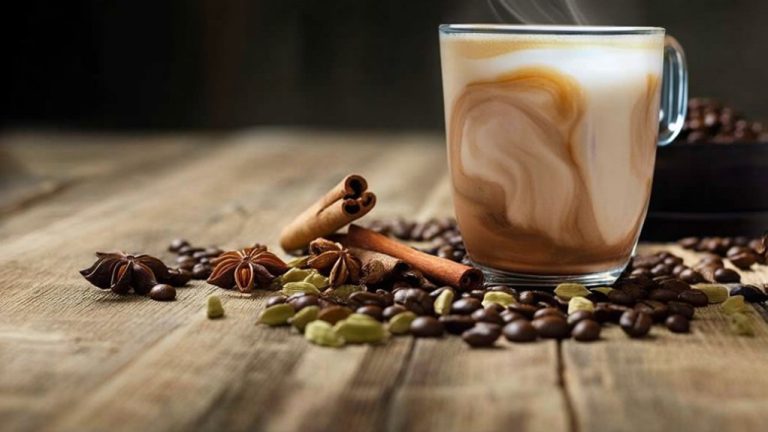
Swap regular milk for almond milk or other non-dairy options. This lets you adjust creaminess and calorie content without losing any taste. You can also enhance your mocha with flavored syrups such as caramel or peppermint to add some extra depth.
Consider varying your coffee’s roast or using flavored coffee concentrates to create unique profiles.
Finally, top your drink with whipped cream, chocolate shavings, or a sprinkle of cinnamon for a refined finish. These thoughtful adjustments guarantee your mocha perfectly suits your palate every time.
Frequently Asked Questions
Can I Use Non-Dairy Milk to Make a Mocha Coffee?
Yes, you can use non-dairy options to make a mocha coffee.
Milk alternatives like almond, oat, soy, or coconut milk work well and bring unique flavor variations.
Almond milk adds a nutty taste, while oat milk gives a creamier texture.
Coconut milk offers subtle sweetness that complements chocolate.
Just pick a barista blend or one that froths nicely to get the rich, creamy mocha experience you want without dairy.
What Type of Chocolate Is Best for a Mocha?
Dark chocolate benefits make it the best choice for your mocha if you want a rich, intense chocolate flavor that complements espresso perfectly.
However, chocolate flavor variations like milk or white chocolate suit sweeter, creamier tastes.
For a balanced mocha, try dark chocolate for depth or milk chocolate for smoothness.
Mocha recipe tips: use quality chocolate and adjust sweetness to match your preference, ensuring a delicious, well-rounded drink every time.
Is Mocha Coffee Suitable for People With Lactose Intolerance?
Mocha coffee isn’t naturally suitable for you if you’re lactose intolerant due to the milk content.
However, you can enjoy mocha flavorings by choosing lactose-free alternatives like almond, soy, or oat milk.
These options preserve the rich chocolate taste while supporting your digestive health. Always check mocha syrups for hidden dairy to avoid discomfort.
Plenty of cafes now offer dairy-free mocha versions, making it easier for you to indulge without worries.
How Long Can I Store Homemade Mocha Coffee?
You can store homemade mocha coffee in the fridge for up to 3 days using airtight containers to guarantee flavor preservation.
If you want it longer, freeze it for up to a month. Then thaw in the fridge before reheating.
Use gentle reheating methods like low heat on the stovetop or short microwave bursts to avoid altering texture.
Adding fresh milk or cream right before drinking helps revive its creamy richness after storage.
Can Mocha Coffee Be Served Iced or Only Hot?
You absolutely can serve mocha coffee iced; it’s not just hot! Iced mocha variations bring a refreshing twist while keeping those rich mocha flavors you love.
Whether you blend espresso, chocolate syrup, and milk over ice or customize with flavored syrups and alternative milks, mocha serving styles are delightfully versatile.
Conclusion
Now that you’ve unraveled the rich layers of mocha coffee, imagine it as a velvet hug where bold espresso meets sweet chocolate in perfect harmony. Whether you sip it to kickstart your day or unwind in the evening, mocha’s warm embrace never fades.
With simple tweaks, you can craft your own delicious masterpiece at home, making every cup a personal celebration of flavor and comfort. Let mocha be your cozy, caffeinated companion.