2 vs 4 Coffee Filter: Key Differences, Brewing Results, and Which One You Should Choose
Choosing the right coffee filter can quietly change the way your coffee tastes every single day. Many people focus on beans or machines, yet the filter size plays a big role in how water flows and flavors develop. That is why understanding the difference matters more than it first appears.
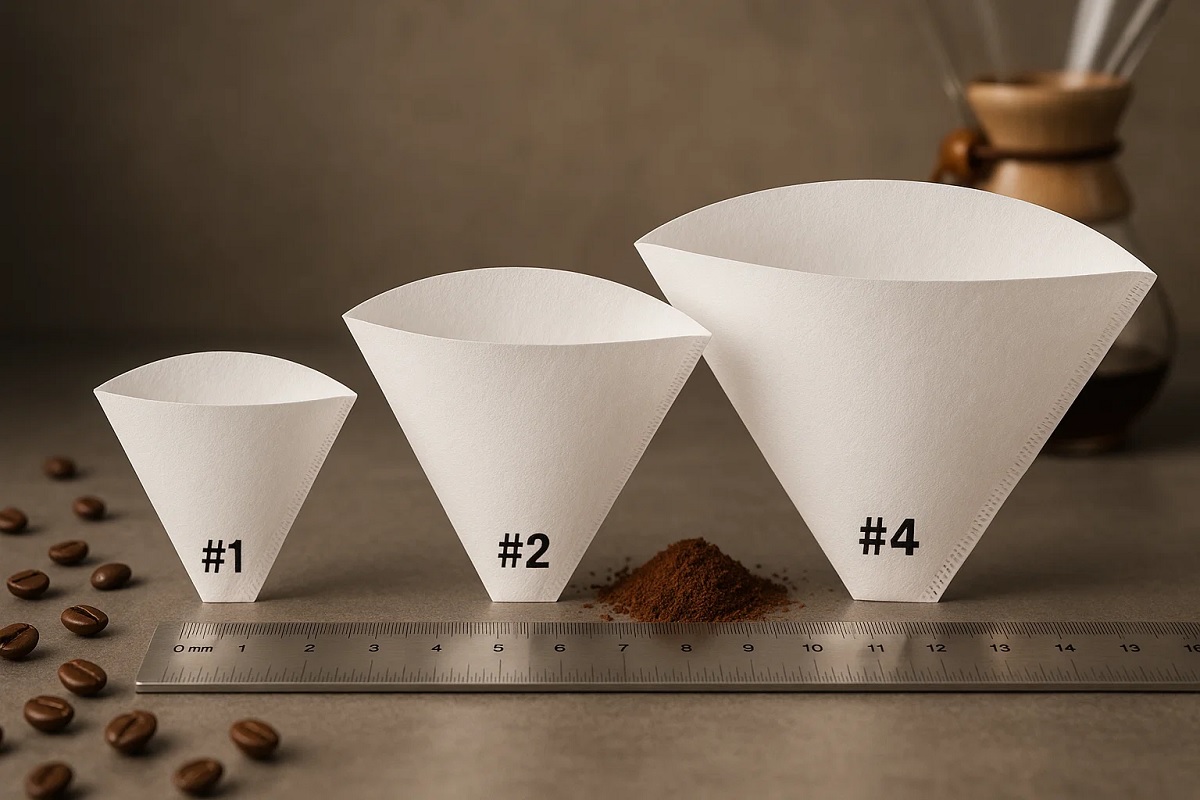
When comparing 2 vs 4 Coffee Filter options, the main distinction comes down to capacity and extraction speed. Smaller filters are often used for single cups or quick brews, while larger filters handle more grounds and water at once. This difference affects strength, clarity, and even aroma in the final cup.
Home brewers often notice that a smaller filter produces a lighter, faster brew, while a larger filter allows a slower flow that can bring out deeper flavors. This makes filter size an important choice for both casual mornings and longer coffee sessions.
Learning how the 2 vs 4 Coffee Filter impacts brewing helps you match your coffee to your routine. Once you understand this simple detail, every cup feels more consistent, satisfying, and tailored to your taste.
Coffee Filter Size Comparison
Understanding coffee filter sizes helps you brew coffee with better consistency and flavor control. Filter size affects how water flows through the coffee grounds, how evenly extraction happens, and how strong or clean the final cup tastes. By comparing different filter sizes, you can match your brewing setup to your daily routine, whether you make a single cup or several servings at once.
Capacity And Brewing Volume Differences
One of the most noticeable factors in coffee filter size comparison is capacity. Smaller filters are designed to hold less coffee grounds and water, making them ideal for brewing one or two cups at a time. Because the coffee bed is thinner, water passes through more quickly, which often results in a lighter body and cleaner taste. This works well for people who prefer mild coffee or need a fast morning brew without waiting long.
Larger filters, on the other hand, can hold more grounds and support higher water volumes. This allows you to brew multiple cups in one cycle, which is useful for families, offices, or hosting guests. With more coffee grounds in the filter, water has a longer contact time, leading to fuller extraction. This can enhance richness and depth, especially when using medium to dark roasts.
Capacity also affects consistency. Using the wrong filter size for your brew amount can cause uneven extraction. Too small a filter may overflow or compress grounds, while too large a filter with too little coffee can lead to weak results. Matching filter size to brewing volume helps maintain balance and predictability in every cup.
Extraction Speed And Flavor Impact
Extraction speed is another key element when comparing coffee filter sizes. Smaller filters usually encourage faster water flow because the coffee bed is shallower. This quicker extraction can highlight brighter notes and acidity, making it suitable for light roasts or drinkers who enjoy crisp flavors. However, when grind size or water ratio is not adjusted, fast flow may lead to under-extraction.
Larger filters slow down extraction due to a deeper coffee bed and increased resistance. This longer contact time allows water to dissolve more compounds from the grounds, producing a stronger and more complex flavor profile. Many people notice improved sweetness and body when using larger filters correctly. This makes them popular for richer brews and extended coffee sessions.
Flavor clarity is also influenced by filter size. Smaller filters often produce a cleaner cup with less sediment, while larger filters can emphasize mouthfeel and aroma. The key is understanding how flow rate interacts with grind size and dose. By adjusting these elements, filter size becomes a tool rather than a limitation, helping you fine-tune taste according to preference.
Compatibility With Brewers And Daily Use
Coffee filter size comparison is incomplete without considering brewer compatibility. Not all machines support every filter size, and using the wrong one can affect performance. Smaller brewers are designed to work efficiently with compact filters, ensuring proper saturation and drainage. When paired correctly, the system maintains steady water flow and even extraction.
Larger brewers require filters that fit securely and allow enough space for expansion of coffee grounds during brewing. A well-fitted large filter prevents collapsing or channeling, which can ruin flavor consistency. This is especially important for automatic drip machines that rely on precise water distribution.
Daily habits also matter. People who brew once or twice a day may prefer smaller filters for convenience and reduced waste. Those who brew in larger quantities may find bigger filters more practical and time-saving. Storage, cost, and availability can influence long-term use as well. Choosing the right filter size based on your brewer and routine helps create a smoother, more enjoyable coffee experience without unnecessary adjustments.
Brewing Capacity and Cup Output
Brewing capacity and cup output directly influence how convenient and consistent your coffee routine feels. The amount of coffee a brewer can handle determines how many cups you get in one cycle and how balanced the flavor remains across servings. Understanding this relationship helps you plan your brewing process better, whether you prepare coffee for yourself or for multiple people.
How Brewing Capacity Affects Single and Multiple Cups
Brewing capacity defines how much water and coffee grounds a system can manage at one time. For single-cup brewing, smaller capacities are often more efficient because they heat water faster and extract flavors more evenly from a limited amount of grounds. This setup supports quick preparation and reduces waste, making it ideal for busy mornings or personal routines.
When brewing multiple cups, larger capacity becomes essential. A brewer designed for higher volume ensures that water is distributed evenly across all grounds, preventing weak or uneven extraction. This results in consistent flavor from the first cup to the last. Without enough capacity, brewers may struggle to maintain temperature stability, which can negatively affect taste.
Cup output also depends on how brewing capacity is used. Overfilling a small brewer can lead to overflow or diluted coffee, while underusing a large brewer may produce flat results. Matching capacity with intended cup output helps maintain balance, flavor clarity, and efficiency throughout the brewing process.
Relationship Between Water Volume and Strength
Water volume plays a critical role in determining both brewing capacity and final cup output. As water increases, it must be matched with the correct amount of coffee grounds to maintain strength and flavor. When water volume exceeds the optimal ratio, coffee can taste weak and hollow, even when using quality beans.
In smaller brews, precise water measurement allows better control over strength. A limited water volume passes through the grounds with balanced contact time, extracting desirable compounds without washing out flavor. This approach suits drinkers who prefer a focused and consistent cup.
Larger brews require careful adjustment. As water volume rises, maintaining proper ratios becomes more challenging. Brewers with higher capacity are designed to handle this by regulating flow rate and temperature. When done correctly, increased water volume can still produce rich and satisfying coffee. Understanding this balance helps ensure that cup output remains consistent regardless of brew size.
Practical Considerations for Daily Brewing Needs
Daily brewing habits influence the ideal brewing capacity and cup output. People who drink coffee occasionally may benefit from smaller systems that focus on efficiency and speed. These setups reduce leftover coffee and allow fresh brewing each time, improving overall taste and aroma.
Households or workplaces often need higher capacity brewers to meet demand. In these cases, consistent cup output becomes more important than speed. Larger brewers provide the ability to prepare several cups at once while maintaining uniform flavor. This reduces the need for repeated brewing cycles and saves time during busy periods.
Storage space, energy use, and cleaning effort also factor into daily decisions. Smaller brewers are easier to manage and store, while larger systems require more maintenance but offer greater output. Choosing the right brewing capacity based on routine ensures that each cup meets expectations without unnecessary compromise.
Extraction Quality and Flavor Profile
Extraction quality plays a major role in shaping the flavor profile of coffee. It determines how effectively water pulls soluble compounds from the grounds, influencing taste, aroma, and body. When extraction is balanced, coffee feels smooth and flavorful. When it is not, even high-quality beans can taste flat or harsh. Understanding this connection helps improve every brewing method.
Balanced Extraction And Taste Clarity
Balanced extraction occurs when water dissolves the right amount of compounds from coffee grounds. This balance creates clarity in taste, allowing individual flavor notes to stand out without overpowering one another. Acids, sugars, and bitters work together, producing a cup that feels complete rather than sharp or dull.
When extraction is too fast, under-extraction happens. Coffee may taste sour, thin, or lacking depth. This often occurs when grind size is too coarse or water flows through the grounds too quickly. On the other hand, over-extraction results from prolonged contact between water and coffee, pulling out excessive bitter compounds. This leads to a dry or astringent finish that masks natural sweetness.
Achieving balanced extraction requires attention to grind size, water temperature, and brew time. Small adjustments in any of these factors can significantly improve taste clarity. Once balance is achieved, the flavor profile becomes more expressive, highlighting origin characteristics and roast qualities in a clean and enjoyable way.
Influence Of Grind Size On Flavor Profile
Grind size has a direct impact on extraction quality and overall flavor profile. Finer grinds expose more surface area to water, allowing faster extraction of soluble compounds. This can create a bold and intense flavor when controlled properly, especially in brewing methods with short contact time.
Coarser grinds slow down extraction by reducing surface area. Water passes through more easily, resulting in lighter body and brighter flavors. This grind size works well for methods that involve longer brew times, where extended contact compensates for reduced extraction speed.
Inconsistent grind size often leads to uneven extraction. Fines extract too quickly and contribute bitterness, while larger particles remain under-extracted and sour. This imbalance can make coffee taste confusing or muddy. Using a consistent grind helps ensure uniform extraction, allowing the intended flavor profile to shine. Adjusting grind size based on brewing method is one of the most effective ways to improve extraction quality and create a more satisfying cup.
Water Contact Time And Sensory Experience
Water contact time refers to how long water remains in contact with coffee grounds during brewing. This factor strongly influences extraction quality and the resulting sensory experience. Short contact times emphasize acidity and brightness, often producing a crisp and lively cup. However, when too short, the coffee may lack sweetness and depth.
Longer contact times allow water to extract more compounds, increasing body and richness. This can enhance sweetness and mouthfeel, creating a smoother texture. When contact time extends too far, bitterness and dryness become more noticeable, overpowering subtle flavors.
Managing contact time involves adjusting brewing method, filter type, and grind size. Each element affects how water moves through the coffee bed. By finding the right balance, contact time supports a harmonious flavor profile. This balance allows aroma, taste, and texture to work together, delivering a cup that feels intentional and well-rounded rather than sharp or heavy.
Grind Size and Coffee Dose Requirements
Grind size and coffee dose requirements work together to control how coffee extracts and how strong the final cup tastes. These two factors influence flow rate, contact time, and balance between flavors. When adjusted correctly, they help create consistency across different brewing methods. Understanding their relationship allows better control over taste, strength, and overall brewing results.
How Grind Size Determines Extraction Rate
Grind size directly affects how quickly water extracts soluble compounds from coffee grounds. Finer grinds increase surface area, allowing water to dissolve flavors faster. This can produce a strong and intense cup when brew time is short. However, if the grind is too fine for the method used, water may struggle to pass through, leading to over-extraction and bitterness.
Coarser grinds slow extraction by limiting surface contact. Water flows more freely, resulting in lighter body and brighter acidity. This grind size suits longer brewing processes, where extended contact time balances the slower extraction rate. Using a grind that is too coarse can cause under-extraction, leaving coffee tasting sour or weak.
Consistency in grind size is equally important. Uneven particles extract at different speeds, creating a mix of bitter and sour flavors. Matching grind size to the brewing method helps regulate extraction rate and ensures that flavor development remains balanced and predictable.
Matching Coffee Dose With Brewing Method
Coffee dose refers to the amount of ground coffee used relative to water volume. Adjusting dose correctly helps control strength and mouthfeel. A higher dose increases concentration, resulting in a fuller-bodied cup. A lower dose produces a lighter brew with more delicate flavors. The key is aligning dose with grind size and brewing method.
Different methods require different dosing approaches. Short brew methods often use a higher dose with finer grinds to achieve intensity without excessive bitterness. Longer brews rely on moderate doses and coarser grinds to maintain balance over extended extraction times. Ignoring this relationship can lead to uneven results, even when using quality beans.
Measuring dose accurately improves repeatability. Small changes in coffee amount can significantly alter taste, especially in precision brewing. By adjusting dose alongside grind size, brewers can fine-tune strength and flavor, ensuring that each cup meets expectations and maintains consistency across different brewing styles.
Brew Time and Flow Rate Differences
Brew time and flow rate differences play a major role in how coffee extracts and how the final cup tastes. These two elements determine how long water interacts with coffee grounds and how evenly flavors are pulled during brewing. When balanced correctly, they support consistency, clarity, and control across different brewing methods and equipment types.
How Brew Time Shapes Strength And Flavor
Brew time refers to the total duration water remains in contact with coffee grounds. Shorter brew times usually highlight acidity and brightness, producing a lighter body and crisp taste. This approach works well when using finer grinds or higher pressure systems, where extraction happens quickly and efficiently.
Longer brew times allow water to dissolve more compounds from the grounds. This increases strength, body, and sweetness when managed properly. However, extending brew time too much can lead to over-extraction, resulting in bitterness and dryness. The challenge lies in finding the point where flavor feels complete rather than heavy.
Brew time is closely connected to grind size and coffee dose. Finer grinds extract faster and require shorter brew times, while coarser grinds need more time to reach balance. Adjusting brew time based on these factors helps maintain flavor harmony and prevents unwanted taste extremes.
Impact Of Flow Rate On Extraction Consistency
Flow rate describes how quickly water passes through the coffee bed during brewing. A fast flow rate reduces contact time, often producing a lighter and cleaner cup. This can be ideal for highlighting delicate notes but may cause under-extraction when water moves too quickly.
A slower flow rate increases contact time and promotes deeper extraction. This often enhances body and richness but requires careful control to avoid bitterness. Flow rate is influenced by filter type, grind size, and coffee bed depth, all of which affect resistance to water movement.
Consistent flow rate is essential for even extraction. Irregular flow can cause channeling, where water bypasses some grounds and over-extracts others. By managing flow rate alongside brew time, brewers achieve better balance and predictability, resulting in a cup that reflects intended flavor rather than brewing inconsistencies.
FAQs
What Is The Main Difference Between A 2 Vs 4 Coffee Filter?
The main difference between a 2 vs 4 coffee filter lies in size and brewing capacity. A size 2 filter is designed for smaller brewers and fewer cups, while a size 4 filter supports larger amounts of coffee and water. This affects how much coffee you can brew in one cycle and how water flows through the grounds.
When you choose the right size, extraction becomes more balanced. Using the wrong filter can lead to weak flavor, overflow, or uneven brewing, which impacts overall taste and consistency.
Which Coffee Filter Size Is Better For Single-Cup Brewing?
For single-cup brewing, a size 2 coffee filter is usually the better choice. It holds less coffee and creates a shallower coffee bed, allowing water to pass through at an appropriate speed. This helps you achieve a clean and lighter cup without wasting grounds.
Using a size 4 filter for one cup can cause water to flow too quickly. This may result in under-extraction, making the coffee taste thin or sour instead of balanced and satisfying.
Does Filter Size Affect Coffee Strength And Flavor?
Yes, filter size directly affects coffee strength and flavor. In a 2 vs 4 coffee filter comparison, smaller filters tend to brew lighter-bodied coffee due to faster flow and shorter contact time. Larger filters slow down water movement, which often increases extraction.
When extraction increases, coffee can develop deeper flavors and more body. However, improper pairing of filter size and coffee dose can cause bitterness or weakness, so balance remains essential for good results.
Can You Use A Size 2 Filter In A Size 4 Brewer?
You can use a size 2 filter in a size 4 brewer, but it is not recommended. The smaller filter may collapse or overflow when water volume increases. This can cause uneven extraction and messy brewing.
A mismatched filter also affects flow rate. Water may bypass grounds or extract inconsistently, leading to poor flavor. For best results, you should always match the filter size with the brewer design and capacity.
How Does Filter Size Impact Brew Time And Flow Rate?
Filter size plays a major role in brew time and flow rate. A size 2 filter creates less resistance, allowing water to pass through more quickly. This shortens brew time and produces a lighter cup.
A size 4 filter holds more grounds and increases resistance. Water flows slower, extending contact time and increasing extraction. This difference explains why larger filters are preferred for fuller, richer brews made in higher volumes.
Which Coffee Filter Size Is Better For Families Or Guests?
For families or brewing for guests, a size 4 coffee filter is the better option. It supports larger coffee doses and higher water volume, allowing you to brew multiple cups at once. This saves time and ensures consistent flavor across servings.
Using a size 2 filter for large batches can cause overflow or weak extraction. A size 4 filter maintains stability, making it more practical for shared or frequent brewing needs.
Does Coffee Filter Size Affect Waste And Cost Over Time?
Yes, coffee filter size can influence waste and long-term cost. Size 2 filters often use less coffee per brew, making them efficient for solo drinkers. This reduces wasted grounds and leftover coffee.
Size 4 filters may use more coffee, but they reduce the need for multiple brewing cycles. For households or offices, this can balance out costs while offering convenience and consistent cup output.
Conclusion
Choosing the right coffee filter size directly affects how your daily brew turns out, from flavor balance to brewing efficiency. When comparing smaller and larger filters, factors like cup capacity, flow rate, and extraction consistency become especially important for achieving a satisfying cup every time.
The 2 vs 4 Coffee Filter comparison shows that smaller filters work best for single servings or compact coffee makers, while larger filters handle bigger batches with better water distribution. Each option serves a distinct purpose, and using the correct size helps prevent weak coffee, overflow issues, or uneven extraction during brewing.
Ultimately, the best choice depends on your routine, machine type, and how much coffee you typically prepare. Understanding the practical differences in the 2 vs 4 Coffee Filter setup allows you to brew more confidently, reduce waste, and enjoy a cup that matches your taste preferences without unnecessary trial and error.