
Enjoy Coffee Without Acid Reflux: Tips, Bean Choices, And Brewing Hacks
Many coffee lovers struggle with the discomfort of acid reflux, often feeling like they must choose between their favorite beverage and digestive comfort. The good news is that enjoying coffee doesn’t have to mean experiencing heartburn or stomach irritation. With the right choices in beans, brewing methods, and consumption habits, you can savor your morning cup while protecting your digestive health.
Acid reflux occurs when stomach acid flows back into the esophagus, causing burning sensations and discomfort. Certain compounds in coffee, including acidity and caffeine, can trigger or worsen these symptoms for some people. Understanding which factors contribute to reflux allows you to make smarter coffee choices that are gentle on your stomach.
Enjoy Coffee Without Acid Reflux: focuses on practical strategies and tips to minimize irritation while maximizing flavor and enjoyment. From selecting low-acid beans to adjusting brewing methods, there are multiple ways to tailor your coffee experience.
By being mindful of coffee type, preparation, and timing, you can continue to enjoy the aroma, taste, and ritual of coffee without sacrificing digestive comfort, making every cup both satisfying and gentle on your stomach.
Choosing Low-Acid Coffee Beans
Selecting the right coffee beans is one of the most important steps for those who want to enjoy coffee without triggering acid reflux. Low-acid beans can reduce stomach irritation while still providing full flavor and satisfying aroma. Understanding bean types, roast levels, and origin allows coffee lovers to make informed choices that balance taste with digestive comfort.
Arabica Vs Robusta And Acid Levels
Arabica and Robusta are the two main types of coffee beans, and their natural acidity differs significantly. Arabica beans are generally lower in acid and smoother in flavor, with mild, sweet, and aromatic notes. This makes them a preferred choice for people prone to acid reflux, as they are less likely to irritate the stomach lining.
Robusta beans, on the other hand, contain higher caffeine and naturally higher acidity, contributing to a stronger, more bitter taste. While they offer bold flavor and robust body, they may exacerbate acid reflux for sensitive individuals. Choosing Arabica beans or blends with a higher proportion of Arabica can help maintain the enjoyment of coffee without discomfort. This choice ensures both flavor satisfaction and a gentler experience for your digestive system.
The Role Of Roast Level
Roast level significantly affects acidity in coffee. Light roasts retain more natural acids from the beans, producing brighter and more vibrant flavors, but they can also be more irritating to the stomach. Medium roasts strike a balance, reducing acidity while preserving nuanced flavor, making them suitable for individuals seeking a gentler cup.
Dark roasts are the lowest in acid and are often preferred by people with acid reflux. The extended roasting process breaks down organic acids, creating a smooth, rich flavor with reduced sharpness. Choosing medium to dark roasts can provide both digestive comfort and a satisfying cup of coffee, making it easier to enjoy your morning ritual without discomfort.
Coffee Origin And Acidity
The region where coffee is grown also influences its acidity. Beans from higher altitudes, such as Ethiopian or Colombian varieties, tend to have brighter, more pronounced acidity, while beans from lower altitudes, like Brazilian or Sumatran coffee, generally have lower acidity and fuller body.
Selecting beans from regions known for lower acidity can make a significant difference in reducing reflux symptoms. Low-acid regions often produce beans with natural sweetness, chocolatey notes, and smooth texture, allowing you to enjoy coffee that is flavorful yet gentle on the stomach. Paying attention to origin can help you find beans that complement both your taste and digestive comfort.
Blends And Specialty Low-Acid Options
Many specialty coffee roasters now offer blends specifically designed for low acidity. These blends combine Arabica beans with particular roast profiles and origins to minimize irritation while maintaining flavor complexity. Decaffeinated options are also available, further reducing potential triggers for acid reflux.
Experimenting with these blends allows you to find a profile that satisfies your palate and digestive needs. Look for beans labeled as “low-acid,” “smooth,” or “stomach-friendly” to guide your selection. By choosing the right bean type, roast, and origin, you can enjoy coffee without sacrificing taste or comfort, making every cup both enjoyable and gentle on your digestive system.
Brewing Methods That Reduce Acid
The way you brew coffee significantly affects its acidity, which can influence how your stomach responds. Certain brewing methods minimize acid extraction, making coffee gentler and easier to enjoy for those prone to acid reflux. Understanding which techniques reduce acidity allows you to enjoy a flavorful cup without discomfort.
Cold Brew Coffee For Low Acid
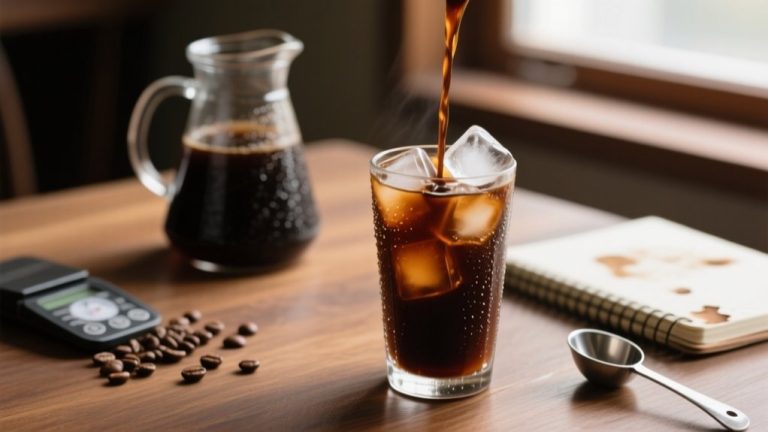
Cold brew is one of the most effective methods for reducing acidity in coffee. Unlike traditional hot brewing, cold brew uses room temperature or cold water and requires a long steeping period, usually 12–24 hours. The slow extraction process minimizes acidic compounds, resulting in a smooth, mellow coffee with a naturally sweet flavor.
Cold brew’s lower acidity makes it ideal for individuals who experience heartburn or reflux from standard hot coffee. Despite its gentle profile, it still delivers robust flavor and caffeine content, providing a satisfying cup without harshness. Additionally, the brewing process produces a coffee concentrate that can be diluted or mixed with milk, allowing further control over strength and acidity. Cold brew is especially popular in the summer months or for those who prefer a smooth, low-acid alternative to traditional coffee.
French Press And Immersion Brewing
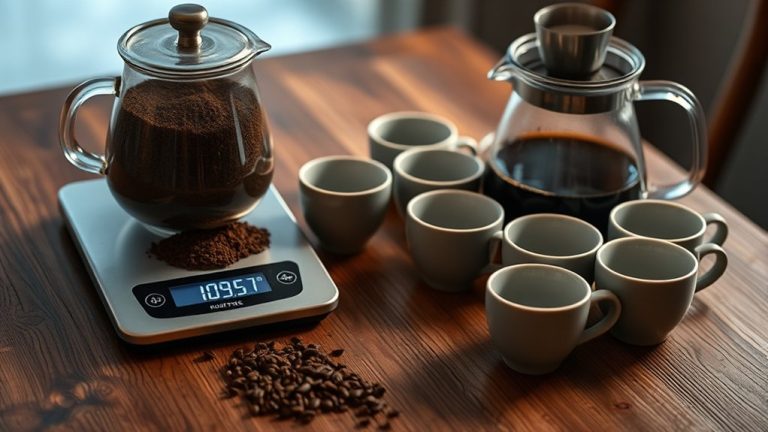
The French press, also known as a press pot or plunger pot, is another method that can produce coffee with reduced acidity. Unlike drip coffee, the French press uses full immersion of grounds in water for several minutes, allowing oils and soluble compounds to develop without extracting excessive acids.
This method produces a richer, fuller-bodied cup with smoother flavors, reducing the sharpness that triggers acid reflux. Medium to dark roasted Arabica beans are particularly well-suited for French press brewing because the lower roast acidity combines with the immersion method to create a balanced cup. Adjusting steep time and grind coarseness allows you to fine-tune flavor while minimizing stomach irritation, making the French press a versatile and stomach-friendly brewing option.
Pour-Over And Drip Methods With Low-Acid Beans
Pour-over and drip methods can also produce low-acid coffee when combined with appropriate beans and careful technique. Using medium or dark roast beans, proper water temperature (195°F–205°F or 90°C–96°C), and controlled pouring can reduce over-extraction of acidic compounds.
Slower, steady pouring ensures even extraction while avoiding bitterness, which is often associated with acidity. Additionally, using paper filters can help trap oils and micro-particles that might irritate the stomach, further reducing reflux risk. Pour-over methods allow precise control over water contact time and brewing ratio, giving you a customizable cup that balances flavor and gentleness on the digestive system.
Additional Tips To Reduce Acid During Brewing
Several small adjustments in brewing can further reduce acidity. Avoid using boiling water directly on the grounds, as excessive heat can extract more acids. Coarser grinds slow extraction and limit over-extraction, while proper measurement of coffee-to-water ratios prevents overly strong, acidic brews.
Using filtered water and cleaning your equipment regularly ensures optimal extraction without introducing off-flavors that may trigger discomfort. Experimenting with brewing time, temperature, and grind size allows you to create coffee that is both flavorful and gentle. Combining low-acid beans with mindful brewing practices ensures that you can enjoy your favorite beverage without heartburn or reflux.
Benefits Of Low-Acid Brewing
Brewing coffee with reduced acid not only helps prevent discomfort but also preserves flavor and aroma. Cold brew, French press, and carefully prepared pour-over coffee deliver smooth, rich cups without harsh bitterness. These methods allow you to savor your morning ritual or afternoon pick-me-up while protecting your digestive system.
By understanding brewing techniques and making slight adjustments, you can enjoy coffee without acid reflux, ensuring that each cup is both satisfying and gentle on your stomach. With proper methods, low-acid coffee can be just as flavorful and energizing as traditional brews, making it a practical solution for sensitive coffee drinkers.
Adding Ingredients To Soften Acid
Modifying your coffee with certain ingredients can significantly reduce acidity and make it gentler on the stomach. By choosing the right additives, you can enjoy full flavor without triggering acid reflux or heartburn. Understanding which ingredients work best helps you customize your cup for comfort while maintaining the rich aroma and taste of your coffee.
Milk And Dairy Alternatives
Adding milk or dairy alternatives is one of the most common ways to soften coffee acidity. Dairy contains calcium and proteins that can neutralize acidic compounds, reducing the chance of irritation. Whole milk provides a creamy texture and smooths out sharp flavors, while plant-based alternatives like oat, almond, or soy milk also mellow acidity while accommodating lactose intolerance or dietary preferences.
The type of milk or milk alternative affects the taste and effectiveness. Creamier options, such as whole milk or oat milk, provide more buffering effect, while lighter options like almond milk offer subtle softening without altering flavor significantly. Combining these ingredients with low-acid beans or gentle brewing methods maximizes comfort while preserving coffee’s natural sweetness and aroma, making your cup both enjoyable and stomach-friendly.
Adding Salt Or Baking Soda
Small amounts of salt or baking soda can also help neutralize acidity in coffee. Just a pinch of salt added to the grounds before brewing reduces bitterness and harsh acidic notes, creating a smoother flavor profile. Baking soda, being alkaline, can directly neutralize some of the acidic compounds in coffee, making it gentler on the stomach.
It’s important to use these ingredients sparingly. Excess salt or baking soda can alter taste dramatically, so experimentation is key to finding the right balance. These techniques are particularly helpful when working with beans that are naturally higher in acid or lighter roasts, allowing you to enjoy their flavor while minimizing digestive discomfort.
Cinnamon, Cocoa, And Flavor Enhancers
Adding natural flavor enhancers like cinnamon or cocoa can help soften perceived acidity and enhance taste. Cinnamon has mild alkalizing properties that can reduce sharpness, while cocoa or chocolate notes mask bitterness and create a smoother mouthfeel. These additions complement coffee’s natural flavors without adding harsh acidity.
Spices and flavorings also bring health benefits. Cinnamon, for example, may help regulate blood sugar and provide antioxidants, while cocoa contributes flavonoids and a rich aroma. Using these ingredients allows you to enjoy a complex, flavorful cup while reducing the impact of acidity, making your coffee experience both comforting and enjoyable.
Sweeteners And Creamers
Sweeteners and flavored creamers can further soften coffee’s acidic edge. Natural sweeteners like honey or maple syrup provide mild alkalinity while enhancing flavor, whereas flavored creamers add richness that buffers acidic compounds. Choosing lower-sugar or natural options helps avoid digestive upset that refined sugars can sometimes cause.
Combining sweeteners or creamers with low-acid beans or gentle brewing methods maximizes comfort and flavor. This approach allows you to enjoy a satisfying cup without heartburn, providing a balance between taste and stomach-friendliness. By experimenting with different ingredients, you can create a personalized coffee that is both flavorful and gentle on your digestive system.
Balancing Ingredients For Best Results
The key to softening acid is moderation and balance. Combining milk or milk alternatives with gentle spices, sweeteners, or a pinch of salt allows you to maintain flavor while reducing irritation. Adjusting the proportions to your taste ensures a satisfying cup every time.
By understanding which ingredients reduce acidity and how to combine them, you can enjoy coffee without acid reflux while retaining richness, aroma, and depth of flavor. These techniques provide practical ways to make coffee gentler on the stomach without sacrificing the ritual and enjoyment of your daily brew.
FAQs
What Are The Best Coffee Beans To Avoid Acid Reflux?
Choosing the right coffee beans is essential for reducing acid reflux. Low-acid Arabica beans or dark roasts are ideal because they naturally contain fewer acidic compounds. Beans from regions like Brazil or Sumatra tend to have smoother, less sharp profiles, which are easier on the stomach.
You can also look for specialty “low-acid” labeled coffees, which are processed and roasted specifically to minimize acidity. Combining these beans with gentle brewing methods ensures a flavorful cup without irritating your digestive system, allowing you to enjoy coffee without heartburn or discomfort.
Which Brewing Methods Reduce Coffee Acidity?
Certain brewing methods help lower the acidity of your coffee, making it gentler on your stomach. Cold brew is one of the best options, as the slow, low-temperature extraction minimizes acidic compounds. French press and immersion methods also produce smoother, fuller-bodied coffee with reduced sharpness.
Pour-over and drip coffee can work as well if you use medium to dark roasts, control water temperature, and avoid over-extraction. Adjusting brewing time, grind size, and water quality allows you to create a cup that balances flavor and gentleness, making it easier to enjoy coffee without acid reflux.
Can Adding Milk Or Alternatives Help Reduce Acid?
Yes, adding milk or milk alternatives can significantly reduce acidity in coffee. Dairy contains proteins and calcium that help neutralize acidic compounds, while plant-based options like oat, almond, or soy milk provide a similar softening effect.
Using creamier milk or oat milk often produces the smoothest flavor, while lighter alternatives like almond milk gently soften the cup without masking taste. Combining milk with low-acid beans and careful brewing maximizes comfort, allowing you to enjoy the richness and aroma of coffee without triggering reflux or heartburn.
Are Spices Or Sweeteners Useful For Reducing Acid?
Adding natural spices or sweeteners can make coffee easier on your stomach. Cinnamon has mild alkalizing properties that reduce sharpness, while cocoa or chocolate notes mask bitterness. Natural sweeteners like honey or maple syrup can also buffer acidic compounds, making the coffee feel smoother.
These additions not only improve flavor but can also provide health benefits, such as antioxidants and a richer aroma. Using spices and sweeteners strategically allows you to create a flavorful, low-acid coffee experience that minimizes reflux while maintaining the enjoyment of your daily cup.
Does Cold Brew Really Reduce Acid Reflux?
Cold brew is particularly effective at reducing acidity, making it one of the best choices for sensitive stomachs. The slow, long steeping process in cold or room-temperature water extracts fewer acidic compounds, resulting in a smooth, mellow cup.
Despite lower acidity, cold brew retains caffeine and flavor, so you don’t lose the energy boost or taste satisfaction. You can further adjust the strength by diluting the concentrate or adding milk, creating a gentle yet flavorful coffee that supports both your digestive comfort and your daily coffee ritual.
How Can I Enjoy Coffee Without Triggering Heartburn?
Enjoying coffee without heartburn involves selecting low-acid beans, choosing appropriate roast levels, and using gentle brewing methods. Dark roasts, Arabica beans, and low-acid blends work well for reducing stomach irritation.
Additionally, adding milk, milk alternatives, or natural flavorings like cinnamon and cocoa softens acidity. Cold brew, French press, and controlled pour-over techniques further minimize reflux risk. Paying attention to portion size, timing, and your body’s response helps you create a satisfying routine, allowing you to enjoy coffee without acid reflux while maintaining taste and energy throughout the day.
Conclusion
It is possible to savor your favorite cup of coffee without experiencing uncomfortable symptoms like heartburn or stomach irritation. By choosing low-acid beans, adjusting your brewing methods, and moderating portion sizes, you can enjoy coffee while minimizing its impact on your digestive system. Small tweaks, such as opting for cold brew or a medium roast, can make a noticeable difference in acidity and overall comfort.
Paying attention to additives and timing is equally important. Incorporating milk, plant-based alternatives, or mild spices can soften acidity, while drinking coffee with food or spacing your cups throughout the day can further reduce reflux risk. Listening to your body and identifying personal triggers ensures a customized approach that keeps your coffee experience enjoyable and gentle on your stomach.
Ultimately, [Enjoy Coffee Without Acid Reflux:] is achievable with mindful choices and experimentation. By combining the right beans, brewing techniques, and lifestyle adjustments, you can continue to indulge in your daily coffee ritual without discomfort.