Does Iced Matcha Latte Have Caffeine: Facts, Amounts, And Tips
Iced matcha lattes have become a favorite pick-me-up for many, offering a refreshing and creamy alternative to traditional coffee. While enjoying this vibrant green beverage, you might wonder about its energizing properties. Understanding the caffeine content can help you make informed choices throughout your day.
The caffeine in an iced matcha latte comes from the finely ground green tea leaves used in its preparation. Unlike coffee, matcha releases caffeine more gradually, providing a steady energy boost without the typical jitters. This makes it popular among those seeking focus and alertness while maintaining calm and clarity.
Knowing the answer to “does iced matcha latte have caffeine” also helps you manage your intake, especially if you are sensitive to stimulants or enjoy multiple caffeinated drinks daily. The concentration of matcha, portion size, and added ingredients can all influence the final caffeine level.
Whether you drink it in the morning, afternoon, or as an afternoon refresher, being aware of caffeine content ensures you can enjoy your iced matcha latte responsibly while benefiting from its smooth, earthy flavor.
Caffeine Content In Matcha
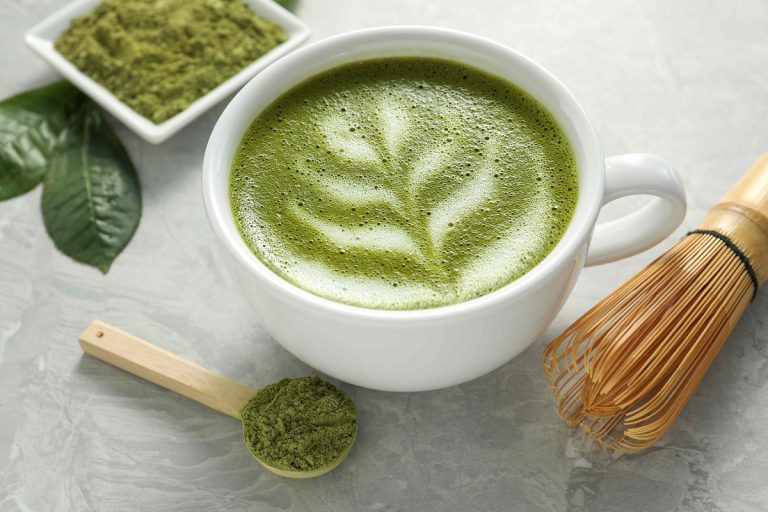
Matcha is a unique green tea powder made from shade-grown leaves, which provides a concentrated source of natural compounds, including caffeine. The caffeine content in matcha differs from traditional brewed teas or coffee, offering a more gradual energy boost. Understanding the caffeine levels helps you enjoy your iced or hot matcha latte with awareness of its stimulating effects.
How Much Caffeine Is In A Standard Serving
A standard serving of matcha, approximately 1 teaspoon (about 2 grams), typically contains 60–70 milligrams of caffeine. This is roughly half the amount of caffeine in a regular 8-ounce coffee but delivers energy differently due to its interaction with L-theanine, an amino acid abundant in matcha.
L-theanine slows the absorption of caffeine, creating a smoother, more sustained alertness without the rapid spikes and crashes associated with coffee. The amount of matcha used, preparation method, and serving size all influence the total caffeine content. By understanding this, you can gauge the effect a matcha latte may have on your focus and energy levels throughout the day.
Comparison With Other Beverages
When comparing matcha to other caffeinated beverages, the difference lies not only in caffeine quantity but also in its effect. An 8-ounce cup of coffee generally contains 95–120 milligrams of caffeine, whereas a standard matcha latte contains about 60–70 milligrams. Black or green tea infusions usually have 20–45 milligrams per cup, making matcha a moderate but steady source of stimulation.
This moderate caffeine content makes matcha ideal for those who are sensitive to coffee but still want a mild energy boost. Because it releases caffeine gradually, it allows you to stay alert for longer periods without experiencing sudden jitters or crashes, making it a preferred choice for study sessions or work.
Factors Affecting Caffeine Levels
Several factors impact the caffeine content in matcha. The quality and grade of matcha, leaf maturity, and growing conditions all play a role. Ceremonial grade matcha is usually higher in caffeine due to the use of younger, tender leaves, whereas culinary grade may contain slightly less.
Preparation also affects caffeine levels. Whisking more matcha powder into your latte increases caffeine proportionally. Using hot water rather than cold can extract slightly more caffeine during brewing, though iced lattes typically use concentrated matcha pastes to achieve the desired flavor, maintaining a similar caffeine range.
How Caffeine Interacts With L-Theanine
Matcha’s caffeine is unique because it pairs naturally with L-theanine, an amino acid that promotes calmness and focus. This combination allows the energy boost from caffeine to feel smoother and more balanced than coffee.
L-theanine slows the absorption of caffeine into the bloodstream, reducing sudden spikes in heart rate or jitters. This interaction helps you feel alert yet relaxed, making matcha a functional beverage for work, study, or meditation. The synergy between caffeine and L-theanine is one of the reasons matcha has gained popularity as a mindful alternative to traditional coffee.
Caffeine In Hot Vs Iced Matcha Latte
Understanding caffeine content in hot and iced matcha lattes is important for managing energy levels and making informed beverage choices. Both variations rely on the same powdered green tea, yet preparation methods, serving size, and ingredient ratios can influence caffeine content. Knowing the differences helps you enjoy your latte while balancing alertness and dietary needs.
Caffeine Content In Hot Matcha Latte
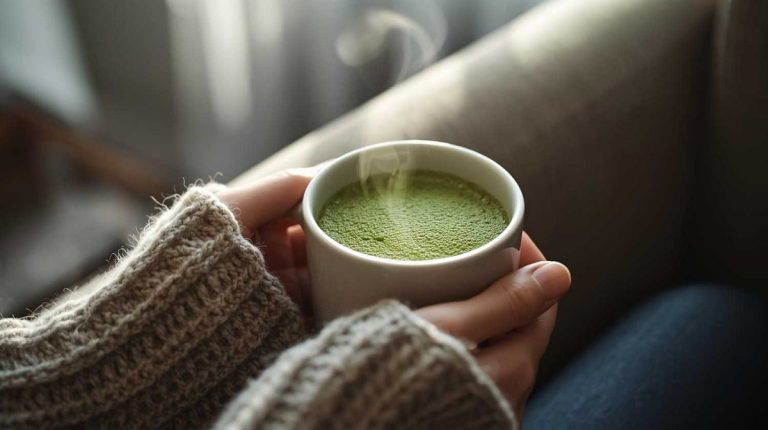
A hot matcha latte typically contains 1–2 teaspoons of matcha powder per 8–12 ounce cup, which provides around 60–80 milligrams of caffeine. Hot water helps dissolve matcha evenly, ensuring consistent caffeine extraction throughout the beverage. The temperature of the water slightly affects the release of caffeine, with hotter water generally extracting slightly more.
The combination of milk and matcha in a hot latte produces a smooth, creamy drink. Whole or plant-based milk may alter the volume but has minimal impact on caffeine content. The gradual release of caffeine in hot matcha lattes provides a steady energy boost, which is often preferred for morning routines or focused work sessions. This makes the hot latte a popular choice for those seeking a calming yet energizing drink.
Caffeine Content In Iced Matcha Latte
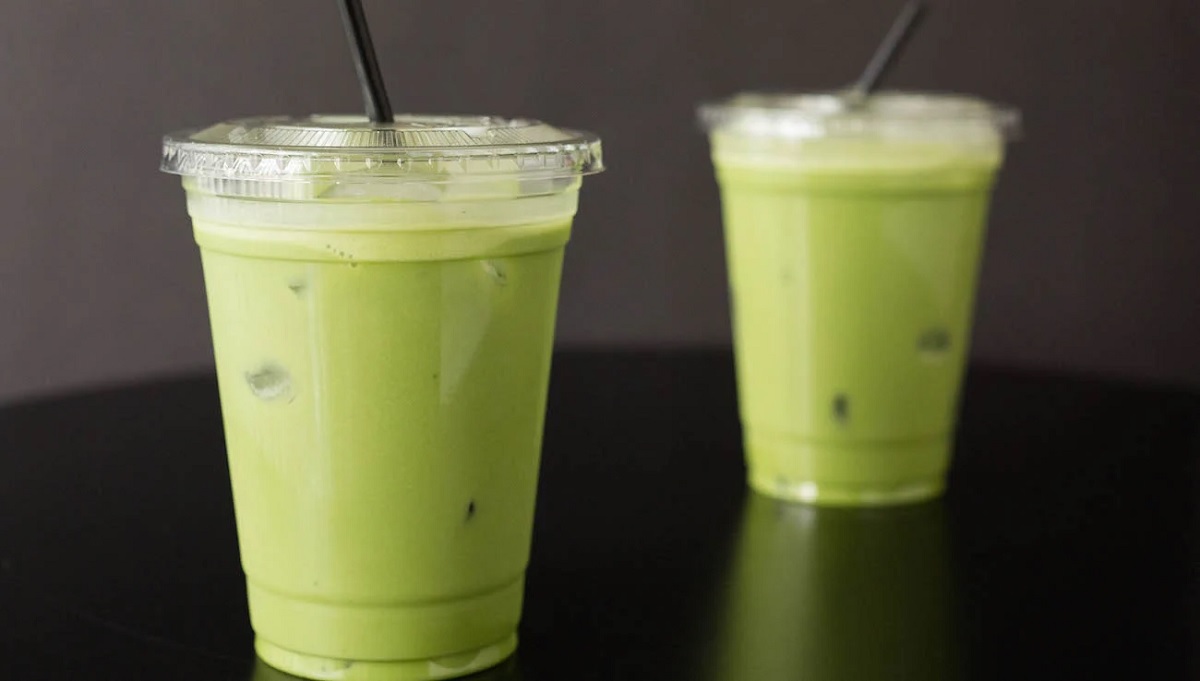
Iced matcha lattes often contain the same amount of matcha powder as their hot counterparts, but the preparation method changes the way caffeine is experienced. Cold water or milk does not extract caffeine as quickly as hot water, which can slightly alter the rate of absorption in the body.
Many iced matcha lattes use a concentrated matcha mixture or paste to maintain flavor and color after dilution with ice. This ensures that despite the colder temperature, the caffeine content remains similar to a hot latte, generally around 60–80 milligrams per serving. The slower absorption of caffeine in cold beverages, combined with L-theanine, allows for a more sustained alertness without sharp spikes.
Factors Affecting Caffeine Differences
Several factors influence the caffeine difference between hot and iced matcha lattes. The amount of matcha powder used, type of milk, and serving size all play a role. Hot lattes might be served in smaller cups with slightly less matcha, while iced lattes are often sold in larger sizes, increasing the total caffeine per drink.
Additional ingredients, such as sweeteners or flavored syrups, do not affect caffeine directly but can change the overall perception of energy due to sugar-induced spikes. For those monitoring caffeine intake, noting the matcha concentration and total serving volume is key to estimating actual caffeine consumption.
Comparing Energy Effects
The energy experience differs between hot and iced matcha lattes due to temperature and absorption rate. Hot matcha lattes tend to deliver caffeine slightly faster because the hot water extracts caffeine more efficiently. This can give a noticeable alertness boost within 20–30 minutes.
Iced matcha lattes, however, are often sipped more slowly, and the cold temperature slightly slows caffeine absorption. Combined with L-theanine, this provides a more gradual, sustained energy release. Both versions maintain similar total caffeine content, but the perceived effect may vary, making hot lattes better for quick energy and iced lattes ideal for longer-lasting focus.
Customization And Caffeine Control
You can control caffeine content in both hot and iced lattes by adjusting matcha powder quantity. Adding extra matcha increases caffeine, while reducing powder lowers it. Plant-based milk options or smaller serving sizes can help reduce total calories without affecting caffeine significantly.
For iced lattes, the concentration of matcha paste can be tailored to maintain flavor while controlling caffeine intake. Monitoring syrup additions is also essential, as added sugar can give a temporary energy spike, altering the overall caffeine experience. By customizing ingredients and preparation, you can enjoy either latte version according to your energy needs and taste preferences.
How Serving Size Affects Caffeine
The serving size of a matcha latte directly influences its caffeine content. Larger drinks require more matcha powder or concentrate, which naturally increases the total caffeine intake. Understanding how portion size affects caffeine allows you to enjoy your latte responsibly while tailoring your energy boost to your needs.
Caffeine In Small And Standard Servings
A small 8-ounce matcha latte typically contains about 1 teaspoon of matcha powder, translating to roughly 60–70 milligrams of caffeine. This serving size is ideal for a moderate energy lift, providing alertness without overstimulation.
Standard 12-ounce lattes often include 1.5 teaspoons of matcha powder, which increases caffeine content proportionally to around 90–105 milligrams. The milk volume in larger cups dilutes the intensity of flavor slightly but does not reduce caffeine levels. These medium-sized servings are suitable for a steady, sustained boost during work or study periods.
Caffeine In Large And Extra-Large Servings
Large matcha lattes, such as 16-ounce or 20-ounce servings, typically contain 2 or more teaspoons of matcha powder. This increases caffeine content to 120–140 milligrams or higher, depending on preparation and brand. The larger serving size allows more matcha to be infused, amplifying both caffeine and flavor.
Extra-large iced or blended lattes often require concentrated matcha pastes to maintain color and taste. While this ensures flavor consistency, it also increases total caffeine content. Being aware of serving size helps you manage energy levels, especially if you are sensitive to stimulants or enjoy multiple caffeinated beverages in a day.
Comparing Hot And Iced Serving Sizes
Serving size can differ between hot and iced matcha lattes, affecting caffeine delivery. Iced versions are frequently sold in larger cups, from 16 to 24 ounces, to accommodate ice and maintain proper flavor concentration.
As a result, an iced matcha latte can contain significantly more caffeine than a smaller hot latte. The matcha-to-liquid ratio is adjusted to preserve flavor intensity, meaning larger drinks do not simply dilute caffeine—they often increase it. Being mindful of cup size ensures you get the desired caffeine boost without overconsumption.
Adjusting Serving Size For Energy Needs
You can control caffeine intake by choosing appropriate serving sizes. Smaller cups are ideal for morning pick-me-ups, while larger sizes provide a longer-lasting energy effect. Adjusting the amount of matcha powder within the same cup size also allows further customization.
Monitoring serving size is especially useful for individuals managing caffeine sensitivity. By understanding how portion size affects total caffeine, you can enjoy a matcha latte that aligns with your energy goals, whether you need a quick lift or a sustained alertness boost throughout the day.
Popular Iced Matcha Latte Variations
Iced matcha lattes have gained immense popularity for their vibrant color, smooth texture, and energizing qualities. While the classic version is widely enjoyed, there are several variations that enhance flavor, creaminess, and visual appeal. Exploring these variations allows you to enjoy matcha in unique ways while tailoring each drink to personal preferences.
Classic Iced Matcha Latte
The classic iced matcha latte combines matcha powder, cold milk, and ice, providing a smooth, slightly sweet beverage with moderate caffeine. The simplicity of this drink highlights the natural earthy flavors of matcha while maintaining its creamy texture.
This variation is often served lightly sweetened or unsweetened, letting the grassy, umami-rich notes of matcha shine. The balance between cold milk and matcha ensures the drink remains refreshing while providing a steady energy boost, making it a popular choice for mornings or afternoons. The classic version serves as a foundation for experimenting with other flavors and add-ins, giving you a base that can be customized according to taste.
Vanilla Iced Matcha Latte
Adding vanilla syrup or extract creates a subtly sweet and aromatic iced matcha latte. Vanilla enhances the creaminess of the milk and softens the earthy notes of matcha, resulting in a balanced and smooth flavor profile.
This variation is especially popular among those who prefer a dessert-like twist without overwhelming sweetness. Using natural vanilla extract or low-sugar syrup options can maintain the drink’s health benefits while providing a richer sensory experience. The combination of vanilla and matcha elevates both aroma and flavor, making it an appealing option for anyone seeking a flavorful, yet refreshing iced latte.
Coconut Iced Matcha Latte
Coconut milk or coconut-flavored syrup gives the iced matcha latte a tropical twist. The natural sweetness and creaminess of coconut milk complement matcha’s vegetal flavor, creating a well-rounded, indulgent beverage.
This variation is often enjoyed with unsweetened or lightly sweetened coconut milk to maintain balance while highlighting the matcha flavor. Coconut provides additional texture and a subtle nutty aroma, making it ideal for warm weather or as a unique alternative to traditional milk. It also pairs well with toppings like shredded coconut or cinnamon for an extra layer of flavor and presentation.
Chocolate or Mocha Iced Matcha Latte
For chocolate lovers, combining matcha with cocoa powder or chocolate syrup results in a mocha-style iced latte. The bittersweet notes of chocolate blend with matcha’s natural earthiness, offering a complex and satisfying flavor.
This variation can be prepared using milk or plant-based alternatives to create a creamy texture while maintaining balance. Chocolate adds sweetness and depth, making it a decadent option for a mid-afternoon treat or a dessert-inspired beverage. The combination of caffeine from matcha and the rich chocolate flavor delivers both energy and indulgence, appealing to those who enjoy a layered taste experience.
Fruit-Infused Iced Matcha Latte
Incorporating fruit flavors, such as mango, strawberry, or passionfruit, creates a refreshing and vibrant iced matcha latte. Fruit syrups or purees add natural sweetness and acidity, enhancing the overall flavor and visual appeal.
This variation works well with coconut or almond milk, balancing creaminess with bright fruit notes. The addition of fruit makes the beverage more hydrating and visually striking, perfect for summer or brunch occasions. Fruity matcha lattes also offer opportunities for layering or swirls, creating a visually appealing presentation that pairs taste and aesthetics in one drink.
People Also Asked
Does Iced Matcha Latte Contain Caffeine?
Yes, an iced matcha latte contains caffeine because it is made from powdered green tea leaves. The caffeine content comes naturally from the matcha itself, which provides a moderate energy boost.
Unlike coffee, matcha releases caffeine gradually due to the presence of L-theanine. This combination allows you to feel alert and focused without the sharp spikes or jitters that coffee sometimes produces. Whether you drink it in the morning or afternoon, iced matcha lattes can give you a smooth, sustained energy lift.
How Much Caffeine Is In An Iced Matcha Latte?
The amount of caffeine in an iced matcha latte depends on the serving size and matcha concentration. Typically, a standard 12-ounce latte contains about 60–70 milligrams of caffeine, comparable to half a cup of brewed coffee.
Larger iced lattes or drinks with extra matcha scoops can increase caffeine content significantly. The preparation method, such as using a concentrated matcha paste, also influences caffeine levels. Understanding the typical range helps you manage energy intake, making it easier to enjoy an iced matcha latte without consuming too much caffeine in one sitting.
Is The Caffeine In Iced Matcha Latte Different From Hot Matcha?
The caffeine in iced matcha latte is essentially the same as in hot matcha latte. However, temperature affects how quickly the caffeine is absorbed. Cold beverages are absorbed slightly slower than hot drinks, providing a more gradual energy effect.
This means that while total caffeine content may be equal, the alertness and focus you experience from iced matcha lattes may feel steadier and last longer. The presence of L-theanine in matcha further moderates the caffeine’s effect, allowing you to enjoy a calm yet energized feeling whether your latte is iced or hot.
Can I Adjust Caffeine Levels In Iced Matcha Latte?
Yes, you can adjust caffeine levels by changing the number of matcha scoops or the serving size. Using one teaspoon of matcha per cup provides moderate caffeine, while two teaspoons or larger servings increase the total caffeine intake.
The type of milk or milk alternative does not significantly alter caffeine levels, but flavored syrups can change perception of energy due to added sugar. Being mindful of matcha quantity lets you control caffeine according to your tolerance and energy needs, ensuring that your iced latte delivers the right balance of flavor and alertness.
Does Matcha’s L-Theanine Affect Caffeine Sensation?
Yes, L-theanine in matcha significantly affects how caffeine impacts you. This amino acid slows caffeine absorption, creating a smooth and sustained energy boost rather than a sudden spike.
Because of L-theanine, an iced matcha latte provides alertness without jitters, even though it contains caffeine. This calming effect allows you to maintain focus for longer periods while enjoying a refreshing, cold beverage. The combination of caffeine and L-theanine is one of the main reasons matcha lattes are preferred over coffee for steady energy and improved mental clarity.
Are There Differences Between Store-Bought And Homemade Iced Matcha Lattes?
Store-bought iced matcha lattes can vary in caffeine depending on brand and preparation. Some cafés use more concentrated matcha or larger servings, resulting in higher caffeine levels compared to homemade versions.
When making your own iced matcha latte, you control the amount of matcha powder, milk, and ice, which directly influences caffeine content. Understanding these factors allows you to customize caffeine levels according to taste and energy needs. Whether homemade or from a café, iced matcha lattes consistently provide moderate caffeine with a smooth and balanced energy effect.
Is Iced Matcha Latte Suitable For Afternoon Energy Boost?
Yes, iced matcha lattes are ideal for an afternoon energy boost. Their moderate caffeine content provides alertness without the crash associated with coffee.
The slow-release effect of matcha caffeine, combined with L-theanine, supports sustained focus and calm energy. An iced latte is especially refreshing during warmer months, making it a practical and enjoyable choice for maintaining productivity and concentration throughout the afternoon. By selecting the right serving size and matcha concentration, you can optimize your iced matcha latte for a smooth, long-lasting energy lift.
Final Thoughts
Iced matcha lattes are not only refreshing but also provide a gentle energy boost thanks to their natural caffeine content. The amount of caffeine depends on factors like the grade of matcha, the number of scoops used, and the serving size. Even with ice and milk diluting the drink slightly, iced matcha lattes still contain enough caffeine to increase alertness without the jittery effects often associated with coffee.
For those wondering does iced matcha latte have caffeine, the answer is yes, though the exact amount varies. A typical café-sized iced matcha latte can contain anywhere from 60 to 80 milligrams of caffeine per serving, depending on how it’s prepared. Factors such as using ceremonial versus culinary grade matcha, or adding multiple scoops for stronger flavor, can raise the caffeine level further.
Understanding the caffeine content helps you enjoy your iced matcha latte responsibly, whether you want a morning pick-me-up or a mid-afternoon boost. By adjusting matcha amounts, milk, and ice, you can control both the taste and energy effects, making each cup a balanced and enjoyable beverage.