Is Matcha Better Hot Or Cold: Flavor, Health, and Serving Tips
Matcha has become a beloved beverage worldwide, known for its vibrant green color, smooth flavor, and health benefits. Its versatility makes it enjoyable in different forms, and many people wonder how to get the best experience from this traditional Japanese tea. The temperature at which matcha is served can significantly impact taste, texture, and aroma.
Hot matcha is often associated with traditional tea ceremonies and comfort. The warmth enhances its earthy flavors and creates a soothing, aromatic experience that can be relaxing and meditative. On the other hand, cold matcha is refreshing, especially during warm weather, and can be paired with ice, milk, or sweeteners for a revitalizing drink.
This discussion explores the question, is matcha better hot or cold, providing insights into flavor differences, preparation methods, and overall drinking experience. Knowing these factors helps you enjoy matcha in the way that best suits your preferences.
Flavor Differences Between Hot and Cold Matcha
The temperature at which matcha is served can dramatically influence its flavor profile. Hot and cold matcha bring out different qualities in taste, aroma, and mouthfeel. Understanding these differences helps you choose the right preparation for your mood, season, or preference, ensuring each cup is enjoyable and satisfying.
Hot Matcha: Earthy, Umami, and Aromatic
Hot matcha is known for its rich, earthy flavor and subtle umami notes. The warmth of the water or milk intensifies the natural taste of high-quality matcha, making its grassy and vegetal characteristics more pronounced. The aroma is stronger in hot preparations, providing a comforting and immersive experience.
The texture of hot matcha is smooth and velvety, especially when properly whisked. Whisking incorporates air, creating a frothy surface that adds to the sensory enjoyment. The gentle heat also enhances the natural sweetness of the tea, reducing the need for additional sweeteners.
Hot matcha is ideal for those who enjoy a robust, full-bodied flavor with a calming, meditative drinking experience. It allows you to appreciate the traditional taste of matcha, making it perfect for morning routines or quiet afternoons.
Seasonal enhancements such as spices, syrups, or milk alternatives can be added without overpowering the natural flavor, allowing for creative variations while maintaining the distinctive taste of matcha.
Cold Matcha: Refreshing, Crisp, and Smooth
Cold matcha offers a different experience, emphasizing crispness and refreshment. Served over ice or blended into iced lattes, cold matcha highlights lighter, sweeter notes and can feel less intense than hot matcha. The cooler temperature softens the umami and earthy flavors, making it more approachable for first-time drinkers.
The texture of cold matcha varies depending on preparation. Shaken or blended drinks create a frothy, smooth consistency, while iced matcha served in layers with milk produces a visually appealing and refreshing beverage. Cold preparations often allow for more creative flavor additions, such as vanilla, caramel, or coconut.
Cold matcha is especially popular during warm weather or as an on-the-go beverage. It provides a revitalizing effect, offering gentle caffeine without the heaviness sometimes associated with hot drinks. The crisp flavor makes it suitable for pairing with light snacks or sweet treats.
Adjusting sweetness and milk in cold matcha allows you to balance flavors while maintaining a refreshing and smooth experience. Ice dilutes intensity slightly, so finding the right ratio of matcha to water or milk is key for optimal flavor.
Taste Comparison: Sweetness, Bitterness, and Umami
Hot and cold matcha differ notably in perceived sweetness, bitterness, and umami. Hot matcha tends to emphasize umami and earthy flavors, creating a slightly bitter but balanced taste. The warmth allows subtle sweetness to emerge naturally from the tea leaves.
Cold matcha, in contrast, often tastes sweeter and lighter because the lower temperature suppresses some bitterness and vegetal intensity. This makes cold preparations easier for casual drinkers or those who prefer a milder flavor. Sweeteners or flavored syrups blend well with cold matcha, enhancing taste without overwhelming its natural characteristics.
Understanding these differences allows you to select the preparation based on personal preference. If you prefer bold, robust flavors, hot matcha is ideal. For a smoother, more refreshing experience, cold matcha works best. Adjusting water temperature, milk, or ice further fine-tunes flavor intensity.
Taste perception can also be influenced by additives. Hot matcha can handle spices or milk without losing its natural richness, while cold matcha blends well with flavor enhancements like vanilla, caramel, or coconut for a refreshing twist.
Aroma and Mouthfeel Differences
Aroma and mouthfeel are key distinctions between hot and cold matcha. Hot matcha releases a strong, vegetal fragrance, making drinking a multi-sensory experience. The warmth and frothy texture contribute to a creamy, velvety mouthfeel that enhances enjoyment.
Cold matcha has a lighter aroma, with subtle vegetal notes and less intensity than hot matcha. Mouthfeel varies from crisp and smooth in shaken iced drinks to creamy and indulgent in iced lattes or blended beverages. The presence of ice or cold milk alters texture and can slightly mute flavor intensity.
Choosing hot or cold matcha also affects how your palate perceives flavor layers. Hot matcha highlights depth and complexity, while cold matcha emphasizes refreshment and approachability. Both experiences are enjoyable but suited to different moods, times of day, and settings.
Choosing Between Hot and Cold Matcha
Deciding between hot and cold matcha depends on flavor preference, season, and desired drinking experience. Hot matcha is ideal for relaxation, focus, and appreciating the full-bodied umami and earthy notes. Cold matcha is perfect for refreshment, lightness, and experimentation with sweeteners or milk alternatives.
Preparation techniques influence final taste. Proper whisking or blending ensures smooth texture and even flavor in both hot and cold versions. Adjusting water temperature, ice levels, or milk ratios can further refine the experience.
Understanding the flavor differences allows you to select the perfect matcha drink for your needs. Both hot and cold preparations offer unique qualities, so experimenting with each can help you discover your favorite style.
Best Occasions to Drink Hot vs Cold Matcha
The temperature of your matcha can greatly influence when and how you enjoy it. Hot and cold matcha offer different experiences, from warming comfort to refreshing revitalization. Knowing the best occasions for each helps you choose the right preparation to match the season, your mood, and your daily routine, enhancing both flavor and enjoyment.
Hot Matcha for Relaxation and Mindful Moments
Hot matcha is ideal for moments of relaxation or mindfulness. The warmth and aroma create a calming atmosphere, perfect for early mornings, quiet afternoons, or evening routines. Sipping hot matcha allows you to slow down, savor the earthy, umami flavors, and focus on the sensory experience.
Its soothing nature makes hot matcha suitable for meditation, journaling, or reading. The temperature accentuates the drink’s natural richness, while the frothy texture from proper whisking adds a comforting mouthfeel. A hot cup can be paired with light snacks like pastries or fruit for a cozy break.
Hot matcha also works well during cooler seasons. The warmth helps combat cold weather, providing both physical comfort and mental relaxation. For those seeking a mindful beverage experience, hot matcha transforms ordinary moments into calming rituals.
Additionally, hot matcha offers a more traditional tasting experience. The preparation allows you to appreciate the full flavor profile of the tea leaves, making it suitable for ceremonial or focused drinking occasions.
Cold Matcha for Refreshment and Energy
Cold matcha is perfect for occasions when refreshment and energy are the priority. Iced or blended, cold matcha is revitalizing and crisp, making it ideal for hot weather, workouts, or mid-day pick-me-ups. The chilled temperature softens bitterness while highlighting light, sweet notes.
Cold matcha is particularly popular for on-the-go consumption. Its refreshing nature pairs well with casual outings, outdoor activities, or quick coffee shop stops. Adding ice, milk, or flavor syrups enhances the drink’s versatility and keeps it enjoyable during warm conditions.
The caffeine in matcha provides a gentle, sustained energy boost, making cold preparations excellent for productivity or alertness. Layered or blended cold drinks offer both visual appeal and flavor balance, adding enjoyment to social occasions or relaxed gatherings.
Customizable iced matcha drinks can also cater to dietary preferences and flavor desires. Sweeteners, milk alternatives, or syrups allow you to adapt cold matcha for casual enjoyment, work breaks, or social events.
Seasonal Occasions for Hot and Cold Matcha
Seasons play a major role in determining whether hot or cold matcha is more suitable. During fall and winter, hot matcha enhances warmth and comfort, complementing cooler weather. Cold matcha shines in spring and summer, offering a refreshing, hydrating beverage option.
Hot matcha can be paired with seasonal spices, like cinnamon or nutmeg, for a cozy, festive experience. Cold matcha allows for summer creativity, combining with iced milk, tropical flavors, or blended textures for a light and energizing drink. Seasonal adaptations elevate the experience, making matcha versatile year-round.
Choosing matcha according to season also impacts enjoyment. Warm preparations help unwind and provide soothing comfort, while cold drinks invigorate and refresh. This balance ensures that matcha remains enjoyable regardless of weather or temperature preferences.
Social and Personal Occasions
Hot matcha is well-suited for intimate, reflective, or ceremonial occasions. It creates an atmosphere of calm and mindfulness, whether enjoyed alone or in quiet conversation. Traditional tea rituals, morning routines, or evening wind-downs are ideal moments for hot matcha.
Cold matcha, on the other hand, is perfect for social or energetic settings. Cafés, brunches, picnics, or casual gatherings benefit from the refreshing and visually appealing nature of iced or blended matcha drinks. Its versatility in flavors and presentation makes it suitable for sharing or casual enjoyment.
Understanding the social and personal context of matcha drinking helps you select the preparation that enhances your experience. Hot or cold matcha can transform ordinary moments into intentional, enjoyable rituals.
Choosing Based on Mood and Lifestyle
Ultimately, the best occasion to drink matcha depends on your mood and lifestyle. Hot matcha complements calm, reflective states, promoting relaxation and mindfulness. Cold matcha supports activity, refreshment, and social interaction, offering an energizing and enjoyable experience.
Preparation style, sweetness, and milk choices can further tailor the beverage for each occasion. Hot matcha with a creamy milk base can be indulgent and comforting, while iced matcha with syrup or blended textures can energize and refresh.
Being mindful of the occasion allows you to fully appreciate matcha’s versatility. Whether seeking relaxation, refreshment, or social enjoyment, matching temperature and preparation to your needs ensures every cup is both flavorful and satisfying.
Brewing Techniques for Hot Matcha
Brewing hot matcha requires precision and care to achieve a smooth, flavorful cup. The temperature of the water, the quality of the matcha, and the mixing method all influence taste and texture. Proper techniques enhance the natural umami, sweetness, and aroma of matcha, creating a balanced and enjoyable experience for both traditional and modern drinkers.
Choosing The Right Matcha
The foundation of a great hot matcha drink begins with selecting high-quality matcha powder. Ceremonial-grade matcha is ideal for traditional hot beverages due to its vibrant color, smooth texture, and rich flavor. Culinary-grade matcha can also be used, though it may have a slightly more bitter taste.
Freshness is key, as matcha loses flavor over time. Store it in an airtight container away from heat and light to preserve its bright green color and delicate aroma. Using freshly sipped matcha ensures a full-bodied, earthy taste that forms the base of an exceptional hot drink.
Understanding your matcha’s flavor profile helps you determine the ideal water temperature and whisking technique. Higher-quality powders typically require less sweetening and deliver a more balanced, umami-rich cup, allowing the natural taste to shine without masking it with milk or sugar.
Water Temperature and Preparation
Proper water temperature is crucial for hot matcha. Water that is too hot can scorch the tea, creating bitterness, while water that is too cool may fail to dissolve the powder fully. The ideal temperature is generally between 160°F and 175°F (70–80°C).
Start by sifting the matcha into a bowl to prevent clumping. Pour a small amount of hot water over the powder and whisk it into a smooth paste. Gradually add the remaining water, whisking in a brisk zigzag motion to create a frothy surface. This process ensures even distribution and smooth texture.
The amount of water used also affects flavor intensity. Less water creates a concentrated, robust matcha with pronounced umami, while more water produces a lighter, more delicate cup. Adjusting water ratio allows you to tailor the strength and balance of your drink to personal preference.
Whisking Techniques for Smooth Texture
Whisking is essential to achieve a creamy, frothy texture in hot matcha. A traditional bamboo whisk, or chasen, is preferred, as its tines aerate the liquid while breaking up clumps. Use a brisk back-and-forth or zigzag motion, not circular stirring, to generate froth.
Consistency is important—whisking for about 15–30 seconds usually creates a smooth, even foam. Avoid over-whisking, which can incorporate too much air and cause the drink to lose its body. For those without a bamboo whisk, a small handheld frother or spoon can also create a reasonably smooth texture.
The goal is a uniform blend of powder and water with a light layer of froth on top. Proper whisking enhances flavor perception, making the natural sweetness and umami of matcha more prominent while providing a satisfying mouthfeel with each sip.
Enhancing Flavor and Customization
Once brewed, hot matcha can be customized without overwhelming its natural flavor. A small amount of sweetener, such as honey or agave, complements the natural umami without masking it. Milk or milk alternatives, like oat or almond milk, add creaminess and can transform the drink into a latte-style beverage.
Optional flavor enhancements like a dash of cinnamon, vanilla, or cocoa powder can be incorporated carefully. These additions should accentuate the tea’s flavor rather than dominate it, maintaining a balanced cup. Adjusting froth or milk ratios allows further customization to suit taste and texture preferences.
Hot matcha preparation is both an art and a science. By focusing on matcha quality, water temperature, whisking technique, and thoughtful customization, you can create a rich, flavorful, and aromatic cup that highlights the tea’s natural characteristics.
Brewing Techniques for Cold Matcha
Cold matcha requires careful preparation to achieve a smooth, refreshing drink that balances flavor and texture. Unlike hot matcha, cold beverages often emphasize lightness, sweetness, and crispness while minimizing bitterness. Proper techniques, including dissolving matcha, mixing, and layering, help maintain the vibrant green color, smooth consistency, and natural umami of the tea.
Dissolving Matcha Without Heat
Cold matcha starts with dissolving the powder efficiently to prevent clumps. Unlike hot preparations, cold water doesn’t naturally dissolve the powder as easily, so proper technique is essential. Begin by sifting the matcha into a bowl or shaker to remove lumps. Add a small amount of room-temperature water and whisk, froth, or shake vigorously to create a smooth paste before adding ice or more liquid.
Using a handheld frother or small whisk can significantly improve consistency, as it aerates the mixture and ensures even blending. For convenience, some people use cold brew matcha, which simplifies the process while maintaining flavor. Proper initial dissolution is key to avoiding gritty texture and achieving a refreshing, enjoyable drink.
Cold matcha often incorporates milk or sweeteners for flavor balance. By dissolving matcha thoroughly first, these additions mix more evenly, ensuring the beverage is smooth and visually appealing.
Shaking and Mixing Techniques
Shaking is a popular method for cold matcha because it helps blend the powder with liquid efficiently. Use a shaker or tightly sealed jar to combine matcha paste, water, ice, and optional milk or sweeteners. Shake vigorously for 30–60 seconds to ensure smoothness and frothiness.
Shaking introduces small air bubbles, creating a light, slightly creamy texture even without heat. It also helps maintain the bright green color of the matcha, which can dull if clumps remain. Layering ingredients, such as milk or coffee, before shaking allows for experimentation with flavor and appearance.
For iced matcha lattes, adding milk during the shaking process ensures uniform texture while softening bitterness. Sweeteners or syrups can also be added to taste, with shaking promoting even distribution. Proper mixing ensures that each sip delivers consistent flavor without settling powder or separation.
Blending for Iced or Frappé-Style Drinks
Blending matcha with ice creates frappé-style drinks that are smooth, creamy, and refreshing. Start by combining dissolved matcha, water or milk, ice, and optional sweeteners in a blender. Blend on low to medium speed until uniform and frothy.
Blending breaks up ice evenly while mixing ingredients, producing a cold beverage with a consistent flavor and texture. Frappé-style drinks allow for more creativity, such as adding flavored syrups, plant-based milks, or even a small amount of coffee for matcha fusion drinks.
The resulting drink is visually appealing and refreshing, perfect for warm weather or casual enjoyment. Ice can be adjusted to control thickness, while milk and syrup additions allow you to balance sweetness, creaminess, and flavor intensity.
Layering and Presentation
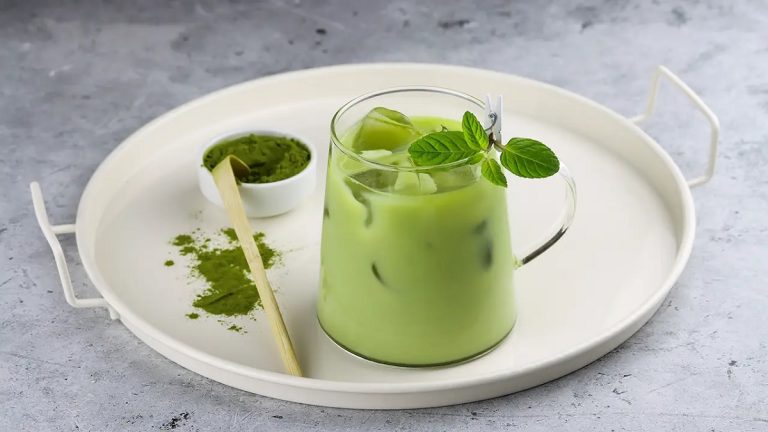
Layering cold matcha is another popular technique for both flavor and aesthetic appeal. In a tall glass, add milk or liquid base first, then slowly pour matcha over the back of a spoon to prevent immediate mixing. This creates a visually striking gradient and allows for a gradual flavor experience.
Layered drinks can be stirred before drinking or enjoyed as-is to experience a progression of taste—from sweet and creamy milk to earthy, vegetal matcha. Adding syrups, whipped cream, or ice enhances both visual and flavor appeal.
Layering is ideal for social settings, café-style beverages, or when presentation matters. Proper technique ensures both taste balance and a smooth transition between layers while maintaining vibrant color and freshness.
Tips for Consistency and Flavor
Cold matcha preparation requires attention to powder quality, water ratio, and mixing methods. High-quality matcha ensures bright color and full flavor, while proper dissolution and blending prevent clumps. Adjust sweetness, milk, and ice according to personal preference.
Experimenting with shaking, blending, or layering allows you to tailor drinks for different occasions. Cold matcha can range from light and crisp to creamy and indulgent, offering a versatile and refreshing alternative to hot tea. Proper technique ensures that every cold matcha beverage is smooth, flavorful, and visually appealing.
Customization Options for Both
Matcha beverages, whether hot or cold, offer incredible versatility for personalization. From milk choices and sweeteners to flavor additions and toppings, customization allows you to create a drink tailored to your taste, dietary needs, and mood. Understanding the options for both hot and cold matcha helps you experiment and enjoy a unique, flavorful experience every time.
Milk and Dairy Alternatives
One of the most popular customization options for matcha is the choice of milk or milk alternatives. Hot matcha lattes can be made with regular dairy milk, which provides creaminess and smooth texture, or with plant-based options like oat, almond, soy, or coconut milk. Each alternative adds subtle flavors, such as nutty notes from almond milk or natural sweetness from oat milk, while still complementing the earthy taste of matcha.
Cold matcha beverages also benefit from milk customization. Iced matcha lattes with creamy milk options produce a smooth, refreshing texture, while blended frappé-style drinks can incorporate milk for thickness. Adjusting the ratio of milk to matcha allows you to control flavor intensity, ensuring the drink is either robust or mild depending on your preference.
Milk alternatives also cater to dietary preferences, including vegan or lactose-free options. Combining the right milk with high-quality matcha enhances both flavor and texture, making each cup enjoyable and satisfying.
Sweeteners and Syrups
Sweeteners are another key way to customize matcha. For hot beverages, options like honey, agave, maple syrup, or sugar can balance earthy or bitter notes while highlighting umami flavors. Cold matcha drinks also work well with flavored syrups like vanilla, caramel, or chocolate, which blend smoothly when shaken or blended.
The amount of sweetener can be adjusted based on taste, with light additions preserving the natural flavor and heavier amounts creating dessert-style beverages. Sweeteners can also be combined with milk or alternative bases to enhance creaminess and flavor depth.
For seasonal variations, syrups like pumpkin spice, hazelnut, or coconut allow for creative, festive drinks. Both hot and cold matcha can be adapted to suit casual or indulgent preferences while maintaining balance between sweetness and natural tea flavor.
Flavor Additions and Spices
Beyond milk and sweeteners, matcha can be enhanced with additional flavors or spices. Cinnamon, cardamom, ginger, or nutmeg can be added to hot matcha for warmth and depth, while cold matcha pairs well with vanilla, coconut, or chocolate for refreshing, creative options.
These additions complement matcha’s natural sweetness without overpowering its earthy taste. Hot matcha benefits from spices that release aroma and warmth, enhancing comfort and relaxation. Cold matcha is ideal for flavor experimentation, using syrups, extracts, or even fresh fruit to create layered, visually appealing drinks.
Flavor additions also allow you to tailor matcha for different occasions. Subtle spice enhances a cozy, reflective experience, while sweet or fruity accents provide energy and refreshment in social or active settings.
Toppings and Visual Enhancements
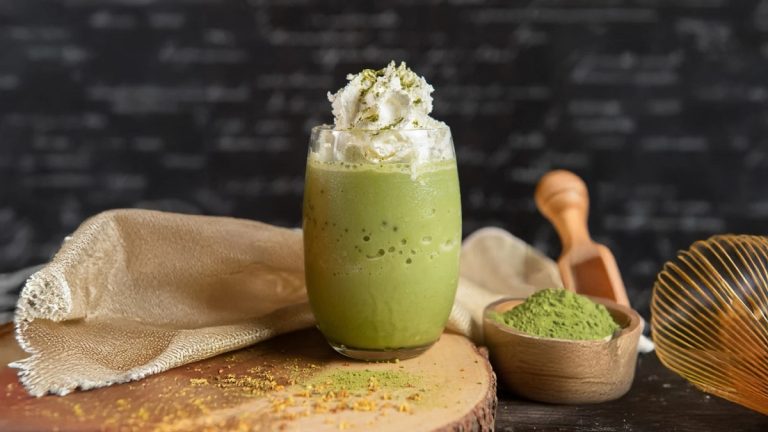
Toppings can elevate both hot and cold matcha beverages. For hot matcha, a light dusting of matcha powder, cocoa, or cinnamon on froth enhances aroma and presentation. Cold drinks benefit from whipped cream, chocolate shavings, or colorful syrups layered on top for visual appeal.
Toppings also contribute to texture. Crunchy additions like granola, crushed nuts, or cookie crumbs in blended drinks create contrast, while creamy or frothy finishes enhance smoothness. Both hot and cold beverages can be customized visually to make the drink feel indulgent, special, or seasonal.
Thoughtful customization ensures that every cup suits your taste, mood, and occasion. By combining milk, sweeteners, spices, and toppings, you can create endless variations that highlight matcha’s versatility and appeal.
Adjusting Strength and Flavor Balance
Finally, adjusting matcha and liquid ratios is a simple yet effective customization method. For stronger flavor, increase the amount of matcha or reduce milk or water. For milder taste, reduce matcha or add more milk and sweeteners.
Both hot and cold preparations benefit from experimenting with ratios. Hot matcha lattes can be made richer and more aromatic, while cold matcha drinks can be lighter, creamier, or more refreshing. The key is balancing intensity, sweetness, and texture to match your personal preference.
Customization allows matcha to fit diverse lifestyles and occasions. Whether hot or cold, experimenting with ingredients, ratios, and toppings ensures every cup is unique, flavorful, and enjoyable.
FAQs
Is Matcha Better Hot Or Cold?
Whether matcha is better hot or cold depends on your taste preferences and the experience you’re looking for. Hot matcha emphasizes its earthy, umami flavors and creates a soothing, aromatic experience. Cold matcha is refreshing, highlighting lighter, sweeter notes while softening bitterness.
Choosing hot or cold also depends on the season and setting. Hot matcha is ideal for cozy mornings or quiet relaxation, while cold matcha is perfect for warm weather, social settings, or on-the-go refreshment. Both preparations offer unique benefits, making matcha versatile for different occasions.
Does Hot Matcha Have More Flavor Than Cold?
Hot matcha often has a more pronounced flavor because warmth intensifies the tea’s natural umami and vegetal notes. The aroma is stronger, and whisking helps create a creamy texture that enhances taste perception. Hot preparation allows you to fully appreciate the richness and complexity of high-quality matcha.
Cold matcha, on the other hand, is milder and slightly sweeter, as the lower temperature reduces bitterness. While the flavor may be less intense, cold matcha emphasizes smoothness and refreshment, making it approachable for casual drinkers. Both forms provide satisfying but distinct flavor experiences.
Which Is Healthier: Hot Or Cold Matcha?
Both hot and cold matcha offer similar health benefits, including antioxidants, vitamins, and a gentle caffeine boost. The primary difference lies in how the body experiences the beverage. Hot matcha may feel more soothing and digestible, while cold matcha provides hydration and refreshment.
Adding milk, sweeteners, or syrups can affect calorie and sugar content in both preparations. For maximum health benefits, use high-quality matcha and minimal additives. Ultimately, the healthiest option is the preparation you enjoy consistently, encouraging regular consumption and wellness benefits.
Can Cold Matcha Be As Creamy As Hot Matcha?
Yes, cold matcha can be creamy, but achieving the right texture requires specific techniques. Using milk or plant-based alternatives, blending, or shaking vigorously ensures a smooth, frothy consistency. Blended iced drinks or frappé-style matcha can mimic the creaminess of hot beverages while staying refreshing.
The choice of milk also influences creaminess. Oat or whole milk adds body and sweetness, while almond or soy milk contributes subtle nutty notes. Properly mixed cold matcha can be indulgent and satisfying, offering a texture comparable to hot matcha lattes.
Is Cold Matcha Better For Summer?
Cold matcha is ideal for summer because it is refreshing, hydrating, and lighter than hot preparations. Served over ice or blended, it softens bitterness and highlights subtle sweetness, making it enjoyable during warm weather. Cold matcha also pairs well with milk, syrups, or fruity additions for seasonal flavor variations.
Its invigorating nature makes it suitable for afternoon pick-me-ups, outdoor activities, or casual social settings. Cold matcha provides a smooth, energizing beverage while keeping you cool and refreshed, making it a perfect choice for hot days or on-the-go consumption.
How Should You Choose Between Hot And Cold Matcha?
Choosing between hot and cold matcha depends on mood, season, and desired flavor intensity. Hot matcha emphasizes earthy, umami notes and provides a soothing, comforting experience, ideal for relaxation or quiet moments. Cold matcha highlights sweeter, lighter flavors and offers refreshment, making it great for social or active settings.
You can also consider customization options like milk, sweeteners, and flavorings to suit your preferences. Experimenting with both hot and cold preparations allows you to enjoy the versatility of matcha and discover which style best fits your lifestyle and taste.
Conclusion
The way you enjoy matcha can significantly influence both its flavor and experience. Hot matcha offers a rich, earthy taste with a comforting aroma, making it ideal for cozy mornings or relaxing evenings. On the other hand, cold matcha is refreshing and light, perfect for warm days, workouts, or on-the-go energy boosts. Each temperature brings out different nuances in the tea, allowing you to explore its versatility.
When considering is matcha better hot or cold, it ultimately depends on your personal preference and the context in which you are drinking it. Hot matcha emphasizes depth and creaminess, while cold matcha highlights subtle sweetness and crisp flavors. Both options maintain the health benefits of matcha, including antioxidants and sustained energy, but the choice of temperature can slightly alter the overall experience.
Experimenting with both hot and cold preparations can help you discover which suits your taste and lifestyle best. Adjusting brewing techniques, sweetness, and milk alternatives ensures every cup is enjoyable, making matcha a versatile beverage for any season or occasion.