How To Make Cold Foam For Coffee – Easy Homemade Recipe
To make cold foam for coffee, start with chilled milk or a plant-based alternative. You can add a splash of vanilla or caramel syrup if you like.
Use a handheld frother, immersion blender, or just shake the milk vigorously in a sealed jar until it’s light and airy. Stop when soft peaks form for the best texture.
Pour it over iced coffee or cold brew for a creamy finish. Keep following for tips on perfecting flavors and presentation.
What Is Cold Foam and Why It’s Popular for Coffee
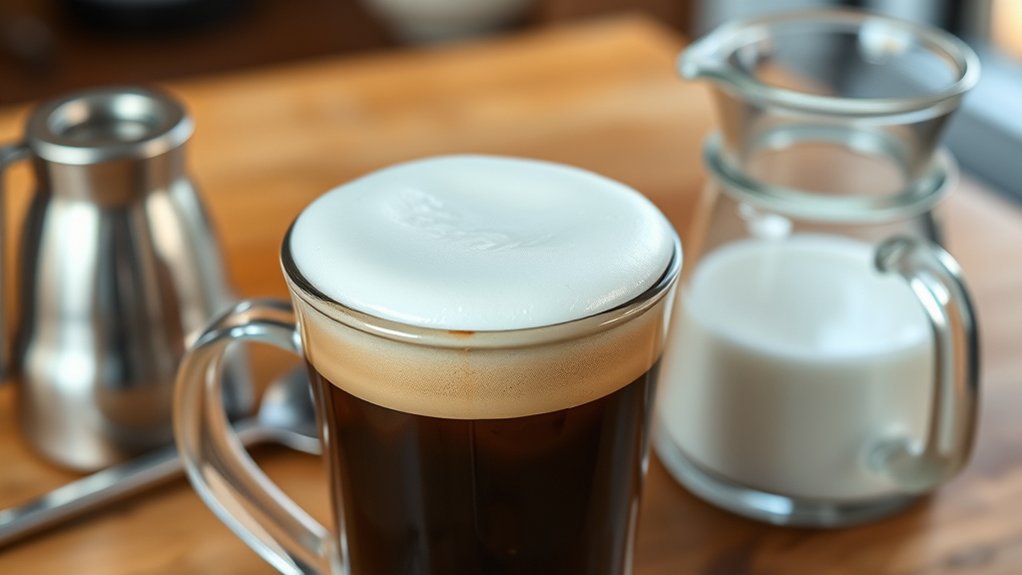
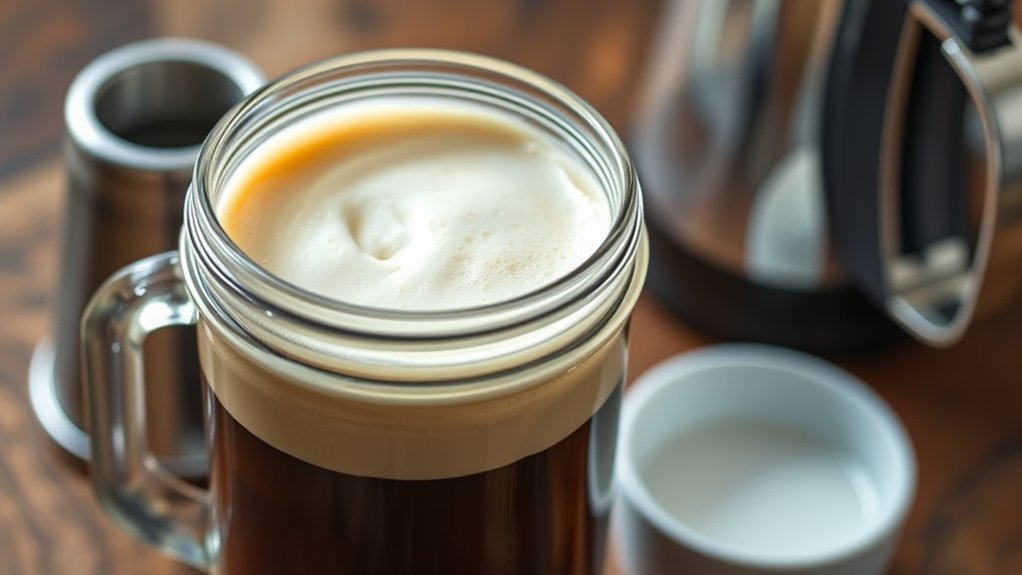
Although cold foam might look like regular milk froth, it’s specially crafted without heat to top cold coffee drinks with a light, airy texture that stays stable on iced beverages like cold brew and iced lattes. Understanding cold foam history reveals its rise as a stylish, functional addition to cold coffee, enhancing both flavor and presentation.
When you add cold foam, you’re not just improving texture; you’re engaging in coffee art, creating a velvety, decorative layer that doesn’t melt quickly. This stability makes your iced coffee look luxurious longer, elevating your drinking experience.
Whether made from milk or plant-based alternatives, cold foam’s unique texture and visual appeal have made it a popular choice for coffee lovers seeking both taste and aesthetic perfection.
Key Ingredients for Making Cold Foam at Home
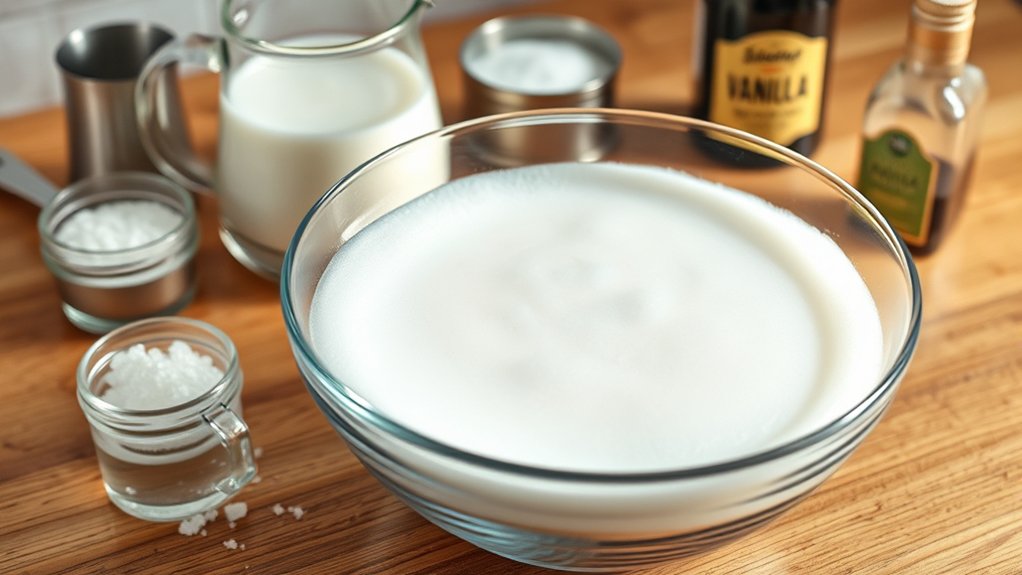
When you want to make cold foam at home, selecting the right ingredients is vital to achieving that light, airy texture that complements your cold coffee perfectly. Start with cold milk, whether skim, 2%, or plant-based alternatives. Chilled milk creates a stable foam that holds its shape beautifully.
Add flavored syrups like vanilla or caramel to sweeten and enhance the taste before frothing. These syrups play an essential role in elevating your artistic latte. They let you experiment with coffee art at home.
Typically, use 1/4 to 1/2 cup of milk combined with 1-2 tablespoons of syrup, adjusting sweetness to your preference. This balance ensures your cold foam is both flavorful and visually appealing. It’s perfect for crafting café-quality coffee art in your own kitchen.
Best Milk Choices for Creamy Cold Foam
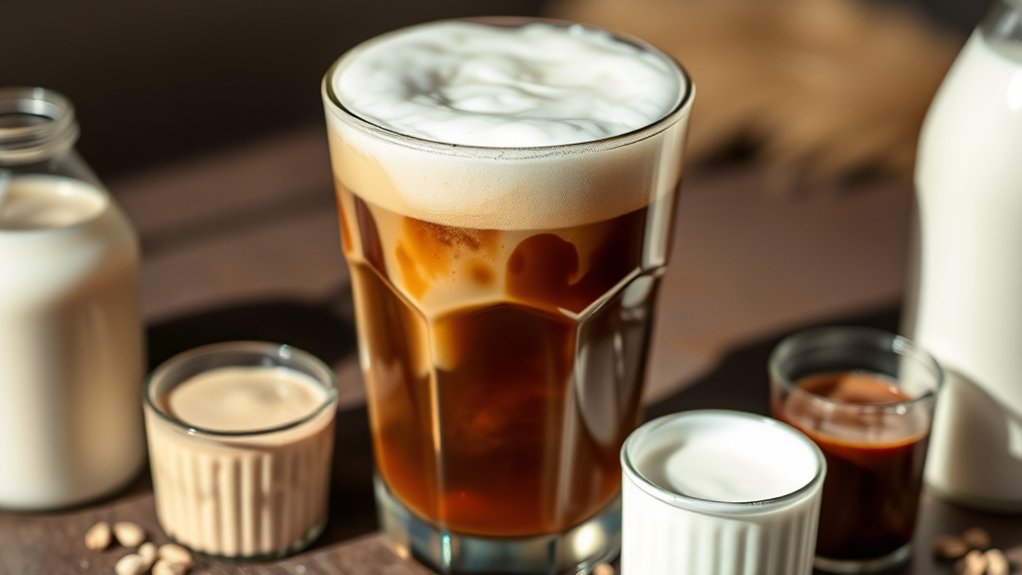
Choosing the right milk is essential for achieving creamy, stable cold foam that enhances your coffee experience. Whole milk stands out for its higher fat content, delivering rich, thick foam that holds up well.
If you prefer lighter foam, nonfat or skim milk produces a velvety, airy texture but lacks some creaminess.
For dairy-free options, milk alternatives like oat and almond milk work, though they tend to create thinner, less stable foam.
Regardless of your choice, chilling your milk or milk alternatives before frothing significantly improves foam stability and texture.
Mastering frothing techniques with your preferred milk type ensures you get that perfect cold foam every time—creamy, smooth, and delicious atop your coffee.
It just takes a bit of practice, but it’s totally worth it.
Why Vanilla Syrup Matters for Cold Foam
You’ll find that vanilla syrup does more than just sweeten your cold foam—it actually deepens the flavor and aroma, making each sip more satisfying.
Plus, choosing the right syrup is essential because it affects the foam’s texture and how well it blends with your coffee.
Enhancing Flavor Profile
Although cold foam already adds a delightful texture to your coffee, incorporating vanilla syrup elevates its flavor profile by introducing a sweet, aromatic note that perfectly balances the drink’s natural bitterness. This ingredient variation not only delivers rich flavor enhancements but also creates a smoother, creamier foam by interacting with milk proteins.
You can customize sweetness levels to suit your taste, ensuring the foam complements rather than overpowers your coffee. Plus, vanilla syrup’s golden hue adds visual appeal, making your drink more inviting.
| Aspect | Effect on Cold Foam | Benefit |
|---|---|---|
| Vanilla Syrup | Adds sweetness and aroma | Balances bitterness |
| Milk Proteins | Interact with vanilla | Smoother, creamier texture |
| Sweetness Level | Adjustable | Personalized flavor control |
| Visual Appeal | Golden hue | Enhances drink presentation |
Syrup Selection Tips
When enhancing your cold foam, selecting the right syrup plays a crucial role in flavor and texture. Vanilla syrup, with its smooth syrup consistency and rich vanilla flavoring, adds a sweet, aromatic touch that elevates your foam beyond simple sweetness.
Unlike plain sweeteners, vanilla syrup blends seamlessly into the foam, creating a cohesive, indulgent profile that complements the coffee’s bitterness.
Choose a high-quality vanilla syrup, like those containing real vanilla bean extract, to impart a warm, inviting aroma that enhances every sip. Brands such as Fontana or naturally flavored vanilla syrups are formulated to mix well with milk-based ingredients.
This helps ensure your cold foam maintains a velvety texture.
Equipment Needed for Making Cold Foam at Home
Since crafting cold foam at home doesn’t require specialized barista equipment, you can easily get started with a few affordable tools. Whether you’re exploring different coffee bean varieties or mastering milk frothing techniques, the right equipment really helps improve your results.
Here’s a quick overview:
| Equipment | Purpose | Key Feature |
|---|---|---|
| Small Jar | Shake milk to create foam | Tight-fitting lid |
| Handheld Frother | Quick, airy foam | Battery/electric powered |
| Immersion/Regular Blender | Large batch frothing | Efficient air incorporation |
| Frothing Pitcher | Manual frothing & mixing | Wide mouth for whisking |
These tools are affordable and easy to find. They’re perfect for experimenting with cold foam at home without needing any professional gear. Give them a try and see how simple it can be!
How to Make Cold Foam Without a Frother
If you don’t have a frother on hand, you can still create delicious cold foam using just a simple jar. This method aligns well with sustainability practices by reducing reliance on electric devices. Here’s how:
Pour 1/4 cup of cold milk or a dairy-free alternative into a clean jar, adding flavorings if you like. Secure the lid tightly and shake vigorously for 30 seconds to 1 minute until the milk froths and doubles in volume.
Pour cold milk or a dairy-free option into a jar, add flavors, seal, and shake until frothy and doubled in volume.
If the foam isn’t thick enough, shake for an additional 10-15 seconds.
Seasonal variations in milk fat content can affect the foam’s texture, so adjust shaking time accordingly. Spoon or pour the foam immediately over your iced coffee for the best presentation.
Tips for Achieving the Perfect Cold Foam Texture
Mastering the texture of cold foam takes a bit of practice, but with the right approach, you can achieve a light, airy consistency that complements your coffee perfectly.
Use cold milk to guarantee foam stability and froth until soft peaks form, usually 15-30 seconds. This helps maintain a creamy texture without collapsing the foam.
Try adding flavorings like vanilla before frothing to enhance the taste.
If you don’t have a frother, no worries—you can shake or blend the milk vigorously for a velvety result. Just make sure to serve immediately to keep the foam fluffy.
Dairy-Free Milk Options for Cold Foam
How do you choose the best dairy-free milk for making cold foam? Selecting the right dairy alternatives depends on their unique frothing properties and your desired foam texture. Here are three top options to consider:
Choosing the best dairy-free milk for cold foam hinges on frothing qualities and your preferred texture.
- Oat Milk: Favored for its natural creaminess, oat milk produces a stable, airy foam with minimal effort using standard frothing techniques.
- Almond Milk: Creates lighter, less stable foam, perfect if you want a thinner, less dense cold foam layer.
- Coconut Milk: Full-fat versions yield rich, thick foam but may need extra emulsifying to prevent separation during frothing.
Keep in mind, some dairy-free milks benefit from added stabilizers like xanthan gum or longer frothing times to achieve the ideal cold foam consistency. It’s worth experimenting to find what works best with your coffee.
How to Customize Cold Foam With Different Flavors
You can easily customize your cold foam by adding popular syrups like vanilla, caramel, or hazelnut before frothing. This way, you get to create unique flavors that really stand out.
Feel free to experiment with homemade syrups too, or sprinkle in spices like cinnamon and nutmeg to give it a little extra kick.
And don’t forget about extracts—almond or peppermint can add a fun twist that’ll totally elevate your coffee experience.
Give it a try and see what combos you like best!
Popular Flavor Variations
Although plain cold foam is delicious on its own, customizing it with different flavors can elevate your coffee experience considerably. Flavor infusion allows you to tailor your cold foam to suit any mood or occasion.
Here are three popular flavor variations to try:
- Vanilla remains the classic choice, adding a sweet, aromatic base that complements any coffee.
- Seasonal varieties like pumpkin spice in fall or peppermint during winter bring festive flair and warmth to your drink.
- For a richer twist, mix in cocoa powder or chocolate syrup to create a mocha-inspired cold foam, or add spices like cinnamon for a cozy, spicy note.
Go ahead and experiment with these options! You’ll enjoy diverse, flavorful coffee creations at home without extra effort.
Homemade Syrup Options
Building on popular flavor variations, homemade syrups offer a fantastic way to customize your cold foam with precise control over sweetness and flavor intensity. You can infuse simple syrups with vanilla, caramel, or cinnamon by simmering sugar, water, and flavoring agents. This method not only enhances flavor combinations but also guarantees fresh, natural taste without artificial preservatives.
Plus, homemade syrups are cost-effective and easy to store. Just keep them refrigerated in airtight containers for up to two weeks.
| Syrup Flavor | Key Ingredient |
|---|---|
| Vanilla | Vanilla bean paste |
| Caramel | Brown sugar |
| Cinnamon | Cinnamon sticks |
| Chocolate | Cocoa powder |
| Honey | Raw honey |
These syrups blend smoothly into milk before frothing, creating personalized cold foam every time. It’s a simple way to make your drinks just how you like them.
Adding Spices And Extracts
When you add spices like cinnamon or nutmeg, or infuse extracts such as vanilla or peppermint into your cold foam, you open up a world of warm, aromatic flavor possibilities. Spice combinations and extract variations let you tailor your foam just the way you like it.
Here’s how to start:
- Add about 1/4 teaspoon of spices like cinnamon, nutmeg, or pumpkin pie spice to the milk before frothing for a subtle warmth.
- Incorporate a few drops of extracts like vanilla, almond, or peppermint into the milk to infuse distinct, rich flavors.
- Experiment by blending flavors, such as vanilla with cinnamon or peppermint with chocolate, to create unique profiles.
Just adjust quantities gradually and taste as you go to perfect your customized cold foam experience.
Best Coffee Drinks to Pair With Cold Foam
If you want to elevate your iced coffee experience, pairing cold foam with rich, bold roasts like French roast or espresso is a great choice. These coffee bean origins offer deep, robust flavors that balance perfectly with the creamy sweetness of cold foam.
Cold foam health benefits include adding texture without extra calories, making it an ideal creamy topping.
You’ll find that cold foam complements iced coffee drinks such as cold brew, iced lattes, and frappuccinos by adding a light, airy layer that enhances the flavor complexity. It also works beautifully with caramel, vanilla, or mocha-based drinks, enriching each sip.
How to Serve and Store Cold Foam for Freshness
To fully enjoy the creamy texture and visual appeal of cold foam, you’ll want to serve it immediately after making it. This preserves its light, airy texture and layered appearance, which is key for creative presentation and stunning cold foam art.
If you need to store it, just follow these simple tips: Place any leftover cold foam in an airtight container and refrigerate it for no more than 24 hours.
Before serving again, gently re-whip or shake the foam to bring back some of that fluffiness.
And remember, always add cold foam to your beverage right before serving to keep it from collapsing or separating. That way, you get the perfect texture every time.
Troubleshooting Common Cold Foam Problems
Although cold foam seems simple, it can present a few common challenges that affect its texture and stability. Over-whipping milk creates stiff peaks or causes the foam to collapse quickly, so stop frothing once soft, velvety peaks form.
Using cold milk is essential; warm or room temperature milk weakens foam stability, resulting in less airy texture.
Insufficient frothing (under 15 seconds) yields thin, runny foam that won’t hold shape on iced drinks.
Avoid adding excessive syrup or flavorings before frothing, as they weigh down the foam, disrupting coffee flavor balancing and causing it to dissolve faster.
For best results, use low-fat or skim milk, which produces lighter, more stable foam.
Master these milk frothing techniques to achieve perfect cold foam every time. It’s really about finding the right timing and milk type to get that creamy, airy texture you’re after.
Keep practicing and you’ll nail it!
Frequently Asked Questions
Can I Use Cold Foam in Hot Coffee Drinks?
You shouldn’t use cold foam in hot coffee because it melts quickly. Instead, explore cold foam variations for iced drinks and experiment with flavor pairings like vanilla or cinnamon for the best texture and taste experience.
Cold foam really shines when it’s cold, so iced drinks are where it’s at. Trust me, trying it in hot coffee just won’t give you that same creamy, frothy vibe.
How Long Does Cold Foam Last Once Made?
Cold foam’s stability is like a fragile bubble. It lasts about 30 minutes refrigerated before deflating.
For best storage tips, keep it cold and add foam just before serving. This helps preserve its airy texture and flavor.
Is Cold Foam Healthier Than Regular Milk Foam?
Yes, cold foam is generally healthier than regular milk foam because it uses milk alternatives with fewer fats and sugars.
Plus, its foam stability lets you enjoy a lighter texture without added cream or butter. It’s a nice way to keep things light and tasty.
Can I Sweeten Cold Foam After Frothing?
You can sweeten cold foam after frothing, but sweetening options work best before to guarantee even flavor variations.
If you add sweetener afterward, gently fold it in to preserve the foam’s creamy texture and stability.
Does Altitude Affect Cold Foam Texture?
Yes, altitude effects can impact your cold foam texture. You’ll notice foam consistency changes due to lower air pressure and oxygen. This means you might need longer frothing or some adjustments.
When you’re brewing at higher elevations, these tweaks help maintain stable, creamy foam. It’s all about adapting to the environment to get that perfect texture every time.
Conclusion
Now that you’ve mastered making cold foam, picture a velvety cloud gently crowning your coffee. It adds a luscious creaminess with every sip.
With just a few simple ingredients and the right tools, you can effortlessly elevate your daily brew into a café-worthy delight. Give it a try!
Experiment with flavors, savor the silky texture, and enjoy the perfect balance of cool foam and rich coffee right at home. Your coffee ritual just got an invigorating upgrade.