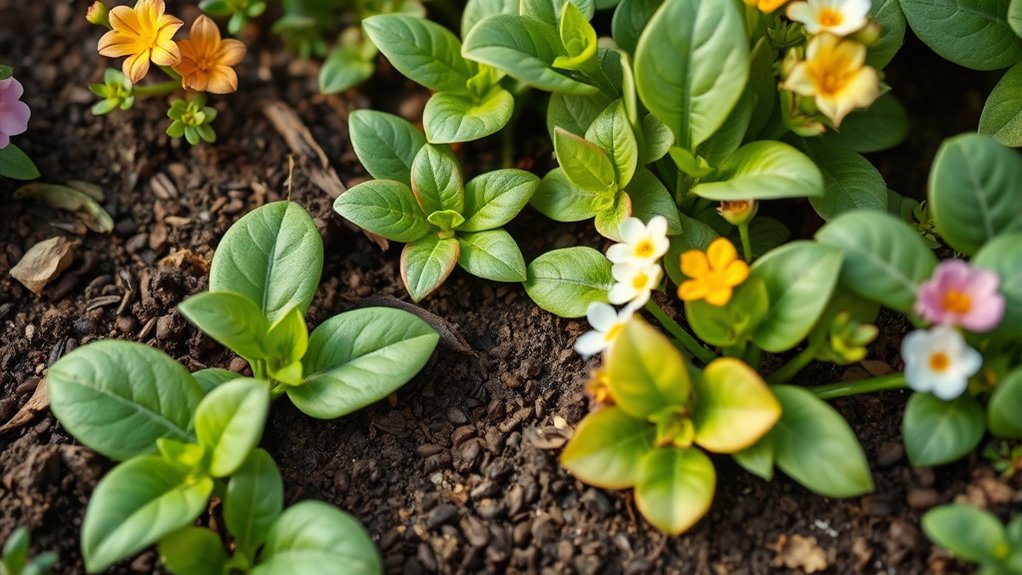
What Plants Don’t Like Coffee Grounds – Gardening Tips Explained
You shouldn’t use coffee grounds on plants that prefer neutral or alkaline soil, like tomatoes, lavender, and lilacs. Their acidity and caffeine can stunt growth and mess with nutrient uptake.
Fresh grounds can also cause soil compaction and stop seeds from germinating, especially in sensitive flowers and vegetables. So, it’s best to be cautious with how you use them.
To avoid harm, always apply coffee grounds sparingly and composted. Knowing which plants don’t like coffee grounds helps you take better care of your soil and boost your garden’s productivity.
How Coffee Grounds Affect Soil pH and Nutrients
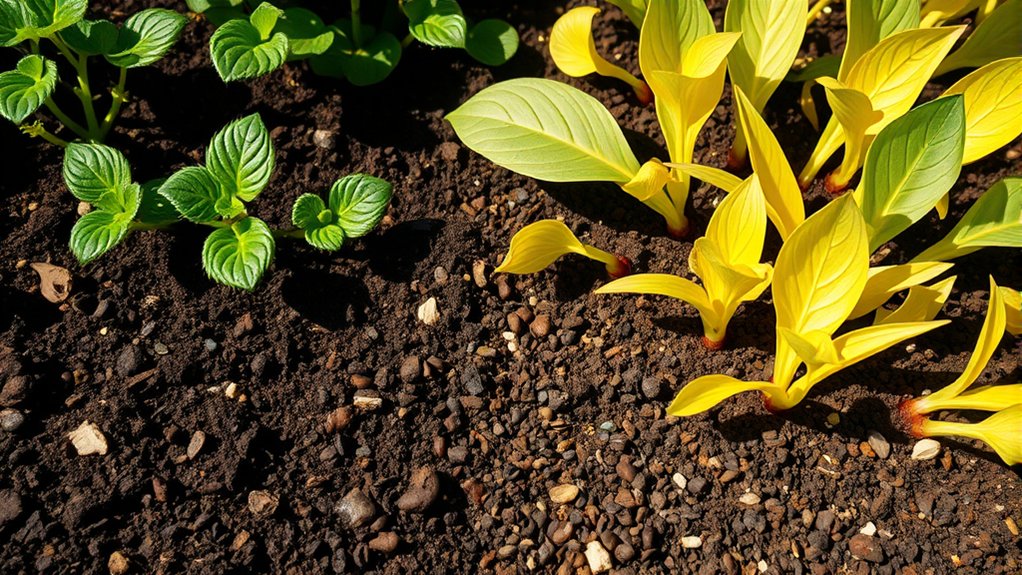
Although coffee grounds initially have an acidic pH around 5.0, which can lower soil pH and harm plants that prefer neutral or alkaline conditions, their effect changes once they decompose. As coffee grounds break down, their pH rises to approximately 6.5 to 6.8, reducing acidity and making them more compatible with various plants.
However, applying fresh grounds directly can markedly drop soil pH, which can negatively affect species like asparagus and lilacs.
Also, overusing coffee grounds may cause nutrient leaching, especially nitrogen immobilization. This limits nutrient availability and can hinder plant growth.
You should also watch out for soil compaction caused by adding too many grounds, as it restricts root development. Managing coffee grounds carefully helps you avoid messing up soil chemistry while still benefiting from their nutrient contributions after decomposition.
How Caffeine in Coffee Grounds Affects Plant Growth
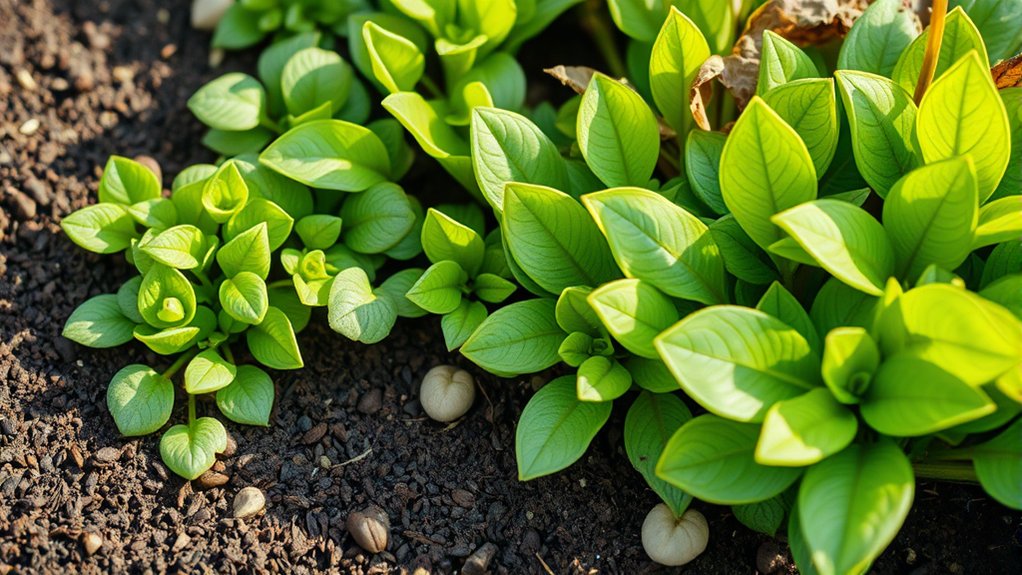
When you apply fresh coffee grounds to your garden, the caffeine they contain can act as a natural herbicide. It inhibits seed germination and disrupts root development in sensitive plants.
Caffeine toxicity interferes with nutrient uptake, often causing stunted growth and yellowing leaves.
This effect is especially noticeable in plants that prefer neutral or alkaline soils because caffeine changes their root environment. Plus, as caffeine breaks down, it releases allelopathic compounds that suppress seed germination nearby and reduce overall plant vigor.
If you use too much coffee grounds, caffeine can build up in the soil and create toxic conditions. This can negatively affect plant health and growth.
How Coffee Grounds Affect Sensitive Plants
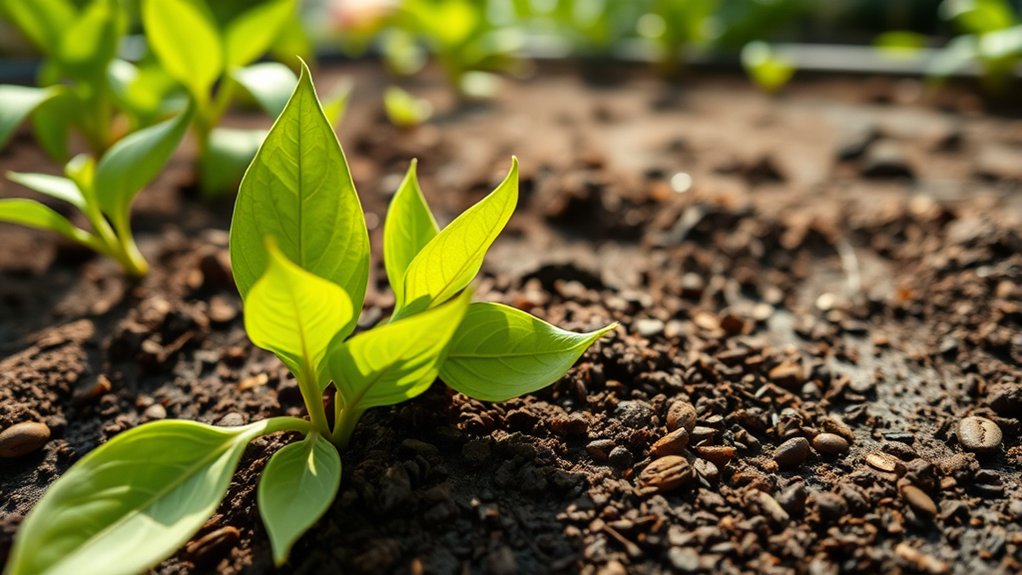
The effects of coffee grounds extend beyond caffeine toxicity to the soil’s acidity, which can greatly impact sensitive plants. When you use coffee grounds, be aware that their low pH can alter soil conditions, affecting plants that prefer neutral or alkaline environments. Here’s what you should consider:
- Coffee grounds lower soil pH, which may harm sensitive plants like tomatoes and azaleas that dislike acidic soils.
- Fresh coffee grounds, with a pH around 5.0, increase soil acidity more aggressively, potentially stunting growth.
- Overapplication leads to soil compaction and nutrient imbalances, further stressing sensitive species such as lavender and rosemary.
Vegetables Sensitive to Coffee Grounds
Since coffee grounds contain caffeine and increase soil acidity, you should be cautious about using them near certain vegetables. Caffeine inhibits seed germination, and acidic conditions stunt growth, especially in plants like tomatoes and asparagus. Excessive coffee grounds can also cause nutrient imbalances, leading to yellowing leaves and poor health.
Additionally, some vegetables are vulnerable to pest attraction when coffee grounds are improperly applied, disrupting companion planting benefits.
| Vegetable | Sensitivity Reason |
|---|---|
| Tomato | Caffeine inhibits growth |
| Radish | Poor development, yields |
| Asparagus | Prefers neutral/alkaline pH |
Avoid applying fresh coffee grounds directly to vegetable beds to maintain best growth and companion planting balance. It’s better to compost them first or use in moderation. That way, you keep your garden happy and healthy!
Flowering Plants That Struggle With Coffee Grounds
You’ll want to steer clear of using coffee grounds around flowering plants that are sensitive to soil acidity, like geraniums and azaleas. Too much acidity can really stunt their growth and even cause root rot.
Plus, the caffeine and other compounds in coffee grounds can mess with seed germination and lead to fewer blooms in these plants.
Keep an eye out for signs like yellowing leaves, stunted growth, and poor flower development if you do apply coffee grounds nearby.
Acid Sensitivity Issues
Although many flowering plants thrive in acidic soil, they can suffer when exposed to fresh coffee grounds due to their high acidity and caffeine content. Using coffee grounds as soil amendments demands caution, especially with acid-sensitive species.
Excessive acidity and caffeine can disrupt nutrient uptake and inhibit root development.
You should avoid applying fresh coffee grounds around plants like azaleas, rhododendrons, and geraniums because high acidity alters soil pH beyond the tolerance range, causing nutrient imbalances.
Also, caffeine and organic acids inhibit seed germination and root growth.
Overuse leads to soil compaction, which reduces water infiltration critical for healthy flowering.
The good news is that properly composted coffee grounds neutralize these risks. That makes them safer soil amendments for sensitive flowering plants.
Growth Inhibition Symptoms
Fresh or concentrated coffee grounds can cause noticeable growth inhibition in flowering plants such as geraniums and azaleas. When you apply these grounds excessively, you may observe symptoms like yellowing leaves, stunted growth, and poor flowering performance.
The caffeine and allelopathic compounds in coffee inhibit seed germination and flower development, directly affecting plant vigor. Additionally, overuse leads to soil acidification, which disrupts nutrient uptake and can trigger root rot in sensitive species.
Root rot further impairs water absorption, making growth decline even worse. If you notice these signs, it’s important to reduce or eliminate coffee grounds around your flowering plants.
Keep an eye on soil pH and avoid fresh, concentrated applications. Doing this will help maintain healthy growth and robust blooms, so your garden can thrive without the adverse effects linked to coffee ground overuse.
Herbs That Prefer to Avoid Coffee Grounds
Since many herbs thrive in neutral to alkaline soils, applying coffee grounds, which are acidic and contain caffeine, can hinder their growth. Understanding herb compatibility with soil acidity is essential to avoid damaging sensitive plants.
Coffee grounds have a low pH (around 5.0) and caffeine content that may inhibit herbs like lavender, rosemary, thyme, and basil, which prefer less acidic environments.
Coffee grounds have a low pH and caffeine that can hinder herbs like lavender and rosemary thriving in less acidic soil.
You should avoid coffee grounds around herbs because they lower soil pH, disrupting nutrient uptake. Also, caffeine can inhibit root development and growth.
Plus, excess grounds can cause soil compaction, reducing drainage.
To keep your herbs healthy, monitor soil acidity closely and avoid using coffee grounds near plants that need neutral to alkaline conditions. This way, you can preserve herb compatibility and prevent yellowing leaves or stunted growth.
Trees and Shrubs Affected by Coffee Grounds
When you apply coffee grounds around trees and shrubs, you need to take into account their soil pH preferences carefully. Coffee grounds lower soil pH, which can harm trees and shrubs favoring neutral or alkaline soils.
Acid-loving plants like blueberries benefit, but species such as lilacs and hydrangeas struggle with excess acidity, especially if grounds aren’t properly composted.
Applying fresh coffee grounds around trees like linden, arborvitae, and red chestnut may stress the tree root system, inhibiting growth.
Also, coffee grounds can contribute to soil compaction and poor drainage, which further impairs root health in sensitive shrubs.
To protect tree roots and avoid soil compaction, avoid direct application of fresh coffee grounds around trees and shrubs that don’t tolerate acidic or dense soil conditions.
It’s better to compost the grounds first or use them sparingly to keep your plants happy and healthy.
Signs Your Plants Are Struggling With Coffee Grounds
Applying coffee grounds improperly can lead to several visible signs that your plants are under stress. You might notice yellowing leaves, stunted growth, or wilting despite proper watering. These symptoms often indicate nutrient imbalances or soil pH shifts caused by excessive coffee grounds.
Additionally, pest attraction can occur if grounds are left on the surface, creating a moist environment favorable to insects.
Here are three key signs your plants are struggling with coffee grounds:
- Excessive leaf drop or poor flowering due to increased soil acidity or allelopathic chemicals.
- Sluggish root development from caffeine inhibiting seed germination.
- Waterlogged or compacted soil limiting root oxygen access.
For effective use, follow composting tips carefully to avoid these problems and promote healthy plant growth. It really makes a difference!
How Coffee Grounds Affect Soil Nitrogen
When you add coffee grounds to your soil, the microbes in the soil start using nitrogen to break them down. This process temporarily locks up the nitrogen, making it less available for your plants.
Because of this, your plants might experience nitrogen deficiencies, which can affect their growth and even change the color of their leaves.
So, what can you do about it? Well, it’s important to manage how much coffee grounds you add.
Composting the grounds before putting them into your soil can also help balance the nitrogen levels and keep your plants healthy.
Nitrogen Immobilization Explained
Although coffee grounds are rich in organic material, they can cause nitrogen immobilization in soil because soil microbes consume available nitrogen to break down the high-carbon content. This microbial activity binds nitrogen temporarily, reducing its availability to plants.
During compost preparation, it’s essential to manage this process to avoid nitrogen deficiency. To minimize immobilization, you should:
- Thoroughly compost coffee grounds before application to allow microbial breakdown to complete.
- Mix grounds with nitrogen-rich materials like manure or grass clippings to balance carbon-to-nitrogen ratios.
- Avoid applying large amounts of fresh coffee grounds directly to soil, as this intensifies microbial nitrogen consumption.
Impact On Plant Nutrition
Managing nitrogen levels in soil means understanding how coffee grounds interact with plant nutrition. Coffee grounds are rich in nitrogen, which is an essential nutrient for plants. When they break down, they release nitrogen slowly, helping to keep nutrients available over time.
But fresh coffee grounds can mess with the soil’s nitrogen balance, especially if you use too much. That can cause nutrient problems or too much nitrogen. Too much nitrogen might make plants grow fast but weak, and that can leave them open to disease.
Also, as coffee grounds decompose, they can temporarily lock up nitrogen, making it less available right away. This might show up as yellowing leaves on your plants.
And don’t forget, coffee grounds can change the soil’s acidity, which affects how plants take up nutrients.
Managing Soil Nitrogen Levels
Because coffee grounds contain compounds that affect nitrogen availability, you need to carefully monitor their impact on soil nitrogen levels.
Coffee grounds can cause nitrogen immobilization by promoting fungal growth that competes with plant roots for nitrogen. Also, chemicals like caffeine can inhibit microbial activity responsible for nitrogen mineralization, which makes nitrogen deficits worse.
Using too much coffee grounds might increase soil acidity and reduce nitrogen availability. This can lead to yellowing leaves and stunted growth.
To manage soil nitrogen effectively:
- Compost coffee grounds thoroughly to stabilize organic matter and reduce nitrogen tie-up.
- Monitor soil acidity regularly because changes in pH affect microbial processes linked to nitrogen cycling.
- Apply coffee grounds sparingly, and balance them with nitrogen-rich amendments to keep nutrient levels steady.
Following these steps helps keep nitrogen levels ideal and supports healthy plant growth.
Best Practices for Applying Coffee Grounds Safely
When you apply coffee grounds to your garden, you should always decompose them first to reduce acidity and caffeine toxicity. Coffee composting speeds up this process by breaking down compounds that could harm sensitive plants. It’s a simple way to make your grounds safer and more beneficial.
Always decompose coffee grounds first to reduce acidity and caffeine, making them safer for your garden plants.
Apply the grounds using ground layering. Spread a thin, even layer rather than piling on a thick deposit to avoid soil compaction. Mixing the grounds thoroughly with organic matter or mature compost helps balance nutrient release and improves soil texture.
Before you apply anything, test your soil’s pH. This step confirms the added acidity won’t negatively affect your plants, especially those sensitive to lower pH like tomatoes and rosemary.
After applying, keep an eye on your plants for signs of nutrient imbalance or stress. Adjust how you use the grounds based on what you observe.
These practices help you safely add coffee grounds to your garden without risking your plants’ well-being. It’s all about being mindful and taking small steps to support healthy growth.
How Often Should You Apply Coffee Grounds to Your Garden?
Applying coffee grounds to your garden requires careful timing to maintain soil health and support your plants. To get the most nutrient benefits and avoid issues with soil acidity, it’s good to follow some simple guidelines for applying coffee compost and layering the grounds.
Start by applying a thin layer of grounds, about half an inch, once a month during the active growth phase. This helps your plants absorb nutrients without messing up the soil pH.
During the growing seasons, you can increase the application to every 2-4 weeks for nutrient replenishment. Just make sure not to go over the recommended thickness when layering the grounds.
When plants are dormant, it’s best to reduce or stop adding coffee grounds. This helps prevent upsetting the soil’s pH balance.
Keep an eye on your soil pH and how your plants are doing so you can adjust how often you apply the grounds as needed. Using coffee compost properly and controlling the layering will help keep your soil balanced and your plants thriving.
Best Alternatives to Coffee Grounds for Healthy Soil
Although coffee grounds offer valuable nutrients, you can maintain healthy soil without risking acidity by choosing alternative organic amendments. Composting tips emphasize using leaves, grass clippings, and vegetable scraps to create balanced, nutrient-rich compost that enhances soil structure and fertility without altering pH.
Plus, applying lime or wood ash can raise soil pH, making it suitable for acid-sensitive plants. Organic fertilizers such as bone meal, fish emulsion, and seaweed extract provide essential nutrients while keeping pH levels stable.
Mulching with straw, shredded bark, or cocoa hulls helps conserve moisture, suppress weeds, and improve soil texture without introducing caffeine or acidity. Incorporating well-decomposed compost from diverse organic materials guarantees a nutrient-balanced environment, reduces dependence on coffee grounds, and promotes sustainable soil health.
Frequently Asked Questions
Can Coffee Grounds Attract Pests to My Garden?
Yes, coffee grounds can cause pest attraction if applied thickly or damp, which can compromise pest prevention.
To minimize pest attraction, you should compost or dry the grounds before use. This way, you’ll ensure more effective pest prevention in your garden.
Do Coffee Grounds Affect the Germination of Seeds?
Seed germination is like a delicate dance, and coffee grounds can trip the steps. Their caffeine impact inhibits sprouting, so avoid fresh grounds near seeds.
Composting neutralizes this effect, ensuring healthier germination and growth. It’s a simple way to keep your plants happy and thriving. Just let those grounds break down before mixing them in!
How Should I Store Coffee Grounds Before Using Them in Soil?
You should store coffee grounds in an airtight container. Keep them dry and cool to maintain compost balance and prevent mold.
Proper storage helps control soil acidity when you later use the grounds in your garden soil. It’s pretty simple but makes a big difference!
Are Coffee Grounds Safe to Use in Indoor Potted Plants?
You can use coffee grounds in indoor plants cautiously; they provide plant nutrients but may increase soil acidity.
Always compost grounds first and apply sparingly to avoid harming sensitive plants or disrupting nutrient balance in your potted soil.
It’s a good idea to keep an eye on how your plants respond. Some plants love the extra boost, while others might not do so well with the added acidity. Just take it slow and see what works best!
Can Coffee Grounds Be Used as Mulch Around Trees?
You’d think coffee grounds would be perfect mulch, but they’re often too acidic for many trees. For proper plant compatibility, avoid thick layers; instead, mix them with compost to balance soil acidity and prevent root issues.
Using coffee grounds on their own can sometimes cause problems, so it’s better to blend them in. Compost helps mellow out the acidity and adds nutrients. This way, your trees get the benefits without any harm.
Conclusion
You might be surprised to learn that using coffee grounds can lower soil pH by up to 0.5 units. This change can considerably affect plant health.
Since many plants don’t tolerate acidic conditions well, it’s important to avoid applying coffee grounds to sensitive vegetables like beans and flowering plants such as hydrangeas.
To protect your garden, apply coffee grounds sparingly and keep an eye on your soil conditions regularly. This way, you’ll maintain balanced nutrients and support healthy growth.