Is Coffee Gluten Free – Ingredients, Risks And Facts
You can confidently enjoy plain coffee since it’s naturally gluten-free. It’s made from seeds without gluten proteins. Just watch out for added flavorings, syrups, or instant varieties, as these may contain gluten or be cross-contaminated during processing.
Proper cleaning and using certified gluten-free products reduce risks, especially if you’re sensitive. Even oat milk, when certified gluten-free, is safe in moderation.
If you want to explore how to keep your coffee safe and tasty, there’s more important info to take into account.
What Gluten-Free Means When You Drink Coffee

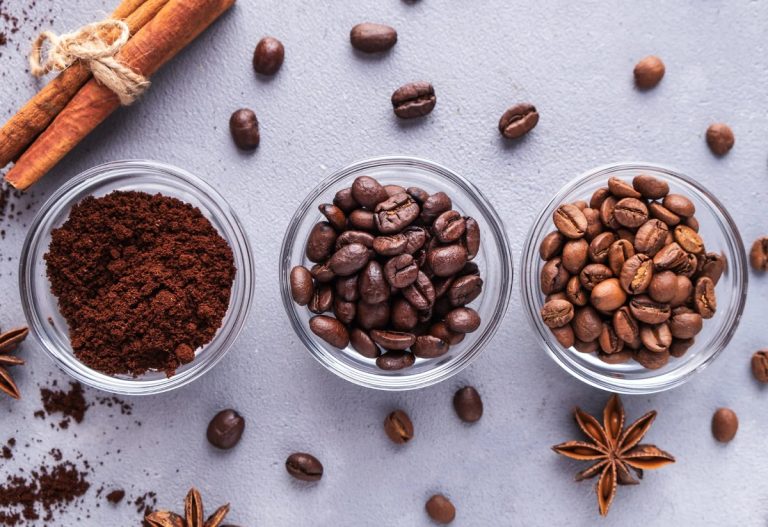
What does gluten-free mean when you drink coffee? It means your coffee contains no gluten proteins, which naturally applies to plain coffee made from pure coffee beans. These beans come from the coffee cherry seed and are inherently gluten-free, making them safe if you have gluten sensitivity.
However, the situation changes with flavored coffees or instant varieties that may include added flavorings, syrups, or fillers, some of which can contain gluten. Cross-contamination is another concern, as coffee processed in facilities handling gluten grains might pick up trace gluten.
To stay safe, choose plain coffee or certified gluten-free products, and always check labels carefully. This way, you can enjoy your coffee without worrying about gluten-related health risks.
Why Plain Coffee Is Naturally Gluten-Free
Why is plain coffee naturally gluten-free? Plain coffee comes from coffee beans, which are seeds of the coffee cherry and don’t contain any gluten proteins.
Since coffee plants are unrelated to gluten-containing grains like wheat, barley, or rye, there’s no gluten in plain coffee.
The roasting process also doesn’t introduce gluten, so pure coffee stays gluten-free throughout production.
However, cross-contamination can happen if coffee beans are processed using equipment shared with gluten-containing products.
To avoid this risk, you can choose certified gluten-free coffee brands that ensure their beans are handled carefully to keep their naturally gluten-free status.
Best Coffee Types for People With Celiac Disease

Since plain coffee beans are naturally gluten-free, choosing the right type of coffee becomes important if you have celiac disease. You should opt for gluten-free coffee from reputable brands that minimize cross-contamination risks through careful processing.
Plain coffee beans are gluten-free, but selecting brands that prevent cross-contamination is essential for celiac safety.
Specialty-grade coffee from trusted sources often meets these standards and reduces your exposure to gluten.
Be cautious with flavored coffees, as they may contain hidden gluten from additives or fillers. However, some brands like Bones Coffee provide flavored options that are certified gluten-free, making them safer choices.
Furthermore, pairing your coffee with certified gluten-free oat milk or plant-based alternatives further lowers gluten exposure risk.
How Flavorings and Syrups Can Introduce Gluten Risks in Coffee
Although plain coffee beans are naturally gluten-free, adding flavorings and syrups can introduce gluten risks you mightn’t expect. Many flavored syrups, like caramel and vanilla, may contain gluten-derived ingredients as stabilizers or thickeners. Some even use wheat-based fillers, which increases the risk of gluten cross-contamination.
Even if a syrup is labeled gluten-free, it’s a good idea to double-check the ingredient list and manufacturing practices. This helps make sure no gluten-containing additives or cross-contact happened.
Flavored coffee beans themselves rarely contain gluten, but flavorings added after roasting can be a source of contamination. Brands like Monin and Torani usually offer gluten-free syrups, but it’s always smart to check allergen info before using them.
Staying informed helps you enjoy your coffee without any unwanted gluten exposure.
Is Oat Milk Safe for Gluten-Free Coffee Drinks?

You can definitely enjoy oat milk in your gluten-free coffee drinks, but it’s important to choose brands that are certified gluten-free. This means they contain less than 20 ppm of gluten, which is considered safe for most people with gluten sensitivities.
Just keep in mind that cross-contact during processing can introduce gluten, so it’s a good idea to look for oat milks made in dedicated facilities or those that use certified gluten-free oats.
Always take a moment to check the labels carefully—this helps reduce the risk of contamination and ensures your coffee stays gluten-free and delicious.
Certified Gluten-Free Oat Milk
When choosing oat milk for your gluten-free coffee drinks, it’s important to go for certified gluten-free varieties to avoid gluten cross-contact. Certified gluten-free oat milk comes from oats grown and processed in dedicated facilities. This helps minimize contamination risks and makes it safe for people with celiac disease.
In the US and Canada, certified oat milk must contain less than 20 ppm gluten, meeting strict gluten-free labeling standards. Regular oat milk might have higher gluten levels due to cross-contact, so always check for certification before using it.
Even at 12 ppm gluten, a typical 8 oz. serving has about 2.7 mg of gluten. That’s well below the 10 mg daily threshold for most people with celiac disease.
Just make sure your oat milk is clearly labeled gluten-free and comes from reputable brands to keep your coffee safe.
Cross-Contact Risks
Choosing certified gluten-free oat milk reduces the risk of gluten cross-contact, but it’s important to understand how contamination can happen to keep your coffee safe. Certified gluten-free oat milk is made from gluten-free oats processed in dedicated facilities. This setup minimizes the chance of trace amounts of gluten.
Regular oat milk, on the other hand, mightn’t guarantee the same safety. Cross-contact during processing can introduce gluten, which is risky if you have celiac disease or gluten sensitivity.
The FDA requires gluten-free products to contain less than 20 ppm of gluten, and certified gluten-free oat milk typically meets this standard.
Ordering Gluten-Free Coffee Safely at Cafes
Although ordering coffee at cafes might seem straightforward, making sure your drink is gluten-free takes a bit of care. To keep cross-contact risks low, always ask for a plain brewed coffee or an Americano.
If you like alternative milk, double-check that oat milk or any other choice is certified gluten-free before adding it. Try to avoid complicated drinks with flavored syrups or unknown add-ins since they might’ve gluten.
Before you order, it’s a good idea to look up the café’s allergen menu online or ask the barista directly to confirm what’s in the ingredients.
Don’t be shy about asking the barista to thoroughly purge the steamer wand and use a clean pitcher when making your milk — this helps stop any cross-contact.
Sticking to simple coffee options and communicating clearly will help you order gluten-free coffee safely at cafes.
Understanding Cross-Contact Risks During Coffee Preparation
If you’re worried about gluten cross-contact when making coffee, it’s good to know that contamination from steamer wands is actually pretty minimal, according to scientific studies.
Since people with celiac disease can usually tolerate only about 10 milligrams of gluten a day, those tiny traces rarely cause a problem—especially if you’re diligent about cleaning and using prevention methods.
Plus, using dedicated equipment and certified gluten-free ingredients can make a big difference in reducing any chance of gluten transfer.
Steamer Wand Contamination
How likely is it that the steamer wand in your coffee preparation area contaminates your drink with gluten? Scientific evidence shows that cross-contact from the steamer wand is minimal when it’s properly cleaned between uses.
Gluten contamination levels from the wand typically remain well below the 20 ppm threshold required for gluten-free labeling, making the risk negligible.
For those with celiac disease, the amount transferred is unlikely to exceed the 10-milligram daily safety threshold.
To further reduce any contamination risk, you can ask for a dedicated steamer wand or request the staff thoroughly purge the wand before preparing your gluten-free drink.
Overall, steamer wand contamination poses an insignificant gluten exposure risk during coffee preparation if proper hygiene practices are followed.
Gluten Threshold Limits
Understanding gluten threshold limits helps clarify why the small amounts potentially transferred during coffee preparation, such as from steamer wands, generally pose little risk. The international gluten threshold for celiacs is about 10 milligrams per day, and typical cross-contact during coffee making rarely approaches this level.
Gluten-free products are tested to contain no more than 20 parts per million (ppm), ensuring minimal gluten exposure. For example, oat milk with 12 ppm gluten delivers roughly 2.7 mg per 8-ounce serving, well below safe limits for many with gluten sensitivity.
While cross-contact is possible, the gluten threshold limits show that such tiny amounts are unlikely to cause harm. Staying informed about these limits helps you confidently enjoy gluten-free coffee options without unnecessary worry.
Cross-Contact Prevention Methods
Why does cross-contact during coffee preparation matter for those avoiding gluten? Even small gluten-containing particles can transfer from surfaces or equipment to your coffee, posing a risk. To keep your coffee gluten-free, focus on thorough cleaning.
Use dedicated and well-cleaned equipment and utensils to prevent cross-contact, whether at home or in coffee shops. Regularly sanitize grinders, coffee makers, and accessories, especially if they’ve been used with gluten-containing products.
Steamer wands pose minimal risk if properly cleaned or if you use gluten-free alternatives like plant-based milks.
Opt for unflavored, whole-bean coffee and verify any added ingredients’ gluten-free status. By prioritizing cleaning and careful equipment use, you can markedly reduce cross-contact risks and enjoy your coffee safely.
Avoiding Gluten Contamination When Brewing Coffee at Home
Although coffee itself is naturally gluten-free, you need to take precautions at home to avoid gluten contamination during brewing. To minimize cross-contact risk, use a dedicated coffee grinder and brewing equipment separate from gluten-containing foods. Store coffee beans and grounds in airtight containers, away from flour or baking supplies that could cause contamination.
Also, make sure to regularly clean your coffee maker, including carafes and filters, to remove any residual gluten particles or oils that might linger. Choosing unflavored, whole-bean coffee or certified gluten-free coffee products helps reduce gluten contamination risks.
Avoid shared or commercial coffee machines that process gluten-containing items without proper cleaning.
Can Coffee Cause Gluten-Like Reactions Even If It’s Gluten-Free?
How can coffee trigger gluten-like symptoms even when it contains no gluten? Some individuals with gluten sensitivities may experience reactions because the unique structure of coffee proteins can sometimes mimic gluten proteins.
Coffee proteins may mimic gluten, triggering symptoms in sensitive individuals despite coffee being gluten-free.
Also, cross-contact during processing or brewing might introduce gluten residues, which can cause symptoms.
Even though coffee is naturally gluten-free, additives or flavored syrups might contain gluten, making things more complicated. So, it’s not always just about the coffee itself.
Consider these factors: coffee proteins may trigger immune responses similar to gluten. Cross-contact in equipment or packaging can contaminate coffee. Plus, additives and flavorings often contain gluten ingredients.
Everyone’s sensitivity varies, though. Some people tolerate coffee without any issues at all.
Knowing these risks can help you manage gluten-like reactions while still enjoying your gluten-free coffee safely.
Top Certified Gluten-Free Coffee Brands to Trust
When choosing your coffee, you’ll want to prioritize brands that are certified gluten-free to minimize any risk of gluten exposure. Certified gluten-free coffee brands like Bones Coffee Company, Equal Exchange, and Bulletproof adhere to strict gluten-free standards. This ensures safe consumption for sensitive individuals.
Mainstream brands such as Starbucks and Dunkin’ offer gluten-free options, but you’ll want to be cautious with flavored additives. Always check for gluten-free certification from organizations like GFCO to confirm compliance.
| Brand | Gluten-Free Certification | Notes |
|---|---|---|
| Bones Coffee Company | Yes | Dedicated gluten-free facility |
| Equal Exchange | Yes | Organic, sustainable sourcing |
| Bulletproof | Yes | Emphasizes purity and safety |
Prioritize brands with gluten-free certification for your safety and peace of mind.
Frequently Asked Questions
Can Instant Coffee Contain Gluten?
Yes, instant coffee can contain gluten if it includes additives like fillers or flavorings that have gluten. You should check labels carefully since pure roasted coffee beans are naturally gluten-free.
But keep in mind, cross-contamination during manufacturing is possible.
To stay safe, especially if you have celiac disease, choose brands that clearly label their instant coffee as gluten-free or have gluten-free certification. Also, avoid flavored packets unless they’re verified gluten-free.
It’s always better to be cautious when it comes to gluten.
Does Decaf Coffee Pose Gluten Risks?
Decaf coffee itself doesn’t pose gluten risks, but you should stay cautious. While the decaffeination process won’t add gluten, flavored varieties or those processed near gluten-containing products might.
Imagine sipping pure decaf, then think about flavored blends that could sneak in gluten through additives or cross-contamination. To be safe, always check labels or choose certified gluten-free decaf.
This is especially important if you have celiac disease or gluten sensitivity. Better safe than sorry, right?
How Does Gluten Affect Coffee Flavor?
Gluten itself doesn’t affect coffee flavor since it’s not naturally present in coffee beans. However, if you add flavored syrups or additives containing gluten, you might notice a change in taste.
Also, cross-contamination during processing can subtly alter the flavor.
So, if you’re sensitive to gluten, these factors could impact your experience.
But pure coffee’s flavor remains unaffected by gluten itself.
Are Coffee Capsules or Pods Gluten-Free?
Imagine unwrapping a coffee capsule like opening a secret door. Most are gluten-free if they contain just pure coffee. You’ll find brands like Nespresso and Keurig usually stick to gluten-free ingredients.
But some flavored pods might sneak in gluten fillers. Always check labels or contact manufacturers to be sure, especially if you’re sensitive. Cross-contamination is rare but possible.
Can Gluten Sensitivity Develop From Coffee Consumption?
You won’t develop gluten sensitivity just from drinking coffee. Scientific evidence doesn’t support coffee as a cause of new gluten intolerance.
However, if you’re already sensitive, contaminants or added flavorings in coffee products might trigger symptoms. Some people report reactions, but those are usually due to cross-contamination, not coffee itself.
Conclusion
When you choose plain coffee, you’re generally steering clear of gluten’s grasp. But be mindful, flavorings, syrups, and certain milk alternatives might quietly introduce it. Cross-contact during preparation can also blur the lines for those sensitive to gluten.
By staying informed and selecting trusted, certified gluten-free options, you can enjoy your coffee without worry. Remember, vigilance is your best companion in savoring a truly safe, gluten-free cup.