Does Coffee Creamer Expire – Shelf Life Explained
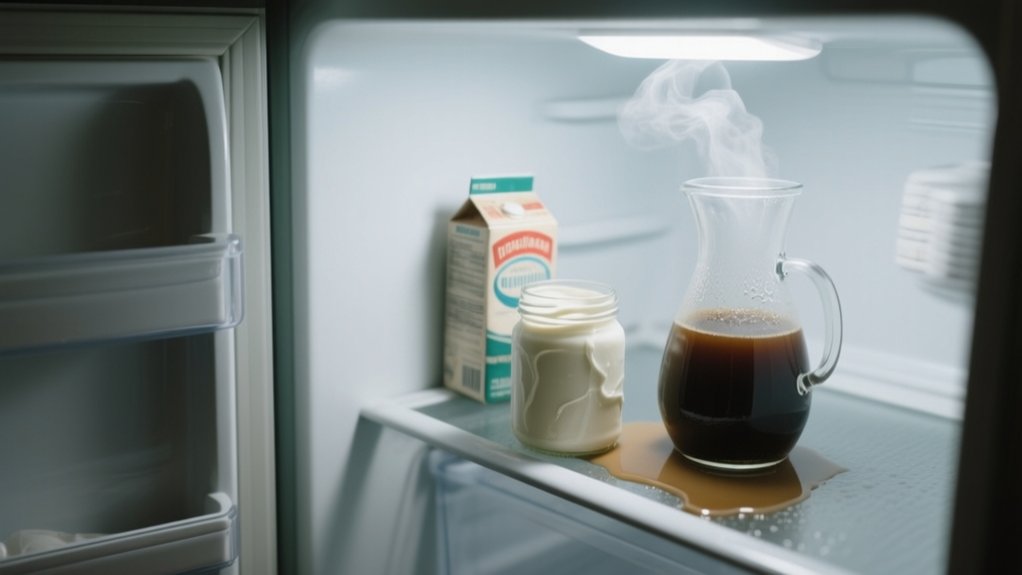
Yes, coffee creamer does expire, and its shelf life varies by type and storage. Unopened dairy creamers last about three weeks refrigerated, while shelf-stable nondairy creamers can last up to a year.
Once opened, use any creamer within two weeks, storing it in the fridge to maintain freshness. Watch for texture, smell, or taste changes as signs of spoilage.
Proper handling, freezing, and storage methods also influence how long your creamer stays good. Discover more about safely extending and evaluating your creamer’s quality.
What’s In Coffee Creamer And Why It Matters
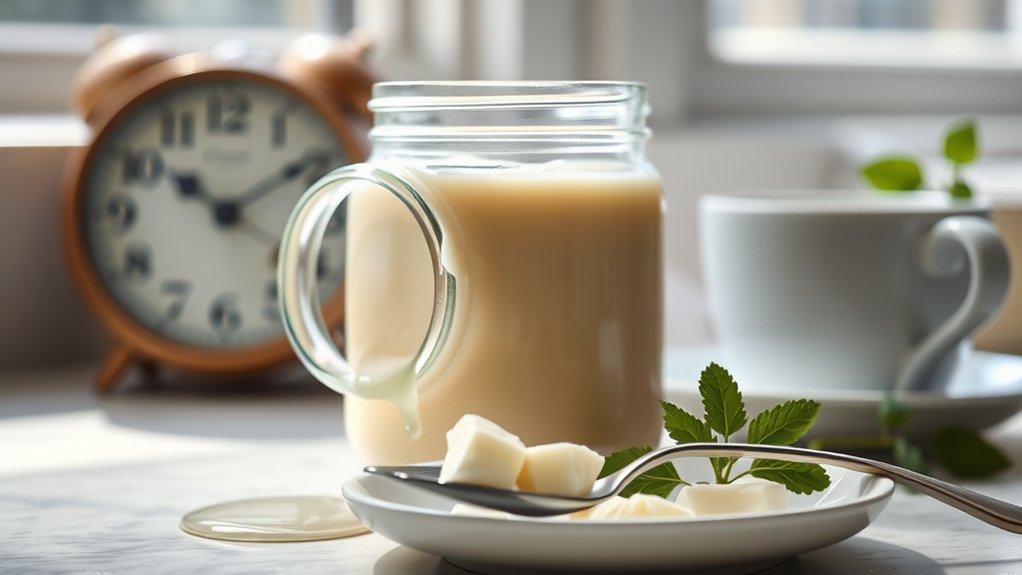
Although coffee creamers vary widely in composition, they generally contain water, sugar, and vegetable oil. Nondairy versions often include stabilizers like gellan gum to improve texture and shelf life.
Coffee creamers typically contain water, sugar, vegetable oil, and nondairy types use stabilizers like gellan gum for texture and shelf life.
You should understand that these additives, including emulsifiers and preservatives, play a significant role in maintaining product consistency and prolonging shelf life. Nondairy creamers, thanks to these stabilizers, typically have a longer shelf life compared to dairy creamers.
The expiration date on the package provides a reliable guideline, but knowing the ingredients helps you assess quality beyond that. Spoilage signs such as changes in texture or off smells signal that the creamer is no longer safe.
Being aware of what’s inside helps you make informed decisions about storage and consumption, ensuring freshness and safety.
How Long Does Coffee Creamer Last Unopened?
When stored properly, unopened coffee creamers maintain their quality for varying lengths depending on their type. Dairy liquid creamers kept refrigerated in an unopened bottle typically last up to three weeks, regardless of expiration dates.
But always check the printed best-by date to guarantee food safety.
Shelf-stable dairy-free creamers, on the other hand, can last between 9 to 12 months past their best-by date when stored in a cool, dry place. Proper storage, especially avoiding the refrigerator door, helps maintain freshness and reduces spoilage risk.
Creamers in aseptic containers may remain safe for several days to a week beyond expiration, but it’s essential to rely on sensory checks alongside dates.
Prioritizing these guidelines guarantees you consume coffee creamer before quality or safety decline.
How Long Does Coffee Creamer Last After Opening?
Once you open your coffee creamer, you usually have about two weeks to use it before the quality starts to go downhill. This applies whether it’s dairy or dairy-free.
It’s best to keep it in the main compartment of your fridge to help it stay fresh longer.
But, don’t just rely on the clock. Always keep an eye out for any changes in texture, smell, or taste—these are clear signs it might’ve spoiled.
If you’re unsure, tasting a small amount is a simple and effective way to check if your creamer is still good to go.
Opened Creamer Shelf Life
If you want to maintain the best quality and safety, you should use opened coffee creamer within about two weeks when stored properly in the refrigerator below 40°F. Opened creamer, whether dairy or dairy-free, loses freshness quickly after exposure to air and temperature changes.
Although unopened shelf-stable creamers last up to 9 to 12 months beyond their best-by date, once opened, refrigeration is essential and the two-week window applies.
Understanding food expiration is key; expired creamer may still be safe briefly but its quality deteriorates, affecting taste and texture.
To avoid consuming expired creamer, always store it in the main fridge compartment, not the door, to maintain consistent cold temperatures.
Using opened creamer beyond this timeframe increases the risk of spoilage and reduces your coffee’s flavor integrity.
Signs Of Spoilage
Although liquid dairy creamers can last up to three weeks in the refrigerator after opening, you should monitor them closely for signs of spoilage to guarantee safety and quality.
When evaluating how long coffee creamer lasts after opening, pay attention to changes in texture, off smells, or sour flavors. These indicate the food is no longer safe.
Dairy-free creamers typically spoil faster, so consume them within two weeks.
For powdered creamers, visually inspect for mold or any off taste before use, even if within the expected shelf life.
Proper storage in the main refrigerator compartment—not the door—helps extend freshness.
Checking for spoilage before adding creamer to your coffee every day ensures you avoid unpleasant flavors and potential health risks.
Do Nondairy Creamers Last Longer Than Dairy Creamer?
How much longer can you expect your nondairy creamer to last compared to dairy creamer? Nondairy creamers generally have better shelf stability because of ingredient differences. They don’t have dairy proteins that spoil faster.
This makes them shelf-stable until opened, unlike dairy creamers that need refrigeration. Flavor variations don’t affect how long they last but can influence your choice. Once opened, nondairy creamers last about two weeks, slightly less than dairy’s three weeks when refrigerated.
| Type | Unopened Shelf Life | Opened Shelf Life |
|---|---|---|
| Nondairy Creamer | 9-12 months | ~2 weeks |
| Dairy Creamer | Requires refrigeration | ~3 weeks (fridge) |
| Storage | Room temperature | Refrigerate after opening |
Proper storage in a cool, dark place helps nondairy creamer last even longer.
How To Tell If Coffee Creamer Has Gone Bad
Because coffee creamer contains perishable ingredients, you need to recognize clear signs of spoilage to avoid unpleasant taste or digestive issues.
Start with a thorough smell assessment; any sour or off odors indicate the creamer has likely gone bad.
Next, examine creamer consistency and texture changes. For liquid dairy creamers, look for chunkiness or curdling after pouring. Both are strong spoilage indicators.
Powdered creamers require visual inspection for mold or hard clumps, which signal contamination.
While taste testing a small amount can help confirm freshness, proceed cautiously as spoiled creamer may cause mild digestive upset.
Always check the expiration date but remember that proper storage can extend safety slightly beyond it.
Is It Safe To Use Spoiled Coffee Creamer?
Can you safely use coffee creamer that’s past its expiration date? Generally, creamer safety depends on proper storage and sensory inspection. Spoiled creamer can cause mild digestive effects, but serious health risks are rare unless the product shows signs of spoilage.
To assess safety, follow these steps:
- Check for changes in texture. Curdling or lumps indicate spoilage.
- Smell the creamer. Sour or off odors mean it’s unsafe.
- Taste a small amount only if it looks and smells normal.
- Consider how long it’s been stored. Liquid dairy creamers last about three weeks refrigerated, while shelf-stable dairy-free types can last much longer.
If you notice any abnormalities, discard the creamer to avoid digestive upset and ensure safety.
How To Store Coffee Creamer To Keep It Fresh Longer
Proper storage plays an essential role in extending the freshness of your coffee creamer. For liquid creamers, keep them in the main refrigerator compartment below 40°F. Avoid door placement to maintain stable temperature control.
Powdered creamers require airtight storage containers in a cool, dark pantry location. This prevents moisture exposure and contamination. Using appropriate containers and managing temperature precisely reduces spoilage risks and extends usability.
| Creamer Type | Ideal Storage Location | Key Storage Tips |
|---|---|---|
| Liquid | Refrigerator main compartment | Below 40°F; avoid door shelves |
| Powdered | Cool, dark pantry | Airtight containers; moisture-free |
| Both | Check regularly | Inspect for spoilage signs |
Adhering to these methods guarantees you enjoy fresh creamer longer and minimize waste.
Can You Freeze Coffee Creamer To Extend Its Shelf Life?
You can definitely freeze coffee creamer to make it last longer.
Just keep in mind that freezing might change its texture and flavor a bit.
To keep it at its best, put the creamer in an airtight container before freezing.
When you’re ready to use it, thaw it slowly in the fridge.
And hey, once it’s thawed, give it a good look and smell to make sure nothing’s off before you add it to your coffee.
Freezing Effects On Quality
Although freezing coffee creamer is safe and can extend its shelf life, it often alters the texture and quality. This causes separation when thawed. Understanding freezing methods and quality concerns helps you manage these effects effectively.
Consider the following:
Use airtight containers with space for expansion to prevent container rupture during freezing.
Expect texture changes like separation or graininess because fat and water components react differently when frozen.
Avoid freezing powdered creamers since they maintain quality longer in cool, dry storage.
Also, consume thawed creamer promptly to minimize degradation in taste and consistency.
Proper Thawing Methods
When thawing frozen coffee creamer, it’s best to transfer it to the refrigerator overnight to preserve safety and maintain quality. This thawing technique minimizes bacterial growth and helps maintain creamer consistency.
Avoid thawing at room temperature, as it compromises safe storage. After thawing, shake or stir the creamer to recombine separated components, restoring texture.
Consume within a week to guarantee peak freshness.
| Aspect | Recommendation |
|---|---|
| Thawing Technique | Refrigerate overnight |
| Temperature | Avoid room temperature |
| Post-Thaw Action | Shake or stir before use |
| Consumption Time | Use within 7 days after thawing |
These practices guarantee safe storage and preserve quality despite freezing’s textural impact.
Storage Tips For Freezing
Freezing coffee creamer can extend its shelf life by several months, but it requires careful handling to preserve quality. To optimize your freezing methods, follow these storage tips:
- Use airtight containers to prevent freezer burn and leave space for expansion as the creamer freezes.
- Avoid freezing powdered creamers. Store them in a cool, dark pantry instead to maintain freshness.
- Thaw frozen creamer in the refrigerator, not at room temperature, to guarantee safety and retain quality.
- After thawing, check the creamer’s texture, smell, and taste for any signs of spoilage before use.
These steps help maintain your creamer’s quality, although some texture changes are inevitable with freezing and thawing techniques.
Tips For Choosing And Storing Coffee Creamer
Since maintaining freshness directly impacts the flavor and safety of your coffee creamer, storing it correctly is crucial. Choose flavored creamers or organic options based on ingredient transparency and shelf stability.
For liquid creamers, store them below 40°F in the main refrigerator compartment, not the door. Powdered creamers, including alternative substitutes, fare best in sealed containers within a cool, dark pantry to extend shelf life.
| Type | Storage Location | Shelf Life (Unopened) |
|---|---|---|
| Liquid | Main fridge compartment | Up to 12 months past best-by |
| Powdered | Cool, dark pantry | Up to 2 years past sell-by |
| Opened liquid | Main fridge compartment | Use within 2 weeks |
Always inspect for spoilage signs and perform taste tests to verify quality.
Can You Use Coffee Creamer Past Its Expiration Date?
You can often use coffee creamer shortly after its expiration date without serious health risks.
However, the quality and safety really depend on how it’s stored and what type of creamer it is.
It’s a good idea to pay close attention to any changes in texture, smell, and taste because these are reliable signs that it might’ve gone bad.
So, before you use it, always do a quick sensory check.
This way, you can avoid any digestive discomfort and make sure your coffee tastes fresh.
Safety Versus Quality
Although coffee creamer expiration dates primarily indicate quality rather than safety, you can often use liquid creamers up to a week past their printed date if they’ve been stored properly.
Shelf stability varies: unopened dairy-free creamers last 9–12 months beyond the best-by date; opened ones should be used within two weeks.
To discern safety versus quality, consider these points:
- Expiration myths often overstate risks. Serious illness from expired creamer is rare if no spoilage signs exist.
- Quality indicators like texture, smell, and taste reliably signal freshness.
- Proper refrigeration, ideally in the main compartment, extends creamer usability.
- Mild digestive discomfort might occur with expired use, but spoilage absence typically implies safety.
Understanding these helps you balance safety and quality when deciding to use expired coffee creamer.
Spoilage Signs to Watch
Three key spoilage signs help you determine if coffee creamer has gone bad: changes in texture, smell, and taste.
Pay close attention to creamer texture changes such as curdling or clumping, which indicate spoilage, especially in liquid dairy creamers.
Sour smell indicators are another critical sign; if the creamer emits an off or sour odor, discard it immediately.
You might also notice blending difficulties. When the creamer fails to mix smoothly into your coffee, it’s a strong indication that its quality has deteriorated.
While some expired creamers can still be safe shortly past the date, these signs highlight diminished freshness and potential spoilage.
Always test cautiously, especially with dairy-based products, to guarantee your coffee remains safe and enjoyable.
Frequently Asked Questions
Can Coffee Creamer Cause Allergies or Intolerances?
Yes, coffee creamer can cause allergies or intolerances. If you’re sensitive to dairy alternatives like soy, almond, or coconut, you might experience allergy symptoms.
Always check ingredient labels carefully, especially with flavored creamers, since additives or nuts can trigger reactions.
If you notice symptoms like itching, swelling, or digestive discomfort after use, it’s best to avoid that creamer type and consult a healthcare professional for guidance.
Does Coffee Creamer Affect the Flavor of Brewed Coffee?
Yes, coffee creamer affects the flavor profile of your brewed coffee considerably. Different creamer types, whether dairy or non-dairy, liquid or powdered, change the texture and taste. This influences how creamy and sweet your coffee feels.
Your brewing method also plays a role because lighter brews highlight subtle creamer flavors. Stronger brews, on the other hand, may mask those flavors.
Are There Any Health Benefits to Using Coffee Creamer?
Think of coffee creamer as a toolbox. Its nutritional value depends on the tools inside.
You’ll find ingredient types like dairy, plant-based fats, added vitamins, or probiotics, each offering different health impacts.
Choosing alternative options like almond or coconut creamers can supply healthy fats and antioxidants.
While creamers add flavor, they can also contribute nutrients or calories.
How Does Coffee Creamer Impact Calorie Intake?
Coffee creamer impacts your calorie intake by adding extra calories depending on its ingredients.
When you compare calories, liquid creamers average 30-50 calories per tablespoon, while powdered ones offer 10-20 calories per teaspoon.
Looking at the ingredients, many flavored creamers include sugars, which increase calories further.
To manage this, practice portion control. Limiting how much you add helps prevent unwanted calorie spikes and supports your weight management goals effectively.
Can Coffee Creamer Be Used in Recipes Other Than Coffee?
Yes, you can use coffee creamer substitutes beyond coffee. When baking with creamer, it adds moisture and richness, improving the texture of cakes or muffins.
In savory dishes, creamer enhances sauces and soups, providing creaminess without dairy. Its versatility makes it a practical ingredient for both sweet and savory recipes, so you don’t always need traditional dairy.
Just be mindful of its flavor profile to complement your dish effectively.
Conclusion
Think of coffee creamer like a trusted companion on your morning journey. It supports your brew but has its limits. Just as a map guides you only as long as it’s accurate, creamer’s freshness depends on proper storage and timely use.
Pay attention to signs of spoilage and expiration dates to avoid missteps. By treating your creamer wisely, you guarantee every cup remains a reliable boost, not a detour into spoilage.