Can Coffee Go Bad – Shelf Life Explained
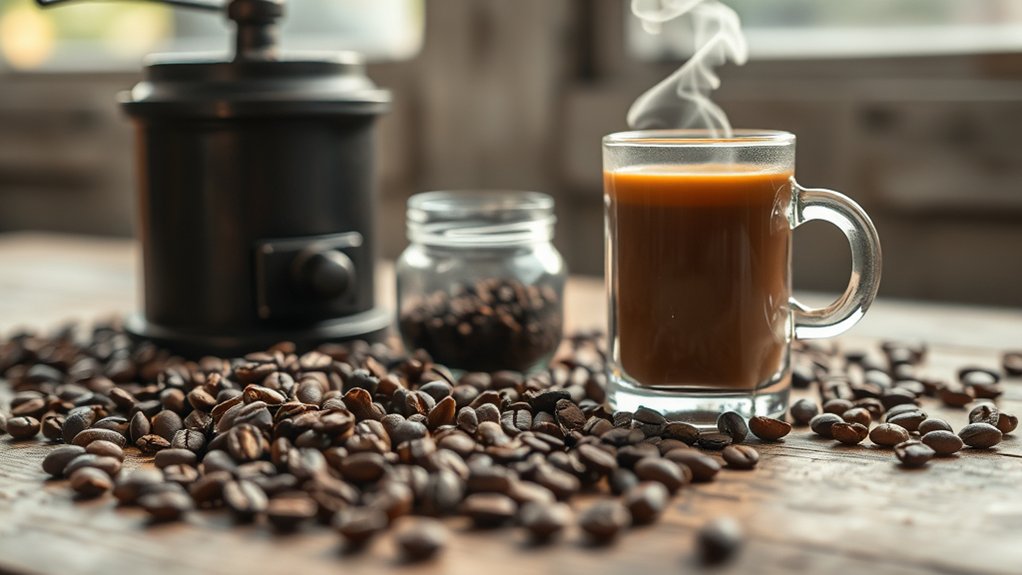
Yes, coffee can go bad as its flavor and aroma degrade over time due to oxidation, moisture, heat, and light exposure. Whole beans stay fresh longer, up to 2 years unopened. Ground coffee, on the other hand, peaks within 1 to 2 weeks after opening.
Proper storage in airtight, opaque containers in a cool, dark place slows spoilage. But keep in mind, coffee will eventually lose quality. Understanding how storage, packaging, and environmental factors affect coffee helps you maintain peak freshness and safety longer.
How Long Does Coffee Last?
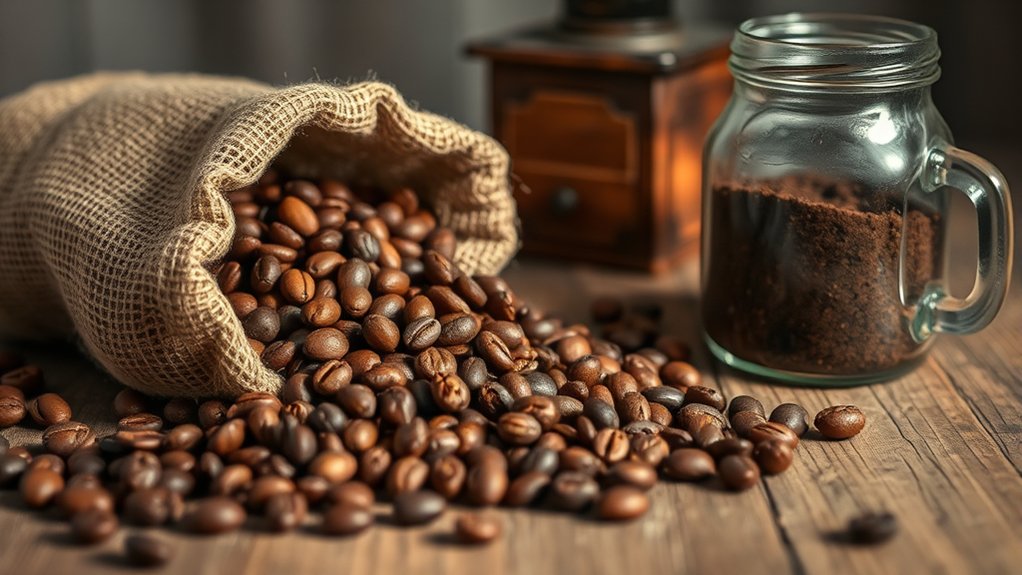
Although unopened coffee beans can remain fresh until their expiration date, once you open the package, their ideal freshness lasts only 1 to 3 weeks if stored correctly. For optimal coffee storage and freshness preservation, keep beans in airtight containers away from light, heat, and moisture.
Ground coffee has a shorter window. It’s best used within 1 to 2 weeks after opening because the increased surface area speeds up oxidation.
Vacuum-packed coffee extends shelf life considerably when unopened, sometimes lasting months or even years. But once opened, the same 1 to 3-week freshness guideline applies.
Brewed coffee should be consumed within 24 hours for peak flavor. You can refrigerate it to extend safety for 3 to 4 days, though the taste will gradually diminish.
Instant coffee lasts the longest when unopened. However, once opened, you can expect a gradual decline in quality despite its long shelf life.
What Happens When Coffee Goes Bad?
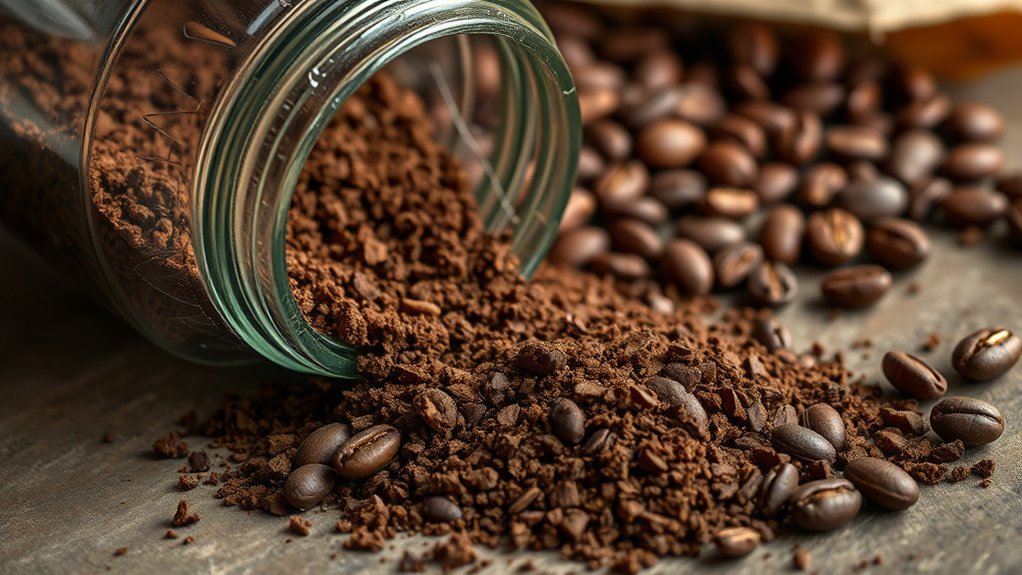
When coffee goes bad, you’ll start to notice a big drop in its usual flavor and aroma. This happens because of oxidation, which basically means the coffee is getting old and losing its freshness.
You might catch a musty smell, see the color looking dull, or even taste a sour note—that’s a clear sign the coffee has gone off.
Knowing these little changes makes it easier to tell when your coffee isn’t at its best anymore.
Flavor And Aroma Loss
How quickly does coffee lose its distinctive flavor and aroma once exposed to air, moisture, heat, and light? The process of flavor deterioration and aroma degradation begins immediately after exposure.
The aromatic oils responsible for coffee’s unique scent degrade within weeks of roasting, notably reducing sensory quality.
Ground coffee experiences faster loss because it has more surface area exposed.
Key factors influencing this decline include oxidation from air exposure, which speeds up the breakdown of volatile compounds.
Moisture also plays a role by promoting chemical changes that dull the flavor profile.
Heat and light further accelerate the degradation of essential aromatic oils.
As a result, coffee’s fresh, vibrant notes fade away, leaving behind flat, bitter, or sour tastes.
When you understand these mechanisms, it’s easier to see why preserving coffee’s environment is so important for keeping its ideal flavor and aroma.
Signs Of Coffee Spoilage
The gradual loss of coffee’s flavor and aroma often signals the onset of spoilage, but identifying the exact point when coffee goes bad requires observing specific indicators. When inspecting coffee after roasting, watch for discoloration or unusual oiliness on the beans. These suggest chemical changes that compromise quality.
During coffee brewing, if you detect musty or rancid odors, discard the coffee immediately. These are clear signs of spoilage. Also, sour or vinegary tastes in brewed coffee indicate microbial contamination or degradation. That makes it unsafe to consume.
Visible mold or fuzzy patches on beans or grounds confirm spoilage. Finally, a dull, flat flavor profile and diminished aroma reveal staleness or expiration. This means your coffee’s ideal quality has passed, and it’s time to replace it.
Effects Of Oxidation
Why does coffee lose its vibrant flavor and aroma over time? The primary culprit is oxidation. When coffee is exposed to oxygen, oxidation triggers the breakdown of essential oils and volatile compounds. This causes significant flavor degradation.
This process speeds up once coffee is ground, since the increased surface area means more exposure to air. Also, when coffee loses CO₂ during degassing, it weakens its defense against oxidation. That just makes the coffee lose its freshness even faster.
You’ll notice oxidation showing up as a dull, muted taste with less complexity. The flavor might seem stale or flat, and the aroma quickly loses its intensity.
To keep your coffee tasting great longer, store it in airtight, opaque containers. Keep those containers in cool, dark places. Doing this slows down oxidation and helps preserve your coffee’s quality.
How Do Oxidation and Degassing Affect Coffee Freshness?
Although you mightn’t notice it immediately, **oxidation and degassing critically influence coffee’s freshness by altering its chemical composition. Degassing is the release of CO₂** trapped during roasting, and it peaks within 7-14 days after the roast. This CO₂ acts like a protective barrier, slowing down oxidation.
As degassing reduces the CO₂ levels, oxidation speeds up. That breaks down the volatile compounds that give coffee its flavor and aroma.
The roast level also plays a big role here. Darker roasts degas faster and have fewer antioxidants, which makes them more vulnerable to oxidation.
To keep your coffee fresh for longer, store it in airtight, opaque containers. This helps minimize oxygen exposure and slows both oxidation and degassing.
Understanding these processes can really help you manage your coffee’s shelf life and keep its flavor intact.
How Long Do Coffee Beans Stay Fresh?
You can expect unopened coffee beans to stay fresh for about 1 to 2 years from their roasting date.
But once you open the bag, their best freshness usually lasts only around 2 to 4 weeks.
How you store the beans really makes a difference. Keeping them in an airtight container, somewhere cool and dark, helps slow down oxidation and flavor loss.
Knowing this can help you get the most out of your coffee beans and enjoy their quality for longer.
Beans Freshness Timeline
How long your coffee beans stay fresh depends largely on storage conditions and whether the package has been opened. Unopened beans typically remain fresh until their expiration or best-by date, often up to two years post-roast.
Once opened, flavor degradation accelerates due to coffee bean aging, and ideal freshness usually lasts only 1 to 3 weeks when stored properly.
Consider these timelines for bean freshness:
- Unopened beans: up to 2 years before significant flavor degradation.
- Opened beans stored airtight and dark: 1 to 3 weeks of peak freshness.
- Beans stored cool, dry, and airtight: freshness maintained about 1 month before noticeable quality decline.
Whole beans retain freshness longer than ground coffee due to reduced surface area exposure. This slows coffee bean aging and flavor degradation.
Storage Impact On Freshness
The freshness of your coffee beans depends heavily on how you store them after opening. Once exposed, beans typically remain ideal for 1-3 weeks if kept in proper coffee bean packaging.
Airtight containers, such as glass jars or metal cans, can extend freshness up to one month, provided they’re sealed tightly.
Storage temperature plays a critical role. A cool, dark environment minimizes heat and light exposure, which rapidly degrade aroma and flavor.
Avoid moisture and air infiltration, as both accelerate staling.
For longer preservation, freezing whole beans in vacuum-sealed packaging slows oxidation and maintains quality for several months.
How Long Does Ground Coffee Last Compared to Beans?
Although both ground coffee and whole beans eventually lose freshness, whole beans keep their ideal flavor much longer because they’ve less surface area exposed to air. This slower aging process helps preserve coffee freshness way beyond the limited window ground coffee has.
Whole beans retain their flavor longer than ground coffee due to less air exposure and slower aging.
When you open coffee, whole beans usually stay at their peak freshness for about 1 to 3 weeks if stored in airtight, dark containers. If unopened, they can last even longer—around 4 to 6 weeks.
On the other hand, ground coffee hits peak flavor for just 1 to 2 weeks after opening, since it oxidizes faster.
With proper storage, you can stretch ground coffee’s usability to 1 to 2 months, but it still loses flavor quicker compared to whole beans.
Knowing these timelines helps you store and enjoy your coffee at its best, avoiding flavor loss and staling caused by oxidation and exposure.
Can Instant Coffee and Coffee Pods Expire?
Several factors determine the shelf life of instant coffee and coffee pods, including packaging, storage conditions, and sealing integrity.
Unopened instant coffee can last from 2 to 20 years depending on the coffee packaging and how well it’s sealed.
Once opened, you should store instant coffee in an airtight container, ideally in a cool, dry place, to maintain freshness for several months.
Coffee pods typically have a shelf life of about one year, but they can remain safe beyond that if stored properly with intact sealing.
While both instant coffee and pods may still be safe past expiration, their flavor and aroma degrade over time.
Proper coffee packaging and controlled storage are essential to maximizing shelf life and preserving quality.
How Long Does Brewed Coffee Last?
When you refrigerate brewed black coffee, it can stay safe to drink for up to 42 days. However, the flavor profile, influenced by coffee brewing techniques and coffee bean varieties, typically deteriorates after 3-4 days.
To optimize taste and safety, consider the following:
To optimize taste and safety, follow recommended storage times for different coffee types and preparations.
Brewed coffee with dairy or flavorings should be consumed within 12 days to avoid bacterial growth.
Cold brew coffee, when stored in a sealed container, remains fresh for 10-14 days.
For peak flavor, consume brewed coffee within 24 hours, as aromatic compounds dissipate rapidly.
Understanding these timeframes helps you balance safety and sensory quality.
The interaction between extraction methods and bean characteristics substantially impacts how quickly brewed coffee loses freshness, so adjust your consumption accordingly.
What Are the Signs of Spoiled Coffee?
If your coffee emits an unpleasant or musty odor, it’s a clear indicator that it has gone stale or spoiled. In coffee storage, monitoring freshness indicators is vital to guarantee quality.
A dull, flat flavor lacking aroma signals loss of freshness, while visible mold or fuzzy growth on beans or grounds definitively marks spoilage.
Additionally, color changes, such as darkening or discoloration, reflect chemical degradation. When brewed coffee tastes sour or vinegary, it indicates microbial activity or oxidation, and you should discard it immediately.
By recognizing these signs, you can precisely assess coffee quality and avoid consuming degraded products.
Proper coffee storage slows deterioration, but vigilance for these freshness indicators remains essential for peak flavor and safety. Keep an eye out and enjoy your coffee at its best!
Is Expired Coffee Safe to Drink?
You can usually drink expired coffee without any health risks, but keep in mind that its freshness and flavor will fade over time. So, it mightn’t taste as good as it did when it was fresh.
Make sure to pay close attention to how it tastes. If you notice any stale or rancid flavors, that’s a sign the quality has gone down.
Also, always give it a good look and smell before you drink it to check for any signs of spoilage. Better safe than sorry!
Safety Versus Freshness
Although coffee’s flavor and aroma degrade after its expiration date, consuming it typically poses no health risk. The distinction between safety and freshness depends on proper coffee packaging and storage techniques.
When stored in airtight, cool, and dark conditions, coffee remains safe well beyond its printed date.
You should rely on sensory evaluation rather than expiration dates alone to assess safety. Consider these factors: inspect for musty or rancid odors, which signal staleness but not necessarily spoilage.
Also, avoid brewed coffee refrigerated over 42 days, especially if it contains perishables, because of bacterial risks.
And finally, check for visible mold or unusual discoloration, as these indicate contamination. Just keep an eye (and nose) out, and you’ll be good to go!
Taste Changes Over Time
How does coffee’s taste evolve once it passes its expiration date? You’ll notice a clear flavor degradation as the coffee ages, marked by dull, stale, or musty notes replacing its vibrant profile.
This aromatic decline begins immediately after exposure to air, moisture, heat, and light, even without visible spoilage.
Expired coffee may develop rancid or musty flavors, signaling quality loss rather than safety issues. While coffee two years past its expiration can taste stale, it generally remains safe to drink unless mold or moldy odors are present.
Proper storage in an airtight, cool, and dark place slows flavor degradation but can’t prevent it forever. Understanding these changes helps you figure out whether your coffee’s taste is off, even if it’s still safe to drink.
Visual And Smell Checks
When evaluating expired coffee, rely primarily on visual and olfactory cues to determine safety. Inspect the coffee grind or beans carefully before brewing, as any visual anomalies often indicate spoilage. Pay attention to the brewing temperature because it can amplify unpleasant odors if the coffee is stale.
Key indicators to watch for include mold or a fuzzy appearance on the coffee grind or beans. This signals you should dispose of it immediately. Also, look out for discoloration or an oily surface, which suggests chemical degradation.
Another important clue is the smell. Musty, rancid, or sour odors during and after brewing usually mean the coffee is spoiled or stale.
If the coffee lacks aroma or gives off off-putting odors, it’s best to toss it. These simple checks help you avoid drinking coffee that might be unsafe or just plain unpleasant.
How Does Coffee Packaging Affect Freshness?
Since oxygen exposure speeds up coffee’s flavor going downhill, the packaging you pick really matters for keeping it fresh. Coffee packaging with vacuum sealing and one-way valves works great because it limits oxygen contact. These valves let gases escape without hurting the quality.
This way of preserving freshness can keep coffee good for several years as long as it’s unopened. On the flip side, packaging that isn’t airtight lets in oxygen, moisture, light, and heat. All of that speeds up flavor loss.
So, choosing airtight containers or sealed bags is key if you want your coffee to last as long as possible.
| Packaging Type | Freshness Impact |
|---|---|
| Vacuum-sealed with valves | Long-term freshness preservation |
| Airtight sealed bags | Maintains freshness effectively |
| Non-airtight packaging | Rapid flavor degradation |
Proper packaging really decides how long your coffee stays fresh.
What Are the Best Ways to Store Coffee Beans and Grounds?
Although coffee beans and grounds naturally degrade over time, you can considerably extend their freshness by storing them in airtight, opaque containers that block oxygen, light, and moisture. Effective coffee storage is critical for preserving freshness because exposure speeds up flavor loss and staling.
You should store whole beans in a cool, dark place like a pantry to reduce heat and light exposure.
Keep ground coffee sealed tightly and use it within 1-2 weeks after opening to avoid rapid quality decline.
Avoid refrigerating coffee because moisture and odors can compromise its integrity, unless you’re freezing it for long-term storage. That’s really the only time the fridge makes sense for coffee.
Tips to Keep Your Coffee Fresh Longer
To keep your coffee fresh longer, you need to control things that speed up its decline, like oxygen, light, heat, and moisture. Store your coffee in airtight, opaque containers and keep them in a cool, dark spot to reduce oxidation and keep the flavor intact.
It’s best to go with whole beans instead of pre-ground coffee. Grinding your beans right before brewing helps keep those tasty aromatic compounds fresh. Try to use your beans within 4-6 weeks after roasting for the best flavor.
Avoid putting your coffee in the fridge every day. If you want to store it longer, freeze sealed bags instead, and make sure to thaw them slowly before using.
Also, choose storage spots that keep your coffee away from heat and moisture.
Keep an eye on roast dates and buy smaller amounts so you can finish your coffee while it’s still at its peak. Following these simple steps will help your coffee stay fresh and delicious through every brew.
Frequently Asked Questions
Can Coffee Consumption Affect Sleep Quality?
Yes, coffee consumption can cause sleep disruption by blocking adenosine receptors. Your caffeine tolerance influences this effect, but consuming coffee late often reduces sleep quality, latency, and REM sleep.
This can impair your overall restorative rest. So, it’s a good idea to be mindful of when you drink coffee, especially later in the day. It really can make a difference in how well you sleep.
Does the Type of Water Used Impact Coffee Taste?
Yes, water mineral content directly impacts coffee taste by enhancing or dulling flavors. Water temperature also controls extraction efficiency.
Using the right minerals and precise temperatures helps guarantee a balanced, complex coffee. This way, you avoid bitterness or flatness in your brew.
How Does Altitude Influence Coffee Bean Flavor?
You’ll find altitude influences bean flavor considerably. Above 3,000 feet, beans develop brighter acidity and complex profiles due to slower maturation, denser structure, and environmental stresses.
These factors enhance aromatic compounds and overall cup quality precisely. It’s pretty fascinating how just being higher up can change the taste so much.
Are There Health Benefits to Drinking Coffee Daily?
Yes, drinking coffee daily provides health benefits. You’ll gain coffee antioxidants that protect cells, and daily caffeine intake can improve cognitive function. It can also boost metabolism and reduce risks of diseases like type 2 diabetes and Parkinson’s disease.
Can Coffee Help With Physical Exercise Performance?
You’ll ignite your muscles like a well-oiled engine. Caffeine boosts endurance and sharpens focus, enhancing athletic performance.
It helps by mobilizing fat stores, so you can push harder and longer. This means your body uses energy more efficiently and delays fatigue during exercise.
Pretty cool, right? It’s like giving your workout an extra boost without extra effort.
Conclusion
You might think coffee lasts forever, but its freshness fades like a ticking clock. Understanding oxidation, degassing, and proper packaging helps you extend your brew’s importance. Whether beans or grounds, storing them airtight, cool, and away from light preserves flavor and aroma.
Remember, expired coffee won’t harm you but will disappoint your palate. So, treat your coffee with care because in the sphere of freshness, every moment counts.