How Long Does Brewed Coffee Last In The Fridge – Storage Guide
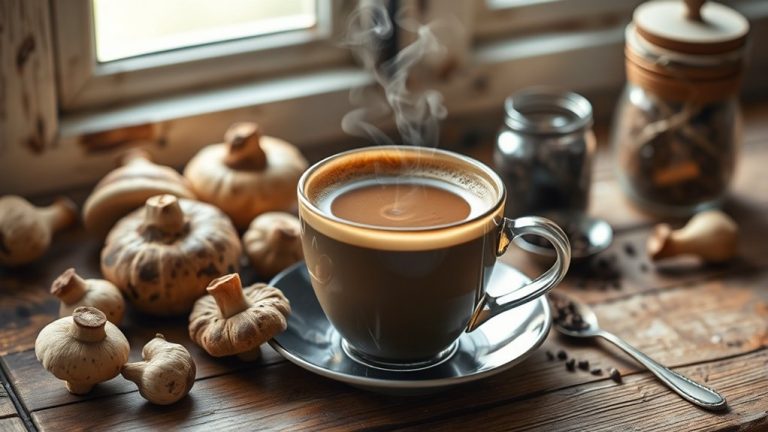
You can keep brewed coffee in the fridge safely for up to 3 to 4 days if you cool it properly and store it in airtight, opaque containers below 40°F (4°C).
Coffee with milk or cream spoils faster, so try to consume it within 1 to 2 days to avoid any bacterial risks. Cold brew usually lasts longer though, up to 7 to 10 days when refrigerated.
Understanding storage methods and spoilage signs helps you enjoy your coffee at its best flavor and stay safe. Plus, it’s worth exploring how additives and freezing can affect your coffee’s shelf life.
How Long Does Brewed Coffee Last in the Fridge?
How long can you safely keep brewed coffee in the fridge? Typically, black coffee lasts 3 to 4 days when stored in an airtight container at a consistent coffee temperature below 40°F (4°C).
Brewed black coffee stays fresh 3 to 4 days refrigerated in airtight containers below 40°F (4°C).
Different brewing methods, like drip or pour-over, don’t significantly affect this timeframe if properly cooled before refrigeration.
It’s crucial to avoid storing hot coffee directly in the fridge, as high coffee temperature can raise the overall fridge temperature, impacting freshness.
Coffee with milk or cream spoils faster, usually within 1 to 2 days, due to dairy’s perishability.
To maximize shelf life, use opaque, airtight containers to reduce oxidation and light exposure.
Keep an eye out for signs like a sour smell or discoloration to know if your coffee has gone bad.
Following these guidelines helps keep your brewed coffee safe and flavorful for as long as possible.
Hot Brewed vs. Cold Brew: Shelf Life Differences
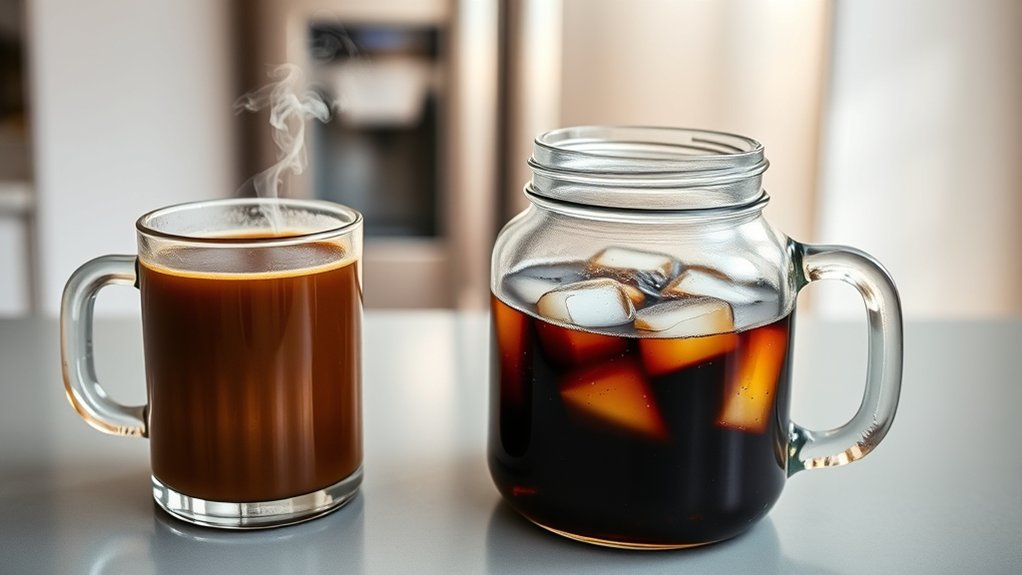
You’ll notice that hot brewed coffee lasts about 3 to 4 days in the fridge, but its flavor starts to fade after just 24 hours.
On the other hand, cold brew, thanks to its lower acidity, stays fresh and tasty for up to 10 days when stored properly.
Shelf Life Comparison
When comparing the shelf life of hot brewed and cold brew coffee, you’ll notice some significant differences. These differences come from their brewing processes and acidity levels. Hot brewed coffee has a faster extraction and higher acidity.
It keeps the coffee aroma and flavor at its best for about 24 hours in the fridge. However, it stays safe to drink for up to 3 to 4 days. On the other hand, cold brew coffee has a slower extraction and lower acidity.
This means cold brew stays fresh longer—usually 7 to 10 days. Commercial cold brew versions can last even longer, up to 14 days once opened. Just remember, both types need airtight storage to minimize spoilage.
| Coffee Type | Shelf Life (Refrigerated) | Notes |
|---|---|---|
| Hot Brewed | 3 to 4 days | Best aroma within 24 hours |
| Cold Brew | 7 to 10 days | Lower acidity slows spoilage |
| Commercial Cold Brew | Up to 14 days | Flavor fades after 7 days |
Flavor Degradation Timing
Although both hot brewed and cold brew coffee can be stored in the fridge, their flavor degradation timelines differ markedly due to their brewing methods and chemical properties.
Hot brewed coffee experiences a noticeable flavor decline within 24 hours, primarily because oxidation and loss of volatile compounds accelerate its deterioration. You’ll find its coffee freshness considerably diminishes after 3-4 days.
In contrast, cold brew maintains its flavor for up to 10-14 days. This extended shelf life is due to cold brew’s lower acidity and minimal oxygen exposure during its slow extraction process, which slows flavor decline and preserves aroma.
Understanding these differences helps you optimize storage and enjoy coffee at its freshest, whether you prefer hot brewed or cold brew.
How Milk or Cream Affects Coffee’s Shelf Life
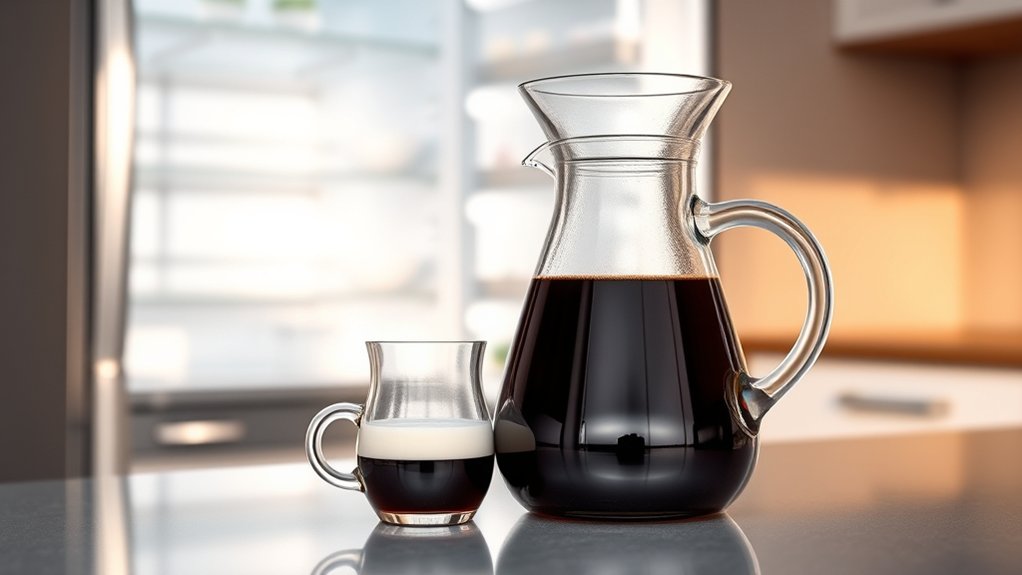
When you add milk or cream to your brewed coffee, the refrigerated shelf life drops to about 1–2 days. That’s because dairy tends to spoil pretty quickly.
You’ll want to keep an eye out for signs like curdling, sour smells, or separation — those are clear indicators that your coffee has gone bad.
To keep things fresh and safe, it’s best to add milk only when you’re ready to drink, not before storing your coffee. That way, you can enjoy every cup without worrying about spoilage.
Dairy’s Impact On Freshness
How does adding milk or cream affect the freshness of your brewed coffee? Dairy really cuts down the shelf life, meaning you can only keep your drink fresh for about 1-2 days in the fridge.
Milk and cream bring fats and proteins that speed up bacterial growth, which ups the chances of spoilage and food safety problems after 48 hours.
When you brew coffee with dairy, your cup won’t stay fresh as long as black coffee. Black coffee can last up to a week when refrigerated, which is way longer.
Non-dairy creamers and plant-based milks last a bit longer than dairy—around 3-4 days—but still not as long as black coffee.
If you want to keep your drink fresh and safe, it’s best to add milk or cream only when you’re ready to drink it. Mixing it into brewed coffee before storing just makes it spoil faster.
This little tip helps keep your coffee tasting great and lowers the risk of it going bad.
Spoilage Signs With Cream
Adding milk or cream to brewed coffee speeds up spoilage, reducing its safe consumption window to just 1-2 days. Cream spoilage occurs quickly because dairy encourages bacterial growth, leading to distinct signs you shouldn’t ignore.
One of the earliest indicators is a sour smell, which signals that fermentation and bacterial activity have begun.
You might also notice curdling or visible separation, where the coffee looks chunky or watery. If left longer, the coffee can develop a slimy or moldy appearance, increasing the risk of foodborne illness.
These spoilage signs are more pronounced with cream than black coffee, so it’s essential to refrigerate promptly and consume within this brief window to prevent health risks.
Recognizing these changes helps you avoid drinking spoiled coffee with milk or cream. It’s really about paying attention and acting quickly.
That way, you can enjoy your coffee without worry.
Storage Tips For Milk
Since milk and cream introduce perishable elements to your coffee, their presence considerably shortens its refrigerated shelf life to about 1-2 days. Dairy milk spoils rapidly, developing sour odors and curdling within this timeframe, so consume coffee with milk promptly.
Non-dairy creamers last longer, up to two weeks if sealed and refrigerated, but you still need to check for spoilage. To keep your coffee fresh, add milk or cream only when you’re ready to serve, not during storage.
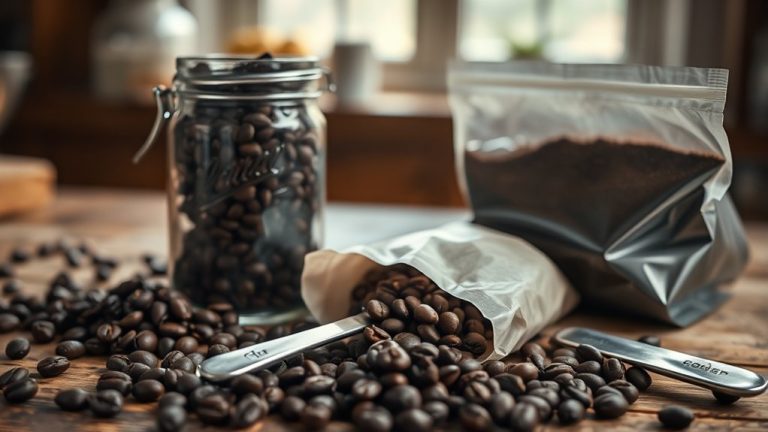
This approach works well with proper coffee bean storage, which helps preserve bean quality before brewing.
Always watch for spoilage signs like foul smells, discoloration, or a slimy texture in your coffee. Following these storage tips for milk helps keep your coffee tasting great and reduces waste while letting you enjoy your brew longer.
What Are the Signs Your Refrigerated Coffee Has Gone Bad?
Although refrigerated coffee can stay fresh for a limited time, you need to recognize the signs that indicate it has spoiled. First, an off-putting sour or rancid smell signals spoilage, which is very different from the fresh aroma you get when coffee beans are stored properly and brewed at the right temperature.
Refrigerated coffee lasts only so long—watch for sour or rancid smells that signal spoilage.
If you see visible mold or fuzzy patches on the surface, that’s a clear sign to throw the coffee out immediately.
Next, taste changes like excessive bitterness or sourness happen because of chemical changes from sitting too long. Also, if the coffee looks discolored, cloudy, or separates into layers, it usually means microbial or oxidative deterioration.
Finally, an unpleasant musty odor—something different from the original brewed scent—confirms the coffee isn’t safe or pleasant to drink anymore.
Keeping an eye out for these signs helps you enjoy your coffee when it’s at its best quality and safe to consume.
What Food Safety Risks Should You Know About With Stored Coffee?
You should know that brewed coffee by itself doesn’t really allow much bacterial growth when it’s stored properly in the fridge. But once you start adding things like dairy or flavored syrups, the risk of spoilage goes up quite a bit.
One big safety concern is mold growth, which you can usually see as fuzzy patches on the surface. If you spot any mold, that’s a clear sign the coffee isn’t safe to drink anymore.
Bacterial Growth Risks
How safe is your stored coffee from bacterial growth? Plain black coffee, brewed using proper brewing techniques and stored correctly in the fridge, shows no detectable bacterial growth for up to 42 days.
However, adding perishable ingredients like milk or flavored syrups greatly raises contamination risks. Also, improper coffee bean storage before brewing and unsealed containers after brewing can promote bacterial growth.
| Condition | Bacterial Growth Risk | Notes |
|---|---|---|
| Black coffee, refrigerated | Low | Safe up to 42 days |
| Coffee + dairy/syrups | High | Increased risk, consume quickly |
| Poor storage (temp/seal) | Very High | Bacteria and mold can develop rapidly |
Reheating won’t kill bacteria, so it’s best to focus on correct storage and timely consumption. Keep an eye on how you store your coffee to stay safe!
Mold And Spoilage
Beyond bacterial concerns, mold and spoilage present significant food safety risks when storing brewed coffee. Coffee mold appears as fuzzy patches and signals you must discard the coffee immediately to avoid health hazards.
Effective spoilage detection relies on these key indicators:
- Visual cues: Look for discoloration, separation, or curdling, especially in coffee mixed with dairy or plant-based milk.
- Odor changes: Sour, musty, or fermented smells indicate spoilage and potential harmful microbial presence.
- Consistency checks: Altered texture or taste can confirm that the coffee is no longer safe.
Improper storage or extended refrigeration increases spoilage risk. So, it’s important to regularly inspect your coffee’s appearance, smell, and taste.
That way, you catch coffee mold or spoilage early and prevent any foodborne illness.
Dairy Additive Concerns
The addition of dairy or milk-based creamers to brewed coffee introduces a heightened risk of bacterial growth, which substantially shortens the window for safe refrigeration. Dairy contamination speeds up cream spoilage, causing curdling, off-smells, and even potential mold development.
You should consume dairy-containing coffee within 1-2 days when refrigerated. After that, bacterial growth increases the risk of foodborne illness. So, for the best safety, it’s a good idea to add dairy only when you’re ready to serve.
| Storage Duration | Risk Level |
|---|---|
| 0-1 days | Minimal risk |
| 1-2 days | Moderate risk |
| Over 2 days | High risk (spoilage) |
Knowing these risks helps you avoid dairy contamination and keeps your coffee safe to enjoy.
How to Store Brewed Coffee Properly for Maximum Freshness
Although freshly brewed coffee is best enjoyed immediately, storing it properly can help you maintain its flavor and freshness for several days. When it comes to coffee brewing, choosing the right container type is essential. Follow these steps to preserve your coffee’s quality:
First, use an airtight, non-reactive container made of glass or stainless steel. This helps prevent oxidation and flavor loss. Make sure the container is sealed tightly.
Then, store it in a dark area of the fridge. This minimizes light exposure and stops your coffee from absorbing any unwanted odors.
Also, avoid adding dairy or creamers before storage since they speed up spoilage. It’s better to add them only when you’re ready to drink.
Why You Should Cool Brewed Coffee Before Refrigerating
When you cool brewed coffee to room temperature before refrigerating, you prevent condensation and excess moisture that can degrade its quality. Managing coffee temperature before refrigeration helps minimize the risk of mold growth and spoilage caused by temperature fluctuations.
Cooling coffee to room temperature before refrigeration prevents moisture buildup and reduces mold and spoilage risks.
If you put hot coffee straight into the fridge, you not only raise the internal temperature, which can compromise other foods, but you also speed up quality loss in the coffee itself.
To cool your coffee faster, try transferring it to a shallow container. This increases the surface area and helps it cool down quicker.
Properly cooled coffee stored in airtight containers experiences less flavor deterioration and stays fresh longer. This way, you get the most out of refrigeration without risking moisture buildup or messing with your fridge’s temperature.
Cooling first is really key for safe and effective coffee storage.
Does Refrigeration Affect Coffee’s Flavor and Aroma?
If you refrigerate brewed coffee, you slow down chemical reactions that cause flavor degradation. This helps preserve its taste and aroma longer. However, refrigeration impacts coffee’s flavor and aroma in nuanced ways. These effects are influenced by factors like coffee bean roasting and caffeine stability. Here’s what you should know:
Refrigeration reduces the volatility of aromatic oils, which can muffle the brightness and subtle notes developed during roasting. Also, prolonged cold storage risks absorption of external odors. This can subtly alter the coffee’s original profile.
While caffeine remains stable, some delicate volatile compounds diminish. This slightly affects aroma intensity. Using airtight containers and minimizing light exposure helps maintain flavor integrity.
Understanding these effects lets you balance convenience with preserving the sensory qualities that make your brewed coffee enjoyable.
Can You Freeze Brewed Coffee to Extend Its Shelf Life?
Freezing brewed coffee can extend its shelf life up to two months when you store it in airtight, freezer-safe containers.
To maintain peak quality, cool your coffee to room temperature before freezing and use coffee packaging that prevents air exposure.
Freezing in small, individual portions aligns with best brewing methods by minimizing repeated freeze-thaw cycles, which degrade flavor.
However, freezing does cause some loss of volatile aromatics, so expect a slight dulling compared to fresh coffee.
Avoid opening containers multiple times to preserve aroma and taste.
When thawing, do so gradually in the fridge or reheat directly from frozen, but limit reheating frequency.
Employing proper coffee packaging and mindful brewing methods ensures freezing remains a practical option to extend your brewed coffee’s usability without excessive quality loss.
How to Reheat Brewed Coffee Without Losing Flavor
Although reheating brewed coffee can risk altering its flavor, you can preserve its aroma and taste by applying gentle, controlled heat methods. Maintaining an ideal coffee temperature is vital for flavor preservation. Follow these steps:
Reheat on the stovetop over low to medium heat, avoiding high heat to prevent bitterness and burnt notes. Use a double boiler or heatproof container to guarantee even warming, minimizing overheating and preserving delicate flavors.
Only reheat the amount you plan to drink immediately to avoid repeated heating, which degrades coffee quality.
Adding a small pinch of salt before reheating can also reduce bitterness, enhancing flavor retention.
Avoid microwaving for extended periods, as it often causes uneven heating and flavor loss.
How to Store Coffee With Plant-Based Milks or Flavored Syrups
When you add plant-based milks or flavored syrups to your brewed coffee, you need to store it carefully to prevent rapid spoilage. These additives lower the coffee’s pH, which speeds up bacterial growth and cuts the shelf life down to just 1-2 days.
To keep your coffee at the right temperature and preserve its flavor, always transfer it to an airtight container. Then, refrigerate it at or below 40°F (4°C).
Plant-based milks are especially perishable. They can develop sour odors, curdle, or even grow mold if left too long. So, keep an eye out for signs like separation or off smells—these mean it’s time to toss it.
Proper storage not only slows down microbial activity but also helps keep the coffee’s intended taste. The best bet is to enjoy your coffee promptly, so you get maximum freshness and safety.
Tips to Use Leftover Brewed Coffee Without Wasting It
If you want to make the most of your leftover brewed coffee, consider repurposing it rather than discarding it. Applying thoughtful brewing techniques enhances flavor preservation. This way, you can explore creative uses beyond just drinking it.
Maximize leftover coffee by repurposing it thoughtfully, preserving flavor and unlocking creative uses beyond the cup.
Here are three efficient ways to avoid waste:
- Pour cooled coffee over fresh ice, add milk or flavorings, and enjoy a refreshing iced coffee. It’s perfect for showcasing simple coffee art with milk swirls.
- Incorporate chilled coffee into smoothies or baking recipes to add depth without extra brewing.
- Freeze portions in ice cube trays to use later for cooking or as coffee-flavored ice. This helps maintain the flavor.
These methods help you get the most out of your leftover coffee. Plus, they respect the nuances of coffee art and brewing techniques.
Frequently Asked Questions
Can Brewed Coffee Be Stored at Room Temperature Safely?
You shouldn’t store brewed coffee at room temperature beyond 30 to 60 minutes because flavor degradation happens pretty quickly.
Also, bacterial growth increases a lot after two hours, which can raise health risks. So, it’s best to refrigerate your coffee promptly to keep it safe and tasting good.
Does the Type of Coffee Bean Affect Refrigerated Coffee Shelf Life?
You’ll find coffee bean freshness affects flavor more than refrigerated coffee shelf life.
Focus on bean storage tips to keep beans fresh; the brewed coffee’s fridge longevity remains consistent regardless of bean type or origin.
How Does Water Quality Impact Brewed Coffee Storage?
Water mineral content and pH level profoundly influence brewed coffee’s freshness. You’ll find that purer water with balanced minerals and neutral pH prevents bacterial growth. This helps ensure your coffee stays safer and more flavorful during refrigerated storage.
Is It Safe to Mix Old and Fresh Brewed Coffee?
You shouldn’t mix old and fresh brewed coffee because bacterial growth can increase, causing flavor degradation.
While small amounts might be safe if both are fresh, it’s best to avoid mixing to preserve taste and safety.
It’s really about keeping your coffee tasting great and staying safe to drink. So, stick to fresh brews when you can!
Can Adding Alcohol Preserve Brewed Coffee Longer?
Picture a gentle guardian shielding your brew: alcohol preservation can modestly extend your coffee’s fridge life by slowing bacteria. But it might subtly shift coffee flavor enhancement, so weigh benefits against potential taste changes carefully.
Think of it as a trade-off—keeping your coffee fresh a bit longer but with a slight tweak in taste. It’s worth considering if you don’t mind those flavor changes. Otherwise, just stick to fresh brews whenever possible.
Conclusion
You might wonder if brewed coffee really lasts longer in the fridge or if freezing truly preserves its flavor. Evidence shows refrigerated coffee stays good for up to a week, but adding milk shortens that window because of spoilage risks.
Freezing can extend storage, but subtle flavor changes do happen. So, for the best taste and safety, store your coffee cold without additives.
Try to consume it within a week, and when reheating, do it gently to maintain quality.