What Pairs Well With Matcha: Delicious Combos You Need to Try
Matcha, with its vibrant green hue and rich, earthy flavor, has captured the hearts of tea lovers and culinary enthusiasts around the world. Its unique taste is both slightly bitter and subtly sweet, offering a versatile base for a wide variety of pairings. Discovering complementary flavors can elevate the matcha experience, creating a perfect balance that enhances every sip and bite.
Understanding what pairs well with matcha allows you to explore new culinary possibilities, from beverages to desserts and even savory dishes. Sweet treats like white chocolate or honey bring out its natural sweetness, while ingredients such as citrus or berries add a refreshing contrast. Nuts and seeds provide a delightful texture and deepen the earthy undertones, creating a harmonious combination.
Matcha’s versatility also extends to beverages, where it can be blended with milk, almond milk, or oat milk for creamy lattes, or mixed with sparkling water for a refreshing twist. Each pairing highlights different notes of matcha, making it an exciting ingredient to experiment with in both cooking and drinks.
By knowing what pairs well with matcha, anyone can enhance its flavor and create memorable experiences, whether enjoying a quiet afternoon tea or preparing a sophisticated dessert. Its adaptability makes matcha a favorite for both traditional tea ceremonies and modern culinary creations.
Sweet Treats That Complement Matcha
Matcha’s earthy and slightly bitter flavor makes it a perfect base for pairing with sweet treats. Its versatility allows it to shine in desserts, creating a balance between bitterness and sweetness that excites the palate. Exploring complementary sweet flavors can turn simple treats into indulgent experiences. From baked goods to creamy desserts, matcha pairs wonderfully with a variety of sweet accompaniments.
Matcha and White Chocolate: Creamy Bliss
The combination of matcha and white chocolate creates a decadent, creamy experience that is beloved in desserts worldwide. White chocolate’s subtle sweetness softens matcha’s earthy bitterness, producing a harmonious flavor profile that works beautifully in cakes, cookies, and truffles. White chocolate drizzle on matcha brownies or folded into matcha mousse adds luxurious richness and visual appeal, enhancing every bite.
In beverages, white chocolate complements matcha lattes perfectly. A white chocolate matcha latte offers a creamy, indulgent drink where the bitterness of matcha is balanced by the mellow sweetness of chocolate. Many bakers enjoy using white chocolate chips in matcha cookies or adding white chocolate ganache to matcha cakes, which highlights both the flavor and vibrant green color. This pairing is versatile, ideal for anyone seeking a sweet, sophisticated matcha experience.
The smoothness of white chocolate also allows matcha’s natural vegetal notes to shine without being overpowering. From desserts to drinks, this combination elevates simple treats into something elegant and memorable.
Matcha and Honey: Natural Sweetness
Honey is another excellent companion for matcha, providing natural sweetness that enhances its grassy, slightly bitter flavor. Its rich, floral notes blend seamlessly with matcha in drinks, baked goods, and confections. Drizzling honey over matcha-flavored yogurt, oatmeal, or ice cream creates a subtle sweetness that complements the tea’s complex profile.
In baked desserts, honey adds depth and moisture, working well in matcha muffins, pound cakes, and pancakes. It can also be incorporated into glazes or syrups to finish matcha pastries, enhancing both flavor and aroma. In beverages, matcha and honey combine beautifully in warm teas and lattes, creating a soothing, naturally sweet drink without relying on processed sugar.
The combination of honey and matcha also allows for experimentation with different honey varieties. Floral honeys like acacia or orange blossom accentuate matcha’s aromatic qualities, while darker honeys like buckwheat add earthy undertones, creating rich and complex flavor experiences. This pairing is perfect for those who prefer natural, subtly sweet treats.
Matcha and Red Bean: Traditional Japanese Favorite
Red bean, or azuki bean, is a classic matcha companion, creating a sweet, earthy balance cherished in Japanese desserts. The natural sweetness of red beans pairs beautifully with matcha’s slightly bitter notes, forming a harmonious flavor combination found in mochi, dorayaki, and matcha-flavored cakes. Smooth red bean paste in matcha desserts enhances texture while complementing flavor.
In baked goods, red beans work well as a filling in matcha pancakes or layered in matcha sponge cakes. They also pair nicely with creamy matcha puddings, ice creams, or parfaits, offering contrast in both taste and texture. The slightly firm, sweet beans complement matcha’s velvety mouthfeel, creating a multidimensional dessert experience.
Red beans and matcha also shine in traditional Japanese sweets like matcha dorayaki, where red bean paste is sandwiched between matcha pancakes. This pairing balances bitterness with sweetness, making it approachable for those new to matcha while satisfying enthusiasts who enjoy its depth. Red beans’ mild sweetness allows matcha’s flavor to remain prominent, creating a perfect harmony in every bite.
Matcha and Berries: Fruity Vibrance
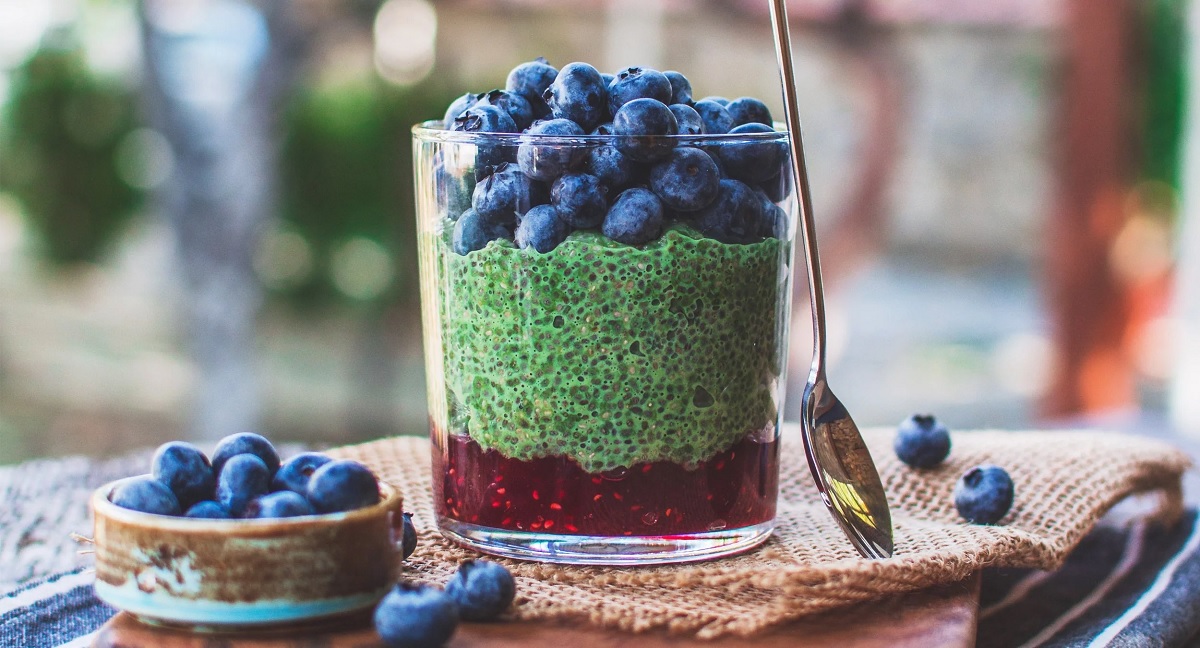
Berries such as strawberries, blueberries, and raspberries pair beautifully with matcha, bringing bright, tangy flavors that complement its earthy taste. Their natural acidity cuts through matcha’s bitterness, while their sweetness enhances its complexity. Incorporating berries in matcha smoothies, parfaits, or tarts creates visually appealing desserts that taste as vibrant as they look.
In baked desserts, berries add freshness and natural sweetness. Matcha berry muffins, cakes with berry compotes, or berry-filled matcha scones showcase a delightful balance of flavors. Their bright colors also contrast beautifully with matcha’s green hue, making desserts more enticing. In drinks, blending berries into matcha smoothies or topping matcha lattes with berry syrups adds a refreshing twist that complements both flavor and aroma.
Berries’ versatility allows them to be used fresh, frozen, or in jams, making it easy to experiment with seasonal flavors. The combination of tartness, sweetness, and matcha’s earthy notes creates desserts and drinks that feel lively, balanced, and exciting for every palate.
Matcha and Caramel: Rich Sweetness
Caramel is a decadent complement to matcha, offering deep, buttery sweetness that contrasts with the tea’s earthy bitterness. Drizzling caramel over matcha puddings, ice creams, or custards adds richness and indulgence, creating a luxurious dessert experience. Its smooth texture pairs well with matcha’s velvety mouthfeel, making every bite a balance of flavors.
In baked goods, caramel can be incorporated into glazes, fillings, or layered in matcha cakes and tarts. The warm, slightly burnt notes of caramel enhance matcha’s vegetal undertones, producing a complex and satisfying flavor combination. Caramel sauce or caramelized sugar on top of matcha desserts elevates them both in taste and visual appeal.
Caramel also works beautifully in drinks. A matcha latte with caramel drizzle provides a sweet, creamy, and comforting beverage, perfect for a cozy afternoon treat. The pairing is ideal for those who enjoy a bold, sweet complement that enhances matcha without overshadowing its unique flavor.
Savory Pairings for Matcha
While matcha is widely celebrated for its use in sweet treats and beverages, it also pairs beautifully with savory flavors. Its earthy, umami-rich taste can enhance a variety of dishes, from appetizers to main courses. Understanding the right savory combinations can create balanced, flavorful meals where matcha adds depth, complexity, and a subtle vegetal note that complements other ingredients perfectly.
Matcha and Mushrooms: Umami Harmony
Mushrooms are a natural companion for matcha due to their rich umami flavors, which harmonize with matcha’s earthy profile. Combining matcha with mushrooms in soups, risottos, or pasta dishes enhances the natural depth of both ingredients. A creamy mushroom risotto with a hint of matcha powder, for example, provides a subtle green color and an added layer of flavor without overpowering the dish.
The combination works well in sauces too. Sautéed mushrooms with matcha-infused cream sauce can elevate a simple pasta or grain bowl, while roasted mushrooms with a matcha seasoning blend bring out earthy aromas and nuanced taste. The subtle bitterness of matcha balances the natural sweetness of mushrooms, creating a harmonious savory experience. This pairing is perfect for those seeking a sophisticated dish with depth and umami richness.
Mushrooms also allow for texture variation. Soft, creamy mushrooms contrast with matcha’s powdery yet earthy note, making each bite flavorful and layered. The combination works beautifully in vegetarian and vegan dishes, where matcha can enhance the overall flavor complexity without relying on meat-based broths or sauces.
Matcha and Seaweed
Seaweed and matcha share a natural affinity due to their umami-rich profiles and vegetal notes. Ingredients like nori, wakame, and kombu complement matcha in soups, salads, and rice dishes, enhancing the savory depth. A simple miso soup with matcha and seaweed creates a complex, earthy flavor that elevates traditional Japanese dishes.
In sushi or rice bowls, sprinkling matcha powder over seaweed or incorporating it into dressings provides a subtle grassy note that complements the oceanic flavor of the seaweed. The combination of matcha and seaweed enhances both the aroma and visual appeal, adding a sophisticated green tint to dishes. This pairing works particularly well in vegetarian preparations, where the umami from seaweed compensates for the absence of meat.
Beyond soups and bowls, matcha and seaweed can be combined into seasoning blends for roasted vegetables, grains, or tofu. The mix brings out matcha’s vegetal undertones while amplifying seaweed’s savory taste, creating a multidimensional flavor experience. This pairing is ideal for anyone looking to explore matcha beyond sweets, offering a unique and authentic taste of umami-rich Japanese cuisine.
Matcha and Cheese
Cheese provides a rich, creamy counterpoint to matcha’s earthy bitterness, making it a versatile ingredient for savory pairings. Soft cheeses like cream cheese, mascarpone, or goat cheese work particularly well when incorporated into matcha spreads, dips, or baked goods. A matcha and cream cheese crostini or tart brings a luxurious texture and balanced flavor, allowing both ingredients to shine.
Harder cheeses, like parmesan or aged cheddar, can also complement matcha when used as a seasoning or topping. Matcha-infused crusts for cheese breads or matcha-dusted cheese platters offer an elegant and unexpected twist, combining nutty, salty, and vegetal flavors in one bite. The creamy texture of cheese softens matcha’s slight bitterness, creating a pleasing mouthfeel and harmonious taste profile.
This pairing works well in both hot and cold dishes. In savory pastries, matcha and cheese can be baked into quiches, scones, or turnovers, enhancing both flavor and presentation. The combination appeals to adventurous palates, offering a sophisticated balance between earthy, bitter, and creamy, making it a must-try for matcha enthusiasts looking to expand its culinary uses.
Matcha and Soy Sauce: Umami Enhancement
Soy sauce is another natural savory pairing for matcha, as both ingredients share umami-rich qualities. Incorporating matcha into soy-based dressings, marinades, or glazes adds complexity and a subtle vegetal note that enhances the overall flavor profile. A matcha-soy glaze on roasted vegetables, tofu, or grilled proteins provides a bold yet balanced taste that highlights the richness of both ingredients.
The slightly salty, savory flavor of soy sauce balances matcha’s grassy bitterness, making it a versatile pairing for Asian-inspired dishes. Drizzling a matcha-soy dressing over salads, noodles, or rice bowls introduces a sophisticated twist, while matcha-infused soy marinade enhances umami in proteins like tofu, tempeh, or seafood. The combination also works well in stir-fries, where matcha powder can be lightly sprinkled over vegetables to add flavor depth and visual appeal.
This pairing is particularly effective when experimenting with fusion cuisine. Matcha and soy sauce together can be incorporated into sauces, dips, or even savory baked goods, creating innovative dishes that are visually striking and rich in layered flavors. It’s an excellent option for those who want a savory matcha experience beyond traditional tea ceremonies.
Matcha and Nuts
Nuts such as almonds, cashews, and pistachios add texture and subtle flavor to matcha in savory dishes. Toasted nuts sprinkled over matcha-infused grains, roasted vegetables, or salads bring crunch and depth that complement matcha’s earthy flavor. The nutty undertones enhance matcha’s natural vegetal notes while introducing a satisfying contrast in texture.
In stir-fries or savory baked goods, matcha and nuts can create layered flavor experiences. Nut-based sauces or pestos with matcha add creaminess and richness, balancing bitterness with earthy, roasted flavors. Pistachios, in particular, pair beautifully with matcha due to their slightly sweet, nutty profile, adding both color and taste dimension to dishes.
This pairing is versatile for both appetizers and main courses. Nuts can be incorporated whole, chopped, or ground into powders, making matcha-infused dishes visually appealing and flavorful. The combination highlights matcha’s versatility in savory cooking, allowing for creativity and balance while maintaining a refined taste profile.
Beverages That Enhance Matcha
Matcha’s earthy, vibrant flavor makes it a perfect ingredient for a wide range of beverages. Pairing it with complementary flavors can transform a simple cup of green tea into a complex and indulgent drink. From creamy lattes to refreshing iced blends, exploring matcha’s beverage pairings unlocks exciting taste experiences while highlighting its natural aroma and subtle sweetness.
Matcha and Milk: Creamy Comfort
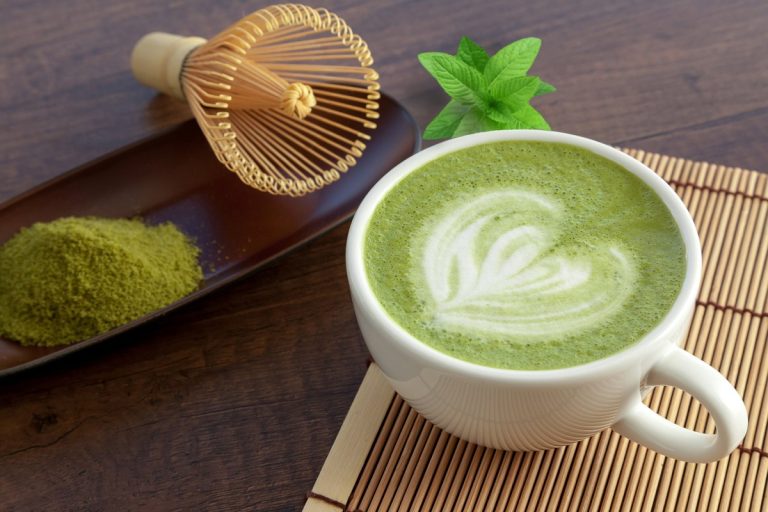
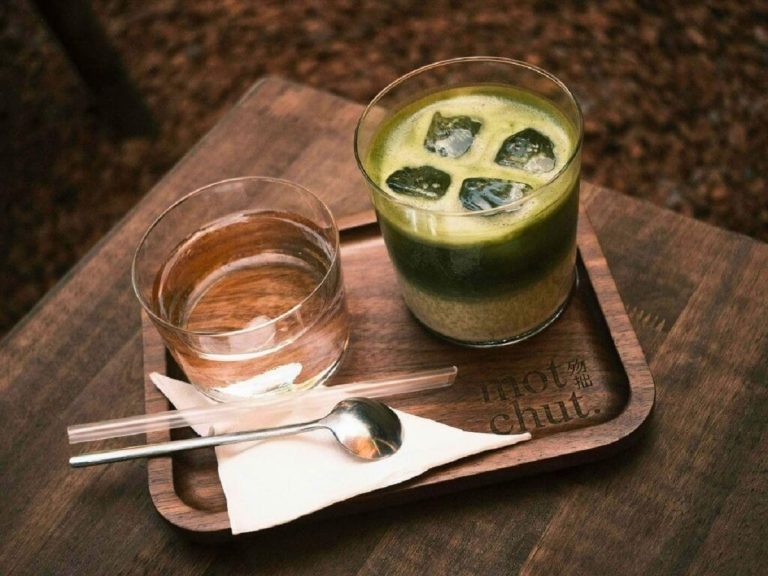
One of the most popular ways to enjoy matcha is by pairing it with milk. Whether using cow’s milk, almond milk, oat milk, or soy milk, the creaminess softens matcha’s natural bitterness and enhances its smooth, velvety texture. This combination creates rich, comforting drinks that can be enjoyed hot or cold, making matcha lattes a staple in cafes and homes alike.
The creaminess of milk complements matcha’s earthy notes while adding a slightly sweet undertone, allowing the flavor to feel balanced and approachable. A warm matcha latte can be enhanced with a sprinkle of cinnamon or nutmeg, while iced versions benefit from frothed milk or a splash of vanilla syrup for extra indulgence. Plant-based milk alternatives, like oat or almond milk, also add subtle flavors that pair beautifully with matcha without overpowering it.
Milk and matcha also provide a versatile canvas for creativity. You can experiment with layering flavors, like matcha with lavender-infused milk or chocolate milk, to create visually appealing beverages that taste as indulgent as they look. This pairing is ideal for anyone seeking a smooth, creamy drink that highlights matcha’s unique flavor.
Matcha and Citrus: Refreshing Zest
Citrus fruits, such as lemon, orange, or yuzu, pair exceptionally well with matcha in beverages. The bright acidity and tanginess of citrus balance matcha’s earthy, slightly bitter flavor, creating a refreshing, invigorating drink. Citrus can be incorporated in hot teas, iced beverages, or even sparkling water blends to produce a lively and vibrant flavor profile.
In iced matcha drinks, a squeeze of lemon or a splash of orange juice can instantly lift the flavor, making it crisp and energizing. Citrus also enhances matcha’s aroma, bringing out grassy and nutty notes that might otherwise be muted. In hot beverages, adding a citrus twist, like lemon zest, complements the warmth of the tea while introducing a subtle brightness that enlivens the palate.
Citrus-matcha drinks can be further enhanced with sweeteners like honey or agave, which balance acidity while maintaining a refreshing taste. The combination is ideal for morning pick-me-ups or afternoon refreshments, offering a light, flavorful experience that highlights matcha’s versatility in beverages.
Matcha and Coconut: Tropical Creaminess
Coconut pairs beautifully with matcha, offering a tropical creaminess that enhances both flavor and texture. Coconut milk or coconut cream can be used in lattes, smoothies, or iced beverages, creating a rich, velvety drink with subtle sweetness and a hint of tropical aroma. Coconut’s natural sweetness complements matcha’s earthy notes, making the combination indulgent yet balanced.
In smoothies, blending matcha with coconut milk and tropical fruits like pineapple or mango produces a refreshing, energizing drink perfect for warm days. Coconut water can also be combined with matcha for a lighter, hydrating option, providing a subtle sweetness and a hint of nutty flavor. Coconut-based matcha beverages can be served hot or cold, allowing for versatile preparation depending on taste preference.
Coconut and matcha also pair well with natural sweeteners like honey or maple syrup, enhancing both flavor and aroma. This pairing is ideal for those looking to enjoy matcha in a tropical, creamy form, whether as a daily indulgence or a creative specialty drink.
Matcha and Chocolate: Rich Indulgence
Chocolate, particularly white or dark chocolate, enhances matcha’s flavor by providing sweetness and depth. The rich, creamy profile of chocolate balances matcha’s earthy, slightly bitter notes, creating beverages that are indulgent and satisfying. Matcha hot chocolate or chocolate-infused matcha lattes are perfect examples of this harmonious pairing.
White chocolate enhances matcha’s natural sweetness and vegetal tones, while dark chocolate adds complexity with slightly bitter undertones. This pairing works well in both hot and iced drinks, with chocolate syrup or cocoa powder added to matcha milk or blended into smoothies. Chocolate also adds a luxurious texture, making beverages feel rich and indulgent while maintaining matcha’s vibrant flavor.
The combination of matcha and chocolate allows for creative variations. Adding a sprinkle of cocoa nibs, chocolate shavings, or a dash of vanilla can elevate the drink, while iced versions can include whipped cream or chocolate drizzle for extra indulgence. This pairing is ideal for anyone looking for a decadent, flavorful beverage that highlights matcha’s versatility.
Tips for Perfect Matcha Pairings
Creating the perfect matcha pairing is an art that balances flavor, texture, and aroma. Whether combining matcha with sweet treats, savory dishes, or beverages, understanding how different ingredients interact with its earthy, slightly bitter profile ensures a harmonious taste experience. With the right techniques and considerations, anyone can elevate their matcha enjoyment and create memorable culinary moments.
Consider Flavor Balance
One of the most important aspects of perfect matcha pairings is achieving balance. Matcha has a natural bitterness and earthy undertones, which can be complemented by sweet, tart, or creamy flavors. When pairing with desserts, using ingredients like white chocolate, honey, or berries softens the bitterness and enhances its natural sweetness. In savory dishes, umami-rich foods such as mushrooms, seaweed, and soy-based ingredients create depth and harmony.
Balancing flavors also involves considering intensity. Strongly flavored ingredients may overpower matcha, while overly subtle ones may be lost. For example, pairing matcha with citrus or light dairy enhances its natural complexity without masking its flavor. Adjusting the proportion of matcha to complementary ingredients ensures that its distinctive taste remains prominent, creating a well-rounded and satisfying culinary experience.
Flavor balance also applies to beverages. Adding milk, cream, or natural sweeteners can smooth matcha’s earthy notes, while spices like cinnamon or vanilla can elevate its aroma. By understanding and testing how different tastes interact, you can craft pairings that highlight matcha’s unique qualities.
Pay Attention to Texture
Texture plays a critical role in successful matcha pairings. Smooth, creamy textures in drinks or desserts complement matcha’s fine, powdery consistency, creating a harmonious mouthfeel. Conversely, crunchy or chewy components, like nuts, seeds, or crispy cookies, add contrast that enhances the overall eating experience. Considering texture ensures that each bite or sip is engaging and enjoyable.
In sweet treats, layering creamy matcha mousse with crunchy nuts or biscuit bases adds depth and visual appeal. In savory applications, combining matcha with roasted vegetables, grains, or nuts introduces a satisfying bite that contrasts with its smooth, earthy notes. Even in beverages, frothed milk or blended smoothies create creamy textures that enhance matcha’s natural flavor and make the drink feel indulgent.
Texture is also about temperature contrast. Cold matcha drinks with icy components or warm lattes with steamed milk provide a different sensory experience, complementing both flavor and mouthfeel. By considering texture alongside taste, you can create multidimensional matcha pairings that excite the senses.
Use Complementary Aromas
Aroma significantly affects how we perceive flavor, making it an essential factor in matcha pairings. Matcha itself has a distinct grassy, vegetal aroma that can be highlighted or enhanced with complementary scents. Ingredients like vanilla, citrus zest, or toasted nuts bring out its natural fragrance, while herbs such as mint or basil can add an intriguing aromatic layer.
When pairing with beverages, adding spices or extracts enhances both flavor and aroma. For example, a hint of cinnamon in a matcha latte or a splash of citrus in iced matcha creates an inviting sensory experience. In desserts, aromatic ingredients like chocolate, honey, or coconut work in tandem with matcha to produce an appealing scent and balanced taste.
Aroma also guides ingredient selection in savory pairings. Herbs, roasted vegetables, or soy-based sauces with subtle fragrant notes enhance matcha’s earthiness, creating cohesive and memorable dishes. Paying attention to aroma ensures that matcha pairings engage multiple senses, making each culinary creation more enjoyable and sophisticated.
Experiment and Adjust Proportions
Experimentation is key to mastering matcha pairings. The flavor of matcha can vary in intensity depending on its grade and preparation, so adjusting ingredient proportions is essential. Start with small amounts of complementary flavors and gradually adjust to achieve the desired balance, whether sweet, savory, or beverage-based.
Keeping a light hand with strong flavors like citrus, soy sauce, or chocolate allows matcha’s natural notes to shine. Conversely, bold ingredients such as red bean paste, caramel, or nuts may require slightly more matcha to maintain balance. Recording ratios and tasting in stages ensures consistency and helps refine pairings over time.
Experimentation also encourages creativity. Combining unexpected ingredients, like matcha with toasted sesame seeds or coconut milk, can yield surprisingly delicious results. By testing, tasting, and adjusting, you’ll develop a deeper understanding of matcha’s versatility and learn how to create pairings that are both innovative and harmonious.
Mind Visual Appeal
Visual presentation enhances the enjoyment of matcha pairings. Matcha’s vibrant green color contrasts beautifully with ingredients like white chocolate, berries, nuts, and creams. Thoughtful plating or layering in drinks not only creates aesthetic appeal but also signals flavor contrasts and textures to the eater.
In desserts, layering matcha mousse with berries, nuts, or pastry bases creates a visually appealing combination that entices the senses. For beverages, careful layering of matcha with milk, syrups, or foam highlights color contrasts and enhances perceived flavor. Even savory dishes benefit from visual consideration, as ingredients like roasted vegetables, grains, and herbs complement matcha’s green hue, making dishes inviting and appetizing.
FAQs
What Sweet Treats Pair Best With Matcha?
You can pair matcha with a variety of sweet treats to balance its earthy, slightly bitter flavor. White chocolate, honey, and berries are excellent options that highlight matcha’s natural sweetness. Desserts like matcha cookies, cakes, or mousse gain depth and balance when combined with these flavors.
He or she can also experiment with red bean paste, a classic Japanese pairing that adds subtle sweetness and texture. Combining matcha with creamy desserts, like ice cream or panna cotta, enhances the smooth mouthfeel while keeping the flavor harmonious. This makes every bite indulgent and satisfying.
Can Matcha Be Paired With Savory Foods?
Absolutely, matcha works wonderfully with savory foods due to its umami-rich, earthy notes. Ingredients like mushrooms, seaweed, and soy-based dishes complement matcha’s flavor and create balanced savory meals. He or she can use matcha in soups, sauces, or roasted vegetables for an added layer of taste.
Nuts and seeds also pair well in savory preparations, providing texture and a subtle nutty flavor that enhances matcha’s natural aroma. Incorporating matcha into grains, dressings, or even cheese-based dishes results in complex and harmonious flavor combinations that are exciting for anyone who loves culinary experimentation.
What Beverages Go Well With Matcha?
You can enhance matcha with a range of beverages to create delicious drinks. Milk or plant-based milk like oat, almond, or soy creates creamy lattes that balance matcha’s bitterness. He or she can also try iced matcha with citrus for a refreshing, tangy twist.
Coconut milk or chocolate-infused drinks complement matcha’s earthy notes while adding richness and flavor variety. Even sparkling water or lightly sweetened teas can enhance matcha’s aroma and taste. Experimenting with these beverages lets you enjoy matcha in both hot and cold forms, making it versatile for any occasion.
Are There Fruits That Pair Well With Matcha?
Yes, fruits pair exceptionally well with matcha by adding natural sweetness and brightness. Berries like strawberries, blueberries, and raspberries complement matcha’s earthy flavor while providing a refreshing contrast. Citrus fruits, such as lemon or orange, create a zesty balance that enlivens the palate.
He or she can also combine matcha with tropical fruits like mango or pineapple in smoothies and desserts. These fruits enhance both taste and visual appeal, making every matcha pairing more exciting. Using fresh, frozen, or pureed fruits allows for creativity in both beverages and sweet dishes.
Can Matcha Be Combined With Nuts And Seeds?
Yes, nuts and seeds are excellent companions for matcha. Almonds, pistachios, and walnuts provide crunch and nutty flavor that complements matcha’s earthy taste. Seeds like sesame or pumpkin add subtle savory notes and visual appeal when used in baked goods or desserts.
He or she can incorporate these ingredients in both sweet and savory recipes, such as matcha cookies, granola, or roasted vegetable dishes. Toasting nuts or seeds enhances their flavor, creating a multidimensional experience. The combination of crunchy texture and earthy matcha makes each bite more satisfying and balanced.
Is Chocolate a Good Pairing With Matcha?
Chocolate pairs beautifully with matcha by balancing its bitterness with sweetness and richness. White chocolate enhances matcha’s natural sweetness, while dark chocolate adds depth and complexity. He or she can enjoy matcha hot chocolate, lattes, or even matcha-infused chocolate desserts for a harmonious combination.
In baked goods, chocolate chips, drizzles, or ganache elevate the flavor profile, creating indulgent treats. Chocolate also enhances the visual appeal of matcha desserts, contrasting the vibrant green color. Using chocolate in moderation ensures matcha’s earthy notes remain prominent while creating a luxurious taste experience.
Can Herbs And Spices Enhance Matcha Pairings?
Yes, herbs and spices can enhance matcha’s flavor when used thoughtfully. Ingredients like mint, basil, cinnamon, or vanilla highlight matcha’s aroma and add complementary flavor layers. He or she can infuse these herbs into drinks, desserts, or even savory dishes to create unique matcha experiences.
Spices like ginger or cardamom introduce warmth and depth, balancing matcha’s earthy bitterness. Herbs can also provide freshness and complexity, making beverages and recipes more vibrant. Experimenting with herbs and spices allows for creative combinations that enhance both taste and aroma without overpowering matcha’s signature flavor.
Conclusion
Exploring the flavors that enhance matcha can turn a simple drink or dessert into a memorable experience. Whether you lean toward sweet treats like white chocolate and red bean or enjoy the freshness of fruits, pairing thoughtfully can highlight matcha’s unique earthy notes. Savory options, such as creamy cheeses or crunchy nuts, also provide a surprising depth that balances its bitterness.
Understanding what pairs well with matcha allows you to experiment with beverages as well. Creamy milk or plant-based alternatives create comforting lattes, while citrus and herbal infusions add brightness and complexity. Each combination offers a different way to enjoy matcha, catering to personal taste preferences and occasions.
Ultimately, discovering what pairs well with matcha is about balancing flavors, textures, and aromas. By trying these combinations, you can elevate your culinary creations, impress guests, and fully appreciate the rich, versatile profile of matcha in both sweet and savory dishes.