Does Matcha Lower Blood Sugar? Science-Backed Benefits, Risks, and Best Ways to Use It
Managing blood sugar has become a daily concern for many people, especially as modern diets and busy lifestyles make balance harder to maintain. Small, consistent choices often matter more than drastic changes, and beverages are an easy place to start. Among the many options available, matcha has gained attention not just for its vibrant color but also for its potential health benefits.
Matcha is different from regular green tea because the whole leaf is consumed, delivering a concentrated dose of natural compounds. These include antioxidants and plant-based nutrients that support overall metabolic health. As more people look for natural ways to support steady energy levels, curiosity around matcha continues to grow.
This curiosity often leads to one common question: Does Matcha Lower Blood Sugar? The answer is not as simple as a yes or no, but research suggests matcha may play a supportive role when paired with healthy habits.
Understanding how matcha interacts with the body helps set realistic expectations. Rather than acting as a quick fix, it may contribute to better blood sugar balance over time when used consistently.
How Matcha Affects Blood Sugar Levels
Blood sugar balance depends on how your body processes carbohydrates, responds to insulin, and manages energy throughout the day. Matcha has drawn attention because it delivers a concentrated form of green tea compounds that may support these processes. By influencing digestion, insulin sensitivity, and cellular response, matcha can play a subtle but meaningful role in blood sugar regulation when consumed regularly.
Role of Antioxidants in Blood Sugar Regulation
Matcha is rich in catechins, especially EGCG, which are powerful antioxidants known to support metabolic health. These compounds help reduce oxidative stress in the body, a factor closely linked to insulin resistance. When oxidative stress is lower, your cells tend to respond more effectively to insulin, allowing glucose to move from the bloodstream into the cells where it is used for energy.
Another way antioxidants support blood sugar control is by slowing the breakdown of carbohydrates during digestion. This gradual process can help prevent rapid glucose spikes after meals. Instead of experiencing sharp rises and sudden drops in energy, you may notice steadier blood sugar levels throughout the day.
Antioxidants in matcha also support liver function, which plays a central role in glucose storage and release. A healthier liver can better manage glycogen, helping your body maintain balance between meals. Over time, this can reduce the frequency of blood sugar fluctuations that often lead to fatigue and cravings.
Because matcha uses the whole tea leaf, you receive a higher concentration of these antioxidants compared to regular brewed green tea. This makes matcha a practical option for people looking to support blood sugar stability through natural dietary choices rather than relying on stimulants or sugary beverages.
Impact of Matcha on Insulin Sensitivity
Insulin sensitivity determines how efficiently your body uses insulin to manage glucose levels. When sensitivity is high, less insulin is needed to move sugar from the blood into the cells. Matcha contains plant compounds that may help improve this sensitivity, making glucose regulation more efficient over time.
Regular consumption of matcha has been linked to better cellular response to insulin. This means your body can handle carbohydrates more effectively, reducing the chance of prolonged high blood sugar after meals. Improved insulin sensitivity is especially important for people who experience energy crashes or feel sluggish after eating.
The natural compounds in matcha may also influence enzymes involved in glucose metabolism. By supporting these enzymes, matcha helps your body process sugar more smoothly instead of storing excess glucose as fat. This effect can be particularly helpful when combined with balanced meals that include fiber and protein.
Unlike sweetened drinks that trigger insulin spikes, matcha provides a steady source of energy without overwhelming the system. This makes it a suitable beverage for maintaining consistent blood sugar levels throughout the day, especially when consumed without added sugar or syrups.
Influence on Energy Release and Glucose Absorption
One of the unique features of matcha is how it delivers energy. The combination of natural caffeine and L-theanine creates a slow, sustained release rather than a sudden boost. This balanced energy pattern helps prevent the sharp blood sugar swings often caused by high-caffeine or sugary drinks.
Matcha may also slow glucose absorption in the digestive tract. By moderating how quickly sugar enters the bloodstream, it helps reduce post-meal spikes that strain insulin response. This slower absorption supports a more even distribution of energy and minimizes sudden hunger signals.
The fiber content in matcha, though small, contributes to this effect by slightly delaying digestion. Even minor delays can make a noticeable difference in how your body handles carbohydrates, especially when matcha is consumed alongside meals.
Over time, consistent energy release can help you maintain better eating patterns and reduce reliance on quick snacks. By supporting gradual glucose absorption and stable energy, matcha fits naturally into routines focused on long-term blood sugar balance rather than short-term fixes.
Role of Catechins and Antioxidants in Matcha
Matcha stands out among teas because it provides a concentrated source of catechins and antioxidants that support overall wellness. Since the whole leaf is consumed, these compounds are delivered in higher amounts than traditional brewed tea. Their role goes beyond general health, influencing metabolism, cellular protection, and long-term balance within the body.
Understanding Catechins and Their Biological Functions
Catechins are natural plant compounds classified as flavonoids, and matcha contains them in significant concentrations. The most notable catechin in matcha is EGCG, which has been widely studied for its biological activity. These compounds work at the cellular level, helping protect cells from damage caused by free radicals generated through daily metabolic processes.
Within the body, catechins support normal enzyme function and help regulate pathways involved in energy use. By interacting with these pathways, they assist the body in managing how nutrients are processed and stored. This influence can support metabolic efficiency and reduce unnecessary stress on organs involved in digestion and energy regulation.
Catechins also play a role in supporting healthy circulation. By helping maintain flexible blood vessels, they promote steady nutrient and oxygen delivery to tissues. This function is essential for maintaining balanced energy levels and supporting organs that rely on consistent blood flow.
Because matcha is made from finely ground tea leaves, catechins are absorbed more completely. This higher bioavailability allows the body to benefit from their protective and regulatory effects more efficiently than with many other antioxidant sources.
How Antioxidants Help Reduce Oxidative Stress
Oxidative stress occurs when free radicals outnumber antioxidants in the body, leading to cellular damage over time. Matcha antioxidants help neutralize these free radicals, reducing the strain placed on cells and tissues. This protective action supports long-term health by slowing processes linked to inflammation and metabolic imbalance.
Antioxidants in matcha assist the body’s natural defense systems by reinforcing cellular membranes and supporting DNA integrity. When cells are protected, they function more efficiently, allowing metabolic processes to run smoothly without unnecessary disruption.
Another important role of antioxidants is their impact on recovery and repair. Daily activities, stress, and environmental factors can all contribute to oxidative damage. Matcha antioxidants help the body recover from these stresses, supporting consistent energy and resilience throughout the day.
By lowering oxidative stress, antioxidants may also indirectly support hormone balance and insulin response. Reduced stress on the body allows regulatory systems to communicate more effectively, which is essential for maintaining internal balance over time.
Synergistic Effects of Catechins and Other Compounds
Catechins do not work alone in matcha. They interact with other naturally occurring compounds such as L-theanine, chlorophyll, and minerals, creating a synergistic effect. This interaction enhances the overall impact of matcha on the body, making its benefits more balanced and sustained.
L-theanine works alongside catechins to promote calm focus while supporting metabolic stability. This combination helps prevent overstimulation and supports a steady flow of energy, which can be beneficial for maintaining consistent daily rhythms.
Chlorophyll in matcha supports detoxification processes by assisting the body in eliminating unwanted substances. When combined with catechins, this process becomes more efficient, reducing the burden on organs responsible for filtration and waste removal.
Minerals present in matcha help support enzyme activity and nutrient absorption. Together with catechins and antioxidants, they contribute to a comprehensive support system that encourages long-term wellness rather than short-term stimulation.
Long-Term Health Implications of Regular Matcha Consumption
Regular intake of catechins and antioxidants through matcha can influence health over time by supporting cellular longevity. Consistent protection from oxidative damage helps maintain the function of tissues and organs as the body ages, promoting overall vitality.
These compounds also support metabolic balance by helping regulate how the body responds to nutrients. Over time, this may contribute to steadier energy levels and improved resilience against daily stressors.
Matcha’s antioxidant profile supports immune function by protecting immune cells from oxidative stress. When immune cells function efficiently, the body can respond more effectively to external challenges without excessive inflammation.
By delivering a concentrated and bioavailable source of catechins, matcha becomes a practical addition to routines focused on sustainable health. Its consistent use supports internal balance at the cellular level, reinforcing the body’s ability to maintain equilibrium across various systems.
Impact of Matcha on Insulin Sensitivity
Insulin sensitivity plays a central role in how efficiently your body manages blood sugar and energy. When sensitivity is balanced, glucose moves smoothly from the bloodstream into cells for use or storage. Matcha has gained attention because it delivers concentrated plant compounds that may support this process through metabolic regulation, antioxidant activity, and steady energy support.
How Matcha Supports Improved Cellular Response
Cells rely on insulin signals to absorb glucose effectively. Matcha contains catechins that may help strengthen this signaling process by reducing cellular stress and supporting receptor function. When insulin receptors respond properly, your body needs less insulin to manage the same amount of glucose, which helps maintain balance after meals.
The antioxidants in matcha also help protect cell membranes from oxidative damage. Healthy membranes allow insulin receptors to function more efficiently, improving glucose uptake. Over time, this improved cellular response can contribute to more stable blood sugar levels and reduced metabolic strain.
Matcha’s unique nutrient profile may also influence enzymes involved in glucose transport. By supporting these enzymes, matcha encourages smoother glucose movement into cells rather than leaving excess sugar in the bloodstream. This process supports overall metabolic efficiency without forcing abrupt changes.
Because matcha delivers these compounds consistently when consumed regularly, its effects on cellular response are more about gradual support than immediate results. This steady influence aligns well with long-term approaches to improving insulin sensitivity.
Role of Antioxidants in Reducing Insulin Resistance
Insulin resistance often develops when chronic oxidative stress interferes with normal metabolic signaling. Matcha antioxidants help neutralize free radicals that disrupt insulin pathways, reducing the burden on the body’s regulatory systems. Lower oxidative stress allows insulin to perform its role more effectively.
Antioxidants in matcha support anti-inflammatory processes that are closely linked to insulin sensitivity. Inflammation can interfere with how insulin communicates with cells, leading to higher blood sugar levels. By supporting a healthier inflammatory balance, matcha may help improve insulin responsiveness over time.
Another important factor is mitochondrial health. Antioxidants help protect mitochondria, the energy centers of cells, from damage. Healthy mitochondria improve how cells use glucose for energy, reducing the likelihood of excess sugar remaining in the bloodstream.
Through consistent antioxidant support, matcha may help slow the progression of insulin resistance. This effect is especially meaningful when combined with balanced nutrition and regular physical activity, creating a supportive environment for metabolic health.
Influence of Matcha on Energy Balance and Glucose Utilization
Energy balance affects how your body handles glucose throughout the day. Matcha provides a steady form of energy due to its combination of natural caffeine and L-theanine. This balanced energy release helps prevent the spikes and crashes that can strain insulin response.
When energy levels remain stable, your body is less likely to release stress hormones that interfere with insulin sensitivity. Matcha’s calming yet alert effect supports a smoother metabolic rhythm, allowing glucose to be used efficiently rather than stored excessively.
Matcha may also encourage better glucose utilization during physical activity. With improved focus and sustained energy, daily movement becomes more consistent, which naturally enhances insulin sensitivity. Muscles that regularly use glucose improve their ability to absorb it from the bloodstream.
By supporting both mental clarity and physical energy, matcha fits into routines aimed at long-term glucose management. Its influence on energy balance complements dietary and lifestyle strategies that promote healthier insulin response without relying on stimulants or sugar-heavy drinks.
Matcha and Post-Meal Blood Sugar Spikes
Post-meal blood sugar spikes occur when glucose rises sharply after eating, placing stress on insulin response and overall metabolism. Managing these spikes is important for maintaining steady energy and preventing long-term imbalances. Matcha has gained attention as a beverage that may help moderate these fluctuations by influencing digestion, glucose absorption, and metabolic response.
How Matcha May Slow Carbohydrate Absorption
The way carbohydrates are digested has a direct impact on post-meal blood sugar levels. Matcha contains catechins that may slow the activity of enzymes responsible for breaking down carbohydrates into glucose. When digestion happens more gradually, sugar enters the bloodstream at a steadier pace rather than all at once.
This slower absorption helps reduce sharp blood sugar peaks that often follow high-carbohydrate meals. Instead of overwhelming insulin response, the body can manage glucose more efficiently. This process supports more stable energy levels and reduces the sudden fatigue that often follows a spike and crash cycle.
Matcha also contains small amounts of natural fiber from the whole tea leaf. While minimal, this fiber contributes to delayed digestion, reinforcing the gradual release of glucose. Even subtle changes in digestion speed can make a noticeable difference in post-meal blood sugar patterns.
Consumed alongside meals, matcha may complement balanced foods by smoothing the body’s response to carbohydrates. This makes it a supportive addition for people focused on maintaining steadier glucose levels throughout the day.
Effect of Matcha on Insulin Response After Meals
Insulin plays a key role in controlling blood sugar after eating. Matcha’s antioxidant content may help improve how effectively insulin works during this critical period. By reducing oxidative stress, matcha supports clearer insulin signaling, allowing glucose to move into cells more efficiently.
When insulin response is more efficient, the body requires less insulin to manage rising glucose levels. This reduces the likelihood of prolonged high blood sugar after meals. Over time, improved insulin response can contribute to better metabolic stability and reduced strain on the pancreas.
Matcha’s natural compounds may also help limit inflammation triggered by high-sugar or refined carbohydrate meals. Inflammation can interfere with insulin function, making post-meal spikes more pronounced. By supporting a calmer metabolic environment, matcha helps the body respond more smoothly.
Drinking matcha without added sugars is important for this effect. In its pure form, matcha supports insulin efficiency rather than contributing to the glucose load, making it a practical option for post-meal balance.
Role of Matcha in Supporting Steady Post-Meal Energy
Energy fluctuations often follow blood sugar spikes, leading to tiredness or cravings shortly after eating. Matcha provides a more balanced energy profile due to its combination of caffeine and L-theanine. This pairing promotes alertness without triggering rapid stimulation that can worsen glucose swings.
Steady energy helps regulate appetite and reduces the urge for quick snacks driven by sudden drops in blood sugar. When energy remains consistent, the body is less likely to experience stress-related hormone releases that interfere with glucose control.
Matcha’s calming effect also supports mindful eating habits. Improved focus and reduced restlessness can encourage better meal timing and portion awareness, indirectly supporting healthier post-meal blood sugar patterns.
By promoting sustained energy and smoother metabolic response, matcha fits naturally into routines aimed at minimizing post-meal blood sugar spikes. Its role is supportive rather than corrective, reinforcing balanced nutrition and consistent lifestyle habits.
Comparison Between Matcha and Regular Green Tea
Matcha and regular green tea both come from the same plant, yet they differ significantly in how they are grown, prepared, and consumed. These differences affect nutrient concentration, absorption, and overall impact on the body. Understanding how matcha compares to regular green tea helps clarify why each offers distinct benefits despite sharing a common origin.
Differences in Processing and Nutrient Density
The most notable difference between matcha and regular green tea lies in processing. Matcha is made from shade-grown tea leaves that are stone-ground into a fine powder. Because the entire leaf is consumed, matcha delivers a higher concentration of nutrients, including catechins, antioxidants, and chlorophyll.
Regular green tea is prepared by steeping whole or crushed leaves in hot water, then discarding the leaves. This process extracts some beneficial compounds, but many nutrients remain in the discarded leaves. As a result, the overall nutrient intake from regular green tea is lower compared to matcha.
Shade-growing also increases chlorophyll and amino acid levels in matcha leaves. These compounds contribute to matcha’s vibrant color and unique nutritional profile. In contrast, regular green tea leaves are grown in direct sunlight, which leads to a different balance of compounds.
These processing differences make matcha a more concentrated option, while regular green tea provides a lighter nutrient intake that still supports general wellness.
Impact on Energy Levels and Mental Focus
Energy delivery is another area where matcha and regular green tea differ. Matcha contains natural caffeine combined with L-theanine, an amino acid that promotes calm alertness. This combination results in sustained energy and improved focus without sudden stimulation.
Regular green tea also contains caffeine and L-theanine, but in lower amounts. The energy boost tends to be milder and shorter-lasting. For people sensitive to caffeine, this lighter effect may be preferable, while others may seek the longer-lasting focus that matcha provides.
Because matcha delivers caffeine gradually, it helps reduce the risk of energy crashes often associated with stronger stimulants. This steady release supports consistent mental clarity, making matcha a popular choice for morning routines or focused work sessions.
Regular green tea offers a gentler experience, supporting relaxation and mild alertness. Both beverages support mental well-being, but matcha is better suited for sustained concentration, while regular green tea aligns with lighter daily hydration.
Comparison of Effects on Metabolism and Blood Sugar
Matcha’s concentrated catechins may offer stronger support for metabolic health compared to regular green tea. These compounds influence how the body processes glucose and manages energy, potentially supporting steadier blood sugar levels.
Regular green tea still provides beneficial catechins, but in lower amounts. Its effects on metabolism tend to be more subtle and gradual. This makes it a suitable option for people seeking gentle daily support without a strong metabolic influence.
Because matcha includes fiber from the whole leaf, it may slightly slow digestion and glucose absorption. Regular green tea lacks this fiber, resulting in a more immediate but less sustained effect.
Both beverages can fit into a balanced routine, but matcha’s higher concentration makes it more impactful for those focused on metabolic and blood sugar support, while regular green tea offers consistent, mild benefits over time.
Best Time to Drink Matcha for Blood Sugar Control
Timing plays an important role in how matcha affects blood sugar and energy levels. Drinking matcha at certain points in the day may help support steadier glucose response and improved metabolic balance. Understanding when to consume matcha can make it more effective as part of a routine focused on blood sugar control rather than relying on random intake.
Drinking Matcha in the Morning for Stable Energy
Starting the day with matcha can help set a balanced tone for blood sugar levels. In the morning, your body is transitioning from a fasting state, and matcha provides gentle stimulation without the sharp rise often caused by sugary drinks or strong coffee. The combination of caffeine and L-theanine supports steady alertness while avoiding sudden glucose fluctuations.
Morning matcha may also help regulate appetite by promoting more consistent energy. When energy levels remain stable, there is less temptation to reach for quick, high-sugar snacks later in the day. This can indirectly support better blood sugar control throughout the morning.
Drinking matcha with or after a balanced breakfast can further enhance its effect. When paired with protein and fiber, matcha supports smoother glucose absorption rather than triggering spikes. This timing allows your body to manage carbohydrates more efficiently during the first part of the day.
For people sensitive to caffeine later in the day, morning matcha provides metabolic benefits without interfering with sleep, making it a practical option for long-term consistency.
Consuming Matcha Around Meals to Reduce Spikes
Drinking matcha close to meal times may help moderate post-meal blood sugar rises. The catechins in matcha can influence how carbohydrates are digested, slowing the release of glucose into the bloodstream. This makes matcha a supportive addition before or shortly after meals.
When consumed before meals, matcha may prepare the body for incoming carbohydrates by supporting insulin efficiency. This timing helps the body respond more smoothly to rising glucose levels, reducing sharp spikes that often lead to energy crashes.
Drinking matcha after meals can also be beneficial. It may assist in stabilizing blood sugar as digestion continues, supporting steady energy and reducing post-meal fatigue. This can be particularly helpful after meals higher in refined carbohydrates.
Choosing unsweetened matcha is essential during meal times. Added sugars can counteract its benefits, while plain matcha supports blood sugar balance without increasing glucose load.
Matcha in the Afternoon for Preventing Energy Crashes
Afternoon energy dips are often linked to blood sugar drops following lunch. Matcha can help bridge this gap by providing sustained energy without triggering new spikes. Its balanced caffeine release supports focus while maintaining glucose stability.
Drinking matcha in the afternoon may help prevent cravings caused by falling blood sugar. When energy remains consistent, the urge for sugary snacks decreases, supporting better glucose control later in the day.
This timing also supports continued insulin sensitivity as the day progresses. Instead of relying on sweetened beverages, matcha offers a low-impact option that complements metabolic balance.
However, caffeine sensitivity should be considered. Drinking matcha too late may affect sleep, which can indirectly impact blood sugar regulation. Mid-afternoon is often an ideal window for maintaining balance without disrupting rest.
Potential Side Effects for People With Diabetes
Matcha is often viewed as a supportive beverage for blood sugar balance, but it is still important to understand how it may affect people with diabetes. Individual responses can vary based on sensitivity, medication use, and overall health. Being aware of potential side effects helps ensure matcha is used safely and effectively as part of a diabetes-friendly routine.
Possible Blood Sugar Fluctuations and Sensitivity
Although matcha does not contain added sugar in its pure form, it can still influence blood sugar levels in some individuals. The natural compounds in matcha may alter how the body responds to glucose, which can lead to unexpected fluctuations. For people with diabetes, even small changes in insulin sensitivity can affect daily blood sugar readings.
Caffeine in matcha may stimulate the release of stress hormones such as cortisol. These hormones can temporarily raise blood sugar levels, especially in people who are sensitive to caffeine. This response may cause higher readings after consumption, particularly when matcha is consumed on an empty stomach.
Another factor is portion size. Consuming large amounts of matcha or drinking it frequently throughout the day may amplify its effects on blood sugar regulation. This can make it harder to predict glucose responses, increasing the importance of moderation.
Monitoring blood sugar levels after introducing matcha can help identify personal tolerance. This awareness allows adjustments in timing or portion size to reduce unwanted fluctuations.
Interaction With Diabetes Medications
Matcha may interact with certain diabetes medications by influencing how the body processes glucose and insulin. For people using insulin or oral medications, matcha’s potential to improve insulin sensitivity may increase the risk of low blood sugar episodes. This is especially relevant when matcha is consumed in combination with medication without adjusting meal timing.
Caffeine may also affect how quickly some medications are absorbed. This can alter their effectiveness or timing, making blood sugar management less predictable. People who take medication at specific times may notice changes when matcha is added to their routine.
Another concern is matcha supplements or concentrated powders. These forms may deliver higher levels of active compounds, increasing the likelihood of interactions. Using culinary-grade or moderate ceremonial-grade matcha in controlled amounts can reduce this risk.
People with diabetes often benefit from discussing dietary changes with a healthcare provider. This helps ensure matcha consumption aligns with medication schedules and overall management plans.
Digestive and Caffeine-Related Effects
Matcha can sometimes cause digestive discomfort, especially when consumed on an empty stomach. Nausea or mild stomach irritation may occur due to its concentrated nature. For people with diabetes, digestive upset can complicate meal timing and blood sugar control.
Caffeine sensitivity is another consideration. Symptoms such as jitteriness, rapid heartbeat, or anxiety may occur, potentially affecting glucose levels through stress responses. These effects can vary widely depending on individual tolerance.
Drinking matcha later in the day may interfere with sleep quality. Poor sleep is closely linked to impaired insulin sensitivity, which can worsen blood sugar control over time. This indirect effect is important for people managing diabetes.
Matcha Consumption Tips for Better Blood Sugar Balance
Using matcha strategically can make a noticeable difference in how it supports blood sugar balance. While matcha contains beneficial compounds, the way it is prepared, timed, and combined with foods plays a major role in its overall effect. Simple adjustments in daily habits can help maximize benefits while minimizing unwanted blood sugar fluctuations.
Choosing the Right Type and Quality of Matcha
The quality of matcha you choose directly affects how your body responds to it. High-quality matcha is made from young, shade-grown tea leaves that are finely ground. This type contains a more balanced profile of catechins and amino acids, which helps support smoother energy release and metabolic response.
Lower-quality matcha may contain more bitterness and fewer beneficial compounds. This often leads people to add sweeteners or flavored syrups, which can raise blood sugar levels. Choosing a cleaner, naturally smooth matcha reduces the need for added sugar and supports better glucose balance.
Organic matcha can be a better option because it minimizes exposure to pesticides that may interfere with metabolic health. Purity matters when matcha is consumed regularly, especially for people focused on long-term blood sugar management.
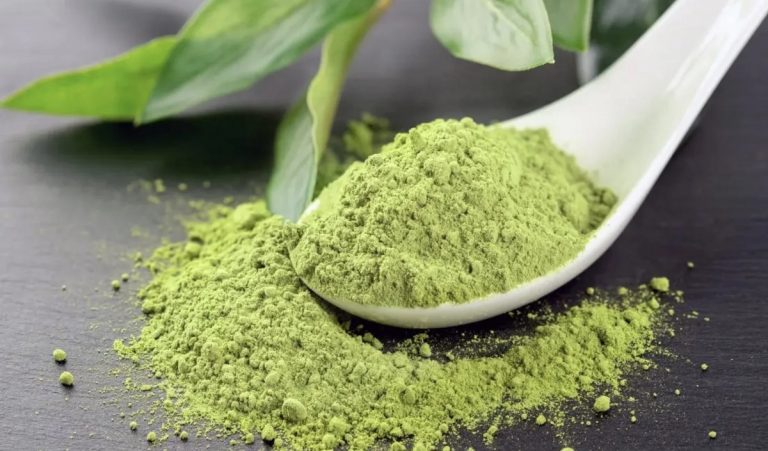
Paying attention to color and aroma can also guide quality. Bright green matcha with a fresh, grassy scent usually indicates higher nutrient content, supporting more consistent blood sugar control.
Preparing Matcha Without Added Sugar
Preparation methods have a strong impact on matcha’s effect on blood sugar. Many popular matcha drinks include sweetened milk, syrups, or flavored powders that counteract its natural benefits. Preparing matcha in its simplest form helps maintain stable glucose levels.
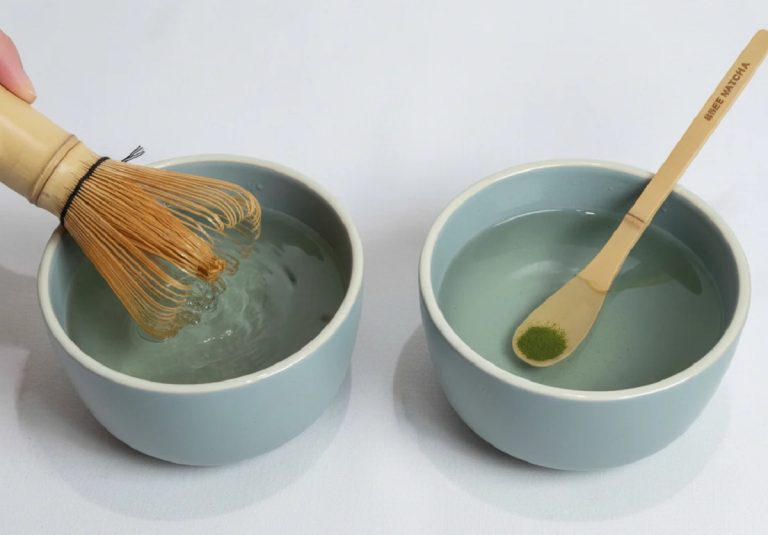
Using water or unsweetened plant-based milk keeps sugar intake low while allowing matcha’s natural compounds to work effectively. If sweetness is desired, small amounts of low-glycemic options can be used sparingly to avoid blood sugar spikes.
Portion control is another important factor. Using moderate amounts of matcha powder prevents excessive caffeine intake, which can influence stress hormones and blood sugar response. A measured serving supports balance rather than overstimulation.
Consistent preparation habits make it easier to predict how matcha affects your blood sugar. This predictability is especially helpful for people tracking glucose levels and adjusting routines accordingly.
Pairing Matcha With Balanced Meals
Drinking matcha alongside balanced meals can enhance its supportive role in blood sugar control. When consumed with protein, healthy fats, and fiber, matcha complements slower digestion and steadier glucose absorption.
Pairing matcha with meals helps reduce the likelihood of blood sugar spikes that may occur when it is consumed alone. The presence of nutrients in food provides a buffer, allowing matcha’s catechins to support insulin response more effectively.
This approach is particularly helpful for breakfast or lunch, when carbohydrate intake is often higher. Matcha can support smoother energy release and reduce post-meal fatigue when paired with nutrient-dense foods.
Mindful pairing also supports appetite regulation. When blood sugar remains stable, cravings decrease, making it easier to maintain consistent eating patterns that support long-term balance.
Timing Matcha Intake for Consistent Results
Timing influences how matcha affects blood sugar throughout the day. Drinking matcha earlier in the day or around meals supports metabolic rhythm and reduces the risk of sleep disruption.
Consuming matcha too late may interfere with rest, which can negatively affect insulin sensitivity. Poor sleep often leads to higher blood sugar levels the following day, reducing the overall benefits of matcha.
Spacing matcha intake rather than consuming multiple servings at once helps prevent overstimulation and unpredictable glucose responses. A steady routine allows the body to adapt gradually.
FAQs
Can Drinking Matcha Help Lower Blood Sugar Naturally?
Yes, matcha may help lower blood sugar naturally by supporting your body’s insulin response. The catechins and antioxidants in matcha can reduce oxidative stress, which often interferes with glucose metabolism. By improving insulin sensitivity, your cells may absorb sugar more efficiently, leading to steadier blood sugar levels over time.
In addition, matcha may slow carbohydrate absorption during digestion, preventing sharp post-meal spikes. While matcha alone won’t replace medications or dietary planning, regular consumption combined with balanced meals can be a helpful addition to a blood sugar-friendly routine.
How Quickly Can Matcha Affect Blood Sugar Levels?
Matcha’s impact on blood sugar varies depending on your metabolism, diet, and portion size. Some people may notice steadier energy levels within hours of consumption, while for others, effects accumulate over days or weeks.
The catechins in matcha work gradually to support insulin function and reduce oxidative stress. Drinking it consistently allows your body to adapt and maintain smoother blood sugar patterns. Pairing matcha with meals can enhance its effect by moderating glucose absorption, making the impact on post-meal spikes more noticeable over time.
Is It Safe to Drink Matcha If You Have Diabetes?
For most people with diabetes, matcha is safe when consumed in moderation and without added sugars. The antioxidants and catechins in matcha support insulin sensitivity and may help prevent post-meal blood sugar spikes.
However, matcha contains caffeine, which can temporarily raise blood sugar in some individuals. Monitoring your glucose levels after drinking matcha helps you understand how your body responds. Consulting your healthcare provider is recommended, especially if you take insulin or other diabetes medications, to prevent unexpected interactions or low blood sugar episodes.
Can Matcha Replace Diabetes Medications?
No, matcha cannot replace diabetes medications. While it may support better blood sugar control by improving insulin sensitivity and moderating glucose absorption, it is not a substitute for prescribed treatments.
Matcha works best as a complementary tool alongside a balanced diet, regular exercise, and any medications your doctor recommends. Using matcha to support your metabolic health can enhance overall management, but relying solely on it without medical guidance may lead to uncontrolled blood sugar levels and potential complications.
How Much Matcha Should You Drink to Help Blood Sugar?
A moderate amount of matcha is ideal for supporting blood sugar without overstimulation. Typically, one to two servings of matcha per day, roughly 1–2 teaspoons of powder, provides sufficient catechins and antioxidants.
Drinking more than this may increase caffeine intake, which could temporarily raise blood sugar or cause jitters. Start with a small serving to see how your body responds. Combining matcha with meals or snacks can enhance its benefits by helping regulate post-meal glucose levels and supporting steady energy throughout the day.
Does Matcha Help Prevent Post-Meal Blood Sugar Spikes?
Yes, matcha may help prevent post-meal blood sugar spikes by slowing carbohydrate absorption. The catechins in matcha reduce the activity of enzymes that break down carbs, allowing glucose to enter your bloodstream more gradually.
Additionally, matcha’s antioxidants support insulin efficiency, making it easier for your body to process sugar after eating. Drinking matcha with meals, rather than on an empty stomach, can amplify this effect and reduce sudden energy crashes, making it a practical option for people aiming to stabilize blood sugar levels throughout the day.
Are There Any Side Effects of Drinking Matcha for Blood Sugar Control?
While matcha is generally safe, excessive consumption may cause mild side effects, especially for people with diabetes. High caffeine intake can temporarily raise blood sugar, trigger jitters, or cause sleep disturbances.
Some individuals may experience mild digestive discomfort, particularly when drinking matcha on an empty stomach. To minimize side effects, start with moderate servings, avoid added sugar, and monitor your blood sugar response. Pairing matcha with meals can improve tolerance while maintaining steady glucose levels.
When Is the Best Time to Drink Matcha for Blood Sugar Benefits?
The best times to drink matcha for blood sugar control are in the morning or around meals. Morning consumption helps set a steady energy tone for the day without causing major spikes, while drinking matcha before or with meals can moderate post-meal glucose rises.
Afternoon consumption is also effective to prevent energy dips after lunch. Avoid drinking matcha too late in the day, as caffeine may affect sleep, which can indirectly impact blood sugar regulation. Consistent timing ensures your body benefits most from matcha’s blood sugar-supporting compounds.
Final Thoughts
Incorporating matcha into your daily routine may offer promising benefits for blood sugar management. Its high concentration of catechins and antioxidants can help improve insulin sensitivity, potentially reducing the severity of post-meal blood sugar spikes. While matcha is not a replacement for medical treatment, it can complement a balanced diet and healthy lifestyle, supporting overall glucose regulation.
Many studies suggest that regular consumption of matcha may contribute to more stable blood sugar levels over time. Drinking matcha at optimal times, such as before meals or in the morning, can enhance its effects on glucose metabolism. Pairing matcha with low-glycemic foods can further maximize its benefits without causing unwanted energy crashes.
For those concerned about diabetes or prediabetes, understanding how to incorporate matcha safely is key. By monitoring intake and consulting healthcare professionals when necessary, you can explore whether [Does Matcha Lower Blood Sugar?] in your specific situation, making informed choices for long-term wellness.