Why Does Matcha Taste Like Grass: Understanding Its Unique Flavor
Matcha is a vibrant green powder known for its unique flavor, bright color, and numerous health benefits. Many first-time drinkers are struck by its distinct taste, often described as vegetal or earthy. Understanding what contributes to this characteristic flavor can help you appreciate matcha beyond its appearance and health claims.
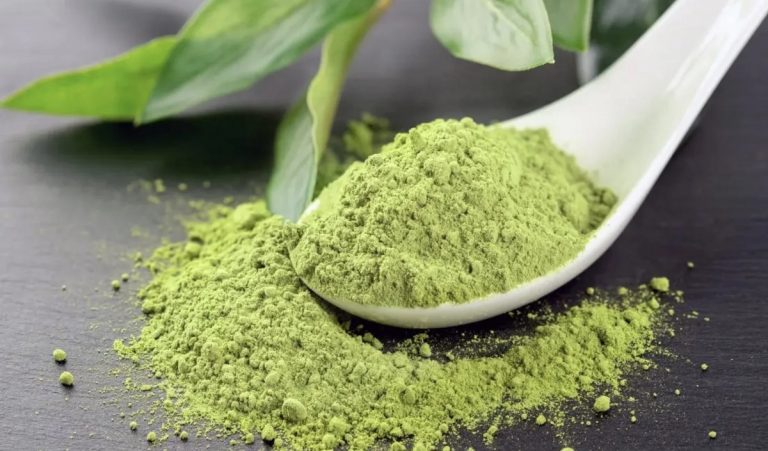
The flavor of matcha comes primarily from the way the tea leaves are grown and processed. Shade-grown leaves develop higher levels of chlorophyll, giving matcha its vivid green hue and a naturally grassy taste. This cultivation method also increases the concentration of amino acids, particularly L-theanine, which balances the bitterness and adds a subtle sweetness.
Processing techniques, including steaming and stone-grinding, further preserve the delicate compounds that give matcha its earthy and vegetal notes. Unlike regular green tea, the whole leaf is consumed in powder form, intensifying its flavor and texture.
The Natural Flavor Profile of Matcha
Matcha is celebrated for its vibrant green color, smooth texture, and distinctive taste. Its flavor is complex, earthy, and slightly bitter, with subtle sweet and umami notes. Understanding the natural flavor profile of matcha can enhance appreciation for its unique characteristics and guide preparation, pairing, and consumption to highlight its best qualities.
The Earthy and Vegetal Notes
The most recognizable aspect of matcha’s flavor is its earthy, vegetal quality, often described as tasting like freshly cut grass. He or she may notice this distinct grassy flavor immediately when sipping ceremonial-grade matcha. This taste comes from high chlorophyll content, which is elevated through shade-growing techniques used in matcha cultivation. By shielding the tea leaves from direct sunlight, the plant increases chlorophyll and amino acid production, resulting in a greener color and deeper vegetal notes.
Vegetal flavors are balanced by subtle sweetness and umami, making matcha more than just a bitter green powder. The grass-like taste may seem intense to newcomers, but it is a hallmark of authentic matcha and indicates high-quality leaves. Appreciating this characteristic opens opportunities to experiment with flavor pairings that complement its natural profile.
Umami and Amino Acids
One of matcha’s unique characteristics is its umami flavor, a savory taste often found in high-protein foods and fermented ingredients. L-theanine, an amino acid abundant in matcha, contributes to this umami sensation. He or she may notice that high-quality matcha tastes rich, smooth, and slightly creamy, rather than sharply bitter.
Umami enhances the overall depth of matcha, balancing vegetal and bitter notes while providing a more satisfying mouthfeel. This flavor complexity is part of why matcha is versatile in both drinks and culinary applications. Smooth, ceremonial-grade matcha delivers a pronounced umami profile, while lower-quality culinary matcha may taste more bitter and less nuanced. Understanding the role of amino acids like L-theanine helps explain why matcha’s taste feels simultaneously refreshing, grounding, and slightly sweet.
The umami content also makes matcha a natural complement to other ingredients. When paired with milk, honey, or desserts, its savory undertones balance sweetness, creating harmony in flavor. In savory applications, matcha can enhance sauces, soups, or roasted vegetables by adding depth and a subtle green aroma.
Bitterness and Balance
Bitterness is another prominent component of matcha’s natural flavor. He or she may notice a mild sharpness in the first sip, which is balanced by the sweetness and umami provided by amino acids. The bitterness is not a flaw but rather an essential part of matcha’s complex flavor profile.
High-quality matcha achieves a delicate balance between bitterness, sweetness, and umami. Culinary-grade matcha, often used for baking or lattes, tends to be slightly more bitter to withstand additional ingredients like sugar or milk. Ceremonial-grade matcha, designed for traditional tea preparation, prioritizes smoothness and subtle sweetness while retaining a hint of bitterness to maintain authenticity.
Understanding bitterness allows matcha enthusiasts to adjust preparation techniques, such as whisking properly, using appropriate water temperature, or pairing with complementary flavors. Mastering these details ensures that the natural flavor profile shines without being overpowering.
Aroma and Mouthfeel
Matcha’s aroma is closely tied to its flavor, combining fresh, grassy scents with sweet and slightly roasted undertones. He or she may notice that inhaling the aroma before sipping enhances the tasting experience. The fragrance signals the presence of chlorophyll, amino acids, and antioxidants, all of which contribute to flavor perception.
Mouthfeel is another important aspect of matcha. The finely ground powder creates a creamy, velvety texture when whisked, making the beverage smooth and satisfying. Even though matcha has vegetal and bitter notes, the texture softens these flavors, allowing the palate to enjoy a balanced, nuanced experience.
High-quality matcha excels in aroma and mouthfeel, emphasizing the natural profile without overpowering bitterness. Combined, these sensory qualities make matcha a unique and versatile ingredient for both beverages and culinary creations.
Factors That Influence Matcha’s Grassiness
Matcha’s distinct grassy flavor is one of its most recognizable characteristics, but the intensity of this taste can vary depending on several factors. From cultivation methods to processing and preparation techniques, understanding what influences matcha’s flavor helps he or she appreciate its complexity and choose the right matcha for personal preference.
Cultivation and Shading Techniques
The way tea plants are cultivated has a major impact on the grassy taste of matcha. He or she should know that most high-quality matcha comes from shade-grown tea leaves. By covering the plants for several weeks before harvest, growers increase chlorophyll levels, which contributes to the vivid green color and intense grassy flavor.
Shade-growing also enhances the concentration of amino acids like L-theanine, which balances bitterness and creates subtle umami notes. The combination of chlorophyll and amino acids gives matcha its signature fresh, grassy taste while maintaining smoothness. Plants grown in full sunlight produce leaves with less chlorophyll, resulting in a more bitter and less vibrant matcha.
Additionally, soil quality, climate, and altitude influence flavor. Rich, well-drained soils and cooler climates tend to produce leaves with more refined vegetal notes. Understanding cultivation practices allows he or she to select matcha with the desired intensity of grassiness.
Harvest Timing and Leaf Selection
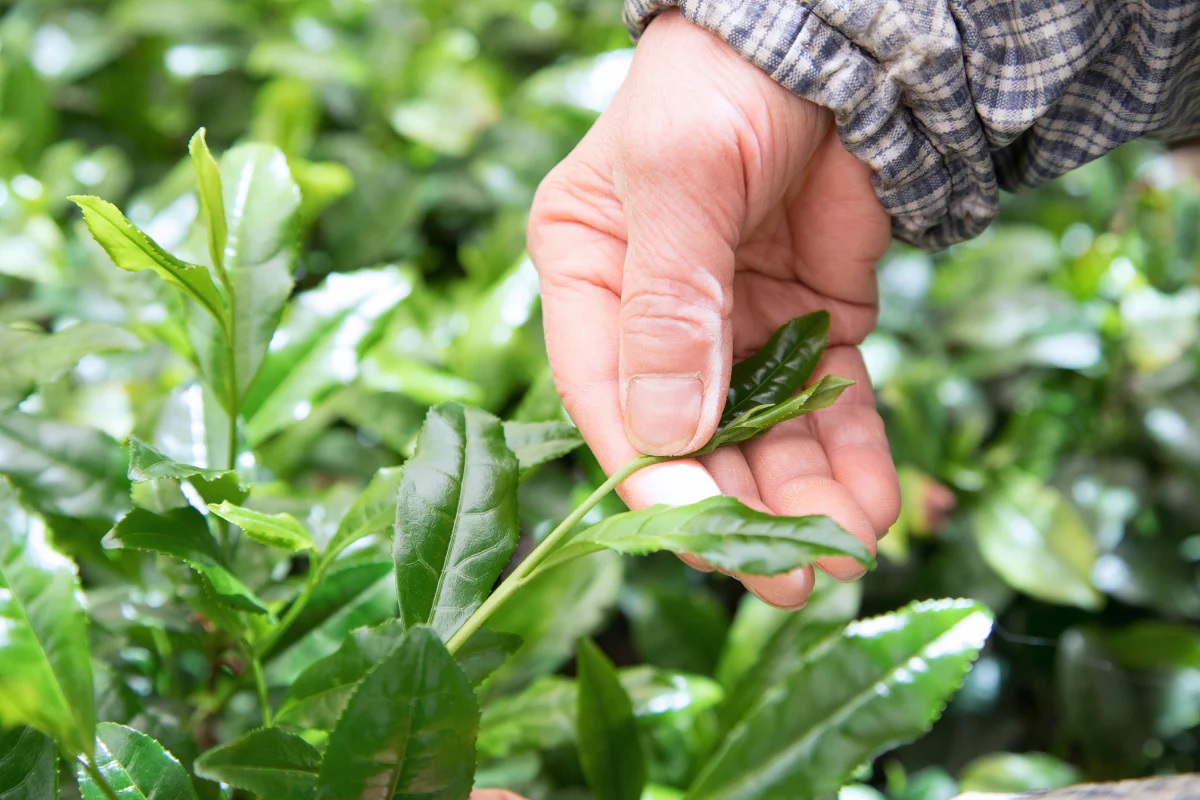
Harvesting methods and timing also impact matcha’s flavor profile. The youngest, tender leaves are typically used for high-quality matcha, while older leaves may contribute more bitterness and a stronger grassy note. He or she may notice that ceremonial-grade matcha is smoother and slightly sweeter because it uses the topmost leaves, whereas culinary-grade matcha incorporates more mature leaves for baking or blending.
The first harvest, known as “first flush,” produces leaves that are particularly rich in chlorophyll and amino acids. These leaves offer a vibrant green color and balanced grassy flavor, making them ideal for traditional tea preparation. Subsequent harvests often yield stronger, more bitter tastes, which are better suited for lattes, smoothies, or desserts where additional ingredients balance the flavor.
Leaf selection also includes consideration of stem removal. Removing stems creates a finer powder that dissolves easily and produces a smoother, less astringent drink. This careful selection enhances the flavor while maintaining the natural grassiness that defines authentic matcha.
Processing and Grinding Methods
The way matcha is processed after harvesting plays a significant role in its grassy flavor. He or she should know that steaming, drying, and stone-grinding preserve the delicate compounds responsible for matcha’s taste. Steaming halts oxidation, keeping the leaves green and fresh while retaining chlorophyll and amino acids.
Grinding the leaves into a fine powder also intensifies the flavor because the entire leaf is consumed. Stone grinding is traditional and slow, ensuring the powder maintains its aroma and delicate texture. Faster mechanical methods can generate heat, reducing the freshness and slightly altering the grassy notes.
Processing can also affect bitterness. High-quality matcha processed carefully maintains a smooth balance between grassiness, umami, and subtle sweetness, while lower-grade matcha may have more pronounced vegetal bitterness. Understanding these methods helps he or she identify matcha that matches their taste preference.
Preparation Techniques
Preparation techniques influence how strongly the grassy flavor comes through in a cup of matcha. He or she can adjust water temperature, whisking methods, and powder-to-water ratios to modify the intensity of the grassiness. Using water that is too hot may accentuate bitterness, while cooler water preserves sweet and vegetal notes.
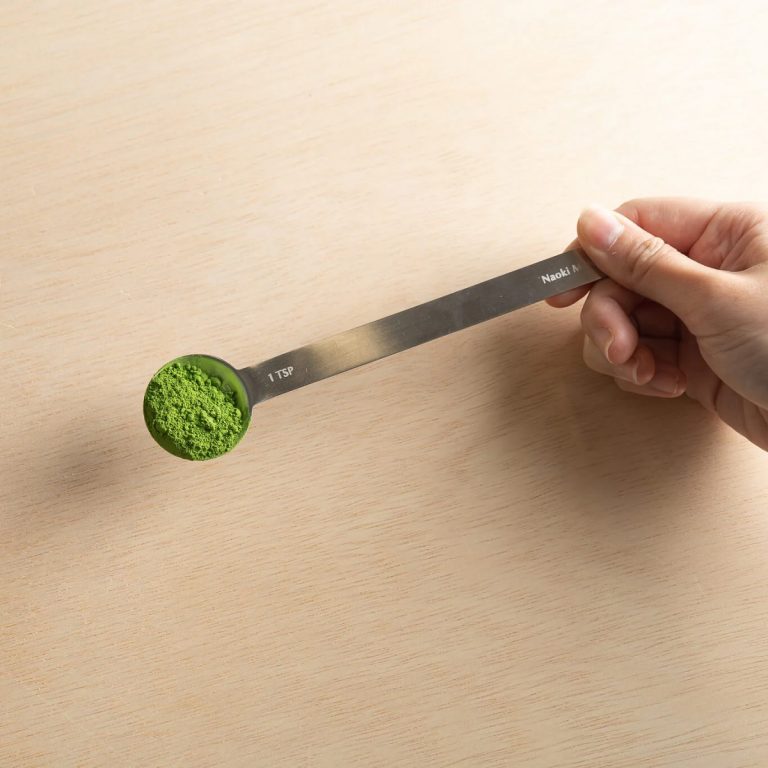
The amount of matcha used also affects flavor perception. Heavier amounts of powder intensify the grassy taste, while smaller portions produce a milder, more approachable drink. Whisking thoroughly creates a creamy, frothy texture that balances the flavor and enhances mouthfeel. Pairing matcha with milk, sweeteners, or citrus can also soften the grassy taste without masking it completely.
Enhancing or Balancing the Flavor
Matcha has a naturally earthy, grassy flavor that may be intense for some people. By understanding ways to enhance or balance its taste, he or she can enjoy matcha in a way that highlights its best qualities while making it approachable. Adjustments in preparation, pairings, and complementary ingredients can bring out sweetness, reduce bitterness, and create a harmonious drinking experience.
Using Sweeteners to Complement Matcha
Adding natural sweeteners is one of the most common ways to balance matcha’s flavor. He or she may use honey, agave, or maple syrup to gently soften the bitterness without overpowering the vegetal notes. Sweeteners work by highlighting matcha’s subtle inherent sweetness while mitigating sharpness, creating a smoother and more approachable beverage.
The key is moderation. Too much sugar can mask matcha’s natural umami and grassiness, diminishing its complexity. By using just enough sweetener, the natural flavors remain prominent while the drink becomes more enjoyable for those new to matcha. He or she can also experiment with flavored syrups, such as vanilla or lavender, to create a unique aromatic profile that pairs well with the earthy tones.
Sweeteners can also be combined with milk or plant-based alternatives, creating a creamy balance that further enhances matcha’s flavor. The combination of sweetness and creaminess makes matcha lattes a versatile and appealing option for both hot and iced beverages.
Pairing Matcha with Dairy or Plant-Based Milk
Milk and plant-based milk are excellent tools for balancing matcha’s taste. He or she may use cow’s milk, oat milk, almond milk, or soy milk to create a creamy texture that reduces the sharpness of grassy notes. The fats and proteins in milk smooth the flavor and highlight subtle sweetness, making matcha more approachable for those sensitive to bitterness.
Creamy pairings also allow for creative variations. For instance, a matcha latte with oat milk provides mild sweetness and a slightly nutty flavor that complements matcha’s vegetal notes. Almond or soy milk adds texture and richness, while coconut milk introduces a tropical nuance that enhances the overall aroma. These combinations not only improve taste but also expand matcha’s versatility in beverages and culinary applications.
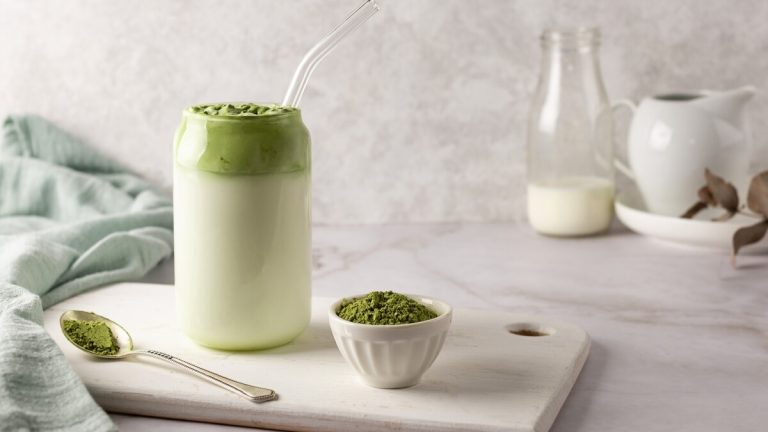
Proper steaming or frothing of milk can enhance the mouthfeel and aroma of matcha drinks. He or she may whisk milk with matcha to create a frothy, balanced beverage where creaminess and earthy flavors coexist, making every sip smooth, rich, and satisfying.
Adding Citrus or Fruity Accents
Citrus and fruits can brighten matcha’s flavor and create a refreshing balance. He or she may add a squeeze of lemon, lime, or orange juice to iced matcha or pair it with berries in smoothies and desserts. The natural acidity contrasts with the earthy notes, reducing perceived bitterness and adding a vibrant, lively taste.
Fruits also contribute natural sweetness, which can lessen the need for added sugar. Pairing matcha with strawberries, blueberries, or mango enhances flavor complexity and provides visual appeal in beverages and dishes. The combination of acidity, sweetness, and grassiness produces a multidimensional taste that is both satisfying and refreshing.
Experimenting with fruit infusions or purees can also help he or she discover personalized flavor profiles. Light, tart fruits create a crisp balance, while sweeter fruits like mango or banana complement matcha’s umami, offering an indulgent yet natural flavor enhancement.
Using Spices and Aromatics
Spices and aromatics are powerful tools for enhancing or balancing matcha’s flavor. He or she can add cinnamon, ginger, cardamom, or vanilla to create warm, inviting drinks that reduce the perception of bitterness. Aromatic spices not only improve taste but also enhance the sensory experience, making matcha more enjoyable for a wider audience.
Spices can be incorporated directly into matcha powder, whisked in with water, or combined with milk-based beverages. For example, a pinch of cinnamon or a drop of vanilla extract in a hot matcha latte balances earthy notes while providing an aromatic layer that complements the natural umami. Spices also pair well with sweeteners and milk, creating a multidimensional flavor experience.
Herbs like mint or basil offer a refreshing twist, brightening matcha’s profile while reducing intensity. These combinations allow he or she to personalize the flavor for specific occasions, whether preparing a calming morning beverage or a refreshing iced drink for the afternoon.
Adjusting Preparation Techniques
The way matcha is prepared significantly affects its flavor. He or she may adjust water temperature, powder quantity, and whisking method to enhance or balance the taste. Using water that is too hot can accentuate bitterness, while cooler water preserves sweetness and vegetal notes. Proper whisking ensures a smooth texture and even flavor distribution.
The amount of matcha powder used also influences grassiness. He or she can use slightly less powder for a milder taste or more for a concentrated, earthy experience. Whisking until frothy creates a creamy mouthfeel that balances sharpness, while layering matcha with milk or sweeteners can soften intense flavors. Preparation adjustments allow matcha drinkers to tailor flavor intensity to personal preference.
Even the choice of serving vessels matters. Wide, shallow bowls or cups enhance aroma perception, while insulated cups help maintain temperature and prevent over-extraction, which can affect taste. Paying attention to these details ensures a balanced, enjoyable matcha experience every time.
Tips for Enjoying Grassy Matcha
Grassy matcha is prized for its vibrant color, fresh aroma, and unique earthy flavor, but its intense vegetal notes can be challenging for some. Learning how to enjoy this distinctive taste can help he or she appreciate matcha fully. With simple preparation adjustments, complementary pairings, and mindful techniques, the grassy character of matcha can become a highlight rather than a hurdle.
Start With Quality Matcha
The foundation for enjoying grassy matcha lies in selecting high-quality leaves. He or she should choose ceremonial-grade matcha for drinking, as it uses the youngest, tender leaves with a smooth, balanced flavor. Lower-grade culinary matcha may be more bitter and astringent, which can exaggerate grassiness.
Freshness is equally important. Matcha loses flavor and aroma over time, so buying from trusted sources and storing it in a cool, dark place ensures the powder retains its bright green color and fresh, grassy notes. By starting with high-quality, fresh matcha, he or she can enjoy a smoother, more vibrant experience that highlights rather than overwhelms the natural grassy flavor.
Fresh matcha also dissolves more easily and creates a creamy, frothy texture when whisked properly. This enhances the mouthfeel, making the grassy taste more approachable while still showcasing its signature vegetal qualities.
Adjust Water Temperature and Whisking
Preparation techniques play a significant role in how grassy matcha tastes. He or she should use water that is around 160–175°F (70–80°C) rather than boiling water. Excessive heat can intensify bitterness and mask the natural sweetness and umami, making the grassy flavor more pronounced.
Whisking thoroughly with a bamboo whisk not only creates froth but also balances flavor distribution. Proper whisking blends the powder evenly with water, softening any strong grassy notes while enhancing the overall aroma and texture. Adjusting powder-to-water ratios can also help control intensity; using slightly less matcha creates a milder drink that still retains its distinctive character.
For those new to matcha, preparing smaller servings and experimenting with whisking techniques allows he or she to find the optimal balance between grassiness and smoothness. Even minor adjustments can dramatically improve the overall flavor experience.
Pair Matcha With Complementary Flavors
Pairing matcha with sweet, creamy, or aromatic ingredients can make grassy flavors more enjoyable. He or she may add milk or plant-based alternatives like oat, almond, or soy milk to soften the earthiness and create a creamy mouthfeel. Natural sweeteners such as honey, agave, or maple syrup balance sharp vegetal notes without overpowering the taste.
Fruits like berries, citrus, or tropical varieties can also complement grassy matcha by introducing natural acidity and sweetness. Herbs and spices, including mint, cinnamon, or vanilla, provide aromatic layers that highlight matcha’s flavor while reducing perceived bitterness. These pairings allow he or she to enjoy grassy matcha in a more approachable and versatile way.
Combining flavors strategically enhances both aroma and taste, making the vegetal character a unique, enjoyable aspect of the beverage rather than a challenge.
Mindful Consumption and Appreciation
Savoring matcha involves more than just taste; aroma, texture, and ritual play important roles. He or she should take time to inhale the grassy fragrance before sipping, as aroma significantly influences flavor perception. Drinking slowly allows the complexity of vegetal notes, umami, and subtle sweetness to be fully appreciated.
Mindful consumption also encourages experimenting with preparation methods, pairings, and portion sizes. By paying attention to how different techniques affect taste, he or she can develop a personalized matcha experience. Over time, the grassy flavor becomes familiar and enjoyable, transforming it into a distinctive element of matcha’s charm rather than an obstacle to enjoyment.
Frequently Asked Questions
Why Does Matcha Taste Like Grass?
Matcha tastes like grass primarily due to its high chlorophyll content, which gives the powder its vibrant green color and fresh, vegetal flavor. He or she should know that shade-growing techniques increase chlorophyll, intensifying the grassy taste while preserving amino acids that balance bitterness.
The whole-leaf consumption of matcha also amplifies this flavor compared to regular green tea. Grinding the entire leaf into a fine powder means you’re tasting all the plant’s natural compounds, including chlorophyll and catechins. These components create the distinctive earthy, fresh, and slightly sweet flavor profile that many describe as grassy.
Does the Growing Method Affect the Grassiness of Matcha?
Yes, the growing method significantly impacts matcha’s grassy flavor. He or she should know that shade-grown leaves, used for high-quality matcha, develop higher levels of chlorophyll and L-theanine, resulting in vivid green color and intense vegetal taste. Plants grown in full sun tend to be less grassy and more bitter.
Shade-growing also enhances amino acid content, contributing to the sweet and umami notes that balance grassy flavors. By understanding cultivation methods, he or she can choose matcha that aligns with flavor preferences, whether seeking intense grassiness or a smoother, milder taste.
Does the Grade of Matcha Influence Its Flavor?
Yes, matcha grade greatly affects how grassy it tastes. Ceremonial-grade matcha uses young, tender leaves with high chlorophyll content, producing a vibrant green color and smooth, slightly sweet grassy flavor. He or she may find this grade more balanced and enjoyable for drinking.
Culinary-grade matcha, often used for baking or lattes, incorporates older leaves that are more bitter and have stronger grassy notes. Understanding the grade helps he or she select matcha suited to personal taste and preparation methods, whether for beverages, desserts, or culinary applications.
How Does Harvest Time Affect Matcha’s Taste?
Harvest time plays a critical role in matcha’s grassiness. He or she should know that the first harvest, or “first flush,” produces young leaves rich in chlorophyll and amino acids, resulting in vibrant green powder with balanced grassy flavor. Later harvests tend to be more bitter and stronger in vegetal notes.
The youngest leaves have higher umami and sweetness, softening the grassy taste. Selecting first-flush matcha ensures a smoother drinking experience while preserving the natural earthiness that defines high-quality matcha, making it ideal for traditional tea ceremonies and straight consumption.
Can Preparation Techniques Change the Grassiness?
Yes, preparation techniques influence how pronounced the grassy taste is. He or she may notice that using hotter water can make matcha taste more bitter and intense, while slightly cooler water preserves sweetness and umami. Proper whisking ensures even distribution, balancing the grassy flavor throughout the beverage.
Adjusting powder-to-water ratios also helps control grassiness. Less matcha produces a milder flavor, while more powder intensifies the vegetal notes. Careful preparation allows he or she to enjoy grassy matcha at a preferred intensity while maintaining smoothness and complexity.
Does Storage Affect the Grassy Flavor of Matcha?
Yes, storage affects matcha’s freshness and flavor. He or she should store matcha in a cool, dark place, tightly sealed to protect it from air, light, and moisture. Exposure can cause oxidation, dulling the vibrant color and intensifying bitterness, making the grassy flavor less pleasant.
Proper storage preserves chlorophyll and amino acids, ensuring a fresh, smooth taste. Keeping matcha fresh allows he or she to enjoy its natural grassy notes without overwhelming bitterness, maintaining both aroma and flavor quality over time.
Can Additions Alter the Grassiness of Matcha?
Yes, pairing matcha with other ingredients can balance or enhance its grassy taste. He or she may add sweeteners, milk, plant-based milk, or citrus to soften the vegetal notes. Honey or agave highlights subtle sweetness, while milk creates a creamy texture that reduces sharpness.
Fruits or spices can also complement grassy flavors. Lemon, berries, vanilla, or cinnamon provide contrast and depth, allowing he or she to enjoy matcha in a way that suits personal taste while maintaining its unique vegetal profile. These additions create a harmonious, approachable flavor experience.
Final Thoughts
The distinctive flavor of matcha can be surprising for first-time drinkers, with its vibrant green color often hinting at the earthy taste within. High levels of chlorophyll and natural compounds contribute to the grassy notes, while amino acids like L-Theanine provide subtle sweetness and umami that balance the overall profile. Understanding these elements can make the flavor more enjoyable rather than overwhelming.
Preparation and quality also play a crucial role in taste. Using the right water temperature, proper whisking technique, and selecting the appropriate grade of matcha can significantly reduce excessive grassiness. Pairing matcha with sweet or creamy ingredients, such as honey, milk, or fruits, further enhances its flavor and makes it more approachable for beginners.
For anyone curious, the question of [why does matcha taste like grass] comes down to natural composition, cultivation, and preparation methods. Embracing these factors allows you to appreciate matcha’s unique taste and explore ways to enjoy it in both beverages and recipes.