How Much Does It Cost To Start A Coffee Shop – Startup Expenses Explained
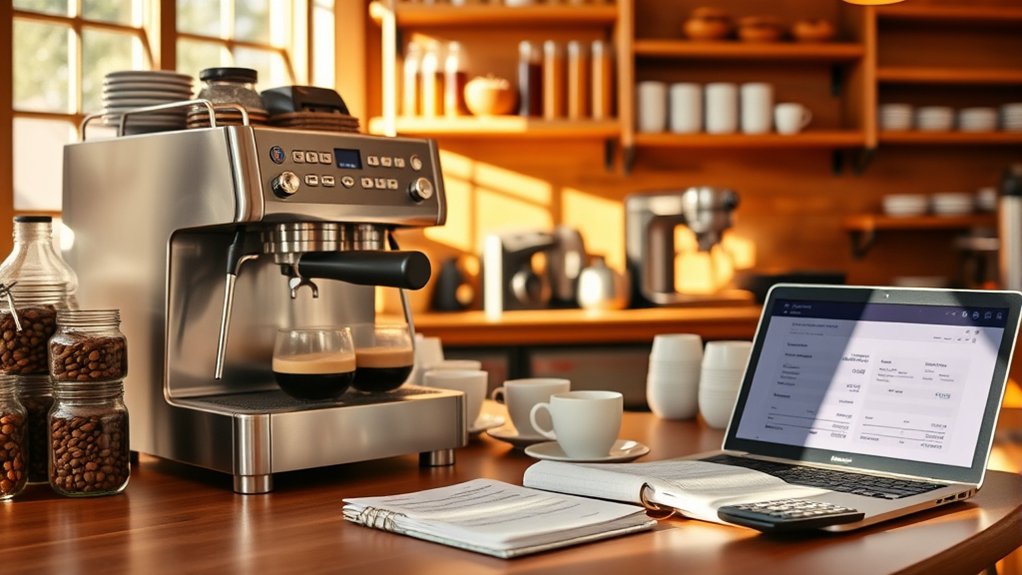
Starting a coffee shop typically requires budgeting for equipment like espresso machines ($2,000–$10,000), initial inventory, staff wages, and training. Location impacts costs considerably, with rent and permits varying by area.
You’ll also need to think about expenses for interior design and signage to attract customers. Don’t overlook hidden costs such as licensing fees, maintenance, and marketing, which can add up quickly.
Understanding these expenses upfront helps you plan effectively. It also guarantees your coffee shop thrives in a competitive market.
Typical Startup Costs to Open a Coffee Shop
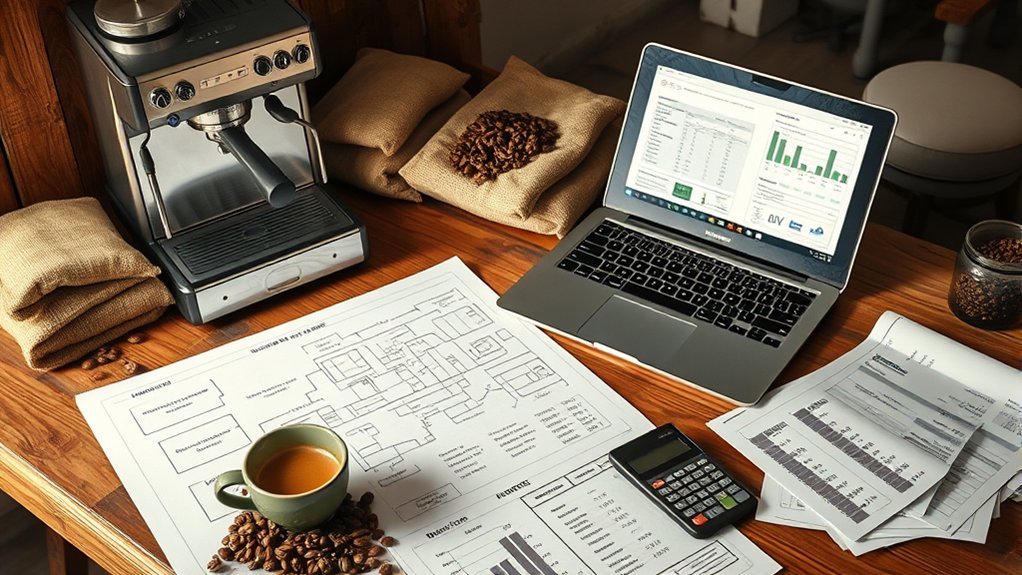
Although costs can vary widely depending on location and scale, you’ll need to budget for several key expenses when opening a coffee shop. First, consider coffee bean sourcing. High-quality beans are essential, and prices fluctuate based on origin and supplier relationships. Securing reliable, consistent beans impacts your product and costs directly.
Next, factor in espresso machine maintenance. These machines require regular servicing to guarantee the best performance and avoid costly breakdowns. Initial equipment purchases, including grinders and brewers, also represent a significant upfront investment.
Don’t overlook other essentials like furniture, initial inventory, and staff training. Planning for ongoing expenses like ingredient replenishment and equipment upkeep will help you maintain smooth operations.
How Location Affects Your Coffee Shop Budget
Your coffee shop’s location plays a big role in your budget, especially when it comes to rent. Depending on where you set up, rent prices can be all over the place.
If you pick a spot with lots of foot traffic, you might see more customers, which is great for sales. But keep in mind, those prime locations usually come with steeper costs. So, it’s all about finding the right balance between what you could earn and what you’ll have to spend.
Also, don’t forget to check out the local competition. If there are a bunch of other coffee shops nearby, you might need to spend more on marketing or adjust your prices to stand out.
All of that can impact your overall budget.
Rent Variations By Area
Since location plays a crucial role in attracting customers, rent costs can vary considerably depending on the area you choose for your coffee shop. When evaluating rent, consider how neighborhood demographics influence pricing. Areas with higher income levels often demand steeper rents.
Local zoning laws also affect your options. Some zones restrict commercial activities or require permits that impact costs.
Keep these factors in mind when selecting your location:
- Neighborhood demographics shape demand and rental rates
- Local zoning determines permissible business types and space use
- Proximity to complementary businesses can justify higher rent
- Lease terms and length affect upfront and ongoing expenses
Foot Traffic Impact
Choosing a location with strong foot traffic can really impact your coffee shop’s budget and overall success. High-traffic areas often come with higher rent, but the increased visibility can boost your daily sales, helping you recoup costs faster.
When more people pass by, you have a better chance to build customer loyalty, turning visitors into regulars who keep coming back. This steady flow also helps your social media presence since happy customers share their experiences online, bringing in even more patrons.
You’ll need to set aside some budget for signage and curb appeal to make the most of the foot traffic.
Balancing those higher upfront costs with the potential for ongoing revenue is key. Picking the right spot means investing wisely in both location and marketing to really maximize your coffee shop’s growth potential.
Local Competition Costs
How much does local competition really affect your coffee shop’s budget? Quite a bit, since your location directly influences expenses and revenue potential. When you analyze local zoning, you’ll find some areas restrict signage or business hours. This can impact your marketing and operating costs.
Plus, being near competitors might mean you have to invest more in promotions or unique offerings to stand out.
Consider these factors:
- Higher rent in popular zones with established coffee shops
- Costs to participate in or sponsor community events for visibility
- Expenses related to complying with local zoning laws
- Budget for competitive pricing or loyalty programs to attract customers
Understanding these elements helps you allocate your startup budget wisely. It also positions your shop for success in a competitive market.
Essential Coffee Shop Equipment and Prices
Before you open your coffee shop, you’ll need to invest in essential equipment that guarantees quality and efficiency. Prioritize machines that support your coffee bean sourcing efforts and facilitate barista training.
Reliable espresso machines, grinders, and brewers ensure consistency. Durable furniture and POS systems help streamline your operations.
| Equipment | Purpose | Estimated Price |
|---|---|---|
| Espresso Machine | Brews high-quality espresso | $2,000 – $10,000 |
| Coffee Grinder | Prepares beans for brewing | $500 – $2,500 |
| POS System | Manages sales and inventory | $1,000 – $3,000 |
Choosing the right equipment means balancing upfront costs with durability and performance. This balance is critical for smooth daily operations and supporting barista expertise.
Budgeting for Inventory and Supplies
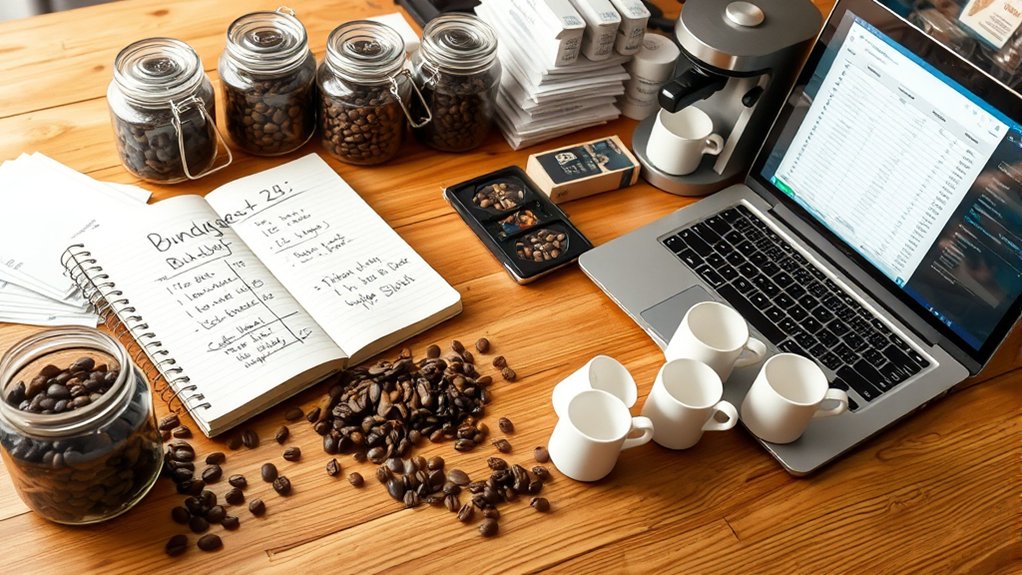
You’ll want to keep track of all your essential coffee inventory, like beans and milk, plus the equipment and utensils that keep everything running smoothly.
It’s a good idea to compare supplier costs carefully so you can find the best prices without giving up quality.
Essential Coffee Inventory
Since inventory forms the backbone of your coffee shop’s daily operations, budgeting carefully for essential supplies is crucial.
You need to focus on quality coffee bean sourcing, as it directly impacts flavor and customer satisfaction.
Understanding your brewing techniques will help you estimate how much inventory you’ll require without overstocking. It’s all about finding that balance.
Key items to budget for include:
- Fresh coffee beans tailored to your brewing style
- Milk and milk alternatives for various drinks
- Sweeteners and syrups to enhance flavors
- Cups, lids, and napkins for serving customers
Equipment and Utensils
How much should you allocate for equipment and utensils when setting up your coffee shop? Expect to invest a significant portion of your budget here, as reliable coffee brewing machines and related tools are essential for quality and efficiency.
Prioritize a commercial espresso machine, grinders, and brewers that match your expected volume.
Don’t overlook smaller utensils like tampers, pitchers, and cleaning brushes. Each one plays a vital role in smooth operations.
Also, your choice of cup design impacts both customer experience and branding, so budget for a variety of cups that suit different drinks and enhance presentation.
By carefully selecting durable, functional equipment and thoughtfully designed cups, you ensure a seamless workflow and appealing product.
This ultimately supports your shop’s success without overspending.
Supplier Cost Considerations
Where should you focus your budget when sourcing inventory and supplies for your coffee shop? Prioritize supplier negotiations to secure the best wholesale pricing without sacrificing quality. Negotiating terms can really help lower costs on essentials like coffee beans, milk, and cups, which have a big impact on your budget.
Keep these points in mind: compare multiple suppliers to find competitive wholesale pricing. It’s also smart to leverage bulk purchasing for discounts, but be careful not to overstock perishable items.
Building good relationships with suppliers can give you better negotiation leverage. And don’t forget to factor in delivery fees and payment terms during your negotiations. It all adds up!
How Staffing Impacts Your Coffee Shop Startup Costs

Although staffing might seem like a straightforward expense, it plays a critical role in shaping your coffee shop’s startup costs. You’ll need to budget not only for employee wages but also for staff training, which ensures your team delivers consistent quality and service.
Initial training sessions can require dedicated time and resources, including hiring experienced trainers or creating detailed training materials.
Plus, competitive wages are essential to attract and keep skilled baristas and support staff. This can really affect your payroll budget.
Keep in mind that understaffing or inadequate training can lead to inefficiencies and lost sales, which indirectly increase costs.
What Licenses and Permits Will You Need?
Before you open your doors, you’ll need to secure the necessary licenses and permits that keep your coffee shop compliant with local regulations. Understanding coffee license requirements and the permit application process is crucial to avoid delays or fines.
Generally, you’ll need to obtain a business license to legally operate. You’ll also need a food service permit to serve consumables and a health department permit to ensure sanitary conditions.
If you plan outdoor advertising, apply for a signage permit.
Each permit requires submitting detailed applications and often inspections. Start early since the permit application process can take weeks. Check your city or county’s specific requirements because they can vary.
Meeting these legal prerequisites protects your investment and builds customer trust from day one. So, getting all your paperwork in order is definitely worth the effort before you open.
Renovation and Interior Design Costs to Plan For
Since your coffee shop’s ambiance directly influences customer experience, planning renovation and interior design costs carefully is essential. You’ll need to budget for coffee shop decor that aligns with your brand and appeals to your target customers. This includes furniture, wall treatments, and fixtures. Each of these impacts both aesthetics and functionality.
Don’t overlook lighting design. It sets the mood, highlights key areas, and can even affect customer dwell time. Quality lighting may require a higher upfront investment but really enhances the overall atmosphere.
Also, factor in labor and materials for any structural changes or improvements you plan. By analyzing these elements upfront, you can allocate funds efficiently and create a welcoming environment that encourages repeat visits without overspending.
Hidden Startup Costs for Coffee Shops
Beyond visible expenses like renovation and decor, you’ll encounter hidden startup costs that can catch you off guard if you’re not prepared. These often overlooked costs impact your budget and operations considerably.
Hidden startup costs can surprise you and significantly affect your budget and daily operations.
For example, sourcing quality coffee beans can involve variable pricing and shipping fees that add up quickly. You’ll also need to invest in thorough barista training to guarantee consistent service and product quality.
Other hidden costs include licensing and health inspection fees that vary by location, initial inventory for perishables beyond coffee beans, equipment maintenance, unexpected repairs, utility deposits, and setup charges.
Accounting for these expenses early helps you avoid cash flow issues and ensures your coffee shop runs smoothly from day one. It’s all about being prepared so nothing surprises you along the way.
Marketing and Branding Startup Costs for Coffee Shops
Effective marketing and branding can make or break your coffee shop’s launch, so allocating funds for these efforts is vital. Coffee shop branding helps establish your identity and attract your target audience, so investing in a professional logo, signage, and packaging is critical.
You’ll also need to budget for marketing strategies that build awareness, such as social media campaigns, local advertising, and promotional events. Digital marketing tools, including website development and online ads, often offer cost-effective ways to reach customers.
Depending on your location and competition, initial marketing costs can range widely, but setting aside 10-15% of your total startup budget is a practical approach.
Tips to Keep Your Coffee Shop Startup Costs Low
Allocating a portion of your budget to marketing and branding sets a strong foundation, but keeping overall startup costs manageable is just as important. To lower your coffee shop’s initial expenses, focus on strategies that boost efficiency and reduce waste.
Embrace sustainable practices by sourcing eco-friendly supplies and minimizing energy use. Engage with your local community to build loyal customers early, which can reduce costly advertising.
Consider these tips:
- Opt for secondhand or leased equipment instead of buying new.
- Negotiate favorable lease terms or shared spaces to cut rent.
- Prioritize sustainable packaging to lower long-term costs and appeal to eco-conscious customers.
- Involve community groups through events or collaborations to increase foot traffic without heavy spending.
Frequently Asked Questions
What Are the Best Coffee Beans to Use for Quality and Cost?
You’ll find that Arabica beans offer the best balance of coffee bean sourcing, delivering superior bean quality compared to Robusta. Arabica costs more but provides a smoother, more complex flavor, ideal for quality-focused shops.
To keep costs reasonable, consider sourcing directly from reputable growers or cooperatives. This approach improves quality control and price.
Comparing bean quality while negotiating sourcing terms helps you maintain consistent flavor without overspending. It’s all about finding the right balance that works for your budget and your customers’ taste.
How Can I Create a Unique Coffee Shop Menu to Attract Customers?
Imagine your menu as a map guiding customers through diverse coffee flavor profiles. To create a unique menu, blend popular and rare flavors, highlighting tasting notes clearly.
Use menu design tips like grouping drinks by intensity or origin and adding brief, engaging descriptions.
This practical approach helps customers explore and find favorites, making your coffee shop memorable and inviting. Keep it visually appealing and easy to navigate for the best impact.
It’s all about making the experience fun and simple for everyone.
What Are Effective Customer Retention Strategies for New Coffee Shops?
You can boost customer retention by implementing loyalty programs that reward repeat visits. This encourages customers to come back often.
Pair this with personalized marketing. Use purchase data to send targeted offers or birthday discounts that make customers feel valued.
Consistently engaging your audience this way builds strong relationships. It keeps your coffee shop top-of-mind and turns casual visitors into loyal regulars.
Focus on these practical strategies to grow lasting customer connections.
How Do Seasonal Trends Affect Coffee Shop Sales and Inventory?
Ever wonder why pumpkin spice lattes flood menus every fall? Seasonal trends directly impact your coffee shop sales and inventory by shifting customer preferences. You’ll need to stock seasonal flavorings and plan holiday promotions to attract buyers during peak times like winter holidays.
This means adjusting orders to avoid waste but ensuring enough supply for demand spikes. Staying ahead with timely inventory changes helps you maximize profits and keep customers coming back. It’s all about knowing what your customers want and when they want it.
What Technology Tools Help Manage a Coffee Shop Efficiently?
You’ll want to use point of sale systems to streamline transactions and track sales in real time. These systems help you analyze customer preferences and speed up checkout.
Pair that with inventory management software to monitor stock levels, reduce waste, and reorder supplies efficiently.
Together, these tools keep your coffee shop running smoothly.
This way, you can focus on serving great drinks and managing seasonal demand without constantly worrying about inventory or sales tracking.
Conclusion
Starting your coffee shop is like brewing the perfect cup. Each ingredient matters. From location and equipment to staffing and marketing, every cost shapes your blend.
By carefully measuring expenses and anticipating hidden fees, you’ll craft a business that’s both inviting and sustainable. Keep your budget tight and your vision clear. Watch your coffee shop bloom into a vibrant community hub, one thoughtful investment at a time.