Is Whole Bean Coffee Cheaper Than Ground – Cost Comparison Explained
You’ll find whole bean coffee cheaper in the long run because it stays fresh longer and delivers better flavor per cup than ground coffee. While whole beans cost more upfront and need a grinder investment, you save money over time by avoiding wasted stale coffee.
Plus, grinding beans just before brewing locks in more aroma and taste. If you want to know why freshness, equipment, and quality all influence the true cost, keep exploring.
Whole Bean vs Ground Coffee: What’s the Difference?
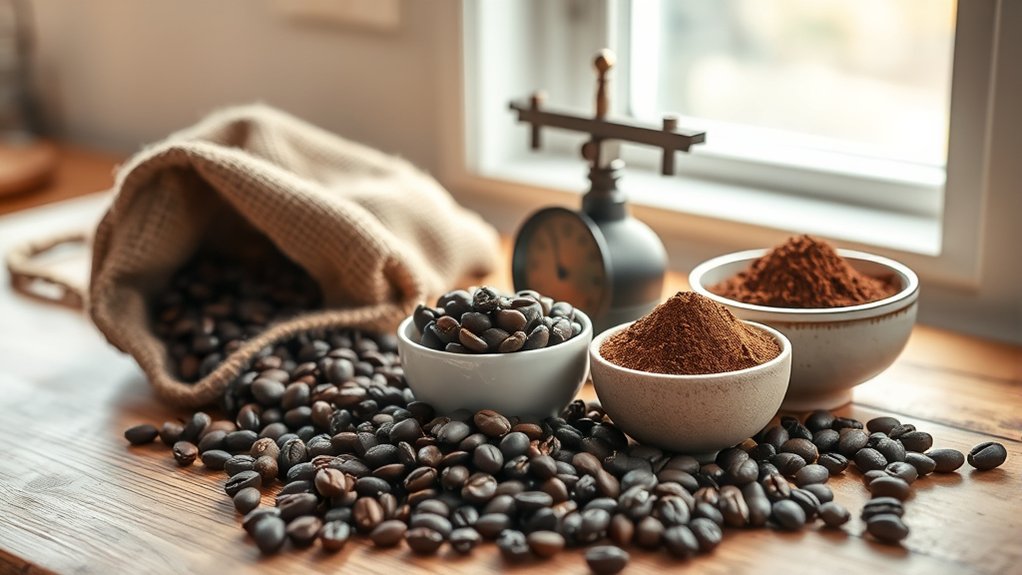
Although ground coffee is often cheaper upfront, whole bean coffee offers better quality and freshness that can enhance your brewing experience.
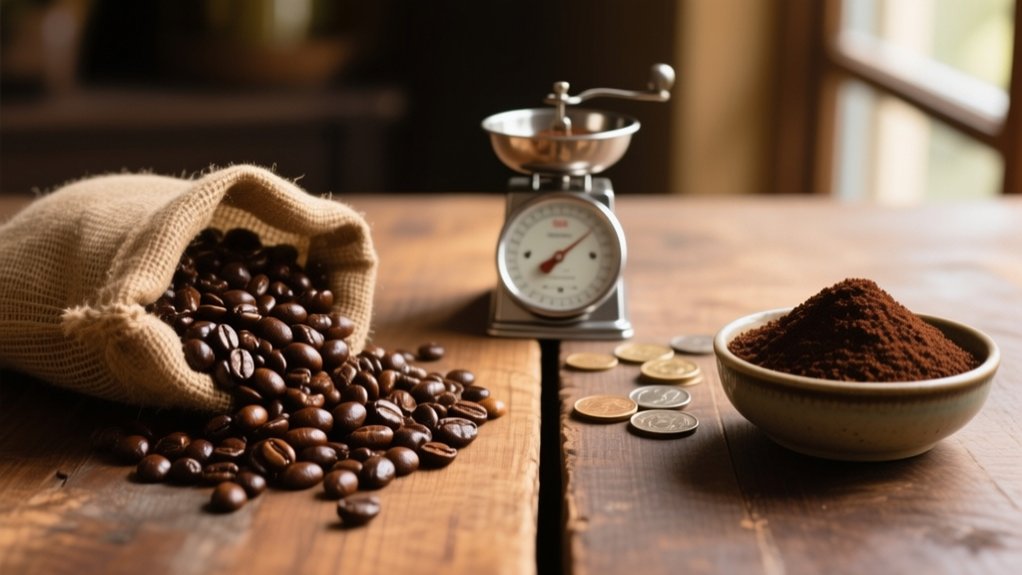
When you choose whole bean coffee, you’re getting beans that typically cost more per pound but retain flavor and aroma for weeks after opening.
Whole bean coffee may cost more, but it keeps its fresh flavor and aroma for weeks.
Ground coffee loses its complexity within days, which means you might miss out on the true taste. Grinding whole beans yourself lets you control grind size and brewing strength, tailoring your cup exactly how you like it.
Plus, whole beans often come from higher-quality sources and contain fewer fillers, ensuring a purer flavor.
While ground coffee is convenient, whole bean coffee gives you freshness, flavor, and customization that’s hard to beat for any coffee lover.
Which Is Cheaper Long Term: Whole Bean or Ground Coffee?
You might notice that whole bean coffee costs more upfront, especially when you factor in the price of a grinder.
But over time, those long-term savings could really balance things out.
See, ground coffee tends to lose its freshness pretty quickly.
That means you might end up wasting more and having to buy it more often.
Initial vs Long-Term Costs
While whole bean coffee costs more upfront, ranging from $10 to $18 per pound compared to $6 to $12 for ground coffee, it can save you money over time. Whole bean coffee requires an initial grinder investment, but its cost per cup is often lower than ground coffee. This makes it more economical in the long run.
| Cost Aspect | Whole Bean Coffee | Ground Coffee |
|---|---|---|
| Price per Pound | $10 – $18 | $6 – $12 |
| Grinder Cost | $30 – $100 (one-time) | None |
| Cost per Cup | $0.18 – $0.20 | $0.31 – $0.35 |
| Freshness Duration | 2 – 4 weeks | A few days |
| Long-Term Savings | Higher | Lower |
Choosing whole bean coffee means investing upfront for better taste and savings over time.
Waste and Freshness Impact
Spending more upfront on whole bean coffee and a grinder pays off when you consider waste and freshness. Ground coffee loses its aroma and flavor within days after opening, which often leads to waste as you toss stale grounds and buy more frequently.
In contrast, whole beans can retain their freshness for 2–4 weeks if stored properly, greatly reducing spoilage. This means you get more out of each purchase without sacrificing taste.
While whole bean coffee costs more per pound, the reduced waste balances your expenses over time.
Equipment Investment Considerations
Although whole bean coffee costs more upfront, investing in a quality grinder can enhance your brewing experience and save money over time. Your equipment investment, especially in a reliable burr grinder, allows you to grind beans fresh for each cup, maximizing flavor and freshness.
While a burr grinder can range from $20 to several hundred dollars, this one-time cost balances out as you reduce reliance on expensive café drinks and enjoy better-tasting coffee at home.
Ground coffee seems cheaper initially, but the lower quality often leads to less satisfaction, pushing you to spend more elsewhere.
Why Whole Bean Coffee Usually Costs More?
Because whole bean coffee demands higher quality beans and careful handling, it usually costs more than pre-ground coffee. When you choose whole bean coffee, the higher cost reflects several factors that guarantee better flavor and freshness.
Here’s why whole bean coffee usually costs more:
- Uses premium, single-origin beans, unlike many ground blends
- Requires careful handling and faster shipping to maintain quality
- Sourcing high-grade beans increases operational expenses for roasters
- Demands investment in quality grinders, adding to initial costs
- Generally priced between $10 to $18 per pound, compared to $6 to $12 for ground
How Freshness Affects Whole Bean vs Ground Coffee Value
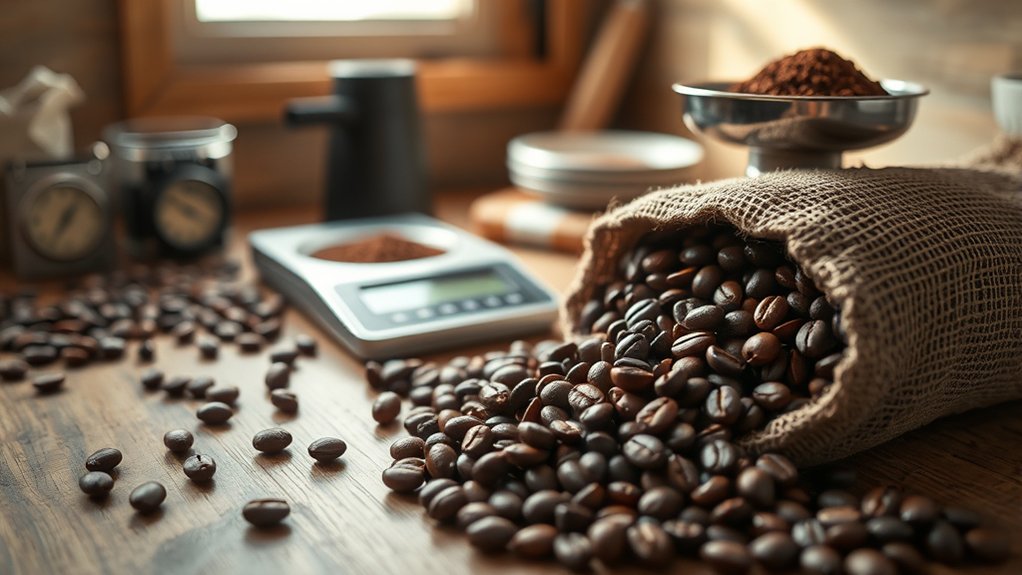
You’ll notice that whole bean coffee stays fresh much longer than ground coffee. It keeps its flavor and aroma intact for weeks instead of just a few days.
Plus, with proper storage, you can preserve that freshness even more, which means better control over how your brew tastes.
When you understand these differences, it’s easier to see the real value beyond just the price tag.
Freshness Impact On Flavor
When you grind coffee just before brewing, you release the freshest flavors and aromas that whole bean coffee can offer. This freshness greatly impacts flavor, giving you a richer, more nuanced cup compared to ground coffee, which loses its flavor within days.
Choosing whole bean coffee means you’ll enjoy longer freshness retention (2–4 weeks after opening) and maximized flavor and aroma extraction.
You also get control over grind size and brew strength.
Plus, there’s less waste due to extended quality preservation and a superior taste that justifies the premium price.
Shelf Life Differences
Although whole bean coffee often costs more upfront, it delivers greater value over time due to its superior shelf life. Whole bean coffees retain their flavor and aroma for 2-4 weeks after opening when stored properly, while ground coffee loses its complexity within days.
This longer shelf life means you enjoy fresher coffee for longer, making whole beans a smarter investment despite the initial price. Ground coffee often includes fillers and lower-quality beans, accelerating spoilage and diminishing taste faster than whole beans.
While ground coffee can be stored longer, it compromises flavor. By choosing whole bean coffees, you extend the period during which your coffee stays fresh and flavorful, ultimately enhancing its value and your satisfaction with every cup.
Storage And Preservation
Understanding how you store your coffee plays a big role in preserving its freshness, which directly affects its value. The whole bean’s flavor and aroma stay intact for 2–4 weeks after opening if you use proper storage methods, while ground coffee loses its complexity within days.
To get the most value, focus on these storage tips:
- Use airtight containers to limit air exposure
- Keep whole beans away from light, heat, and moisture
- Grind beans just before brewing to preserve essential oils
- Avoid ground coffee with fillers for better taste
- Store in small batches to reduce waste
How Brewing Equipment Affects Coffee Cost and Taste
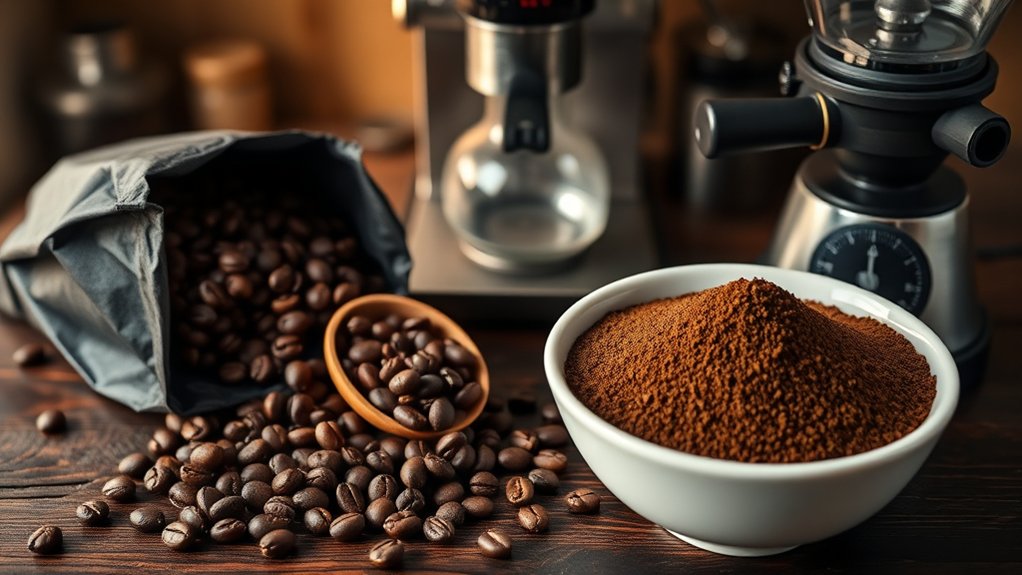
Since brewing equipment directly influences both the cost and taste of your coffee, choosing the right grinder and brew method matters.
Investing in a quality grinder, which can range from $20 to $300, affects your overall expense compared to buying pre-ground coffee.
Grinding whole beans just before brewing preserves freshness, ensuring better flavor and aroma. You’ll also control grind size, tailoring it to your brewing method, like coarse for French press or fine for espresso. This optimizes extraction and enhances taste.
Although whole bean coffee averages $0.31–$0.35 per cup versus $0.18–$0.20 for ground, the superior flavor and quality you get makes it worthwhile.
How Storage and Shelf Life Impact Coffee Waste and Expense
You’ll notice whole beans stay fresh much longer than ground coffee when stored properly. They keep their aroma and flavor intact for weeks, which is pretty great.
On the other hand, ground coffee loses its complexity quickly. So, if you don’t use it fast, you might end up wasting more.
To avoid that, try storing your beans airtight and away from heat and light. Doing this can actually save you money by cutting down on spoilage.
Whole Bean Freshness Duration
While whole bean coffee requires proper storage, it stays fresh for 2 to 4 weeks after opening, much longer than ground coffee, which loses its aroma within days.
You can extend whole bean freshness by following these tips:
- Store whole beans in airtight containers
- Keep them away from light, heat, and moisture
- Grind beans just before brewing to preserve flavor
- Avoid buying large quantities of ground coffee that spoil quickly
- Use whole beans to reduce waste and save money over time
Because whole bean coffee maintains quality longer, you waste less and enjoy better taste.
Ground coffee’s rapid aroma loss often leads to frequent repurchasing, increasing costs.
Choosing whole bean coffee means you get fresher brews and lower expenses by minimizing spoilage and maximizing shelf life.
Ground Coffee Aroma Loss
Although ground coffee offers convenience, it loses its aroma and complexity within days after opening. This directly affects both its flavor and your budget.
When comparing Ground Coffee vs Whole, whole Coffee Beans clearly hold an advantage. Whole beans can retain their freshness for 2–4 weeks if stored properly, while ground coffee quickly loses its vibrant flavor and often contains fillers. This leads to a less satisfying cup.
This rapid aroma loss means you’re likely wasting money on stale grounds that don’t deliver quality, despite their seemingly lower cost per cup.
By choosing whole beans, you not only enjoy richer coffee but also reduce waste and overall expense.
Understanding how aroma loss impacts coffee quality helps you make smarter choices that save money and improve every cup.
Proper Coffee Storage
Proper coffee storage can extend the life of your beans and prevent unnecessary waste, saving you money in the long run. Whole bean coffee retains flavor for 2 to 4 weeks when stored properly, while ground coffee loses aroma within days.
To keep your beans fresh and cost-effective, follow these tips for proper storage:
- Use airtight containers to block air exposure
- Keep beans away from light, heat, and moisture
- Avoid refrigerating coffee to prevent condensation
- Store whole bean coffee in a cool, dark place
- Grind only what you need to maintain peak freshness
Convenience vs Cost: When Is Ground Coffee the Better Choice?
Because ground coffee usually costs less upfront, ranging from $6 to $12 per pound compared to whole bean’s $10 to $18, you’ll find it’s a budget-friendly option.
If convenience is your priority, ground coffee shines by saving you time and effort since it’s already prepared for brewing. You won’t need a grinder, making it perfect for busy mornings or quick coffee fixes. Plus, its consistent grind size suits standard brewing methods, easing the process for beginners.
However, keep in mind ground coffee tends to spoil faster, which might lead to waste if you don’t consume it quickly.
How Bean Quality and Sourcing Drive Price Differences
When you choose whole bean coffee, you’re often paying for the superior quality and careful sourcing behind each batch. The higher cost reflects the emphasis on bean quality and the detailed processes involved.
Here’s why whole bean coffee tends to be pricier:
Beans are hand-selected and harvested at peak ripeness for peak flavor. Whole bean offerings usually come from single-origin lots, prized for consistency.
Sourcing involves meticulous selection from premium lots, unlike many ground blends. Sustainable packaging and strict quality controls add to the cost.
Labor-intensive processing guarantees only the best beans make it to your cup.
Understanding these factors helps you see why whole bean coffee commands a higher price but delivers superior quality.
Hidden Costs of Pre-Ground Coffee: Fillers, Waste, and Flavor Loss
Although ground coffee often costs less upfront, you might be paying hidden prices in fillers, wasted freshness, and diminished flavor. Pre-ground coffee frequently contains fillers that dilute the taste, leading to flavor loss.
Once opened, ground coffee quickly loses aroma and freshness, resulting in wasted coffee and unsatisfying brews. You may save money initially but lose out on quality and enjoyment.
| Factor | Ground Coffee | Whole Bean Coffee |
|---|---|---|
| Price per Pound | $6–$12 | $10–$18 |
| Freshness Duration | Days | 2–4 Weeks |
| Flavor Quality | Often diluted by fillers | Retains full flavor |
| Waste Level | Higher | Lower |
| Bean Quality | Often lower | Usually higher |
These hidden costs show why ground coffee might not be as economical as it seems.
Why Grinding at Home Can Save You Money Over Time
You might think whole bean coffee is more expensive upfront, but grinding your beans at home can actually save you money over time. When you buy whole bean coffee and grind it yourself, you control the grind size and brew strength, which improves flavor and reduces waste.
Plus, investing in a grinder is a one-time cost that pays off with better quality coffee and less frequent purchases.
Here’s why grinding at home saves you money:
- Whole bean coffee stays fresh 2–4 weeks with proper storage
- Grinding on demand preserves flavor longer than pre-ground
- Better control reduces coffee waste and overuse
- Higher quality coffee means fewer additional purchases
- One-time grinder purchase boosts long-term savings
Grinding your own whole bean coffee is a smart way to enjoy superior taste and save money.
Frequently Asked Questions
How Does Grind Size Affect Caffeine Content in Coffee?
Grind size directly affects caffeine extraction in your coffee. When you use a finer grind, more surface area contacts water, boosting caffeine extraction and resulting in a stronger brew.
Conversely, a coarser grind slows extraction, often producing milder coffee with less caffeine.
So, if you want more caffeine, choose a finer grind but adjust your brewing time to avoid bitterness.
Can Whole Bean Coffee Be Used in Single-Serve Machines?
Using whole bean coffee in single-serve machines isn’t just a pipe dream – it’s totally doable! If your machine supports single serve compatibility and you have a grinder, you gain serious brewing versatility.
Grinding beans fresh before each cup gives you richer flavor and aroma. Some single-serve machines even have built-in grinders, making it a breeze.
What Is the Environmental Impact of Whole Bean Vs Ground Coffee Packaging?
You’ll find whole bean coffee usually comes in resealable or vacuum-sealed packaging materials that support waste reduction by keeping coffee fresh longer.
Ground coffee often uses single-use bags that aren’t recyclable, increasing waste. Choosing whole beans lets you reduce packaging waste while enjoying fresher coffee.
Plus, many brands now offer eco-friendly packaging materials for whole beans, making it a smarter choice if you care about the environment and want to minimize waste.
How Do Different Roast Levels Influence Cost Comparisons?
Different roast levels influence price variations because lighter roasts often cost more due to their delicate roast flavors and careful processing.
You’ll notice whole bean light roasts usually carry a higher price since they preserve freshness and flavor better.
Darker roasts might be cheaper, sometimes using lower-quality beans that mask imperfections.
Are There Health Benefits Unique to Whole Bean Coffee?
Sure, you could just drink pre-ground coffee and miss out on all the perks.
But if you want to boost your antioxidant properties, whole bean coffee’s where it’s at.
It locks in freshness retention and preserves flavor better, so your brewing methods extract more goodness each time.
Grinding fresh means you get a richer, healthier cup that’s not only tastier but also packs more health benefits than those dusty grounds you find in a bag.
Conclusion
Choosing between whole bean and ground coffee is like picking between a fresh loaf and pre-sliced bread. Whole beans often cost more upfront but offer better freshness and flavor, saving you money over time.
Grinding at home gives you control and quality, while ground coffee trades convenience for a slightly higher long-term cost. Think about your priorities: if you value taste and savings, whole bean’s worth the extra effort and expense.