Does Matcha Help Headaches? Surprising Benefits and Insights
Headaches can disrupt your day, leaving you searching for natural ways to ease the discomfort. Many people are turning to traditional remedies and dietary approaches to find relief. Among these, matcha, a finely ground green tea known for its vibrant color and rich flavor, has gained attention for its potential health benefits. Understanding how matcha interacts with the body can help you determine whether it might provide relief for headache symptoms.
Matcha contains a moderate amount of caffeine, which can influence blood flow and brain function. Caffeine is known to constrict blood vessels, which may reduce certain types of headache pain. In addition, matcha is rich in antioxidants, particularly catechins, which support overall brain health and help combat oxidative stress, a factor that can contribute to headaches.
Some people also find matcha calming due to the amino acid L-theanine. This compound promotes relaxation without causing drowsiness, potentially easing tension-related headaches.
Exploring the relationship between matcha and headache relief can help you make informed choices. By understanding its components and effects, you can decide whether incorporating matcha into your routine may offer gentle, natural support during headache episodes.
How Matcha May Influence Headache Relief
Matcha has become a popular beverage not just for its vibrant color and flavor but also for its potential health benefits. Its unique combination of compounds, including caffeine, antioxidants, and amino acids, may play a role in easing headache symptoms. Understanding how these elements interact with the body provides insight into why matcha is being explored as a natural approach to headache relief.
The Role of Caffeine in Headache Relief
Caffeine, present in matcha in moderate amounts, has been linked to headache relief due to its effect on blood vessels and the central nervous system. Caffeine constricts dilated blood vessels in the brain, which can help reduce headache pain, particularly in tension headaches or migraines. He or she may notice relief from mild headaches after consuming a cup of matcha, as the caffeine works to regulate blood flow and ease pressure.
Beyond immediate relief, caffeine can enhance the absorption and effectiveness of certain pain-relieving compounds. Many over-the-counter headache medications include caffeine as an ingredient, which highlights its role in managing discomfort. However, the amount in matcha is generally lower than that in coffee, providing a gentler, more controlled effect. Drinking matcha in measured amounts allows for a subtle boost in alertness and circulation without causing jitteriness.
Caffeine in matcha also interacts with the nervous system to improve mood and focus, which may indirectly help those suffering from headaches caused by stress or mental fatigue. By reducing tension and improving alertness, caffeine-containing matcha provides both symptomatic relief and mental clarity.
Antioxidants and Their Potential Benefits
Matcha is rich in antioxidants, particularly catechins like epigallocatechin gallate (EGCG), which help combat oxidative stress in the body. Oxidative stress can trigger inflammation and contribute to headaches, especially migraine-related pain. He or she may benefit from matcha’s antioxidant content, which helps neutralize free radicals and support overall vascular and neurological health.
The anti-inflammatory properties of matcha’s catechins may also help reduce pain intensity. Chronic inflammation in the blood vessels or neural pathways can exacerbate headache symptoms, and matcha’s natural compounds work to counteract this process. Regular consumption may not only provide immediate relief but also support long-term neurological well-being.
Matcha also contains polyphenols that can promote healthy blood flow. Improved circulation ensures that oxygen and nutrients are delivered efficiently to the brain, potentially reducing the likelihood of headaches caused by constricted or inflamed blood vessels. Combining matcha with a balanced diet rich in fruits and vegetables may further enhance these benefits.
L-Theanine and Relaxation Effects
L-theanine, an amino acid abundant in matcha, is known for promoting relaxation without inducing drowsiness. He or she experiencing tension headaches may find relief from matcha because L-theanine helps reduce stress and calm the nervous system. The calming effect can decrease muscle tension and mental strain, which are common triggers for headaches.
L-theanine also works synergistically with caffeine to create a balanced mental state. While caffeine boosts alertness and focus, L-theanine counteracts potential jitters or overstimulation, providing a smooth, sustained sense of calm. This combination may indirectly reduce headache intensity by alleviating stress-related triggers.
Additionally, L-theanine may influence neurotransmitter activity in the brain, promoting the production of GABA, dopamine, and serotonin. These neurotransmitters play a key role in mood regulation and pain perception. By supporting these chemical pathways, matcha can provide a gentle, natural method for managing both emotional and physical contributors to headaches.
Hydration and Matcha Consumption
Proper hydration is essential for preventing and alleviating headaches, and matcha contributes to fluid intake while providing beneficial compounds. Drinking matcha as a tea supports hydration, which helps maintain normal blood flow and reduces the likelihood of dehydration-related headaches. He or she can combine hydration with the calming effects of L-theanine and moderate caffeine to address multiple headache triggers simultaneously.
Additionally, matcha’s water-based preparation allows for easy customization. Adding lemon or a splash of plant-based milk can further support hydration while enhancing flavor. For those sensitive to caffeine, decaffeinated matcha or smaller servings can still provide antioxidants and relaxation benefits without excessive stimulation.
By considering matcha as part of a balanced approach that includes hydration, nutrition, and stress management, he or she can potentially reduce the frequency and severity of headaches. Its unique combination of compounds makes it a versatile option for natural headache support.
Anti-Inflammatory and Antioxidant Properties
Matcha is renowned for its high concentration of bioactive compounds, particularly antioxidants and anti-inflammatory agents. These properties contribute to overall health and may influence conditions related to oxidative stress and inflammation. By understanding the unique benefits of matcha’s natural compounds, you can see why it is often included in diets aimed at promoting wellness, supporting cellular health, and reducing chronic inflammation.
Catechins and Their Antioxidant Benefits
Catechins are powerful antioxidants found in high amounts in matcha, with epigallocatechin gallate (EGCG) being the most potent. He or she can benefit from catechins as they help neutralize harmful free radicals in the body. Free radicals are unstable molecules that cause oxidative stress, leading to cellular damage, premature aging, and chronic disease. Consuming matcha provides a concentrated source of these antioxidants, helping to maintain cellular integrity.
Antioxidants also support cardiovascular health by reducing oxidative stress in blood vessels. This may help improve circulation, support healthy blood pressure, and reduce the risk of inflammation-related conditions. In addition, catechins contribute to brain health by protecting neurons from oxidative damage, potentially reducing cognitive decline over time. Regular matcha consumption ensures that the body receives a steady supply of antioxidants to combat daily stressors, promoting long-term wellness.
Beyond EGCG, matcha contains a range of polyphenols that complement each other, creating a synergistic effect. These compounds enhance the body’s natural defense mechanisms, making it more resilient to environmental toxins and internal metabolic stress. The antioxidant profile of matcha makes it an excellent choice for anyone looking to support overall health naturally.
Anti-Inflammatory Effects of Matcha
Inflammation is a natural response to injury or infection, but chronic inflammation can contribute to a wide range of health issues, including joint pain, cardiovascular problems, and digestive concerns. He or she can use matcha to support a healthy inflammatory response due to its bioactive compounds. EGCG, in particular, has been shown to inhibit inflammatory pathways, reducing the production of pro-inflammatory cytokines.
Incorporating matcha into a regular diet may help mitigate low-grade chronic inflammation, which is often linked to lifestyle factors such as stress, poor diet, and lack of exercise. The calming and anti-inflammatory effects of matcha support the body’s natural balance, providing gentle protection without relying on synthetic compounds.
The combination of antioxidants and anti-inflammatory compounds also benefits joint health and skin health. By reducing oxidative stress and inflammation, matcha can support flexibility, comfort, and a healthy appearance, offering both internal and external benefits. This makes matcha a versatile addition to daily wellness routines.
Cellular Health and Detoxification
Matcha’s antioxidant and anti-inflammatory properties play a significant role in supporting cellular health and natural detoxification processes. He or she can rely on matcha to enhance liver function, as catechins help neutralize toxins and support metabolic processes. A healthy liver is essential for filtering out harmful substances and maintaining overall body balance.
The polyphenols in matcha also protect mitochondria, the energy centers of cells, from oxidative damage. By preserving mitochondrial function, matcha contributes to cellular energy production and reduces fatigue. Additionally, the combination of antioxidants and anti-inflammatory compounds supports DNA integrity, helping prevent cellular mutations and maintaining long-term wellness.
Matcha can also assist in managing oxidative stress caused by environmental pollutants, UV exposure, or intense physical activity. Regular consumption ensures a steady supply of protective compounds, helping cells repair damage efficiently and maintain optimal function.
Synergistic Effects With Other Nutrients
The benefits of matcha’s antioxidants and anti-inflammatory compounds are enhanced when combined with a nutrient-rich diet. He or she can pair matcha with foods rich in vitamins C and E, omega-3 fatty acids, or other polyphenol-rich fruits and vegetables to maximize its protective effects. These combinations create a synergistic effect, enhancing the body’s ability to fight oxidative stress and inflammation.
Even pairing matcha with healthy fats, such as nuts, seeds, or avocado, may improve the absorption of fat-soluble antioxidants, making its compounds more effective. This approach supports comprehensive wellness by combining matcha’s natural bioactive compounds with complementary nutrients for optimal health outcomes.
Practical Tips for Using Matcha for Headaches
Matcha offers a natural approach to managing headaches thanks to its combination of caffeine, L-theanine, and antioxidants. Using matcha effectively requires understanding the right preparation methods, timing, and portion sizes. By following practical tips, he or she can enjoy matcha in ways that maximize its potential to relieve headache symptoms while supporting overall wellness.
Choosing the Right Matcha
Selecting high-quality matcha is crucial for both flavor and effectiveness. Ceremonial-grade matcha is ideal for beverages, as it is finely ground, smooth, and rich in natural compounds like L-theanine and catechins. He or she should avoid lower-quality culinary matcha when seeking health benefits, as it may contain fillers or lower levels of antioxidants.
Freshness also matters. Matcha loses potency over time, so buying from reputable sources and storing it in a cool, dark place preserves its beneficial compounds. Sealed containers that limit exposure to air and moisture help maintain flavor and effectiveness. Using the right matcha ensures that the body receives a concentrated dose of bioactive compounds, potentially enhancing its role in alleviating headaches.
Quality matcha also impacts taste, making it easier to incorporate into daily routines. A smoother, less bitter flavor encourages consistent consumption, which is important for anyone looking to experience the calming and headache-relieving effects over time.
Preparing Matcha for Maximum Benefit
How matcha is prepared affects both its taste and effectiveness. He or she should whisk matcha powder with hot water, ideally around 160–175°F (70–80°C), to preserve delicate antioxidants and amino acids. Using water that is too hot can destroy L-theanine and catechins, reducing matcha’s calming and anti-inflammatory effects.
For those who prefer a milder flavor, adding milk or plant-based milk can create a creamy matcha latte that smooths bitterness while still delivering key compounds. Sweeteners like honey or agave may be added in moderation to enhance taste, but keeping sugar low ensures that the beverage remains supportive for headache relief rather than triggering blood sugar fluctuations.
Consistency in preparation also matters. Measuring approximately 1–2 teaspoons of matcha per cup ensures a moderate caffeine dose, enough to influence blood flow and focus without overstimulation. Proper preparation maximizes both flavor and the beneficial effects of matcha on headache symptoms.
Timing and Consumption
Timing plays an important role in how matcha influences headache relief. He or she may benefit from drinking matcha during the early stages of a headache or as a preventive measure when tension or fatigue begins to build. Consuming matcha too late in the day may disrupt sleep due to its caffeine content, so morning or early afternoon consumption is generally recommended.
Drinking matcha slowly allows the caffeine and L-theanine to work synergistically, promoting alertness while reducing stress-related tension that can worsen headaches. Pairing matcha with water or light snacks can help maintain stable blood sugar levels, preventing additional headache triggers.
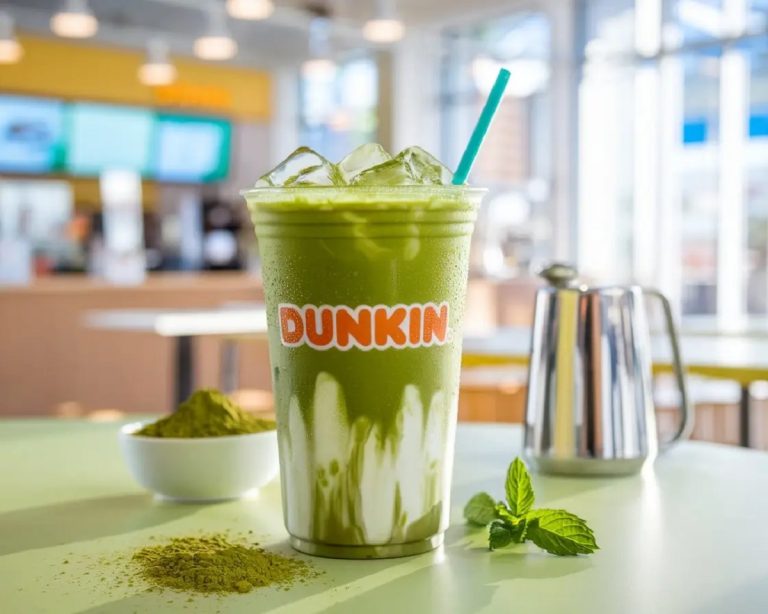
Some individuals may experiment with alternating between hot and iced matcha to find the most soothing effect. Cold beverages can feel refreshing and help reduce discomfort, while hot matcha offers a calming ritual that supports relaxation and mental clarity. Timing consumption according to personal needs ensures the most effective headache relief.
Combining Matcha With Lifestyle Practices
Using matcha for headache relief works best when combined with supportive lifestyle practices. He or she should maintain proper hydration, manage stress, and ensure adequate rest, as these factors directly impact headache frequency and intensity. Drinking matcha in a calm, mindful setting may amplify its soothing effects, helping reduce tension headaches.
Pairing matcha with light stretching, deep breathing exercises, or meditation can also enhance its calming properties. Consuming matcha alongside balanced meals supports steady energy levels, preventing headaches triggered by low blood sugar or dehydration. Integrating matcha into a holistic routine ensures that its bioactive compounds, including L-theanine and antioxidants, work in harmony with lifestyle habits to promote natural headache relief.
Frequently Asked Questions
How Can Matcha Help Relieve Headaches?
Matcha may help relieve headaches thanks to its unique combination of caffeine, L-theanine, and antioxidants. The caffeine in matcha constricts blood vessels, which can reduce pressure and ease tension-related or migraine headaches. He or she may notice relief from mild headaches when consuming a moderate amount of matcha.
L-theanine, an amino acid found in matcha, promotes relaxation without causing drowsiness, reducing stress and tension that often trigger headaches. Additionally, matcha’s antioxidants help combat oxidative stress, which can contribute to inflammation in the brain, offering a natural way to support headache relief.
Is Caffeine in Matcha Effective for Headaches?
Yes, the caffeine in matcha can play a role in headache relief. Caffeine helps constrict dilated blood vessels in the brain, which often causes pain in tension headaches or migraines. He or she can benefit from this effect without the high doses of caffeine found in coffee, as matcha provides a moderate and steady release.
The combination of caffeine and L-theanine in matcha also enhances focus and alertness while reducing jitteriness. This dual action may indirectly ease headaches caused by mental fatigue, stress, or low energy, making matcha a gentle and effective option for natural headache management.
Can L-Theanine in Matcha Reduce Headache Symptoms?
L-theanine in matcha promotes relaxation and reduces stress, which are common triggers for headaches. He or she can consume matcha to help ease tension-related headaches because L-theanine increases alpha brain waves, creating a calm, focused mental state.
By reducing stress and muscle tension, L-theanine indirectly supports headache relief without the need for strong medications. Its synergy with caffeine ensures mental clarity while maintaining calmness, making matcha particularly useful for stress-induced headaches or those caused by mental fatigue. Regular consumption may help prevent headaches by promoting relaxation and reducing tension.
Are Antioxidants in Matcha Beneficial for Headaches?
Yes, antioxidants in matcha, particularly catechins like EGCG, help reduce oxidative stress, which can contribute to inflammation in the brain and trigger headaches. He or she may benefit from these compounds as they help neutralize free radicals and support vascular and neurological health.
The anti-inflammatory properties of matcha’s antioxidants may also reduce the severity of headaches. By promoting healthy blood flow and supporting overall brain function, regular matcha consumption provides both immediate and long-term benefits for headache prevention and relief. It acts as a natural complement to other lifestyle practices aimed at managing headaches.
How Much Matcha Should I Drink for Headache Relief?
Moderation is key when using matcha for headaches. He or she should start with 1–2 teaspoons of matcha per cup of water, providing a moderate caffeine dose without overstimulation. This amount allows the beneficial compounds, including L-theanine and antioxidants, to support headache relief effectively.
Drinking matcha slowly and at the onset of headache symptoms is recommended. Consuming too much caffeine can lead to rebound headaches or jitteriness, so balancing intake ensures both effectiveness and safety. Pairing matcha with water or light snacks may enhance results by maintaining hydration and steady blood sugar levels.
Can Matcha Prevent Headaches From Occurring?
Yes, matcha may help prevent headaches in some cases. Regular consumption provides a steady intake of antioxidants and L-theanine, which reduce oxidative stress and promote relaxation. He or she may find that incorporating matcha into daily routines supports overall vascular and neurological health, lowering the likelihood of tension or stress-related headaches.
By maintaining calm mental states, improving circulation, and moderating caffeine intake naturally, matcha offers a preventative approach. Combining matcha with hydration, balanced meals, and stress management techniques enhances its effectiveness in reducing the frequency and intensity of headaches over time.
Final Thoughts
Many people seek natural ways to ease headaches, and matcha has gained attention for its potential benefits. Its moderate caffeine content can provide relief for tension headaches, while L-Theanine promotes relaxation and reduces stress, which is often a headache trigger. Incorporating matcha thoughtfully into your routine may support overall comfort and wellbeing.
Understanding the antioxidant and anti-inflammatory properties of matcha is also key. Catechins and other compounds may help reduce inflammation in the body, which can contribute to headache symptoms. Drinking matcha alongside proper hydration and a balanced diet can enhance its positive effects.
For those wondering, “Does Matcha Help Headaches?” the answer is promising but not absolute. While it may alleviate mild headaches or prevent tension-related discomfort, it should complement, not replace, professional care when severe or persistent headaches occur. By combining mindful consumption with other healthy habits, matcha can become a helpful tool in managing everyday headaches.