Does Dunkin Matcha Have Caffeine? What You Need To Know Before Ordering
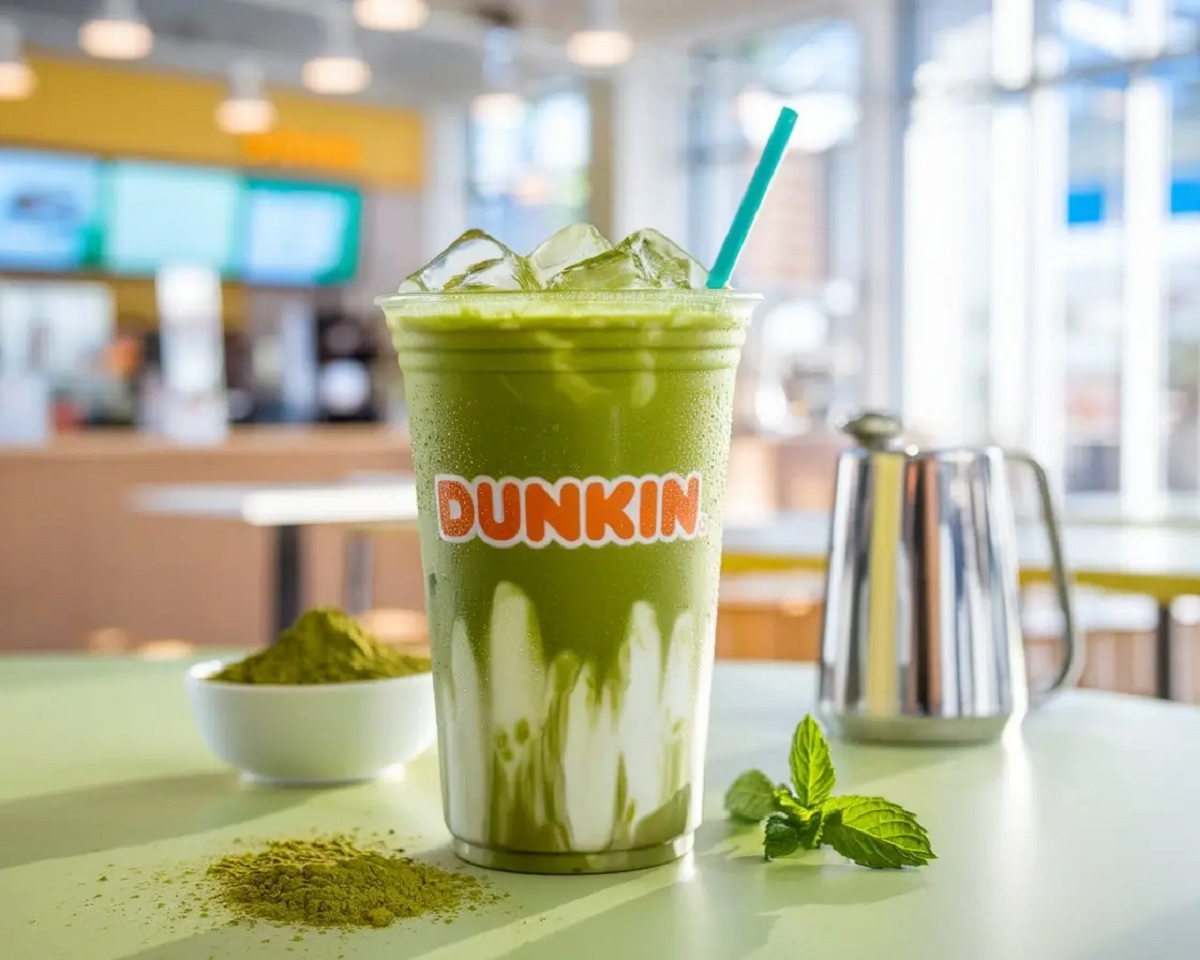
Matcha drinks have quietly taken over café menus, especially at popular chains where convenience meets flavor. Dunkin’s matcha latte stands out for its creamy texture, subtle sweetness, and smooth green tea taste that feels both comforting and energizing during busy mornings or long afternoons.
Many people choose matcha as a gentler alternative to coffee, hoping for steady energy without the sharp crash. That curiosity naturally leads to questions about what is really inside the cup, particularly when ordering from a fast-paced brand like Dunkin that serves millions every day.
One common concern revolves around caffeine content and how it compares to coffee or other tea-based drinks. Fans often wonder whether the boost comes from sugar, tea, or something stronger hiding in the blend, making the question does dunkin matcha have caffeine especially relevant.
Understanding what fuels this drink helps set the right expectations before taking the first sip. Knowing how matcha works in the body allows smarter choices based on taste preferences, energy needs, and daily routines, turning a simple café order into a more informed decision.
Caffeine Content In Dunkin Matcha Drinks
Understanding the caffeine content in Dunkin matcha drinks helps set realistic expectations before ordering. Matcha is made from powdered green tea leaves, which naturally contain caffeine, but the way Dunkin prepares and serves these drinks influences how strong that energy boost feels. From portion sizes to added ingredients, several details shape how much caffeine ends up in each cup and how it affects your body.
How Much Caffeine Is In Dunkin Matcha Drinks
Dunkin matcha drinks do contain caffeine, though the amount is generally lower than most coffee-based beverages on the menu. The caffeine comes from the matcha green tea powder itself, not from espresso or coffee shots. On average, a medium Dunkin matcha latte contains roughly 80 to 120 milligrams of caffeine, depending on how much matcha powder is used and how the drink is prepared.
This range places Dunkin matcha in a middle ground. It delivers more caffeine than many traditional green tea drinks but less than a standard cup of brewed coffee from Dunkin. For people sensitive to caffeine, this moderate level can feel smoother and more manageable throughout the day.
The way matcha releases caffeine also matters. Matcha contains L-theanine, a natural compound that slows caffeine absorption. This often leads to a calmer, steadier energy instead of the quick spike associated with coffee. Many people notice fewer jitters and less of a sudden crash.
Serving size plays a quiet but important role as well. Larger cups usually contain more matcha powder, which means more caffeine overall. Ordering a small versus a large Dunkin matcha drink can noticeably change how energized you feel afterward.
Factors That Affect Caffeine Levels In Dunkin Matcha
Several factors influence the caffeine content in Dunkin matcha drinks, starting with the amount of matcha powder used per serving. Dunkin uses a pre-sweetened matcha blend, and slight variations during preparation can affect the final caffeine level in your cup.
Drink size is another major factor. A small matcha latte contains less matcha powder than a medium or large, which directly impacts caffeine intake. Even though the taste may seem similar, the caffeine difference can be meaningful for those monitoring their daily consumption.
Milk choices can also shape how the caffeine feels, even though they do not change the actual caffeine amount. Dairy milk, oat milk, or almond milk can slow digestion slightly, making the caffeine feel more gradual. This can soften the perceived intensity of the energy boost.
Ice versus hot preparation matters too. Iced matcha drinks are often diluted with ice, which can subtly reduce the concentration of caffeine per sip. Hot versions may feel stronger because the flavors and effects are more concentrated.
Finally, individual sensitivity plays a role. Two people drinking the same Dunkin matcha may experience very different energy levels, depending on metabolism, tolerance, and how often they consume caffeine.
Comparing Dunkin Matcha Caffeine To Other Dunkin Drinks
When compared to other Dunkin beverages, matcha drinks sit comfortably between tea and coffee options. A medium Dunkin brewed coffee typically contains over 200 milligrams of caffeine, making it significantly stronger than matcha. Espresso-based drinks like lattes and macchiatos also usually exceed matcha in caffeine content.
Compared to classic tea options, Dunkin matcha often contains more caffeine than black or green iced teas on the menu. This is because matcha uses the whole tea leaf in powdered form, rather than steeping and discarding leaves. As a result, you consume more of the tea’s natural caffeine.
For those trying to cut back on coffee without giving up energy, Dunkin matcha can feel like a balanced alternative. It offers a noticeable lift without the intensity that sometimes comes with stronger coffee drinks.
Energy drinks at Dunkin, where available, typically surpass matcha by a wide margin in caffeine content. These are designed for quick stimulation, while matcha provides a slower, more sustained effect.
Matcha Powder Used By Dunkin
The matcha powder used by Dunkin plays a major role in the flavor, color, sweetness, and overall experience of its popular matcha drinks. Unlike traditional ceremonial matcha prepared at home, Dunkin’s version is designed for speed, consistency, and mass appeal. Understanding how this matcha powder is made and used helps explain why Dunkin matcha tastes the way it does and how it differs from café-style or traditional matcha.
Type Of Matcha Powder Dunkin Uses
Dunkin uses a culinary-grade matcha powder rather than ceremonial-grade matcha. This type of matcha is commonly used in lattes, smoothies, and baked goods because it blends easily with milk and sweeteners. Culinary-grade matcha has a stronger, more robust flavor that holds up well when mixed with other ingredients.
The matcha powder used by Dunkin is also pre-sweetened. Sugar is already blended into the powder, which gives Dunkin matcha its signature mild sweetness without requiring additional syrups. This makes preparation faster for employees and ensures that every drink tastes consistent across locations.
Color is another defining feature. Dunkin matcha has a bright green appearance, but it is usually lighter and less vibrant than high-quality ceremonial matcha. This is normal for culinary blends, which may use leaves harvested later in the season.
Because the powder is pre-mixed, customers do not have control over sweetness or matcha strength unless they change the drink size. This approach prioritizes convenience and uniform taste rather than customization, which aligns with Dunkin’s fast-service model.
How Dunkin Prepares Matcha Drinks With Its Powder
The preparation process for Dunkin matcha drinks is simple and standardized. Employees mix the matcha powder with milk or water using automated machines or hand mixing, depending on the location and drink type. This ensures speed and consistency, especially during peak hours.
Unlike traditional matcha preparation, Dunkin does not whisk the powder using bamboo tools. Instead, the powder dissolves quickly due to its fine texture and added sweeteners. This results in a smoother drink with minimal clumping, which is ideal for iced and hot beverages alike.
Milk choices play a big role in how the matcha powder tastes. Dairy milk creates a creamier and more mellow flavor, while plant-based options like oat or almond milk can slightly alter the sweetness and mouthfeel. Even though the powder stays the same, the final taste can vary based on milk selection.
Ice also affects the experience. Iced matcha drinks dilute the flavor gradually as the ice melts, making the sweetness and matcha taste feel lighter over time. Hot versions tend to feel richer and more concentrated, highlighting the powder’s earthy notes.
How Dunkin Matcha Powder Compares To Traditional Matcha
When compared to traditional matcha, the matcha powder used by Dunkin serves a very different purpose. Traditional matcha, especially ceremonial grade, is made from young tea leaves that are stone-ground and consumed without added ingredients. The flavor is more complex, grassy, and sometimes bitter.
Dunkin’s matcha powder is designed to appeal to a broad audience, including people who may be new to matcha. The added sugar reduces bitterness and makes the drink more approachable. This is why Dunkin matcha often tastes smoother and sweeter than homemade matcha prepared with pure powder.
Nutritionally, traditional matcha may contain higher levels of antioxidants because it is less processed and not diluted with sugar. Dunkin matcha still provides benefits associated with green tea, but the added sweeteners change the overall nutritional profile.
Texture is another difference. Traditional matcha can feel thicker and foamier when properly whisked, while Dunkin matcha has a latte-like consistency. This makes it feel more like a flavored milk drink than a tea ceremony beverage.
Dunkin Matcha Vs Coffee Caffeine Comparison
Comparing caffeine levels between Dunkin matcha and coffee helps clarify which drink better fits different energy needs. While both provide a noticeable boost, they work differently in the body and vary widely in caffeine strength. Understanding these differences makes it easier to choose between a smoother lift from matcha or the stronger jolt commonly associated with coffee.
Caffeine Amount In Dunkin Matcha Drinks
Dunkin matcha drinks contain caffeine that comes entirely from green tea leaves ground into powder. A medium Dunkin matcha latte typically provides a moderate amount of caffeine, often estimated between 80 and 120 milligrams. This places matcha well below most coffee options on Dunkin’s menu but above many standard tea drinks.
One reason matcha feels different from coffee is the way caffeine is released. Matcha naturally contains L-theanine, an amino acid that slows the absorption of caffeine. This leads to a more gradual rise in energy rather than a sharp spike. Many people describe the effect as calm alertness instead of nervous stimulation.
Serving size also affects caffeine intake. Larger Dunkin matcha drinks use more matcha powder, which increases the total caffeine content. Even so, a large matcha latte still usually contains less caffeine than a medium brewed coffee.
The added milk and sweeteners in Dunkin matcha further soften the experience. These ingredients can slow digestion and make the caffeine feel less intense. For those sensitive to caffeine, this balance can make matcha a more comfortable option throughout the day.
Caffeine Amount In Dunkin Coffee Drinks
Dunkin coffee drinks are known for their high caffeine content, especially brewed coffee. A medium hot or iced coffee from Dunkin often contains over 200 milligrams of caffeine, which is nearly double what most matcha drinks provide. This strong caffeine level delivers quick and noticeable energy.
Espresso-based drinks at Dunkin also contribute significant caffeine. While a single espresso shot contains less caffeine than brewed coffee, multiple shots in lattes or macchiatos can quickly raise the total amount. Cold brew coffee, in particular, is one of the strongest options on the menu.
Unlike matcha, coffee caffeine is absorbed quickly. This can lead to a fast boost in alertness but may also cause jitters, anxiety, or a sudden crash later in the day. People with lower caffeine tolerance often feel these effects more strongly.
The absence of L-theanine in coffee means there is no natural buffer to slow caffeine absorption. As a result, the energy feels sharper and more intense. This makes Dunkin coffee ideal for mornings or long workdays but less suitable for those seeking a gentler experience.
How Matcha And Coffee Feel Different In The Body
The difference between Dunkin matcha and coffee goes beyond numbers on a caffeine chart. Matcha provides a slower, more sustained form of energy that many people find easier to manage. The combination of caffeine and L-theanine promotes focus without overstimulation.
Coffee, on the other hand, delivers energy quickly and powerfully. This can be beneficial when immediate alertness is needed, but it may also increase heart rate and nervousness in some individuals. The contrast becomes noticeable during long stretches of work or study.
Digestive comfort also differs. Matcha drinks are often smoother on the stomach, especially when made with milk. Coffee’s acidity can cause discomfort for some people, making matcha a gentler alternative.
Sleep impact is another consideration. Because coffee contains higher caffeine levels, drinking it later in the day can interfere with sleep more easily. Matcha’s lower caffeine content and slower release may reduce this risk, though sensitivity varies from person to person.
Size-Based Caffeine Levels In Dunkin Matcha
Caffeine levels in Dunkin matcha drinks change noticeably depending on the cup size you choose. While the ingredients remain the same, the amount of matcha powder increases with each size, directly affecting how much caffeine you consume. Understanding these size-based differences helps you better control energy intake and choose a matcha drink that fits your daily caffeine needs.
Small Dunkin Matcha Caffeine Breakdown
A small Dunkin matcha drink contains the lowest amount of matcha powder, making it the mildest option in terms of caffeine. On average, a small size provides an estimated 60 to 80 milligrams of caffeine. This amount is comparable to a lightly brewed cup of green tea and is often enough for a gentle energy lift without feeling overstimulated.
Because the caffeine content is lower, a small Dunkin matcha is often chosen by people who are sensitive to caffeine or prefer drinking matcha later in the day. The presence of milk and sweeteners further softens the caffeine effect, creating a smoother and more relaxed sense of alertness.
The smaller serving size also means less overall volume, which can help limit caffeine consumption without sacrificing flavor. Many people find that a small matcha still delivers the familiar earthy taste and creamy texture associated with Dunkin matcha drinks.
This size works well as a mid-morning or afternoon beverage when you want some focus but do not need a strong energy surge. For caffeine-conscious drinkers, the small size offers a balanced and controlled option.
Medium Dunkin Matcha Caffeine Breakdown
The medium Dunkin matcha drink represents a noticeable step up in caffeine compared to the small size. With more matcha powder added, a medium cup typically contains around 80 to 120 milligrams of caffeine. This range provides a moderate energy boost that feels stronger but still manageable for most people.
A medium size is the most popular choice because it strikes a balance between flavor, creaminess, and caffeine impact. The increased matcha content deepens the green tea taste while maintaining the smooth texture created by milk or milk alternatives.
This level of caffeine often supports sustained focus over several hours. The natural L-theanine in matcha helps slow caffeine absorption, which can reduce jitters and prevent a sudden energy crash. Many people describe the effect as steady and calm compared to coffee.
For those transitioning from coffee to matcha, the medium size can feel like a comfortable middle ground. It provides enough stimulation to replace a light coffee while offering a gentler overall experience that suits busy mornings or long afternoons.
Large Dunkin Matcha Caffeine Breakdown
A large Dunkin matcha drink contains the highest amount of matcha powder, resulting in the most caffeine among the available sizes. Estimates often place caffeine levels between 120 and 160 milligrams for a large serving, depending on preparation and location.
This size is best suited for people who want a stronger energy boost without switching to coffee. While the caffeine content increases, the matcha still delivers a smoother effect thanks to L-theanine. The energy tends to build gradually and last longer compared to coffee-based drinks.
The larger volume also means more milk, which can slightly mellow the intensity of the caffeine. Even with higher caffeine levels, many people find large matcha drinks easier on the body than strong coffee.
However, this size may feel too stimulating for caffeine-sensitive individuals, especially later in the day. Choosing a large Dunkin matcha makes the most sense when you need extended focus or are replacing a coffee habit with matcha while still seeking noticeable energy.
Customizing Dunkin Matcha For Lower Caffeine
Customizing a Dunkin matcha drink makes it easier to enjoy the flavor while keeping caffeine intake low. Since caffeine levels depend on matcha powder amount and drink size, small adjustments can significantly change how stimulating the drink feels. With a few thoughtful choices, you can tailor Dunkin matcha to match your energy needs without giving it up completely.
Choosing Smaller Sizes And Lighter Concentration
One of the simplest ways to reduce caffeine in Dunkin matcha is by choosing a smaller cup size. A small matcha drink contains less matcha powder than medium or large options, which directly lowers caffeine content. This choice alone can make a noticeable difference, especially for people who are sensitive to caffeine.
Another effective approach is asking for lighter matcha concentration. Some locations can reduce the amount of matcha powder used during preparation. While the flavor becomes milder, the drink still keeps its creamy texture and subtle green tea taste. This option works well for those who enjoy matcha more for comfort than energy.
Spacing out sips also helps manage caffeine impact. Drinking matcha slowly allows the body to process caffeine more gradually, which can reduce feelings of restlessness. Combined with a smaller size, this method supports a calmer experience.
These adjustments are especially helpful in the afternoon or evening, when limiting caffeine becomes more important for sleep and relaxation.
Adjusting Milk Choices And Ice Levels
Milk choices do not change the actual caffeine content in Dunkin matcha, but they influence how caffeine feels in the body. Choosing dairy milk, oat milk, or other creamier options can slow digestion slightly, making the caffeine effect feel smoother and less intense over time.
Increasing ice in iced matcha drinks is another useful strategy. More ice dilutes the concentration of matcha per sip, which can soften the perceived strength of caffeine. As the ice melts, the drink becomes lighter, helping reduce stimulation while still maintaining flavor.
Hot versus iced preparation also matters. Iced matcha often feels less intense because the flavors are less concentrated compared to hot versions. For people aiming to lower caffeine impact, iced matcha can be a more comfortable choice.
Combining these customizations allows you to enjoy Dunkin matcha in a way that feels balanced and controlled. Thoughtful adjustments make it possible to keep caffeine levels manageable without sacrificing the familiar taste and enjoyment of the drink.
FAQs
Does Dunkin Matcha Have Caffeine?
Yes, Dunkin matcha does have caffeine, and it comes naturally from the matcha green tea powder used in the drink. Since matcha is made from finely ground tea leaves, you consume the entire leaf, which means caffeine is part of the experience.
You usually feel the caffeine more gently compared to coffee. Matcha contains L-theanine, which helps slow caffeine absorption. This often gives you steady energy and focus rather than a sudden spike or crash, making it appealing for daily routines.
How Much Caffeine Is In A Dunkin Matcha Latte?
A Dunkin matcha latte typically contains a moderate amount of caffeine compared to coffee drinks. On average, you can expect roughly 80 to 120 milligrams of caffeine in a medium size, though this can vary by portion and preparation.
This level offers noticeable energy without feeling overwhelming. You may find it suitable for mornings or afternoons when you want alertness without strong jitters. The creamy milk base also helps soften how the caffeine feels in your body.
Is Dunkin Matcha Stronger Than Coffee In Caffeine?
Dunkin matcha is generally lower in caffeine than Dunkin coffee. A medium brewed coffee usually contains over 200 milligrams of caffeine, which is significantly higher than matcha-based drinks.
You may notice that coffee delivers faster and stronger stimulation. Matcha works differently, providing a slower, calmer boost. If you want energy without feeling overstimulated, matcha can feel more balanced than coffee for your daily needs.
Does The Size Of Dunkin Matcha Affect Caffeine Levels?
Yes, the size of your Dunkin matcha drink directly affects how much caffeine you consume. Larger sizes contain more matcha powder, which naturally increases caffeine content.
If you are sensitive to caffeine, choosing a small size can help limit stimulation. A medium or large will feel stronger and last longer. Picking the right size allows you to control energy levels while still enjoying the same familiar flavor.
Is Dunkin Matcha Suitable For Caffeine-Sensitive People?
Dunkin matcha can be suitable for caffeine-sensitive people when chosen carefully. Compared to coffee, matcha delivers a smoother and less intense caffeine effect due to L-theanine.
You may feel more relaxed and focused rather than jittery. Choosing a small size or iced version can further reduce the impact. This makes matcha a popular option for those who want gentle energy without discomfort.
Does Dunkin Matcha Have More Caffeine Than Green Tea?
Dunkin matcha usually has more caffeine than regular green tea. Traditional green tea is steeped and then discarded, while matcha uses the entire tea leaf in powdered form.
Because of this, you consume more caffeine per serving. You may notice stronger alertness from matcha compared to bottled or brewed green tea. Even so, the energy still feels smoother than many coffee drinks.
Can You Customize Dunkin Matcha To Lower Caffeine?
You can customize Dunkin matcha to reduce caffeine intake. Choosing a smaller size is the easiest way to lower the overall caffeine content.
You can also opt for iced matcha or ask for lighter matcha concentration at some locations. Drinking it slowly and pairing it with milk helps soften the effect. These adjustments let you enjoy the taste while keeping caffeine more manageable.
Fina Thoughts
Choosing matcha from Dunkin can feel like a lighter alternative to coffee, but understanding its caffeine impact helps you decide wisely. The answer to does dunkin matcha have caffeine matters most if you are managing energy levels, sleep, or daily intake. Since matcha is made from whole green tea leaves, it naturally delivers caffeine in a smoother and more balanced way than many coffee drinks.
Unlike coffee, matcha provides a steadier boost because of its unique combination of caffeine and calming compounds. This makes Dunkin matcha appealing if you want alertness without feeling overly jittery. Knowing how does dunkin matcha have caffeine affects your body allows you to choose the right size and timing.
For regular café visits, being aware of caffeine content supports better habits. Whether you prefer matcha or coffee, understanding does dunkin matcha have caffeine helps you enjoy your drink while staying aligned with your energy needs and lifestyle goals.