Is Matcha Keto Friendly? How to Enjoy Green Tea Without Breaking Your Diet
For anyone following a low-carb or ketogenic diet, choosing the right beverages can be just as important as selecting meals. Matcha, a finely ground green tea powder, has grown in popularity for its vibrant flavor, antioxidants, and energy-boosting properties. Many keto enthusiasts naturally wonder is matcha keto friendly as they try to maintain strict carbohydrate limits while still enjoying flavorful drinks.
The answer depends largely on how matcha is prepared and consumed. Pure, unsweetened matcha powder contains almost no carbs, making it a natural fit for a ketogenic lifestyle. Its rich antioxidants and moderate caffeine content provide a gentle energy lift without spiking blood sugar, which aligns well with keto principles.
However, pre-mixed matcha powders, lattes, or drinks from cafés often contain added sugar, sweeteners, or milk, which can quickly increase carb content. Knowing which forms of matcha are compatible with keto ensures you can enjoy it safely without compromising your diet goals.
Understanding is matcha keto friendly helps you navigate beverage choices, allowing you to enjoy your green tea rituals while staying in ketosis. Making the right selections ensures both health benefits and dietary compliance.
Is Matcha Keto Friendly
Matcha has become a favorite among health-conscious individuals and those on low-carb diets, but many wonder is matcha keto friendly. Understanding its nutritional profile and how it fits into a ketogenic lifestyle is key. While pure matcha has almost no carbohydrates, the way it’s prepared and consumed can impact its compatibility with keto principles.
Exploring how matcha works within a keto diet helps you make informed choices about beverages, sweeteners, and preparation methods, ensuring both flavor and dietary compliance. Whether you drink it as a simple hot tea, a creamy latte, or a blended smoothie, knowing the keto-friendly approach allows you to enjoy matcha without breaking your carb limits.
Nutritional Profile Of Pure Matcha
Pure matcha powder is naturally low in carbohydrates, calories, and sugar, making it a good fit for a ketogenic diet. One teaspoon of ceremonial-grade matcha contains roughly 1 gram of carbohydrates, 0 grams of sugar, and just 3 calories. This low-carb profile aligns with keto guidelines, which typically restrict daily carbohydrate intake to 20–50 grams.
Beyond carbs, matcha is rich in antioxidants, especially catechins, which support metabolic health and may enhance fat burning. It also contains L-theanine and moderate caffeine, promoting alertness without the crash associated with coffee. For you, this means matcha can be a keto-friendly beverage choice that offers both energy and health benefits while keeping carbs minimal.
Drinking pure matcha in water, whether hot or iced, maximizes its benefits for keto. Avoiding pre-mixed powders with added sugar ensures that each serving remains low in carbs and fully compatible with your ketogenic goals.
Keto-Friendly Preparation Methods
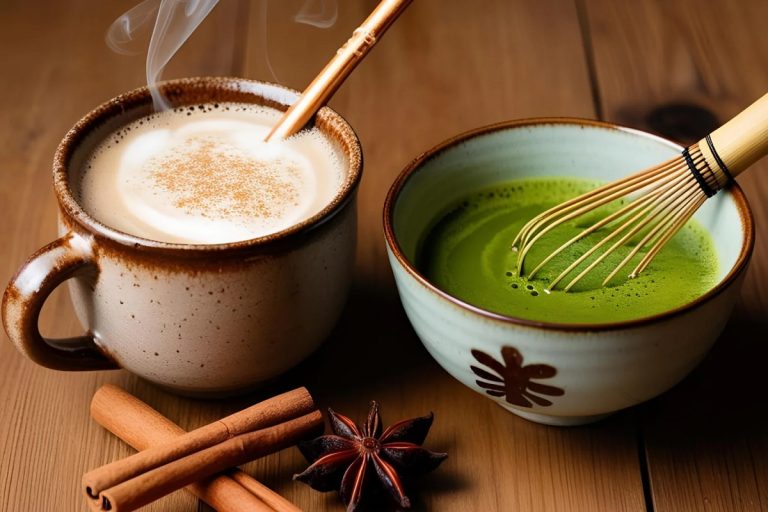
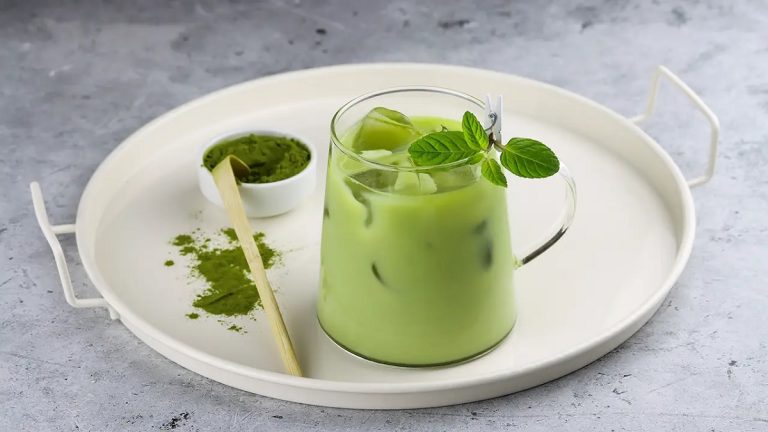
To enjoy matcha on a ketogenic diet, preparation is crucial. Traditional matcha tea involves whisking powdered green tea with hot water, which maintains its zero-carb status. For a creamier version, keto-friendly milk alternatives like unsweetened almond milk, coconut milk, or heavy cream can be added without significantly increasing carbohydrate content.
Sweetening your matcha requires care on keto. Natural low-carb sweeteners such as stevia, erythritol, or monk fruit are excellent options. These alternatives provide sweetness without raising blood sugar or breaking ketosis. Mixing pre-sweetened matcha powders or sugar-laden lattes can quickly make the drink high in carbs, negating its keto-friendly nature.
Blended keto matcha drinks, like smoothies, can also be prepared using unsweetened milk, protein powder, or MCT oil for an energy boost. You can create creamy, satisfying beverages that fit within your carbohydrate limits while keeping the flavor rich and enjoyable.
Avoiding Hidden Carbs In Matcha Drinks
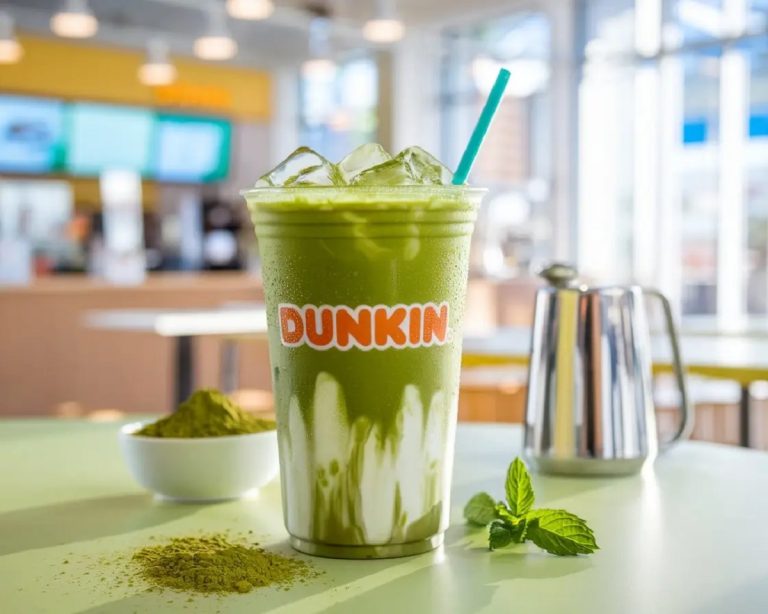
While pure matcha is keto-friendly, many commercially prepared drinks contain hidden carbohydrates. Café lattes, bottled matcha drinks, or flavored mixes often include cane sugar, sweetened milk, or syrups. These additions can raise the carb count significantly, which may disrupt ketosis.
For you, reading labels and asking baristas about ingredients is essential. Stick to unsweetened versions or customize your drink with keto-approved sweeteners and milk. Being mindful of serving sizes also matters; even natural carbs from milk can add up if quantities are large.
Understanding hidden carbs ensures you can enjoy matcha without compromising your diet. By selecting pure powder or carefully modifying beverages, you retain the energy, antioxidants, and taste benefits of matcha while staying in ketosis.
Benefits Of Matcha On A Keto Diet
Incorporating matcha into a ketogenic lifestyle provides more than just flavor. Its antioxidants support cellular health and may aid in weight management. The combination of caffeine and L-theanine enhances focus and mental clarity, making it an ideal morning or mid-day drink.
For you, matcha can serve as a low-carb alternative to coffee, providing steady energy without glucose spikes. Its versatility also allows you to experiment with keto recipes, from creamy lattes to fat-bomb smoothies, keeping your diet both interesting and satisfying.
By understanding is matcha keto friendly, you can confidently include it in your meal plan. With careful preparation and attention to sweeteners, matcha becomes a flavorful, energizing, and health-supporting component of your ketogenic lifestyle.
Sweeteners And Keto Considerations
Sweeteners play a critical role in maintaining the flavor of matcha while keeping it keto-friendly. Choosing the right sweetener ensures your beverage stays low in carbohydrates, supports ketosis, and doesn’t spike your blood sugar. Understanding how different options affect your diet helps you enjoy matcha drinks without compromising your ketogenic goals, whether you’re making a latte at home or customizing a café order.
Exploring sweeteners and keto considerations allows you to balance taste and nutrition. By carefully selecting sugar alternatives and avoiding hidden carbs, you can create beverages that are both enjoyable and aligned with your low-carb lifestyle.
Natural Low-Carb Sweeteners For Keto Matcha
When preparing matcha on a ketogenic diet, natural low-carb sweeteners are the safest choice. Stevia, erythritol, monk fruit, and allulose are popular because they provide sweetness without adding net carbs. Stevia, derived from plant leaves, is intensely sweet and often used in small amounts, while erythritol is sugar alcohol that adds bulk and sweetness with minimal impact on blood sugar.
For you, using these sweeteners means your matcha retains flavor while remaining fully compatible with keto. Monk fruit extract is another excellent option, providing natural sweetness without affecting ketosis. Blending sweeteners, such as combining erythritol with stevia, can help mimic sugar’s taste and texture more closely, producing a smoother flavor profile.
Using natural low-carb sweeteners allows you to customize sweetness levels according to personal preference. You can achieve a delicate, lightly sweetened matcha or a more dessert-like flavor without jeopardizing your carbohydrate limits or dietary goals.
Avoiding Sugar And Hidden Carbs
Traditional sugar, honey, agave, or flavored syrups are not suitable for a ketogenic diet, as they can quickly raise carb intake and interfere with ketosis. Many pre-mixed matcha powders, café drinks, and bottled beverages contain cane sugar, maltodextrin, or sweetened milk powders that increase carbohydrate content significantly.
For you, vigilance is key when ordering drinks outside your home. Always check ingredient labels and ask for unsweetened preparations if you want to maintain ketosis. Even small amounts of sugar in pre-blended mixes can add up, potentially pushing your daily carb intake beyond recommended limits for keto.
Avoiding hidden carbs also applies to flavored syrups or specialty matcha drinks. Many café options include sweeteners that seem harmless but contain glucose or fructose, which disrupt ketosis. Understanding these hidden sources ensures your matcha remains keto-friendly without sacrificing taste.
Tips For Sweetening Matcha At Home
Making matcha at home gives you full control over sweetness. Using a combination of keto-approved sweeteners, such as stevia with erythritol, allows you to replicate the sweetness of sugar while keeping carbs negligible. Start with small amounts, then adjust to taste, ensuring the flavor doesn’t overpower the natural vegetal notes of matcha.
For you, experimenting with home preparations also allows the inclusion of keto-friendly ingredients like unsweetened almond milk, coconut milk, or heavy cream, which can enhance flavor and texture. Blending these with low-carb sweeteners creates a creamy, satisfying matcha latte that fits perfectly into your ketogenic lifestyle.
Sweetening at home also provides consistency and transparency. You know exactly what goes into your drink, eliminating the risk of hidden sugars found in commercial products. By carefully measuring sweeteners, you maintain both flavor and ketosis without compromise.
Balancing Sweetness And Flavor While Staying Keto
The key to enjoying matcha on keto is balancing sweetness with the natural grassy and umami notes of the tea. Over-sweetening can mask matcha’s unique flavor, while under-sweetening may leave it bitter and less enjoyable. Low-carb sweeteners allow you to fine-tune this balance, creating a flavorful, satisfying beverage.
For you, paying attention to sweetness ensures a drink that is both keto-compatible and enjoyable. By selecting the right sweetener and adjusting amounts to taste, you can replicate café-style matcha lattes or create custom recipes without adding unnecessary carbs.
Careful consideration of sweeteners ensures that your matcha drinks support ketosis, provide energy, and remain delicious. With the right choices, sweetened matcha becomes a versatile and keto-friendly addition to your daily routine.
Health Benefits Of Keto-Compatible Matcha
Keto-compatible matcha offers more than just a flavorful beverage; it provides a range of health benefits that align with low-carb, ketogenic lifestyles. When prepared with unsweetened ingredients and keto-friendly sweeteners, matcha retains its natural antioxidants, amino acids, and caffeine, making it a powerful tool for energy, focus, and overall wellness.
Understanding the health benefits of keto-compatible matcha helps you incorporate it effectively into your daily routine. From metabolic support to mental clarity, this green tea can enhance both physical and cognitive performance while remaining fully compatible with your ketogenic goals.
Boosts Energy And Focus Without Sugar Spikes
One of the primary benefits of keto-compatible matcha is sustained energy without the blood sugar spikes associated with sugary beverages. Matcha contains a moderate amount of caffeine, providing alertness and focus, but it is balanced by L-theanine, an amino acid that promotes calm and steady mental clarity.
For you, this means matcha offers a more stable energy boost than coffee or traditional sugary drinks. L-theanine slows the absorption of caffeine, reducing jitters and promoting concentration. When combined with keto-friendly milk or unsweetened almond milk, matcha becomes a low-carb, energizing drink that supports productivity and focus throughout the day.
By avoiding sugar and high-carb ingredients, keto matcha maximizes these benefits. It provides the natural lift of caffeine while supporting mental clarity and concentration without disrupting ketosis or causing energy crashes.
Supports Fat Metabolism And Weight Management
Keto-compatible matcha may also aid in fat metabolism, complementing ketogenic dietary goals. Catechins, particularly epigallocatechin gallate (EGCG), present in matcha, have been shown to increase thermogenesis—the body’s process of burning calories for energy.
For you, consuming matcha as part of a low-carb diet may help improve fat oxidation and energy utilization. Combined with the fat-adapted metabolism of keto, matcha can enhance weight management and support endurance. Its low carbohydrate content ensures that it does not interfere with ketosis while still offering metabolic benefits.
Regular consumption of keto-friendly matcha may also promote a healthy metabolic rate and support long-term weight management strategies. Its natural antioxidants and catechins help your body utilize stored fat efficiently, complementing your ketogenic regimen.
Rich In Antioxidants And Cellular Protection
Another key health benefit of keto-compatible matcha is its high antioxidant content. Matcha contains powerful catechins, which help neutralize free radicals, reduce oxidative stress, and protect cells from damage. These compounds support overall health and may reduce the risk of chronic diseases.
For you, this means incorporating matcha into your keto diet can provide protective effects for your heart, liver, and brain. Its antioxidant properties are particularly beneficial for those following a low-carb lifestyle, as they help support inflammation reduction and overall cellular health.
Keto-friendly matcha prepared without sugar ensures that these antioxidants are preserved. Avoiding pre-sweetened powders or syrups maximizes their potency, allowing you to fully benefit from the tea’s natural protective compounds.
Enhances Mental Clarity And Mood
Matcha’s combination of caffeine and L-theanine also promotes mental clarity, calm focus, and mood enhancement. The slow-release effect of caffeine, combined with L-theanine’s calming properties, creates a balanced mental state that can help you stay alert without anxiety or jitters.
For you, this makes keto-compatible matcha an ideal morning or mid-day beverage. It supports cognitive function, attention, and focus while keeping your ketogenic diet on track. The synergistic effects of these compounds are especially useful for tasks that require concentration or sustained mental energy.
When prepared with unsweetened, keto-friendly ingredients, matcha maintains its natural profile, enhancing both mental performance and overall well-being. Incorporating it into your routine offers a delicious and health-supporting way to stay energized and focused throughout the day.
Supports Digestive Health And Hydration
Keto-compatible matcha may also contribute to digestive health. The catechins and fiber in high-quality matcha support gut function, while its hydrating preparation helps maintain fluid balance, which is particularly important on a ketogenic diet where water retention and electrolyte balance can be affected.
For you, this means that drinking keto-friendly matcha not only provides energy and mental clarity but also supports overall digestive wellness. Consuming it with unsweetened milk alternatives or water helps you stay hydrated and complements your low-carb dietary needs.
Regular consumption can aid in maintaining gut health, provide antioxidants for cellular protection, and enhance hydration, all while fitting seamlessly into your ketogenic lifestyle.
Tips For Making Keto-Friendly Matcha At Home
Making matcha at home on a ketogenic diet allows you full control over ingredients, sweetness, and flavor. Keto-friendly matcha ensures low-carb content while preserving the natural antioxidants, caffeine, and L-theanine that make matcha a beneficial drink. With the right preparation techniques and ingredients, you can enjoy creamy, flavorful matcha lattes or iced beverages without compromising your diet goals.
These tips focus on maximizing taste, texture, and nutritional benefits while keeping the beverage keto-compatible. From selecting matcha powder to customizing sweeteners and milk alternatives, every step can help you create the perfect low-carb matcha at home.
Choose High-Quality Pure Matcha Powder
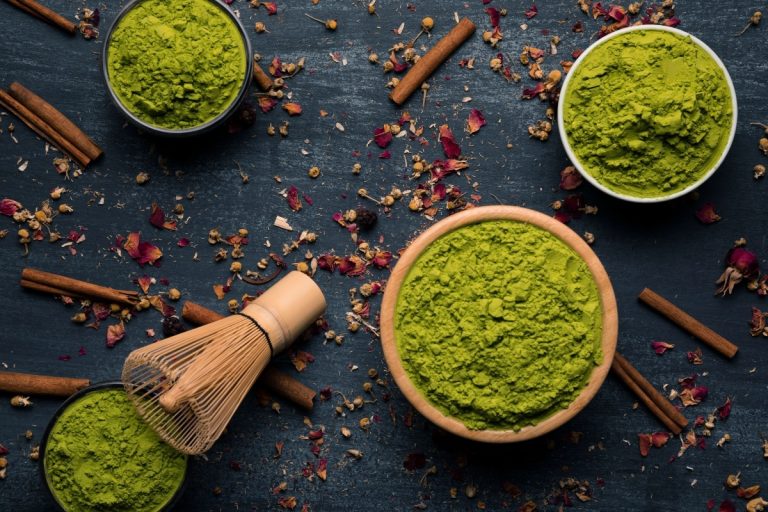
The first step in making keto-friendly matcha is selecting high-quality, pure matcha powder. Ceremonial or culinary-grade matcha without added sugar is ideal. Avoid pre-sweetened or flavored matcha powders, as they contain carbs and can disrupt ketosis.
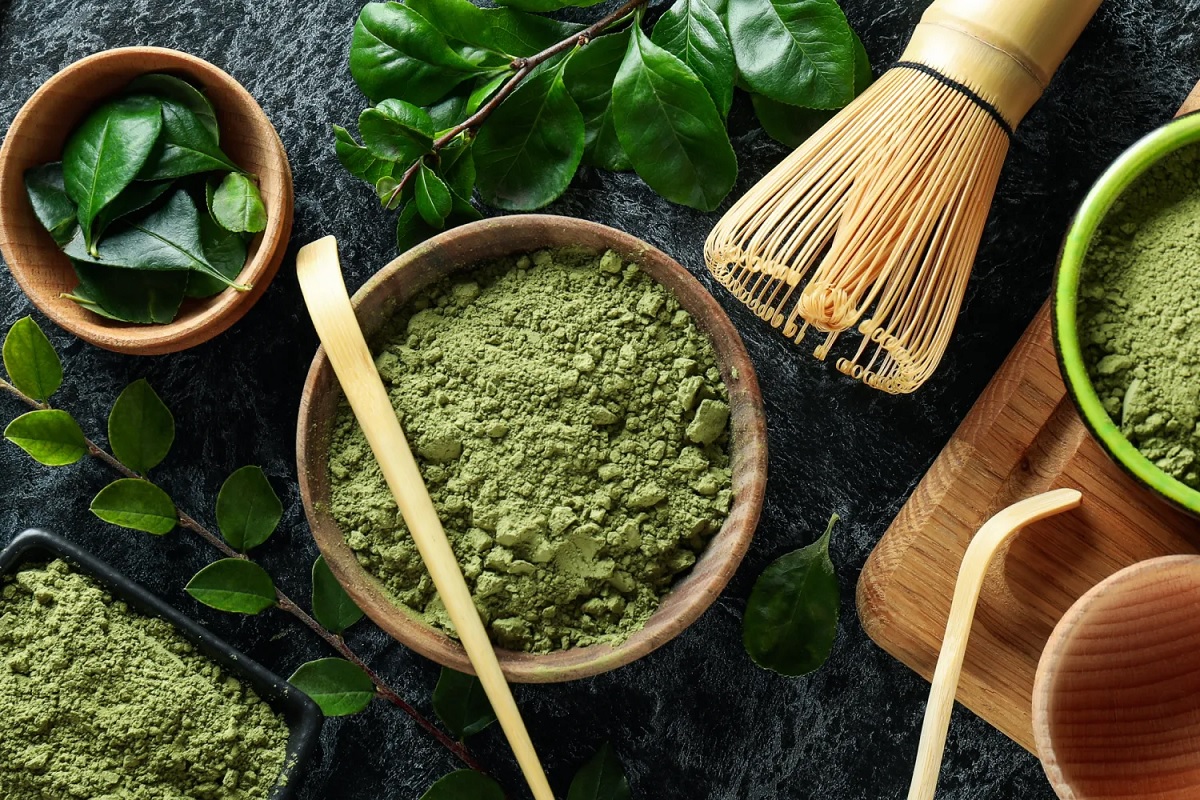
For you, this means paying attention to both color and texture. High-quality matcha has a vibrant green hue, fine texture, and a rich, slightly sweet aroma. Ceremonial grade works well for simple hot teas, while culinary grade is better for lattes, smoothies, or blended drinks. Choosing pure matcha ensures you enjoy maximum antioxidants, catechins, and L-theanine without unnecessary carbs.
Grinding or sifting the powder before use can prevent clumping and produce a smoother, creamier beverage. The quality of matcha directly impacts taste, so investing in a good powder makes your keto-friendly matcha more enjoyable and authentic.
Use Keto-Friendly Milk Alternatives
Milk choice plays a major role in flavor and carbohydrate content. Unsweetened almond milk, coconut milk, or heavy cream are excellent options for keto matcha, providing creaminess without excess sugar. Dairy milk contains natural lactose, which adds carbs, so it’s best to use unsweetened alternatives.
For you, this allows flexibility in texture and richness. Heavy cream delivers a decadent, latte-style drink, while almond milk keeps it lighter. Coconut milk adds a subtle tropical flavor, complementing matcha’s earthy notes. Blending these with hot water or iced preparations creates versatile beverages suitable for different tastes and times of day.
Using keto-friendly milk ensures your matcha remains low-carb, supports ketosis, and still offers a creamy, enjoyable mouthfeel similar to café-style drinks.
Sweeten With Low-Carb Options
Sweeteners are essential for making matcha more palatable while keeping it keto-friendly. Natural low-carb sweeteners like stevia, erythritol, monk fruit, or allulose provide sweetness without raising blood sugar. Combining sweeteners can enhance flavor and mimic the texture of sugar more closely.
For you, this means you can adjust sweetness to taste, from lightly sweetened to dessert-like, while staying in ketosis. Start with small amounts, then gradually increase to balance matcha’s natural vegetal notes without overpowering the beverage. Low-carb sweeteners also allow you to create flavored matcha drinks by adding vanilla extract or sugar-free syrups while maintaining keto compatibility.
Sweetening at home provides complete control over both flavor and carb content, making it easier to enjoy matcha without unwanted sugar or additives.
Proper Preparation Techniques
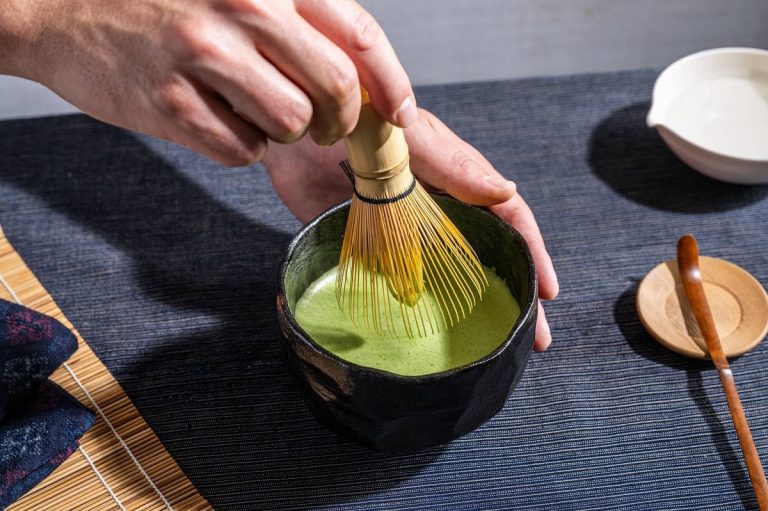
Preparing matcha correctly enhances flavor, smoothness, and nutrient absorption. Sift the powder into a bowl, then whisk with a bamboo whisk (chasen) or milk frother to create a frothy, lump-free consistency. For lattes, heat milk alternatives and blend slowly to preserve creaminess.
For iced or blended keto matcha, combine matcha powder with cold milk and low-carb sweetener, then shake or blend until smooth. This method prevents clumping and maintains even sweetness. Proper preparation ensures each sip is flavorful, creamy, and consistent, maximizing both taste and health benefits.
Mastering these techniques allows you to enjoy café-quality keto matcha at home, tailored to your personal flavor preferences and dietary needs.
FAQs
Is Matcha Naturally Keto Friendly?
Yes, pure matcha is naturally keto-friendly because it contains almost no carbohydrates or sugar. One teaspoon of matcha powder typically has less than 1 gram of carbs, making it easy to fit into a ketogenic diet without affecting ketosis.
For you, this means drinking plain matcha prepared with water or unsweetened milk alternatives allows you to enjoy the antioxidants, caffeine, and L-theanine benefits without worrying about your carbohydrate intake. As long as you avoid pre-sweetened or flavored powders, matcha can be a low-carb, energizing beverage that supports your keto lifestyle.
Can I Drink Matcha Lattes On Keto?
Yes, you can enjoy matcha lattes on keto if prepared with low-carb ingredients. Use unsweetened almond milk, coconut milk, or heavy cream instead of dairy milk to keep carbohydrate content minimal. Avoid sugar and flavored syrups unless they are keto-approved.
For you, this approach means you can enjoy a creamy, satisfying latte without breaking ketosis. Adding natural low-carb sweeteners like stevia, monk fruit, or erythritol allows you to maintain sweetness while keeping carbs under control. This ensures your matcha latte remains both delicious and keto-compatible.
Are Pre-Mixed Matcha Powders Keto Friendly?
Most pre-mixed matcha powders are not keto-friendly because they often contain added sugar or sweetened milk powder. These ingredients can quickly increase carbohydrate content, which may disrupt ketosis if consumed regularly.
For you, it’s important to read labels carefully or stick to pure matcha powder. By controlling what goes into your drink, you avoid hidden sugars and unnecessary carbs. Using pre-mixed powders occasionally may be okay if you adjust serving size or mix with keto-friendly milk, but pure matcha is always the safest choice for staying keto-compliant.
What Sweeteners Can I Use To Make Matcha Keto Friendly?
You can use low-carb sweeteners like stevia, monk fruit, erythritol, or allulose to keep your matcha keto-friendly. These options provide sweetness without impacting blood sugar or interrupting ketosis.
For you, this means you can enjoy a slightly sweetened matcha drink without adding unnecessary carbohydrates. Experimenting with combinations, such as erythritol and stevia, can produce a more balanced flavor and texture, mimicking sugar. Using these sweeteners allows you to create delicious homemade matcha lattes, iced drinks, or smoothies while remaining fully compatible with your ketogenic diet.
Does Adding Milk Affect Keto Compliance?
Yes, milk choice affects keto compliance. Regular dairy milk contains lactose, a sugar that adds carbohydrates and can interfere with ketosis. Unsweetened alternatives like almond milk, coconut milk, or heavy cream are better choices for keeping your drink low-carb.
For you, selecting the right milk ensures your matcha beverage stays keto-friendly. Heavy cream provides a rich, creamy texture, while almond and coconut milk keep carbs very low and add subtle flavor. Choosing keto-compatible milk allows you to enjoy lattes, iced matcha, or blended drinks without exceeding your carbohydrate limits.
Can I Include Matcha In My Daily Keto Routine?
Yes, matcha can be safely included in your daily keto routine. Its low carbohydrate content, antioxidant properties, and moderate caffeine make it ideal for energy, mental clarity, and metabolic support without disrupting ketosis.
For you, incorporating matcha daily provides a natural way to boost focus, support fat metabolism, and enjoy a flavorful beverage. Preparing it with unsweetened milk or water and keto-friendly sweeteners ensures consistency with your low-carb goals. Drinking matcha regularly can enhance both your dietary routine and overall wellness on a ketogenic lifestyle.
Conclusion
For those following a ketogenic lifestyle, selecting beverages that align with low-carb goals is essential, and matcha can be a versatile option when used correctly. Pure matcha powder contains minimal carbohydrates, making it a naturally suitable choice for keto diets. Its combination of caffeine and L-theanine can provide steady energy and focus without spiking blood sugar, which is a major benefit for keto adherents.
When considering whether is matcha keto friendly, the key factor lies in preparation. Many pre-mixed matcha drinks or flavored powders contain added sugar or sweeteners that can disrupt ketosis. By choosing unsweetened matcha and pairing it with keto-approved milk alternatives or natural low-carb sweeteners, you can enjoy rich, creamy beverages without compromising your diet.
With mindful selection and preparation, matcha can easily fit into a keto-friendly routine. Understanding exactly is matcha keto friendly allows you to enjoy this vibrant green tea while maintaining your dietary goals safely and deliciously.