How To Store Coffee – Best Practices For Freshness
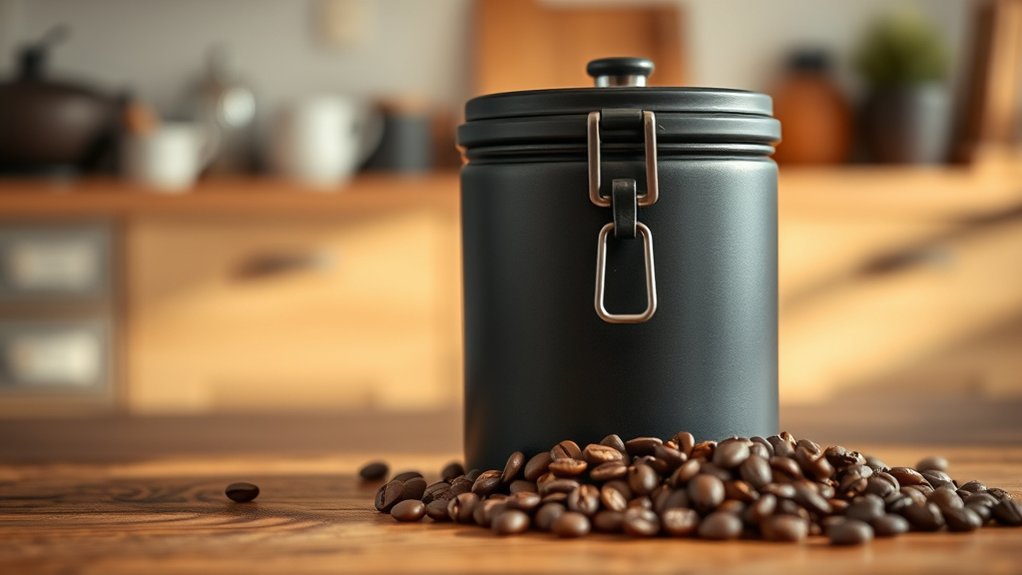
To keep your coffee fresh, store whole beans in an airtight, opaque container made of stainless steel or dark glass. Make sure to keep it away from heat, light, and moisture.
Place the container in a cool, stable spot below 70°F with moderate humidity. Try not to store ground coffee for too long. It’s best to grind just before brewing to preserve that rich flavor.
When you’re traveling, use portable airtight containers to keep your coffee fresh on the go. Watch out for signs of stale coffee like dull aromas or off-tastes so you know when it’s time to replace your beans.
Keep exploring to master the ideal storage habits and enjoy the best cup every time!
Why Storing Coffee Right Makes All the Difference
Because coffee is highly sensitive to air, moisture, heat, and light, storing it properly preserves its freshness and flavor. When you handle coffee post-roasting, you’re dealing with delicate oils and volatile compounds that degrade quickly if exposed to unfavorable conditions.
Proper storage slows oxidation, maintaining the bean’s intended profile shaped by coffee roasting techniques. This ensures your brewing methods, whether espresso, pour-over, or French press, extract the best flavor.
If you don’t store your coffee correctly, those nuanced notes will fade, leaving a flat or stale taste. You want to keep your coffee in an airtight, opaque container at a stable, cool temperature to protect those essential qualities.
Doing so guarantees every cup reflects the craftsmanship behind its roasting and suits your preferred brewing style perfectly.
Whole vs. Ground Coffee Beans: Which Should You Store?
You’ll find that whole beans hold onto their flavor much longer than ground coffee. That’s because they expose less surface area to the air.
When you store whole beans properly, they can stay fresh for weeks.
On the other hand, ground coffee starts losing its aroma and taste within just a few days.
Knowing this difference makes it easier to decide which form works best for your storage needs.
Flavor Preservation Differences
While both whole and ground coffee beans offer unique advantages, their impact on flavor preservation differs markedly. Whole beans protect delicate flavor compounds and enhance aroma retention by limiting exposure to oxygen. Ground coffee, due to increased surface area, loses these compounds faster, resulting in diminished freshness.
| Aspect | Whole Beans |
|---|---|
| Flavor Compounds | Better preserved |
| Aroma Retention | Superior due to intact surface |
| Oxidation Rate | Slower, extends freshness |
| Ideal Storage | Airtight, cool, dark place |
Choosing whole beans means you’ll enjoy richer flavor and aroma for longer. Grinding just before brewing helps maximize freshness. On the other hand, storing grounds needs extra care to keep flavor loss to a minimum.
Storage Duration Comparison
Understanding how flavor preservation varies between whole and ground coffee sets the stage for comparing their storage durations. Whole beans retain freshness longer because their intact surface limits exposure to oxygen, moisture, and light. These factors accelerate staling, so keeping them away really helps.
After coffee roasting, whole beans can maintain ideal flavor for up to four weeks if stored properly. Ground coffee, however, exposes more surface area, which speeds up oxidation and flavor loss. It typically stays fresh for only one to two weeks.
Your chosen brewing methods also matter. Espresso or French press benefit from freshly ground beans, which means you should grind just before brewing.
To maximize freshness and enjoy the full complexity developed during roasting, store whole beans and grind them as needed. This way, your coffee stays vibrant and aromatic longer.
How to Choose the Best Container for Coffee
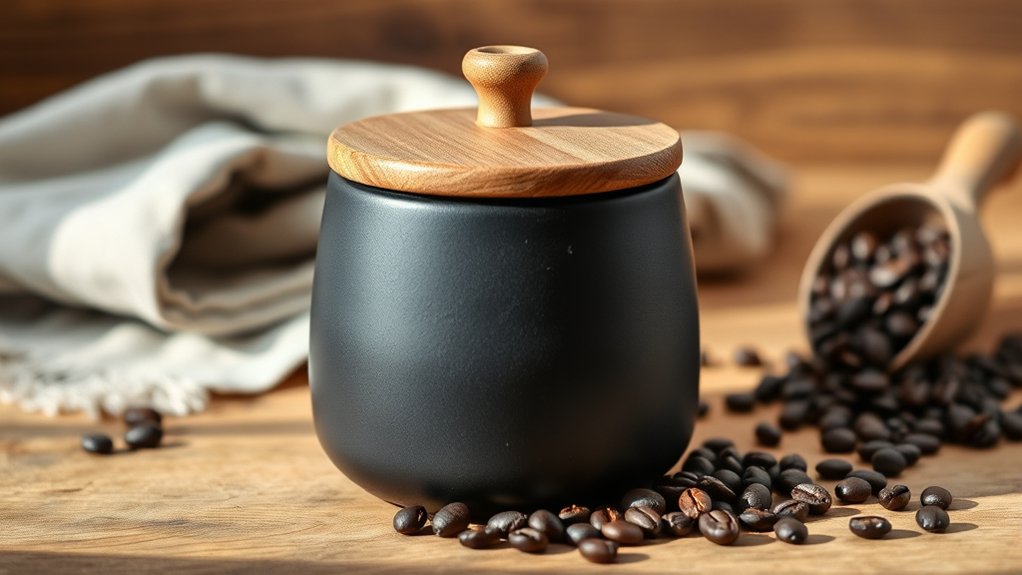
Since coffee’s flavor and freshness depend heavily on proper storage, choosing the right container is crucial. You want an airtight container that prevents oxygen exposure, which degrades coffee bean roasting quality and diminishes aroma.
Opt for materials like stainless steel or dark, opaque glass to block light. This helps preserve the caffeine content analysis integrity and flavor compounds.
Avoid plastic containers, as they can absorb odors and affect taste. A one-way valve container is ideal if you buy freshly roasted beans; it allows carbon dioxide to escape without letting oxygen in.
Make sure the container seals tightly to maintain peak freshness and protect against moisture, heat, and contaminants.
Best Places to Store Coffee at Home
Where you store your coffee at home can make a big difference in keeping it fresh and flavorful. To preserve the unique characteristics of different coffee bean varieties, try to keep your coffee in a cool, dark place away from direct sunlight and heat sources.
Avoid putting it near your oven or microwave because the changing temperatures can degrade the beans. A pantry or a closed cabinet is usually a great spot since it offers a stable environment that’s ideal for brewing coffee.
Also, watch out for damp areas since moisture can harm the quality of your coffee. If you buy whole beans, storing them in airtight containers helps lock in freshness.
Doing these simple things will make sure your coffee tastes consistently rich and highlights the distinct flavors of your favorite beans.
How Temperature and Humidity Impact Coffee Flavor and Shelf Life
Although storing coffee properly is important, controlling the temperature and humidity levels plays an equally critical role in preserving its flavor and extending shelf life. Excessive heat speeds up coffee aging, causing oils to break down and aromas to fade.
High humidity introduces moisture, which promotes mold and staling. Ideally, you want stable, cool temperatures with low humidity to keep your coffee fresh.
| Factor | Ideal Range | Impact on Coffee |
|---|---|---|
| Temperature | 15-21°C (59-70°F) | Slows coffee aging, preserves oils |
| Humidity | 50-60% | Prevents moisture absorption and mold |
| Fluctuations | Minimal | Reduces stress on beans, stabilizes flavor |
Keep temperature and humidity within these ranges to extend your coffee’s shelf life and maintain its best flavor.
Can You Freeze Coffee Beans Without Losing Flavor?
How does freezing coffee beans affect their flavor? Freezing can actually preserve beans by slowing down aging processes, helping lock in flavor when done right. But there are a lot of misconceptions that make people hesitant.
Beans aren’t harmed by cold itself, but repeated temperature changes cause moisture condensation, which messes with the flavor. To freeze effectively, divide beans into airtight, moisture-proof bags and remove excess air. This prevents freezer burn and keeps out odors.
Only freeze beans once and avoid thawing and refreezing. When you freeze properly, you lock in freshness and keep the flavor intact for longer. Still, freezing isn’t really needed if you use beans within a few weeks.
Knowing these details helps you decide if freezing fits your routine without losing that fresh, vibrant coffee flavor you want.
Tips to Keep Coffee Fresh After Opening the Bag
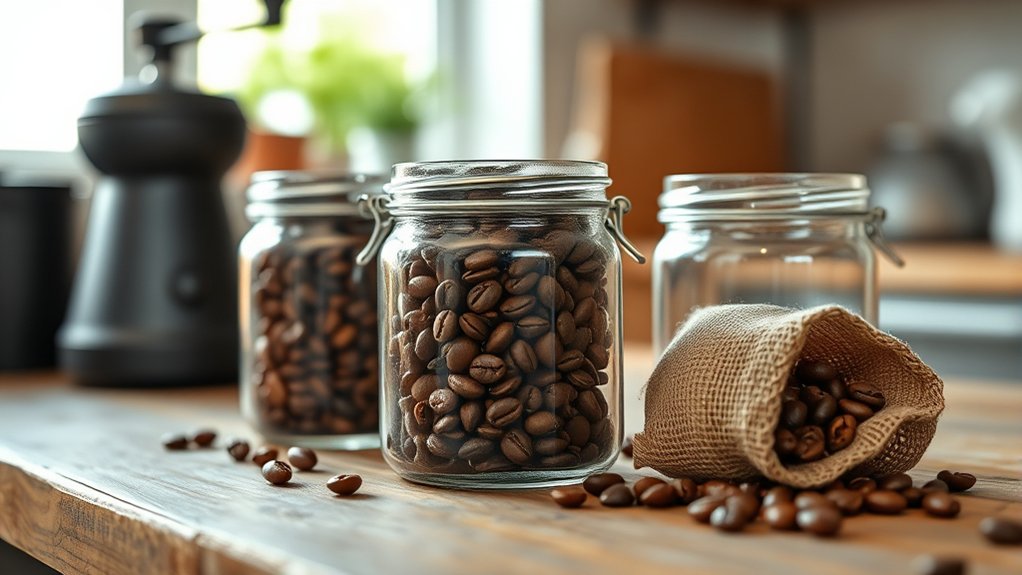
To keep your coffee fresh after opening the bag, it’s a good idea to transfer the beans to an airtight container. This helps protect them from air and moisture, which can quickly degrade the flavor.
Then, try to store that container in a cool, dark place. Avoid spots near heat sources or direct sunlight because heat can speed up the staling process.
Use Airtight Containers
Since exposure to air speeds up the staling process, you’ll want to transfer your coffee into an airtight container right after opening the bag. Airtight seals are super important because they keep oxygen out, which can degrade those flavor compounds we love.
When picking container materials, go for ones that block light and moisture, like glass or stainless steel with silicone seals.
| Container Material | Benefits |
|---|---|
| Glass | Non-reactive, light-proof |
| Stainless Steel | Durable, odor-resistant |
| Ceramic | Blocks light, aesthetic |
| BPA-Free Plastic | Lightweight, airtight seals |
Try to avoid containers that don’t have airtight seals since they let air in and cause the flavor to fade quickly. Keeping your coffee in a proper airtight container helps it stay fresh longer and locks in that amazing aroma and taste.
Store In Cool Places
Although airtight containers protect your coffee from oxygen, storing them in a cool place is just as important for keeping that freshness intact. Heat speeds up the breakdown process that kicks in right after coffee roasting. This affects the beans’ flavor and aroma, which are key to brewing a great cup.
To keep your coffee fresh after opening the bag, here are some tips to keep in mind:
- Store coffee away from heat sources like ovens or direct warm air vents.
- Pick a cool, steady spot, ideally below 70°F (21°C), to slow down those chemical reactions.
- Try to avoid temperature swings since they can cause condensation and mess with the beans’ quality.
Avoid Sunlight Exposure
When sunlight hits your coffee beans, it speeds up oxidation and breaks down the flavor and aroma compounds quickly. To keep your coffee fresh, you’ll want to protect it from sunlight by storing it in opaque, airtight containers that block out light completely.
Avoid clear or lightly tinted jars because UV rays can sneak in and harm the beans.
Keep your container tucked away in a dark cupboard or pantry, far from windows or direct sunlight. This simple habit is key to extending shelf life since light triggers chemical reactions that dull the rich, complex flavors you love.
By cutting down on sunlight exposure, you help preserve your coffee’s quality longer. That way, every cup tastes just as fresh as the first time you opened the bag.
How to Store Coffee While Traveling or on the Go
Whether you’re on a weekend getaway or a lengthy business trip, maintaining your coffee’s freshness requires careful planning. To guarantee your coffee stays flavorful on the go, follow these essential travel coffee tips.
Keep your coffee fresh and flavorful on any trip with thoughtful preparation and smart travel tips.
First, invest in airtight, compact containers designed for portability. These keep oxygen and moisture out, preserving aroma.
Second, consider pre-measuring your coffee to avoid exposure during travel.
Finally, bring along portable brewing equipment that suits your style, whether it’s a French press, AeroPress, or pour-over setup. This way, you control grind size and water temperature, maximizing freshness.
How to Tell If Your Coffee Has Gone Stale
Keeping your coffee fresh during travel is just one part of enjoying great-tasting coffee. To tell if your coffee has gone stale, start by checking the aroma. Freshly roasted beans emit a vibrant, rich scent, while stale coffee smells flat or even slightly rancid.
Next, examine the flavor. Stale coffee loses its complexity and tastes dull or bitter rather than bright and balanced. Bean freshness also influences extraction. Older beans produce weaker, less flavorful brews.
Furthermore, inspect the beans’ appearance. Fresh roasted beans often have a slight oily sheen, which diminishes as they age. Understanding these signs helps you appreciate the impact of coffee roasting and proper storage on your brew’s quality.
If your coffee shows these indicators, it’s time to replace it for superior taste. Taking a moment to check your beans can make all the difference in your cup!
Mistakes That Make Your Coffee Go Stale: And How to Avoid Them
Although fresh coffee starts with quality beans, common mistakes in handling and storage can quickly rob your brew of its flavor. To keep your coffee vibrant, avoid these pitfalls:
Grinding too early exposes more surface area to air, which speeds up staleness. So, grind your beans just before brewing to keep that fresh taste.
Grinding your beans right before brewing locks in freshness and prevents premature staleness.
Improper storage is another biggie. Oxygen, moisture, heat, and light all degrade coffee quality. Keep your beans in an airtight, opaque container in a cool, dry place to protect them.
Also, don’t neglect your brewing techniques. Using inconsistent water temperature or brewing time can pull out unwanted bitterness and mask those fresh flavors.
If you master precise brewing, you’ll really bring out your coffee’s unique nuances.
Frequently Asked Questions
Does the Roast Date Affect How Long Coffee Stays Fresh?
Yes, the roast date directly affects how long coffee stays fresh. When you buy coffee, look for a recent roast date on the packaging to guarantee peak flavor.
Coffee packaging often includes one-way valves to release gases, preserving freshness.
Once opened, transfer your beans to airtight storage containers away from light and heat. This slows oxidation and moisture exposure.
It helps your coffee maintain its quality longer after the roast date.
Can Storing Coffee With Oxygen Absorbers Improve Freshness?
You’d swear oxygen absorbers are tiny superheroes battling stale air to keep your coffee’s freshness preservation at an elite level. By removing oxygen, they drastically slow oxidation, which degrades flavor and aroma.
When you store coffee with oxygen absorption packets, you create an environment that locks in freshness, extending the beans’ prime.
Just make certain the container is airtight, so these absorbers can work their magic without interference or moisture intrusion.
How Do Different Coffee Bean Origins Affect Storage Needs?
Origin influence plays a key role in how you should store coffee beans to maintain ideal bean freshness. Beans from high-altitude regions often have denser structures, requiring airtight containers to preserve their delicate flavors.
In contrast, beans from humid tropical origins might need moisture control to prevent mold and degradation.
Understanding the origin influence lets you tailor storage conditions, ensuring your beans stay fresh longer and deliver the best aroma and taste.
Is It Better to Buy Coffee in Bulk or Smaller Quantities?
Like holding a fresh loaf straight from the oven, buying smaller quantities keeps your coffee vibrant. You’ll preserve flavor best when you choose high-quality containers with airtight seals and maintain a cool storage temperature.
Bulk buying risks staleness unless you divide it into smaller portions immediately. So, unless you consume coffee rapidly, smaller amounts stored properly guarantee each cup tastes as lively as the first.
Can Flavored Coffee Require Different Storage Methods?
Yes, flavored coffee does require different storage methods to guarantee flavor preservation. You should use airtight storage containers that prevent exposure to air, moisture, and strong odors. These elements can degrade the delicate flavor oils.
Avoid transparent containers, as light can also diminish the flavor. Keep your flavored coffee in a cool, dark place.
Try not to open it too often, so you maintain its unique taste and aroma longer than regular coffee.
Conclusion
You might think your coffee’s freshness doesn’t matter much until that bitter, stale sip hits your tongue. Ironically, storing coffee right is the secret to revealing its full flavor, yet many overlook it.
By choosing whole beans, airtight containers, and cool, dry spots, you’ll keep your coffee vibrant far longer. So, don’t let careless storage ruin your morning ritual.
Your taste buds will thank you for the attention to detail you never thought you needed.