Do Snake Plants Like Coffee Grounds – Plant Care Guide
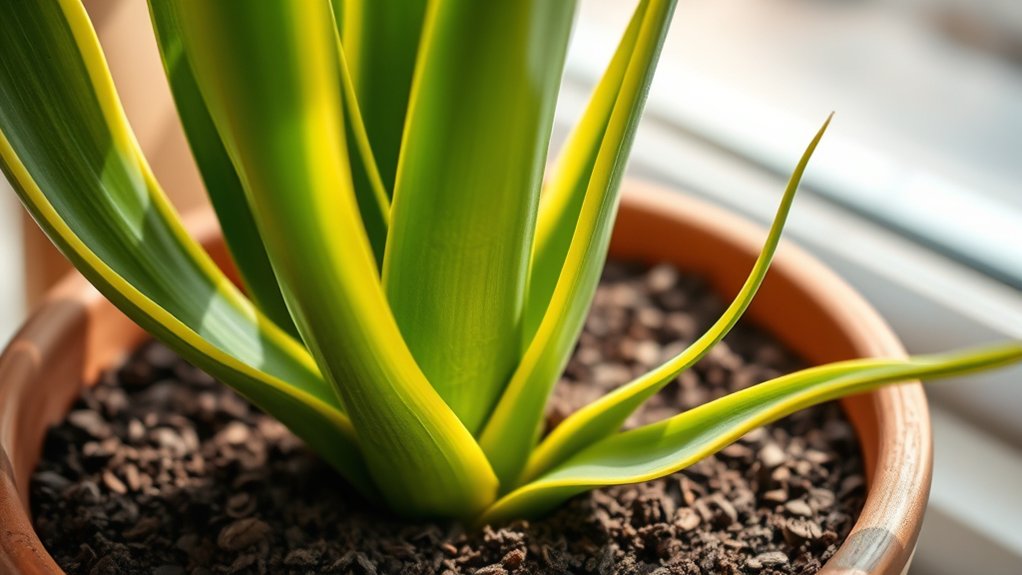
You can use coffee grounds for your snake plant, but only in small amounts and make sure they’re fully dry or composted to avoid root damage. They add nitrogen and micronutrients, which helps improve soil structure and moisture retention. Just remember, fresh or wet grounds can increase acidity and attract pests like fungus gnats.
It’s best to mix the grounds into the soil moderately and fertilize every 4 to 6 weeks during the plant’s growth period. Keep an eye out for any signs of stress in your snake plant. Using coffee grounds properly supports the health of your plant, but careful monitoring and adjustment are really important.
If you’re unsure, explore how to optimize care and consider alternatives to coffee grounds. That way, you can keep your snake plant happy and thriving!
Do Snake Plants Like Coffee Grounds?
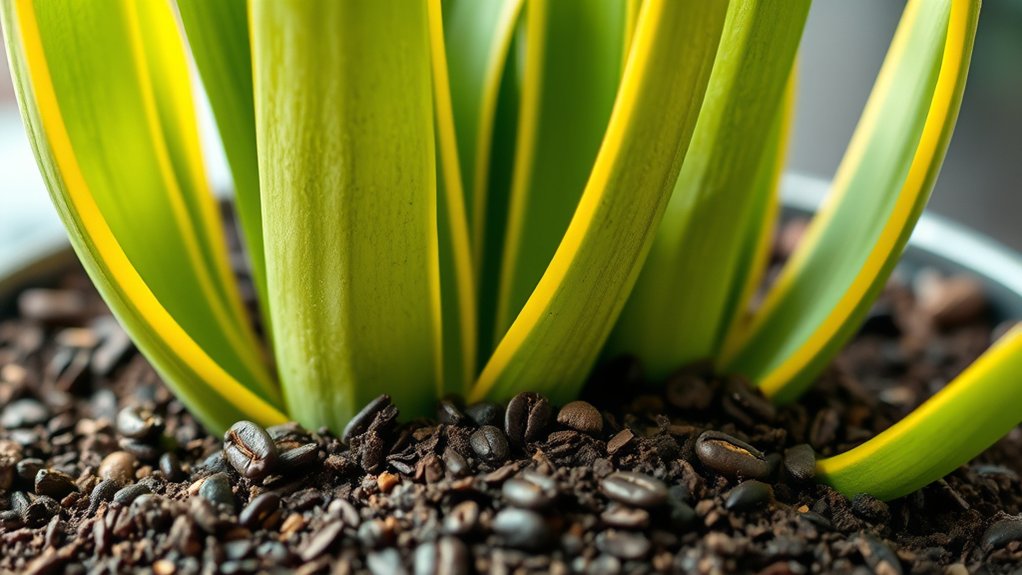
Wondering if coffee grounds are a good addition to your snake plant’s soil? Snake plants tolerate coffee grounds only in small amounts because they prefer well-draining soil with a neutral to slightly acidic pH.
Using coffee grounds excessively or applying them improperly can increase soil acidity beyond best levels. This risks root rot and can harm your plant’s health.
Fresh, damp coffee grounds can also foster fungal growth and attract pests, so avoid putting them directly on the soil. Instead, compost coffee grounds before using them.
Composting helps balance soil acidity and releases nutrients slowly.
What Nutrients Do Coffee Grounds Give Your Snake Plant?
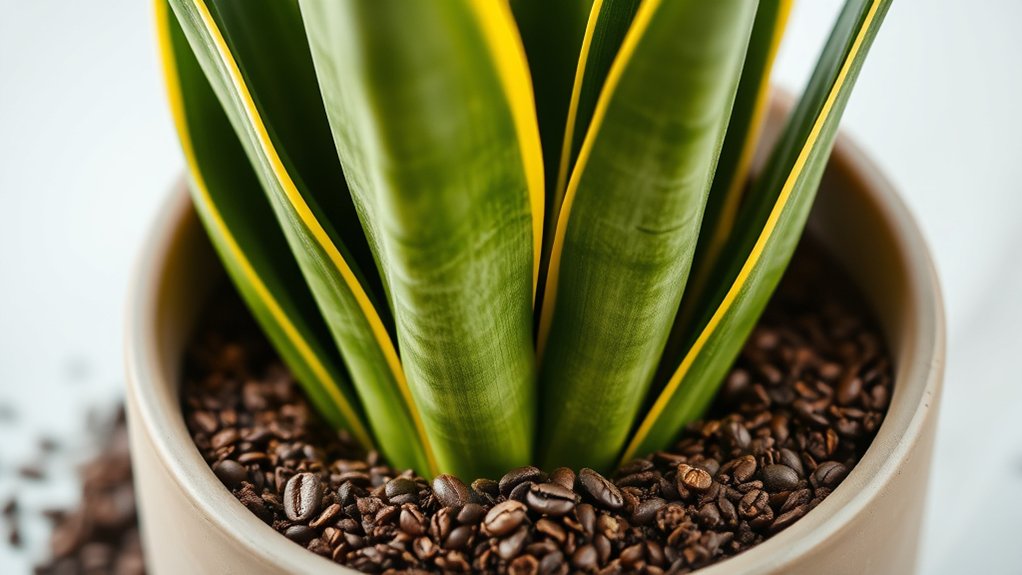
Although coffee grounds should be used sparingly, they provide valuable nutrients that support your snake plant’s growth. Coffee grounds are a rich coffee nutrient source, primarily offering nitrogen, which is essential for leaf development and overall vigor.
They also supply important micronutrients such as magnesium, potassium, and chloride, all critical for metabolic functions and cellular health. Additionally, coffee grounds contain phosphorus and potassium in smaller quantities, aiding root development and potential flowering.
As these grounds decompose, they contribute to soil enrichment by adding organic matter that enhances nutrient availability and retention. This gradual nutrient release guarantees your snake plant receives sustained nourishment, promoting steady growth without nutrient shock.
Using coffee grounds strategically can therefore optimize your snake plant’s nutritional profile while improving soil quality. It’s a simple way to give your plant a little extra boost!
How Coffee Grounds Change Your Snake Plant’s Soil
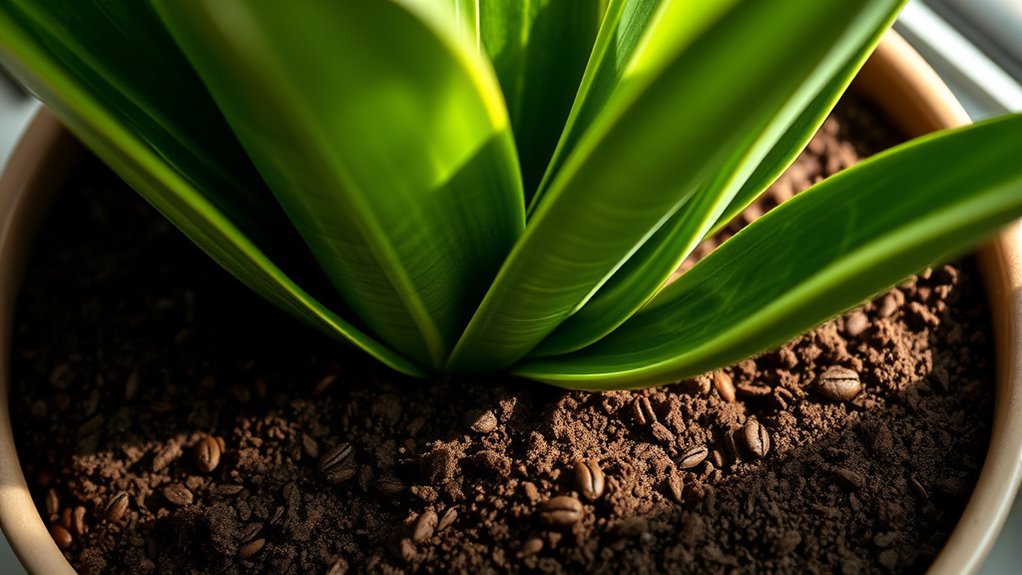
You’ll find that adding small amounts of properly composted coffee grounds can really boost your snake plant’s soil. They improve nutrient availability and encourage beneficial microbes to thrive.
Plus, these grounds help keep the soil moist without making it soggy, which is great for healthy roots.
Just be careful though—using fresh or too many coffee grounds might throw off the soil’s balance and could actually harm your plant.
Soil Nutrient Enhancement
When you incorporate coffee grounds into your snake plant’s soil, you considerably boost its nitrogen content, which supports robust foliage development. Coffee grounds enhance soil structure by improving root aeration, allowing oxygen to penetrate the root zone efficiently. This aeration supports healthy root respiration and nutrient uptake.
Additionally, when coffee grounds are properly composted or dried, they release essential nutrients such as potassium and magnesium slowly, promoting sustained plant growth. However, be cautious: fresh or excessive coffee grounds can acidify the soil, disrupting the pH balance that snake plants prefer, typically slightly acidic to neutral.
Maintaining this balance is vital to avoid root damage. So, regular, moderate use of coffee grounds enriches soil fertility over time without overwhelming your snake plant’s delicate root system. Just keep an eye on how much you use, and your plant will thank you for it!
Moisture Retention Effects
Since coffee grounds contain organic material that breaks down slowly, they can considerably impact the moisture retention properties of your snake plant’s soil. This affects the delicate balance your plant needs for root oxygen and overall health.
Here’s how coffee grounds influence moisture retention: increased moisture retention can trap water, which risks root rot due to poor drainage. Plus, excess moisture creates a microenvironment that fosters fungal growth and attracts pests.
Also, coffee acidity can alter soil pH, affecting water absorption and nutrient availability.
On the bright side, properly composted or dried grounds minimize moisture retention, helping maintain adequate root oxygen.
Why Drying and Composting Coffee Grounds Matter
Although coffee grounds offer valuable nutrients for snake plants, drying and composting them first is essential to prevent microbial growth and soil imbalances. Confirming coffee ground safety starts with thorough drying, which halts microbial proliferation that can damage roots.
Composting further decomposes the grounds, reducing acidity and converting nutrients into a plant-accessible form. These ground preparation techniques also eliminate risks of fungal growth and pest attraction linked to damp, fresh grounds.
Properly dried and composted coffee grounds won’t release excess moisture or harmful decay gases, maintaining a balanced soil environment. By following these processes, you ensure that coffee grounds enrich your snake plant’s soil without disrupting pH levels or introducing harmful pathogens.
This ultimately supports healthy growth and root integrity.
How to Mix Coffee Grounds Into Snake Plant Soil
First, make sure your coffee grounds are completely dry or composted. This helps cut down on acidity and keeps your snake plant’s roots happy.
You don’t want to add too much—stick to about 10% coffee grounds mixed into the top layer of the soil.
After that, cover the mix with some more soil to help prevent any issues with microbes.
And don’t forget to regularly aerate the soil afterward; this keeps things draining well and your plant’s roots healthy.
Proper Ground Preparation
How can you effectively incorporate coffee grounds into your snake plant’s soil to promote healthy growth? Proper ground preparation is key. Start by thoroughly mixing dry, used coffee grounds into well-draining potting soil or organic compost. This helps enhance nutrient availability without raising acidity levels too much.
Follow these steps:
- Measure 1-2 tablespoons of dry coffee grounds per 4-inch pot to avoid soil pH imbalance.
- Blend grounds evenly with soil to prevent clumping and ensure consistent nutrient distribution.
- Cover the mixture with a thin soil layer to keep microbes and fungi at bay.
- Regularly aerate the soil after mixing to keep it breathable and prevent compaction from the added organic material.
This method balances nutrient release and supports healthy root growth by improving soil aeration. Give it a try, and your snake plant will thank you!
Mixing Ratios And Methods
Proper ground preparation sets the foundation for successfully incorporating coffee grounds into your snake plant’s soil. Use 1-2 tablespoons of dry, used coffee grounds per quart of soil to avoid over-acidification and excess moisture retention.
Mix the grounds thoroughly into the potting soil or compost to guarantee even distribution, which supports consistent root development.
Avoid placing grounds directly on the soil surface to prevent clumping and mold growth. After blending, cover the mixture with a soil layer to maintain proper pH and reduce microbial attraction.
Gradually incorporate coffee grounds over time, monitoring your plant’s response.
The subtle color contrast coffee grounds create within the soil can help you visually confirm even mixing. This makes it easier to promote ideal soil conditions for healthy root development.
Just take it slow and keep an eye on how your plant reacts!
When and How to Use Coffee Grounds Safely
Although coffee grounds can benefit snake plants when used correctly, you should only apply fully dried and composted grounds to avoid fungal growth and pest problems. Coffee composting stabilizes organic matter, which helps reduce risks associated with fresh grounds.
Using fully dried and composted coffee grounds helps prevent fungal growth and pest issues in snake plants.
To use coffee grounds safely, follow these guidelines:
- Apply a thin layer of composted coffee grounds mixed into the soil to prevent excessive soil acidity.
- Cover the coffee grounds with a soil or compost layer to minimize moisture retention and microbial activity.
- Limit applications to once every 4 to 6 weeks during the active growing season. Avoid using them during dormancy.
- Never apply fresh, damp coffee grounds directly, because they increase root rot and pest risks.
Can Coffee Grounds Cause Fungus Gnats on Snake Plants?
When you apply wet or improperly treated coffee grounds to your snake plants, you create an ideal environment for fungus gnats to thrive. Damp grounds foster coffee mold and attract ground pests like fungus gnat larvae, which feed on decaying organic matter.
Fresh, dry, or fully composted grounds reduce microbial activity, minimizing pest attraction.
| Coffee Grounds Condition | Risk of Fungus Gnats | Cause |
|---|---|---|
| Wet/Improperly Treated | High | Coffee mold, moisture retention |
| Decaying | High | Food source for larvae |
| Fresh/Dry | Low | Minimal microbial growth |
| Fully Composted | Low | Stabilized organic material |
Using improperly managed coffee grounds increases fungus gnat infestations on snake plants by promoting coffee mold and providing sustenance for ground pests. So, it’s best to avoid wet or decaying grounds and stick with fresh, dry, or composted ones to keep those pesky gnats away.
How to Prevent and Manage Gnats on Snake Plants Using Coffee Grounds
If you want to prevent fungus gnats from infesting your snake plants, you need to handle coffee grounds carefully. Proper use can enhance pest-resistant soil without encouraging pests. Follow these steps for effective organic pest control:
First, thoroughly dry and sift coffee grounds to remove moisture, oils, and clumps that promote microbial activity. Then, use fully dehydrated, composted, or heat-treated grounds instead of raw, damp ones to minimize gnat attraction.
Next, incorporate coffee grounds into the soil mix rather than applying them on the surface. This helps avoid creating a breeding ground for gnats.
Also, combine these practices with additional organic pest control measures like sticky traps to manage and prevent infestations efficiently.
This approach ensures your snake plant benefits from coffee grounds while maintaining a pest-free environment. It’s a simple way to keep your plants healthy and happy!
Signs Your Snake Plant Is Reacting Poorly to Coffee Grounds
Since coffee grounds can alter soil conditions, you’ll want to watch for specific signs that indicate your snake plant is reacting poorly.
Yellowing leaves or leaf margins often signal over-fertilization or soil imbalance caused by coffee grounds. Leaf curling may also appear, reflecting stress from altered pH or nutrient toxicity.
Soft, mushy roots suggest root rot triggered by excessive moisture retention due to improper coffee ground application. A foul odor from the soil points to microbial overactivity and decay.
Persistent mold or fungal growth on the soil surface indicates excessive dampness harming plant health.
Stunted growth and discoloration are additional symptoms.
Although coffee grounds can deter some plant pests, if you notice increased pest activity, it’s a good idea to reassess your application method to prevent further stress on your snake plant.
How Often Should You Fertilize Snake Plants With Coffee Grounds?
You should fertilize your snake plant with coffee grounds sparingly—about once every 4 to 6 weeks during its active growing season.
It’s best to avoid applying coffee grounds in the fall and winter when the plant’s growth naturally slows down. This helps prevent nutrient overload.
Just keep an eye on how your plant responds and adjust the frequency if needed.
Also, always use small amounts to keep the soil’s acidity balanced.
That way, your snake plant stays happy and healthy!
Fertilizing Frequency Guidelines
Although snake plants are hardy and low-maintenance, fertilizing them with coffee grounds requires careful timing to avoid nutrient imbalances. Overuse can disrupt pH balance and impair root aeration, which can lead to root stress.
Here’s the deal: apply coffee grounds once every 4 to 6 weeks during active growth in spring and summer. Use small, sparing amounts to prevent soil compaction and nutrient overload.
Don’t fertilize more than twice a month to keep the soil acidity just right. And when fall and winter come around and growth slows, it’s best to reduce or pause fertilization.
Keep an eye on your plant’s health and adjust how often you fertilize if you notice any signs of overfeeding or stress. This way, you’ll maintain the ideal conditions for your snake plant to thrive.
Seasonal Fertilization Timing
When should you fertilize snake plants with coffee grounds to optimize their growth? Apply coffee grounds once every 4 to 6 weeks during spring and summer, the plant’s active growing seasons. This timing supports proper nutrient uptake without causing soil imbalance or root stress.
Avoid fertilizing in fall and winter when growth slows, as excess nutrients can disrupt dormancy. Use small amounts to prevent excessive soil acidity and moisture retention, which can hinder soil aeration and invite pests.
Properly timed fertilization also helps keep your snake plant healthy by maintaining its vigor and preventing pests. Keep an eye on your snake plant’s health and adjust the coffee ground application if needed.
Stopping fertilization during dormant periods helps avoid unnecessary stress and promotes sustainable soil conditions. It’s all about giving your plant what it needs, when it needs it.
How to Monitor and Adjust Coffee Ground Use
Since coffee grounds can substantially affect soil moisture and acidity, monitoring your snake plant closely after application is vital. Improper use may impact soil aeration and compromise pest prevention.
To effectively monitor and adjust coffee ground use, check soil moisture regularly to avoid excessive dampness that leads to root rot. Also, observe leaf color and texture; yellowing or softness signals overuse.
Keep an eye on acidity changes by noting growth patterns and leaf discoloration. When you repot, inspect roots for softness or decay, which could indicate water retention issues.
Track your plant’s response over time. If its health improves, keep up your routine. If not, try reducing or stopping coffee ground application.
This way, you’ll ensure balanced soil conditions and give your snake plant the best care possible.
Alternatives to Coffee Grounds for Fertilizing Snake Plants
If coffee grounds prove challenging to manage or you want to diversify your fertilizing routine, several effective alternatives can support your snake plant’s growth. Banana peels and eggshells provide slow-release potassium and calcium, which are essential for structural strength.
Compost tea offers a balanced nutrient boost while enhancing microbial activity. This is crucial for nutrient uptake without altering soil acidity excessively.
Vegetable cooking water supplies magnesium and potassium, promoting healthy leaf and root development. Epsom salt solutions deliver magnesium and sulfur, both vital for chlorophyll synthesis and overall plant vitality.
Additionally, homemade rice water can be applied periodically to encourage lush foliage without risking increased soil acidity or microbial imbalance.
These options let you maintain ideal nutrient levels while preserving soil health. Plus, they promote sustainable growth for your snake plants. It’s a great way to keep your plants happy without relying solely on coffee grounds.
Frequently Asked Questions
Can Coffee Grounds Affect the pH Level of Snake Plant Soil?
Yes, coffee grounds can affect soil alkalinity by lowering the pH balance. You should use them sparingly to avoid excessive acidity. This might disrupt your snake plant’s preferred pH range and harm its growth over time.
Are There Specific Coffee Ground Types Better for Snake Plants?
You should use dry, sifted coffee ground types with minimal caffeine residue to control soil pH influence effectively. Composting them reduces acidity, preventing root damage and promoting healthy aeration, which is vital for your snake plant’s growth.
Keeping the coffee grounds dry and sifted helps avoid clumps that could suffocate the roots. And composting? It’s a great way to make sure the acidity doesn’t harm your plant. This process also helps the soil breathe better, which your snake plant will definitely appreciate.
Can Coffee Grounds Attract Pests Other Than Fungus Gnats?
Think of moist coffee grounds as a banquet inviting pests. Yes, they attract ants and fruit flies too.
For pest prevention, guarantee proper organic composting and avoid leaving damp grounds on soil. This reduces unwanted pest habitats effectively.
How Do Coffee Grounds Impact Snake Plants Grown Indoors Versus Outdoors?
You’ll find coffee grounds compost boosts indoor plant nutrition by enhancing soil fertility and moisture retention. It helps your snake plants get the nutrients they need to thrive inside your home.
Outdoors, coffee grounds improve microbial activity in the soil, which is great for overall plant health. But you’ll want to be careful with how much you use. Too much can increase soil acidity and lead to root rot in your snake plants. So, it’s all about finding the right balance!
Is It Safe to Use Coffee Grounds With Other Fertilizers for Snake Plants?
You might worry about harming your snake plant, but coffee grounds are safe with other fertilizers if you manage fertilizer compatibility carefully.
Just make sure to maintain soil nutrient balance by combining nitrogen-rich grounds with phosphorus or potassium fertilizers.
Also, avoid over-fertilization to keep your plant happy and healthy. It’s all about finding the right balance!
Conclusion
Using coffee grounds for your snake plant is like adding a gentle jolt of energy to its soil. They deliver essential nutrients and improve soil texture, but only when dried and composted properly. Too much can tip the balance and cause harm, so monitor your plant closely and adjust accordingly.
Think of coffee grounds as a measured boost, not a daily ritual, to keep your snake plant thriving without overwhelming its roots. It’s all about finding the right balance to help your plant grow strong and healthy.