Are Coffee Grounds Bad For Dogs – Pet Safety Guide
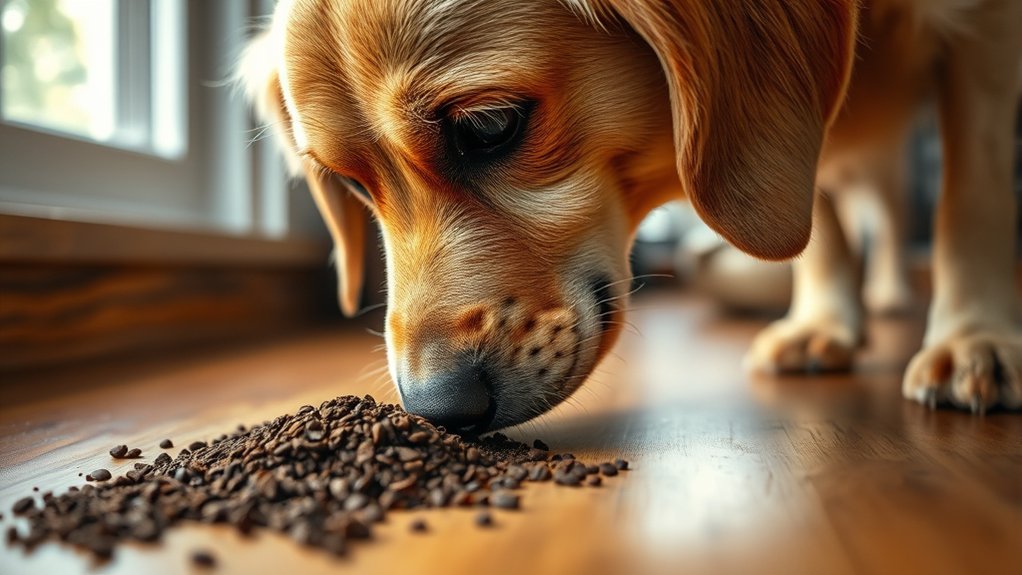
Yes, coffee grounds are very bad for your dog. They contain highly concentrated caffeine and possibly theobromine, both toxic even in small amounts. Ingesting grounds can cause serious symptoms like tremors, rapid heartbeat, vomiting, and seizures.
The gritty nature of grounds also increases the risk of choking and internal injuries. You should never try home treatment if your dog eats coffee grounds. Immediate vet care is essential in these cases.
Keeping coffee products securely stored and properly disposed of is key to your pet’s safety. You can learn important steps to protect your dog and respond effectively if exposure happens. It’s always better to be prepared and stay safe.
Why Coffee Grounds Are Toxic to Dogs
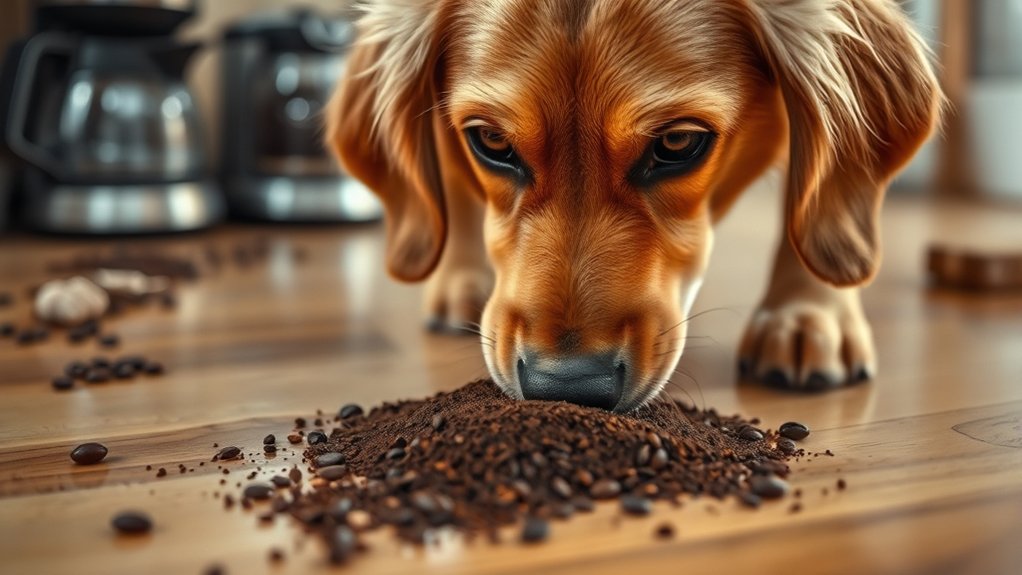
Because coffee grounds contain concentrated caffeine, they pose a serious risk to your dog’s health. Unlike brewed coffee, the caffeine in coffee grounds is highly concentrated, making even small amounts dangerous.
Coffee grounds have highly concentrated caffeine, posing serious health risks to dogs even in small amounts.
If your dog ingests coffee grounds, you might notice symptoms like hyperactivity, vomiting, increased heart rate, or tremors.
This risk is especially high for small dogs, as their bodies process caffeine less effectively. So, it’s really important to keep coffee grounds away from your furry friend.
While you may be tempted to add used coffee grounds to your garden as compost, always keep them out of your dog’s reach. Although the coffee flavor might seem harmless, the residual caffeine in the grounds can quickly lead to toxicity.
Being cautious and storing coffee grounds safely can prevent serious health issues for your dog. It’s just one of those small things that can make a big difference!
What Happens Inside a Dog’s Body After Caffeine Ingestion
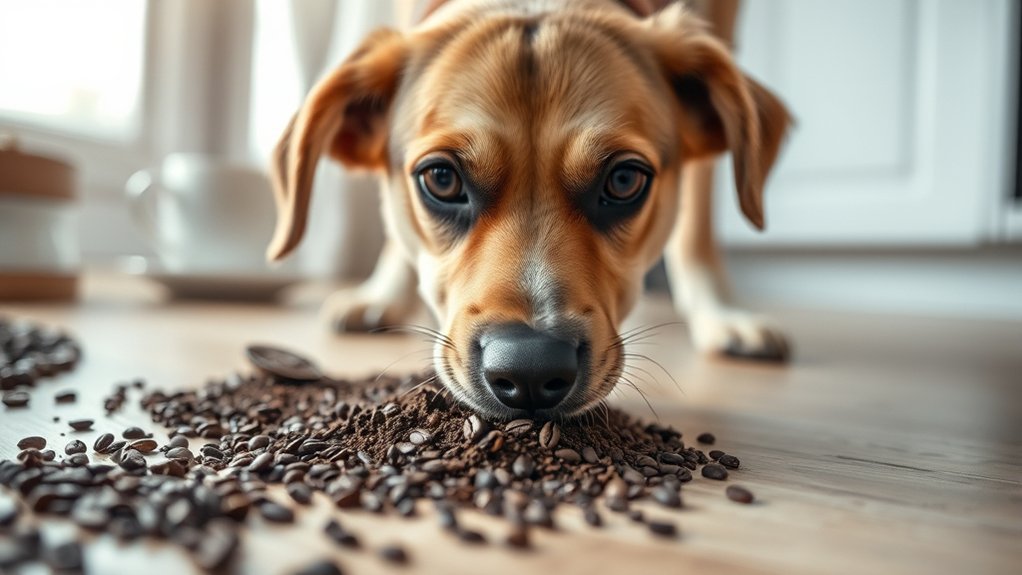
Once your dog ingests caffeine, it quickly enters the bloodstream within 30 to 60 minutes, triggering an immediate response in their central nervous system. Through digestive absorption, caffeine stimulates neural activity, causing hyperactivity, tremors, and an increased heart rate.
Unlike humans, dogs experience significant metabolic disruption because they can’t efficiently process caffeine. This causes caffeine to accumulate, intensifying its toxic effects.
Excess caffeine interferes with normal heart rhythms and can provoke abnormal electrical activity, raising the risk of cardiac complications.
Additionally, the stimulant effect elevates body temperature and blood pressure, placing stress on essential organs and potentially leading to organ failure.
Understanding these internal reactions highlights why caffeine ingestion is dangerous. It really shows why you need to get prompt veterinary care if your dog consumes coffee grounds or other caffeine sources.
How Much Coffee Grounds Can Harm Your Dog
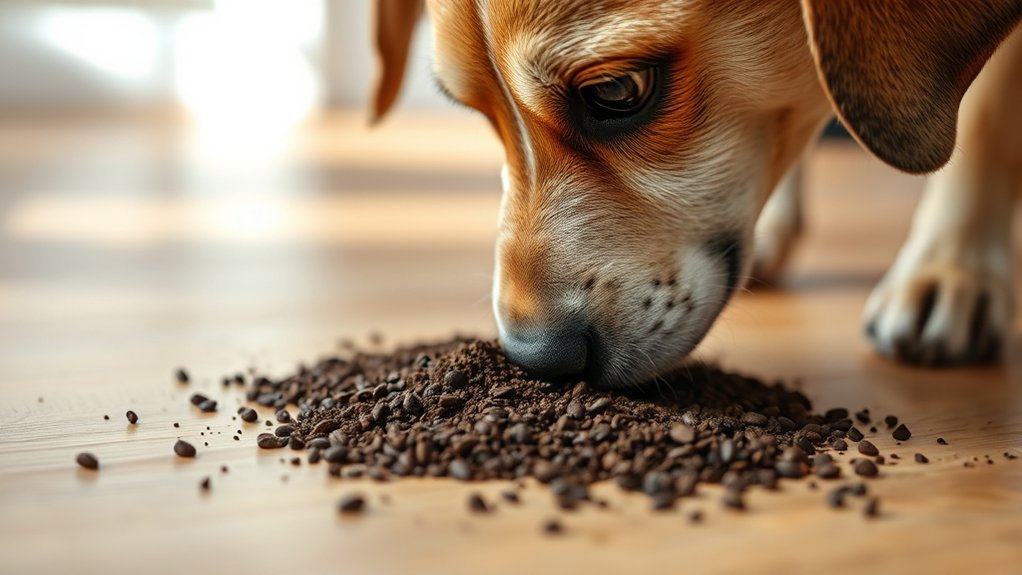
You should know that even small amounts of coffee grounds can harm your dog, especially if they’re on the lighter side. You might notice symptoms like restlessness, vomiting, or rapid breathing showing up pretty fast—these are signs of caffeine toxicity.
Toxicity Thresholds By Weight
Although the exact amount varies by size, most dogs become toxic after ingesting about 63 mg of caffeine per pound of body weight.
For example, a small dog weighing 15 pounds may experience toxicity after consuming just 3 teaspoons of coffee grounds. Larger dogs can tolerate more but still face risks, so you should always prioritize pet safety and carefully monitor your dog’s environment.
Coffee grounds contain high caffeine levels that can disrupt dog nutrition and lead to poisoning if ingested in significant amounts.
Consuming 10 or more teaspoons can cause severe toxicity in small to medium dogs.
To protect your furry friend, avoid leaving coffee grounds within reach and understand how these toxicity thresholds relate to your dog’s size.
It’s better to be safe and keep a close eye on what your dog can get into.
Symptoms Of Overconsumption
Understanding the amount of coffee grounds your dog might ingest is key to recognizing the symptoms that follow. Small dogs can show signs of caffeine toxicity after just 1-2 teaspoons. Larger amounts, like 10 teaspoons or more, can cause severe poisoning.
Watch for changes in your dog’s behavior such as restlessness, rapid breathing, tremors, or seizures. These symptoms can start within 30 minutes to 2 hours after ingestion. How severe they get usually depends on how much coffee grounds they consumed.
Since used coffee grounds often contain higher caffeine levels than brewed coffee, the risk goes up. Paying attention to your pet’s nutrition and avoiding exposure to coffee grounds is essential. This helps prevent these harmful effects and keeps your dog safe and healthy.
Immediate Veterinary Actions
When your dog consumes more than 3 teaspoons of coffee grounds relative to its size, immediate veterinary attention becomes essential. Coffee toxicity can escalate quickly, especially in small dogs. Veterinary response should be prompt to prevent severe caffeine poisoning.
The toxicity threshold is about 63 mg of caffeine per pound of your dog’s weight. That means even a few teaspoons can be dangerous for pets around 15 pounds.
| Amount Ingested | Dog Weight Concerned | Risk Level |
|---|---|---|
| >3 teaspoons | Any size | Mild to Moderate |
| 10+ teaspoons | Small (<15 lbs) | Severe Caffeine Toxicity |
| 63 mg caffeine per pound | All | Toxic Threshold |
Always contact your vet immediately if you suspect coffee grounds ingestion. Better safe than sorry!
Early Signs Your Dog Ate Coffee Grounds
If your dog has ingested coffee grounds, you may notice early signs like vomiting, diarrhea, and gastrointestinal upset within the first couple of hours. You might also observe increased heart rate, tremors, agitation, heavy breathing, weakness, or difficulty calming down. These symptoms indicate caffeine toxicity, which requires careful monitoring.
Paying attention to behavioral changes such as hyperactivity or restlessness can help you catch early poisoning signs. While dog training often focuses on preventing access to harmful substances, understanding pet nutrition also means recognizing what your dog shouldn’t consume.
Promptly identifying these early indicators can protect your dog’s health. Always stay alert and act responsibly to guarantee your pet’s safety when managing their environment and diet. It’s better to be cautious and catch these signs early than to wait and risk your dog’s well-being.
When to Call a Vet or Pet Poison Helpline for Coffee Grounds Ingestion
Recognizing the early signs of caffeine toxicity is just the first step in protecting your dog. If you suspect your dog has ingested coffee grounds, call a veterinarian or the Pet Poison Helpline immediately, especially if you’re unsure about the amount or your dog’s size.
Keep a close eye on your dog’s behavior for symptoms like vomiting, hyperactivity, rapid breathing, tremors, or a racing heart. These signs mean you need to get a vet involved right away.
If your dog shows severe symptoms such as seizures or collapse, don’t wait—seek emergency veterinary care immediately. Always have important details ready: how much your dog ate, when it happened, and your dog’s weight.
Why Never Induce Vomiting After Coffee Grounds Ingestion
You shouldn’t try to make your dog vomit after they’ve eaten coffee grounds. It can actually cause more harm than good.
For example, it might lead to internal injuries or even increase the amount of caffeine absorbed by their body.
Instead, professionals use controlled methods to safely remove toxins. This way, they avoid risks like aspiration or further damage.
Risks Of Home Induction
Why should you never induce vomiting at home after your dog ingests coffee grounds? Attempting home induction can actually make coffee toxicity worse because coffee grounds are abrasive and caustic. This means they may damage your dog’s esophagus or stomach lining.
Coffee grounds can be sticky or gritty, which ups the risk of choking or internal injury if your dog vomits forcibly. Plus, any leftover caffeine might be absorbed quickly or cause aspiration pneumonia if vomit gets into the airway.
Trying to make your dog vomit without professional help also risks blocking their airway or making gastrointestinal issues worse. Vets usually avoid home-induced vomiting. Instead, they prefer activated charcoal and supportive care to safely handle coffee toxicity.
Professional Vomiting Protocols
Although it might seem like a quick fix, inducing vomiting at home after your dog ingests coffee grounds can lead to serious complications. The gritty nature of coffee grounds can cause internal damage or aspiration, risking choking or pneumonia.
Professional vomiting protocols prioritize pet safety by using specific medications like apomorphine or dexmedetomidine. These are tailored to your dog’s health and the toxin involved.
Veterinarians guarantee controlled vomiting induction, minimizing risks and providing essential follow-up care.
Attempting this yourself not only jeopardizes your dog’s wellbeing but can worsen gastrointestinal injuries. Remember, maintaining proper dog nutrition and avoiding harmful substances is key.
Always seek veterinary guidance for safe, effective treatment to protect your dog’s health and ensure ideal pet safety.
Safe Emergency Responses
How should you respond if your dog swallows coffee grounds? Never try to induce vomiting yourself. Coffee grounds from the coffee brewing process are gritty and dense, increasing risks of choking or aspiration during vomiting. Plus, residual caffeine in the grounds can worsen internal injuries if brought back up.
Instead, seek immediate veterinary care to manage caffeine absorption safely and prevent complications.
Remember:
- Vomiting can damage your dog’s esophagus and stomach lining
- Coffee grounds may lodge internally, causing injury
- Aspiration pneumonia is a serious risk if grounds enter the lungs
- Professional treatment offers safer decontamination and toxin control
Always trust a vet’s expertise to protect your dog after coffee grounds ingestion.
How Vets Treat Coffee Ground Poisoning in Dogs
When your dog ingests coffee grounds, veterinarians act quickly to minimize toxin absorption and manage symptoms. They use veterinary diagnostics to assess the severity and understand how the dog’s digestion is affected. Early treatment often involves inducing vomiting with emetics like hydrogen peroxide to clear the stomach.
| Treatment Step | Purpose |
|---|---|
| Induce Vomiting | Remove coffee grounds from the stomach |
| Activated Charcoal | Bind toxins, prevent further absorption |
| IV Fluids & Medication | Support kidneys, manage symptoms |
Activated charcoal binds remaining caffeine, while IV fluids help dilute toxins and prevent dehydration. Medications address neurological or cardiac issues.
Continuous monitoring ensures your dog’s essential signs stay stable, with hospitalization if needed to prevent organ failure. It’s all about acting fast and keeping a close eye on your pup until they’re safe and sound.
Are Coffee Grounds More Dangerous Than Brewed Coffee?
After understanding how vets treat coffee ground poisoning in dogs, it’s important to recognize why coffee grounds pose a greater risk than brewed coffee.
Coffee grounds contain a much higher concentration of caffeine, making even small amounts potentially toxic. Unlike brewed coffee, which dilutes caffeine during coffee brewing, grounds retain most of their caffeine content. When dogs access ground compost or trash, they can ingest dangerous doses quickly.
Keep in mind:
- Coffee grounds deliver a stronger caffeine punch per teaspoon than brewed coffee.
- Used grounds still hold enough caffeine to cause serious harm.
- Small dogs are especially vulnerable to caffeine toxicity from grounds.
- Accidental ingestion from compost or trash makes grounds a hidden hazard.
Always keep coffee grounds securely stored and away from your pets. It’s better to be safe than sorry!
Risks of Chocolate-Covered Espresso Beans and Other Caffeine Dangers
Although chocolate-covered espresso beans might seem like a harmless treat, they pose a serious danger to your dog because they contain both caffeine and theobromine, two substances highly toxic to pets. These compounds, naturally found in the coffee plant and cocoa, accelerate caffeine absorption in your dog’s system.
This causes a rapid onset of symptoms like hyperactivity, tremors, seizures, and heart irregularities.
Dark chocolate-covered espresso beans are especially hazardous due to higher theobromine levels. Even a few beans can lead to severe poisoning in small or sensitive dogs.
If your dog ingests any, you must seek immediate veterinary attention to prevent life-threatening complications.
Understanding these risks helps you protect your pet from the hidden dangers lurking in seemingly innocent coffee and chocolate treats.
How to Safely Store and Dispose of Coffee Grounds
Keeping your dog safe from caffeine exposure doesn’t stop at avoiding chocolate-covered espresso beans. Managing everyday coffee grounds is just as important. Proper coffee storage and ground disposal can help prevent accidental poisoning.
Always store coffee grounds in airtight containers. Place them on high, secure shelves where your dog can’t reach. Dispose of used grounds promptly in sealed, animal-proof trash bins or compost containers.
Avoid leaving grounds unattended in open trash cans or compost piles. And be sure to clean up any spills immediately to eliminate temptation.
Protect your furry friend from harmful caffeine ingestion. Keep your home safe and odor-free. Prevent distressing vet visits and health emergencies. Plus, foster responsible habits among all household members.
Tips to Prevent Your Dog From Accessing Coffee Products
When you want to protect your dog from the risks of caffeine, preventing access to all coffee products is essential. Store coffee grounds and beans in sealed, pet-proof containers placed on high shelves beyond your dog’s reach.
Securely dispose of used grounds in covered trash cans or compost bins to avoid accidental ingestion.
Never leave mugs or cups with coffee unattended on counters or tables.
Lock away coffee pods, capsules, and coffee brewing equipment since they contain residual caffeine and are easily accessible.
Make sure everyone in your household understands the dangers of coffee products to maintain consistent safety.
Emergency Steps After Coffee Grounds Ingestion
Even with careful precautions, dogs can sometimes get into coffee grounds. If this happens, act quickly to protect your pet’s health and understand that dog behavior can change rapidly after ingestion.
Since coffee grounds contain caffeine, a substance harmful to dogs, monitoring your pet’s dietary habits is essential. Here’s what you should do immediately:
- Call your veterinarian or the Pet Poison Helpline without waiting for symptoms.
- Note how much your dog ingested, their weight, and when it happened.
- Avoid inducing vomiting unless a professional advises it.
- Watch closely for signs like tremors, vomiting, or hyperactivity, and seek urgent care if they appear.
Prompt action can make a significant difference in your dog’s recovery and safety.
Frequently Asked Questions
Can Coffee Grounds Affect Dogs Differently Based on Breed or Age?
Yes, you’ll notice breed sensitivity and age vulnerability affect how dogs react to coffee grounds. Smaller breeds and older dogs process caffeine slower, making them more prone to toxicity.
Are There Any Safe Coffee Alternatives for Dogs?
You might think coffee substitutes can energize your dog, but they often contain harmful caffeine.
Instead, focus on canine nutrition with vet-approved herbal teas or dog-safe beverages. These options help keep your pet healthy and safe.
Always check with your vet before introducing anything new to your dog’s diet. Better safe than sorry, right?
How Long Does Caffeine Toxicity Last in Dogs?
Caffeine toxicity symptoms in dogs typically last up to 12 hours, depending on coffee absorption and the amount ingested. You should watch your dog closely and seek veterinary care promptly to manage symptoms and guarantee safety.
If your dog shows any signs of caffeine poisoning, don’t wait it out. Getting them checked by a vet quickly can make all the difference. Remember, the sooner you act, the better your dog’s chances of a full recovery.
Can Repeated Small Exposures to Coffee Grounds Cause Long-Term Harm?
Yes, repeated small coffee absorption from ground ingestion effects can cause long-term harm. You’ll notice subtle behavioral changes, and caffeine buildup may lead to serious health issues like heart or kidney problems. So, avoid letting your dog consume any grounds.
It’s better to be safe than sorry when it comes to caffeine exposure. Even tiny amounts can add up over time and cause trouble. Just keep those coffee grounds out of reach to protect your furry friend.
Is Caffeine Toxicity in Dogs Hereditary or Genetic?
Caffeine toxicity in dogs isn’t linked to hereditary traits or genetic predisposition. You should focus on exposure levels and your dog’s size and health since all dogs metabolize caffeine slowly. This slow metabolism increases their risk regardless of breed.
Conclusion
When it comes to coffee grounds and your dog, it’s better to be safe than sorry. Even small amounts of caffeine can cause serious harm, so keep all coffee products well out of reach.
If your dog does get into coffee grounds, don’t wait. Call your vet or a poison helpline immediately.
Remember, a stitch in time saves nine. Quick action can make all the difference in keeping your furry friend safe and sound.