How Long Does It Take To Brew Coffee – Brewing Time Guide
You can brew coffee quickly or take your time, depending on the method you choose. Espresso pulls in about 25-30 seconds, while drip coffee and pour-over usually take 3-5 minutes.
French Press needs 4-6 minutes for full flavor, and AeroPress ranges from 1-3 minutes. Cold brew is the slowest, steeping 12-24 hours for smooth taste.
Water temperature, grind size, and coffee-to-water ratio all affect brew time and strength. Keep exploring to perfect your ideal cup.
How Long Does It Take To Brew Coffee By Method?
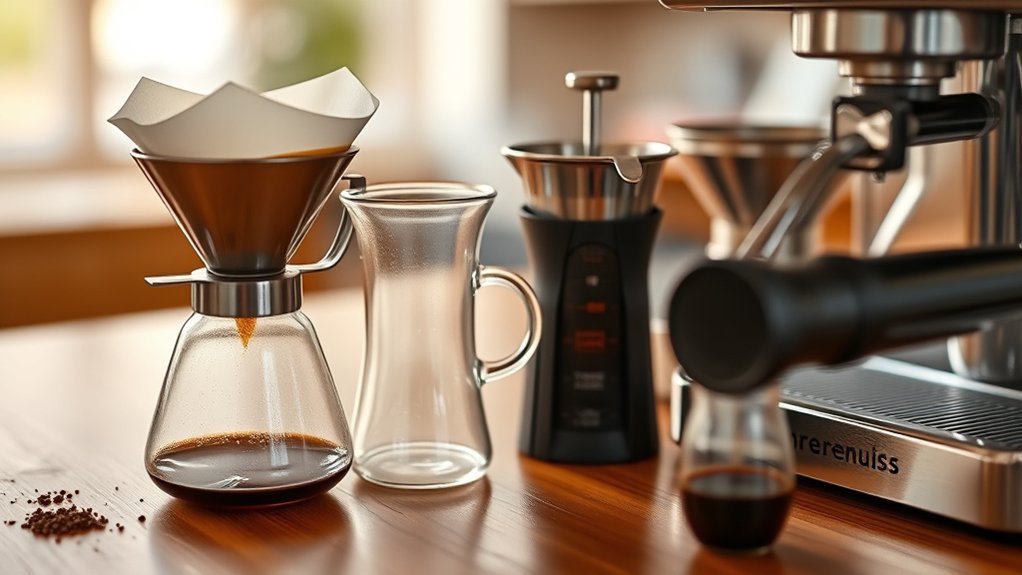
How long does it take to brew your perfect cup of coffee? Brewing time varies depending on the brew methods and coffee makers you choose, shaping your coffee experience.
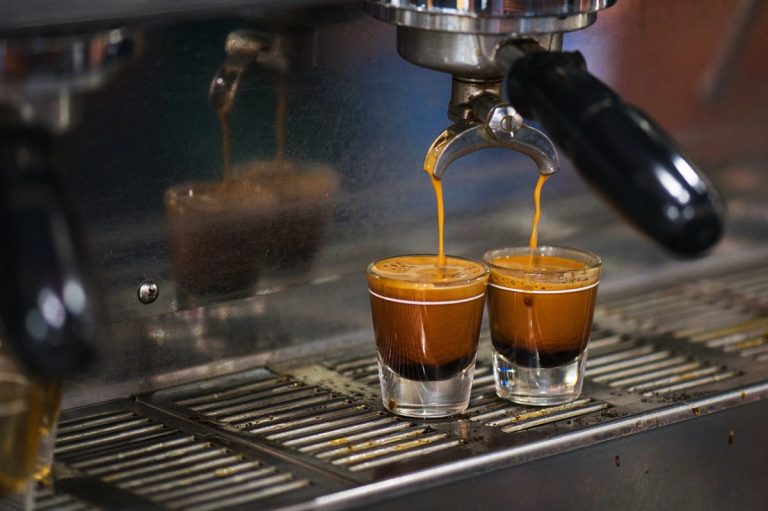
For example, espresso machines deliver a bold shot in about 25-30 seconds by forcing hot water through finely-ground coffee under pressure.
Espresso machines craft a bold shot in just 25-30 seconds using finely-ground coffee and high pressure.
AeroPress offers a quick, clean cup in 1-3 minutes using fine to medium grounds and lower water temperatures.
If you prefer a richer taste, the French Press steeps coarse grounds for 4-6 minutes before pressing.
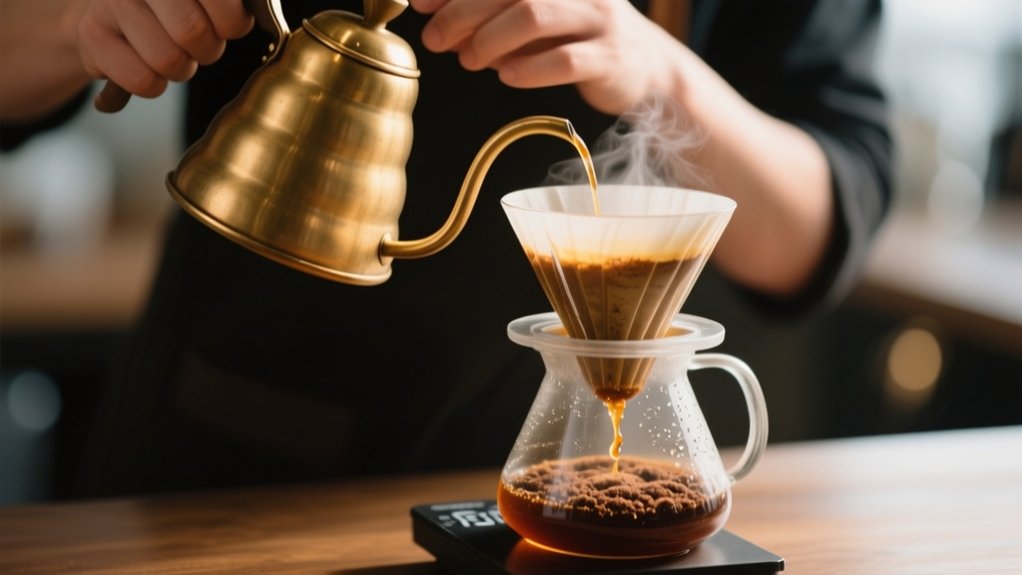
Pour-over methods require 3-4 minutes, manually pouring hot water over medium to medium-coarse grounds for a bright, clean flavor.
Drip coffee makers take 4-5 minutes, letting hot water drip through medium grounds for balance.
Each method offers a distinct brewing time tailored to your preference.
How Long Do Drip Coffee And Pour-Over Take To Brew?
Wondering how long you’ll need to wait for a fresh cup using drip coffee or pour-over methods? Drip coffee usually takes about 4-5 minutes to brew as hot water slowly drips through medium ground coffee in a filter.
Pour-over coffee is a bit quicker, generally requiring 3-4 minutes, depending on your pouring technique and water flow rate. Both methods benefit from water temperatures between 195°F and 205°F to extract the best flavors.
For pour-over, using a medium to medium-coarse grind size helps guarantee even saturation and proper extraction.
Keep in mind, adjusting your brew time affects taste. Longer brew times risk over-extraction, causing bitterness.
How Do French Press And AeroPress Brewing Times Compare?
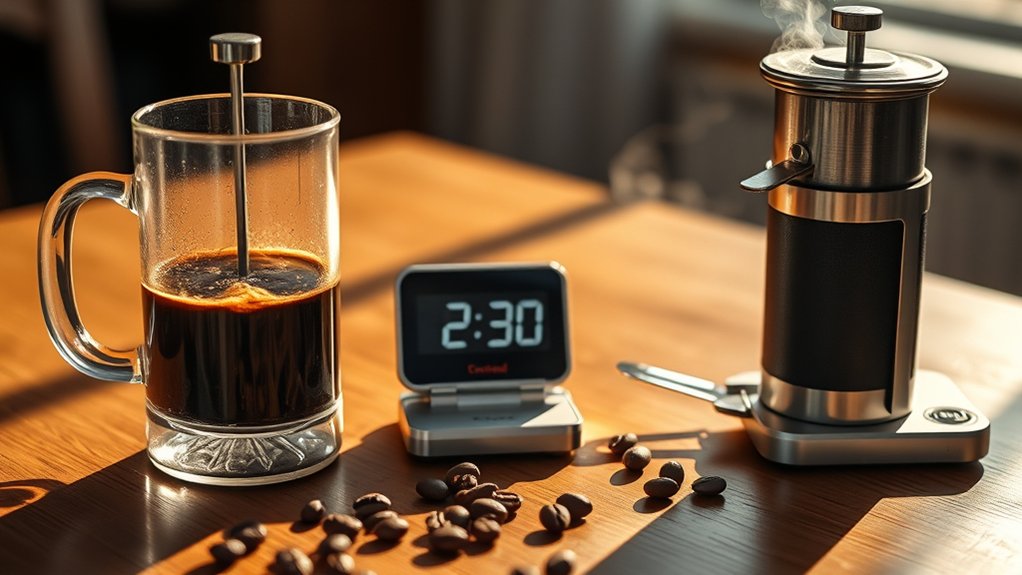
Although both French Press and AeroPress deliver great coffee, their brewing times differ considerably. You’ll spend 4 to 6 minutes with a French Press, letting coarse grounds steep to extract a rich, full-bodied flavor.
The AeroPress, on the other hand, brews much faster, just 1 to 3 minutes, using fine to medium grind sizes for a cleaner, brighter cup. This quick process involves immediate pressure rather than steeping.
| Method | Brewing Time | Grind Size | Flavor Profile |
|---|---|---|---|
| French Press | 4–6 minutes | Coarse | Rich, full-bodied |
| AeroPress | 1–3 minutes | Fine to medium | Clean, bright, low acidity |
Your choice depends on how much time you want to spend and the flavor you prefer.
What Makes Espresso Brew So Fast?
While French Press and AeroPress offer distinct brewing times and flavor experiences, espresso stands out for its remarkably quick extraction.
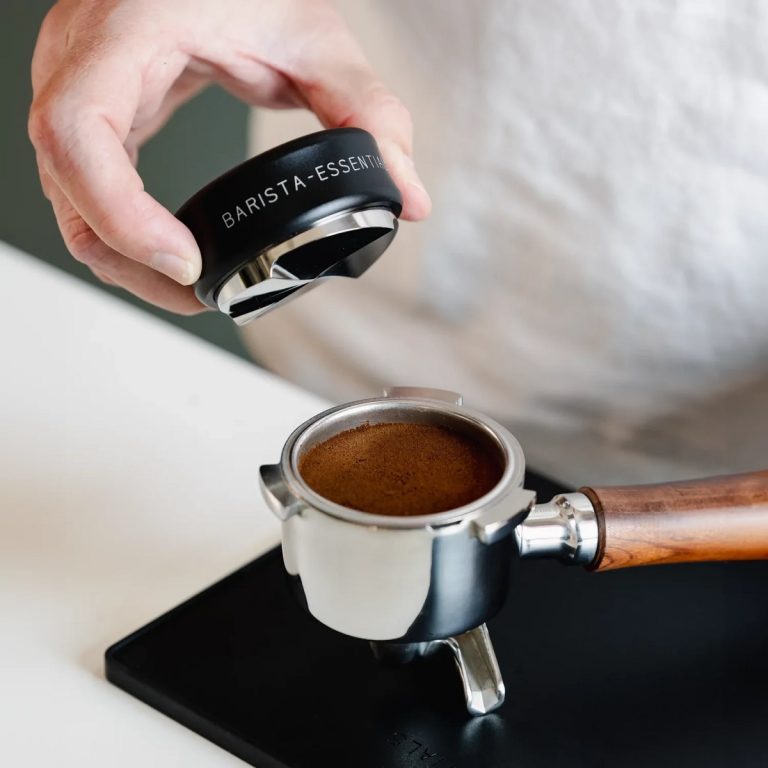
You see, espresso brewing takes just 25-30 seconds because it uses high pressure, around 9 bars, to force hot water through finely ground coffee.
The grind size is vital; espresso requires a grind resembling table salt. This allows hot water to extract flavors efficiently and quickly.
The water temperature, typically between 195°F and 205°F, also optimizes flavor extraction during this brief time.
Using about 7-9 grams of coffee per shot, the rapid brewing minimizes water exposure, reducing bitterness while enhancing sweetness.
This precise balance of pressure, grind size, and hot water temperature is what makes espresso brew so fast and flavorful.
Why Does Cold Brew Take Hours To Steep?
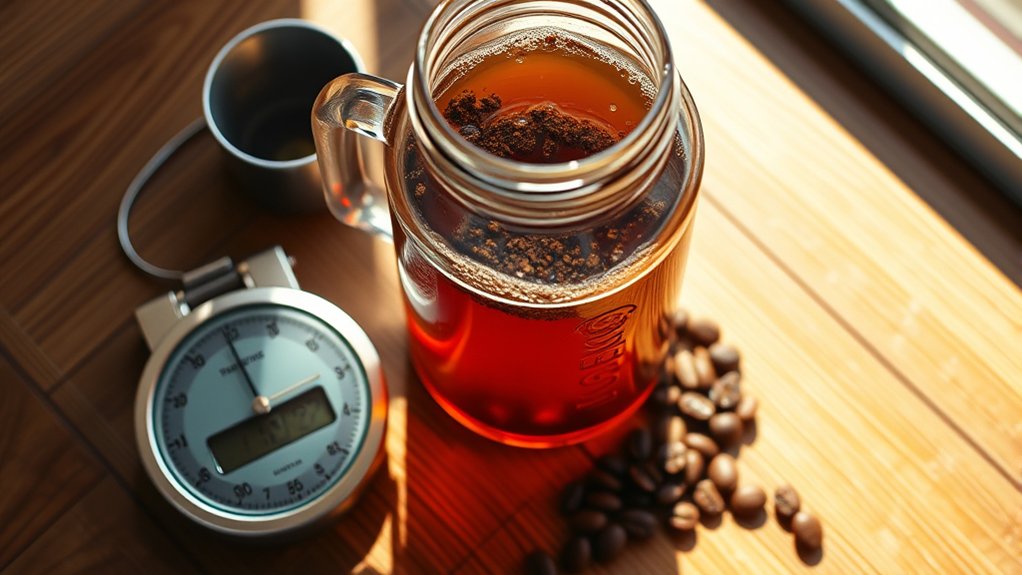
Because cold water extracts flavors much more slowly than hot water, cold brew coffee needs to steep for 12 to 24 hours to fully develop its smooth, sweet profile.
You rely on this extended steeping time to gently draw out the sugars and flavors from the coffee grounds without bitterness.
Extended steeping gently extracts sugars and flavors, ensuring a smooth cup free from bitterness.
The slower extraction process lets you enjoy a balanced, mellow cup. Here’s why patience matters:
- Cold water slows the extraction process, requiring hours to work.
- A higher coffee-to-water ratio demands more time for full flavor.
- Gradual steeping prevents sourness and harsh notes.
- Extended steeping enhances sweetness and smoothness.
How Does Grind Size Affect Coffee Brew Time?
When you adjust the grind size of your coffee, you directly influence how quickly water extracts flavors from the grounds. Finer grind sizes increase the surface area of the coffee beans, allowing water to extract flavors faster, which shortens brew time. However, this quick extraction can lead to over-extraction, making your coffee taste bitter.
On the other hand, coarser grind sizes slow water flow, requiring longer brew times to fully extract flavors without bitterness. For example, a French Press with coarse grounds needs around 4-6 minutes, while fine grounds can produce espresso in 25-30 seconds.
How Does Coffee-To-Water Ratio Influence Brew Time And Strength?
Your coffee-to-water ratio basically controls how fast the water moves through the grounds and how strong your coffee ends up tasting.
If you use more coffee relative to water, you get a thicker coffee bed, which slows down the extraction and gives you a bolder flavor. But keep in mind, that also means you’ll need to brew it longer.
On the flip side, if you go with a thinner ratio, the water passes through more quickly. This speeds up extraction and results in a lighter cup that doesn’t need as much steeping time.
Ratio Impact On Extraction
Three key coffee-to-water ratios can dramatically change how your brew extracts and tastes. The coffee-to-water ratio influences extraction time by altering how quickly water passes through the grounds. This directly affects brew strength and flavor balance.
For example, a thicker coffee bed slows extraction, enriching flavors. A thinner bed speeds it up but may need dilution.
Consider these points:
- A 1:4.5 ratio creates a stronger brew needing longer extraction time.
- A 1:11 ratio extracts faster but might taste weak without adjustment.
- Over-extraction can occur if brew time isn’t matched to ratio.
- Experimenting between 1:5 and 1:15 helps you find your perfect flavor balance.
Adjusting the ratio lets you control extraction time and brew strength effectively.
Strength Variation By Ratio
Adjusting the coffee-to-water ratio directly changes how long your brew takes and how strong it tastes. A higher brew ratio creates a thicker coffee bed, slowing water flow and requiring longer brew times across various brewing methods.
Conversely, a lower ratio speeds up extraction but yields a lighter finished brew. Experimenting lets you find the right balance between coffee to make and extraction time for your preferred strength.
| Coffee-to-Water Ratio | Effect on Brew Time & Strength |
|---|---|
| 1:4.5 | Longer steeping, stronger brew |
| 1:6 | Moderate brew time, balanced flavor |
| 1:8 | Recommended cold brew, smooth taste |
| 1:10 | Faster extraction, lighter strength |
| Below 1:10 | Quick brew, weaker finished brew |
How Does Water Temperature Change Your Brew Time?
You’ll notice water temperature really affects how fast your coffee pulls out its flavors. When the water’s hotter, extraction happens quicker—but watch out, because it can sometimes make your coffee taste bitter.
On the other hand, cooler water takes its time, letting different flavor notes come through.
Knowing the right temperature range for your brewing method is key. It helps you tweak your brew time just right, so you end up with the perfect cup every time.
Temperature Effects On Extraction
Although water temperature might seem like a simple factor, it plays a crucial role in how quickly your coffee extracts its flavors. When you adjust the temperature, you directly influence the extraction time and overall taste of your brew.
Hotter water (around 195°F to 205°F) speeds up extraction, pulling out sugars and oils that create a rich, balanced flavor. On the other hand, brewing with cold water extends extraction time, requiring patience but yielding smooth, mellow notes.
Finding the sweet spot for your method guarantees the best results.
Too hot? You risk over-extraction and bitterness.
Too cold? You face under-extraction and weak flavors.
Different brews demand unique temperatures.
Mastering this balance transforms your daily cup.
Hot Vs Cold Brewing
When you choose between hot and cold brewing, water temperature drastically changes how long your coffee takes to extract.
Hot brewing methods like drip or espresso use water between 195°F to 205°F, extracting flavors quickly within 1 to 6 minutes. This fast brew time means you get a bold, sometimes acidic cup, but watch out, over-extraction can cause bitterness.
On the other hand, cold brew coffee steeped in cold or room temperature water needs at least 12 hours, typically 16 to 20 hours, to develop its smooth, less acidic profile. The lower temperature slows extraction, requiring more time to pull out flavors.
Both methods rely on grind size and coffee-to-water ratio, but your choice between hot and cold brewing ultimately shapes your brew time and taste experience.
Optimal Temperature Ranges
Because water temperature directly influences extraction speed, choosing the right range is key to brewing a balanced cup. The ideal temperature for coffee brewing usually falls between 195°F and 205°F.
If you go below that, under-extraction happens, leaving your coffee sour and weak. Above 205°F, over-extraction can make it bitter and harsh.
Your brew time shifts with temperature. Hotter water means faster extraction, while cooler temps require longer steeping, like with cold brew.
Keep these in mind:
- Brew within 195°F–205°F for balanced flavor
- Hotter water shortens brew time
- Cooler water, like cold brew, needs extended steeping
- Adjust temperature based on your brewing method to avoid off flavors
Mastering ideal temperature transforms your extraction into a perfect cup every time.
How Can You Adjust Brew Time For Stronger Or Milder Coffee?
How long you brew your coffee can dramatically change its strength and flavor. To get a stronger cup, extend your brew time. For example, steep cold brew for 16-20 hours instead of 12.
You can also adjust the coffee-to-water ratio. A 1:4.5 ratio makes it more concentrated than 1:8. Grind size plays a key role too. A finer grind extracts flavor faster, letting you shorten brew time without losing strength.
| Brew Time | Grind Size | Coffee-to-Water Ratio |
|---|---|---|
| Longer (16-20h) | Coarse | 1:4.5 |
| Medium (12h) | Medium | 1:6 |
| Short (8-10h) | Fine | 1:8 |
Try these tweaks to balance stronger or milder coffee to your taste.
What Tips Will Help You Perfect Your Coffee Brew Time Every Time?
Mastering your coffee brew time takes practice and attention to detail. To perfect it every time, focus on key factors that influence extraction and flavor.
Start with your grind size. Coarser grounds need longer brew time, while finer ones extract faster.
Next, experiment with your coffee-to-water ratio. A thicker coffee bed slows extraction and changes the taste. Pour water steadily to control flow, which fine-tunes the brew time and flavor.
Finally, taste and adjust each batch to balance bitterness and sweetness precisely.
- Monitor your brew time according to your method
- Adjust grind size for ideal extraction speed
- Experiment with coffee-to-water ratio to influence brew time
- Taste and adjust until you nail your perfect cup
These tips guarantee your coffee brew time hits the mark every time.
Frequently Asked Questions
What Equipment Is Best for Beginners to Start Brewing Coffee?
You’ll find the French Press perfect if you want simplicity and rich flavor without fuss.
The AeroPress Guide shows you how to brew quickly and experiment with different styles, great for beginners.
If you enjoy control and clarity, try a Pour Over setup.
When you’re ready, Espresso Basics can help you explore stronger, concentrated coffee.
Start with any of these, and you’ll brew great coffee in no time.
How Does Altitude Affect Coffee Brewing Time and Flavor?
Altitude can feel like it’s playing a cosmic game with your coffee! At higher brewing altitudes, water boiling happens at lower temperatures, which slows extraction efficiency.
You’ll need to brew longer and maybe use a coarser grind to hit the right flavor profile. This adjustment helps you avoid under-extraction, which can make your coffee taste flat or sour.
Can the Type of Coffee Bean Influence Brewing Duration?
Yes, bean varieties definitely influence brewing duration.
You’ll notice lighter roast levels usually need longer brewing times to extract their delicate flavors, while darker roasts brew faster.
Grind size also plays a role.
Coarser grinds require more time, especially in cold brew methods.
Different brewing methods highlight these differences, so adjusting your time based on the bean variety, roast, and grind size helps you get the best flavor every time.
What Is the Impact of Water Quality on Coffee Extraction?
Water quality directly impacts coffee extraction by affecting flavor and balance. You’ll want to take into account water hardness and mineral content since hard water can cause bitter over-extraction, while soft water may lead to sour, under-extracted coffee.
The filter type you use can reduce impurities like chlorine, improving taste.
Also, brewing temperature interacts with these factors; balanced minerals help extract flavors efficiently at the right temperature.
How Should I Store Coffee Grounds to Preserve Freshness?
Think of your coffee grounds as precious seeds of flavor that need shelter from the storm. For ideal coffee storage, keep them in airtight containers to lock in their essence.
Avoid freezing grounds. They’re like fragile flowers that wilt in the cold, absorbing moisture and odors. Instead, store your coffee in a cool, dark place.
These freshness tips guarantee every brew bursts with vibrant taste, preserving your coffee’s soul with every sip.
Conclusion
Whether you’re watching the slow drip of a cold brew steeping for hours or savoring the rapid burst of an espresso shot in seconds, brewing coffee is all about timing. Just like a sunrise unfolding gradually versus a lightning flash, each method offers a unique experience.
By adjusting your brew time, water temperature, and coffee ratio, you’ll master the perfect balance, turning every cup into your personal moment of pure coffee bliss.