How Much Coffee in a Shot of Espresso? Perfect Measurements for Every Brew
A perfect espresso shot starts with precision and understanding of coffee measurements. Knowing the right amount of coffee ensures a balanced, flavorful, and aromatic shot every time. The quantity of coffee directly affects the taste, crema, and strength of your espresso, making it an essential factor for any coffee enthusiast or barista.
Learning [How Much Coffee in a Shot of Espresso?] allows you to consistently produce the rich, bold flavor that defines this classic coffee style. Too little coffee results in a weak, under-extracted shot, while too much can create bitterness and overpower subtle notes in the beans.
The quality of the coffee beans, grind size, and tamping pressure all work in harmony with the coffee amount. Precise measurement ensures that each shot achieves optimal extraction, highlighting the complexity and depth of the espresso.
Mastering [How Much Coffee in a Shot of Espresso?] provides the foundation for crafting not only perfect espresso but also milk-based drinks like lattes and cappuccinos. By understanding the right quantity, you can enjoy espresso that is consistently smooth, balanced, and satisfying.
Standard Espresso Measurements
Understanding standard espresso measurements is essential for consistently brewing a flavorful and balanced shot. Accurate dosing, extraction time, and volume affect aroma, body, and crema. Mastering these measurements allows you to create espresso that is both enjoyable on its own and as a base for milk-based drinks. By focusing on precision, you can achieve reliable results with every shot.
Coffee Dose for Espresso
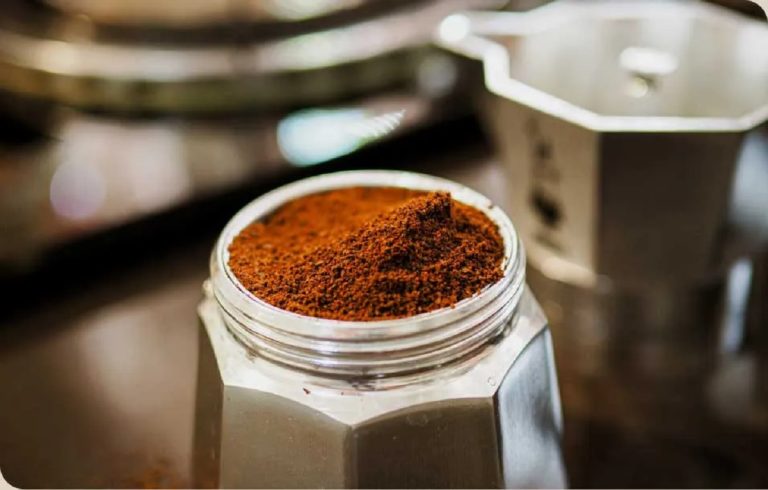
The coffee dose refers to the amount of ground coffee used in the portafilter. For a single shot of espresso, the standard dose is typically 7 to 9 grams, while a double shot usually uses 14 to 18 grams. Measuring coffee accurately with a digital scale ensures consistency in flavor and strength.
The dose affects extraction quality. Too little coffee may lead to under-extraction, producing a weak and sour taste, while too much can result in over-extraction and a bitter, harsh cup. Adjusting the dose allows you to tailor espresso strength to personal preference.
Using a consistent dose also aids in replicating your favorite recipes and maintaining balance when preparing multiple cups. Paying attention to the coffee dose is the foundation for standard espresso measurements and a quality espresso experience.
Water Volume and Shot Size
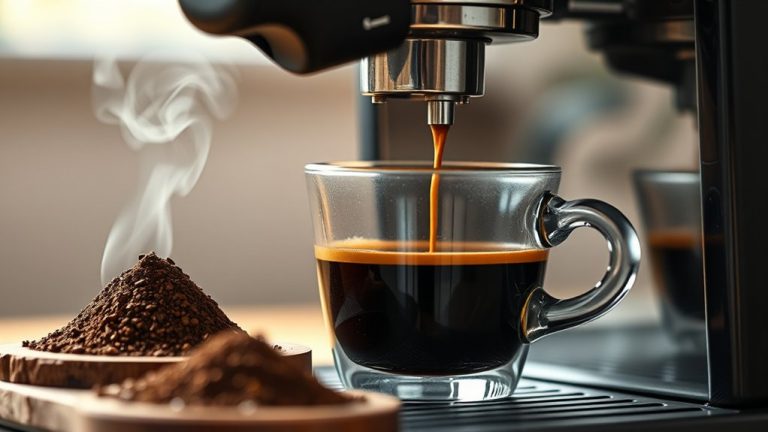
A standard espresso shot typically yields 25–30 milliliters for a single shot and 50–60 milliliters for a double shot. The volume of water passing through the coffee grounds affects strength, body, and flavor extraction. Accurate measurement of water ensures consistent results.
Extraction time is closely linked to water volume. Ideally, a shot takes around 25–30 seconds for proper extraction. Slower or faster flow rates can disrupt balance, causing either sour or bitter flavors. Maintaining correct volume and timing ensures a smooth, well-rounded espresso with a rich crema.
Understanding water volume also helps in adjusting recipes for different espresso-based drinks. For example, a ristretto uses less water for a concentrated shot, while a lungo uses more for a milder flavor. Knowing standard volumes helps you customize espresso to your taste.
Brew Ratio and Extraction Control
The brew ratio, the relationship between coffee dose and water output, is critical for standard espresso measurements. A typical ratio for a single shot is 1:2, meaning the final espresso volume is roughly twice the weight of the coffee used. Maintaining this ratio ensures balanced flavor, sweetness, and body.
Monitoring extraction parameters, such as grind size, tamping pressure, and water temperature, helps control the shot. Fine-tuning these variables ensures the desired balance and prevents under- or over-extraction. A proper brew ratio delivers consistent espresso with the ideal crema, strength, and aromatic profile.
Adjusting the ratio slightly allows personalization without compromising quality. Tracking these measurements ensures repeatable results, whether brewing solo shots or multiple espresso drinks in succession.
Temperature and Pressure Considerations
Espresso extraction requires high pressure, typically around 9 bars, and water heated between 195–205°F. These factors influence solubility and flavor extraction. Stable temperature and pressure contribute to consistent crema, smooth texture, and full-bodied flavor.
Incorrect temperature can result in bitterness or sourness, while unstable pressure affects flow and extraction uniformity. Using calibrated espresso machines ensures repeatable performance. Consistency in these parameters complements standard coffee dose and water volume, creating balanced espresso.
Attention to temperature and pressure is vital for achieving professional-quality shots at home or in a café setting. Together with precise measurements of dose, volume, and brew ratio, these factors define the standard for espresso excellence.
Factors Affecting Coffee Amount in Espresso
The amount of coffee used in an espresso shot is influenced by several key factors. Understanding these elements ensures you achieve the perfect balance of flavor, strength, and crema. From bean type to grind size and brewing method, each variable plays a crucial role in determining the ideal coffee dose for your espresso. Paying attention to these factors helps create consistently high-quality shots tailored to your taste.
Bean Type and Roast Level
The type of coffee beans and their roast level significantly affect the amount needed for espresso. Arabica beans, known for their mild flavor and subtle complexity, often require precise dosing to highlight their aromatic notes. Robusta beans, with higher caffeine content and stronger flavors, can tolerate slightly higher doses to balance their intensity.
Roast level also influences extraction. Lightly roasted beans are denser and less soluble, requiring careful measurement and potentially slightly higher doses to achieve balanced flavor. Dark roasts, being more porous and soluble, may require slightly less coffee for optimal extraction. Considering both bean type and roast ensures that your espresso shot reflects the intended flavor profile and body.
Grind Size and Consistency
Grind size directly impacts extraction and the amount of coffee required. Finer grinds increase surface area, allowing water to extract flavors quickly, while coarser grinds slow extraction. Using too fine a grind without adjusting the coffee amount can lead to over-extraction and bitterness, whereas too coarse a grind may under-extract, producing weak, sour espresso.
Consistency in grind is equally important. Uneven particles can cause channeling, where water flows unevenly through the grounds, resulting in inconsistent flavor. Using a burr grinder rather than a blade grinder helps achieve uniform particle size, ensuring that the coffee amount used interacts properly with water for balanced extraction and ideal crema.
Tamping Pressure and Portafilter Technique
How you tamp the coffee in the portafilter affects the extraction and, indirectly, the amount of coffee you should use. Firm, even tamping compresses the grounds, creating resistance for the pressurized water. Light or uneven tamping can lead to channeling, under-extraction, and weaker espresso.
The coffee amount must complement your tamping style. Using the right dose ensures that water flows evenly, optimizing flavor, crema, and strength. Adjusting the dose based on tamping consistency allows you to maintain balanced extraction and avoid bitterness or sourness, resulting in a consistently satisfying espresso experience.
Water Temperature and Pressure
Water temperature and pressure are crucial factors affecting coffee amount. Optimal espresso extraction occurs between 195–205°F with around 9 bars of pressure. Variations in these parameters influence solubility and the ideal dose needed to achieve balanced flavor.
If water is too hot, it can over-extract even a standard coffee dose, producing bitterness. If too cool, under-extraction can occur, making the shot weak despite using the correct amount of coffee. Understanding your espresso machine’s temperature and pressure characteristics allows you to adjust the coffee dose to maintain consistent flavor and aroma.
Cup Size and Beverage Type
The type of espresso-based drink you are making also determines the amount of coffee used. A single shot requires 7–9 grams of coffee, while a double shot uses 14–18 grams. Milk-based drinks, like lattes or cappuccinos, often use double shots to maintain flavor balance with the added milk.
Adjusting coffee dose based on cup size ensures that the espresso’s strength and flavor profile are preserved. Knowing how each drink interacts with coffee amount helps create a consistent experience whether serving a straight espresso or a complex milk-based beverage.
Measuring Coffee for Espresso at Home
Brewing espresso at home requires precision, and measuring coffee accurately is one of the most important steps. The right amount of coffee ensures balanced flavor, proper extraction, and a rich crema. Home brewing may lack the consistency of commercial machines, but with attention to measurement, you can achieve espresso that rivals your favorite café. Understanding proper dosing and tools allows you to enjoy reliable, high-quality espresso at any time.
Using a Digital Scale for Accuracy
A digital kitchen scale is the most effective tool for measuring coffee at home. Unlike scoops, which can vary in density and size, a scale provides precise measurements in grams. For a single espresso shot, 7–9 grams of ground coffee is standard, while a double shot uses 14–18 grams.
Using a scale ensures repeatable results, so every cup matches your preferred strength and flavor. It also allows you to adjust doses gradually for experimentation, helping you fine-tune your espresso at home. Consistent weighing improves extraction and prevents under- or over-extraction, which can compromise taste and body.
Digital scales also simplify measuring water-to-coffee ratios. By weighing both coffee and water, you maintain proper balance and consistency, ensuring a smooth, flavorful espresso. A small investment in a reliable scale can dramatically improve your home espresso experience.
Measuring Coffee with Scoops
While a scale is preferred, standardized coffee scoops can also work for home espresso. A typical scoop holds about 7 grams of coffee, approximating a single shot. Using scoops provides convenience, especially for quick daily preparation.
Consistency is key when using scoops. Always level the scoop and avoid compacting the coffee too tightly, as this can alter the dose. Using the same scoop for each shot helps maintain flavor consistency, though it may not be as precise as weighing with a scale.
Scoops are a helpful tool for beginners or casual home brewers. However, for serious espresso enthusiasts, combining scoops with occasional weighing ensures accuracy and control over extraction and taste.
Adjusting Dose for Personal Preference
Even at home, small adjustments in coffee amount can significantly change flavor. For a stronger espresso, slightly increase the dose, while reducing it produces a milder cup. Tracking these adjustments allows you to recreate your preferred strength consistently.
Grind size and tamping pressure also interact with the dose, so minor tweaks may be necessary to achieve optimal extraction. Using freshly ground coffee enhances flavor, as pre-ground coffee loses oils and aroma over time.
By measuring carefully and adjusting based on taste, you can develop a reliable home espresso routine that suits your personal preferences. Monitoring dose and extraction improves both consistency and satisfaction in every cup.
Tips for Consistent Home Measurement
To ensure reliable results, always use the same measurement method. Weigh coffee grounds, maintain consistent tamping, and check water volume. Store beans in airtight containers to preserve freshness and flavor.
Combining accurate measurement with fresh grinding and attention to brewing parameters guarantees that your home espresso is flavorful, balanced, and aromatic. Over time, this consistency allows you to experiment confidently, knowing your base measurements are precise.
FAQs
How Much Coffee in a Shot of Espresso Should I Use?
When you make a shot of espresso, the amount of coffee you use is crucial for flavor and strength. Typically, a single shot requires about 7 to 9 grams of finely ground coffee. Using less coffee may result in a weak, watery taste, while too much can make the espresso bitter or cause over-extraction.
It’s important to measure the coffee with a scale rather than relying on spoons. Adjusting the amount slightly allows you to tailor the intensity to your personal preference without compromising the crema or body of the shot.
Does The Coffee Amount Change For Double Shots?
Yes, a double shot of espresso generally requires around 14 to 18 grams of coffee. Doubling the coffee ensures that the espresso maintains its rich flavor and full body. Simply using a standard single shot’s amount for a double shot can lead to a weak and underwhelming espresso.
Keep in mind that your espresso machine’s basket size and pressure can affect extraction. Adjusting the grind size along with the coffee amount helps achieve the ideal balance for a smooth, flavorful double shot every time.
How Do I Measure The Coffee For An Espresso Shot?
The most accurate way to measure coffee is with a digital kitchen scale. You should weigh your coffee before tamping to ensure consistency in every shot. Measuring by volume, like using a tablespoon, is less precise because coffee grounds can vary in density.
Consistency in measurement affects the espresso’s strength, taste, and crema. Once you find the right weight for your preferred flavor, you can replicate it reliably. Always remember that slight adjustments might be needed based on the coffee type and roast level.
Can The Coffee Amount Affect Espresso Taste?
Absolutely. The amount of coffee directly influences the strength, aroma, and balance of flavors in your espresso. Using too little coffee can create a weak and acidic shot, while too much can cause over-extraction, bitterness, or a burnt taste.
Finding the right coffee weight ensures a smooth and balanced espresso with rich crema and body. You can experiment with small variations to suit your taste, but staying within the standard range for a single or double shot is key to maintaining consistent results.
Does Grind Size Impact How Much Coffee I Should Use?
Yes, grind size significantly affects how much coffee you need. Finer grinds allow water to extract flavors efficiently, so slightly less coffee may be needed. Coarser grinds require more coffee or longer extraction to achieve the same strength and flavor.
It’s important to match your grind size with your espresso machine and shot size. Using the correct grind along with the right coffee weight ensures a perfect balance between flavor, strength, and crema. Experimenting carefully helps you avoid under or over-extraction.
How Can I Adjust Coffee Amount For Stronger Espresso?
If you want a stronger espresso, you can slightly increase the coffee weight or adjust the grind size to be finer. Increasing the amount of coffee increases the concentration of flavors, making the shot richer and more robust.
However, be careful not to overdo it, as too much coffee or too fine a grind can cause over-extraction and bitterness. Experimenting gradually while tasting each shot allows you to find the perfect balance that suits your personal preference without compromising texture or crema.
Conclusion
Understanding the precise amount of coffee used is essential for creating a well-balanced and flavorful espresso. The right dose influences every aspect of the shot, from strength and body to aroma and crema. Paying attention to coffee measurements allows you to achieve consistent results and ensures that each shot delivers the full richness of the beans.
Knowing [How Much Coffee in a Shot of Espresso?] provides a foundation for both beginners and experienced home baristas. With a standard single shot requiring 7–9 grams of ground coffee and a double shot 14–18 grams, you can adjust the dose slightly to match personal taste preferences without compromising extraction quality. Proper measurement also enhances your ability to experiment with different beans, roast levels, and brewing techniques.
Mastering [How Much Coffee in a Shot of Espresso?] makes it easier to create espresso-based drinks like cappuccinos, lattes, or macchiatos with consistency. By combining precise dosing, grind size, and brewing parameters, you can enjoy espresso that is rich, balanced, and tailored perfectly to your flavor expectations.