How Many Cups of Coffee in a Pot? Simple Guide to Perfect Brewing
Brewing coffee at home can feel like an art, especially when trying to serve the perfect amount for friends, family, or just yourself. Understanding the capacity of your coffee pot is essential to avoid wasting coffee or running short during those busy mornings. Many coffee drinkers often wonder about the ideal amount to brew, and this question naturally leads to understanding [How Many Cups of Coffee in a Pot?].
Coffee pots come in various sizes, from small 4-cup machines to large 12-cup brewers, and the number of actual servings can vary depending on how strong you like your coffee. Measuring your coffee and water accurately ensures consistency in taste and avoids bitter or watery results.
Knowing the right quantity also helps in planning for gatherings, office settings, or casual coffee breaks. It allows you to balance efficiency with enjoyment, ensuring everyone gets their desired cup without brewing too much.
By learning about [How Many Cups of Coffee in a Pot?], you gain better control over your brewing process and can enjoy a satisfying coffee experience every time. Accurate knowledge makes daily coffee routines simpler and more enjoyable.
Understanding Coffee Pot Sizes
Choosing the right coffee pot size is crucial for brewing the perfect amount of coffee each time. Coffee pots come in a variety of capacities, ranging from small personal brewers to large machines designed for offices or gatherings. Understanding the size of your coffee pot helps you plan your coffee consumption, avoid wastage, and ensure consistent flavor. Knowing how much coffee your pot can hold also makes it easier to measure coffee grounds and water accurately for the best results.
Small Coffee Pots: Ideal for Solo Use
Small coffee pots typically range from 4 to 6 cups, making them perfect for individuals or couples. These compact brewers are easy to handle, require less cleaning, and are ideal for those who enjoy coffee throughout the day without brewing excess. Despite their smaller size, measuring the right amount of coffee grounds and water is essential for maintaining flavor balance. Many small coffee pots are compatible with single-serve filters, providing convenience without sacrificing taste.
A key advantage of small coffee pots is their ability to brew fresh coffee quickly, reducing waiting time in the morning. These pots are also great for apartments, dorms, or small kitchens where counter space is limited. While they might not be suitable for hosting guests or office use, they provide excellent control over coffee strength. Additionally, small pots often feature programmable settings, allowing users to schedule brewing times and enjoy a hot cup as soon as they wake up.
The brewing process in a small pot can also influence flavor. Because the water-to-coffee ratio is easier to control, the resulting brew is often more consistent than in larger pots. For coffee enthusiasts who prefer a precise flavor profile, small coffee pots are a reliable choice. They also tend to be more energy-efficient, using less water and electricity for each brew. Overall, these compact machines are designed for simplicity, speed, and fresh coffee with minimal effort.
Medium Coffee Pots: Balancing Quantity and Convenience
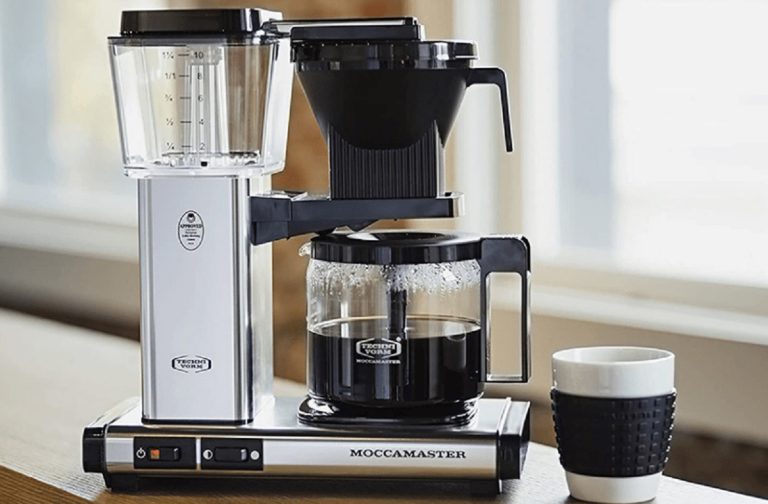
Medium-sized coffee pots usually brew 8 to 10 cups, making them suitable for small families or occasional entertaining. These pots strike a balance between convenience and volume, allowing users to make enough coffee without overbrewing. Proper measurement of coffee grounds is crucial in medium pots, as too much or too little can alter taste significantly. Many models come with features like pause-and-serve and warming plates, enhancing usability and flexibility.
Medium coffee pots are often chosen by households that need more coffee than a small pot provides but don’t want the bulk of a large brewer. They offer versatility, making it easy to brew enough coffee for breakfast, small gatherings, or daily routines. Their design accommodates a larger carafe, which can keep coffee warm for extended periods without losing flavor. These machines are often equipped with programmable timers and adjustable brew strengths to cater to different preferences.
The convenience of medium coffee pots also comes from their ability to maintain consistent taste across multiple servings. Unlike large pots, which can sometimes produce weaker coffee toward the end of a batch, medium-sized machines usually provide a more uniform brew. Their size makes them ideal for kitchens with moderate counter space, offering a practical solution for households that regularly consume coffee.
Medium pots also allow flexibility in coffee types, accommodating ground coffee, pods, or even specialty blends. With the right brewing technique, they deliver a satisfying flavor for multiple cups, making them an ideal choice for both casual and serious coffee drinkers. Their balance of size, efficiency, and flavor consistency ensures they remain a popular choice in many homes.
Large Coffee Pots: Perfect for Groups and Offices
Large coffee pots can brew 12 to 16 cups or more, catering to offices, parties, or large families. These machines are designed to handle high-volume brewing while maintaining consistent flavor across all cups. Understanding the water and coffee ratio is particularly important in large pots, as small deviations can affect the strength and taste of the entire batch. Many large pots include programmable settings, multiple warming zones, and advanced filtration systems to improve usability and quality.
Large coffee pots are ideal for situations where multiple people need coffee simultaneously. They allow hosts to serve guests efficiently without constantly brewing additional batches. The large capacity also makes them suitable for workplace environments where coffee consumption is high throughout the day. Features like thermal carafes and insulated brewing chambers help maintain temperature and freshness, preventing the last cup from being weaker than the first.
While large coffee pots offer convenience and quantity, they require more attention in cleaning and maintenance. Regular descaling and proper filter management are essential to preserve the flavor profile. The water-to-coffee ratio must be adjusted carefully, as the margin for error increases with volume. Overloading a large pot with coffee grounds can result in overly strong or bitter coffee, while underfilling can produce weak, diluted cups.
Despite the extra care required, large coffee pots provide unmatched convenience for high-demand settings. They combine efficiency with consistency, ensuring everyone gets a hot, flavorful cup. Their robust design and advanced features make them a staple in offices, cafes, and homes with frequent gatherings, offering both practicality and performance.
Choosing the Right Size for Your Needs
Selecting the right coffee pot size depends on your lifestyle, household size, and coffee-drinking habits. Small pots are perfect for solo drinkers, medium pots work well for families or moderate gatherings, and large pots are ideal for high-volume environments. Understanding how much coffee your pot can produce ensures you brew efficiently, minimize waste, and enjoy consistent flavor. Measuring coffee grounds and water according to your pot’s capacity is key to achieving the best results.
Considering your daily coffee consumption and the number of people you typically serve can guide your choice. Counter space, cleaning convenience, and brewing speed are also important factors. By selecting the right coffee pot size, you make your brewing experience more enjoyable and tailored to your specific needs. Proper knowledge of your coffee pot’s capacity allows you to plan better, brew smarter, and savor every cup.
Calculating the Number of Cups
Knowing how many cups of coffee a pot can yield is essential for planning and consistent brewing. Accurately calculating the number of cups ensures you make the right amount of coffee for your needs, whether it’s for a solo morning cup or a gathering with friends. Understanding this calculation also helps in measuring coffee grounds and water correctly for optimal flavor and strength.
Understanding Coffee Measurements
Calculating the number of cups starts with understanding standard coffee measurements. Most coffee makers define a “cup” as 5 to 6 ounces, which is smaller than a standard drinking cup. To get an accurate count, you must consider the pot’s total capacity in ounces and divide it by the size of the cup you intend to serve. For example, a 12-cup coffee pot typically holds 60 ounces of coffee. Dividing this by 6 ounces per cup gives you 10 actual servings. Knowing these measurements helps you adjust the coffee-to-water ratio, preventing overly strong or weak brews.
Different coffee pots and brands may vary in their cup definitions, so always check the manufacturer’s guidelines. Using a measuring cup to confirm your coffee pot’s capacity ensures precision. Paying attention to measurements also helps maintain consistency in taste, especially when brewing multiple pots in a day or for events. The goal is to balance quantity with flavor, ensuring each cup meets your expectations.
Calculating for Different Pot Sizes
Once you know your pot’s capacity, the next step is calculating how many cups it can produce for various scenarios. Small pots, usually around 4 to 6 cups, may yield 3 to 5 actual servings depending on the cup size. Medium pots, holding 8 to 10 cups, often provide 6 to 8 servings. Large pots, with 12 to 16 cups, may produce 10 to 14 actual cups of coffee. Accurate calculation ensures you brew neither too little nor too much coffee, avoiding waste and maintaining freshness.
For households or offices that serve multiple people, this calculation is particularly useful. It allows you to plan brewing times, coffee grounds, and water quantities efficiently. Overestimating can lead to leftover coffee that loses flavor, while underestimating may leave guests waiting for another batch. Using the calculation method, you can make precise adjustments to match your needs without compromising taste or strength.
Adjusting for Coffee Strength
The number of cups you calculate also depends on the desired coffee strength. Stronger coffee requires slightly more grounds per cup, which may reduce the total number of cups from a full pot. Conversely, lighter coffee allows you to stretch a pot to serve more cups. By factoring in strength preferences, you can tailor your calculations to match taste while ensuring every cup is enjoyable.
Measuring coffee grounds accurately is critical. Standard ratios suggest one to two tablespoons of coffee per six ounces of water, but personal preference can shift this balance. Adjusting the grind size or brew time can also impact flavor, so combining these factors with cup calculations helps create the perfect pot of coffee. Tracking these details over time allows for consistent results every brew.
Using Simple Formulas for Efficiency
A simple formula makes calculating cups easier: divide the pot’s total ounces by your preferred cup size in ounces. This approach provides a quick reference to determine servings before brewing. Keeping a small notebook or digital log of your calculations can help track your favorite ratios, pot sizes, and desired strengths.
This method is especially handy for gatherings, offices, or households with varying coffee drinkers. Knowing exactly how many cups a pot can produce allows for smooth preparation, better planning, and reduced waste. Applying these calculations regularly ensures efficiency and consistent coffee enjoyment without guesswork.
Adjusting for Different Coffee Types
Different types of coffee require adjustments in brewing to achieve the perfect flavor and strength. Whether you’re using light roast, dark roast, or specialty blends, understanding how each coffee type interacts with water, grind size, and pot capacity is essential. Making these adjustments ensures that each cup meets your taste expectations and that your coffee pot yields the right number of servings.
Light Roast and Mild Coffees
Light roast coffees are typically more delicate and retain subtle flavor notes that can be lost if brewed too strongly. When using a light roast, slightly reduce the amount of coffee grounds per cup to avoid overpowering bitterness. Light roasts often require a finer attention to water temperature, ideally between 195°F and 205°F, to bring out their natural flavors. Over-extraction can easily happen, resulting in a harsh taste rather than a smooth, balanced cup.
For small and medium coffee pots, using measured coffee grounds and water ratios is critical. A medium pot brewing 8 cups of light roast may need 1 to 1.5 tablespoons per 6-ounce serving instead of the standard 2 tablespoons used for darker roasts. Light roasts also benefit from consistent brewing time; too long in contact with hot water can dull their vibrant flavors. Adjusting these factors ensures that your pot produces multiple cups of evenly balanced coffee.
Light roasts pair well with water that is filtered and free from strong mineral tastes, as these can interfere with their delicate profiles. Using freshly ground beans further enhances the aroma and complexity of each cup. Monitoring your brewing process allows you to consistently replicate the desired taste across multiple pots, making light roast brewing both precise and enjoyable.
Dark Roast and Bold Coffees
Dark roast coffees have a stronger, more robust flavor that can handle slightly higher ratios of coffee grounds to water. For dark roasts, 1.5 to 2 tablespoons per 6-ounce serving works well, ensuring the coffee is bold without being overly bitter. The natural oils and darker roast characteristics make them less sensitive to minor variations in brewing time or water temperature.
When using medium or large pots for dark roasts, slightly increasing the coffee-to-water ratio ensures that flavor remains strong across all cups. Dark roasts can withstand longer brewing times without losing their profile, but over-extraction should still be avoided to prevent harshness. Proper measurement and monitoring of brewing parameters help maintain a rich, full-bodied flavor for every cup.
Dark roast coffee is ideal for office or group settings because its bold flavor translates well even in larger batches. These coffees also pair well with milk or cream, which can slightly mellow the intensity. Adjusting brew strength based on cup size ensures that everyone enjoys a satisfying cup, regardless of pot capacity or number of servings.
Specialty Coffees and Blends
Specialty coffees, including flavored or single-origin blends, require careful adjustments to retain their unique characteristics. These coffees often need precise grind size, exact brewing temperatures, and carefully measured coffee-to-water ratios to highlight their distinct notes. Over- or under-brewing can obscure the delicate flavors that make these coffees unique.
For larger coffee pots, divide the coffee grounds evenly across the total water volume to ensure consistent taste in each cup. Single-origin beans with fruity or floral notes may need slightly cooler water or shorter brewing time compared to traditional blends. Paying attention to these factors ensures that each cup delivers the intended aroma, acidity, and complexity.
Blends with bold and mild beans together require balancing ratios to avoid overpowering or underwhelming the flavor profile. Tracking your adjustments for each coffee type allows you to refine the process over time, making it easier to achieve consistency across small, medium, and large coffee pots.
Tools to Help Measure Coffee Cups
Measuring coffee accurately is key to brewing consistent and flavorful cups. Various tools make this process easier, ensuring the right balance between coffee grounds and water for every pot. Whether you are brewing a small solo cup or a large batch for gatherings, the right measurement tools help maintain quality, reduce waste, and simplify the brewing process.
Measuring Scoops and Spoons
Measuring scoops and spoons are the simplest and most common tools for portioning coffee. Standard coffee scoops are designed to hold approximately two tablespoons of coffee, which is generally one serving for a six-ounce cup. Using a scoop eliminates guesswork, allowing you to maintain consistency in every pot you brew.
These scoops come in various sizes, including adjustable versions for different cup sizes or personal strength preferences. For medium or large coffee pots, using scoops ensures that you add the correct amount of coffee grounds to match the water volume. Even minor variations in measurement can impact the taste, so having a dedicated scoop helps maintain a balanced brew. Scoops are also portable and easy to clean, making them ideal for both home and office use.
Using spoons instead of scoops is an option but requires careful attention, as spoon sizes can vary. Many coffee enthusiasts prefer using a standard scoop to avoid inconsistent results. Keeping a scoop handy near your coffee machine helps streamline the brewing process and ensures your coffee strength is uniform every time.
Digital Coffee Scales
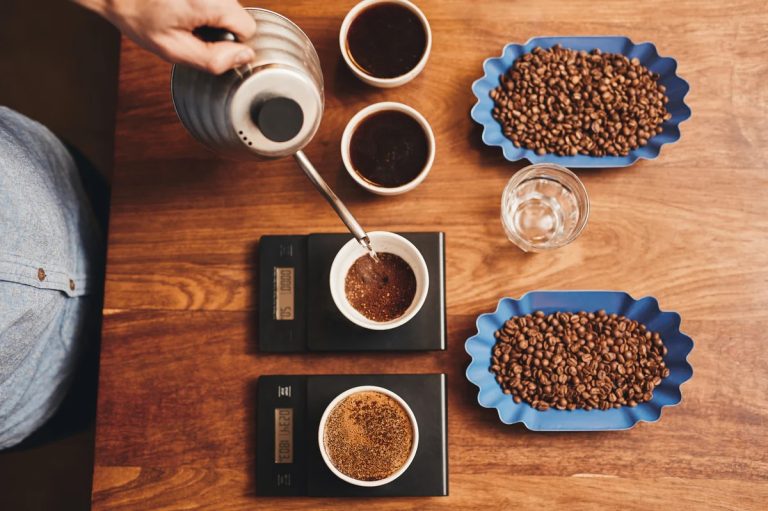
Digital coffee scales provide precise measurements in grams or ounces, offering greater control over the brewing process. Unlike scoops, scales allow you to measure both coffee grounds and water accurately, which is particularly useful for specialty coffees or when brewing large pots. By using a scale, you can replicate the same strength and flavor across multiple batches.
Scales often feature tare functions, letting you zero out the container weight for accurate measurements. This precision ensures that each cup maintains consistent flavor, even when adjusting for pot size or coffee type. Many digital scales are compact, easy to use, and compatible with a variety of coffee brewing methods, including pour-over, French press, and drip machines.
Using a scale also makes it easier to experiment with coffee-to-water ratios. Adjusting by small increments allows you to find the ideal strength without wasting coffee. For larger pots, a scale ensures that the total coffee grounds match the water volume accurately, providing even extraction and consistent taste for every cup.
Measuring Cups and Water Markings
Measuring cups or carafes with water markings are also helpful tools. These ensure the correct amount of water is added relative to the coffee grounds, which is critical for flavor consistency. Most coffee makers have markings for standard “cups,” but verifying with a measuring cup can provide more precise results.
Using a measuring cup allows you to account for variations in pot capacity and cup size. This is particularly useful for large coffee pots or when brewing different coffee types, as some require slightly more or less water to achieve the ideal strength. Combining water measurements with scoops or scales ensures every cup is balanced and flavorful.
These tools also help prevent overfilling the coffee pot, reducing the risk of spills or weak coffee. Monitoring water volume is essential, especially in medium and large pots, where slight differences can noticeably affect taste. Accurate water measurement paired with coffee ground measurement guarantees optimal extraction and satisfaction in every cup.
FAQs
How Many Cups of Coffee Are Actually In a Coffee Pot?
The number of cups in a coffee pot depends on how the manufacturer defines a “cup” and the size of your pot. Standard coffee cups are usually 5 to 6 ounces, not the 8-ounce drinking cups many people use. For example, a 12-cup coffee pot typically holds about 60 ounces of coffee, which would be roughly 10 actual servings.
To get accurate servings, measure the pot’s total liquid capacity and divide it by your preferred cup size. This ensures you brew the right amount without overfilling or wasting coffee.
Does The Type of Coffee Pot Affect How Many Cups You Can Make?
Yes, the type of coffee pot has a direct effect on the number of cups it can brew. Small pots usually make 4 to 6 cups, medium pots 8 to 10, and large pots 12 to 16 cups or more. Each size has its own water capacity, which determines how many servings you’ll get.
You also need to adjust coffee grounds accordingly. Larger pots require more grounds to maintain proper strength, while smaller pots need less. Knowing your pot type helps you avoid weak or overly strong coffee.
How Do You Calculate The Number of Cups in a Pot?
Calculating cups involves knowing the total ounces your coffee pot holds and the size of the cup you want to serve. Divide the pot’s capacity by your preferred cup size to find the actual number of servings. For instance, a 60-ounce pot divided by 6 ounces per cup yields 10 cups.
This method allows you to adjust for different pot sizes or cup measurements. It also helps maintain the coffee-to-water ratio for consistent flavor every time you brew.
Can Different Coffee Types Affect How Many Cups You Can Brew?
Yes, the type of coffee you use can influence the number of cups. Stronger coffees like dark roasts require slightly more grounds per cup, which may reduce the total number of servings. Lighter roasts use less coffee per cup, allowing you to stretch a pot further.
Additionally, specialty blends or flavored coffees may need precise measurement to avoid overpowering or weak flavors. Adjusting the amount of grounds based on the coffee type ensures consistent taste while calculating the right number of cups.
Is There A Difference Between Coffee Cups and Regular Drinking Cups?
Yes, there is a difference. Coffee cups are usually smaller, around 5 to 6 ounces, whereas standard drinking cups are often 8 ounces. Many people overestimate the number of servings if they use regular cups to measure coffee.
Understanding this difference is key to accurately determining how many cups a pot can produce. Measuring your coffee in standard coffee cup sizes ensures proper water-to-coffee ratios and consistent flavor across all servings.
How Can I Ensure Consistent Coffee Strength Across Cups?
To maintain consistent strength, measure both coffee grounds and water carefully. Using scoops, measuring cups, or a digital scale helps you achieve precise ratios. Divide the total water evenly and adjust the coffee grounds based on pot size and cup quantity.
Consistency is also influenced by coffee type, grind size, and brewing time. Keeping track of these variables ensures that every cup from your pot has the same taste, strength, and aroma, whether you’re brewing for one or multiple people.
Does The Cup Size I Choose Affect How Many Cups a Pot Makes?
Absolutely. Choosing a larger cup size reduces the total number of servings, while smaller cups increase them. For example, a 60-ounce pot yields 10 cups of 6 ounces each but only 7 or 8 cups if you use 8-ounce mugs.
Adjust your measurements accordingly to maintain flavor. Knowing your cup size allows you to calculate the exact number of servings your pot can provide and ensures you brew just the right amount of coffee every time.
Conclusion
Brewing coffee at home or for a group can sometimes be confusing, especially when trying to estimate the right amount. Knowing the right measurements ensures you don’t end up with coffee that’s too weak or too strong. By understanding your coffee pot size and using accurate measuring tools, you can create a consistent and flavorful cup every time.
When planning for multiple servings, it’s essential to consider both the pot’s capacity and the standard cup measurement used by your coffee maker. This helps in answering the common question of [How Many Cups of Coffee in a Pot?] without overfilling or underestimating. Using simple formulas or measuring guides can make this process straightforward, even for beginners.
Ultimately, being mindful of the coffee-to-water ratio and your pot’s size ensures a perfect brew every time. Whether it’s for a morning routine or serving guests, knowing [How Many Cups of Coffee in a Pot?] guarantees satisfaction in every cup.