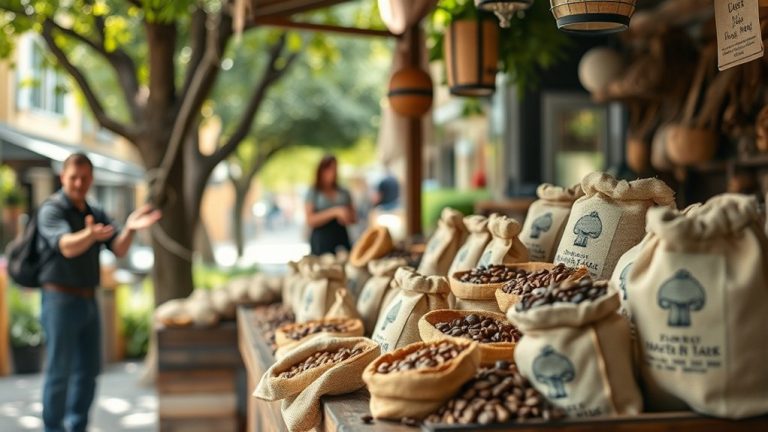
Can You Drink Mushroom Coffee While Pregnant – Safety Considerations
You can drink mushroom coffee during pregnancy if you stick to one cup daily, as it contains less caffeine than regular coffee. However, some medicinal mushrooms like reishi may affect blood clotting or blood pressure. Also, research on safety is limited.
Choosing high-quality, tested brands is important to avoid contaminants. Since individual health varies, it’s best to consult your healthcare provider before adding it to your routine.
Want to learn more about safe choices and alternatives to support your pregnancy health? It’s always good to be informed and careful!
What Is Mushroom Coffee and How Is It Made?

What exactly is mushroom coffee, and how does it differ from your regular cup of joe? Mushroom coffee blends ground coffee with powdered medicinal mushrooms like reishi, lion’s mane, or chaga. These mushrooms have a long history of traditional use, especially in Eastern cultures, where they hold significant cultural significance for their immune-boosting and adaptogenic properties.
Unlike standard coffee, which primarily focuses on caffeine, mushroom coffee incorporates these bioactive compounds, offering potential cognitive and stress-relief benefits. You prepare it by brewing the coffee and mushroom powder just like normal coffee.
This fusion respects the historical uses of mushrooms in herbal medicine, while making it accessible as a modern beverage. The result is a unique drink that combines coffee’s familiar taste with centuries-old health traditions.
How Much Caffeine Does Mushroom Coffee Contain?

Although mushroom coffee contains less caffeine than regular coffee, it still delivers a noticeable boost, typically ranging from 40 to 70 milligrams per cup. This amount varies based on flavor profiles, brewing methods, and the specific brand. Here’s what you should know:
Mushroom coffee offers a gentle caffeine boost, typically 40 to 70 mg per cup, varying by brand and brew.
Standard mushroom coffee has about half the caffeine of regular coffee (95 mg). Some blends mix mushrooms with regular coffee, which affects caffeine levels. Decaffeinated or caffeine-free versions contain less than 5 mg per serving.
Caffeine content can vary markedly between products, so always check labels. To manage intake during pregnancy, monitor your total daily caffeine from all sources.
Understanding these factors helps you make informed choices about mushroom coffee’s caffeine content and its impact on your health.
Which Medicinal Mushrooms Are Common in Mushroom Coffee?
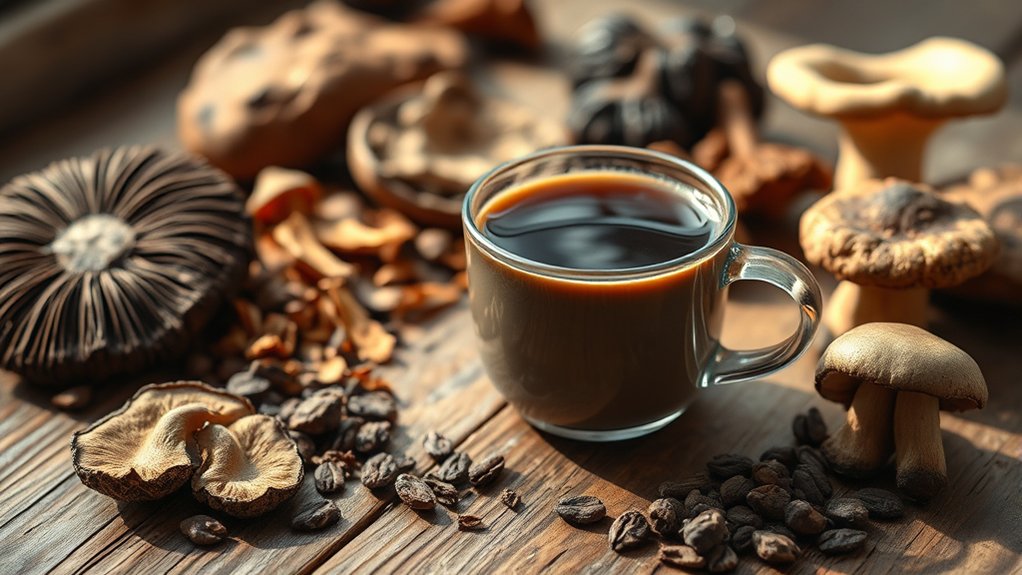
You’ll often find reishi, lion’s mane, chaga, and turkey tail in mushroom coffee because of their medicinal benefits.
Reishi is great for supporting relaxation and boosting your immune system.
Then there’s lion’s mane, which might help improve your cognitive function.
Chaga is known for its antioxidants and anti-inflammatory properties.
Just remember, the quality of these mushrooms really depends on how well they’re grown and extracted.
Popular Mushrooms Used
Since mushroom coffee blends often combine several varieties, it helps to know which medicinal mushrooms are commonly used and why. These mushrooms are carefully selected during mushroom cultivation to complement coffee brewing, enhancing both flavor and potential effects.
Here are the popular mushrooms found in most blends:
- Reishi: Known for calming effects and immune support
- Lion’s Mane: Supports cognitive function and mental clarity
- Chaga: Rich in antioxidants, helps reduce oxidative stress
- Turkey Tail: Offers immune modulation and gut health benefits
- Cordyceps: Often included for energy and stamina enhancement
Understanding these mushrooms can help you assess whether mushroom coffee fits your needs. This is especially important during pregnancy, so you know what each mushroom contributes to the blend.
Health Benefits Overview
Understanding the specific health benefits of mushrooms commonly used in mushroom coffee helps you make informed choices about incorporating these blends into your routine. Reishi, lion’s mane, and chaga are the most common medicinal mushrooms found in these coffees, each contributing unique effects.
Reishi offers calming and immune-boosting properties, while lion’s mane supports cognitive function and memory.
Chaga is rich in antioxidants, aiding immune health and combating oxidative stress. These mushrooms are usually processed into powders or extracts and integrated with coffee using various brewing techniques to preserve their potency.
The flavor profile of mushroom coffee varies depending on the mushroom used, often adding earthy, slightly bitter notes that complement the richness of coffee.
Understanding these factors helps you appreciate both the health benefits and the sensory experience. So, next time you sip on mushroom coffee, you’ll know exactly what makes it special.
Is Mushroom Coffee Safe to Drink During Pregnancy?
You should be cautious about drinking mushroom coffee during pregnancy because it still contains caffeine, and you need to keep your intake under 200 mg per day.
Also, some mushroom ingredients like reishi and lion’s mane haven’t been studied enough to know if they’re safe for pregnant women.
Caffeine Content Concerns
While mushroom coffee generally contains less caffeine, around 40 to 70 mg per cup compared to 95 mg in regular coffee, it’s important to monitor your total daily intake during pregnancy. The FDA recommends keeping caffeine under 200 mg daily to reduce risks to your baby.
Different flavor variations and brewing methods can affect caffeine levels, so be mindful when preparing your cup.
Consider these points:
- Mushroom coffee can add up quickly if you drink multiple cups.
- Lower caffeine doesn’t eliminate the need to track total consumption.
- Flavor variations might mask caffeine strength, leading to overconsumption.
- Brewing methods like espresso-style concentrate caffeine more than drip brewing.
- Always consult your healthcare provider about safe caffeine limits during pregnancy.
Staying informed helps you enjoy mushroom coffee safely while protecting your pregnancy.
Mushroom Ingredient Risks
Beyond caffeine content, the specific mushroom ingredients in your coffee can pose unique risks during pregnancy. Reishi mushrooms, for example, may affect blood clotting and blood pressure, which could be unsafe for you and your baby.
There’s limited research on the safety of other medicinal mushrooms like chaga and lion’s mane during pregnancy, making their effects uncertain.
Plus, low-quality mushroom coffee products may carry risks of contamination with heavy metals or pesticides, which you definitely want to avoid.
You might also experience allergic reactions or stomach discomfort, and these can be more pronounced while you’re pregnant.
Since some mushrooms have immune-modulating properties, their impact on pregnancy health isn’t clear yet.
Given all these concerns, it’s important to weigh the risks carefully before drinking mushroom coffee while you’re pregnant.
Medical Consultation Importance
Since research on the safety of mushroom coffee during pregnancy is still limited, it’s really important to check in with your healthcare provider before adding it to your diet. Medical professionals can look at your individual health and give advice on safe caffeine levels and where the mushrooms come from. These things matter a lot during pregnancy.
Without official guidelines, getting personalized advice helps you understand the risks and benefits better.
Before you start drinking mushroom coffee, make sure to talk about these key points with your provider:
- How medicinal mushrooms might affect your hormone levels
- Possible interactions between caffeine and any pregnancy medications you’re taking
- The quality and source of the mushrooms in the coffee
- Your personal medical history and how your pregnancy is progressing
- What caffeine limits are recommended specifically for you
Always trust expert guidance to keep both you and your baby safe and healthy.
How Does Mushroom Coffee’s Caffeine Affect Pregnancy?
Although mushroom coffee contains caffeine, it typically has less, about 40 to 70 mg per cup, than regular coffee, which averages around 95 mg. This lower caffeine content comes partly from specific brewing techniques and the unique blend of mushroom extracts.
These also influence the flavor profiles, making it milder and earthier.
During pregnancy, limiting caffeine intake to under 200 mg daily is essential to reduce risks such as miscarriage and low birth weight.
Since mushroom coffee provides less caffeine, it may be a safer alternative if you watch your total caffeine consumption from all sources carefully.
However, even with its distinct flavor profiles and brewing methods, you should track your intake closely.
This way, you stay within recommended limits and keep your pregnancy healthy and safe.
What Are the Benefits of Drinking Mushroom Coffee While Pregnant?
Drinking mushroom coffee during pregnancy can be quite beneficial. It’s packed with antioxidants that might help support your immune system, which is especially important when you’re expecting.
Plus, it usually contains less caffeine than regular coffee, making it easier to stay within the recommended limits.
Antioxidant Properties Benefits
When you choose mushroom coffee during pregnancy, you tap into a rich source of antioxidants like polyphenols and ergothioneine that help combat oxidative stress. These compounds may protect fetal cells from damage and support your overall pregnancy health.
By exploring different flavor combinations and brewing techniques, you can enjoy this antioxidant-rich beverage without the high caffeine levels found in regular coffee.
Here are key benefits to consider:
- Neutralizes harmful free radicals
- Supports maternal cellular health
- Provides a natural antioxidant boost
- Offers a gentler caffeine alternative
- Enhances antioxidant intake through diverse flavors
Incorporating mushroom coffee thoughtfully can contribute to improved maternal well-being during pregnancy while satisfying your palate with unique tastes.
Give it a try, and see how it fits into your routine!
Immune Support Potential
Beyond its antioxidant properties, mushroom coffee offers potential immune support benefits that may be especially helpful during pregnancy. Adaptogenic mushrooms like chaga and reishi, which are common in mushroom coffee, are believed to help modulate your immune system and reduce stress-related immune responses.
While research is limited, some evidence suggests these fungi might boost immune function and support your body’s resilience through the immune changes pregnancy brings. You might also like that mushroom coffee usually contains less caffeine, so you can enjoy these immune-boosting effects with less of a stimulant kick.
When trying out different flavor combos and brewing methods, choosing gentle techniques can help keep the mushrooms’ beneficial compounds intact. But since safety data during pregnancy isn’t clear yet, it’s a good idea to check with your healthcare provider before making mushroom coffee a regular part of your routine.
Reduced Caffeine Intake
Although caffeine is a common part of many morning routines, reducing your intake during pregnancy is essential for fetal health. Mushroom coffee contains 40-70 mg of caffeine per cup, less than regular coffee’s 95 mg. This helps you stay within the recommended 200 mg daily limit.
Its unique flavor combinations and varied brewing methods make it an enjoyable alternative without excess caffeine. Plus, it offers some great benefits like a lower risk of miscarriage, preterm birth, and low birth weight.
It also supports balanced caffeine consumption and provides immune support via medicinal mushrooms like reishi and chaga. You can enjoy a warm beverage while moderating your caffeine intake.
There are diverse flavor combinations to suit your taste preferences too. Choosing mushroom coffee can help you maintain a safer caffeine intake during pregnancy.
What Risks Do Medicinal Mushrooms Pose for Pregnant Women?
Since research on medicinal mushrooms during pregnancy remains limited, you face uncertainties about their safety and potential effects. Some mushrooms, like reishi, may influence blood clotting and blood pressure, which can pose risks during pregnancy.
You should be cautious because certain mushrooms might also affect hormone levels or immune responses, potentially impacting fetal development.
Additionally, mushroom toxicity is a concern, especially when products are contaminated with heavy metals or pesticides. Low-quality supplements increase contamination risks, which can be harmful to you and your baby.
If you have autoimmune conditions or blood pressure issues, it’s best to avoid mushroom supplements due to possible immune modulation and cardiovascular effects.
Given these risks and limited data, it’s vital to consult your healthcare provider before consuming medicinal mushroom products while pregnant.
Better safe than sorry, right? Your doctor can help you make the best choice for you and your little one.
What Do Experts Say About Mushroom Coffee and Pregnancy?
When considering mushroom coffee during pregnancy, experts emphasize caution because there’s limited research available. The combination of mushroom cultivation and coffee fermentation introduces compounds, and their effects on fetal development aren’t really clear yet. So, it’s best to be careful.
Here’s what experts highlight: No official guidelines address mushroom coffee safety in pregnancy.
General caffeine advice suggests staying under 200 mg daily, which might include moderate mushroom coffee intake.
Also, the FDA hasn’t evaluated medicinal mushrooms specifically for pregnant women.
Some mushrooms might affect your immune system or hormones, which raises concerns during pregnancy.
For that reason, healthcare providers usually recommend consulting them before you start drinking mushroom coffee or taking related supplements.
Given all this, it’s a good idea to approach mushroom coffee cautiously.
Always prioritize professional medical advice to keep both you and your baby safe and healthy.
How Much Mushroom Coffee Is Safe to Drink When Pregnant?
Understanding how much mushroom coffee you can safely consume during pregnancy depends largely on managing your overall caffeine intake. Since most mushroom coffee contains 40-70 mg of caffeine per cup, limiting yourself to one cup a day generally keeps you under the recommended 200 mg caffeine limit.
Flavor variations and brewing methods can affect caffeine content, so be mindful of these factors. Here’s a quick guide:
| Cups per Day | Estimated Caffeine | Safety Level |
|---|---|---|
| 1 | 40-70 mg | Safe |
| 2 | 80-140 mg | Usually Safe |
| 3+ | 120-210 mg+ | Potentially Unsafe |
Always consult your healthcare provider to tailor intake based on your total caffeine consumption and sensitivity during pregnancy. It’s best to get advice that fits your personal situation.
How to Choose Safe Mushroom Coffee Brands During Pregnancy
Choosing safe mushroom coffee brands during pregnancy means paying close attention to product quality and ingredient transparency. You want a brand that not only matches your taste preferences with different flavor options but also supports safe brewing methods for pregnancy.
Here are some key things to look out for:
- Third-party tested for heavy metals, pesticides, and contaminants
- Uses fruiting body extracts, not just mycelium
- Clearly labeled caffeine content under 50 mg per serving
Also, make sure the ingredient list is transparent and doesn’t include any unverified herbs or adaptogens.
It’s a good idea to check out positive customer reviews from trustworthy sources too.
What Are Safer Alternatives to Mushroom Coffee for Pregnant Women?
Why consider alternatives to mushroom coffee during pregnancy? You want to avoid potential risks from caffeine and unfamiliar compounds in medicinal mushrooms.
Fortunately, safe coffee alternatives and herbal beverages exist that support your well-being.
Decaffeinated coffee and herbal teas like ginger, peppermint, or rooibos provide flavorful, caffeine-free options.
Golden milk, made with turmeric, offers antioxidants and anti-inflammatory benefits without caffeine or mushrooms.
Warm milk with cinnamon or cocoa supplies calcium and comfort, making it a gentle choice.
Chicory coffee mimics the roasted flavor of coffee but is completely caffeine-free, making it a safe substitute.
These options help you enjoy satisfying drinks while minimizing risks.
Always consult your healthcare provider before introducing new beverages, ensuring they suit your individual pregnancy needs.
When Should You Talk to Your Healthcare Provider About Mushroom Coffee?
Before adding mushroom coffee to your routine during pregnancy, it’s important to talk with your healthcare provider. They can help assess the safety based on your health and the specific mushroom types used.
Make sure to discuss your total caffeine intake to stay within the recommended 200 mg daily limit. Also, think about how flavor combinations and brewing techniques might affect caffeine levels or ingredient interactions.
Reach out to your provider if you notice any adverse symptoms like digestive discomfort or allergic reactions. Here’s when to consult your healthcare professional:
- Before trying mushroom coffee for the first time
- When reviewing the types of mushrooms included
- To verify quality and sourcing of products
- If you experience any negative symptoms
- When evaluating your total caffeine consumption
This helps you make safe, informed choices during pregnancy.
Frequently Asked Questions
Can Mushroom Coffee Cause Allergic Reactions Unrelated to Pregnancy?
Yes, mushroom coffee can cause allergic reactions unrelated to pregnancy if you have a mushroom allergy. Your immune response might trigger symptoms like itching or gastrointestinal discomfort.
Does Mushroom Coffee Interact With Common Prenatal Vitamins?
While enjoying that unique mushroom potency and coffee flavor, you should know mushroom coffee might gently nudge prenatal vitamins’ effectiveness, affecting nutrient absorption.
It’s wise to chat with your healthcare provider to guarantee safe, balanced nutrition.
How Does Mushroom Coffee Affect Breastfeeding Mothers?
You can enjoy mushroom coffee for its nutritional benefits and mushroom immune support, but you should consult your healthcare provider first.
There’s limited evidence on its safety during breastfeeding, so it’s a good idea to keep an eye on your baby for any adverse reactions. Better safe than sorry!
Are There Specific Mushroom Types to Avoid in Mushroom Coffee?
You should avoid mushroom varieties like reishi because of their hormonal effects and potential toxicity. It’s better to be cautious with these types.
Also, steer clear of any toxic mushrooms or low-quality sources to guarantee safety. Always pick reputable brands that have clear labeling. That way, you know exactly what you’re getting.
Can Mushroom Coffee Impact Fetal Development Beyond Hormonal Effects?
You should know mushroom coffee might impact fetal growth beyond hormonal effects, posing developmental risks due to bioactive compounds and contaminants.
Since evidence is limited, it’s best to avoid it during pregnancy to protect your baby’s health. Better safe than sorry, right? Staying cautious helps keep things simple and healthy for both of you.
Conclusion
If you’re pregnant, it’s important to know that mushroom coffee usually contains less caffeine, about 30-50 mg per cup compared to 95 mg in regular coffee. This lower caffeine level might seem safer, but experts still recommend limiting your intake to under 200 mg daily.
Always choose trusted brands and talk to your healthcare provider before adding mushroom coffee to your routine. This way, you can make sure it’s safe for both you and your baby. It’s always better to be cautious when it comes to pregnancy.