How Do You Drink Matcha? Easy Steps To Enjoy The Perfect Cup
Matcha has become a popular beverage for its vibrant green color, smooth taste, and numerous health benefits. Unlike traditional tea, matcha is made from finely ground green tea leaves, which means you consume the whole leaf and get more antioxidants, vitamins, and gentle caffeine. Its unique preparation and powdered form make it different from steeped teas, raising the question of how do you drink matcha to enjoy both flavor and benefits.
Drinking matcha involves more than simply mixing it with hot water. The method affects taste, texture, and the effectiveness of its nutrients. Whisking, adjusting powder amounts, and choosing the right water temperature all play a role in creating a smooth, enjoyable cup.
People often incorporate matcha into lattes, smoothies, or recipes, making it versatile for daily routines. Understanding proper preparation ensures you maximize both flavor and the energizing, calming benefits matcha offers.
Preparing Matcha Powder
Preparing matcha powder correctly is essential to enjoy its smooth taste, vibrant color, and full nutritional benefits. Unlike traditional teas, matcha is consumed as a powdered whole leaf, which requires specific techniques to ensure proper mixing, flavor, and texture. Understanding the right tools, measurements, and steps will help you make a satisfying cup every time.
Choosing The Right Tools
Proper preparation starts with the right tools. A bamboo whisk, known as a chasen, is traditionally used to mix matcha powder evenly with water, creating a frothy, smooth texture. A small sifter helps break up clumps in the powder, ensuring a consistent blend and preventing lumps.
Using the correct bowl, typically a wide, shallow matcha bowl called a chawan, allows you to whisk efficiently and create the signature froth. While alternative utensils like electric frothers or small milk frothers can be used, traditional tools often provide the best texture and flavor. High-quality utensils can make the process easier, helping you achieve a smooth, well-mixed cup.
Measuring And Sifting Powder
Accurate measurement of matcha powder is critical for flavor and caffeine control. Typically, one teaspoon or about 1 to 2 grams of powder is enough for a single serving. Adjusting the amount allows you to control strength, taste, and caffeine content.
Sifting the powder before adding water helps break up clumps and ensures even whisking. This step is important because matcha tends to form lumps that affect the texture and flavor. By sifting, you create a smoother cup with balanced taste and consistent color, enhancing the drinking experience.
Water Temperature And Mixing
Water temperature plays a crucial role in preserving flavor and nutrients. Ideally, water should be heated to around 160°F to 175°F (70°C to 80°C). Boiling water can scorch the powder, creating bitterness and diminishing its delicate aroma.
Add the hot water gradually while whisking in a zigzag motion until a smooth, frothy layer forms. This technique ensures even mixing, prevents clumps, and enhances the creamy texture. The froth on top is a sign of properly prepared matcha and contributes to the traditional drinking experience.
Adjusting For Personal Taste
Once you master basic preparation, you can adjust matcha to suit your taste preferences. Adding milk, plant-based alternatives, or sweeteners can create lattes or flavored drinks while maintaining nutritional benefits. Some people prefer slightly stronger or lighter servings, which can be achieved by altering powder amounts or water ratios.
Experimenting with preparation methods helps you find the ideal balance of taste, caffeine, and texture. Properly preparing matcha powder ensures you enjoy its smooth flavor, vibrant color, and energizing effects, making every cup a rewarding and healthful experience.
Tools You Need To Drink Matcha
Drinking matcha properly requires more than just the powder and water. The right tools ensure smooth texture, full flavor, and an enjoyable experience. While some methods allow for convenience, traditional matcha preparation uses specialized utensils that maximize froth, consistency, and nutrient absorption. Understanding the essential tools helps anyone make the perfect cup.
Bamboo Whisk (Chasen)
The bamboo whisk, or chasen, is the most important tool for preparing matcha. Its fine tines are designed to evenly mix the powder with water, creating a smooth, frothy texture. Proper whisking releases the full flavor and aroma of matcha while ensuring all clumps are dissolved.
Using a chasen requires a gentle zigzag motion, rather than circular stirring, to produce the characteristic froth. A well-prepared matcha with a frothy top indicates proper whisking and enhances both taste and presentation. While electric frothers can be used for convenience, a traditional bamboo whisk provides a superior texture and authentic experience.
Regular care of the chasen, such as rinsing with warm water and air drying, prolongs its lifespan and ensures hygienic use. Investing in a quality chasen is essential for anyone who wants to prepare matcha regularly.
Matcha Bowl (Chawan)
A matcha bowl, or chawan, is a wide, shallow bowl that allows efficient whisking. Its shape provides ample surface area for whisking and creating froth. Using a standard cup or mug can work, but a chawan enhances texture and control, making the preparation process smoother and more traditional.
Chawans come in various sizes and designs, but the key is stability and a wide opening for comfortable whisking. They also contribute to the aesthetic enjoyment of drinking matcha, adding a ritualistic and calming element to the experience. A proper bowl makes even small servings easier to prepare and enjoy.
Sifter And Measuring Spoon
A small sifter helps break up clumps in matcha powder, ensuring smooth mixing and consistent flavor. Matcha naturally tends to clump due to its fine texture, and sifting prevents uneven mixing or lumps that can affect taste.
A measuring spoon or small scoop is also important for controlling powder quantity. Standard servings are usually one teaspoon or about 1 to 2 grams per cup. Measuring ensures consistent caffeine intake, flavor, and texture, helping you enjoy the health benefits of matcha safely and effectively.
By using these essential tools, preparing and drinking matcha becomes a smoother, more enjoyable ritual. Proper utensils allow you to fully experience the unique texture, flavor, and energizing properties of matcha in every cup.
Step-By-Step Matcha Preparation
Properly preparing matcha involves a combination of technique, tools, and attention to detail. Unlike regular teas that are steeped, matcha is a powdered leaf consumed entirely, requiring careful mixing and whisking to achieve smooth texture and vibrant flavor. Following a step-by-step approach ensures you get the full benefits, including antioxidants, gentle caffeine, and a frothy, enjoyable cup.
Measuring And Sifting Matcha Powder
The first step in matcha preparation is measuring the right amount of powder. Typically, one teaspoon or about 1 to 2 grams of matcha is enough for a single serving. Adjusting the amount allows control over flavor intensity and caffeine content.
Sifting the powder before adding water is essential to prevent clumps. A fine-mesh sifter works best to break up lumps and ensure even mixing. Uneven powder can result in a gritty texture and uneven taste, so sifting helps achieve the smooth, creamy consistency that matcha is known for. Proper measurement and sifting are the foundation of a balanced, flavorful cup.
Using a small scoop or spoon for accurate measurement also ensures consistency if preparing multiple servings. This step is particularly important for controlling caffeine intake, especially for those sensitive to stimulants.
Heating Water And Preparing Tools
Water temperature is critical for matcha. Ideally, it should be around 160°F to 175°F (70°C to 80°C). Boiling water can scorch the powder, resulting in a bitter taste and diminished aroma. Using water at the correct temperature preserves the delicate flavor while allowing the powder to dissolve smoothly.
Preparation also includes arranging the right tools: a matcha bowl (chawan), bamboo whisk (chasen), and measuring scoop. The wide bowl provides space for whisking, while the whisk creates the signature froth. Ensuring all utensils are clean and ready helps the process go smoothly and improves the final texture.
Pour a small amount of water first to moisten the powder, making it easier to whisk evenly. Proper preparation of both water and tools sets the stage for a successful matcha experience.
Whisking Technique
Whisking is the most critical step for creating a smooth, frothy cup of matcha. Using a bamboo whisk, begin with a gentle zigzag motion rather than circular stirring. The goal is to incorporate air and create a uniform froth on top of the tea.
The whisking motion should be quick but controlled, producing a layer of fine bubbles that indicate the matcha is well-mixed. Proper whisking releases flavor, aroma, and nutrients evenly throughout the drink, enhancing both taste and texture.
Avoid pressing the whisk too hard into the powder or bowl, as this can damage the chasen and result in uneven mixing. Whisking for 15–20 seconds is usually sufficient to create a smooth, foamy layer. A well-whisked cup is visually appealing and delivers a balanced flavor without clumps or bitterness.
Adjusting Flavor And Serving
Once whisked, matcha can be enjoyed as is or adjusted to personal preference. Some people prefer a stronger taste, which can be achieved by adding slightly more powder. For a milder flavor, reduce the amount of powder or increase water volume.
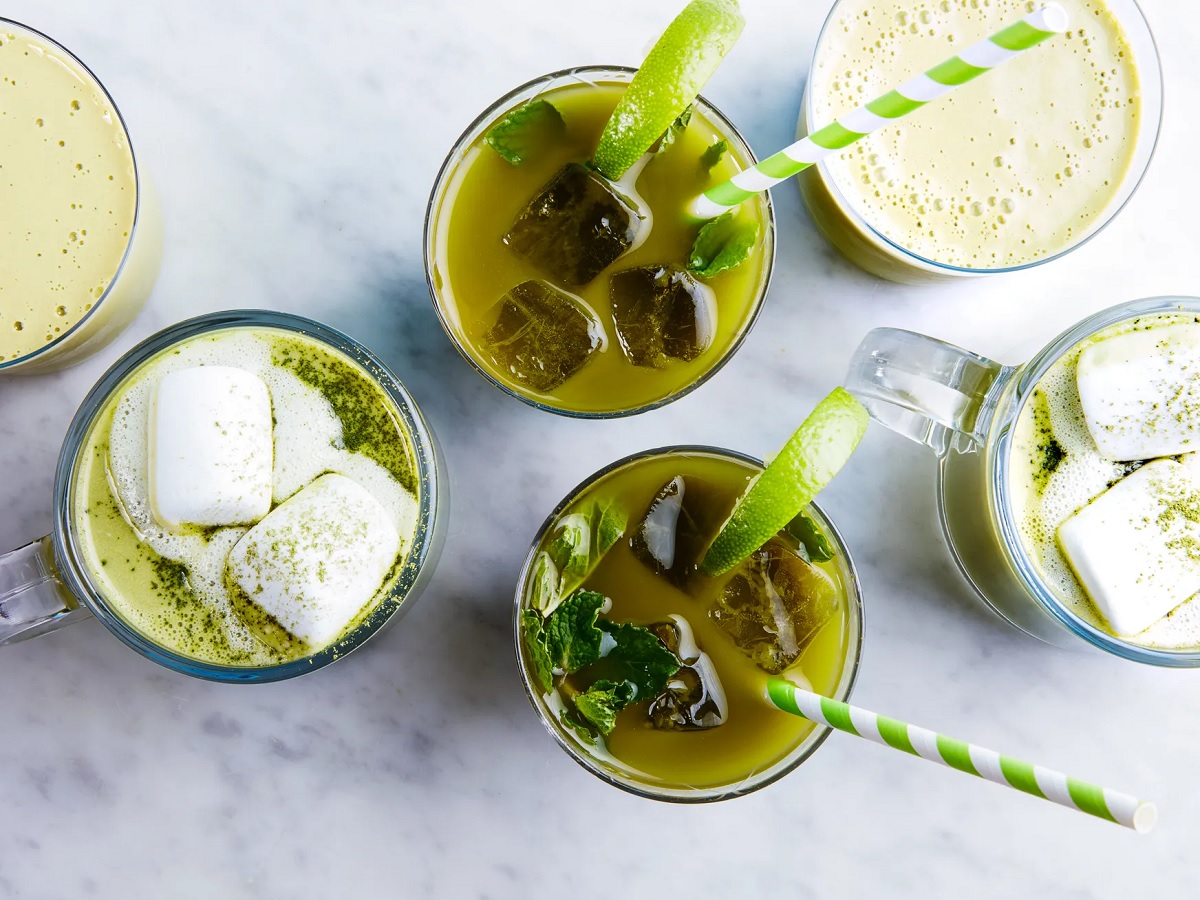
You can also incorporate milk or plant-based alternatives to make a matcha latte. Sweeteners such as honey or agave syrup can be added to suit your taste, though keeping the beverage simple preserves its natural antioxidants and flavor. Cold or iced matcha is another option, prepared using the same whisking method before adding ice or chilled liquid.
Serving matcha in a wide bowl or a favorite cup enhances the drinking experience. Enjoying it slowly allows you to appreciate its smooth texture, vibrant green color, and gentle energizing effects. The final flavor and aroma reflect careful preparation and proper technique.
Cleaning And Maintaining Tools
After preparation, cleaning and maintaining matcha tools is important for longevity and hygiene. Rinse the bamboo whisk with warm water immediately after use and allow it to air dry. Avoid using soap, as it can damage the tines and affect flavor in future preparations.
The matcha bowl and scoop should be cleaned gently with warm water to remove residual powder. Proper care ensures tools last longer and maintain performance, contributing to consistently smooth and flavorful matcha drinks.
Regular maintenance also preserves the aesthetic quality of the utensils, which is part of the traditional enjoyment and ritual of matcha. Proper cleaning and storage are the final step in mastering the preparation process.
Customizing Your Matcha
Matcha is highly versatile, allowing you to tailor each cup to your taste preferences, dietary needs, and desired energy level. By adjusting the type of liquid, sweetness, and serving size, you can create a beverage that is both enjoyable and balanced. Customizing matcha ensures you get the ideal flavor, texture, and nutrient benefits while making it suitable for any time of day.
Adjusting Strength And Serving Size
One of the simplest ways to customize matcha is by adjusting the powder amount. A standard serving is about one teaspoon, but you can increase or decrease the amount depending on how strong or mild you want your drink. More powder produces a robust flavor and higher caffeine content, while smaller amounts yield a lighter taste and gentler energy boost.
Serving size also affects texture and froth. Using less water for the same powder creates a thicker, more concentrated matcha, perfect for sipping slowly, while more water produces a milder, smoother drink. Customizing strength and serving size allows you to control both flavor intensity and caffeine intake, making matcha suitable for morning energy or afternoon refreshment.
Mixing With Liquids And Milk
Matcha can be prepared with water, milk, or plant-based alternatives, and your choice dramatically affects texture and flavor. Water preserves the pure, grassy taste, while milk or oat milk creates a creamy, latte-style beverage. Milk also softens the bitterness of stronger matcha, making it more palatable for beginners or those with sensitive taste preferences.
Experimenting with different liquids allows you to balance richness, sweetness, and smoothness. Hot milk creates a comforting, warming drink, while cold milk or almond milk works for iced matcha or summer beverages. The liquid choice also influences how quickly caffeine is absorbed, with milk producing a slower, gentler energy boost.
Sweeteners And Flavor Additions
Adding sweeteners or flavorings is another way to customize matcha. Honey, agave syrup, or stevia can soften bitterness while maintaining health benefits. Vanilla, cinnamon, or cocoa powder adds depth and variety, transforming matcha into a flavorful treat.
Balancing sweeteners ensures you don’t overpower matcha’s natural flavor while still making it enjoyable. Minimal sweetening preserves antioxidants and nutrients, while creative additions allow personalization. Adjusting flavor in this way makes matcha versatile enough to suit different moods, occasions, or times of day.
Experimenting With Temperature And Presentation
Temperature is another key factor in customization. Hot matcha is ideal for mornings or cold weather, enhancing focus and warmth, while iced matcha is refreshing and energizing for warmer days. Presentation also plays a role; froth on top, layered lattes, or beautifully garnished drinks enhance the drinking experience.
Customizing matcha to your liking makes it a personal and enjoyable ritual. By experimenting with powder amount, liquid choice, sweeteners, and temperature, you can create a beverage that fits your taste, lifestyle, and energy needs perfectly.
Frequently Asked Questions
How Do You Drink Matcha?
You drink matcha by first preparing it correctly to get the best flavor and benefits. Start by sifting the matcha powder into a bowl to remove clumps. Then add hot water at the right temperature, usually around 175°F (80°C), to avoid bitterness.
Use a bamboo whisk or a small frother to whisk the powder and water together in a “W” motion until a smooth, frothy layer forms on top. Once prepared, you can sip it directly from the bowl or cup, enjoying the vibrant flavor and gentle energy boost it provides.
Can You Drink Matcha With Milk Or Sweeteners?
Yes, you can drink matcha with milk or sweeteners to suit your taste. Adding milk, almond milk, oat milk, or other plant-based alternatives creates a creamy matcha latte that is smooth and flavorful.
Sweeteners like honey, maple syrup, or stevia can also balance the natural bitterness of matcha. You can experiment with small amounts first and adjust to taste. This customization allows you to enjoy matcha in a way that fits your flavor preferences while still benefiting from its antioxidants and mild caffeine boost.
Should Matcha Be Hot Or Cold To Drink?
Matcha can be enjoyed both hot and cold, depending on your preference and season. Hot matcha is ideal for warming up, aiding focus, and fully experiencing its rich flavor. Use slightly cooler hot water to avoid a bitter taste.
Iced matcha is refreshing and energizing, especially on warm days. Simply whisk matcha with a small amount of water, then add ice and optional milk or sweeteners. Both methods retain antioxidants and caffeine, so you can choose your preferred style while enjoying matcha’s benefits.
How Much Matcha Should You Drink At Once?
A typical serving is about 1 to 2 teaspoons (1–2 grams) of matcha powder per cup. Drinking more than this can lead to excessive caffeine intake, especially if you are sensitive.
You can drink matcha once or twice a day depending on your caffeine tolerance and lifestyle. Start with smaller portions and gradually increase if needed. Keeping track of total caffeine intake ensures that you enjoy the gentle energy boost matcha provides without experiencing jitters or sleep disturbances.
Can You Drink Matcha On An Empty Stomach?
Yes, you can drink matcha on an empty stomach, but it may cause slight discomfort for some people. Matcha contains caffeine and tannins, which can sometimes lead to nausea or mild stomach upset.
If you are sensitive, it’s better to drink matcha with a small snack or after breakfast. This allows your body to absorb the nutrients and caffeine gradually. Adjusting your routine ensures that you benefit from matcha’s antioxidants and energy boost without unwanted digestive issues.
Are There Any Tips To Make Matcha Taste Better?
To make matcha taste better, always use high-quality matcha powder and sift it before whisking to avoid clumps. Using water that’s too hot can make it bitter, so aim for around 175°F (80°C).
You can also experiment with milk, plant-based alternatives, and natural sweeteners like honey or vanilla. Whisking thoroughly to create a frothy texture improves both flavor and experience. Additionally, pairing matcha with light snacks like nuts or fruit can enhance its taste and make drinking it more enjoyable.
Final Words
Drinking matcha is both an art and a simple pleasure, offering vibrant flavor, antioxidants, and gentle energy. Proper preparation, from measuring and sifting powder to whisking with the right tools, ensures a smooth, frothy cup that maximizes both taste and nutritional benefits. Understanding the steps allows you to enjoy matcha in its best form.
Knowing how to adjust strength, serving size, and liquid choice adds versatility, letting you create drinks tailored to your preferences. Whether enjoyed as a traditional water-based matcha, a creamy latte, or a cold beverage, customizing your cup ensures it fits your taste, energy needs, and daily routine. Incorporating flavorings or sweeteners can further enhance the experience without compromising its health benefits.
By learning and practicing proper techniques, you can confidently answer the question of how do you drink matcha. Each cup becomes not only a refreshing beverage but also a mindful, energizing ritual that balances flavor, texture, and gentle stimulation.