How To Make Matcha Without Milk – Easy Steps For a Pure Matcha Experience
Many people enjoy matcha for its vibrant flavor, smooth texture, and natural energy boost, but not everyone wants to include milk in their drinks. Learning how to make matcha without milk allows you to enjoy the pure taste of green tea while keeping your beverage light and simple. This method highlights the natural sweetness and earthy notes of high-quality matcha, making every sip refreshing and invigorating.
Preparing matcha without milk is also a great option for those following a vegan or lactose-free diet. It keeps the drink low in calories while preserving its nutritional benefits, including antioxidants, amino acids, and gentle caffeine. You can control the strength and flavor of your matcha, tailoring it to your taste without relying on milk to soften the taste.
This approach emphasizes simplicity and authenticity. By using just water and matcha powder, you can experience the full depth of flavor and vibrant green color that premium matcha offers.
Mastering how to make matcha without milk also opens the door to a variety of traditional and modern preparations. From a classic hot whisked tea to iced or lightly sweetened versions, this method provides versatility and a clean, smooth taste experience that highlights the true essence of matcha.
Ingredients Needed for Milk-Free Matcha
Creating a smooth and flavorful matcha drink without milk relies heavily on the ingredients you choose. The right components ensure that the matcha retains its vibrant green color, natural sweetness, and smooth texture. Focusing on high-quality matcha powder, clean water, and optional natural flavor enhancers will allow you to enjoy a refreshing, milk-free beverage that highlights the true essence of green tea.
High-Quality Matcha Powder
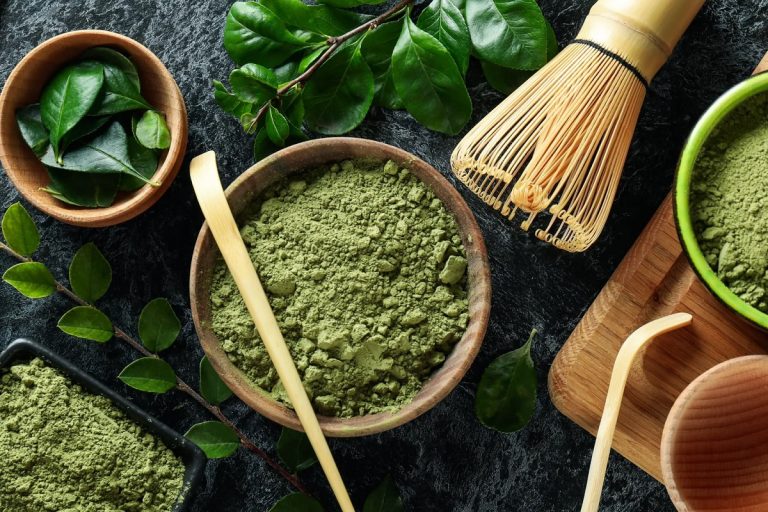
The most important ingredient for milk-free matcha is high-quality matcha powder. Ceremonial-grade matcha is ideal for this preparation, as it offers a naturally sweet flavor, subtle umami, and vibrant green color that shines without any milk. Culinary-grade matcha can also be used for a stronger, earthier flavor, which works well in iced or lightly sweetened versions.
Choosing fresh matcha powder ensures that your drink is smooth and free from clumps. Proper storage in a cool, dark place helps maintain its flavor and color. When preparing milk-free matcha, the powder itself becomes the centerpiece, so using a premium-grade option allows the natural flavor to stand out. The quality of matcha directly influences aroma, taste, and overall drinking experience.
High-quality matcha also contains higher levels of antioxidants and amino acids, providing the health benefits associated with green tea. The bright green hue signals freshness, making your drink visually appealing and enhancing the sensory experience of a milk-free matcha.
Clean, Filtered Water
Water is the next essential ingredient for milk-free matcha. Using clean, filtered water ensures that no impurities or strong mineral flavors interfere with the delicate taste of the tea. Water temperature is also critical: ideally between 160°F and 175°F (70°C–80°C) for hot matcha, or chilled for iced versions.
Proper water quality allows the matcha to dissolve smoothly, creating a silky texture without bitterness. Tap water with high mineral content can alter the taste and make the drink less enjoyable. By paying attention to water quality and temperature, you enhance both flavor and aroma, allowing the natural sweetness and umami of matcha to come through.
Filtered water also helps achieve the perfect froth when whisking. A smooth, well-blended drink depends on the interaction between water and matcha powder, so clean water is a non-negotiable ingredient for milk-free matcha preparation.
Optional Natural Sweeteners and Flavor Enhancers
For those who prefer a slightly sweeter or flavored matcha, natural sweeteners like honey, agave syrup, maple syrup, or coconut sugar can be added. These options blend smoothly with hot or iced matcha without overpowering its natural flavor. Sweeteners should be added gradually to allow you to control taste balance.
Other natural flavor enhancers, such as a dash of vanilla extract, cinnamon, or a squeeze of lemon, can complement the earthy and umami notes of matcha. These additions provide subtle complexity without masking the drink’s essence. When using optional ingredients, maintaining harmony between the matcha’s natural flavor and the enhancements is essential.
These simple ingredients—high-quality matcha powder, clean water, and optional natural flavorings—allow you to craft a milk-free matcha beverage that is refreshing, visually appealing, and full of health benefits. By focusing on quality and balance, you can enjoy a versatile, satisfying matcha experience.
Step-By-Step Instructions for Hot Matcha Without Milk
Making a hot matcha drink without milk is a simple process when you focus on the right technique and quality ingredients. This preparation highlights the natural sweetness, earthy undertones, and vibrant color of matcha. By following careful steps, you can create a smooth, frothy, and visually appealing beverage that captures the authentic essence of green tea. Hot milk-free matcha is perfect for a morning energy boost, a relaxing afternoon drink, or a clean-tasting, healthful beverage at any time of day.
Measuring and Sifting the Matcha Powder
The first step in preparing hot matcha without milk is measuring the appropriate amount of powder. Typically, 1 to 2 teaspoons of ceremonial-grade matcha is ideal for a single serving. Using too much powder can result in a bitter taste, while too little may produce a weak flavor. Accurate measurement ensures a balanced, enjoyable drink.
After measuring, the matcha should be sifted to remove clumps and create a fine, even texture. Sifting helps the powder blend smoothly with water, preventing a grainy mouthfeel. It also incorporates air into the powder, which enhances the frothiness when whisking. Use a small mesh strainer or dedicated matcha sifter to achieve the best results. This step ensures the vibrant green color of the matcha shines and the final drink is smooth and visually appealing.
Careful measurement and sifting are essential because the quality and consistency of the powder directly affect flavor, texture, and appearance. Skipping this step may result in uneven mixing, clumps, or an inconsistent taste profile. By taking the time to measure and sift correctly, you create a solid foundation for a perfect cup of hot matcha.
Heating the Water to the Right Temperature
Water temperature plays a crucial role in bringing out the natural flavor of matcha. For hot milk-free matcha, the ideal temperature is between 160°F and 175°F (70°C–80°C). Water that is too hot can burn the delicate tea leaves, producing a bitter taste, while water that is too cool may not dissolve the powder fully, resulting in a weak flavor.
Use a thermometer to ensure accurate temperature, or allow freshly boiled water to cool for a few minutes before adding it to the matcha. Pour the water gradually over the sifted powder to help it blend evenly. Using clean, filtered water is also essential to avoid unwanted flavors and ensure a smooth, pure taste.
Heating the water to the correct temperature preserves the natural sweetness and umami of the matcha. This careful attention to temperature ensures that your milk-free matcha remains smooth, aromatic, and visually vibrant, providing a satisfying hot beverage experience every time.
Whisking the Matcha for Smoothness and Froth
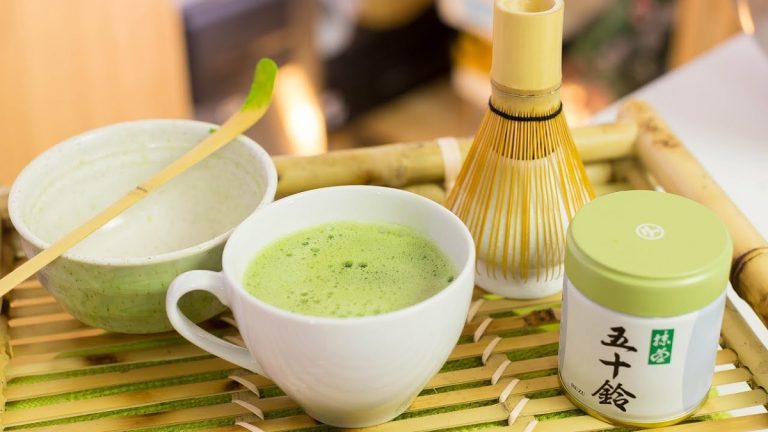
Once the matcha powder and water are combined, the next step is whisking to create a smooth, frothy consistency. Traditional preparation uses a bamboo whisk, or chasen, which is ideal for evenly blending the powder and incorporating air. For convenience, a high-quality electric frother can also be used.
Whisk in a rapid zigzag or “M” motion until the powder is fully dissolved and a light froth forms on the surface. Proper whisking enhances the natural sweetness and umami of the matcha while minimizing any slight bitterness. It also releases the aroma of the tea, contributing to the overall sensory experience.
Whisking is not just about mixing; it determines the texture and quality of the drink. Over-whisking can create excessive foam that collapses quickly, while under-whisking may leave small clumps of powder. Mastering the right technique results in a creamy, smooth, and visually appealing milk-free matcha that showcases the vibrant green color and full flavor.
Adjusting Sweetness and Flavor Enhancers
Once whisked, the hot matcha can be enjoyed as is, or lightly sweetened according to taste. Natural sweeteners like honey, maple syrup, or agave blend seamlessly into hot matcha without overpowering its delicate flavor. Add a small amount at a time and stir thoroughly to balance sweetness with the natural umami and earthy notes.
Optional flavor enhancers such as a dash of vanilla or a pinch of cinnamon can complement the drink’s natural complexity. Lemon or citrus zest may also be added for a refreshing twist. These subtle additions enhance the flavor without masking the authentic matcha taste.
Adjusting sweetness and flavor is a personal preference, allowing you to create a milk-free matcha beverage that suits your taste. Whether you prefer it slightly sweet, subtly flavored, or pure, careful incorporation of enhancers ensures a smooth, balanced, and satisfying drink every time.
Serving and Enjoying Hot Matcha
The final step is serving your milk-free matcha. Pour the frothy tea into a pre-warmed cup to maintain its temperature and enjoy immediately. The vibrant green color, smooth texture, and aromatic fragrance make the experience visually and sensorially pleasing.
Drinking hot matcha without milk allows you to fully appreciate the natural flavors of the tea. You can savor the balanced sweetness, umami, and slight earthiness in each sip. Taking the time to prepare matcha properly enhances both taste and ritual, making it more than just a drink—it becomes a moment of mindfulness and enjoyment.
Step-By-Step Instructions for Iced Matcha Without Milk
Iced matcha without milk is a refreshing and vibrant way to enjoy green tea while keeping your drink light and healthy. Preparing it correctly ensures smooth texture, bright color, and balanced flavor. By following careful steps, you can make a chilled matcha beverage that highlights the natural sweetness, umami, and slightly earthy notes of high-quality matcha powder. This guide will take you through each step to achieve the perfect iced matcha without milk.
Measuring and Sifting the Matcha Powder
The first step in creating iced matcha is measuring the proper amount of powder. Typically, 1 to 2 teaspoons of ceremonial-grade matcha is ideal for a single serving. Using the right amount ensures the flavor is bold enough to shine over ice while avoiding excessive bitterness. Culinary-grade matcha can also be used for a stronger, earthier taste that complements cold beverages.
After measuring, sift the powder through a fine mesh strainer. Sifting removes clumps and aerates the matcha, ensuring it blends smoothly with water and ice. This step also helps achieve the bright, vibrant green color characteristic of premium matcha. Skipping sifting may result in uneven mixing or a gritty texture, which can detract from the refreshing experience of iced matcha.
By carefully measuring and sifting, you create a solid foundation for your drink. It ensures that the matcha dissolves evenly, allowing its natural sweetness, umami, and aroma to be fully appreciated in the final beverage. Proper preparation at this stage sets the tone for a smooth, visually appealing iced matcha.
Mixing the Matcha with Water
Once sifted, the matcha powder is combined with a small amount of cool or room-temperature water to create a concentrated paste. This step helps dissolve the powder completely and prevents clumping when ice is added later. Use about 2–3 tablespoons of water for one serving of matcha, stirring gently or whisking with a bamboo whisk or electric frother until smooth.
After creating the paste, gradually add more cold water to dilute it to your preferred strength. Cold water preserves the delicate sweetness and umami of the matcha while minimizing bitterness. Using filtered water is recommended to maintain a clean flavor and avoid any off-tastes that tap water might introduce.
Proper mixing ensures that your iced matcha has a smooth, consistent texture. It also allows the bright green color to remain vivid and inviting. Taking the time to mix thoroughly before adding ice ensures that every sip is balanced and enjoyable, highlighting the natural flavor of the matcha.
Preparing the Ice and Glass
The ice and glass preparation is essential for an optimal iced matcha experience. Use large, clean ice cubes to chill the drink without diluting it too quickly. A tall glass works best, allowing room for both ice and matcha while giving space for stirring. Pre-chilling the glass can help maintain the beverage’s temperature for longer periods.
Add the ice cubes slowly to the glass before pouring in the prepared matcha. This helps prevent splashing and ensures the liquid mixes evenly with the ice. The ice not only cools the drink but also enhances the refreshing texture, making each sip crisp and revitalizing.
Attention to these details ensures that your iced matcha maintains its vibrant green color, smooth texture, and balanced flavor. A well-prepared glass and ice setup contribute to the overall drinking experience, making your milk-free matcha visually appealing and enjoyable to consume.
Optional Sweeteners and Flavor Enhancements
For a slightly sweeter or flavored iced matcha, natural sweeteners can be added during or after mixing. Honey, agave syrup, maple syrup, or coconut sugar blend seamlessly with cold matcha, enhancing the natural taste without overpowering it. Add small amounts gradually, stirring thoroughly to achieve the desired sweetness.
Optional flavor enhancers, such as a hint of vanilla, a pinch of cinnamon, or a squeeze of lemon, can also be included to elevate the drink. These additions complement the natural earthy and umami notes of the matcha, providing subtle complexity. Balance is key: the goal is to highlight the matcha’s flavor rather than mask it.
Sweeteners and flavor enhancers provide versatility, allowing you to tailor the iced matcha to your taste preferences. Whether you prefer it lightly sweetened, naturally bitter, or subtly flavored, these additions ensure a refreshing and enjoyable milk-free matcha beverage every time.
Serving and Enjoying Iced Matcha
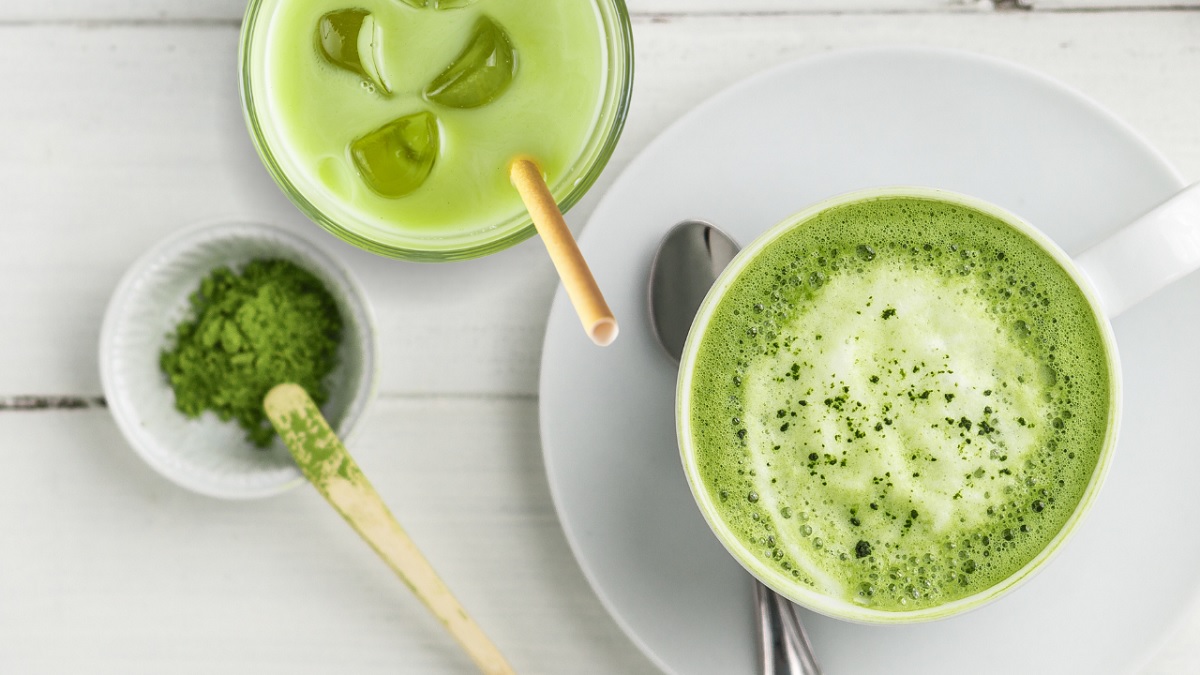
The final step is serving and enjoying your iced matcha. Pour the well-mixed matcha over the prepared ice in your glass. Stir gently to combine, ensuring that the drink is evenly chilled and fully blended. The vibrant green color, smooth texture, and natural aroma make it visually and sensorially appealing.
Drinking iced matcha without milk allows you to fully appreciate the clean, bright flavors of premium matcha. Each sip delivers a balance of natural sweetness, umami, and a slight earthiness, creating a refreshing and energizing experience. This preparation method is perfect for warm days, a midday pick-me-up, or anytime you want a light, healthful beverage.
By following these steps carefully, you can consistently make smooth, vibrant, and flavorful iced matcha without milk. Proper preparation ensures a balanced drink with the full richness of matcha, allowing you to enjoy a high-quality, refreshing green tea experience.
Enhancing Flavor Without Milk
Creating a rich and satisfying matcha drink without milk is easier than it seems. By focusing on natural ingredients, preparation techniques, and optional flavor enhancers, you can enjoy a beverage that is vibrant, smooth, and full of taste. Enhancing the flavor without relying on dairy allows the natural sweetness, umami, and earthy notes of high-quality matcha to shine through. These techniques also provide versatility for both hot and iced preparations.
Using Natural Sweeteners
One of the simplest ways to enhance flavor without milk is by incorporating natural sweeteners. Options like honey, maple syrup, agave, or coconut sugar blend smoothly with hot or iced matcha, providing a subtle sweetness that balances the slight bitterness of the tea. Adding sweeteners gradually allows you to control the flavor intensity without overwhelming the natural taste of matcha.
Natural sweeteners also complement the umami and earthy notes of high-quality matcha, preserving its vibrant green color and smooth texture. Using alternatives to refined sugar ensures a cleaner taste and maintains the beverage’s healthful properties. For iced matcha, dissolving sweeteners in a small amount of water before combining with the matcha helps avoid clumps and ensures even distribution.
This approach allows you to tailor each cup to your personal preference while highlighting the matcha’s authentic flavor. By carefully selecting and balancing natural sweeteners, you can enjoy a milk-free matcha drink that is both flavorful and satisfying.
Incorporating Citrus or Zest
Citrus elements are another effective way to enhance the flavor of milk-free matcha. Adding a few drops of lemon juice, orange zest, or lime can brighten the drink and provide a refreshing, tangy contrast to the natural earthiness of the tea. The acidity of citrus enhances the perceived sweetness of the matcha while adding a layer of complexity.
Citrus works particularly well in iced matcha, where a small amount of lemon or orange juice can elevate the drink’s freshness. For hot matcha, gently stirring in a tiny pinch of zest can release aromatic oils that complement the umami flavor. The balance between citrus and matcha is key—too much acidity can overwhelm the natural tea notes.
Using citrus also allows you to experiment with seasonal flavors or creative twists. This method keeps the beverage light and refreshing while adding depth without dairy, making your milk-free matcha both unique and enjoyable.
Adding Spices or Extracts
Another way to enhance flavor without milk is by using spices or natural extracts. Ingredients like cinnamon, cardamom, vanilla extract, or nutmeg can add subtle warmth and complexity to matcha. These additions blend well with both hot and iced drinks, creating layered flavors that enrich the natural taste of the tea.
For example, a pinch of cinnamon in hot matcha adds a comforting warmth, while a drop of vanilla extract can highlight the drink’s sweetness and aroma. Spices should be used sparingly to avoid overpowering the delicate umami of high-quality matcha. Incorporating extracts or spices allows you to customize drinks for special occasions or everyday enjoyment.
By experimenting with these natural enhancers, you can create a variety of milk-free matcha beverages that are flavorful, aromatic, and satisfying. Spices and extracts help maintain the authentic taste of matcha while offering new and exciting flavor dimensions.
Combining Techniques for Maximum Flavor
Enhancing matcha without milk works best when multiple techniques are combined. Using natural sweeteners, citrus, and spices together allows you to create a balanced drink that highlights sweetness, acidity, aroma, and umami simultaneously. Proper preparation—such as whisking well and using filtered water—ensures smoothness and consistency.
Combining these methods also adds versatility. You can adjust ingredients based on temperature, season, or personal preference, making your milk-free matcha experience customizable and dynamic. This approach allows you to enjoy matcha in its purest form while still creating rich, layered flavors that satisfy your palate.
Focusing on natural enhancements without milk elevates the matcha experience, making each cup refreshing, aromatic, and full of taste while maintaining its health benefits. With careful selection of ingredients and preparation techniques, milk-free matcha can be as indulgent and flavorful as any creamy version.
FAQs
How Do You Make Hot Matcha Without Milk?
To make hot matcha without milk, you start by sifting 1–2 teaspoons of matcha powder into a bowl or mug. This prevents clumps and ensures a smooth texture. Then, heat water to around 175°F (80°C), avoiding boiling water, as it can make the matcha bitter.
Whisk the matcha using a bamboo whisk or small frother in a zigzag motion until frothy. You can add a natural sweetener like honey or agave if desired. This results in a smooth, vibrant, and warming drink without any milk, perfect for a pure matcha experience.
Can You Make Iced Matcha Without Milk?
Yes, you can easily make iced matcha without milk. Start by whisking matcha powder with a small amount of hot water to create a smooth paste. Once dissolved, add cold water or sparkling water to taste.
Pour the mixture over ice in a glass and stir well. Optional sweeteners like agave, maple syrup, or a splash of citrus juice can enhance flavor. Iced matcha without milk offers a refreshing, naturally vibrant green drink with the full umami flavor of matcha intact.
What Tools Do You Need To Make Matcha Without Milk?
To make matcha without milk, you need a few essential tools. A bamboo whisk (chasen) or a small electric frother helps mix the powder evenly and create a frothy texture. A matcha bowl or mug works best to allow whisking without spilling.
A fine mesh sifter ensures the matcha is lump-free before mixing. Using the right tools makes a noticeable difference in texture and taste, allowing you to enjoy a smooth, creamy-tasting matcha without adding milk. Optional tools include a measuring spoon and a small pitcher for hot water.
How Much Matcha Should You Use Without Milk?
The amount of matcha you use depends on how strong you like your drink. Typically, 1–2 teaspoons per 6–8 ounces of water is ideal. Using too much can make the taste overly bitter, while too little results in a weak flavor.
Adjust the amount based on personal preference and the type of matcha. Ceremonial grade may require less powder for the same flavor intensity. Proper measurement ensures a balanced, smooth matcha without milk that maintains its natural sweetness and umami flavor.
Can You Sweeten Matcha Without Milk?
Absolutely, you can sweeten matcha without milk. Natural sweeteners like honey, agave syrup, maple syrup, or coconut sugar work well. Add a small amount to your hot or iced matcha and stir until fully dissolved.
You can also experiment with flavors like vanilla extract or a dash of cinnamon for extra depth. Sweetening without milk allows you to maintain the pure matcha taste while making it more enjoyable for those who prefer a softer flavor without compromising the drink’s natural vibrancy.
Is It Possible To Make Matcha Without Milk Vegan?
Yes, matcha without milk is naturally vegan-friendly. By skipping dairy, you can enjoy the pure taste of matcha without any animal products. For those who prefer creaminess, plant-based alternatives like oat, almond, or soy milk can be added, but they aren’t necessary.
This approach keeps the drink light and healthy while preserving the strong umami flavor of matcha. Vegan or not, making matcha without milk ensures you get the full benefits of matcha, including antioxidants, natural caffeine, and amino acids, without added fats or dairy.
How Can You Store Matcha For Making Milk-Free Drinks?
To maintain freshness, store matcha in an airtight container away from light, heat, and moisture. A cool, dark cupboard or a small airtight jar works best. Avoid storing in the fridge, as condensation can ruin the powder.
For daily use, measure only what you need to prevent oxidation. Properly stored matcha stays vibrant and flavorful, allowing you to make consistent milk-free matcha drinks anytime. Fresh matcha ensures your hot or iced beverages retain their bright green color, smooth texture, and full umami taste.
Final Thoughts
Enjoying a cup of matcha without milk allows you to fully appreciate the natural sweetness, umami, and vibrant color of high-quality green tea. By carefully selecting ingredients, controlling water temperature, and whisking properly, you can create a smooth, frothy, and visually appealing beverage that highlights the authentic flavor of matcha. This approach keeps your drink light, refreshing, and full of antioxidants.
Exploring how to make matcha without milk also opens up a world of customization. You can experiment with natural sweeteners, citrus, spices, or extracts to enhance the flavor without masking the tea’s essence. Whether you prefer a hot, comforting drink or a chilled, refreshing iced matcha, following the right steps ensures consistency and balance in every cup.
Mastering how to make matcha without milk is both simple and rewarding. With practice, attention to detail, and high-quality matcha, you can enjoy a versatile, healthful beverage at any time of day. Each cup becomes a mindful and flavorful experience that celebrates the purity of green tea.