How Much Caffeine Is in an Espresso Bean? Uncover the Truth
Espresso is celebrated for its bold flavor, rich aroma, and quick energy boost, making it a favorite for coffee enthusiasts worldwide. Behind its intensity lies caffeine, the natural stimulant that helps you feel alert and focused. Understanding how much caffeine is in your espresso begins at the bean level, where every coffee variety and roast can differ.
The caffeine content in a single espresso bean can vary based on factors like bean type, origin, and roasting process. Arabica beans generally contain less caffeine than Robusta beans, and lighter roasts often retain slightly more caffeine by weight than darker ones. Knowing the amount of caffeine per bean helps you estimate your total intake when brewing espresso shots at home or at a café.
Exploring caffeine at the bean level also sheds light on how espresso delivers such a concentrated punch in a small volume. This knowledge allows coffee lovers to enjoy their favorite drink while staying mindful of their daily caffeine consumption.
Factors Affecting Caffeine in Espresso Beans
The caffeine content in espresso beans is not uniform, as it depends on multiple factors from cultivation to roasting. Understanding these factors helps coffee lovers estimate the stimulant effect in each shot and make informed choices about bean type, roast, and brewing techniques. Being aware of what influences caffeine allows for better control over flavor, strength, and energy impact.
Coffee Bean Variety
The type of coffee bean is one of the most significant factors affecting caffeine content. Arabica beans, prized for their smooth flavor and aromatic profile, typically contain less caffeine, averaging about 1–1.5% by weight. Robusta beans, on the other hand, are more bitter but contain nearly double the caffeine of Arabica, ranging from 2–2.7%.
He or she choosing beans for espresso should consider the desired caffeine level alongside taste preferences. Arabica provides a milder, more nuanced flavor with moderate caffeine, ideal for a classic espresso experience. Robusta, often used in blends, increases the caffeine punch and creates a stronger crema. Blending these varieties allows baristas to balance taste, aroma, and caffeine, giving consumers a tailored espresso shot with predictable stimulant effects.
Roasting Level
Roasting affects caffeine concentration in subtle but important ways. Contrary to popular belief, darker roasts do not contain significantly more caffeine; in fact, caffeine content slightly decreases as beans lose mass during roasting. Lighter roasts tend to retain more of the original caffeine by weight, while dark roasts produce a bolder taste with slightly less caffeine.
He or she who enjoys espresso should understand that roast level influences both flavor and perceived strength. Dark roasts create a smoky, rich cup that may taste stronger but is slightly lower in caffeine than a lighter roast of the same bean. Light and medium roasts offer a slightly higher caffeine concentration and emphasize the bean’s natural flavors. This knowledge helps you choose the roast that meets your desired balance of taste and energy.
Bean Size and Density
Bean size and density also play a role in caffeine content. Denser, smaller beans often contain slightly more caffeine per gram than larger, less dense beans. Environmental factors during cultivation, such as altitude, soil quality, and climate, influence bean development, affecting both density and caffeine levels.
He or she selecting beans should note that high-altitude Arabica beans are denser and may provide a slightly higher caffeine concentration than lowland counterparts. Roasters often adjust grind size and extraction methods based on bean density to optimize caffeine release during brewing. Understanding the impact of bean size and density helps ensure your espresso delivers consistent flavor and energy, particularly when experimenting with different origins or single-origin beans.
Growing Conditions
The environment in which coffee is grown has a direct effect on caffeine content. Beans grown at higher altitudes or in nutrient-rich soils tend to develop slightly higher caffeine levels. Climate, rainfall, and sunlight exposure also influence how much caffeine the plant produces as a natural defense against pests.
He or she exploring espresso beans should consider origin as more than a flavor characteristic. Beans from Latin America, Africa, or Asia each have unique growing conditions that impact both caffeine content and taste profile. Selecting beans based on origin allows you to control caffeine intake while enjoying the distinct flavors associated with different regions. This consideration is particularly important for specialty espresso blends that combine beans from multiple origins.
Processing Methods
How coffee beans are processed after harvest can subtly affect caffeine content. Wet (washed) processing, dry (natural) processing, or honey processing each influences the retention of caffeine and other compounds. While differences are minor, they can slightly alter the overall caffeine concentration and flavor profile of the beans.
He or she choosing espresso beans should recognize that washed beans often have a cleaner, brighter taste with consistent caffeine content, while natural processed beans might offer richer flavors and slightly variable caffeine levels. Being aware of processing methods allows you to select beans that match both your flavor preferences and your desired caffeine experience, making each espresso shot predictable and satisfying.
Average Caffeine Content Per Espresso Bean
Espresso beans are small, but they pack a powerful punch of flavor and caffeine. Knowing the average caffeine content per bean helps coffee enthusiasts estimate intake for individual shots or multiple servings. This knowledge is valuable for those monitoring caffeine consumption for energy, focus, or health reasons.
Caffeine Range in Arabica and Robusta Beans
The average caffeine content of a single espresso bean varies depending on the bean type. Arabica beans, known for their smooth, aromatic flavor, typically contain about 6–12 mg of caffeine per bean. Robusta beans, which are stronger and more bitter, contain roughly 12–20 mg per bean.
He or she preparing espresso should consider the bean composition in blends. Many espresso blends combine Arabica and Robusta beans to balance flavor, crema, and caffeine levels. A shot using a blend with higher Robusta content will deliver more caffeine per serving, while a predominantly Arabica shot offers a gentler stimulant effect. Understanding this range allows precise control over energy intake while enjoying rich espresso flavors.
Factors Affecting Caffeine Per Bean
Caffeine content in each espresso bean is influenced by several factors. Roasting slightly decreases caffeine by weight, but lighter roasts retain more. Bean density, size, and origin also affect how much caffeine each bean contains. Environmental factors, including altitude, soil quality, and climate, contribute to the natural caffeine levels developed during growth.
He or she selecting espresso beans should recognize that small differences in bean origin or roast level can lead to noticeable differences in caffeine content across shots. Denser beans from high-altitude regions often carry slightly more caffeine. Adjusting the number of beans used per shot allows consistent caffeine delivery and flavor, which is especially helpful for home brewing or specialty espresso preparation.
Calculating Caffeine Per Espresso Shot
Typically, a single espresso shot uses about 7–9 grams of ground coffee, which equates to roughly 50–60 beans depending on size and roast. Using this average, a single shot contains approximately 63–120 mg of caffeine, varying by bean type and blend. Robusta-heavy blends push caffeine toward the higher end, while Arabica-dominant shots fall toward the lower end.
He or she measuring daily caffeine intake can use this information to manage consumption. For example, a double shot may double the caffeine content, so knowing how many beans go into a shot provides more accurate tracking. This understanding helps balance energy, focus, and tolerance, particularly for those sensitive to caffeine.
Impact of Roasting and Grinding
Roasting slightly alters caffeine concentration but affects flavor perception more dramatically. Dark roasts taste stronger but are marginally lower in caffeine per bean due to mass loss during roasting. Grinding does not reduce caffeine but influences extraction; finer grinds allow more caffeine to dissolve into the shot, while coarser grinds may under-extract.
He or she brewing espresso should consider both roast and grind. Lighter roasts with fine grinds produce a more caffeine-rich shot with brighter flavors, whereas dark roasts with slightly coarser grinds offer a bolder taste but slightly lower caffeine per shot. Awareness of these factors helps maintain consistency in caffeine content and taste across each espresso preparation.
Practical Tips for Consistent Caffeine
Understanding average caffeine content per espresso bean allows you to control intake. Counting beans or measuring grams for shots provides consistency, especially when experimenting with single-origin beans or custom blends. Adjusting the proportion of Arabica and Robusta beans can tailor caffeine levels without compromising flavor.
He or she who enjoys espresso daily can use this knowledge to balance energy and avoid overconsumption. By considering bean type, roast, and grind, it’s possible to enjoy the perfect espresso with predictable caffeine levels, creating a satisfying and controlled coffee experience.
How Brewing Method Impacts Caffeine Intake
The way coffee is brewed has a direct effect on how much caffeine ends up in your cup. Brewing methods differ in water temperature, contact time, grind size, and pressure, all of which influence caffeine extraction. Understanding these differences helps you control energy levels and enjoy coffee that meets both your taste and caffeine needs.
Drip Coffee and Pour-Over Methods
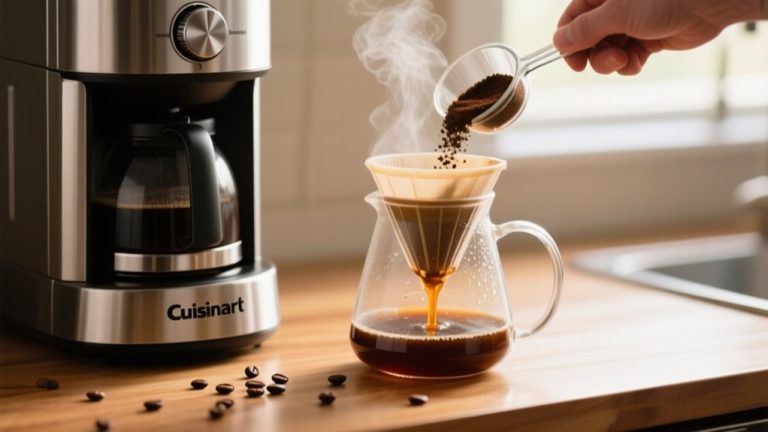
Drip coffee and pour-over methods typically produce higher caffeine content per 12 oz cup compared to other methods. Hot water slowly passes through the coffee grounds, allowing maximum extraction of caffeine, oils, and flavor compounds. A standard 12 oz cup from these methods can contain 120–200 mg of caffeine, depending on grind size, coffee-to-water ratio, and brewing time.
He or she brewing at home can adjust the strength and caffeine by altering the number of grounds or pour speed. Pour-over methods allow precise control over water contact time, which affects extraction. Drip machines provide convenience but may vary in temperature and flow, slightly changing caffeine content. Both methods deliver a balanced cup with moderate to high caffeine, ideal for daily energy and focus.
Espresso Brewing
Espresso is concentrated coffee brewed under high pressure using finely ground beans. A single 1 oz shot contains 63–75 mg of caffeine, while a double shot doubles this amount. Despite its small volume, espresso delivers a strong caffeine punch, which is why it is a popular choice for quick energy boosts.
He or she enjoying espresso should remember that caffeine intensity depends on bean type, roast, and grind. Robusta-heavy blends provide more caffeine per shot, while Arabica blends are smoother with slightly lower caffeine. The short extraction time concentrates flavor and caffeine efficiently, giving espresso its signature strength without needing a large volume of coffee.
Cold Brew and Steeped Coffee
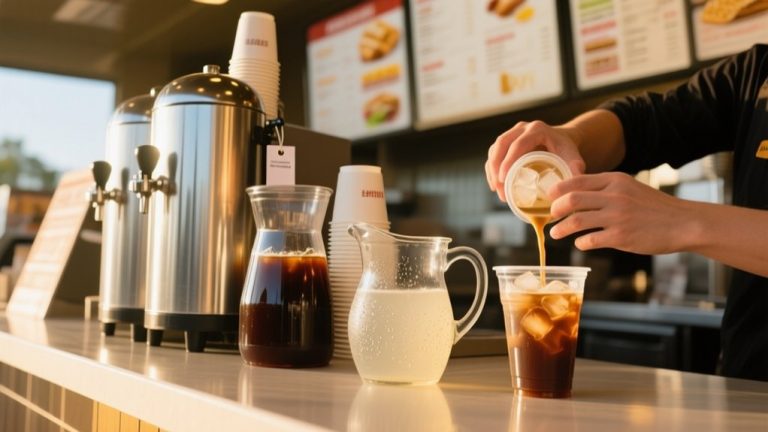
Cold brew coffee, steeped for 12–24 hours in cold water, extracts caffeine differently than hot methods. Despite lower temperatures, the extended contact time allows high caffeine content to be extracted, often resulting in 150–250 mg per 12 oz serving. Cold brew tends to be smoother and less acidic than hot coffee.
He or she drinking cold brew should note that caffeine concentration can vary widely depending on steeping time, bean type, and coffee-to-water ratio. Because cold brew is often served over ice, you may end up drinking larger volumes, increasing total caffeine intake. This method offers a gentle-tasting but potent caffeine boost, ideal for those sensitive to acidity but seeking a strong stimulant effect.
French Press and Immersion Methods
French press and other immersion methods use coarse grounds steeped in hot water for several minutes. This allows caffeine and coffee oils to extract fully, producing a robust and flavorful cup. A 12 oz French press serving typically contains 120–180 mg of caffeine, depending on steep time and coffee-to-water ratio.
He or she using a French press can adjust steeping time to control caffeine extraction. Longer steeping increases both caffeine and bitterness, while shorter steeping produces a milder cup. Immersion methods provide full-bodied flavor and consistent caffeine, making them suitable for those who enjoy a rich, aromatic coffee experience while monitoring stimulant levels.
Adjusting Brewing for Caffeine Control
Your choice of brewing method allows precise control over caffeine intake. Hot, slow extraction methods increase caffeine, while short, concentrated methods like espresso deliver high caffeine in smaller volumes. Cold brewing provides smooth, high-caffeine coffee over a longer period.
He or she monitoring energy levels or daily caffeine consumption can experiment with grind size, steep time, and brewing method to match personal tolerance. Understanding how brewing affects caffeine ensures each cup delivers the right balance of flavor, strength, and stimulation.
Tips for Managing Caffeine From Espresso Beans
Espresso beans are a concentrated source of caffeine, and enjoying them responsibly requires awareness of intake. Managing caffeine from espresso beans helps you maintain energy without experiencing jitters, insomnia, or crashes. Understanding portion sizes, brewing methods, and bean selection empowers you to enjoy espresso safely and consistently.
Monitor Portion Sizes
One of the simplest ways to manage caffeine intake is by controlling portion sizes. A single espresso shot typically uses 7–9 grams of ground coffee, containing roughly 63–75 mg of caffeine. A double shot doubles this amount, significantly increasing daily caffeine consumption.
He or she enjoying espresso should be mindful of how many shots are consumed in a day. Keeping track of single and double shots helps prevent accidental overconsumption, especially for those drinking multiple espresso-based drinks like lattes, cappuccinos, or macchiatos. Adjusting portion sizes according to personal tolerance ensures consistent energy levels without overstimulation or sleep disruption.
Choose Beans Wisely
Different espresso beans contain varying amounts of caffeine. Arabica beans are smoother with moderate caffeine, while Robusta beans are stronger and contain almost double the caffeine of Arabica. Many espresso blends combine both types to balance flavor and stimulant effect.
He or she selecting beans can adjust caffeine intake by choosing Arabica-dominant blends for a gentler energy boost or Robusta-enhanced blends for a more intense stimulant effect. Understanding the caffeine content per bean allows more accurate control over how much caffeine ends up in each shot, making espresso both flavorful and manageable for daily consumption.
Adjust Brewing Methods
Brewing method also affects caffeine extraction from espresso beans. Finer grinds and longer extraction times generally increase caffeine concentration, while shorter extraction and coarser grinds reduce it. Espresso machines deliver a concentrated caffeine punch quickly, while methods like cold brew, French press, or pour-over extract caffeine differently.
He or she controlling caffeine should experiment with grind size, tamp pressure, and shot duration to achieve a balance between taste and stimulant effect. Adjusting brewing variables can help maintain consistent caffeine levels per cup while preserving the full flavor and aroma of espresso. This is particularly helpful for home brewing or specialty espresso shots.
Space Out Consumption
Timing plays a key role in managing caffeine intake. Drinking multiple espresso shots in quick succession can cause jitters, increased heart rate, and disrupted sleep. Spacing shots throughout the day allows caffeine to metabolize gradually, providing steady energy.
He or she consuming espresso should consider spacing drinks by at least 2–3 hours, depending on sensitivity and tolerance. This approach prevents sudden spikes in energy and reduces the risk of caffeine-related side effects. By pacing espresso consumption, daily caffeine intake becomes easier to manage without sacrificing enjoyment or flavor.
Track Daily Intake
Keeping track of total daily caffeine is essential for managing intake from espresso beans. Recording the number of shots, type of beans, and brewing method gives a clear picture of how much caffeine you consume. This helps avoid exceeding recommended limits, which are generally around 400 mg per day for healthy adults.
He or she following a daily log can make adjustments as needed, choosing fewer shots, lighter beans, or alternative brewing methods to reduce caffeine. Tracking intake encourages mindful coffee consumption and ensures espresso continues to be a pleasurable, controlled part of your daily routine.
FAQs
How Much Caffeine Is in a Single Espresso Bean?
A single espresso bean typically contains between 6 and 12 mg of caffeine for Arabica beans and around 12 to 20 mg for Robusta beans. The exact amount varies based on bean type, origin, and roast level.
He or she choosing beans for espresso should note that even a small difference in caffeine per bean can add up when making multiple shots. Understanding this range helps you gauge total caffeine intake, especially for daily coffee consumption. Tracking beans per shot ensures your espresso provides the desired energy boost without overconsumption.
Does Bean Type Affect Caffeine Content?
Yes, the type of bean significantly affects caffeine levels. Arabica beans are smoother and have moderate caffeine, while Robusta beans are stronger, more bitter, and contain almost twice the caffeine.
He or she selecting beans should consider how bean type impacts both flavor and caffeine content. Many espresso blends combine Arabica and Robusta to balance taste and stimulant effect. Choosing a higher Robusta ratio increases caffeine per shot, while Arabica-heavy blends offer a gentler boost. Understanding bean type allows better control over energy and flavor in your espresso.
How Does Roasting Influence Caffeine in Espresso Beans?
Roasting affects caffeine concentration slightly. Lighter roasts retain more caffeine by weight because darker roasts lose mass during roasting. Dark roasts taste stronger but may contain slightly less caffeine per bean.
He or she brewing espresso should know that roast level influences both flavor and caffeine perception. A light or medium roast delivers a slightly higher caffeine content, while dark roasts emphasize richness and boldness. By choosing the appropriate roast, you can control caffeine intake without sacrificing the flavor profile you enjoy in your espresso.
Can the Origin of the Bean Change Its Caffeine Levels?
Yes, the origin of espresso beans impacts caffeine content. Factors like altitude, climate, and soil quality influence how much caffeine the plant produces naturally. Beans grown at higher altitudes or in nutrient-rich soils often contain slightly more caffeine.
He or she selecting single-origin or specialty beans should consider origin not just for flavor but also for caffeine. High-altitude Arabica beans may provide more energy per shot than lowland varieties. Understanding origin helps you estimate total caffeine intake and select beans that match both taste preferences and stimulant needs.
How Many Espresso Beans Are Used in a Single Shot?
A typical espresso shot uses about 7–9 grams of ground coffee, which translates to roughly 50–60 beans depending on size and type. The caffeine content of a single shot ranges from approximately 63–120 mg.
He or she tracking caffeine should remember that the number of beans used directly determines total caffeine per shot. Adjusting the quantity of beans allows control over intake without affecting flavor. Knowing the average caffeine per bean makes it easier to manage daily consumption, whether enjoying a single shot or multiple espresso-based drinks.
Does Grinding Affect Caffeine Extraction from Espresso Beans?
Yes, grinding impacts how much caffeine is extracted during brewing. Finer grinds increase the surface area, allowing more caffeine to dissolve into the espresso shot. Coarser grinds may under-extract caffeine and flavor.
He or she preparing espresso should adjust grind size to balance caffeine extraction and taste. Using a fine grind ensures the shot delivers maximum caffeine efficiently, while a coarser grind produces a milder cup. Awareness of grinding effects helps maintain consistent energy levels and flavor intensity for each espresso shot, especially when experimenting with different beans or brewing methods.
Conclusion
Espresso lovers often want to know the impact of each bean on their daily caffeine intake. The caffeine content in an espresso bean can vary widely depending on the variety, roast level, and size of the bean. Understanding these factors helps you gauge how much energy and alertness you get from each shot.
When considering How Much Caffeine Is in an Espresso Bean?, Arabica beans typically contain less caffeine than Robusta, while lighter roasts may preserve slightly more caffeine than darker roasts. On average, a single espresso bean contains roughly 6–12 mg of caffeine, but this can change depending on the bean’s origin and density.
By knowing How Much Caffeine Is in an Espresso Bean?, you can make smarter choices about how many beans to use, your preferred roast, and how strong your espresso shots will be. This knowledge allows you to enjoy your espresso while controlling caffeine intake effectively.