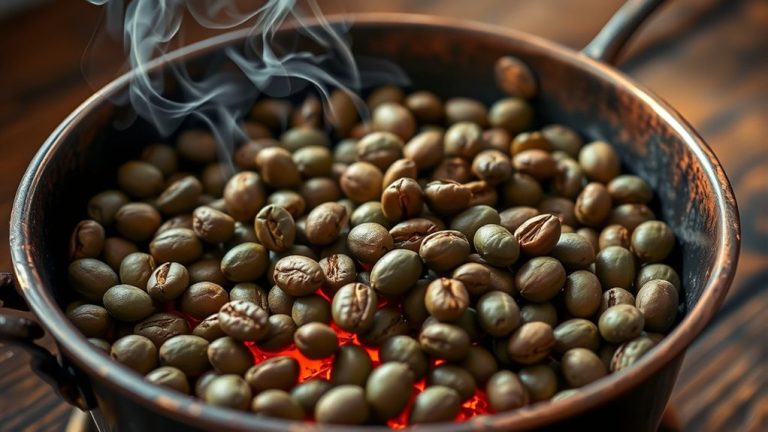

Does Coffee Have Histamine – What You Should Know
Coffee contains low levels of histamine, but its caffeine can trigger your body to release more. This might worsen symptoms if you’re sensitive.
Low-quality or moldy beans may increase histamine and toxins, raising risks. Choosing high-quality, organic, specialty-grade coffee and brewing carefully can help minimize histamine exposure.
If you experience headaches, digestive issues, or skin reactions, your body might be reacting. Explore how different coffee types and preparation methods impact histamine to find what works best for you.
What Is Histamine And How Does It Affect Your Body

Histamine is a natural compound that plays several important roles in your body, including regulating immune responses, aiding digestion, and facilitating communication between nerve cells. It’s mainly released by mast cells and basophils during allergic reactions and inflammation.
When histamine levels rise excessively, you might experience symptoms linked to histamine intolerance. This is often caused by a deficiency in the DAO enzyme, which breaks down histamine. This imbalance can trigger headaches, digestive issues, and fatigue.
Excessive histamine, often due to DAO enzyme deficiency, can cause headaches, digestive problems, and fatigue.
In conditions like Mast Cell Activation Syndrome (MCAS), histamine release becomes dysregulated, causing widespread symptoms that overlap with those seen in histamine intolerance.
Understanding how histamine affects you helps clarify symptoms of coffee and other triggers without jumping to conclusions about their histamine content or release mechanisms.
Does Coffee Contain Histamine Or Trigger Its Release?
How exactly does coffee affect histamine levels in your body? Coffee itself contains low histamine, but certain processing methods, especially fermentation, can increase histamine accumulation in the beans.
If you have histamine intolerance or MCAS, caffeine in coffee may promote histamine release, potentially triggering symptoms. Choosing high-quality coffee matters; low-quality beans often harbor higher histamine due to poor farming and mold contamination.
Opt for certified organic brands like Purity Coffee® that undergo rigorous testing to minimize this risk. Furthermore, brewing methods impact histamine release. Cold brewing, for instance, can encourage yeast and mold growth if not properly refrigerated, raising histamine levels.
Understanding these factors helps you make informed choices to manage histamine sensitivity while still enjoying your coffee.
How Coffee Fermentation And Roasting Affect Histamine Levels
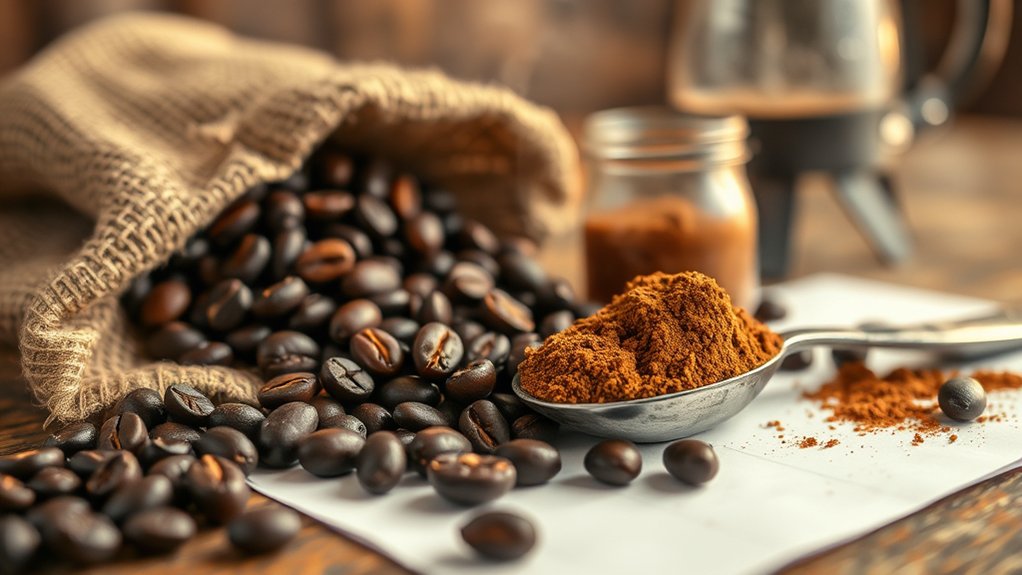
Although fermentation plays an essential role in developing coffee’s flavor, it can also cause histamine levels to rise, especially when the process is prolonged.
During coffee fermentation, longer times increase histamine accumulation in the beans due to microbial activity affecting chemical compounds.
Extended fermentation times boost histamine levels in coffee beans through microbial chemical changes.
However, the roasting process typically reduces histamine levels by breaking down these biogenic amines at high temperatures.
You should note that quality control is critical; poor farming or processing can elevate histamine content, impacting your coffee experience.
Specialty-grade coffee often undergoes rigorous testing to minimize contaminants and maintain lower histamine levels.
Why Mold And Toxins In Coffee Can Worsen Histamine Intolerance
While fermentation and roasting influence histamine levels in coffee, other factors like mold and toxins can make histamine intolerance symptoms worse. Moldy coffee beans produce mycotoxins that trigger mast cell activation, intensifying your histamine intolerance.
Moreover, poor coffee processing increases histamine content, raising reaction risks. You should watch out for moldy coffee beans harboring harmful mycotoxins, pesticides and acrylamides in conventionally grown coffee, and low-quality coffee with elevated histamine due to poor storage.
There are benefits to choosing organic options to reduce toxin exposure. Specialty-grade coffee can also minimize mold and contaminants.
Choosing mold-free, specialty-grade coffee helps you avoid these triggers and supports better tolerance if you suffer from histamine intolerance.
How Quality Coffee Reduces Histamine Risks

You’ll notice that organic, specialty-grade coffee usually has lower histamine levels. That’s because it’s grown and processed with extra care.
For example, they often hand-pick the beans and skip fermentation steps, which helps keep histamine from building up.
Organic Coffee Benefits
Because organic coffee comes from regenerative farms and undergoes careful processing, it greatly reduces your exposure to pesticides and mycotoxins that can worsen histamine intolerance symptoms.
Choosing organic coffee means you’re selecting a product less likely to trigger inflammation or adverse reactions.
High-quality coffee benefits you by:
- Minimizing mycotoxins through certified mold-free beans
- Utilizing a roasting process that lowers histamine concentrations
- Avoiding harmful pesticides linked to histamine release
- Employing smokeless roasting to eliminate biotoxins
- Supporting overall lower inflammation for sensitive individuals
Processing Impact on Histamine
If you want to reduce histamine risks in your coffee, understanding how processing affects histamine levels is essential. The fermentation stage can increase histamine accumulation, so proper harvesting and post-harvest grading are critical to minimize it.
Low-quality beans, often linked to poor farming, tend to have higher histamine due to defects and contamination. Choosing quality specialty-grade coffee, like certified organic Purity Coffee®, guarantees testing for contaminants and strict safety measures that lower histamine risks.
Roasting usually degrades histamine, but defective beans may retain more, highlighting the need for quality control.
Furthermore, cold brewing requires careful refrigeration to prevent yeast and mold growth, which could raise histamine levels.
Paying attention to these processing factors helps you enjoy coffee with minimal histamine concerns.
Brewing Methods That Minimize Histamine And Contaminants
You’ll want to keep your brewing equipment spotless. This helps prevent extra histamine exposure from any contaminants.
Also, cold brewing with refrigerated water is a great way to limit microbial growth and mycotoxins that can trigger reactions.
Clean Brewing Equipment
Maintaining clean brewing equipment is essential for minimizing histamine levels and contaminants in your coffee. Since coffee is over 98% water, any residue or buildup in your coffee makers can increase histamine and introduce off-flavors.
To keep your brew pure, consider these tips:
Use manual pour-over methods for easier cleaning and less risk of contaminants. Regularly clean all equipment with non-toxic solutions to avoid harmful residues.
Opt for brewing methods like the French Press to control the process and reduce additives. Avoid leaving brewed coffee or equipment unrefrigerated to prevent yeast and mold growth.
Rinse and dry all parts thoroughly after each use to maintain sanitary conditions.
Following these steps guarantees cleaner equipment, lower histamine levels, and better-tasting coffee.
Cold Brew Safety
Although cold brewing coffee takes longer than traditional methods, it offers a safer way to minimize histamine and contaminants. The cold brew process involves steeping organic coffee beans in room temperature water for 12-24 hours. This reduces acidity and limits fermentation that can raise histamine levels.
To guarantee safety, refrigerate your cold brew during and after brewing. This helps prevent yeast, bacteria, and mold growth, which contribute to higher histamine content.
Using clean, sanitized equipment and high-quality organic coffee beans further reduces the risk of introducing histamines and mycotoxins.
Proper storage in the refrigerator preserves the cold brew’s quality and prevents contamination. By following these steps, you can enjoy a flavorful coffee that’s lower in histamine and safer for sensitive individuals.
Does Coffee Trigger MCAS Reactions?
Because coffee contains low levels of histamine and caffeine can stimulate mast cells to release more histamine, drinking it may trigger reactions in people with Mast Cell Activation Syndrome (MCAS).
If you have MCAS, your intolerance to coffee can vary depending on several factors. Here’s what you should keep in mind:
Coffee itself contains some histamine but can promote further histamine release from mast cells. Caffeine’s stimulation of mast cells may worsen MCAS symptoms.
Choosing certified organic, mold-free coffee can reduce histamine exposure. Brewing and processing methods influence coffee’s histamine content; fermented or poor-quality coffee may increase risk.
Always consult your healthcare provider before adding coffee to your diet if you have MCAS to assess personal tolerance and avoid additives that might provoke reactions.
Symptoms That Show Coffee Affects Your Histamine Levels
If you notice symptoms like headaches, skin rashes, or digestive issues after drinking coffee, your histamine levels might be involved.
Coffee contains compounds that can trigger histamine release, especially caffeine, which promotes this effect.
Caffeine in coffee can stimulate the release of histamine, potentially affecting sensitive individuals.
If you have histamine intolerance or MCAS, these symptoms may worsen due to increased mast cell activation. Moreover, additives in commercial coffee drinks can make reactions worse.
You might also experience jitteriness or gastrointestinal discomfort as signs that coffee affects your histamine balance.
Choosing high-quality coffee, free from pesticides and mycotoxins, often reduces these symptoms.
Paying attention to how your body responds after coffee consumption helps you figure out whether histamine intolerance or MCAS is influencing your reaction to coffee and caffeine.
How To Choose Low-Histamine Coffee And Safe Alternatives
When selecting coffee that supports your histamine balance, focusing on high-quality, specialty-grade options like Purity Coffee® can make a significant difference.
Choosing low-histamine coffee means looking for these key factors:
Opt for Purity Coffee, USDA organic and free from pesticides and mycotoxins.
Select beans processed using the wet method to reduce histamine levels.
Try cold brewing coffee to lower acidity and histamine reactions, ensuring proper refrigeration.
Avoid commercial coffee drinks with artificial flavors or preservatives that worsen histamine intolerance.
If sensitive to caffeine, consider decaffeinated coffee like Purity Calm, designed for those with histamine issues.
When To Consult A Healthcare Professional About Coffee And Histamine
How do you know when to seek professional advice about coffee and histamine? If you have histamine intolerance or MCAS, consulting a healthcare professional before adding coffee to your diet is essential.
Symptoms like headaches, digestive issues, or fatigue after drinking coffee may signal histamine sensitivity. A healthcare professional can guide you on managing coffee consumption and recommend brands with low histamine levels, such as Purity Coffee®.
Tracking your individual reactions and keeping a food diary helps identify patterns to discuss during consultations.
Personalized advice is especially important if you experience severe symptoms. This ensures you avoid triggering histamine release caused by caffeine.
Seeking expert guidance helps you safely enjoy coffee while managing histamine-related concerns effectively.
Frequently Asked Questions
Can Decaffeinated Coffee Also Trigger Histamine Release?
Yes, decaf coffee can trigger a histamine response even if you aren’t caffeine sensitive.
Compounds beyond caffeine in decaf coffee may cause reactions depending on your individual tolerance.
Brewing methods and additives also influence histamine levels, so how you prepare it matters.
If you notice symptoms, consider trying alternative beverages with lower histamine content.
Always choose high-quality decaf coffee to reduce potential histamine exposure and better manage your sensitivity.
Does Adding Milk or Cream Affect Coffee’s Histamine Impact?
Like sipping coffee in a Victorian parlor, you’ll find that adding milk or cream doesn’t greatly raise coffee’s histamine levels.
However, milk interaction varies. If you have lactose intolerance or histamine sensitivity, dairy can trigger reactions.
Cream effects might also differ depending on additives.
Consider brewing methods, as cold brew’s lower acidity may ease histamine impact.
Choose dairy or alternatives wisely to balance flavor profiles and minimize discomfort.
Are Instant Coffee Products Higher in Histamine Than Ground Coffee?
Yes, instant coffee products generally contain higher histamine levels than ground coffee due to their composition and processing methods.
Additives and preservatives in instant coffee can worsen histamine sensitivity, and improper storage conditions may increase histamine buildup.
Your individual reactions can vary, but brewing methods using fresh, high-quality ground coffee typically result in lower histamine exposure.
This makes it a better choice if you’re sensitive to histamines or mast cell triggers.
How Does Coffee Consumption Affect Histamine Levels in Children?
Think of coffee metabolism like a storm stirring histamine waves in a child’s body. When your child drinks coffee, caffeine effects can trigger histamine release, especially if they’ve histamine sensitivity. This may cause headaches or digestive upset.
Children’s reactions vary, influenced by age factors and overall dietary considerations.
You should monitor their response carefully and consult a healthcare professional to guarantee coffee doesn’t worsen their histamine-related symptoms.
Can Coffee Interact With Antihistamine Medications?
Yes, coffee can interact with antihistamine medications because caffeine effects influence coffee metabolism and may increase histamine sensitivity.
This interaction can reduce your medication’s effectiveness and complicate allergy management.
If you notice symptoms worsening, consider beverage alternatives like herbal teas.
Always discuss these health implications with your healthcare provider to tailor your diet and medication plan effectively, ensuring ideal relief and safety.
Conclusion
Think of your body like a finely tuned orchestra. Histamine is one instrument that needs careful balance. While coffee doesn’t contain much histamine itself, it can sometimes trigger its release or worsen symptoms, especially if mold or toxins are present.
Choosing high-quality, well-processed coffee can keep your “orchestra” in harmony. If you notice symptoms like headaches or itching after coffee, consult a healthcare professional to keep your body playing its best tune.