Does Coffee Grounds Expire – Shelf Life Explained
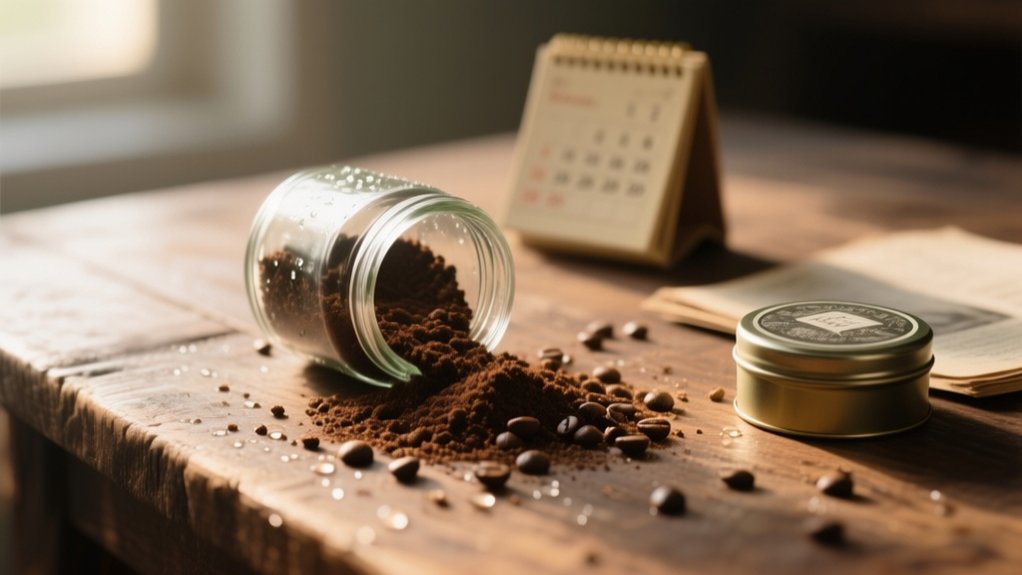
Yes, coffee grounds do expire because exposure to air causes oxidation. This process degrades flavors and oils, making the coffee stale within 1-2 weeks after opening. Whole beans last longer since they resist oxidation better.
Proper storage in airtight, opaque containers helps preserve freshness. Freezing can extend shelf life up to a year if sealed well. Understanding how factors like degassing and storage affect your coffee will help you get the best taste every time.
How Long Do Ground Coffee Grounds Stay Fresh?
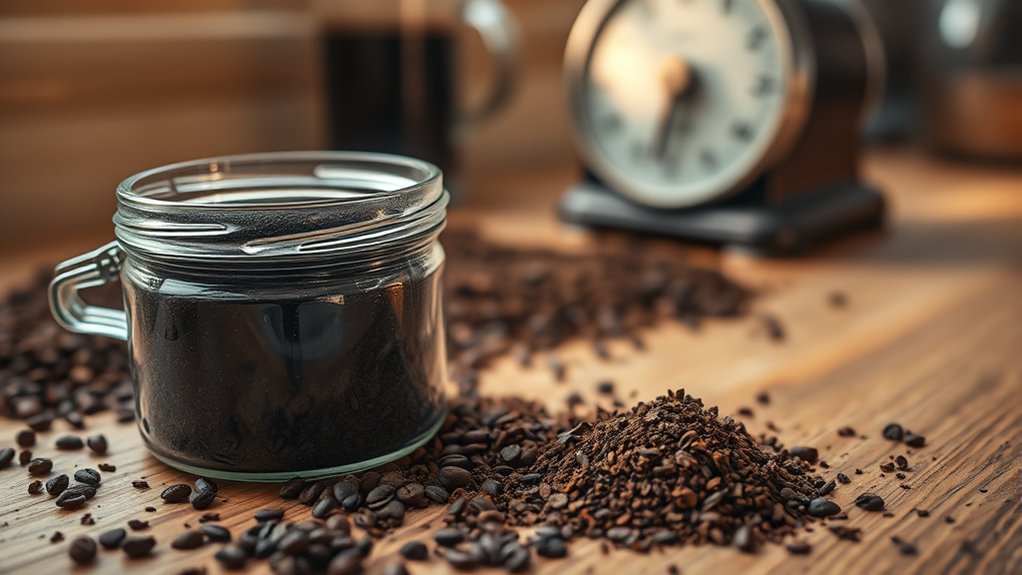
Although ground coffee offers convenience, its freshness diminishes quickly once opened, typically lasting only 1 to 2 weeks, with peak flavor in the first week. Understanding coffee shelf life is essential to maximize your brew’s quality.
Ground coffee loses freshness rapidly after opening, with the best flavor enjoyed within the first week.
Unopened ground coffee can maintain freshness for 3 to 5 months past the roast date if stored properly in a cool, dry place. After two months, the life of ground coffee declines sharply, leading to noticeable flavor loss.
To extend shelf life, freezing ground coffee is effective, preserving aroma and taste for 6 to 12 months when sealed correctly.
Watch for signs like stale aroma, moisture-induced clumping, or bitterness; these indicate spoilage.
Managing storage conditions directly impacts how long ground coffee stays fresh and flavorful.
Why Do Whole Beans Last Longer Than Ground Coffee?
Understanding the limited freshness of ground coffee naturally leads to comparing it with whole beans, which tend to last longer. Whole beans have less surface area exposed to oxygen, slowing oxidation and helping them retain aromatic oils and flavor compounds.
When coffee is ground, it instantly increases air exposure, causing it to lose freshness rapidly, usually within 1-2 weeks. In contrast, whole beans can stay fresh for 4-6 weeks if stored properly.
| Coffee Form | Surface Area Exposed | Freshness Duration Post-Roast |
|---|---|---|
| Whole Beans | Low | 4-6 weeks |
| Ground Coffee | High | 1-2 weeks |
| Storage Tips | Airtight Containers | Preserve freshness longer |
You’ll notice whole beans maintain quality far better, thanks to their intact structure.
Why Is Oxidation the Main Cause of Coffee Staleness?
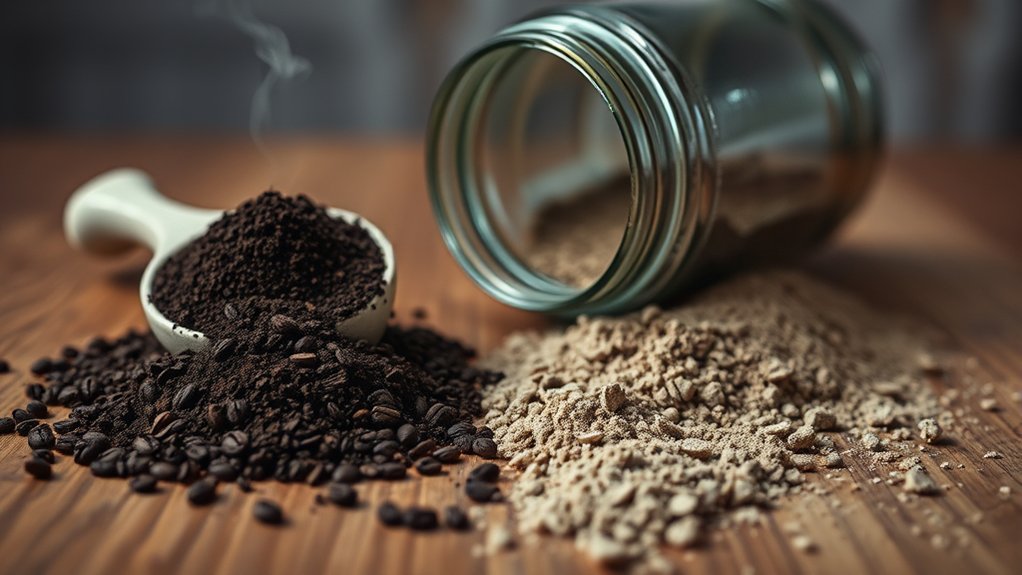
Since coffee grounds have a large surface area exposed to oxygen, oxidation rapidly degrades the oils and flavor compounds that give coffee its fresh taste. When oxygen interacts with these compounds, it breaks them down, causing volatile aroma molecules to dissipate. This results in muted flavors.
This chemical reaction happens much faster in ground coffee than in whole beans, making grounds prone to becoming stale within 1-2 weeks after roasting.
Although packaging with one-way valves helps release CO2 while limiting oxygen entry, oxidation still occurs.
As a result, you’ll notice your coffee losing its freshness and developing a stale taste.
Understanding oxidation’s role highlights why preventing oxygen exposure is essential to preserving ground coffee’s quality and flavor over time.
How Does Degassing Affect Ground Coffee Shelf Life?
When coffee grounds degas, primarily in the first 7 to 14 days after roasting, they release carbon dioxide that greatly impacts their flavor and aroma. This degassing process is vital for maintaining the coffee’s freshness, as CO2 helps preserve the complex flavor compounds.
However, as degassing progresses, the grounds become more susceptible to oxidation, which accelerates flavor degradation and staleness. That’s why packaging with one-way valves is essential. It allows CO2 to escape without letting oxygen in, protecting freshness during this vulnerable period.
To extend shelf life after degassing, you need to store your ground coffee in airtight containers, minimizing oxygen exposure.
What Happens When Ground Coffee Goes Bad?
As ground coffee releases carbon dioxide and undergoes oxidation, its quality inevitably declines over time.
When coffee goes stale, you’ll notice it loses freshness through diminished aroma and flavor.
Within 1-2 weeks after opening, ground coffee typically experiences a significant drop in quality, resulting in flat or bitter tastes.
Sour or musty odors also signal degradation.
While spoiled coffee isn’t harmful, oil oxidation causes rancid flavors that degrade your brew’s enjoyment.
Moisture can introduce visible mold, clumping, or an oily surface, further indicating spoilage.
Even with airtight, opaque storage, ground coffee deteriorates faster than whole beans.
Understanding these changes helps you appreciate why freshness matters and why coffee goes stale relatively quickly after grinding.
How to Tell If Your Ground Coffee Has Gone Bad
How can you tell if your ground coffee has gone bad? First, consider the shelf life: once opened, ground coffee typically lasts 1-2 weeks. Its flavor degrades rapidly because of oxidation.
Fresh coffee has a strong, pleasant aroma, a dry and loose texture, and a deep brown color. If your coffee smells stale, sour, or musty, these could be signs of spoilage, maybe from mold.
Fresh coffee smells pleasant, feels dry and loose, and boasts a rich brown color; stale odors suggest spoilage.
Check for visible mold, clumping, a hard texture from moisture, or an oily surface. These all indicate significant degradation.
You can also brew a small amount to confirm freshness. If the taste is flat, bitter, or harsh, the coffee is probably stale.
How Fast Does Ground Coffee Lose Aroma and Flavor?
Recognizing the signs of stale ground coffee is helpful, but understanding how fast it loses aroma and flavor gives you better control over freshness. Fresh ground coffee reaches its flavor peak within the first week after grinding because volatile compounds degrade quickly.
You’ll notice a significant decline in aroma and taste after just 1-2 weeks due to oxidation. Exposure to air, light, and moisture speeds this up, so proper storage is key to keeping flavor.
After about two months at room temperature, ground coffee develops noticeable flavor degradation and rancid notes from oil oxidation.
To enjoy the fullest, most vibrant flavor, consume fresh ground coffee as soon as possible. Delaying consumption means sacrificing the quality and richness you expect.
How Grinding Just Before Brewing Preserves Freshness
You preserve coffee’s flavor best by grinding it just before brewing. This helps limit oxidation, which quickly degrades freshness.
Because ground coffee has more surface area exposed to air, waiting too long before using it lets those delicate, volatile compounds fade away fast.
Flavor Preservation Benefits
Grinding coffee beans just before brewing releases the fullest flavor by preserving delicate aromatic compounds that start to degrade rapidly when exposed to air.
When you use whole bean coffee, you maintain ideal coffee freshness for up to 4-6 weeks post-roast.
Once ground, the coffee’s peak flavor diminishes within 1-2 weeks due to increased exposure to oxygen.
To maximize flavor preservation benefits, grind only the amount you need immediately before brewing. This practice minimizes contact with air and light, slowing the loss of essential oils and aromas.
Freshly ground coffee delivers a fuller-bodied, richer taste compared to pre-ground alternatives, which often lose vibrancy and develop stale notes.
Prioritizing whole bean coffee and grinding just before use guarantees you enjoy the freshest, most flavorful cup possible.
Oxidation Reduction Impact
Although coffee beans can stay fresh for several weeks, their flavor starts to deteriorate rapidly once ground due to increased exposure to oxygen.
When you grind coffee, you markedly increase its surface area, accelerating oxidation.
This oxidation breaks down essential oils and aromatic compounds, causing ground coffee to lose its freshness within 1-2 weeks.
The first 7-14 days after grinding are critical, as degassing and oxidation progress most rapidly during this period.
While storing ground coffee in an airtight container slows oxidation, it can’t fully prevent flavor degradation.
Grinding just before brewing minimizes oxygen exposure, preserving the coffee’s full flavor profile.
Optimal Grinding Timing
Since coffee’s volatile compounds start dissipating immediately after grinding, you’ll preserve the richest flavors by grinding just before brewing. The ideal grinding timing is critical because freshly ground coffee releases its full aroma and taste within 15 minutes to an hour after grinding.
Whole beans can stay fresh for 4-6 weeks post-roast, but once ground, oxidation accelerates, reducing quality within days. To maintain peak freshness, grind only the amount you need per brew, ideally using a burr grinder for consistent particle size.
This approach guarantees that freshly ground coffee retains its complex flavor profile and aroma, preventing premature staleness.
How Storage Conditions Affect Ground Coffee Shelf Life
When you want to keep ground coffee fresh, how you store it plays an essential role in preserving its flavor and aroma. Shelf life shortens rapidly when ground coffee is exposed to air, light, and moisture because these accelerate oxidation. Proper storage conditions, like airtight, opaque containers kept in cool, dry places, minimize these effects.
This helps maintain freshness for up to 1-2 weeks after opening. Unopened ground coffee can stay fresh 3-5 months under ideal conditions, although flavor begins to degrade after two months. Warmer temperatures speed up deterioration, so it’s best to avoid heat exposure.
Freezing can extend shelf life to 6-12 months, but it requires vacuum-sealing to prevent moisture and flavor loss. By controlling storage conditions carefully, you can slow degradation and keep your coffee tasting its best for longer.
Best Containers to Keep Ground Coffee Fresh
You’ll want to choose containers that are airtight because that helps keep oxygen out and preserves the freshness of your coffee.
Plus, containers made from opaque materials are great since they block light, which can really mess with the flavor compounds over time.
When you’re deciding, it’s helpful to compare materials like glass, stainless steel, and plastic to see which one works best for keeping your ground coffee tasting its best.
Airtight Container Benefits
Three key benefits make airtight containers essential for keeping ground coffee fresh. First, they considerably slow down oxidation, which preserves the coffee’s flavor and aroma longer.
Second, an airtight container reduces moisture absorption, preventing clumping and spoilage.
Third, by maintaining a sealed environment, it limits exposure to external elements that degrade quality.
To guarantee purity of taste, choose containers made from neutral materials like glass or stainless steel, which won’t impart unwanted flavors.
Regularly inspect the container for wear or seal damage, as even minor breaches can compromise freshness.
Using an airtight container is a straightforward, effective method to extend the shelf life of your ground coffee while preserving its ideal flavor profile.
Opaque Storage Importance
Beyond airtight sealing, protecting ground coffee from light exposure plays a significant role in maintaining its freshness. Using opaque storage effectively blocks light, which degrades flavor compounds and speeds up staleness.
When you store coffee in an airtight container that’s also opaque, you shield it from both oxygen and light, two key factors that cause oxidation and flavor loss. This dual protection helps preserve the aromatic oils essential to coffee’s rich taste, extending freshness well beyond the typical 1-2 weeks after opening.
Glass jars or specialized coffee canisters with airtight seals and opaque bodies are excellent choices for this purpose. Avoid transparent containers, as they allow light to penetrate and speed up rancidity.
Prioritize opaque storage paired with an airtight container to maintain your ground coffee’s ideal flavor and shelf life.
Material Types Comparison
Although many container options exist, choosing the right material can greatly impact how well your ground coffee retains its freshness. Airtight containers are essential to extend the shelf life by minimizing exposure to oxygen and moisture.
Glass canning jars, when sterilized, offer an effective solution, preserving flavor without absorbing odors. Vacuum-sealed bags excel by considerably reducing oxygen contact, slowing flavor degradation.
Metal containers, if opaque, also protect against light and air, maintaining coffee quality over time. However, avoid plastic containers for long-term storage since they can trap odors and allow moisture infiltration, which shortens shelf life.
Should You Freeze Ground Coffee to Extend Shelf Life?
How long can you keep ground coffee fresh by freezing it? Freezing ground coffee can extend its shelf life considerably, preserving flavor for 6-12 months, and up to 2 years if vacuum-sealed.
Freezing ground coffee preserves its flavor for 6-12 months, or up to 2 years if vacuum-sealed.
This works because freezing slows oxidation and locks in volatile aromatics that give coffee its aroma and taste.
To maximize shelf life, you need airtight containers to prevent moisture and odor absorption, which degrade frozen coffee quality. Once you open a bag with a one-way valve, transfer the grounds to a sealed container before freezing.
Keep in mind, frequent thawing and refreezing introduce moisture, leading to flavor loss.
How to Buy and Store Ground Coffee for Best Flavor
When you’re buying ground coffee, try to pick bags that have recent roast dates. This way, you know you’re getting it at its freshest.
Once you bring it home, store your coffee in an airtight, opaque container. Keep it away from heat and strong odors—that helps preserve the flavor.
Now, if you really want the best taste, think about grinding whole beans just before you brew. It makes a big difference!
Plus, using the right storage methods can help keep your coffee fresh for longer.
Choosing Fresh Ground Coffee
Since freshness directly impacts flavor, you should choose ground coffee with a recent roast date, ideally within one to two weeks. Freshly roasted coffee beans retain volatile oils and aromas essential for superior taste, which diminish rapidly after roasting.
When buying, look for packaging with one-way valves that allow carbon dioxide to escape without letting oxygen in. This helps preserve freshness and extends the shelf life of ground coffee.
Assess the aroma and flavor regularly; a flat or stale profile indicates the coffee’s quality has declined.
Although storage methods influence longevity, selecting fresh grounds from the start guarantees you maximize flavor potential. By prioritizing roast date and proper packaging, you can enjoy coffee at its peak, avoiding the rapid deterioration typical of ground coffee past its prime freshness window.
Optimal Storage Techniques
To preserve the rich flavors of ground coffee, you need to store it in airtight, opaque containers that block light and air. Both speed up oxidation and staleness.
Ideal storage techniques also include keeping your coffee in a cool, dry place, away from heat and moisture. Temperature fluctuations degrade flavor.
Buy ground coffee in smaller amounts, around 250 grams or 12 ounces, to consume it within 1-2 weeks of opening. This ensures peak freshness.
If you want coffee to last longer, consider freezing it in an airtight container. But avoid repeated thawing to maintain quality.
Always check the roast date when purchasing. For best flavor, use coffee within 1-2 months after roasting.
Following these methods helps you enjoy coffee at its freshest and most flavorful.
Frequently Asked Questions
Can Expired Coffee Grounds Be Used for Gardening or Composting?
Yes, you can use expired coffee grounds for gardening and composting. They offer compost benefits by adding nitrogen, which enriches your soil and speeds up decomposition.
For gardening tips, sprinkle grounds around plants to improve drainage, aeration, and deter pests like slugs.
Incorporating them into your compost pile enhances nutrient content, promoting healthier plant growth.
Expired grounds remain a valuable, eco-friendly resource for your garden’s ecosystem.
Does Caffeine Content Decrease After Coffee Grounds Expire?
Caffeine stability remains largely intact even after coffee grounds pass their freshness indicators.
While your grounds may taste stale or bitter due to lost volatile compounds, the caffeine content decreases only slightly, about 1–2% monthly.
So, although expired coffee grounds won’t deliver the best flavor or aroma, you can still expect a near-consistent caffeine kick.
Keep in mind, freshness indicators mainly reflect quality, not caffeine degradation.
Are There Health Risks From Drinking Expired Coffee?
You won’t face health effects from drinking expired coffee unless it shows mold or a sour odor, which indicate contamination.
The main issue you’ll notice is flavor degradation. Stale coffee tastes flat or bitter due to oxidation.
While flavor declines after a few weeks, expired grounds remain safe if kept dry and free from mold.
How Do Flavored Coffee Grounds Affect Shelf Life?
Imagine your flavored coffee grounds waving a white flag just weeks after opening. That’s how flavor stability suffers. Added oils speed up oxidation, cutting your coffee’s lifespan to about 1-2 weeks.
You’ll notice aroma retention fading faster too as those extra flavor agents break down.
To keep your brew fresh, store it airtight in a cool, dry spot away from odors. Otherwise, your coffee’s charm vanishes quicker than you’d like.
Can Coffee Grounds Be Revived After Going Stale?
You can revive stale coffee grounds using specific reviving techniques like adding spices or flavoring agents to mask the flat taste. However, these methods won’t restore the original complexity or aroma lost to oxidation.
While stale coffee won’t deliver peak flavor, experimenting with cinnamon, nutmeg, or vanilla can improve your brew’s taste.
For best results, though, grinding fresh beans before brewing remains the most effective way to enjoy rich, vibrant coffee.
Conclusion
You’ve learned that ground coffee has its charming window of freshness before it gracefully mellows. While it won’t spoil like perishable goods, its vibrant flavors fade due to oxidation and degassing.
Storing it properly in airtight containers, away from heat and moisture, helps preserve that inviting aroma. Freezing can be a strategic move, but moderation is key.
With thoughtful care, your coffee moments stay pleasantly robust and satisfying.