What’s The Strongest Coffee – Top High-Caffeine Choices
If you want the strongest coffee, focus on caffeine content per serving. Brands like Devil Mountain Black Label pack an extreme 1,500 mg per 12 oz, while Black Insomnia and Death Wish offer around 693 mg and 473 mg respectively.
Using Robusta beans or specialty blends boosts caffeine further. Brewing methods like cold brew extract more caffeine than espresso or drip.
Explore how beans, roast, and brewing shape your ultimate high-caffeine coffee experience and choices.
How Is Strongest Coffee Measured by Caffeine Content?
Although many factors influence your coffee’s strength, caffeine content remains the primary measure, typically calculated in milligrams per 8-ounce serving.
When evaluating coffee strength, you should note that roasting level, such as dark roast, doesn’t greatly change caffeine content by weight. However, bean density affects concentration per volume.
Brewing methods play an important role too. For example, cold brew coffee often contains 150-240 mg of caffeine due to extended steeping times.
Robusta beans naturally have higher caffeine content, about 2.2% by weight, nearly twice that of Arabica. This influences the final caffeine level in your cup.
Moreover, high-caffeine blends marketed by specialty brands can deliver over 700 mg per 12-ounce serving, targeting those seeking an extreme caffeine boost.
Understanding these factors helps you choose the strongest coffee based on caffeine content.
How Coffee Bean Types Affect Caffeine Levels
When selecting coffee based on caffeine content, understanding the differences between bean types is essential. Arabica beans typically contain 1.2% to 1.5% caffeine, offering a smoother taste, while Robusta beans pack 2.2% to 2.7% caffeine, resulting in a stronger, more bitter flavor.
Specialty coffee blends often combine these beans to deliver high caffeine levels without sacrificing flavor complexity.
While roast level affects caffeine retention, your choice of bean type primarily determines the baseline caffeine content.
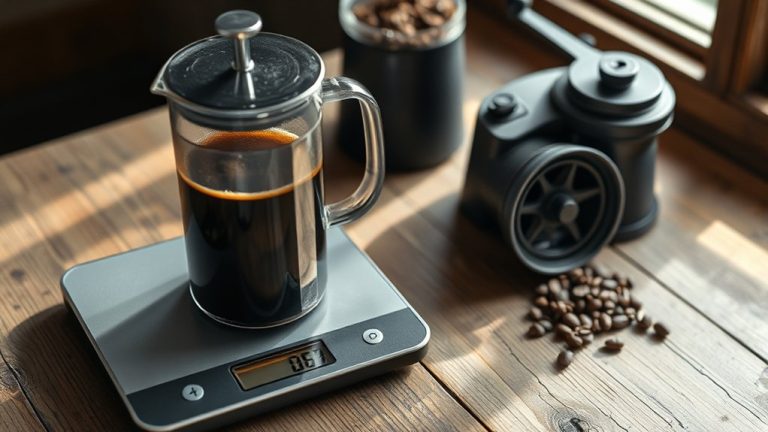
Furthermore, the brewing method influences how much caffeine ends up in your cup. French press and cold brew extract more caffeine compared to drip coffee.
Does Roast Level Affect Strongest Coffee Caffeine?
How much does roast level really impact the caffeine content in your coffee? Surprisingly, it doesn’t affect caffeine much by weight. Dark Roast Coffee beans are less dense, so if you measure by volume, you may get slightly less caffeine than with light roasts.
The type of bean matters more: Arabica beans have about 1.2-1.5% caffeine, while Robusta blends contain 2.2-2.7%, offering stronger caffeine regardless of roast. Also, how you brew your coffee greatly influences caffeine extraction, more than roast level.
| Roast Level | Caffeine Content (by weight) | Typical Bean Type |
|---|---|---|
| Light Roast | Similar to dark roast | Arabica beans |
| Dark Roast | Similar to light roast | Robusta blends common |
| Measurement Tip | Volume vs. weight affects caffeine |
Brewing Methods to Maximize Strongest Coffee Caffeine
Since brewing methods dramatically influence caffeine extraction, choosing the right technique is key to maximizing your coffee’s strength.
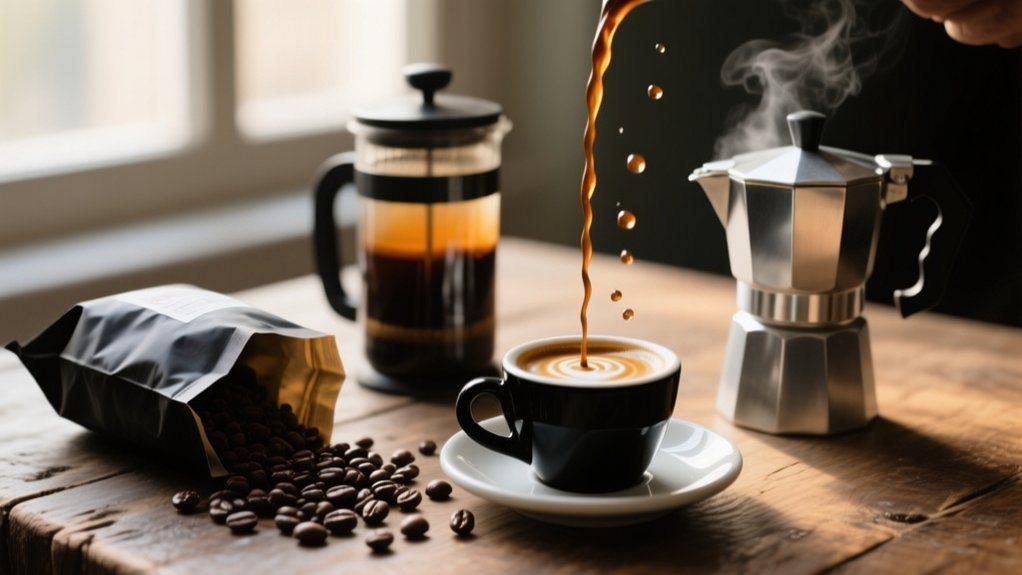
For the highest caffeine boost, cold brew excels due to its long steeping time and high coffee-to-water ratio, delivering 150-240 mg per 8 oz.
French press also stands out by using immersion to extract 80-135 mg per 8 oz, while drip coffee varies widely, often reaching up to 200 mg depending on brewing time and ratio.
An espresso shot packs 63-75 mg of caffeine in just 1 oz, so multiple shots increase intake quickly.
To further amplify caffeine, opt for Robusta beans, which contain nearly double the caffeine of Arabica varieties.
Top High-Caffeine Coffee Brands to Know
You’ll find several coffee brands that pack a serious caffeine punch, like Devil Mountain Black Label and Black Insomnia Coffee.
If you’re looking for something organic or specialty, don’t worry—there are high-caffeine options that still deliver on quality and flavor.
Knowing these brands makes it easier to pick the strongest brew that suits both your taste and caffeine needs.
Strongest Coffee Brands
When you need an intense caffeine boost, choosing the right coffee brand makes all the difference. Among the strongest coffee options, Devil Mountain Black Label stands out with extreme caffeine levels, often exceeding 1,500 mg per 12 oz serving.
Black Insomnia Coffee also delivers a powerful punch, offering about 1,200 mg of caffeine per cup.
Death Wish Coffee, known for its bold flavor, contains roughly 728 mg per 12 oz, making it a strong but slightly milder choice.
For high caffeine content, brands like Red Goat Coffee and Too Strong Robusta Vietnamese Coffee use Robusta beans, which naturally have more caffeine than Arabica.
These brands guarantee you get the energy boost you need without compromising on quality or taste.
Organic High-Caffeine Options
Although many high-caffeine coffees rely on conventional beans, organic options have gained popularity for delivering intense energy without synthetic additives. Brands like Devil Mountain Black Label stand out, offering up to 1,500 mg of caffeine per 12 oz serving, far beyond typical levels.
You’ll find high caffeine content in blends featuring organic Robusta beans, known for their strong coffee profile. Black Insomnia Coffee, marketed alongside Death Wish, uses these beans for a powerful Dark Roast experience, though opinions vary.
Too Strong Robusta Vietnamese Coffee also delivers robust flavor with plenty of caffeine.
For convenience, Bareorganics Energy Strong Coffee K-Cups provide about 95 mg per 8 oz serving, combining organic coffee quality with a reliable boost.
Black Rifle Coffee Company’s organic blends maintain strength and rich taste, perfect for serious caffeine seekers.
Specialty Coffee Alternatives
Anyone searching for specialty coffee alternatives with a serious caffeine kick should know the top brands that consistently deliver.
Death Wish Coffee is well-known, but its coffee contains around 728 mg of caffeine per 12 oz cup, which some find overrated.
For a darker, stronger option, Seattle Dark Coffee offers a rich flavor paired with high caffeine content, satisfying those who want both taste and power.
Black Insomnia Coffee uses robust Robusta beans to maximize caffeine, though it has mixed reviews.
Devil Mountain Black Label stands out with over 1,500 mg per 12 oz, making it one of the strongest available.
If you prefer a unique blend, Too Strong Robusta Vietnamese Coffee balances high caffeine with low acidity, unlike typical decaf coffee, which lacks stimulant effects.
Comparing Popular Strong Coffees: Death Wish vs. Black Insomnia
When you compare Death Wish and Black Insomnia, the first thing that jumps out is the caffeine content—300 mg for Death Wish and a whopping 702 mg for Black Insomnia in a 12-ounce cup. That’s more than double the kick!
But it’s not just about caffeine. Death Wish tends to have a smooth, chocolatey flavor, which many people find really enjoyable.
On the other hand, Black Insomnia goes for a bolder, more intense roast, perfect if you like your coffee with a stronger punch in taste.
So, knowing these differences makes it easier to choose the coffee that fits both your caffeine needs and flavor preferences.
Whether you want a smoother sip or a powerful jolt, there’s a strong coffee out there just for you.
Caffeine Content Comparison
Since caffeine content is a key factor for many coffee enthusiasts seeking the strongest brew, comparing Death Wish Coffee and Black Insomnia Coffee provides valuable insight. Both use Robusta coffee beans, known for their high caffeine content, and dark roasts that deliver intense flavors.
Death Wish Coffee offers about 473 mg caffeine per 12 oz, while Black Insomnia Coffee packs a staggering 693 mg per 12 oz. Cold brew can also yield high caffeine per ounce, often exceeding 300 mg.
Here’s a quick comparison:
| Coffee Brand | Caffeine per 12 oz | Coffee Beans | Roast Type | Customer Rating |
|---|---|---|---|---|
| Death Wish Coffee | 473 mg | Robusta | Dark Roast | 4.0 / 5 |
| Black Insomnia Coffee | 693 mg | Robusta | Dark Roast | 1.5 / 5 |
| Cold Brew | 300+ mg | Varies | Varies | N/A |
Choose wisely based on your caffeine tolerance and taste preference.
Flavor and Roast Profiles
Understanding caffeine content helps you gauge a coffee’s strength, but flavor and roast profiles play a significant role in your overall experience.
Death Wish Coffee blends Arabica Coffee with Robusta beans, delivering a smooth, rich flavor despite its high caffeine levels. Its dark roast balances potency with drinkability, making it ideal if you value flavor and ritual.
In contrast, Black Insomnia Coffee uses a dark roast of Robusta beans exclusively, resulting in a distinctly bitter taste that some find less enjoyable.
Though its caffeine levels are slightly lower than Death Wish, the intense bitterness can overshadow the strength.
When choosing between these strong coffees, consider whether you prioritize flavor complexity or sheer caffeine punch, as both excel differently within the domain of dark roast, high-caffeine options.
Specialty High-Caffeine Coffee Blends to Try
If you’re seeking an intense caffeine boost, specialty high-caffeine coffee blends offer some of the most potent options available.
Black Insomnia Coffee, often hailed as one of the strongest, delivers a caffeine content exceeding 700 mg per 12 oz serving.
Black Insomnia Coffee stands out with over 700 mg of caffeine per 12 oz serving, making it exceptionally strong.
Devil Mountain Black Label takes it further, boasting an extraordinary 1,500 mg per 12 oz cup, making it a powerhouse among strong coffee blends.
Death Wish Coffee, while popular, contains about 728 mg of caffeine but may feel less intense compared to these alternatives.
These specialty coffee choices cater to those who prioritize high caffeine for maximum alertness.
Exploring these blends introduces you to robust flavors paired with unparalleled caffeine content, perfect for pushing your limits without sacrificing the rich experience specialty coffee offers.
Strongest Ready-to-Drink Energy Coffees
If you’re on the hunt for the strongest ready-to-drink energy coffees, checking out the caffeine content is super important.
For example, brands like Starbucks Doubleshot Energy Vanilla and Monster Energy Coffee each pack between 200-225 mg of caffeine per can. That’s a serious boost to keep you going.
Knowing these popular options makes it easier to choose the right drink to fuel your day.
Caffeine Content Comparison
Ready-to-drink energy coffees pack a serious caffeine punch, with options like Starbucks Doubleshot Energy Vanilla delivering about 225 mg per 15 fl oz can.
When comparing caffeine content, cold brew coffee often surpasses 300 mg per 16 oz serving, offering a robust alternative to traditional coffee drinks.
Espresso shots provide roughly 63 mg each, but multiple shots in lattes or Americanos can quickly add up.
High-caffeine brands like Black Insomnia push boundaries, boasting over 700 mg per 12 oz serving, catering to those seeking extreme caffeine levels.
While decaf coffee offers minimal caffeine, specialty energy coffee drinks combine coffee with other stimulants to amplify their effects.
Understanding these differences helps you select the strongest option suited to your caffeine needs.
Popular Energy Coffee Brands
Several popular energy coffee brands deliver some of the strongest ready-to-drink caffeine boosts on the market. For instance, a Starbucks Doubleshot Energy Vanilla cup contains 225 mg of caffeine per 15 fl oz can, providing a reliable pick-me-up.
Reign Total Body Fuel ups the ante with 300 mg of caffeine in a 16 fl oz can, favored by those seeking a pre-workout jolt. Celsius Energy Drinks offer 200 mg per 12 fl oz, combining caffeine with fitness-focused ingredients.
At the extreme end, Devil Mountain Black Label boasts the highest caffeine levels, exceeding 1,500 mg per 12 oz serving, well beyond the recommended daily limit.
Black Insomnia Coffee claims the title of “Strongest Coffee in the World,” but its caffeine content and effects vary.
These energy drinks and coffees deliver powerful caffeine, so consume them mindfully.
How Much Caffeine Is in Decaf Coffee?
How much caffeine does decaf coffee actually contain? While decaf coffee is often thought to be caffeine-free, it typically holds 2 to 15 mg per 8-ounce serving. This amount varies based on the brand, brewing method, and coffee grounds used.
The FDA requires that the decaffeination process removes at least 97% of caffeine, but some still remains.
Keep these points in mind:
- Decaf coffee isn’t caffeine-free, just low-caffeine.
- Arabica decaf generally contains less caffeine than Robusta-based options.
- The exact mg per 8-ounce serving depends on many factors.
- Consuming large amounts can still affect your caffeine intake and sleep.
- Decaffeination removes most caffeine but doesn’t eliminate it entirely.
How to Choose the Strongest Coffee for You
What makes a coffee strong goes beyond just its bold flavor. You’ll want to focus on the caffeine content, bean type, and brewing method to find the right fit. Prioritize Robusta beans for higher caffeine content, and explore high-caffeine coffee brands like Black Insomnia.
Brewing methods such as cold brew and French press extract more caffeine. Serving sizes also directly affect total caffeine intake. Use reviews to match strength and flavor to your preferences.
| Factor | Recommendation | Impact |
|---|---|---|
| Beans | Robusta | ~2.2% caffeine, strongest |
| Brands | Black Insomnia, Devil Mountain | Marketed as high-caffeine |
| Brewing Methods | Cold brew, French press | Maximize caffeine extraction |
| Serving Sizes | Larger cups (16 oz+) | Higher total caffeine |
| Reviews | Community feedback | Helps match taste and strength |
Frequently Asked Questions
Can Drinking Strong Coffee Affect Sleep Quality?
Yes, drinking strong coffee can disrupt your sleep quality. Due to caffeine absorption and your individual sensitivity, caffeine can interfere with your sleep architecture, delaying sleep onset and causing nighttime awakenings.
Coffee metabolism varies, but caffeine’s half-life means it lingers hours after consumption. So, nighttime consumption increases sleep disruption.
High caffeine intake can also raise anxiety levels, which further affects rest.
To protect your sleep, consider limiting caffeine later in the day.
Are There Health Risks With Consuming High-Caffeine Coffee?
High-caffeine coffee can be a double-edged sword. If you have caffeine sensitivity, it might spike your anxiety levels and mess with your digestive system.
It can temporarily raise your blood pressure, posing risks for heart health, especially if you have pre-existing conditions.
Withdrawal symptoms like headaches and fatigue can hit if you cut back suddenly.
Pregnant individuals should be extra cautious, as high caffeine intake isn’t recommended during pregnancy.
How Does Caffeine Tolerance Develop Over Time?
You develop caffeine tolerance over time through daily consumption, which lowers your caffeine sensitivity.
Your body adapts by metabolizing caffeine faster, especially influenced by genetic factors and age effects.
Different beverage types and their caffeine content also impact how quickly tolerance levels build.
If you cut back suddenly, you may face withdrawal symptoms like headaches and fatigue, showing how your system has adjusted to regular caffeine intake.
What Are the Best Times to Drink Strong Coffee?
Picture the sun rising as you sip your morning boost between 9:30 and 11:30 AM, sharpening your mental focus.
Use strong coffee as pre workout fuel to power through endurance sessions.
When the afternoon slump hits, grab a midday pick me up between 1 and 3 PM to sustain creative inspiration and social interactions.
Just avoid caffeine six hours before bedtime, so your sleep stays restful and your energy resets for tomorrow.
Can Strong Coffee Help Improve Athletic Performance?
Yes, strong coffee can boost your athletic performance by enhancing mental focus and providing an endurance boost.
Its caffeine metabolism speeds energy release, helping you push harder during workouts.
For performance enhancement, time your intake about 30-60 minutes before exercise.
Just watch hydration concerns since caffeine can dehydrate you.
Post-workout, moderate coffee may serve as a recovery aid, but balance caffeine with fluids to stay properly hydrated.
Conclusion
When chasing the strongest coffee, think of caffeine as your rocket fuel. Each bean type, roast, and brew method ignites it differently. You’ll want to navigate brands and blends like a seasoned explorer, pinpointing those high-caffeine treasures that match your boldness.
Even ready-to-drink options can pack a punch if you know where to look. So, choose wisely, and let your perfect cup launch your day with precision and power.