How Long Is A Pot Of Coffee Good For – Freshness Guide
You should drink a pot of brewed coffee within four hours at room temperature for the best flavor since taste declines sharply after this time, becoming bitter and stale.
If you refrigerate it in an airtight container, freshness can extend up to 3–4 days, though flavor quality diminishes after 24 hours. Adding milk shortens its shelf life to 1–2 days.
Different roasts and storage methods also impact how long your coffee stays flavorful. Explore these factors to optimize your brew.
How Long Does Brewed Coffee Stay Fresh at Room Temperature?
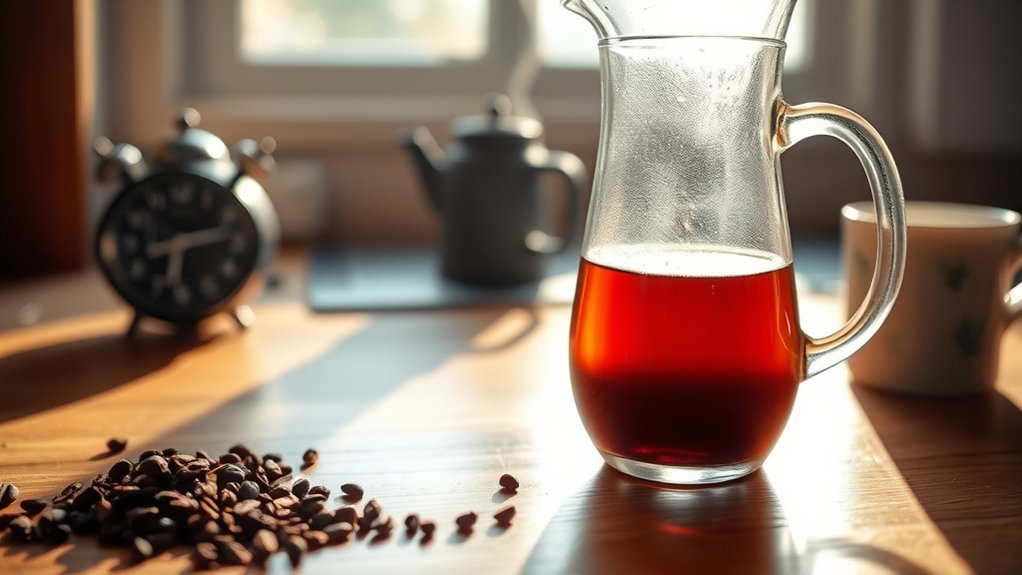
How long can you leave brewed coffee at room temperature before it loses its freshness? You should consume brewed coffee within 4 hours when it sits at room temperature to guarantee it maintains ideal flavor and freshness.
Consume brewed coffee within 4 hours at room temperature to ensure optimal flavor and freshness.
After this period, although the coffee remains safe to drink, its taste quality significantly declines due to chemical changes and oxidation. The flavors become stale, bitter, and less aromatic, diminishing your coffee experience.
To enjoy the best sensory profile, it’s essential to drink your coffee within this 4-hour window. Leaving brewed coffee out longer compromises its desirable characteristics, making it less enjoyable.
For peak freshness and flavor, plan to consume your brewed coffee promptly rather than letting it linger at room temperature.
Can Refrigerating a Pot of Coffee Extend Its Freshness?
Although refrigerating brewed coffee can extend its safety for up to 3 to 4 days when stored in a sealed container, you should know its flavor noticeably deteriorates after just 24 hours.
Refrigerated coffee stays fresh longer than at room temperature but loses its ideal taste quickly.
Here’s what you need to know:
- Flavor declines considerably after Day 1, making the coffee less enjoyable even though it’s safe to drink.
- Using a sealed container is essential to prevent odor absorption and preserve flavor quality.
- Cold brew coffee, however, retains better flavor for up to 7 days refrigerated, outperforming hot brewed coffee in freshness longevity.
How to Store a Pot of Coffee: Best Containers and Tips
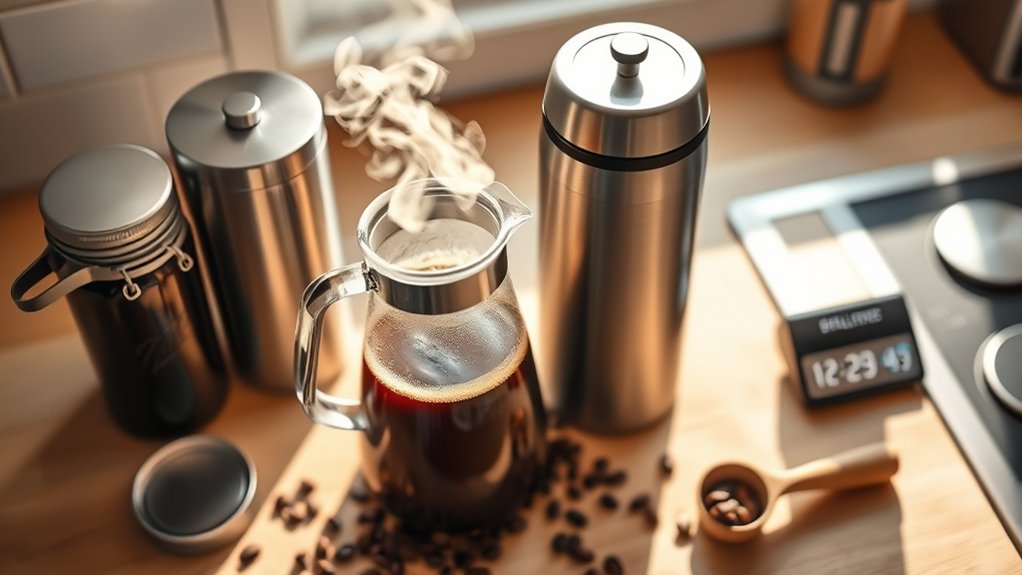
To keep your coffee tasting fresh, it’s best to store it in an airtight container. This helps limit air exposure and stops oxidation from ruining the flavor.
You’ll want to find a cool, dark spot for your coffee, or even pop it in the fridge to slow down any heat or light damage.
Also, try not to open the container all the time. Every time you do, air sneaks in and speeds up the flavor loss.
Airtight Container Benefits
When you store a pot of coffee in an airtight container, you significantly slow down oxidation and flavor loss by limiting its exposure to air.
Using an airtight container is crucial to store coffee properly and maintain its maximum freshness. Here’s why it works:
- Preserves aroma and flavor: Airtight glass or metal containers prevent moisture and external odors from penetrating, keeping the coffee’s taste intact.
- Blocks light exposure: Opaque containers shield coffee from light, which can degrade quality and accelerate spoilage.
- Extends shelf life: Proper storage in airtight containers can keep brewed coffee fresh up to 3-4 days refrigerated, slowing flavor degradation effectively.
Choosing the right airtight container guarantees you maximize your coffee’s flavor and freshness with scientifically supported preservation.
Optimal Storage Locations
Since brewed coffee begins to lose its ideal flavor within hours at room temperature, choosing the right storage location is essential to preserving its freshness.
The best storage method depends on how soon you plan to consume your coffee.
For short-term use, a thermos keeps brewed coffee hot and flavorful for up to 4 hours. If you need to store coffee longer, transfer it to an airtight, opaque container and refrigerate it. This slows flavor degradation and prevents odor absorption.
Avoid storing coffee with milk or cream, as they reduce shelf life due to bacterial growth. Proper airtight storage in the refrigerator extends freshness up to 3–4 days, though flavor diminishes after 24 hours.
Selecting the correct storage location and method guarantees you enjoy your brewed coffee at its best.
Avoiding Frequent Exposure
Although brewed coffee can last several hours or days depending on storage, frequent exposure to air drastically speeds up flavor degradation. To keep your coffee fresh and flavorful, minimizing air exposure is key.
Here’s how you can do it effectively:
- Use an airtight container to store brewed coffee. This helps prevent oxygen from spoiling the flavor and aroma.
- Avoid opening the container often. Every time you open it, oxygen gets in, which speeds up oxidation and flavor loss.
- Store the container in a cool, dark place or refrigerate it quickly to slow down the chemical changes that cause freshness to fade.
How Milk and Additives Affect Your Coffee’s Freshness
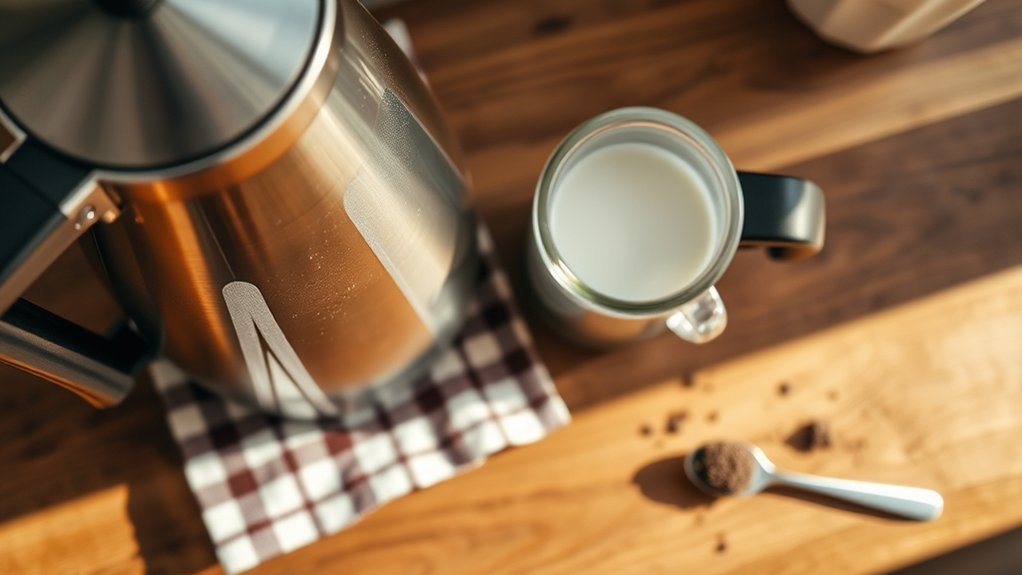
Because milk and other additives introduce bacteria and additional compounds, your coffee’s freshness declines much faster than black coffee. Milk and additives cut the shelf life to about 1-2 days refrigerated due to bacterial growth, which increases spoilage risk.
Proper sealing prevents odor absorption and slows freshness loss. But repeated container openings accelerate deterioration. Here’s a concise overview:
| Additive Type | Shelf Life (Refrigerated) | Spoilage Risk Factors |
|---|---|---|
| Dairy Milk | 1-2 days | Bacterial growth, air exposure |
| Plant-Based Milk | 1-2 days | Similar bacterial risks |
| Cream | 1-2 days | High fat content spoilage |
| Syrups/Flavorings | Up to 12 days | Oxidation, contamination |
| Sealing Technique | Airtight recommended | Prevents odor, slows spoilage |
Use these guidelines to maintain coffee freshness when using milk or additives.
Signs Your Coffee Has Gone Stale or Bad: Smell, Taste, and Appearance
Several clear signs indicate when your coffee has gone stale or bad, helping you make informed decisions about whether to drink it. Knowing these signs lets you avoid unpleasant flavors and potential spoilage.
1. Smell: Fresh coffee has a rich aroma. But stale coffee gives off a musty or rancid Smell.
A sour or vinegar-like odor is a strong sign that it’s spoiled.
2. Taste: If your coffee tastes flat, cardboard-like, or lacks vibrancy, it has lost its freshness and won’t be enjoyable anymore.
3. Appearance: Check for unusual color changes or excessive separation.
This is especially true if you add dairy or cream, which can spoil and show these signs.
Does Your Coffee’s Roast Level Affect How Long It Stays Fresh?
Your coffee’s roast level actually plays a big role in how long it stays fresh. Dark roasts lose their flavor faster because they’ve more oils on the surface, which leads to quicker oxidation.
On the other hand, light roasts usually keep their vibrant flavors for a longer time since they’ve fewer surface oils and are less porous.
But no matter what roast you prefer, how you store your beans is super important. Keeping them away from air, light, and moisture can really help maintain their freshness.
Roast Level Freshness Impact
Although all coffee starts to lose freshness after roasting, the roast level plays a significant role in how long your coffee maintains its flavor. The roast level directly influences the flavor profile and how quickly freshness declines. Here’s what you should know:
- Dark roasts contain more oils, which oxidize faster, causing a quicker loss of freshness and the emergence of rancid notes.
- Light roasts retain their bright flavor profile longer after opening, making them more stable for extended freshness.
- Whole beans, regardless of roast level, preserve fresh coffee better than ground; dark roast grounds degrade noticeably faster.
To maximize flavor, aim to use beans roasted within the last ten days.
Understanding roast level freshness impact helps you enjoy the best taste from your coffee.
Dark Vs Light Roasts
The difference in roast level not only shapes coffee’s flavor but also influences how long it stays fresh. Dark roasts tend to lose freshness faster than light roasts because their higher oil content oxidizes more quickly, accelerating flavor degradation.
Light roasts retain more moisture, which can aid flavor retention and slow freshness loss.
Whether dark or light, unopened whole coffee beans stay fresh for 6–9 months. But once opened, they’re best used within 2–4 weeks.
Ground coffee, regardless of roast, peaks in flavor within 1–2 weeks after opening, with rapid decline afterward.
While dark roasts offer a stronger initial aroma, their complex flavors fade sooner, making freshness especially vital for peak taste.
Understanding these differences helps you better manage coffee freshness based on roast level.
Storage Tips By Roast
Because roast level affects oil content and moisture, it also influences how you should store your coffee to maximize freshness.
Dark roasts have higher oil content, which speeds oxidation, so proper storage tips are essential to keep your coffee fresh.
Here’s how you can optimize storage based on roast:
- Store both light and dark roasts in airtight, opaque containers to block air and light, which degrade freshness.
- Consume ground coffee within 1-2 weeks of opening, as it loses freshness faster than whole beans, regardless of roast.
- Prioritize freshly roasted coffee by checking the roast date; coffee stays freshest within the first 10 days after roasting.
Following these guidelines guarantees your coffee maintains its unique flavor profile and peak freshness longer.
How Much Coffee Should You Brew for the Best Freshness?
How much coffee should you brew to maximize freshness? You should only brew what you plan to consume within a few hours since brewed coffee maintains ideal freshness and flavor for up to 24 hours.
A good guideline is to brew 1-2 tablespoons of coffee per 6 ounces of water, adjusting to taste and consumption habits. Brewing smaller pots, especially if you’re the sole drinker, prevents waste and guarantees each cup retains its full flavor.
Brew 1-2 tablespoons per 6 ounces of water to suit your taste and avoid waste.
If you brew frequently, using a thermal carafe helps keep coffee hot without overcooking it, which can degrade flavor.
Regularly evaluate your daily consumption to tailor your brew size, maintaining peak freshness and minimizing leftover coffee that loses its desirable taste over time.
Frequently Asked Questions
Can Reheating Coffee Multiple Times Affect Its Taste?
Yes, reheating coffee multiple times greatly affects its taste. Each reheating method causes flavor compounds to break down, leading to taste degradation and loss of coffee aroma.
You’ll notice bitterness and burnt notes as chemical changes accumulate.
To preserve flavor, use ideal storage like airtight containers and avoid repeated reheating. This helps maintain more of the original flavor compounds and aroma, preventing the stale, off-putting taste that results from reheating coffee repeatedly.
Does Water Quality Impact Brewed Coffee Freshness?
Water quality definitely dictates your drink’s delight.
Water mineral effects shape flavor extraction, while brewing temperature influence guarantees you hit that perfect 195°F to 205°F range for ideal freshness.
Choosing the right filtration system removes off-flavors, preserving aroma.
Storage container types also matter; airtight vessels slow the coffee oxidation process, maintaining taste longer.
How Does Grind Size Influence Coffee Staleness?
Your grind size directly influences coffee’s staleness by affecting oxidation rate. Finer grind sizes increase surface area, which speeds up oxidation and shortens how long the coffee stays fresh. This can dull the flavor profile within a week.
Coarser grinds expose less surface to air, so they preserve flavor longer.
Since brewing methods require specific grind sizes—espresso needs fine, French press coarse—adjust your grind accordingly. Then, consume quickly to keep the ideal freshness and taste.
Is Decaf Coffee Less Prone to Going Stale?
You won’t find decaf coffee less prone to going stale; its flavor retention mirrors regular coffee closely.
Despite the decaf processing altering chemical makeup, oxidation rates remain similar, impacting shelf life equally.
Picture the taste profile fading like a sunset. Both regular and decaf lose aroma and freshness at comparable speeds.
To preserve that rich flavor, store decaf airtight, away from heat and light, just as you’d with caffeinated beans.
Can Adding Sugar Preserve Coffee Freshness Longer?
You can’t rely on sugar to preserve coffee freshness longer. While sugar impacts the flavor profile, it doesn’t slow the oxidation process that degrades taste.
The freshness duration mainly depends on proper preservation methods like sealing and refrigeration.
Sugar’s minimal anti-microbial effects don’t counteract flavor loss after a few hours.
Conclusion
You might think that brewing a whole pot guarantees fresh coffee all day. But ironically, it’s the opposite. Room temperature coffee starts losing its charm after just 30 minutes, and refrigeration only slows the inevitable staleness.
Add milk, and freshness diminishes even faster. So, if you want truly fresh coffee, brew smaller amounts more often. Freshness isn’t about quantity; it’s about understanding how time, temperature, and additives work against your cup.